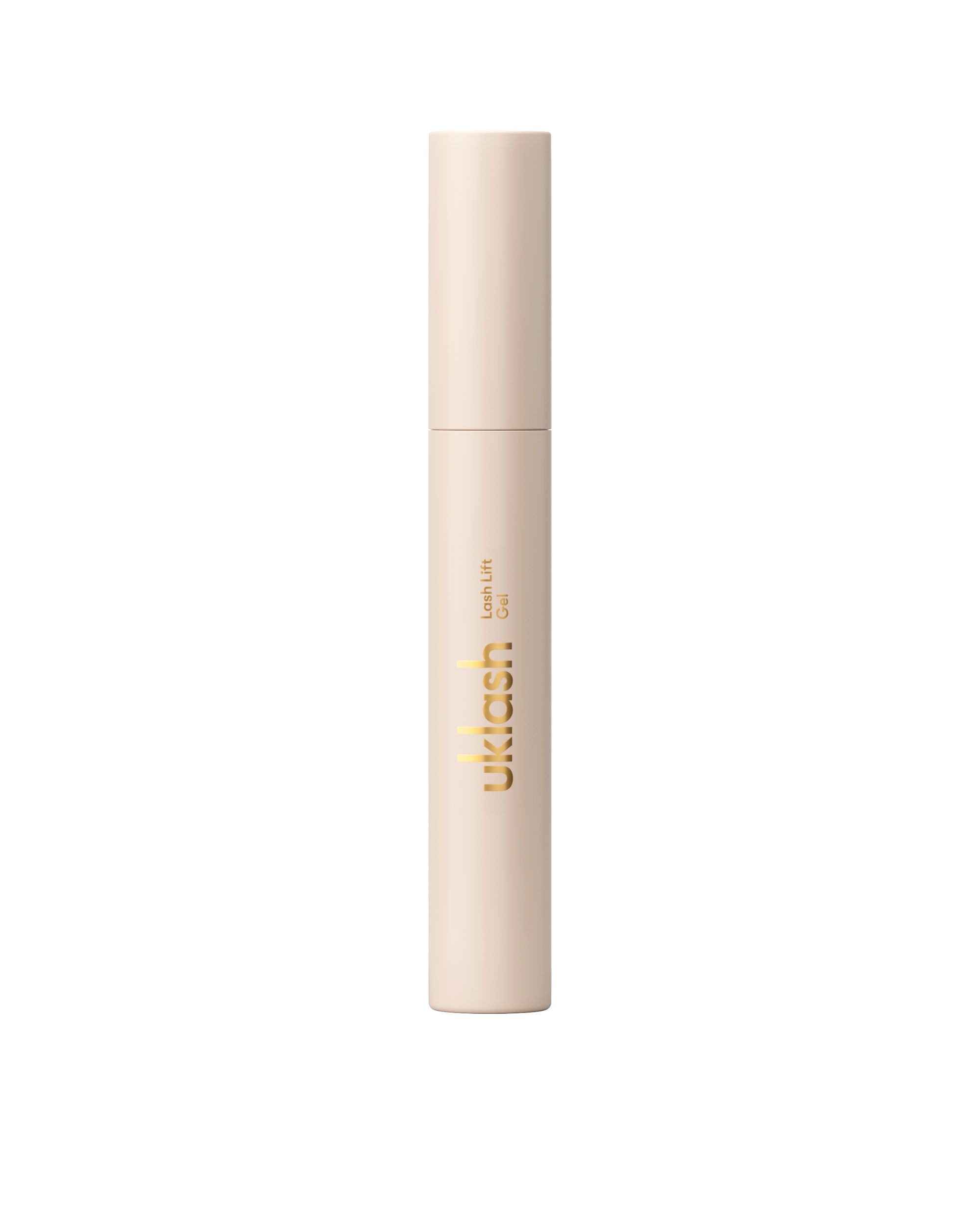
For as long as I can remember, I have been obsessed with getting my lashes to curl upwards. When I was in school, I kept three eyelash curlers in my bag, as backups for when mine inevitably got confiscated because I was constantly caught curling my lashes. My natural lashes are so straight, they may as well be pointing downwards. So when I heard that UKLASH was soon to launch a Lash Lift Gel, I knew I had to try it. A lash lift in a bottle? Yes please.
But it's not just about the lift. What made this so exciting for me was that, in addition to lifting, the product treats the lashes too, with nourishing ingredients that promise to support lash health and tint them over time. A product you can use as a pre-mascara primer and on its own for a natural lash lift look? It’s exactly what my lash routine needed.
How We Test
I've been using the Lash Lift Gel for the past two weeks, testing different application techniques, varying the amount used, and trying it with various mascaras to see whether it affects how the formula holds or looks. I also used the product every time I wear mascara, and I tested it alone, at the gym, and for a full day of work and events.
Over the years of testing beauty products, I've tried most of the best mascaras out there, know exactly which eyelash curler you need depending on the lash look you want, and I've even tested a lot of eyelash primers and clear mascaras in my time as a beauty writer.
I look for three main things in any lash product. First, ease of application: any mascara or mascara-adjacent product takes a few goes to get used to the wand and how it best applies, but once I've got that down, a low-fuss product is a must. Second, how it looks: I like my lashes to look as long, lifted and curled as possible, and I won't be satisfied until I've done everything I can. And third, how long it lasts: how my mascara looks at the end of the day really matters to me. I'm usually out from 7 am until 10 pm most days, and mascara starting to drop, or worse, drying up and falling out, is my nightmare.
(Image credit: Future)
First Impressions
(Image credit: Future)
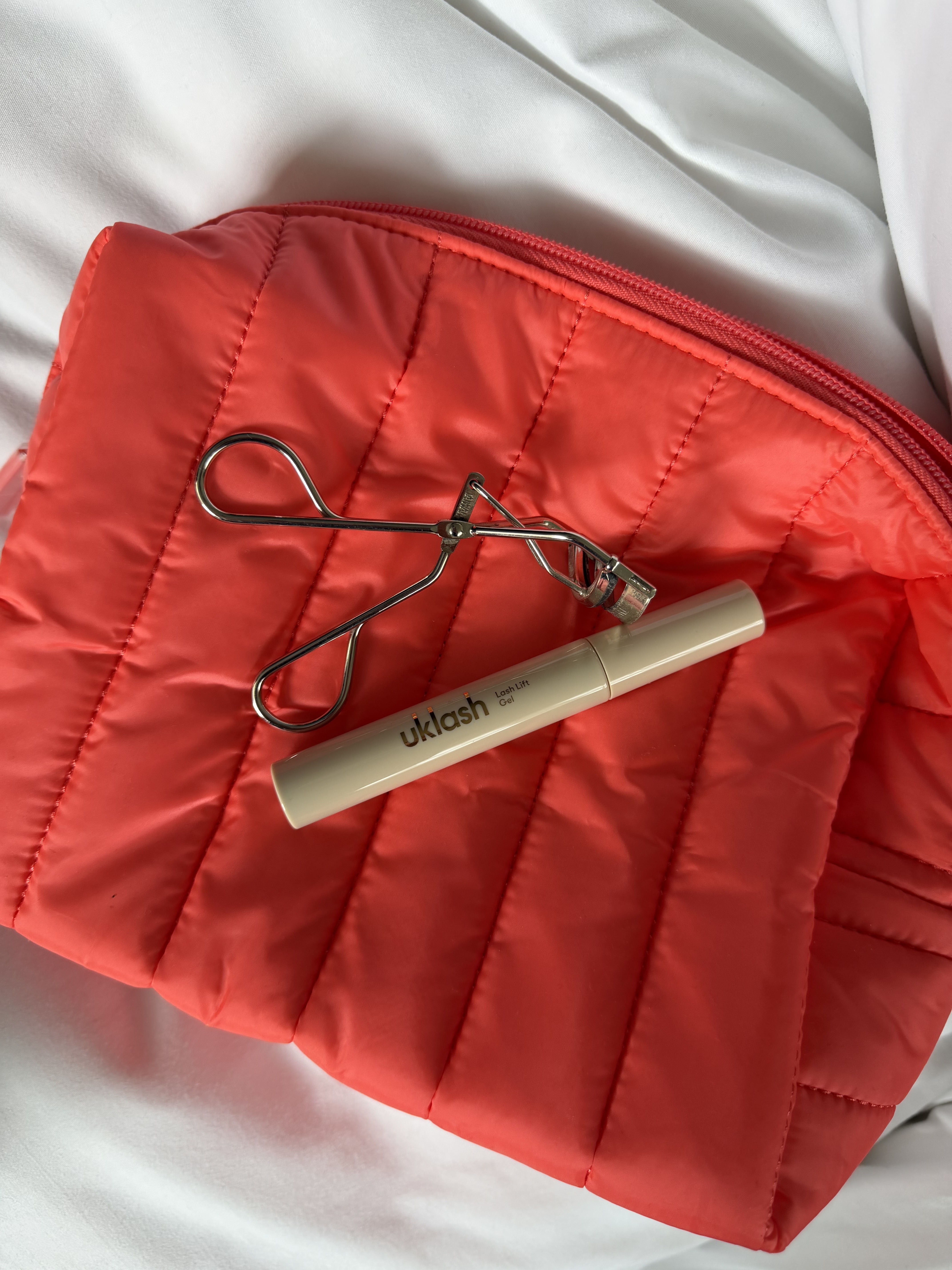
From the outside, this could look like your sleekest, chicest mascara. And on the inside? Even better. The brush is flexible, with densely packed bristles, and I was surprised that it had a sweet smell. To get a feel for the texture, I placed it on the back of my hand, and it dries down almost tacky, as you'd expect from a gel product.
It's the first product of its kind, not just for UKLASH but for the market: a lash treatment and a lash lift in one. It promises to lift lashes instantly, hold that lift from morning to night, and keep them healthy while it's at it. My expectations were high.
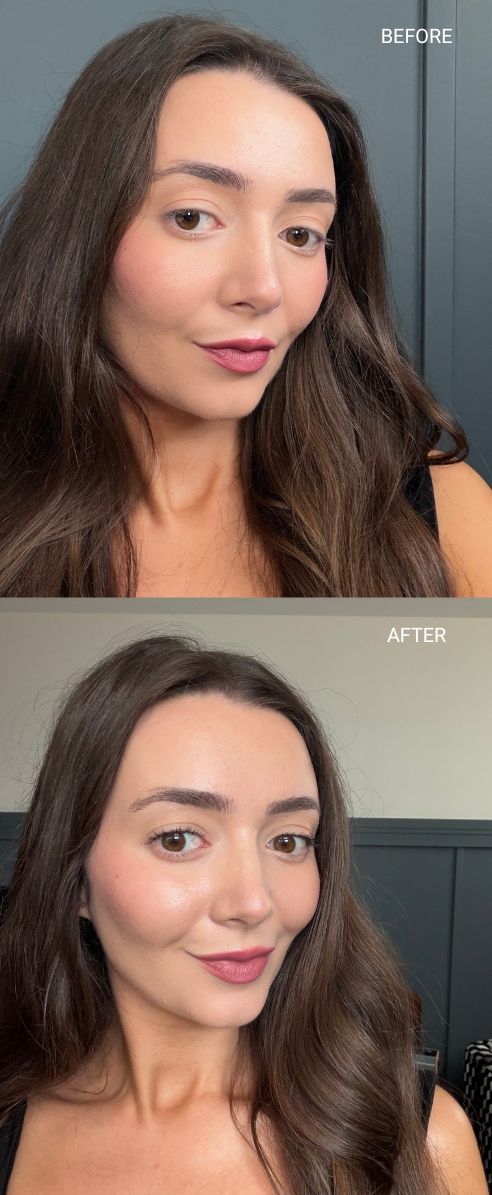
As someone with unusually straight lashes, my main concern when doing my makeup is curling them and keeping them up. Would it live up to my expectations? Would it hold my lashes up? I was won over the very first time I tried it. It's a subtle lift and tint, but it's there, and the subtlety is exactly what works. After application, my lashes look lifted and tinted, and I even consider skipping mascara altogether. It shocked me, as a diehard mascara wearer.
How to Apply
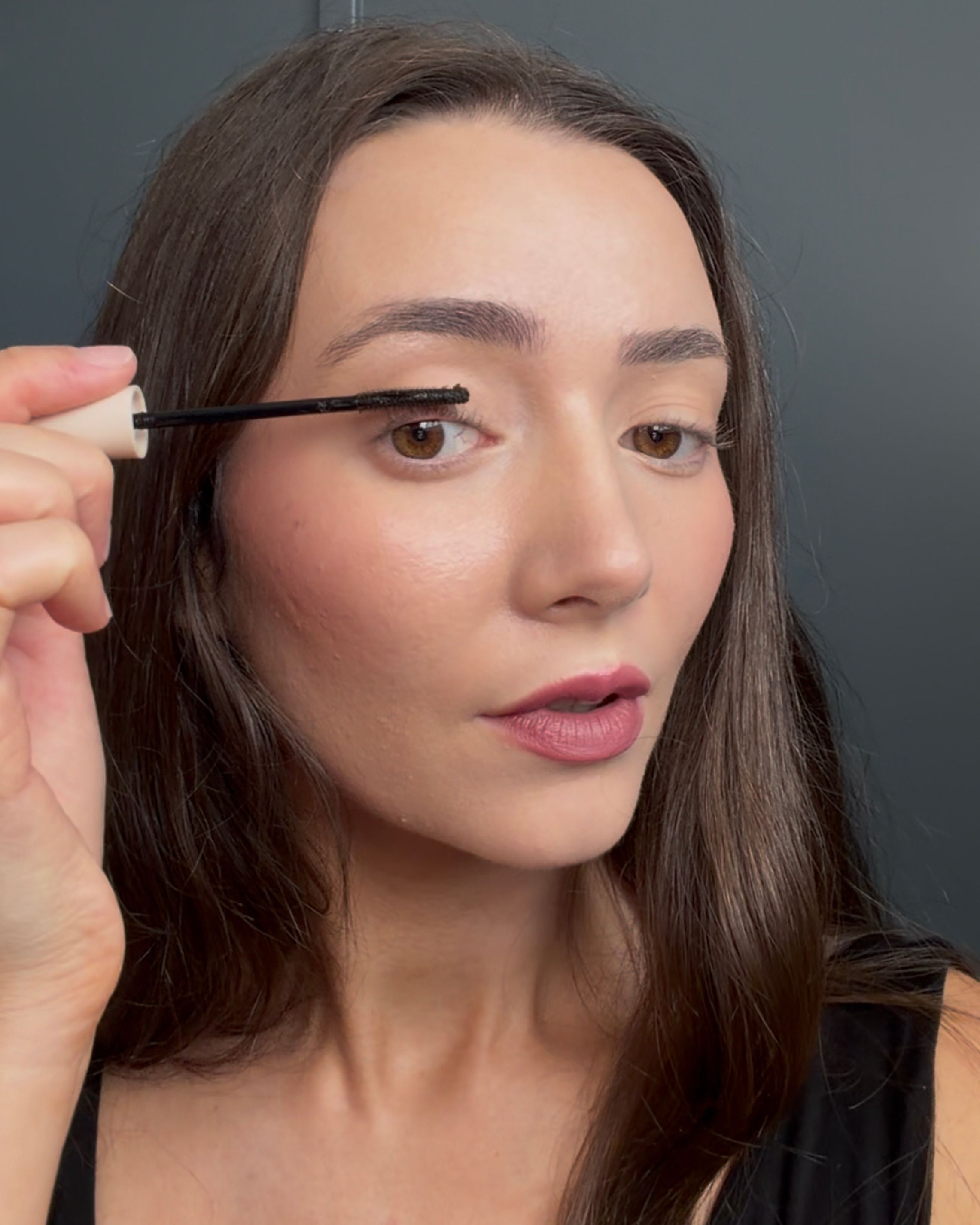
The product itself is super easy to apply, just like mascara. I curl my lashes first anyway, and with the Lash Lift Gel, you have to, whether you're wearing it alone or under mascara. As a pre-mascara step, I found it best to let it dry a tad before applying mascara. My technique? Apply one layer to one eye, let it dry while you apply it to the other side, then come back to do mascara.
Less is definitely more with this: just do one coat. At first I applied it like my mascara, coats and coats of it, and found it weighed my lashes down. What I learned is to treat the pre-step as a coat of mascara in itself. Once I realised that, I used much less mascara on top and had the desired result (and got through less mascara, win-win).
When using it without mascara, I'd put on a few more coats, about three, dipping the brush back in the tube each time to make sure I get enough product on. When using it under mascara, I'd dip the brush once and apply a single coat across the lashes, focusing on the ends and where I want the lift.
(Image credit: Future)
The Verdict
I'm thrilled with the results. The lift is incredible, and the way it holds my lashes all day means I don't think I could ever go back to applying mascara alone. It took a few goes and a bit of trial and error to figure out what worked for me, but that's the same with every new mascara: I always have to get used to a new brush and formula to get my lashes the way I like them, fanned out, super long and curled. This helped me get everything I wanted with less mascara than I usually would, but the best part was that they stayed lifted and curled. Usually by the end of the day my mascara doesn't look how it did when I left the house, but with this, when I got home my lashes were still lifted, and that, for me, is everything.
What makes the formula so special? Vitamin E and glycerin keep the lashes hydrated and conditioned. If you often experience fallout from dry mascara, or by the end of the day your lashes look visibly dry, this stops that.
An unexpected positive: the Lash Lift Gel has helped me lean into the ghost lash trend. If you'd told me six months ago that the no mascara trend would make mascara become "uncool," I'd have said I saw it coming; Paris Fashion Week beauty trends predicted it, but it's not for me. And yet, with the help of the Lash Lift Gel, my lashes look lifted and have a tint to them that makes them look really healthy. I'd never thought about the health of my eyelashes before, and I caught myself observing how healthy they looked. That little bit of tint makes them look naturally darker, longer and lifted, something I've never felt with an eyelash primer before. Would I re-purchase? Absolutely, yes.
More to Try
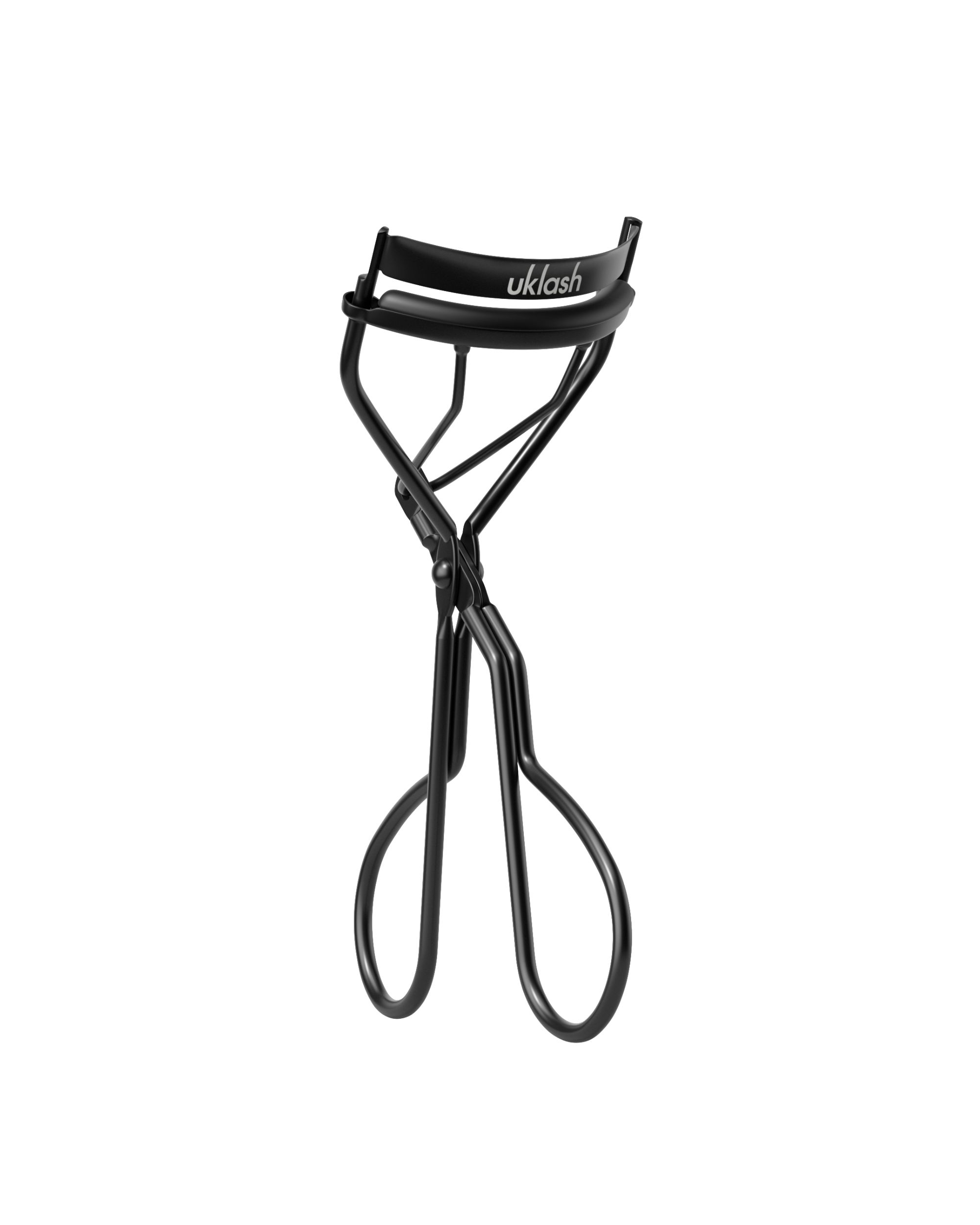
UKLASH Eyelash Curler
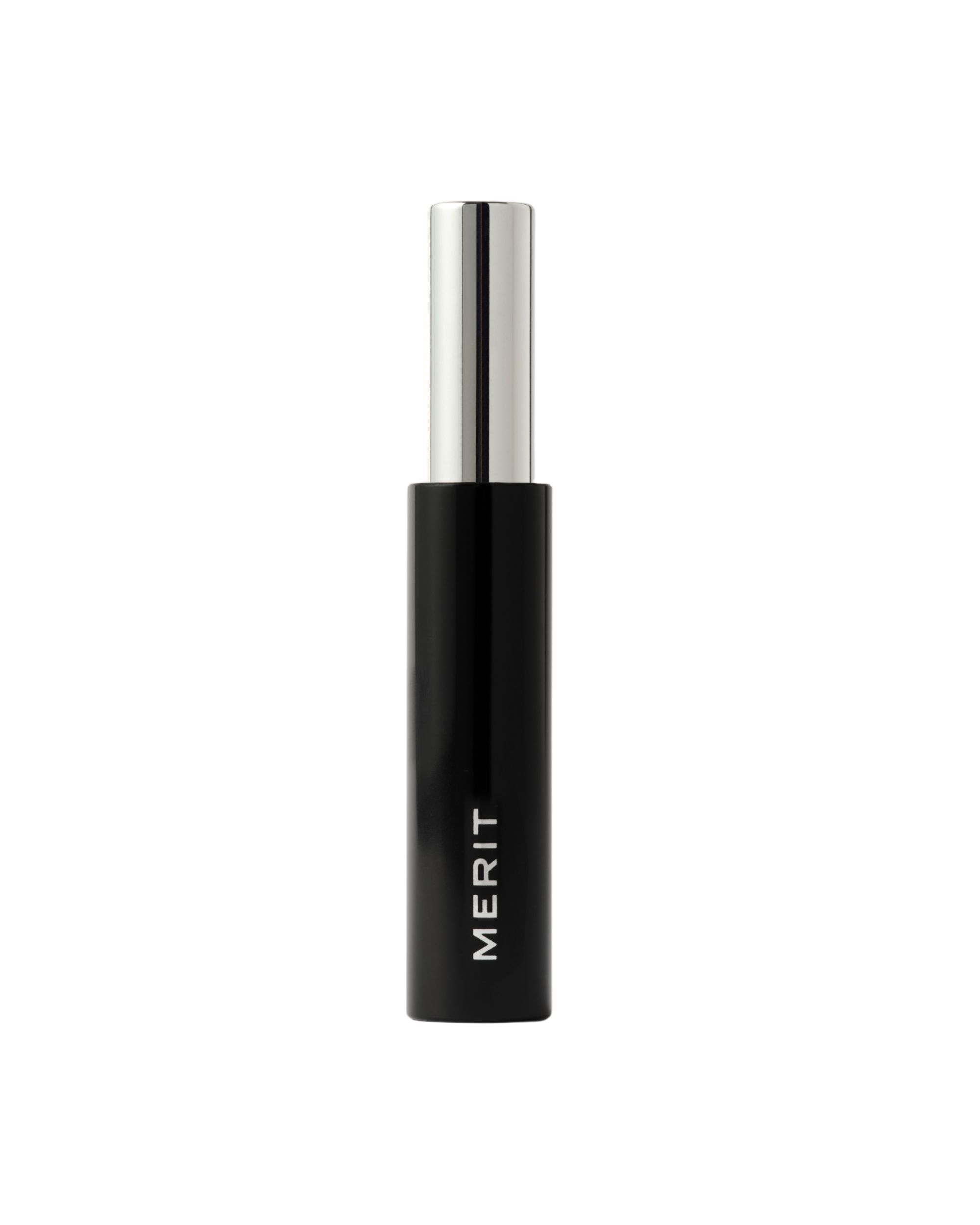
MERIT Clean Lash Mascara
from Latest from Marie Claire UK https://ift.tt/npv3YVs
via IFTTT
As someone who's been bleaching my hair for over 15 years, I know a thing or two about damage and dryness—particularly after a season spent in the sun and sea when my blonde becomes almost instantly parched. But with the right hair repair masks in my arsenal, my blonde stays looking healthy no matter what it's been exposed to.
After a particularly disastrous home-bleaching incident in my early twenties, intensive hair repair masks were the only thing to pull my ends back from the brink. Since then, I've used one at least once a week to treat hair damage, and I always pack one in my suitcase when travelling to combat the dryness that's left behind from salt, chlorine, and UV rays. Although the best conditioners can do some heavy lifting, nothing quite compares to the results of a mask after a dry summer.
From moisturising hair masks to leave-in bond repair treatments, these are the hair repair masks I swear by for strengthening, increasing shine, taming frizz, and keeping my hair healthy following the warmer months when it's most prone to damage.
How We Test
The Marie Claire UK team takes product testing seriously, with a commitment to delivering accurate, honest and genuinely helpful reviews for our readers. For this piece, I've rounded up hair masks that I have used on my hair for several months—and years in some cases. I assessed things like texture, packaging, ease of use, detangling abilities, and the all-important results after drying my hair. Only the ones that made a noticeable difference in terms of strength, softness, and shine made it into this piece.
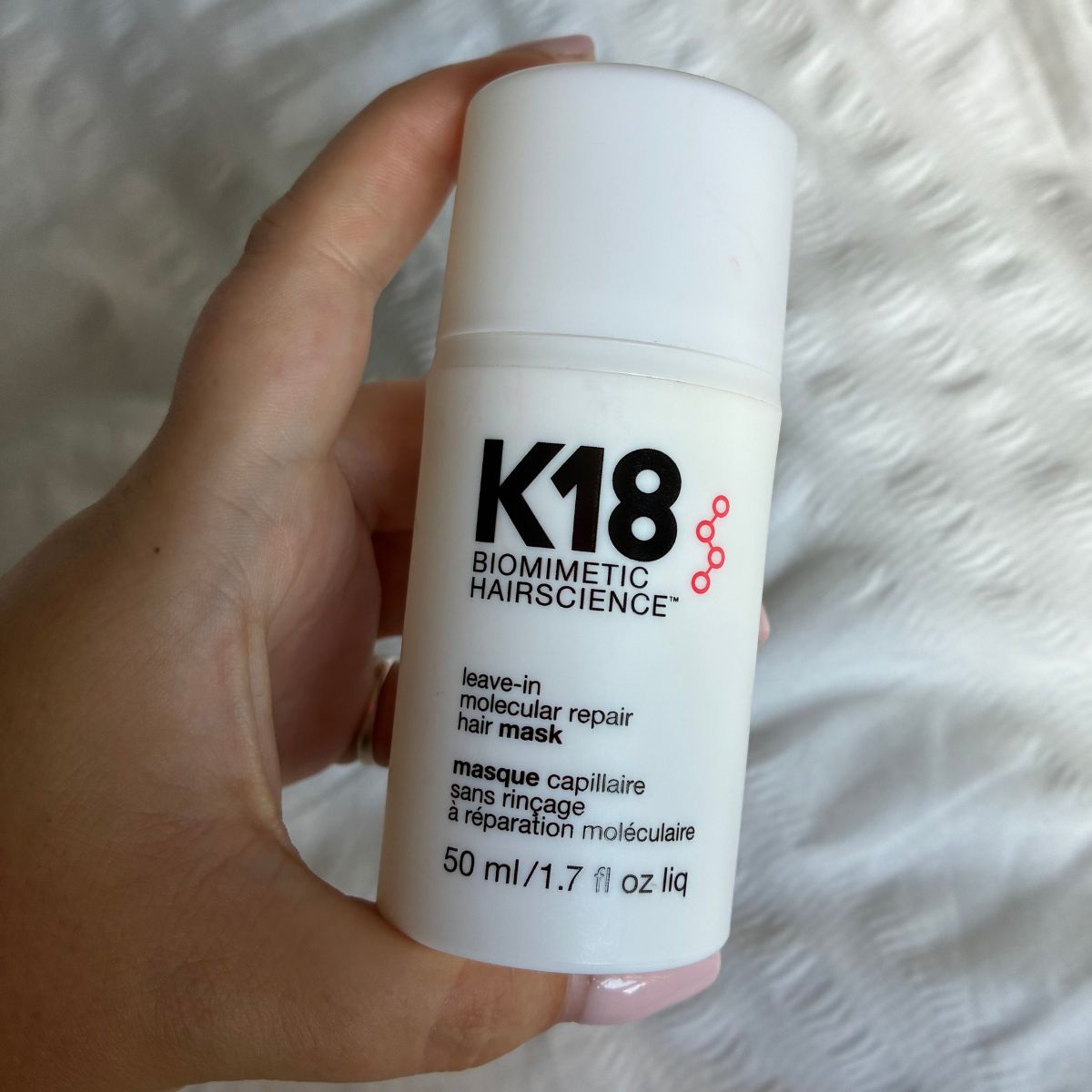
You've almost certainly heard about the K18 Leave-in Molecular Repair Hair Mask, and I can confirm it's worth all the hype it's got over the years. Yes, it's a pricey investment, but the results speak for themselves—and the ease of use alone sold me. This leave-in treatment repairs damage from chemicals, bleach, colour, and heat in just four minutes, with no need to wash it out, so you don't have a tedious wait in the shower. Skip conditioner in your hair wash routine, apply a few pumps to towel-dried hair, wait at least four minutes, then continue styling as usual. It's made a noticeable difference to the softness, bounce, strength, and colour of my hair, and it's always the product I pack on holiday for maximum results.
K18
Leave-In Molecular Repair Hair Mask 50ml
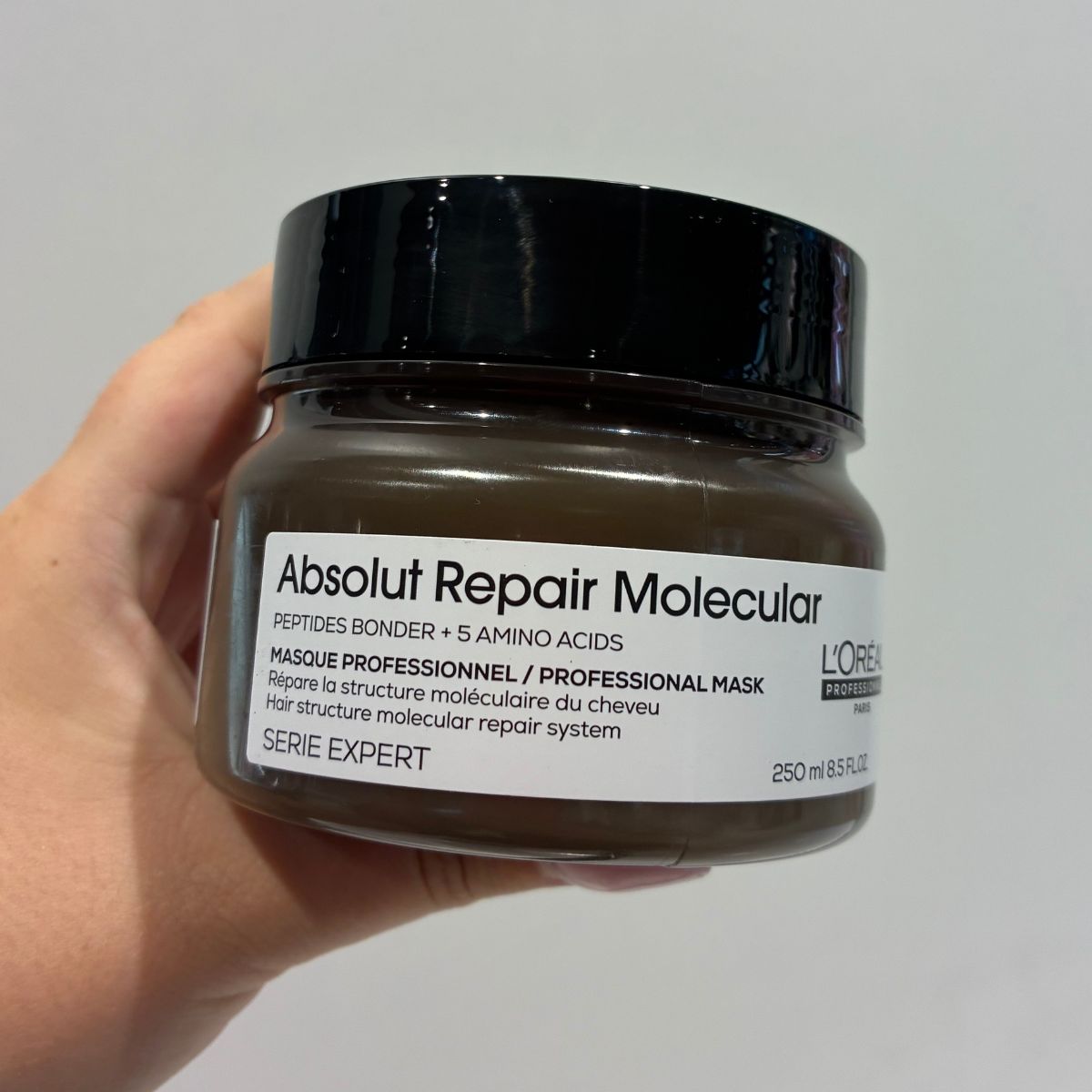
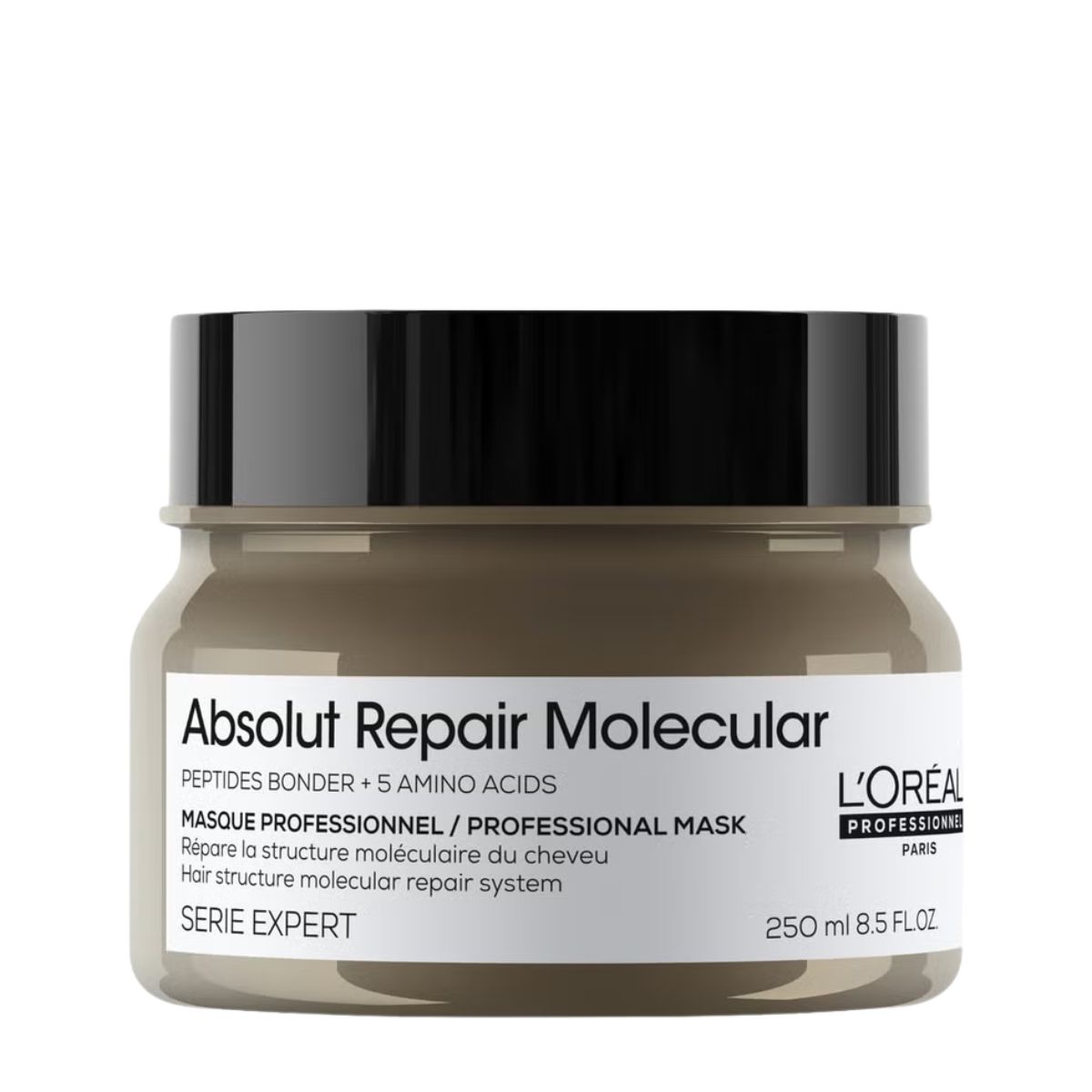
Best for Rebuilding: L'Oréal Professionnel Absolut Repair Molecular Strengthening Mask
(Image credit: Amelia Yeomans)
If chlorine and UV rays have damaged your hair this season, you need to focus on strengthening your strands. This L'Oréal Professionnel mask is suitable for all types of damaged hair including colour-treated, lightened, and natural, and it works to rebuild the molecular structure of your hair without adding weight. It has a smooth, creamy texture that applies like conditioner and only takes a couple of minutes to work post-shampooing. Improving strength, elasticity, movement, and smoothness, it's the ultimate antidote for summer-worn hair that needs a total revamp.
L'Oréal Professionnel
Absolut Repair Molecular Strengthening Mask for Damaged Hair
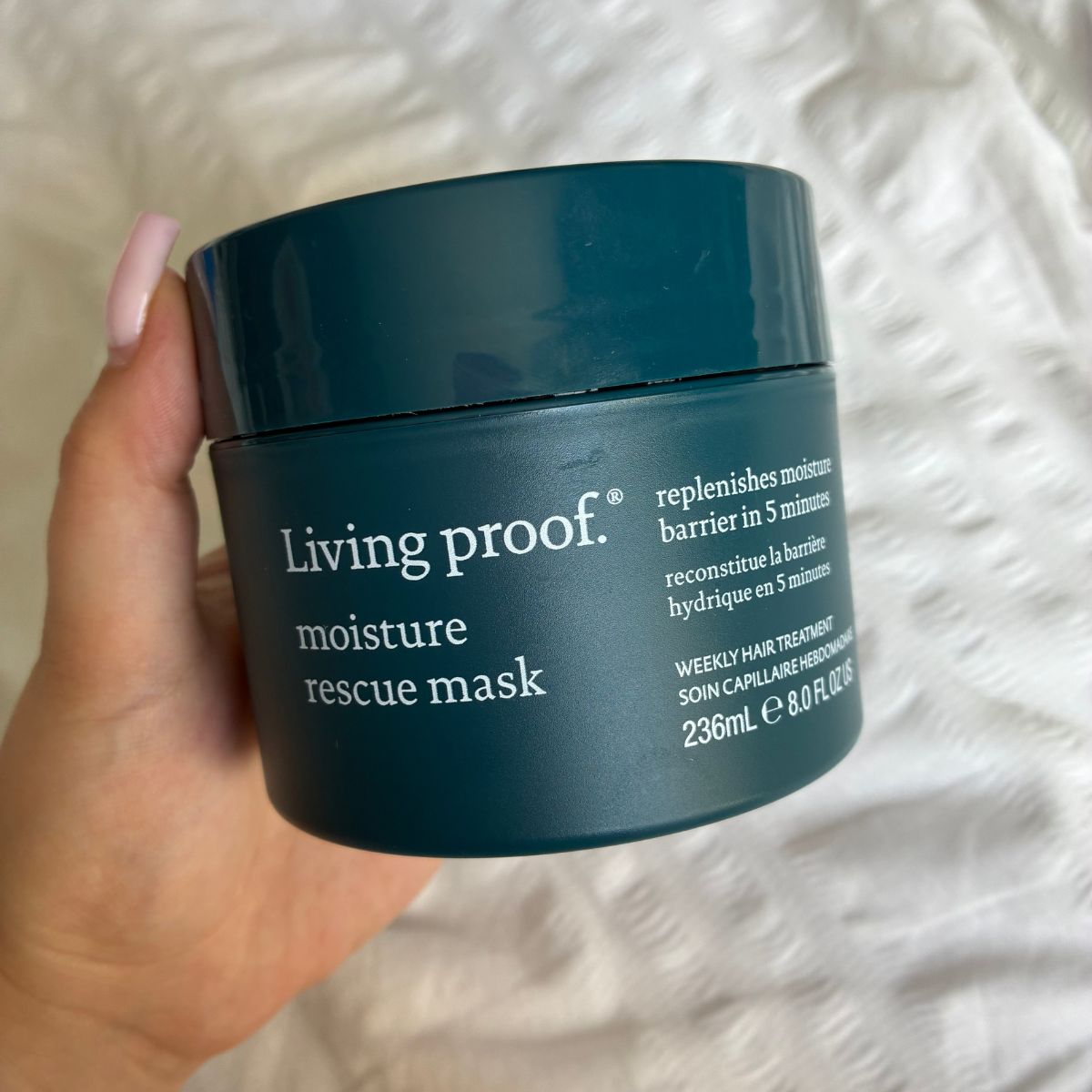
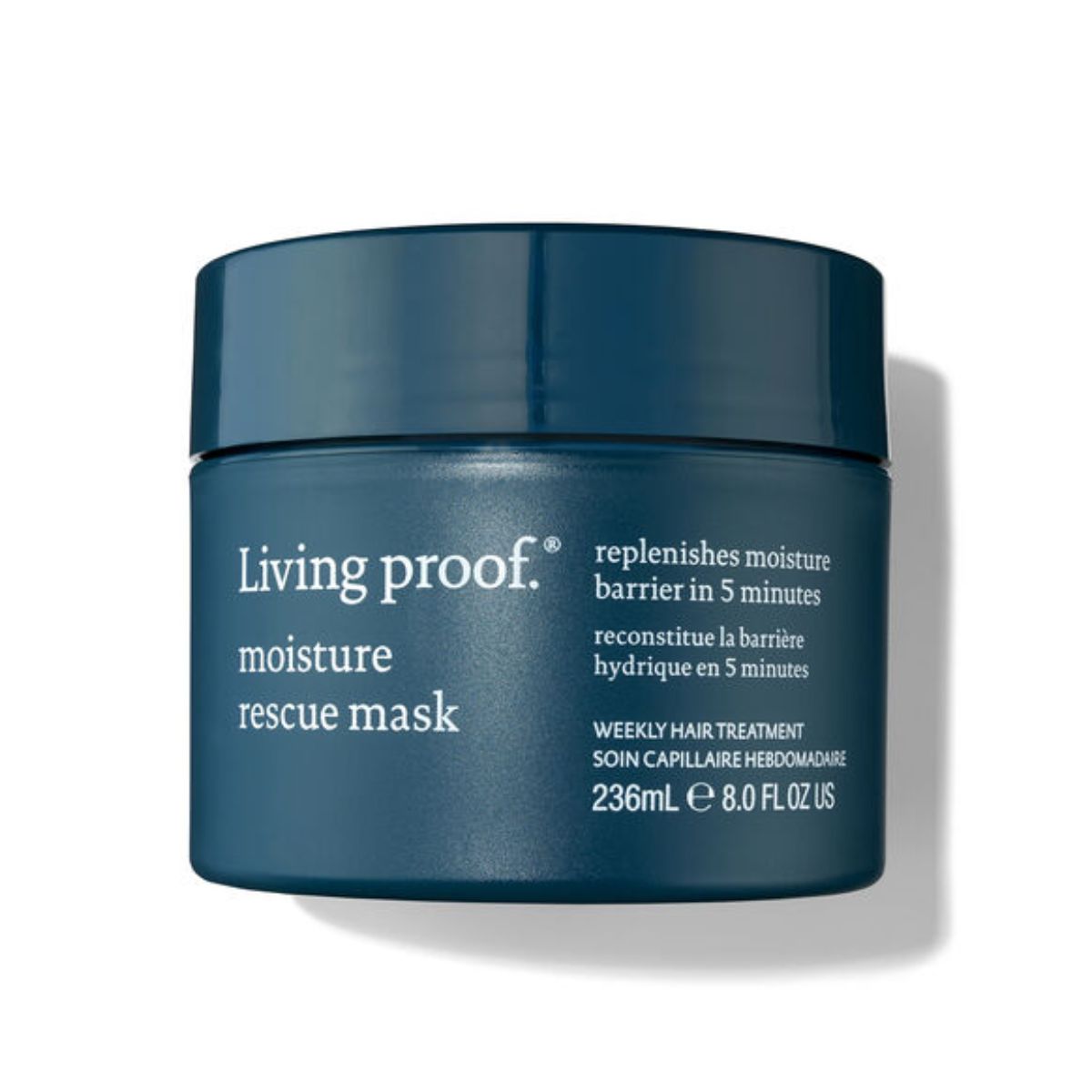
Best for Moisture: Living Proof Moisture Rescue Mask
(Image credit: Amelia Yeomans)
My hair is easily the knottiest it's ever been due to chlorine, and even getting a brush through it is a workout. I have been using the Living Proof Moisture Rescue Mask on repeat over the last month to get some moisture back into my bleached ends, and it's worked a treat. You only have to leave this in for five minutes in the shower, and I use that time to brush through my hair and get it thoroughly detangled. When it comes time to dry and style, my hair feels totally revitalised and glossy thanks to this mask. The Smart Barrier HairTech also makes flyaways more manageable, so it provides lasting results.
Living Proof
Moisture Rescue Mask
Best for toning
(Image credit: Amelia Yeomans)
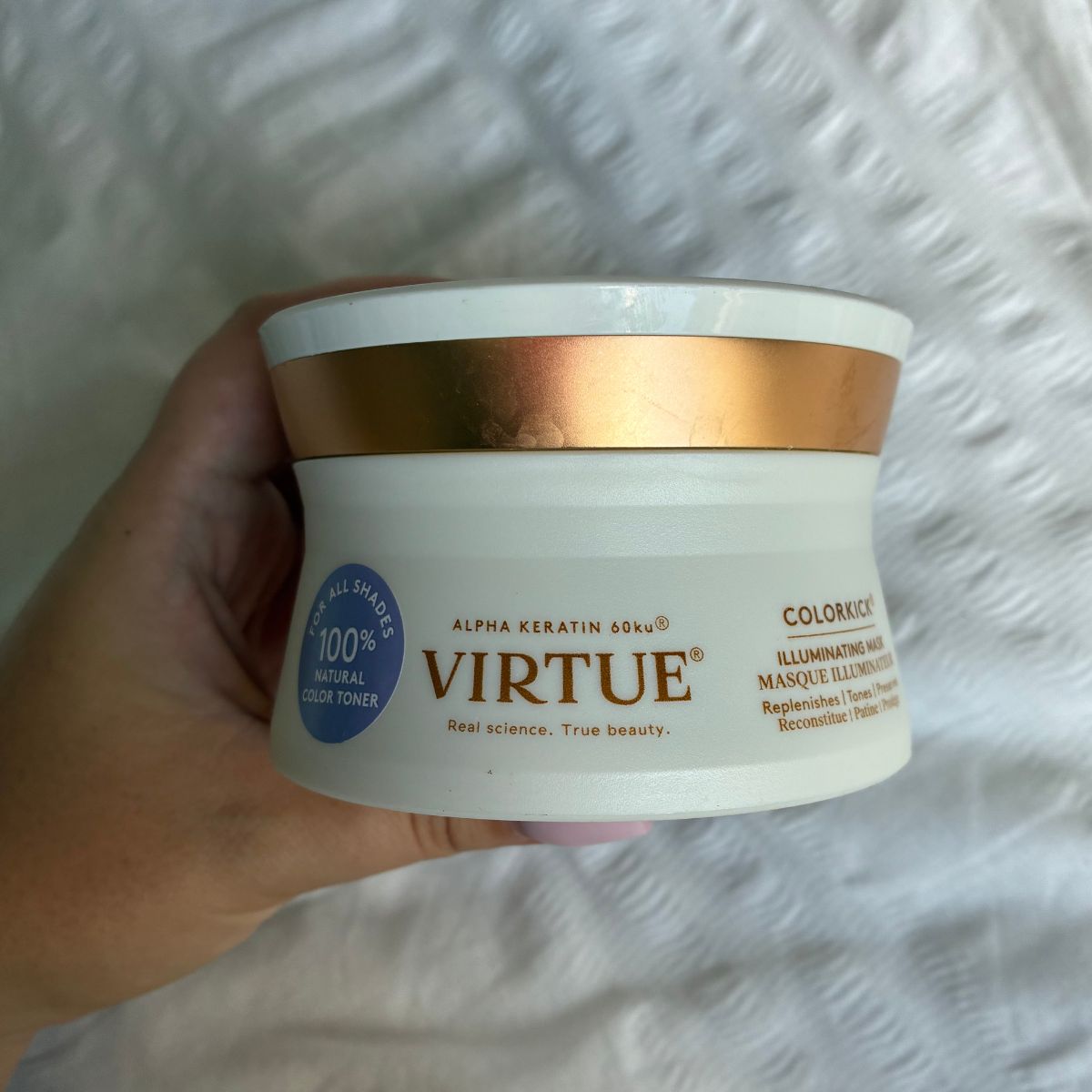
All blondes know the importance of a good toner, but traditional purple shampoos can sometimes be too drying for regular use—particularly when your hair has already gone through the wringer. Virtue's Colourkick mask is designed for all colour-treated hair, and it works to tone and intensely hydrate in one. Formulated with Alpha Keratin 60ku, it targets colour, heat, and sun damage to boost shine and softness. When my hair is on the brassier side or lacking oomph after sun exposure, this in-shower three minute mask is the first one I turn to for a brightening and nourishing effect.
Virtue
Colorkick® Illimuinating Mask
Best for volumising
(Image credit: Amelia Yeomans)
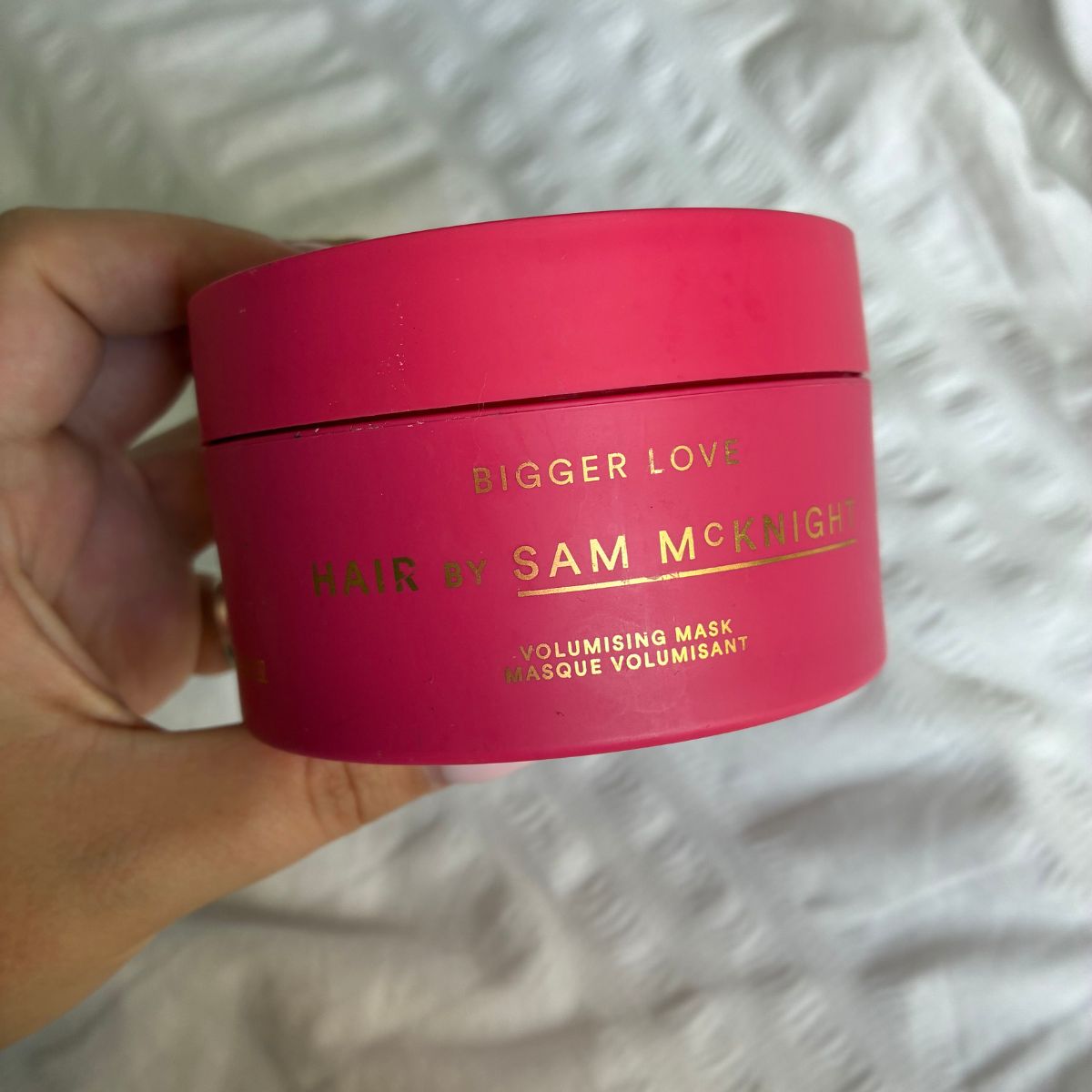
This is a true do-it-all mask that strengthens the hair, repairs split ends, and boosts volume and thickness in one. So as well as bringing dry summer hair back to health, it offers lift and makes the hair look denser too—a perfect recipe for a salon-fresh look from home. Leave on for five minutes after shampooing and style as usual out of the shower, with added softness, shine, and volume. I love how glossy and manageable this formula leaves my hair, as well as the boost it provides for heat styling to give my blow dry a more polished finish.
Hair by Sam McKnight
Bigger Love Treatment Mask 200ml
Best for severe damage
(Image credit: Amelia Yeomans)
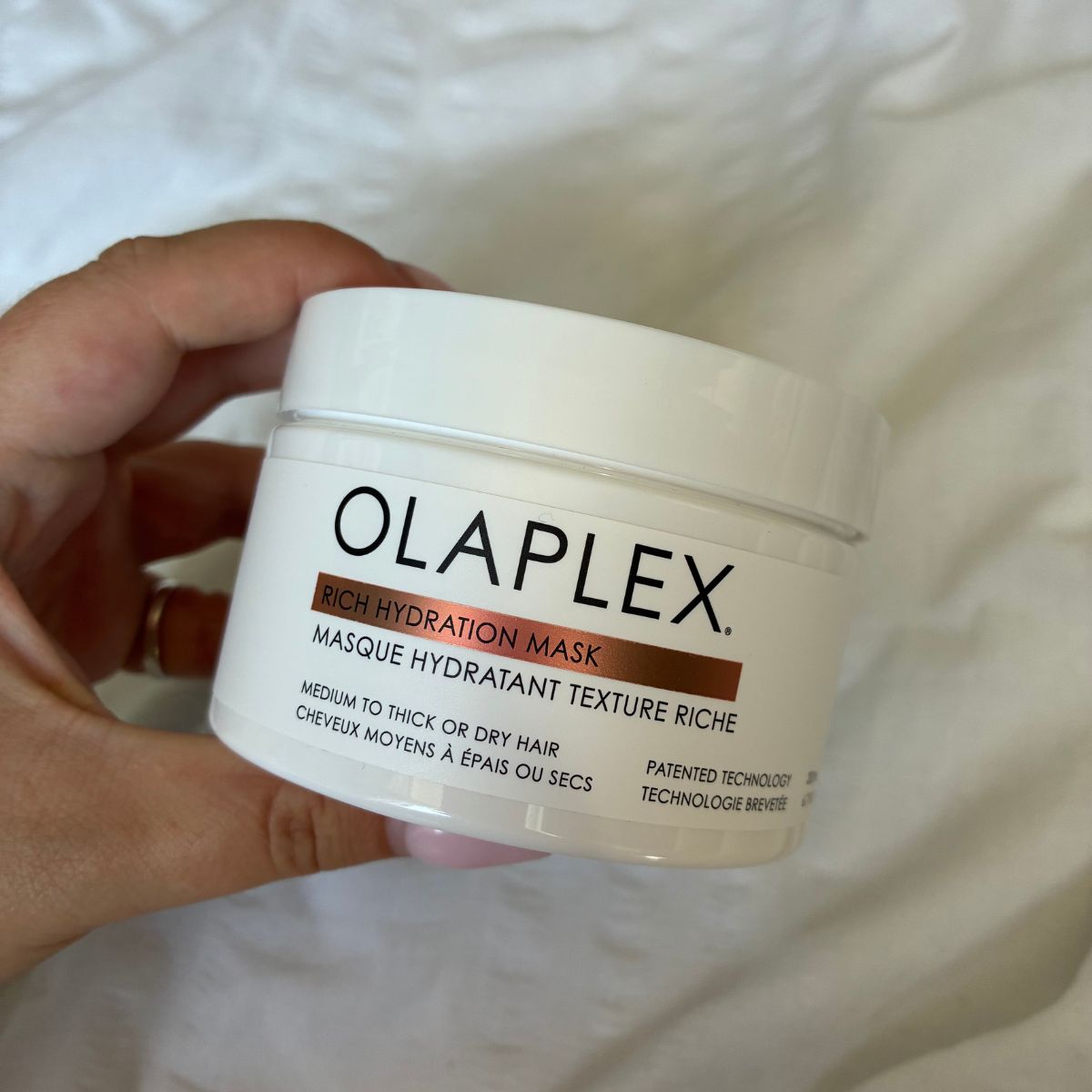
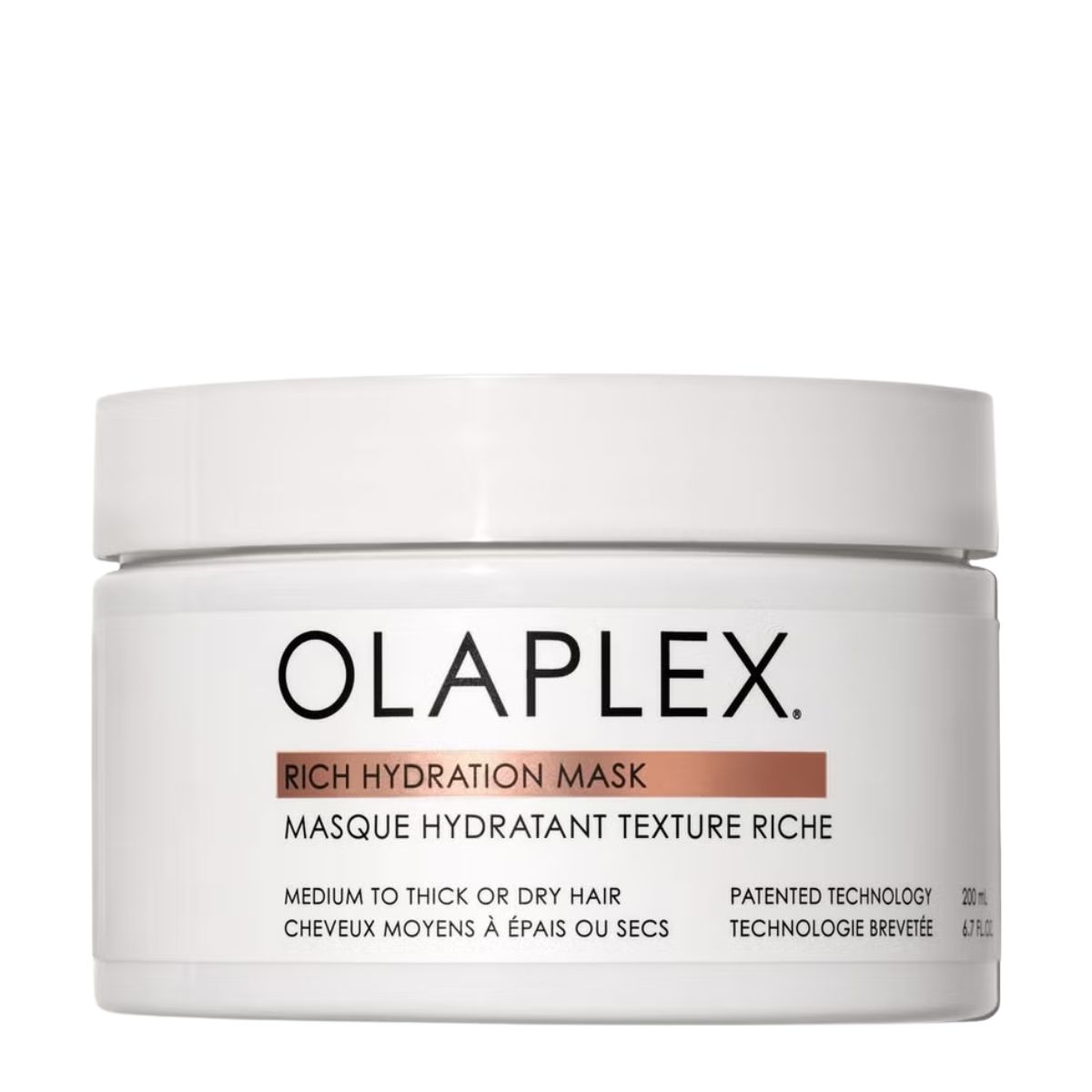
If you've ever dealt with damaged hair, you probably know how transformative Olaplex products can be. I swear by them for keeping my bleached hair healthy, and the leave-in products are some of my most used during summer when I want to prevent any breakage. This particular mask is applied for a few minutes after shampooing to smooth rough texture, reduce flyaways, and hydrate and soften dry and coarse hair types. It's one of the best for preventing breakage and reducing frizz, penetrating each hair strand to restore its health and leave your ends glossy and full.
Olaplex
Rich Hydrating Mask 200ml
Best multi-use
(Image credit: Amelia Yeomans)
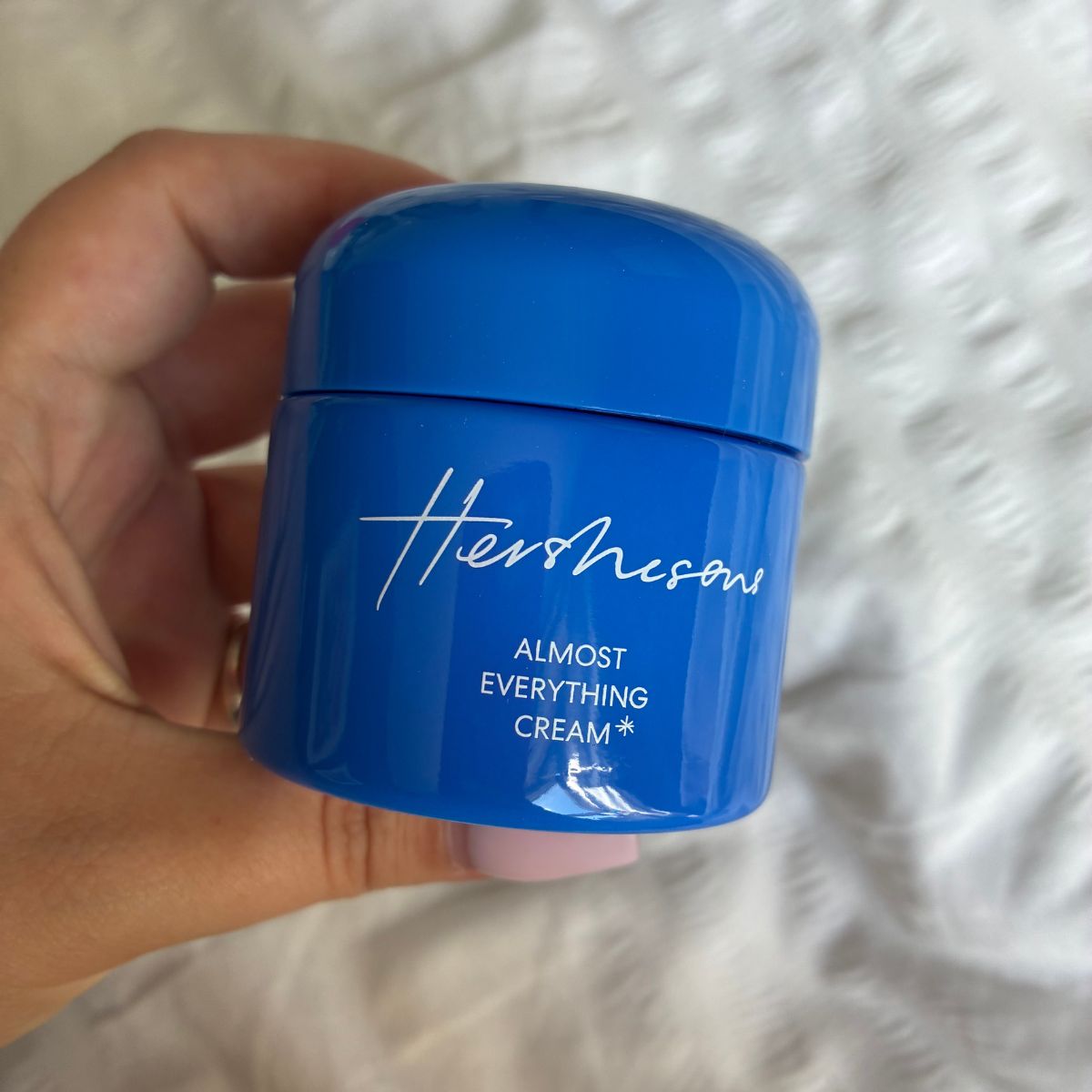
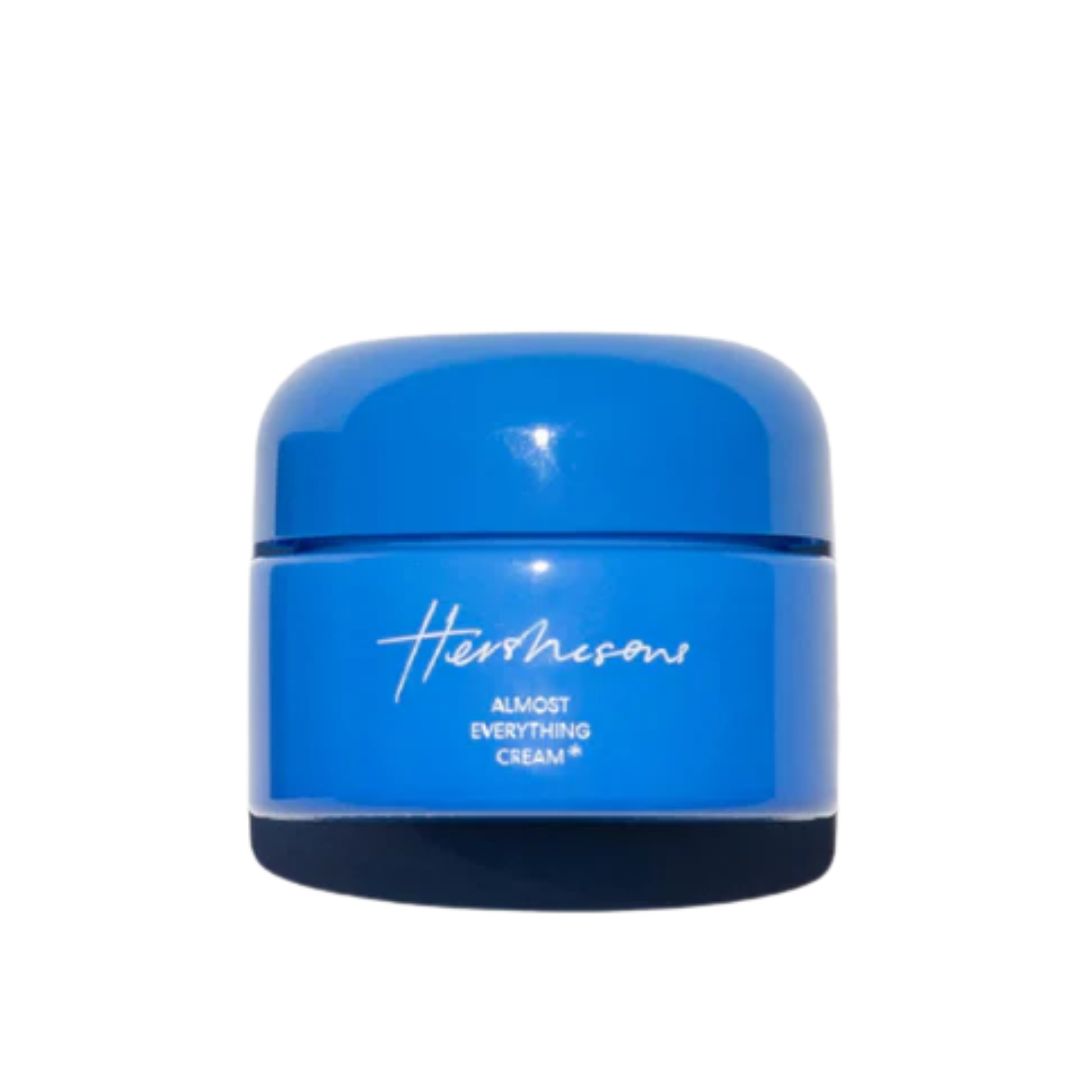
I'm definitely guilty of being lazy with my haircare routine during summer, and this product means I can afford to be. The Almost Everything Cream can be used for styling, conditioning, boosting shine, defining curls, and even as a leave-in mask to repair the hair. It can be used on wet or dry hair, but I like to apply it out of the shower, focusing on mid-lengths and ends, before drying to get the nourishing effects. It deeply nourishes, repairs split ends over time, deeply moisturises, controls frizz, and adds shine in one—and it also works wonders to define my natural waves. If you're traveling, this is one product you can pack for every single hair need.
Hershesons
Almost Everything Cream
from Latest from Marie Claire UK https://ift.tt/NGqxF3y
via IFTTT
The Beauty Digest is my Beauty Director’s edit of what’s actually worth your attention. Each week, I’ll be sharing the new launches I’m using and loving, the viral treatments I’m putting to the test (and what I really think of the results), plus my take on the industry conversations everyone’s talking about.
Three New Launches on My Radar
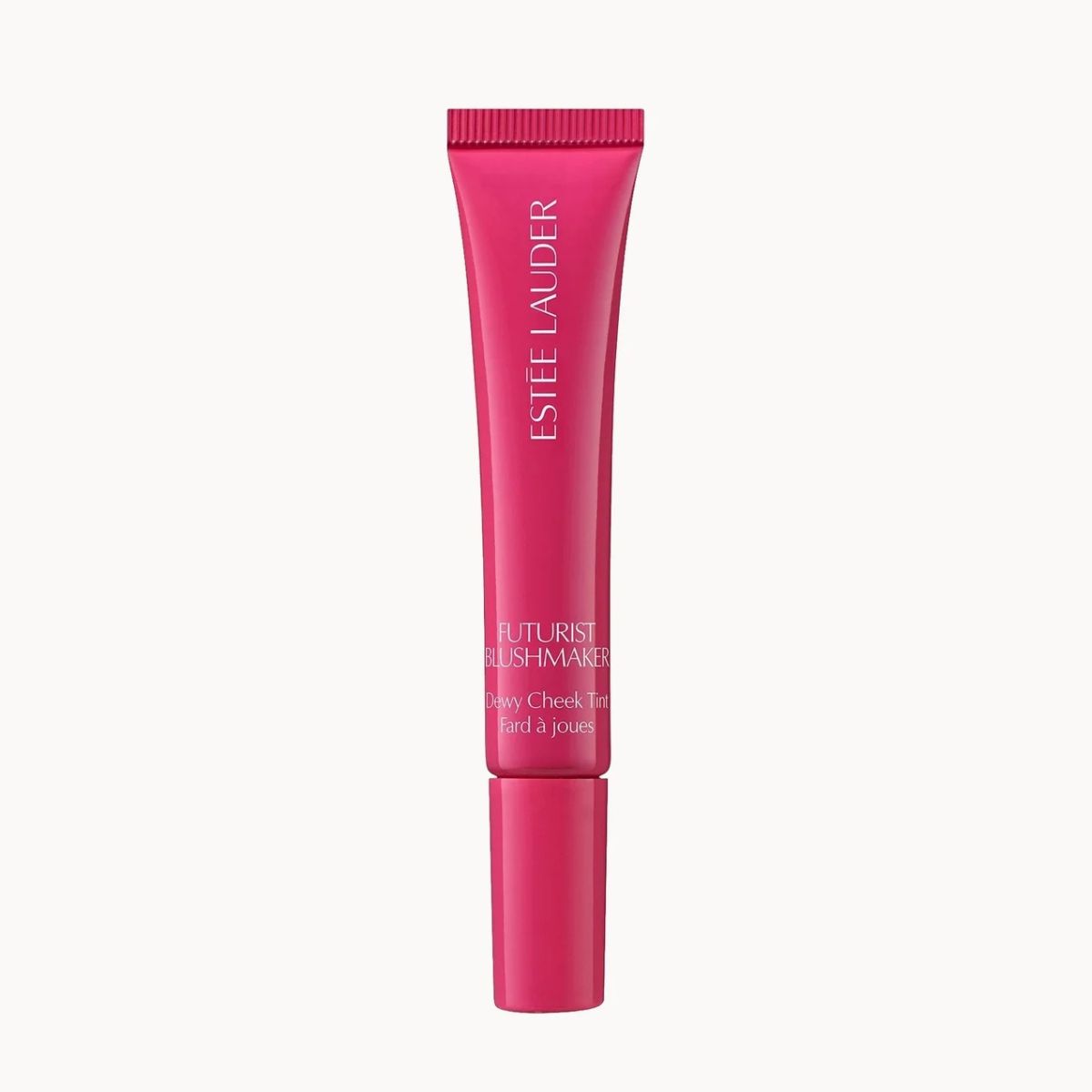
Estée Lauder
Futurist Blushmaker Dewy Cheek Liquid Blush
I've always been a blush lover. I seldom leave the house without it and firmly believe that a makeup look isn't finished without at least a subtle flush of colour across the cheeks. I'm also quite picky when it comes to formula. I love the finish of a cream or liquid blush, but crave the longevity and pigment payoff of a powder.
This new blush from Estée Lauder delivers the best of both. It calls itself a liquid blush, but I'd argue the texture is closer to a gel-cream: lightweight and easy to blend, but with seriously impressive pigment and staying power. The shade Across the Dancefloor looks dramatic in the packaging, but on my skin it gives a healthy flush that somehow makes my whole face look more lifted.
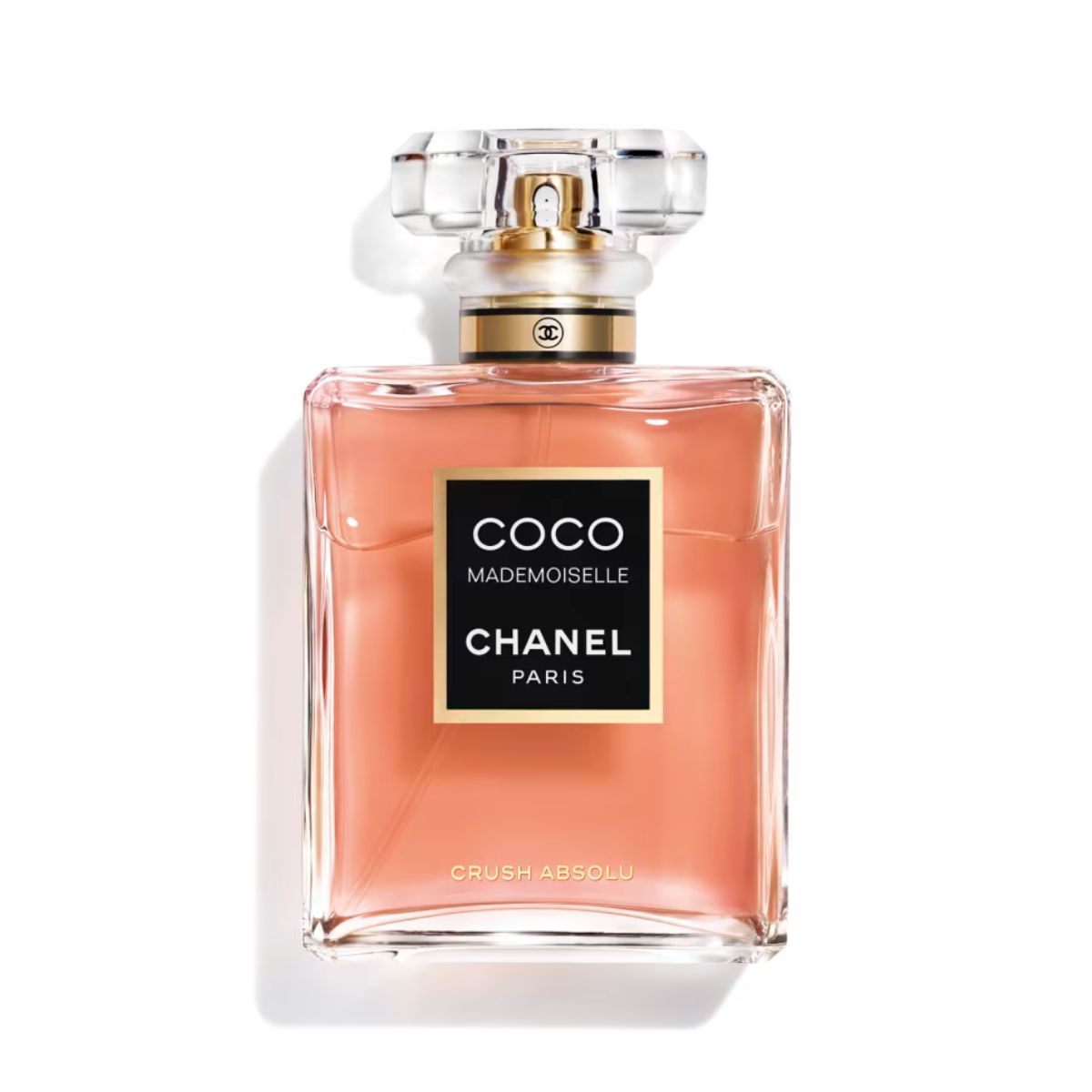
Chanel
Coco Mademoiselle Crush Absolu
I'm usually drawn to cocooning amber fragrances, so when I heard that Coco Mademoiselle was being reinterpreted into a warmer, richer iteration, my interest was immediately piqued. Crush Absolu retains the rose, jasmine and patchouli that give the original its signature, but introduces juicy lychee and a deeper ambery warmth that makes it feel softer, sweeter and altogether more enveloping. It's an instant yes from me.
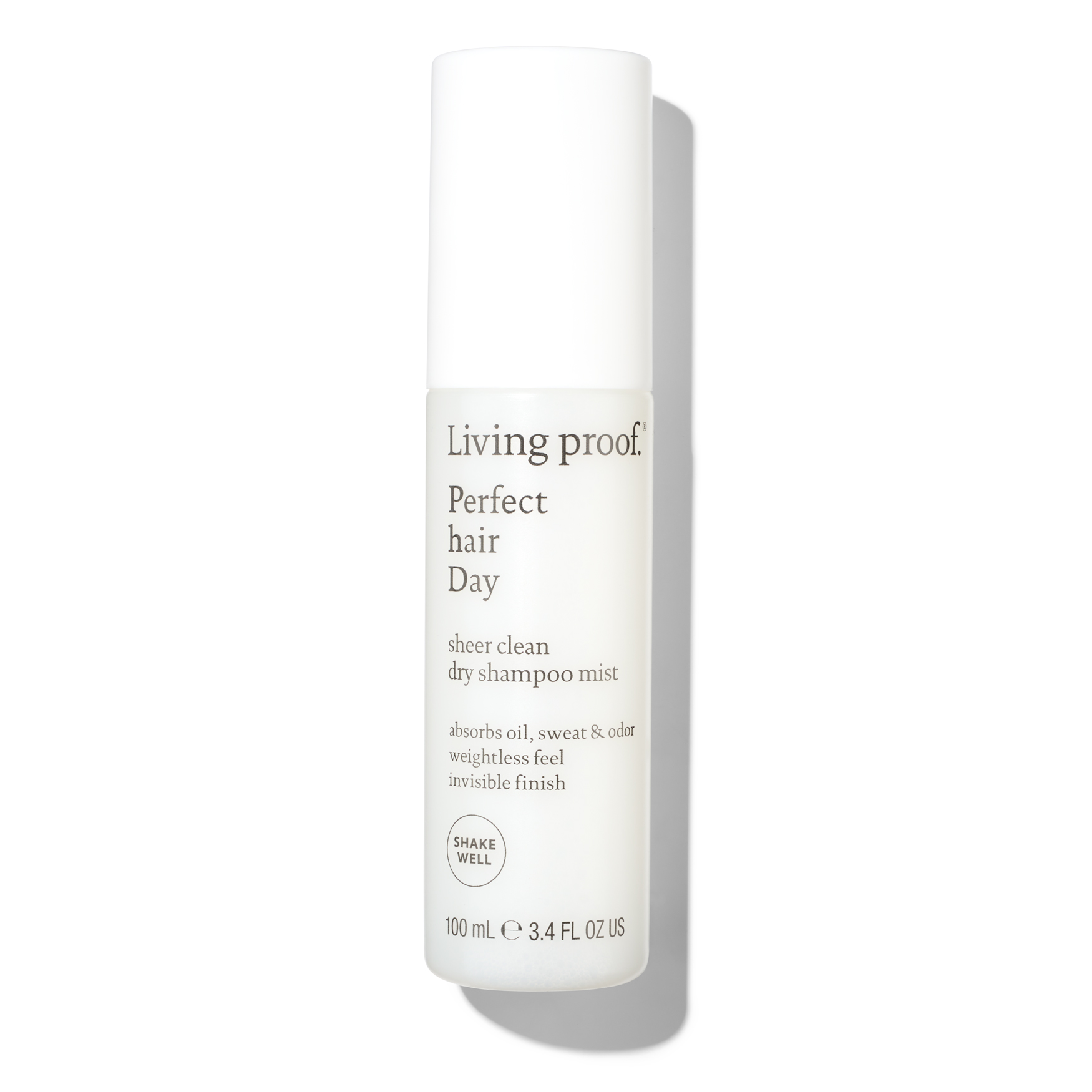
Living Proof
Sheer Clean Dry Shampoo Mist
I love it when beauty launches genuinely feel innovative—and this Dry Shampoo Mist is one of them. Rather than an aerosol, powder or foam, it's an ultra-lightweight watery mist that's completely invisible on the hair. When I first sprayed it, I did panic slightly as it made my hair look wet. But within seconds, as if by magic, it had dried without a trace, leaving my hair looking freshly washed rather than treated with dry shampoo. It's thanks to a clever formula that absorbs excess oil without leaving behind the telltale powdery residue I associate with traditional dry shampoos. The result is clean-looking, weightless hair with none of the chalkiness or product build-up.
The Treatment Trial: Head Spas
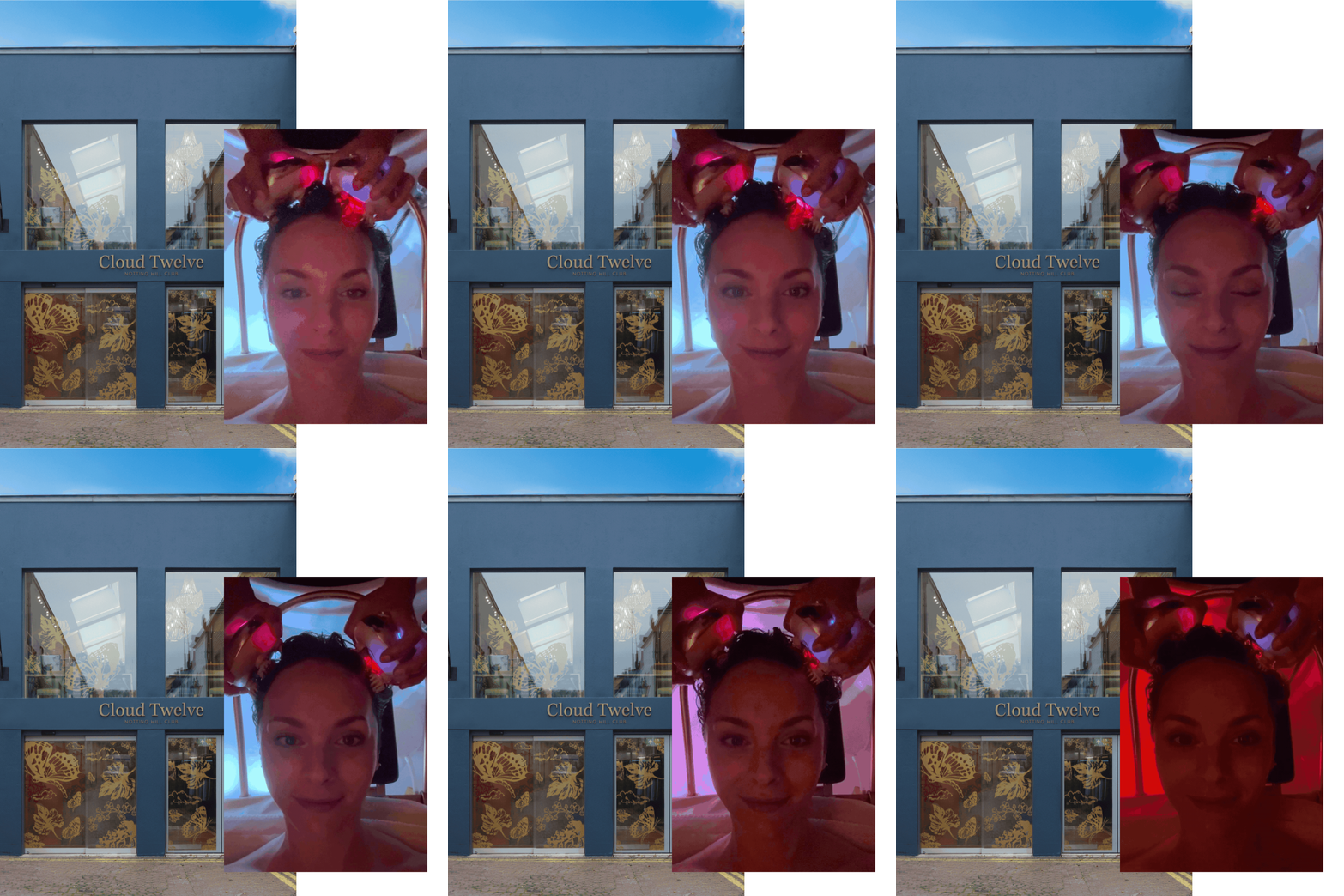
(Image credit: Cloud Twelve / Lottie Winter)
Scalp care is really having its moment in the beauty spotlight, and it would be remiss of me not to trial one of the latest treatments sweeping the salon scene: the head spa. Originating in Japan, head spas combine deep-cleansing, stimulating and relaxing techniques designed to leave the scalp thoroughly cleansed and the mind suitably refreshed.
This particular treatment was at Cloud Twelve, a luxury wellness and lifestyle club in Notting Hill, and involved a 21-step ritual that began with a dermascope and follicular analysis (essentially, looking at my scalp under a microscope to pinpoint any potential issues). From there, the treatment covered everything from a detoxifying clay mask and growth-stimulating scalp massage to a neck and décolletage massage, waterfall hair rinse, LED scalp therapy and more.
While it wouldn't be my first choice of treatment (my back will always take precedence when it comes to spa massages), it was a heavenly experience that left my scalp feeling supremely clean, my hair noticeably bouncier and shinier, and my mind remarkably clear.
Beauty Buzz: No, Gel Nails Aren’t Being Banned
(Image credit: The Vault)
Everyone remain calm. Yes, the TPO ban has arrived in the UK—the ingredient was already banned in cosmetics across the EU—but that doesn't mean gel manicures are finished. Far from it. TPO is just one of many photoinitiators used to help certain gel polishes cure under UV or LED light, and brands have been busy reformulating without it.
So, what can you expect? In reality, probably very little difference at your next manicure. From 15th August, salons and retailers in Great Britain can no longer sell or supply cosmetic products containing TPO, so affected formulas should already have been replaced with TPO-free alternatives.
And will your manicure still be as good? In short, yes. Well, probably. TPO is only one of the ingredients that can be used to cure gel polish, and brands have reformulated with alternative photoinitiators designed to deliver the same glossy finish and long-lasting wear. Whether any of those alternatives will face similar scrutiny further down the line remains to be seen. But if the TPO ban has shown us anything, it's that the industry is more than capable of adapting.
from Latest from Marie Claire UK https://ift.tt/IdG8pxq
via IFTTT
As a beauty journalist, I see trends come and go. But rarely have I seen one prevail quite as unwaveringly as the bob. At one point, every new day seemed to bring a new iteration: the French bob, the boyfriend bob, the old-money bob, the Scandi bob—you get the idea. Whatever the prefix, the bob has had a near-total chokehold on hair trends for the best part of a decade.
“I think the bob became so popular because it’s one of those haircuts that gives you a really noticeable change without being completely terrifying,” says Luke Hersheson, celebrity hairstylist and CEO of Hershesons. “You can cut quite a lot of hair off and instantly feel different, but it’s still incredibly wearable.”
The pandemic only accelerated its appeal. “Everyone came out of that period wanting change,” says Hersheson. “People had spent months looking at themselves on Zoom, growing their hair out, not going to salons. There was this real appetite to do something. The bob became almost shorthand for that reset.”
No one understands that desire for control and reinvention better than me. I've had two bobs in my life, each following a major life event—a break-up, a new job and having a baby. Each time, it's been a spur-of-the-moment decision: an impulsive exercise in autonomy and, ultimately, an attempt to find my identity again.
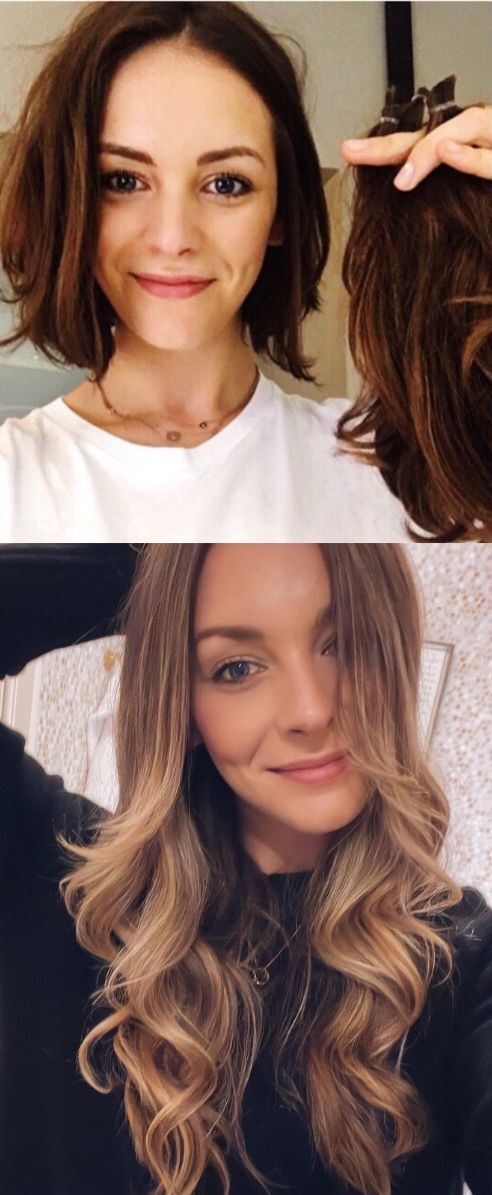
Lottie after chopping her hair off into a bob, and years later with long hair again (Image credit: Lottie Winter)
My most recent bob came shortly after having my son. But unlike my previous bobs, I've spent the subsequent two years growing it out, resisting the temptation to cut it all off again and becoming increasingly invested in getting my hair longer and healthier. And recently, I've noticed I'm not the only one.
After years of watching the bob reign supreme, something finally seems to be shifting. Lengths are creeping ever downwards and, everywhere I look, from the red carpet to people-watching on the tube, more people have long hair. Hersheson has noticed it in the salon, too. “I’m definitely seeing more women wanting to grow their hair again,” he says. “For quite a long time, cutting your hair off felt like the modern, cool thing to do. Now I think there’s something about longer hair that suddenly feels fresher again.”
So, after almost a decade of going shorter, are we finally entering the long-hair era? And if so, why now?
Entering the Post-Bob Era
It's easy to assume we're all growing our hair because of the financial climate. A bob is notoriously high-maintenance, requiring regular trims to keep its shape, whereas growing your hair means fewer cuts and, theoretically, fewer expensive salon appointments. It's a fair assumption, but I'm not convinced.
The reason we're beginning to see the back of the bob is far more multifaceted. First, the bob has ultimately become a victim of its own success. Like any trend that reaches saturation point, its ubiquity eventually becomes the very thing that makes it feel less desirable.
“There have been so many versions of the bob that we’ve almost exhausted the language around it,” agrees Hersheson. “Every few months there’s supposedly a ‘new bob’, but ultimately it’s still a bob.”
And while he stresses that the bob isn't going anywhere—“it’s a classic haircut and always will be”—fashion inevitably moves on. “When something has dominated for that long, the thing that suddenly feels new is usually the opposite.”
At the same time, what we aspire to when it comes to our hair has changed. Scalp oils, growth serums, supplements, head spas, LED helmets—the beauty industry's attention has shifted from just styling our hair to optimising its health. The new goal isn't necessarily an elaborate cut or colour, but hair that looks intrinsically good: thick, glossy, strong and, increasingly, long.
It's a shift Anabel Kingsley, Brand President and Consultant Trichologist at Philip Kingsley, has noticed too. “I think it’s now widely understood that your best head of hair is a healthy head of hair,” she says, pointing to a growing understanding of the importance of “looking after the hair fibre, minimising heat, using protective products and supporting new growth by looking after the scalp.”
Crucially, we're also getting better at understanding how to actually retain the length we grow. Kingsley believes some people who previously struggled to grow their hair because of breakage and lifestyle factors are beginning to realise longer hair can be achievable by taking a more holistic approach. “Embracing natural hair—waves, curls and coils—has also helped,” she says. “The less you manipulate your hair with heat and straighteners, the better it is for it and the less breakage you’ll experience, which in turn translates to length retention.”
But there is something bigger happening here, too. Hersheson sees our pursuit of healthier hair as part of a much wider shift in beauty. “Beauty generally has moved away from this idea of constantly transforming yourself and more towards making what you already have look really good,” he says. “With hair, the aspiration now is increasingly: how good can my hair actually be? Can it be thicker, shinier, healthier, stronger, in better condition?”
Long Hair as a Status Symbol
The wellnessification of hair makes sense when you look at what's happening across beauty as a whole. The 2010s were defined by transformation and quick fixes; the current landscape increasingly focuses on optimisation, longevity and enhancement. In aesthetics, the trend for obvious augmentation has waned in favour of regenerative treatments and skin boosters; in skincare, prevention and long-term skin health have become the ultimate goals. Long, lustrous hair feels like the follicular extension of the same concept: less about transforming what you have and more about seeing just how good you can make it.
But there's another reason I think long hair feels particularly aspirational right now: you can't buy it overnight. It belongs to a new breed of beauty status symbol. Glass skin, immaculate natural nails, thick waist-skimming hair: on the surface, there's something conspicuously understated about all of them. But achieving them can require months, if not years, of consistent investment. The luxury isn't necessarily what appears on the surface; it's having the time, money and resources to achieve it.
My decision to get a bob took approximately three seconds and by squeezing in a last-minute salon appointment on my way home, I achieved the transformation that same day. Growing it back has taken two years—and counting. It has required patience, maintenance and, crucially, time. And even with all the growth serums, scalp treatments and supplements money can buy, there's only so much you can do to speed the process up.
And perhaps that's what makes long hair feel so aspirational right now. “Really beautiful, thick, healthy long hair is actually quite difficult to fake,” says Hersheson. “It takes time and commitment, which almost makes it feel more luxurious.”
Lottie's Hair Growth Edit
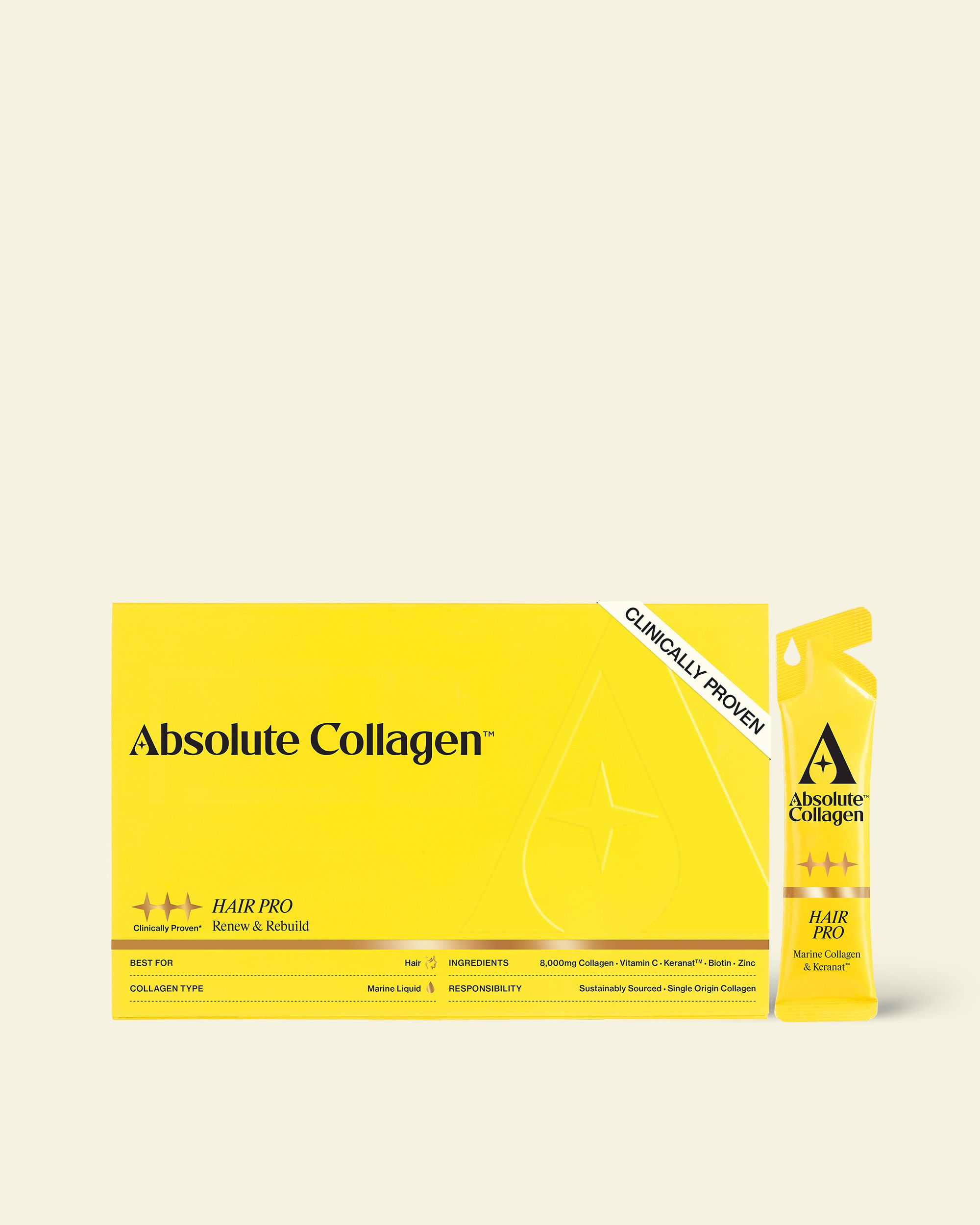
Absolute Collagen
Hair Pro: Liquid Collagen Supplement - Tropical
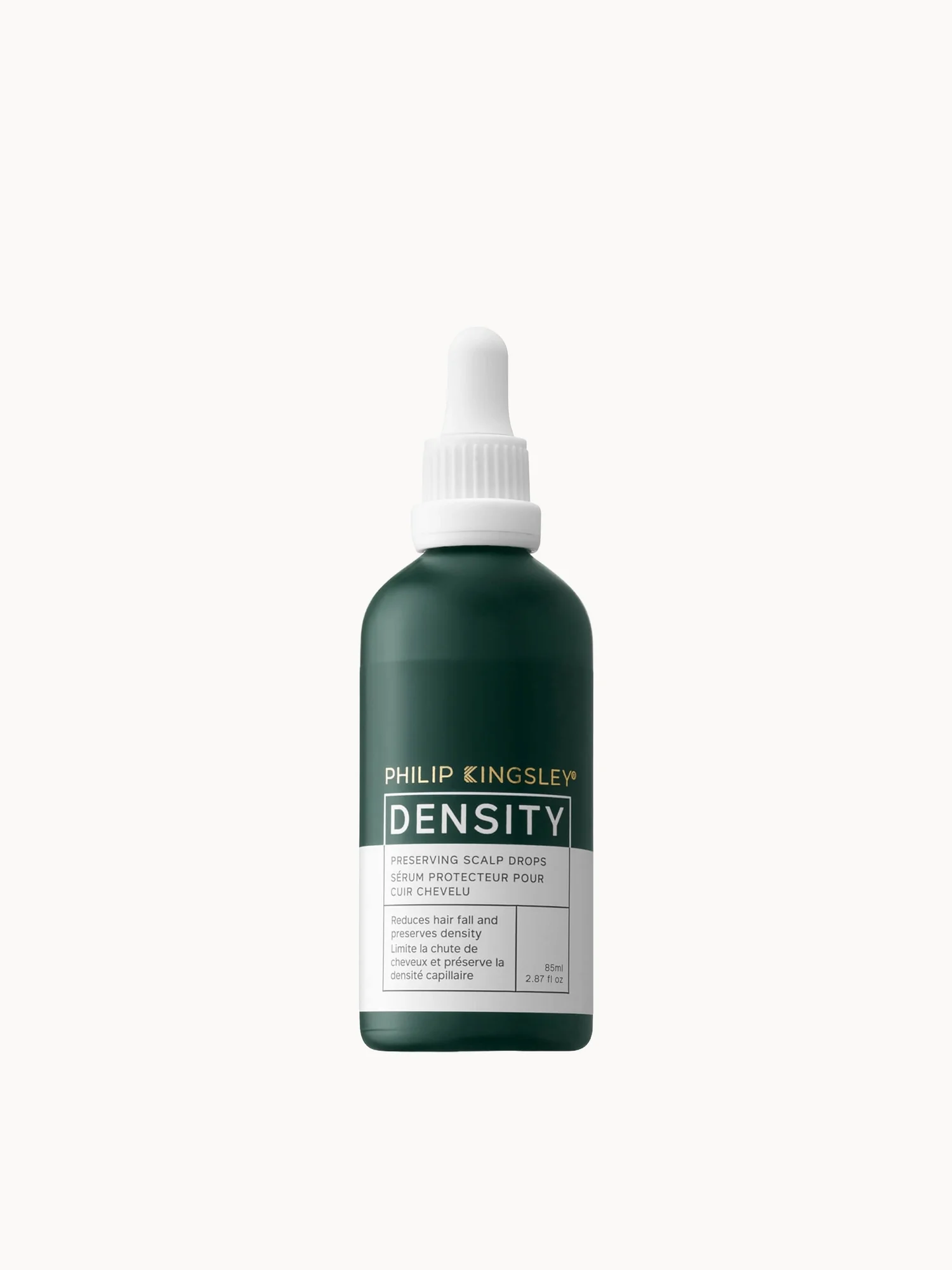
Philip Kingsley
Density Preserving Scalp Drops
Olaplex
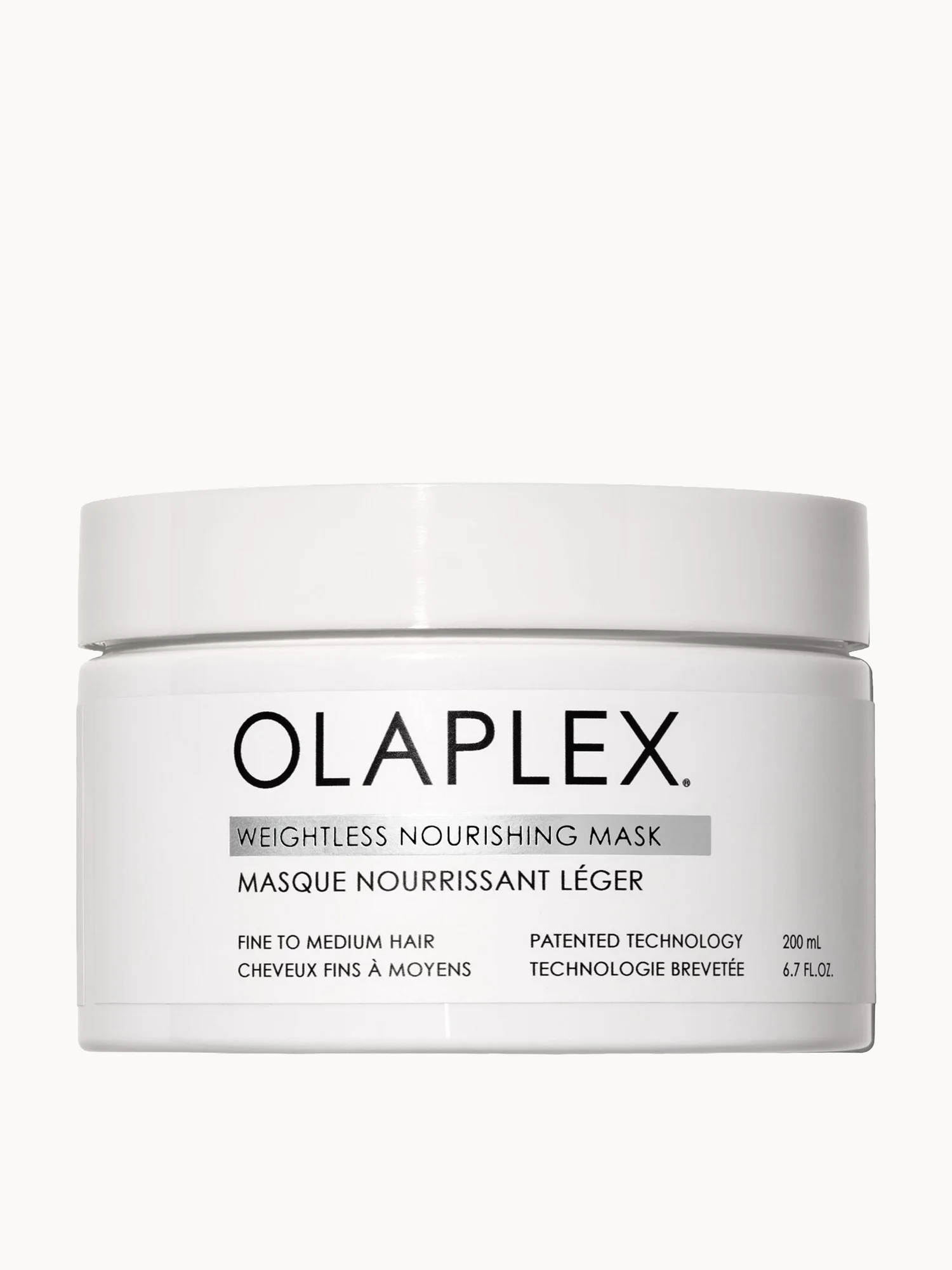
Rich Hydrating Mask
Aveda
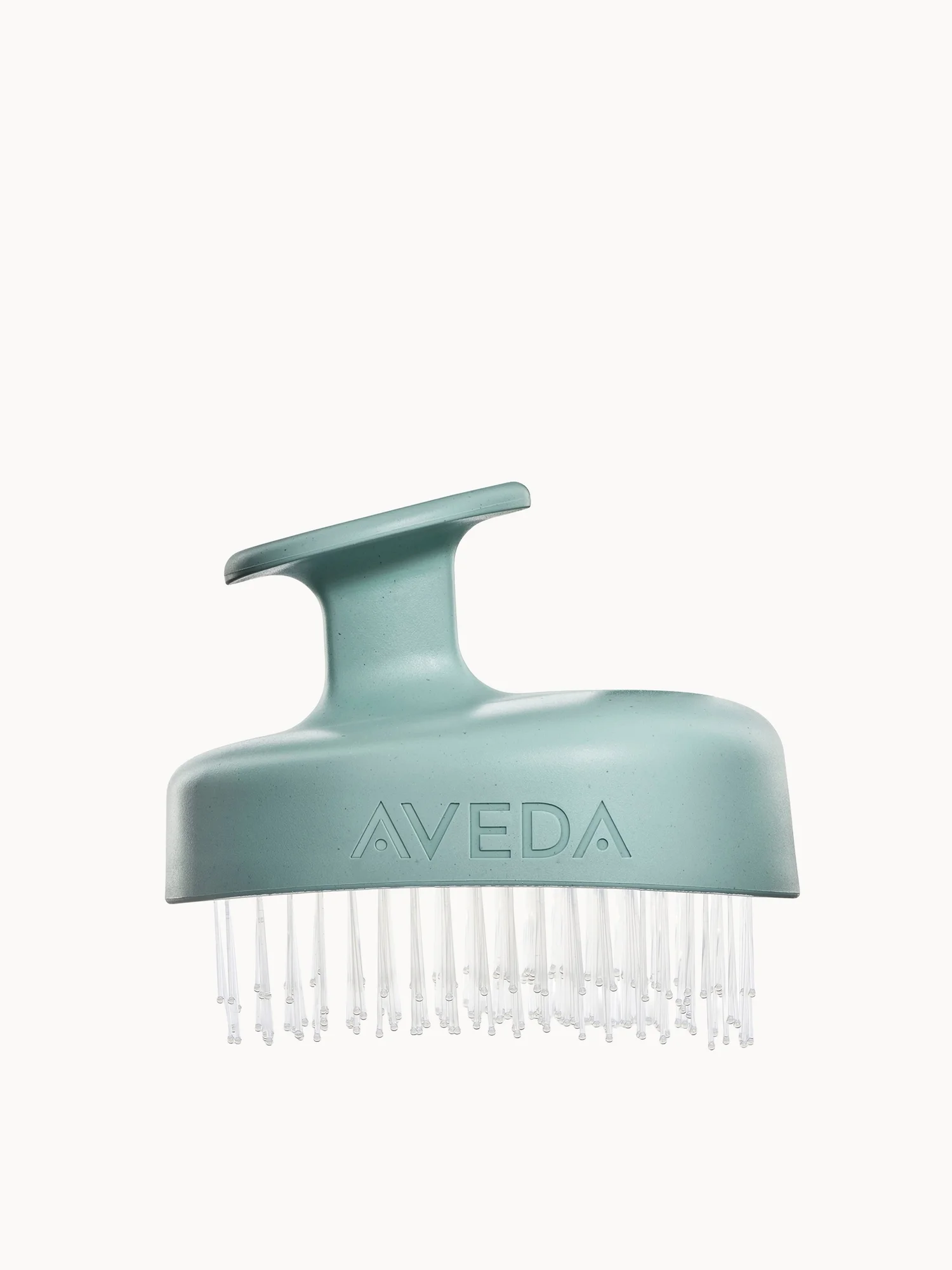
Scalp Solutions Stimulating Scalp Massager
Redken
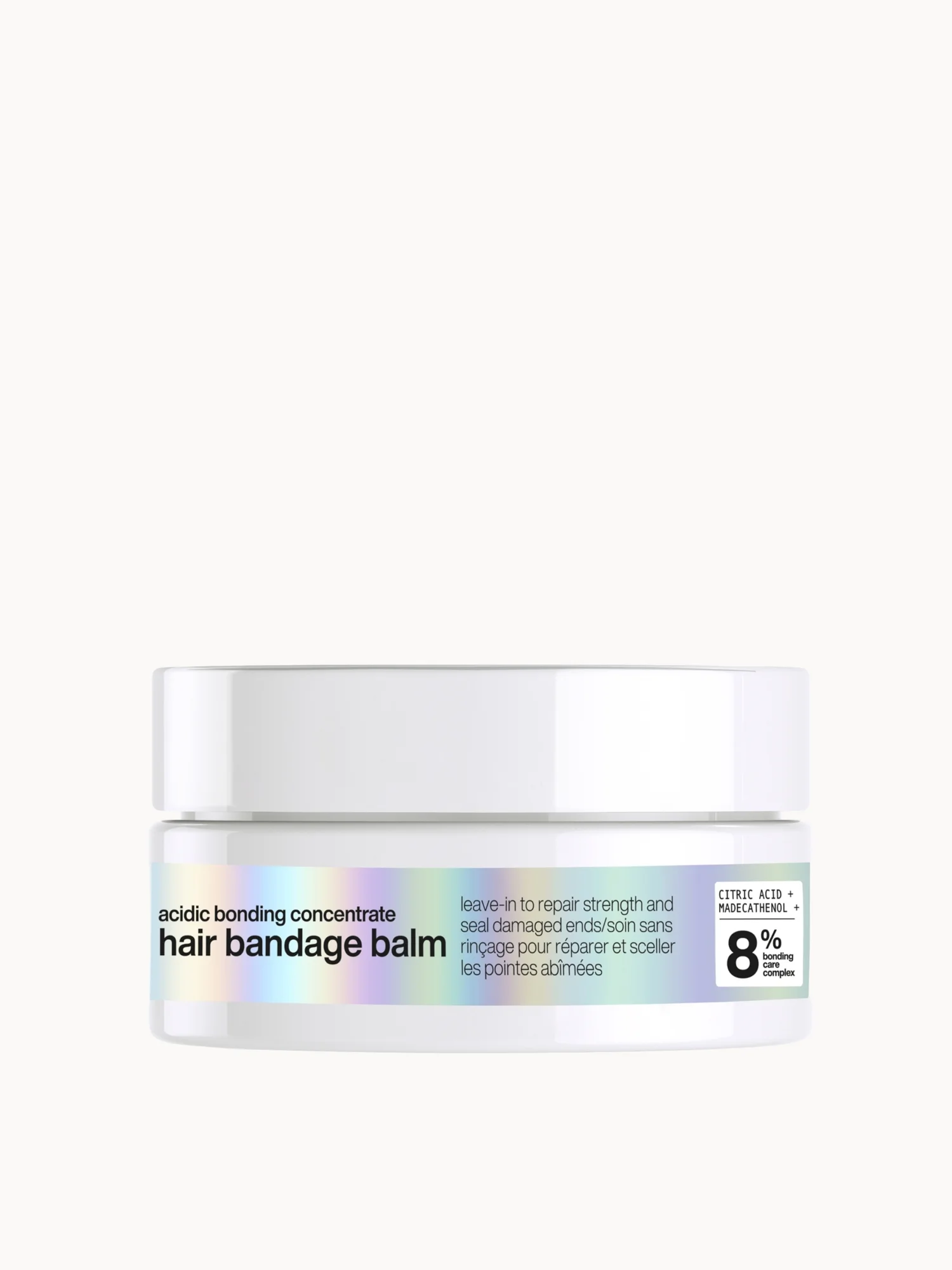
Acidic Bonding Concentrate Hair Bandage Balm
from Latest from Marie Claire UK https://ift.tt/EOsLP3G
via IFTTT
It's official: friendships make us healthier. Physically, emotionally and in all the ways, having a good group of friends can - quite literally - save your life. Trust me: I've learned this the hard way.
When I was younger, it's fair to say I treated my friendships somewhat dismissively; easy to do when you think they'll always be around. While I always enjoyed hanging out with my mates, it wasn't until I had a traumatic friendship breakup in my mid 20s (IYKYK - the grief is real) that I really started to re-evaluate my relationship with those around me - and how I was taking them for granted.
And it's safe to say that I learned my lesson. These days, I'm lucky enough to have the very best friends I could ever have asked for. Some I've known since we were tiny at school, others I've made through the years at work, in the gym and at the school gates, among other places. I've got my solid ride-or-dies, ask no questions, help me bury the body (metaphorically speaking, of course) mates who are always there for me - and I never take them for granted.
This being said, there are obviously times when real life takes over, and I find myself not catching up with my besties as often - or as deeply - as we'd all like. The nights out never make it out of the group chat, and the chances of us all being free on the same weekend before 2030? Pretty much impossible. Throw kids and school holidays into the mix and before we know it, months have gone by without meaningful connection.
But if you can manage it, there's pretty solid scientific backing for giving your mates top billing. Research shows that adult friendship is positively correlated with wellbeing - and making effort to maintain our friendships also counts (check out this 2023 review of research studies, from the journal Frontiers in Psychology). But fascinatingly, the benefits don't end there, with further studies revealing a link between strong friendships and a reduced risk of mortality, improved health behaviours and lower risk of stroke (see this study, from the journal Epidemiology and Psychiatric Sciences).
So, when I was asked to treat my friendships like a wellness habit for a couple of months, I was all in. After all, if I can make time to work out, cook nutritious food and prioritise quality rest (a work in progress), why not promote hanging out with my friends to the top of my wellness list?
I Treated Friendship Like a Wellness Habit for a Month—Here's What Happened
How is friendship connected to health and wellbeing?
It's well established that loneliness is a leading cause of ill health, with research showing that social isolation has a significant impact on both mental and physical health. Interestingly, it's also deeply rooted in our evolution.
"From an evolutionary perspective, human beings are fundamentally social," explains consultant psychologist Dr Louise Goddard Crawley. "For most of our history, belonging to a group wasn’t simply nice to have; it was essential for survival. Our brains and nervous systems evolved in that context, which helps explain why connection can feel so regulating, and why isolation can be genuinely painful."
It follows, then, that friendship is the perfect (but not only) antidote to this - there's a growing conversation around friendship as a protective factor for both emotional and physical health, and it's something that the experts wholeheartedly endorse, too.
"The mental health benefits of friendship are something we’ve all experienced," notes mental health nurse and coach Rosie Drage. "I know I feel ten times better after a few hours chatting with my best friends - but it’s about more than just mental wellbeing. Without friendships, we’re at risk of being more socially isolated, which can lead to poorer health outcomes too."
What are the benefits of prioritising friendships?
So, it's clear that friendships are unequivocally a good thing for all of us - but how might we notice the benefits of sharing our time, feelings and experiences with like-minded people? Let's take a look.
1. They keep us grounded
There's nothing quite like catching up with old friends - the ones who've known and loved you through all your various iterations and life stages. For those of us lucky enough to have long-standing friendships, this feeling of being deeply understood and accepted is incredibly grounding.
"Long-term friendship offers something that I think is quite profound," muses Dr Goddard Crawley. "Someone who has known you for decades becomes a keeper of your history. They remember versions of you that you may barely remember yourself. Who you were before the job, the relationship, the children, the difficult years, or whatever came next. There’s something enormously grounding about being known across all those different versions of yourself."
2. They help us to self-regulate
"We know that our physical and emotional wellbeing is interlinked," shares psychotherapist and counsellor Georgina Sturmer. "The presence of a support network in our lives can help us to feel calmer and can support us to manage our physical wellbeing when life gets difficult. Emotional and physical regulation isn’t just an internal process; we co-regulate our nervous system with those around us - meaning that the presence of others can help us to soothe ourselves, too."
3. They support healthy biological function
Yes, really. While the majority of friendship-related benefits are psychological, there are physiological advantages to having mates as well.
"Safe, positive relationships can reduce isolation, increase our sense of belonging, but they also help regulate our emotional and physiological responses to stress," shares psychotherapist and trauma coach Hannah McKimm. "Our nervous systems are constantly picking up and responding to signals from each other, often before we've consciously thought about it. Being with someone we trust can help our nervous system settle: we might notice our breathing slow, our shoulders drop, or our body soften. This can reduce the physical and emotional energy we're using to respond to potential threat, leaving more capacity for rest, recovery and everyday life."
4. They help us develop a sense of self
The people we choose to surround ourselves with become who we are, in many ways - the best friends will not only support us in the good times but (hopefully) challenge and question us in tougher times, too.
"From the moment we are born, we look to our caregivers for safety and security - and also to develop our sense of self, our sense of ‘who we are’ as people," Sturmer says. "And this continues through life; our friendships help us to feel known and understood, and to develop our sense of self."
5. Friendships help us through both good and bad times
"Friendship isn't only important when we're struggling," notes McKimm. "Joy, laughter, play, perspective and shared experiences are important parts of wellbeing too. When life is difficult, good friendships can also give us somewhere to share the emotional load."
I Treated Friendship Like a Wellness Habit for Two Months - Here Are My Honest Thoughts
Month one
If I'm being honest, this wasn't so much a challenge as a treat for me - as touched on above, I've long prioritised my friendships, and I'm well and truly reaping the rewards.
But that being said, being more intentional about making sure my friends are right at the top of my list has been a bit of a change for me. As a busy mum, I'm constantly putting the needs of my kids first, and - I won't lie - taking time to make sure I'm there for my friendships as well means there are moments when I have to weigh up who really needs me more, and this creates a bit of discomfort for me initially.
However, knowing how beneficial it is kind of helps - and it's not long before I'm leaning into seeing my friends a little more often and trying to open up to them more. Turns out, honesty breeds honesty, and chatting about our various struggles is more helpful than I'd anticipated. Usually, I'd wait until something has gone wrong to really get into the nitty-gritty of what's happening in my life - figuring that we all have things going on - but knowing that it's so good for us absolutely gives me the push I need.
That being said, it's not all about going deep. I'm not great at saying yes to more spontaneous outings, but I try and push my comfort zone, even agreeing to a spur of the moment catch up with a neighbour, which ends up being one of the loveliest evenings of the summer so far.
I've also planned some bigger nights out - a few close friends have had big birthdays this month, so celebrating them has been even more special than usual - and when the celebrations involve going to see Harry Styles on tour, let's just say I wouldn't miss it for the world! While I love hanging out with my little family, there's something so special about making these memories with my mates, too.
Anna at the Harry Styles Together, Together tour with a close friend(Image credit: Anna Bartter)
Month two
As the second month rolls around, I'm honestly enjoying this experiment so much. So far, I've had dinners, drinks, coffees, walks and more - and my cup feels well and truly filled. It's such a lovely feeling knowing that I can choose to spend my time with the most amazing people, and that they choose me right back - I highly recommend it.
Disclaimer, though - it does mean saying yes to a few more things than I'd usually have done, but looking back, I can honestly say that those times I was on the fence about something were all the ones that, in hindsight, I'm so glad I made the effort for.
As a natural introvert, I do have to push myself not to hibernate when I'm feeling tired, overwhelmed or stressed - and it's fair to say that I absolutely need (and crave) time by myself, but on the whole, I wouldn't change a single moment spent with my friends over the course of these two months. I've felt our relationships deepen, and I've also got so many fun plans to look forward to for the rest of the year now, too - turns out, putting things in the diary a few months ahead of time gives me a little dopamine boost on the daily.
I can't speak to any physical health benefits other than to say my Oura ring upgraded my resilience from strong (so already pretty good) to exceptional - and the only thing I can put it down to is treating my friendships as a wellness habit. Yes, I've had to be more vulnerable and let my guard down a little - but I can safely say it's been so worth it.
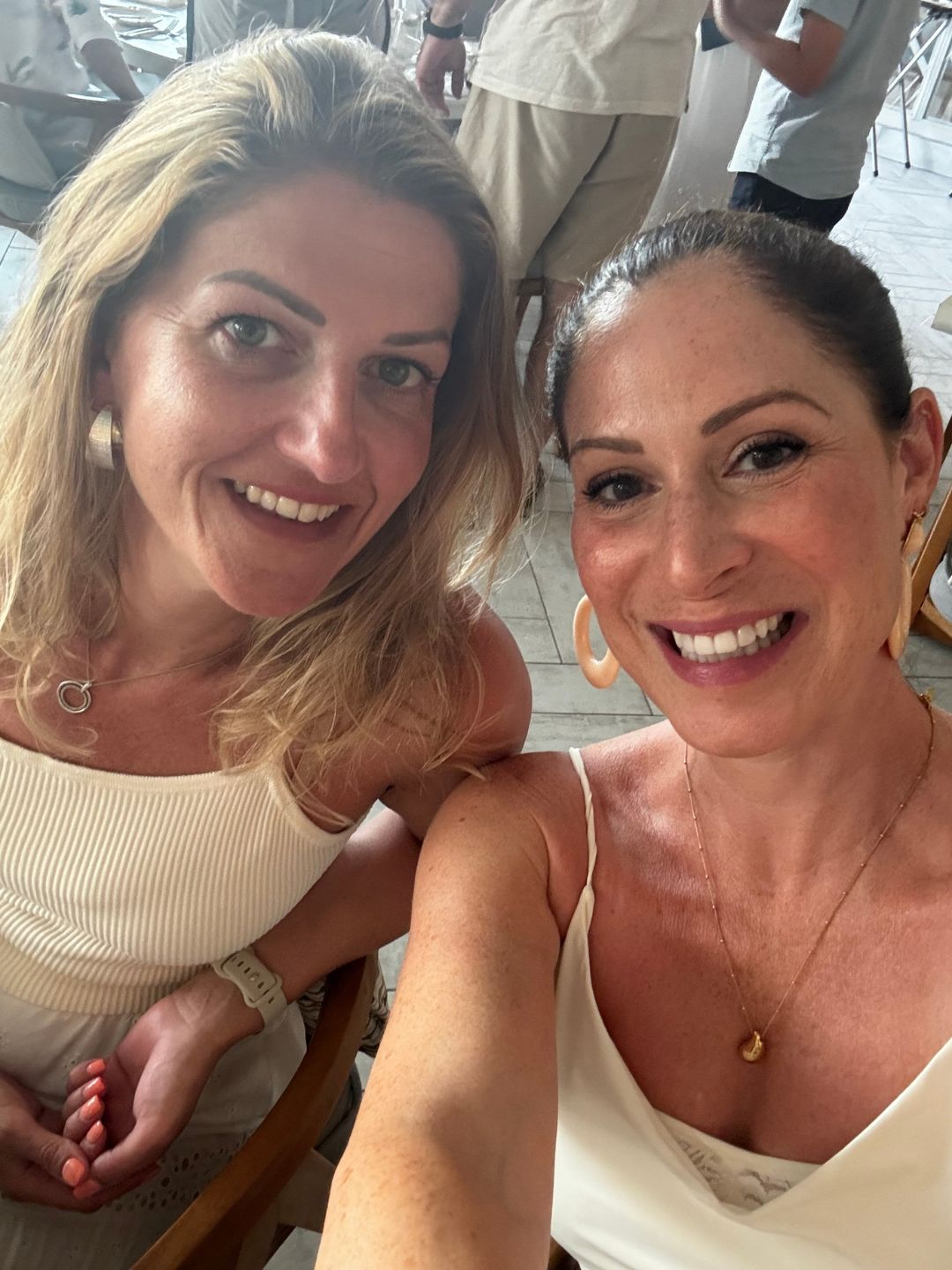
Prioritising her friendships, for Anna, didn't necessarily mean going out more - it just meant making time for meaningful catch ups.(Image credit: Anna Bartter)
Shop MC UK's go-to wellness essentials now:
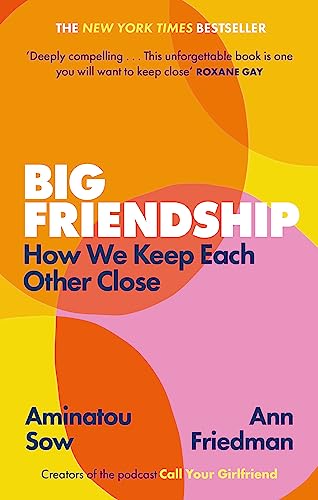
Big Friendship: How We Keep Each Other Close
One of my personal favourite books on friendship, this is a wonderful, life-affirming ode to our mates and how to cherish them.
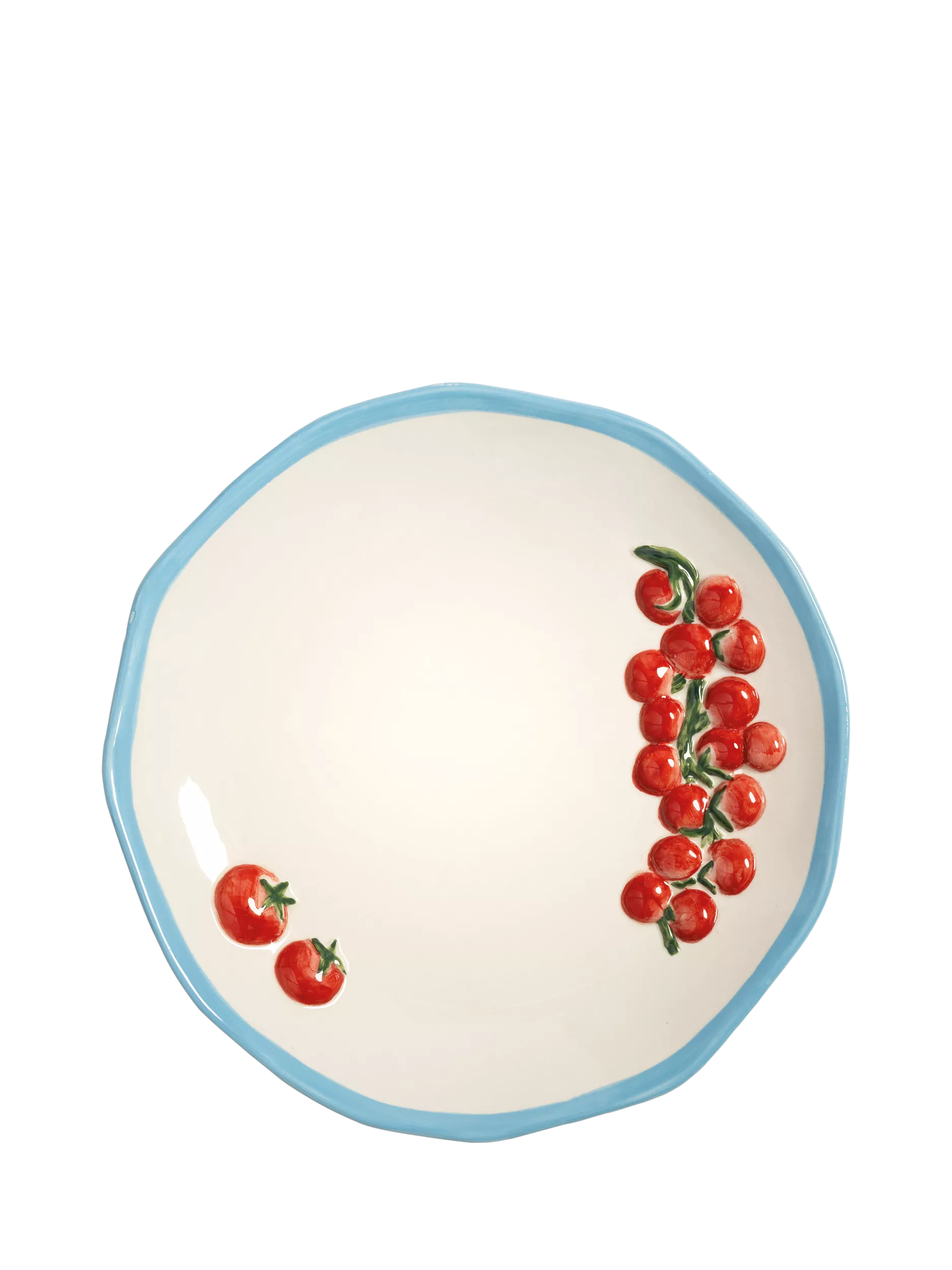
&k Amsterdam Pomodoro Platter
Nothing says I value you more than sharing a home-cooked meal, right? And when it's served on this platter we've fallen head over heels for, so much the better.
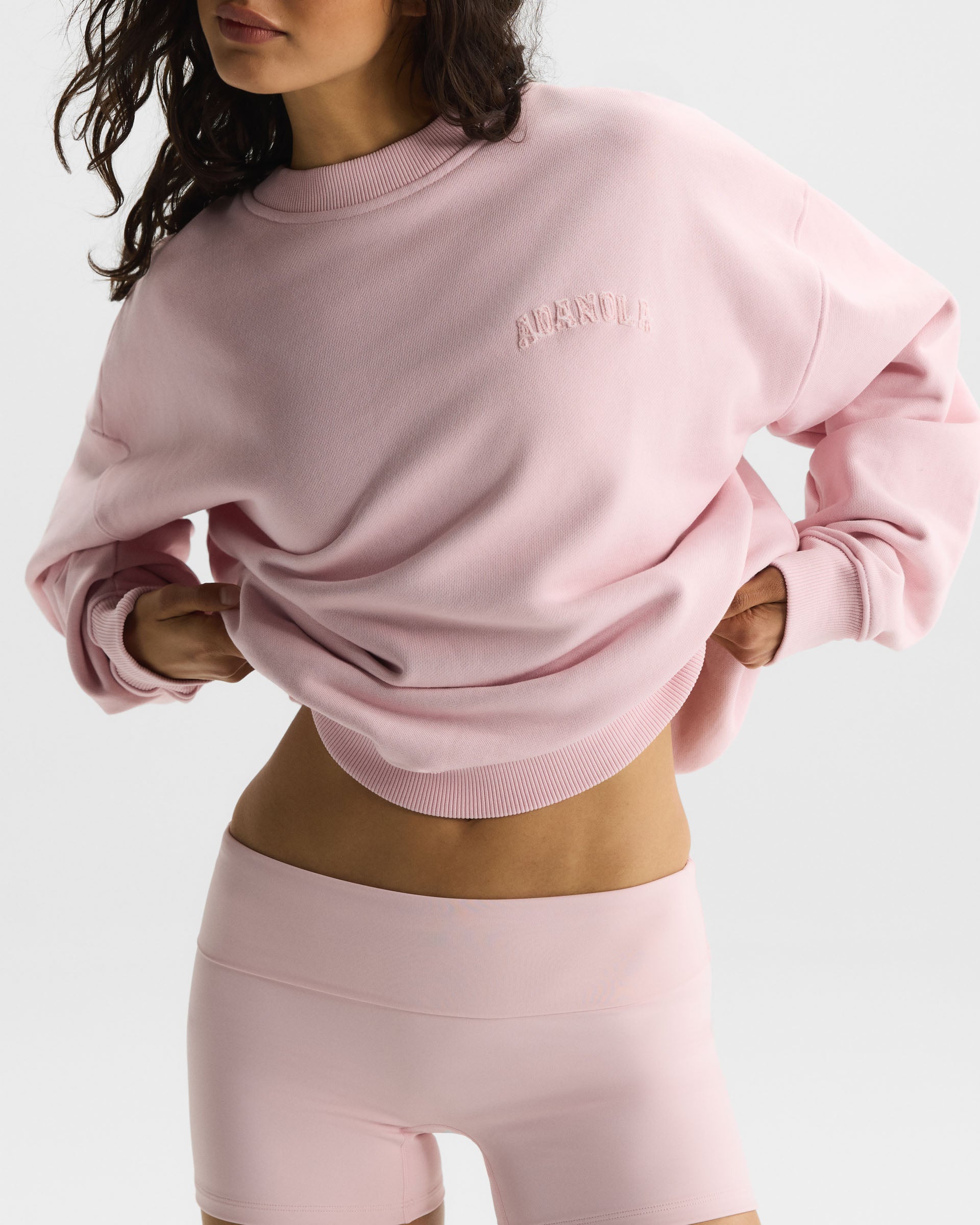
It's a truth universally acknowledged that once we're sharing clothes, we're fast friends. Pop this dreamy Adanola sweat into your basket, and you'll have the girls queuing up to take it off your hands.
Do we need to have lots of friends to feel the benefits?
Absolutely not, according to all the experts - this is very much quality over quantity.
"Healthy friendship isn't about having lots of friends, or even having someone who always knows the right thing to say," assures McKimm. "It's about having relationships where there is enough safety and reciprocity for us to be ourselves; where we can give and receive, have boundaries, disagree, be vulnerable and still remain connected."
from Latest from Marie Claire UK https://ift.tt/X67I5uz
via IFTTT
We're all familiar with the benefits that targeted shampoos, hair masks, and heat protectants can do, but not many of us are maximising our haircare routine with pre-shampoo treatments. However, they are often the one step that your hair and scalp are desperately in need of.
If you've ever felt like your hair is still lacking something even after trying countless post-wash products, it's likely that you need to think more about what you're doing before shampooing—and how you're treating your scalp as well as your ends. Whether you're dealing with oiliness, dullness, frizz, or weak hair that needs strengthening, a pre-shampoo product could be for you.
Pre-shampoo treatments are anything you add to your hair before washing, rather than after, and can include hair growth serums, hair oils, spray conditioners, or even bond builders. Wet hair is much stretchier and more prone to breakage than dry hair, so applying products pre-wash helps protect and repair your hair in its strongest state.
As someone on a hair health journey and looking to get as much length as possible, these are the pre-shampoo treatments I swear by for noticeable results.
How We Test
The Marie Claire UK team takes product testing seriously, committed to delivering accurate, honest, and genuinely helpful reviews for our readers. For this piece, I've rounded up pre-shampoo products that I have used on my hair several times and have seen results from. I assessed texture, packaging, ease of use, how it feels on the scalp, and the all-important results after shampooing.
Best for Growth: Nature Spell Rosemary Oil for Hair Growth With Root Comb Applicator
(Image credit: Amelia Yeomans)
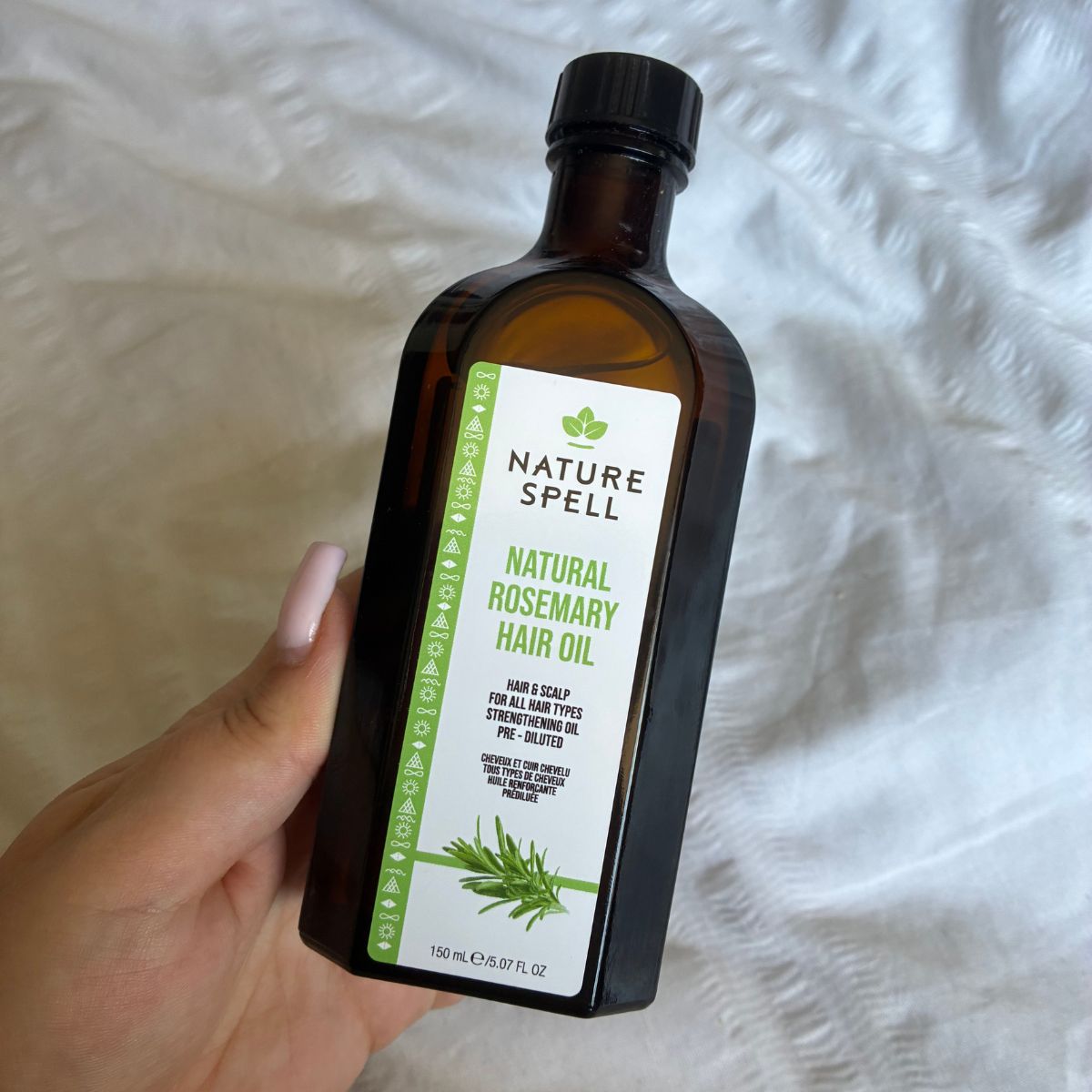
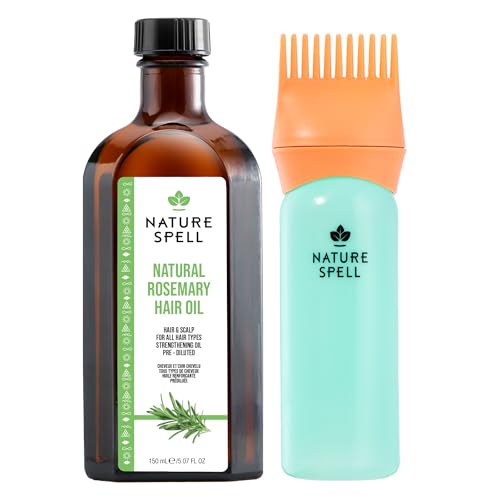
Nature Spell's rosemary oil is my most used pre-shampoo treatment, and it has almost certainly made a difference to my hair growth judging by the amount of friends that have marvelled at how long my hair has become recently. I apply mine using the handy dropper bottle anywhere from 20 minutes to the night before washing my hair, and despite the oil formula, it washes out easily with regular shampoo. As well as nourishing the scalp, my hair always looks and feels much silkier after washing with much less frizz to contend with.
Nature Spell
Rosemary Oil for Hair Growth With Root Comb Applicator
Best for Repair: Olaplex No.3 Plus Complete Repair Treatment
(Image credit: Amelia Yeomans)
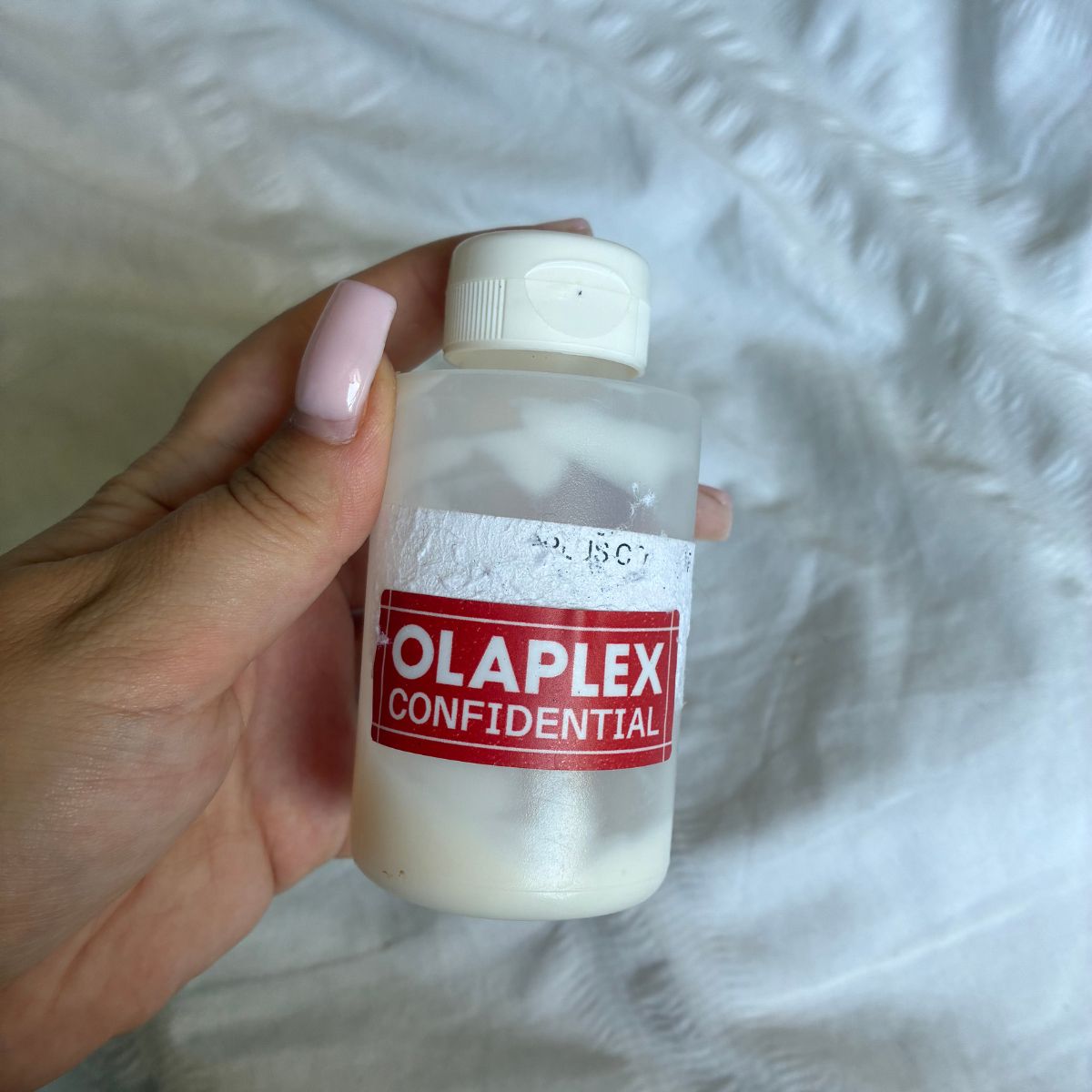
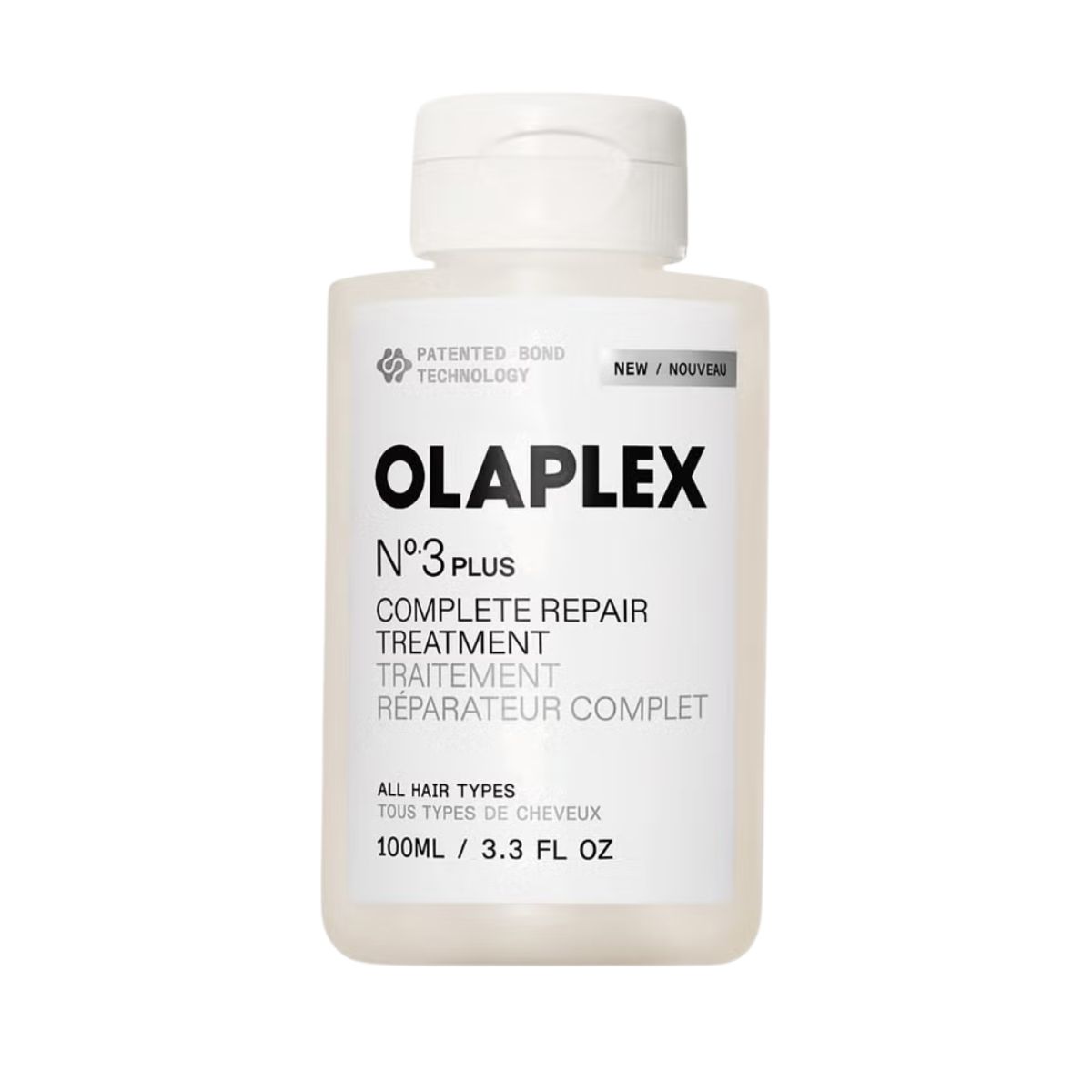
Olaplex's hero product, No. 3, is the single haircare product I have never stopped using—I apply it once a week without fail, and you can tell how well-loved my pre-launch sample bottle is. The newly reformulated bond technology repairs damaged hair in just a few minutes when applied to wet, but not yet shampooed, hair. It replenishes moisture for increased softness, smoothness, and manageability, and reduces breakage and split ends to strengthen hair over time. If you have particularly damaged hair that needs more than just a heavy-duty conditioner, this pre-shampoo treatment will make the world of difference.
Olaplex
No.3 Plus Complete Repair Treatment
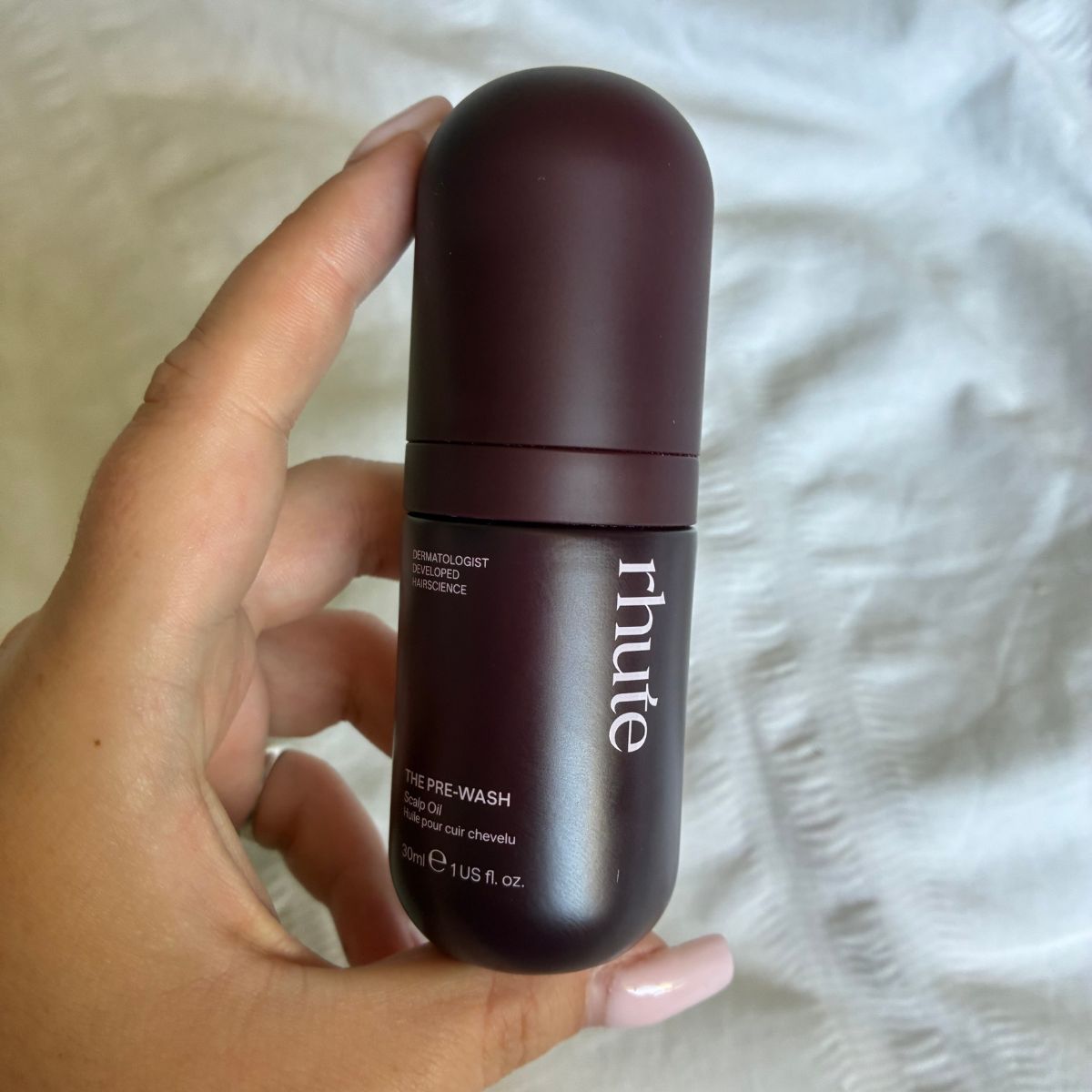
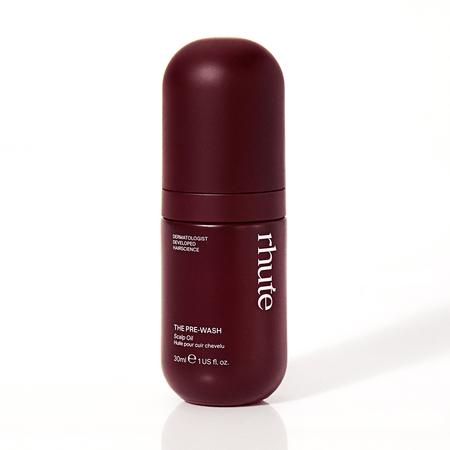
Best for Strength: Rhute Triple Density Complex
(Image credit: Amelia Yeomans)
Unlike many scalp oils, this Rhute formula is applied from roots to ends to target hair density, shedding, breakage, overall strength. It's also much more lightweight than traditional hair oils, so it even works for fine hair that without leaving a residue. I love that this hybrid treatment offers both scalp care and strand nourishment in one, so you don't need to turn to different products for your scalp and ends. I'm also a huge fan of the subtly sweet scent that makes me look forward to applying it a few times a week. After several uses, my hair not only appears to be shedding less (a huge plus for me), but it's also softer and shinier.
Rhute
Triple Density Complex
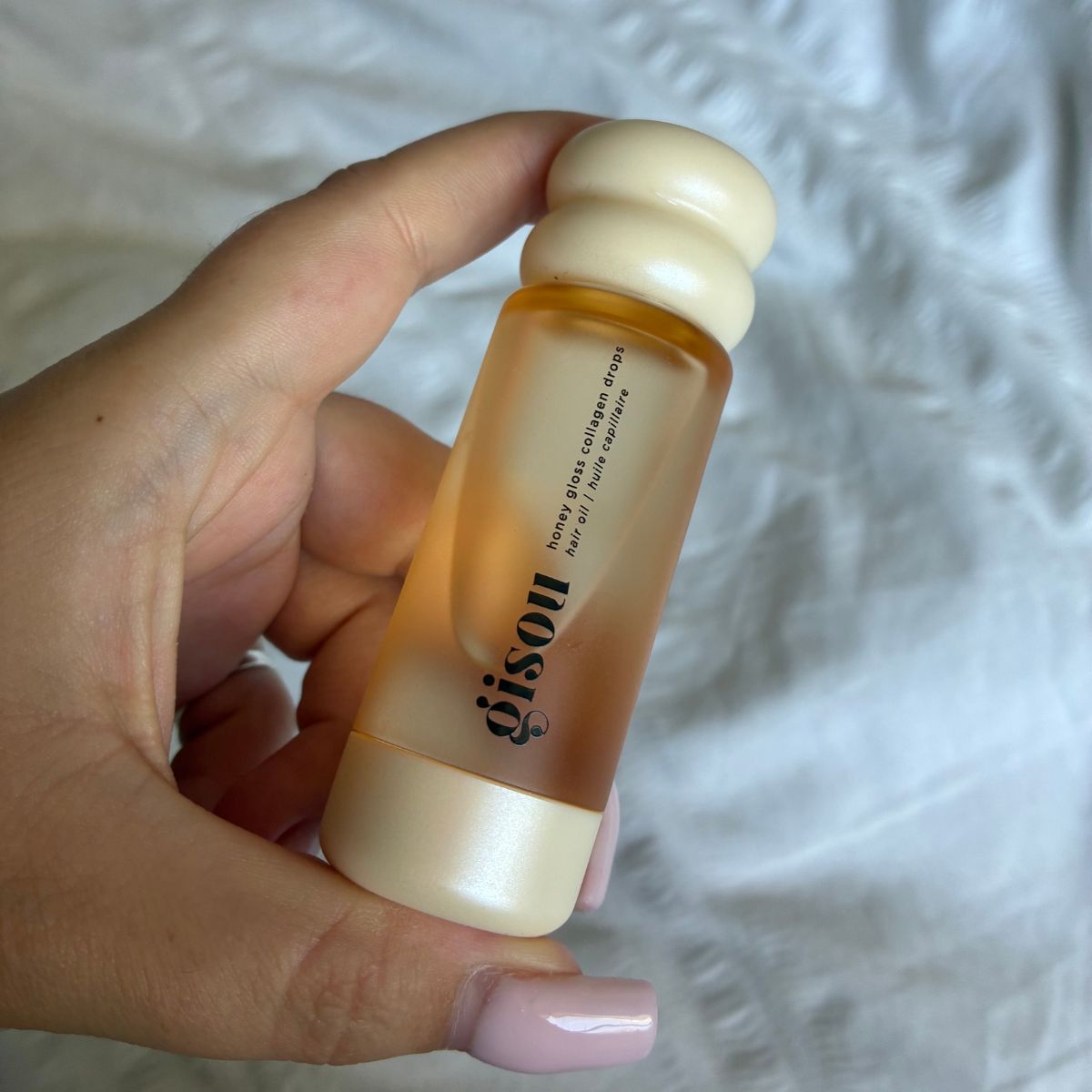
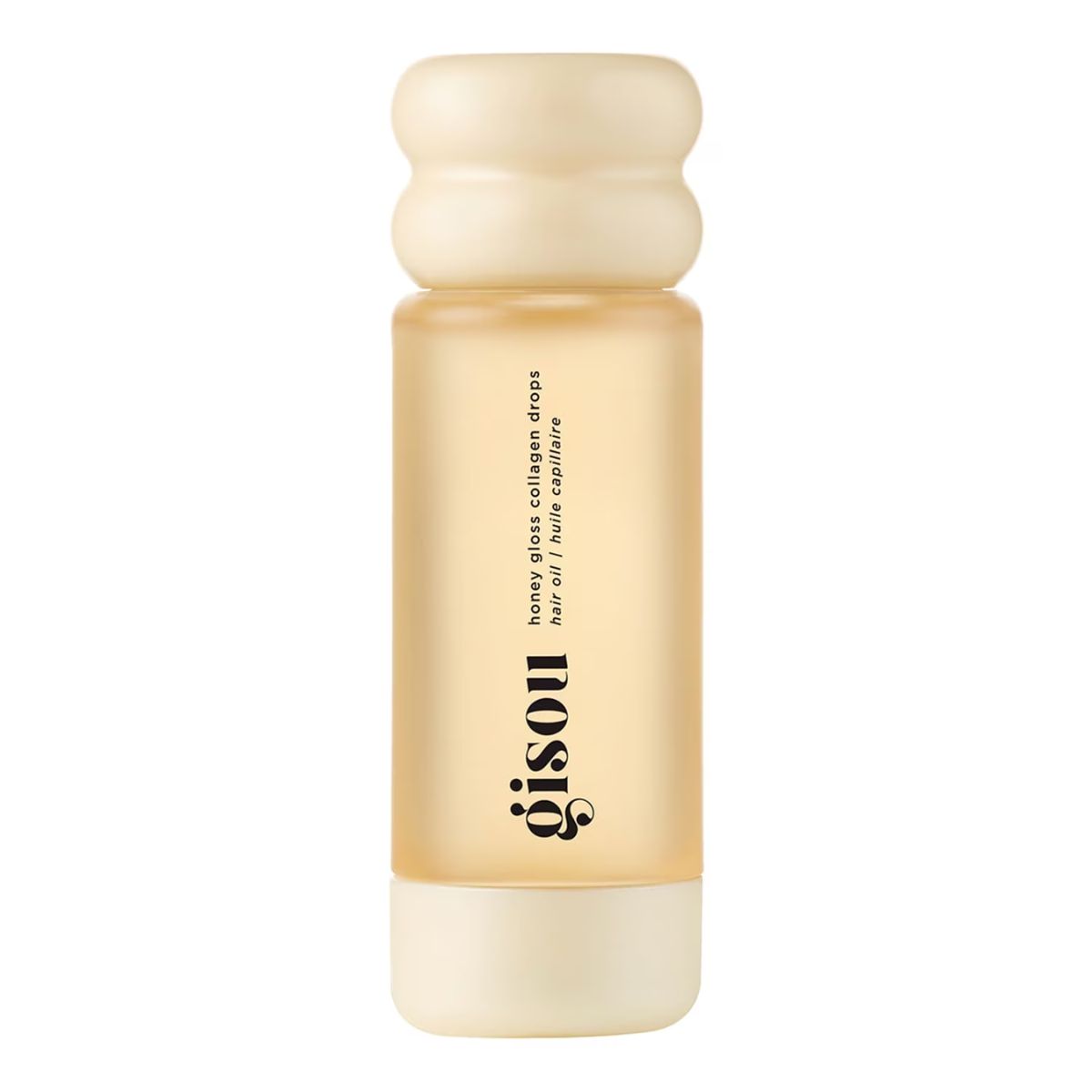
Best for Shine: Gisou Honey Gloss Collagen Drops Hair Oil
(Image credit: Amelia Yeomans)
I've been using these Gisou drops for months to tame dry hair, but I recently discovered that they can be used as a pre-shampoo treatment too. This works particularly well if you have dull but fine hair that doesn't agree with overly oily formulas, as this product is much more watery in nature and easy to wash out. Apply as many drops as your hair needs to your ends and leave for at least 30 minutes before washing out, and the hair looks much glossier and feels softer too.
Gisou
Honey Gloss Collagen Drops Hair Oil
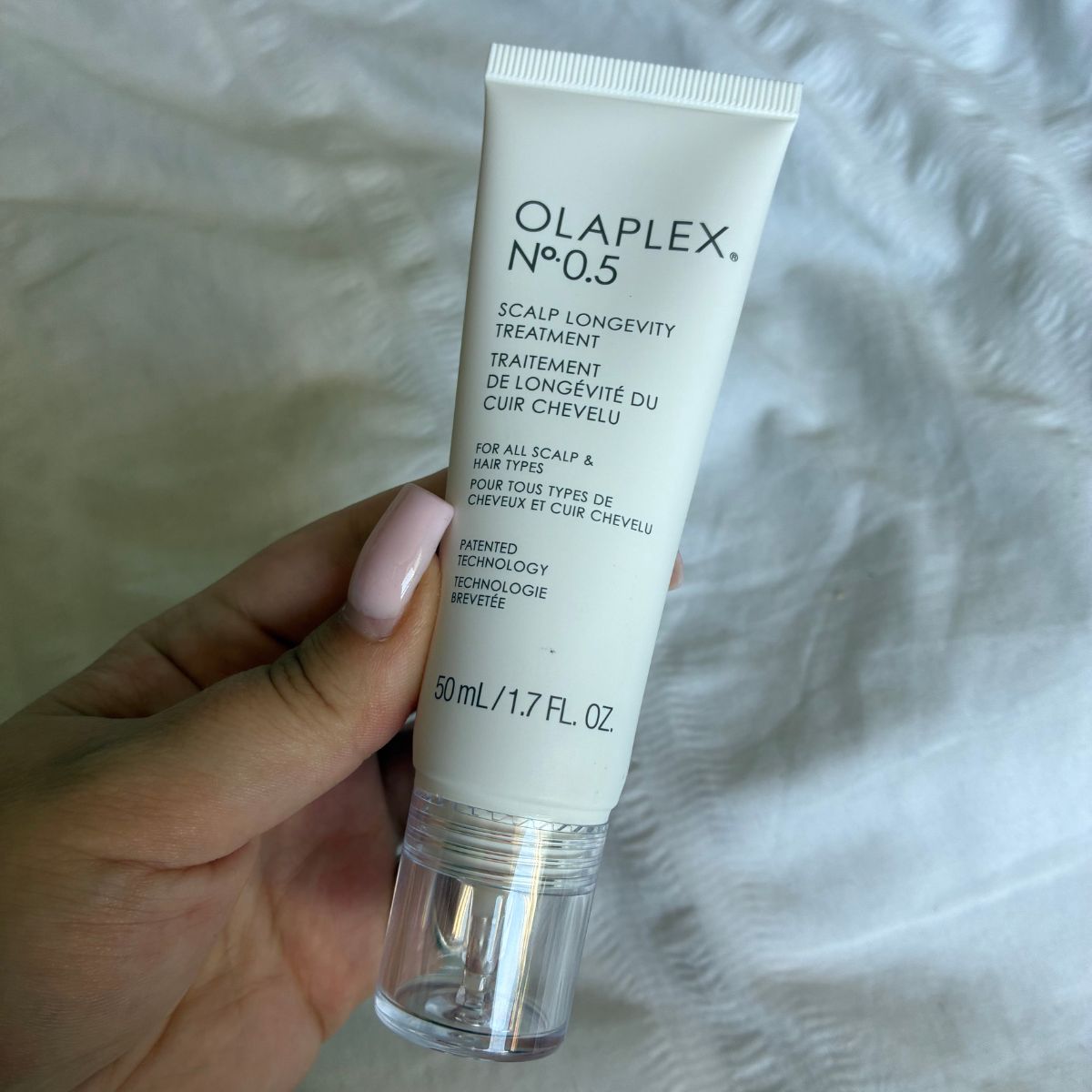
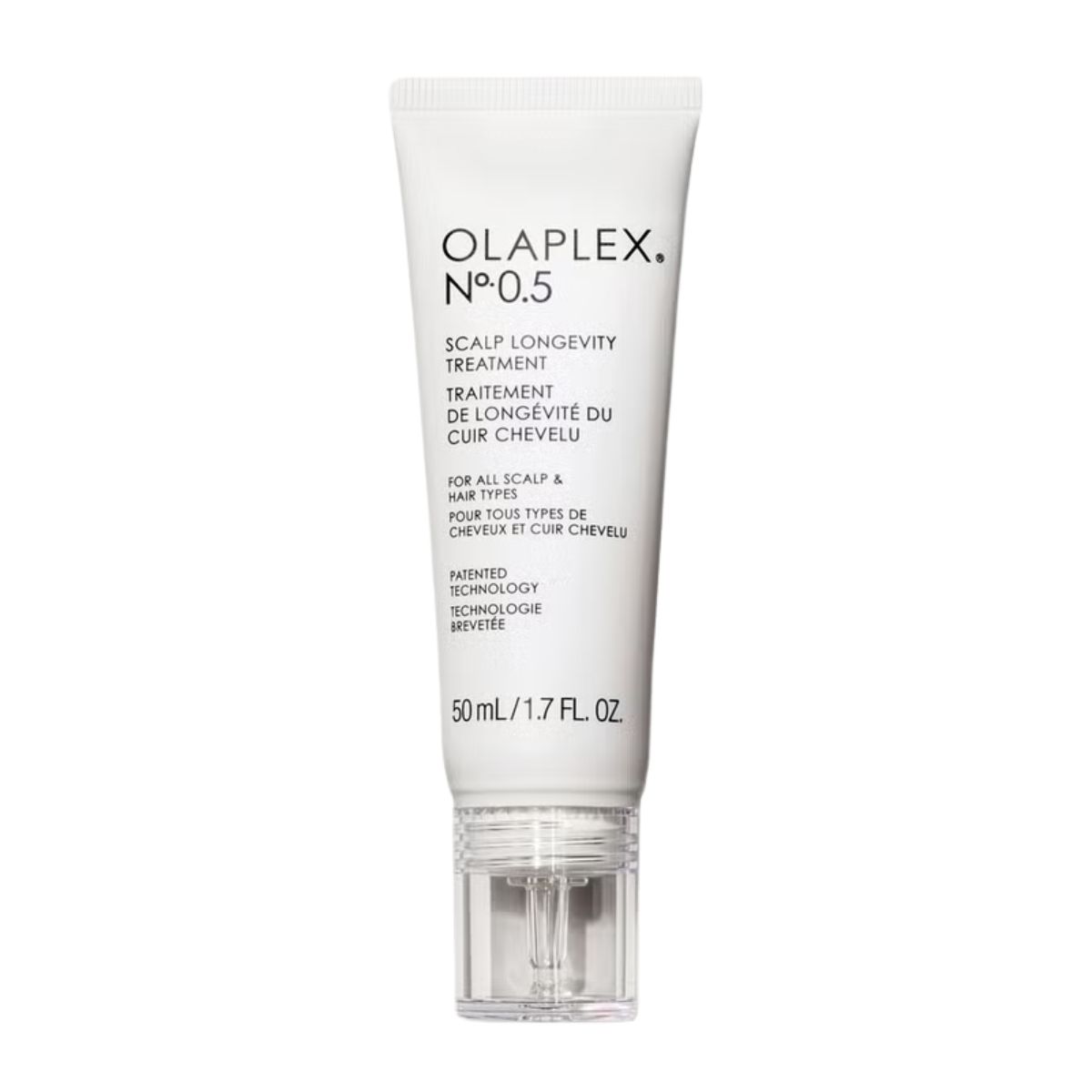
Best for Scalp Health: Olaplex No. 0.5 Scalp Longevity Treatment
(Image credit: Amelia Yeomans)
Poor scalp health can lead to increased hair shedding, dryness, and a wealth of other issues—so a scalp treatment can make the world of difference. I've been using the Olaplex Scalp Longevity Treatment for a while and I love that it's totally non-greasy, easy to apply, and its instant soothing powers that nourish the scalp's barrier. If you have a particularly dry or flaky scalp, this is for you. Although it can be applied post-shampoo too, I find that it works best applied the night before washing so it can really sink in and get to work. It isn't heavy or oily, so it's more than comfortable to sleep in. Plus, it means that my hair and scalp feel extra clean and nourished after shampooing.
Olaplex
No. 0.5 Scalp Longevity Treatment
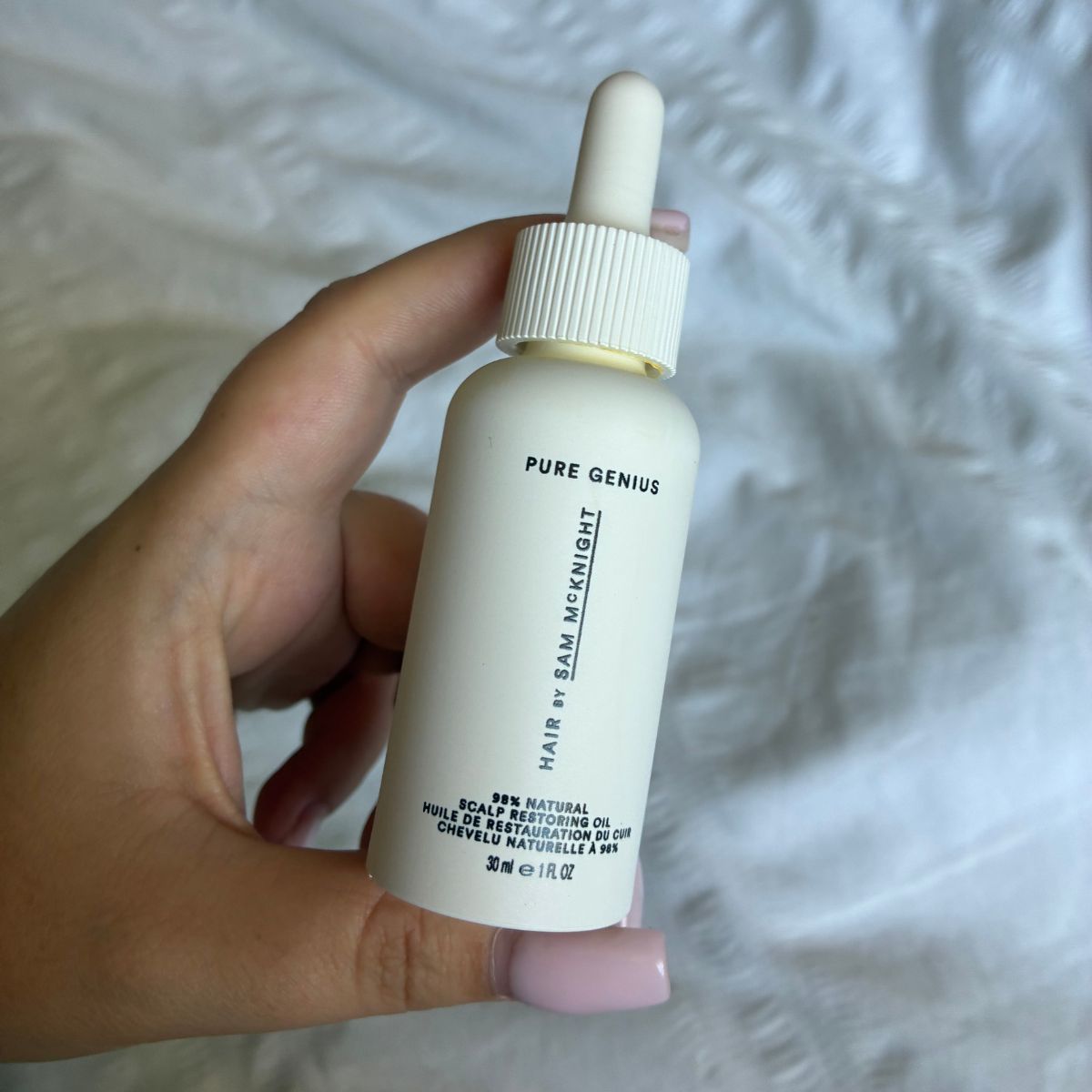
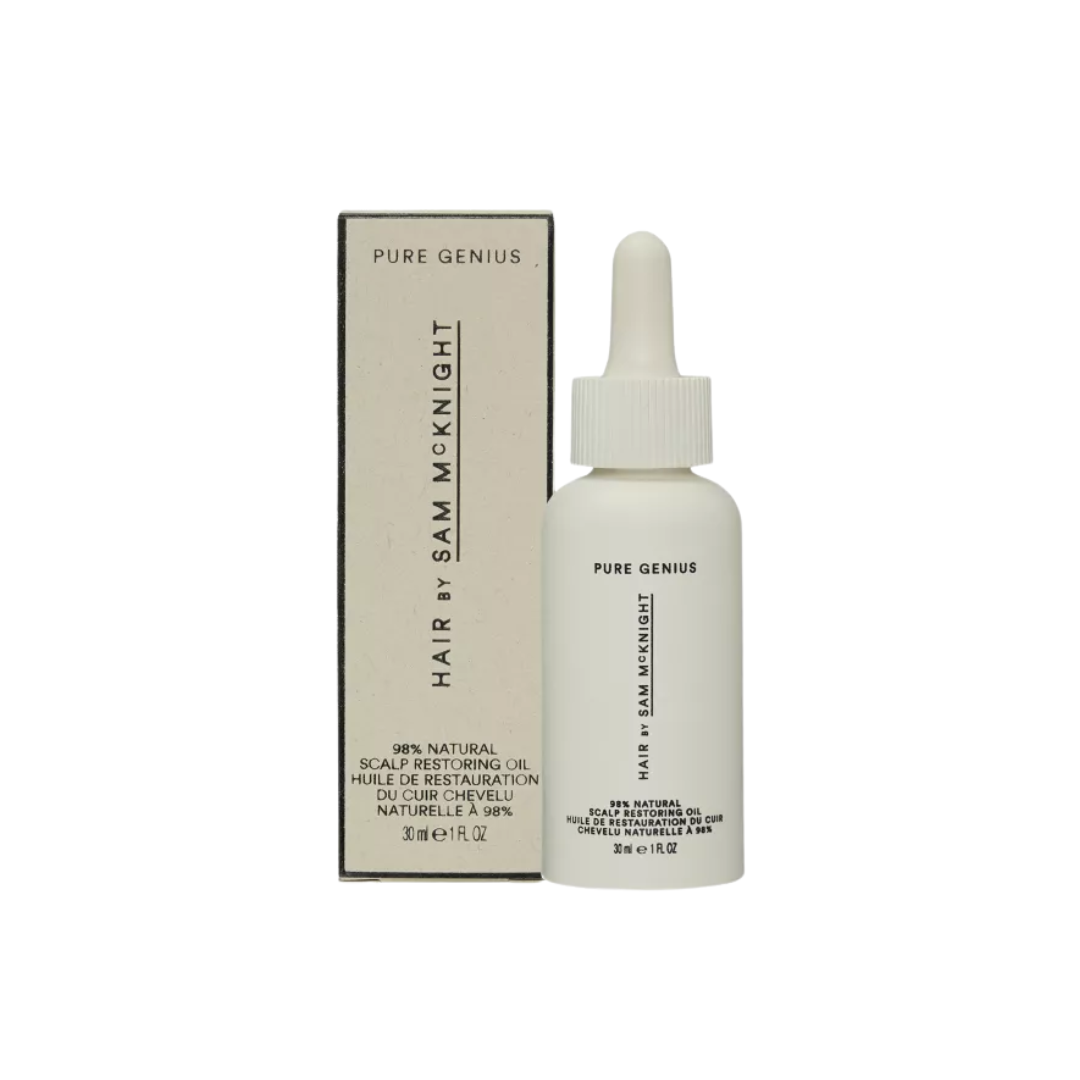
Best for Oil Reduction: Hair by Sam McKnight Pure Genius 98% Natural Scalp Restoring Oil
(Image credit: Amelia Yeomans)
It may sound counterintuitive to use an oil to combat greasiness, but that's exactly what this Sam McKnight pre-wash treatment does. It helps to refresh your scalp so your hair feels cleaner, softer, and more hydrated post-shampoo. Apply to dirty hair, massage into the scalp, and leave for a minimum of ten minutes whilst it gets to work. The formula helps to lift build-up on your roots so your hair feels cleaner, but it also locks in moisture so your scalp won't produce excess oil to rehydrate after washing.
Hair by Sam Mcknight
Pure Genius 98% Natural Scalp Restoring Oil
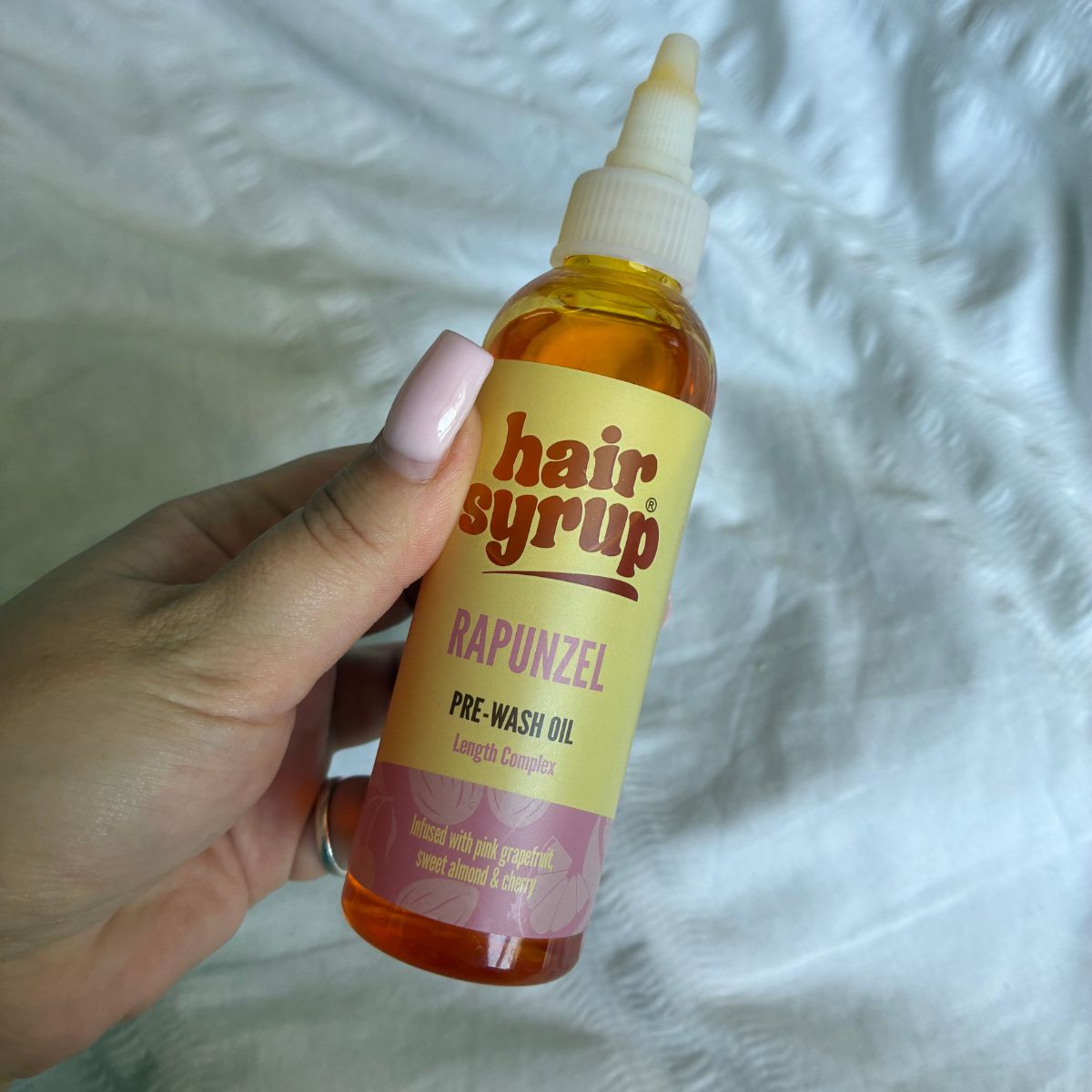
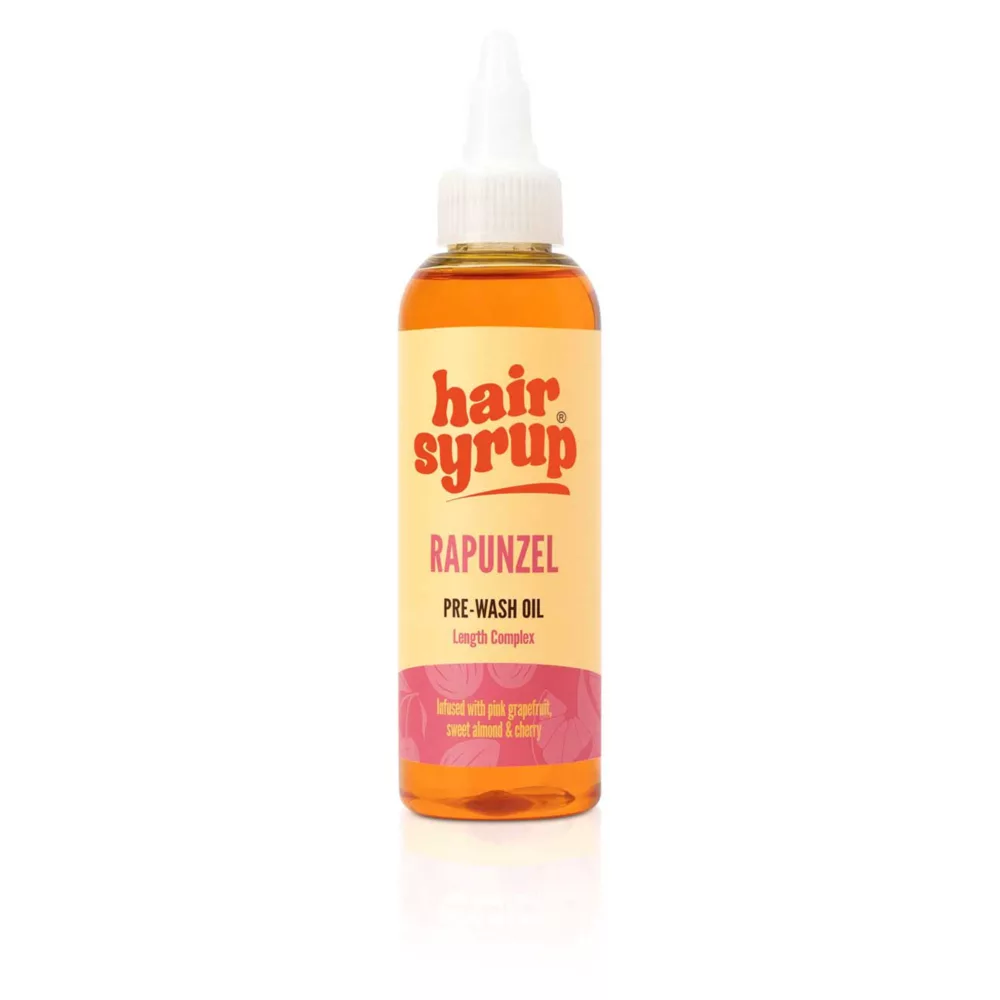
Best Overnight Treatment: Hair Syrup Pre-Wash Hair Oil Rapunzel
(Image credit: Amelia Yeomans)
If you're after a heavy-duty treatment you can leave to sink in overnight, Hair Syrup gets my vote. It's designed for dull and stubborn hair that struggles to grow, saturating it with nourishing ingredients to moisturise from root to end. It does have a heavier feel due to the oil formula, but it still washes out easily with shampoo. I apply it all over my dry hair the night before washing, and it not only makes my hair much easier to manage the next day, but it makes it significantly softer and glossier too.
Hair Syrup
Pre-Wash Hair Oil Rapunzel
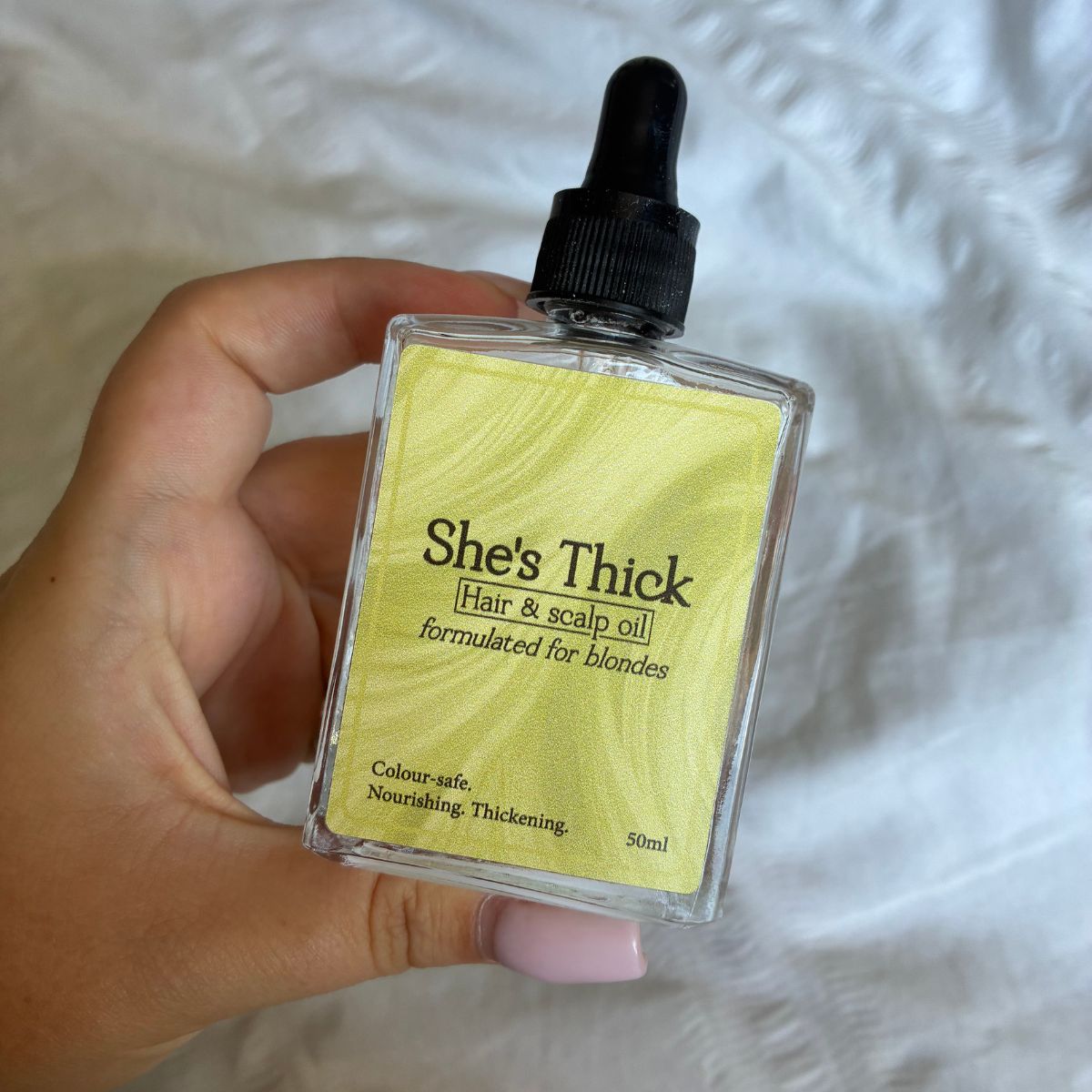
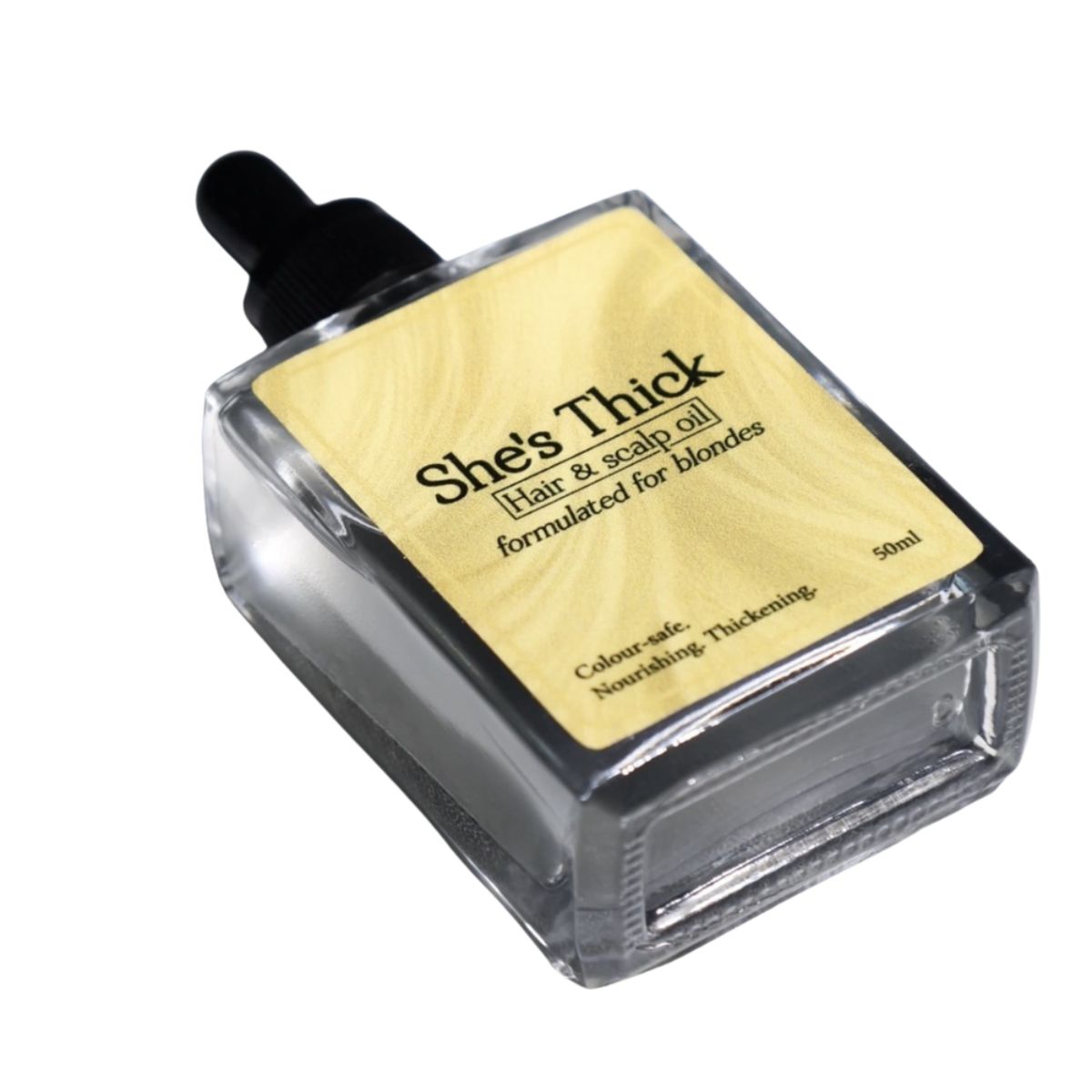
Best for Blondes: She's Thick Hair Growth & Repair Oil for Blondes
(Image credit: Amelia Yeomans)
If you bleach your hair, you know just how brittle and dull it can get. This pre-wash treatment is designed with blondes in mind, strengthening and conditioning whilst protecting colour—and making hair feel thicker and look shinier. It has a lovely minty scent that revitalises the scalp, and it has a moisturising oily texture that isn't too heavy. It's another one that washes out easily in the shower, and it can be used from roots to ends on dry hair and left on for as long as you like.
She's Thick
Hair Growth & Repair Oil for Blondes
from Latest from Marie Claire UK https://ift.tt/w7vJoWR
via IFTTT