It's official: friendships make us healthier. Physically, emotionally and in all the ways, having a good group of friends can - quite literally - save your life. Trust me: I've learned this the hard way.
When I was younger, it's fair to say I treated my friendships somewhat dismissively; easy to do when you think they'll always be around. While I always enjoyed hanging out with my mates, it wasn't until I had a traumatic friendship breakup in my mid 20s (IYKYK - the grief is real) that I really started to re-evaluate my relationship with those around me - and how I was taking them for granted.
And it's safe to say that I learned my lesson. These days, I'm lucky enough to have the very best friends I could ever have asked for. Some I've known since we were tiny at school, others I've made through the years at work, in the gym and at the school gates, among other places. I've got my solid ride-or-dies, ask no questions, help me bury the body (metaphorically speaking, of course) mates who are always there for me - and I never take them for granted.
This being said, there are obviously times when real life takes over, and I find myself not catching up with my besties as often - or as deeply - as we'd all like. The nights out never make it out of the group chat, and the chances of us all being free on the same weekend before 2030? Pretty much impossible. Throw kids and school holidays into the mix and before we know it, months have gone by without meaningful connection.
But if you can manage it, there's pretty solid scientific backing for giving your mates top billing. Research shows that adult friendship is positively correlated with wellbeing - and making effort to maintain our friendships also counts (check out this 2023 review of research studies, from the journal Frontiers in Psychology). But fascinatingly, the benefits don't end there, with further studies revealing a link between strong friendships and a reduced risk of mortality, improved health behaviours and lower risk of stroke (see this study, from the journal Epidemiology and Psychiatric Sciences).
So, when I was asked to treat my friendships like a wellness habit for a couple of months, I was all in. After all, if I can make time to work out, cook nutritious food and prioritise quality rest (a work in progress), why not promote hanging out with my friends to the top of my wellness list?
Would treating my friendships as a wellness habit for a month garner me any noticeable gains? Keep scrolling to find out - but while you're here, do check out Em the Nutritionist's top 5 wellness lessons she wishes she'd learned sooner, read all about one Health Writer's battle with health anxiety, and discover the simple, everyday habits that longevity researchers prioritise for healthy ageing, here.
I Treated Friendship Like a Wellness Habit for a Month—Here's What Happened
How is friendship connected to health and wellbeing?
It's well established that loneliness is a leading cause of ill health, with research showing that social isolation has a significant impact on both mental and physical health. Interestingly, it's also deeply rooted in our evolution.
"From an evolutionary perspective, human beings are fundamentally social," explains consultant psychologist Dr Louise Goddard Crawley. "For most of our history, belonging to a group wasn’t simply nice to have; it was essential for survival. Our brains and nervous systems evolved in that context, which helps explain why connection can feel so regulating, and why isolation can be genuinely painful."
It follows, then, that friendship is the perfect (but not only) antidote to this - there's a growing conversation around friendship as a protective factor for both emotional and physical health, and it's something that the experts wholeheartedly endorse, too.
"The mental health benefits of friendship are something we’ve all experienced," notes mental health nurse and coach Rosie Drage. "I know I feel ten times better after a few hours chatting with my best friends - but it’s about more than just mental wellbeing. Without friendships, we’re at risk of being more socially isolated, which can lead to poorer health outcomes too."
What are the benefits of prioritising friendships?
So, it's clear that friendships are unequivocally a good thing for all of us - but how might we notice the benefits of sharing our time, feelings and experiences with like-minded people? Let's take a look.
1. They keep us grounded
There's nothing quite like catching up with old friends - the ones who've known and loved you through all your various iterations and life stages. For those of us lucky enough to have long-standing friendships, this feeling of being deeply understood and accepted is incredibly grounding.
"Long-term friendship offers something that I think is quite profound," muses Dr Goddard Crawley. "Someone who has known you for decades becomes a keeper of your history. They remember versions of you that you may barely remember yourself. Who you were before the job, the relationship, the children, the difficult years, or whatever came next. There’s something enormously grounding about being known across all those different versions of yourself."
2. They help us to self-regulate
"We know that our physical and emotional wellbeing is interlinked," shares psychotherapist and counsellor Georgina Sturmer. "The presence of a support network in our lives can help us to feel calmer and can support us to manage our physical wellbeing when life gets difficult. Emotional and physical regulation isn’t just an internal process; we co-regulate our nervous system with those around us - meaning that the presence of others can help us to soothe ourselves, too."
3. They support healthy biological function
Yes, really. While the majority of friendship-related benefits are psychological, there are physiological advantages to having mates as well.
"Safe, positive relationships can reduce isolation, increase our sense of belonging, but they also help regulate our emotional and physiological responses to stress," shares psychotherapist and trauma coach Hannah McKimm. "Our nervous systems are constantly picking up and responding to signals from each other, often before we've consciously thought about it. Being with someone we trust can help our nervous system settle: we might notice our breathing slow, our shoulders drop, or our body soften. This can reduce the physical and emotional energy we're using to respond to potential threat, leaving more capacity for rest, recovery and everyday life."
4. They help us develop a sense of self
The people we choose to surround ourselves with become who we are, in many ways - the best friends will not only support us in the good times but (hopefully) challenge and question us in tougher times, too.
"From the moment we are born, we look to our caregivers for safety and security - and also to develop our sense of self, our sense of ‘who we are’ as people," Sturmer says. "And this continues through life; our friendships help us to feel known and understood, and to develop our sense of self."
5. Friendships help us through both good and bad times
"Friendship isn't only important when we're struggling," notes McKimm. "Joy, laughter, play, perspective and shared experiences are important parts of wellbeing too. When life is difficult, good friendships can also give us somewhere to share the emotional load."
I Treated Friendship Like a Wellness Habit for Two Months - Here Are My Honest Thoughts
Month one
If I'm being honest, this wasn't so much a challenge as a treat for me - as touched on above, I've long prioritised my friendships, and I'm well and truly reaping the rewards.
But that being said, being more intentional about making sure my friends are right at the top of my list has been a bit of a change for me. As a busy mum, I'm constantly putting the needs of my kids first, and - I won't lie - taking time to make sure I'm there for my friendships as well means there are moments when I have to weigh up who really needs me more, and this creates a bit of discomfort for me initially.
However, knowing how beneficial it is kind of helps - and it's not long before I'm leaning into seeing my friends a little more often and trying to open up to them more. Turns out, honesty breeds honesty, and chatting about our various struggles is more helpful than I'd anticipated. Usually, I'd wait until something has gone wrong to really get into the nitty-gritty of what's happening in my life - figuring that we all have things going on - but knowing that it's so good for us absolutely gives me the push I need.
That being said, it's not all about going deep. I'm not great at saying yes to more spontaneous outings, but I try and push my comfort zone, even agreeing to a spur of the moment catch up with a neighbour, which ends up being one of the loveliest evenings of the summer so far.
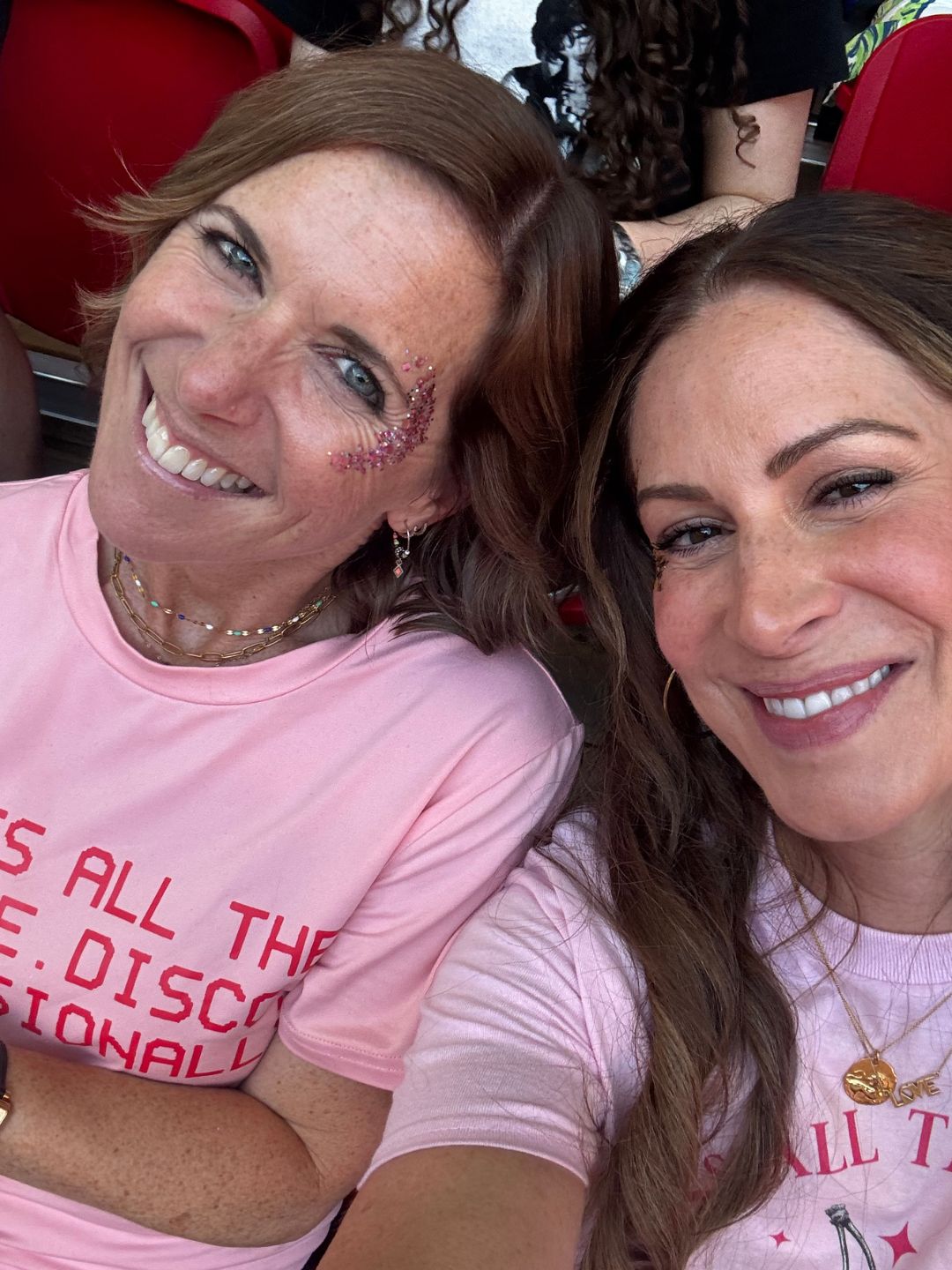
I've also planned some bigger nights out - a few close friends have had big birthdays this month, so celebrating them has been even more special than usual - and when the celebrations involve going to see Harry Styles on tour, let's just say I wouldn't miss it for the world! While I love hanging out with my little family, there's something so special about making these memories with my mates, too.
Month two
As the second month rolls around, I'm honestly enjoying this experiment so much. So far, I've had dinners, drinks, coffees, walks and more - and my cup feels well and truly filled. It's such a lovely feeling knowing that I can choose to spend my time with the most amazing people, and that they choose me right back - I highly recommend it.
Disclaimer, though - it does mean saying yes to a few more things than I'd usually have done, but looking back, I can honestly say that those times I was on the fence about something were all the ones that, in hindsight, I'm so glad I made the effort for.
As a natural introvert, I do have to push myself not to hibernate when I'm feeling tired, overwhelmed or stressed - and it's fair to say that I absolutely need (and crave) time by myself, but on the whole, I wouldn't change a single moment spent with my friends over the course of these two months. I've felt our relationships deepen, and I've also got so many fun plans to look forward to for the rest of the year now, too - turns out, putting things in the diary a few months ahead of time gives me a little dopamine boost on the daily.
I can't speak to any physical health benefits other than to say my Oura ring upgraded my resilience from strong (so already pretty good) to exceptional - and the only thing I can put it down to is treating my friendships as a wellness habit. Yes, I've had to be more vulnerable and let my guard down a little - but I can safely say it's been so worth it.

Shop MC UK's go-to wellness essentials now:
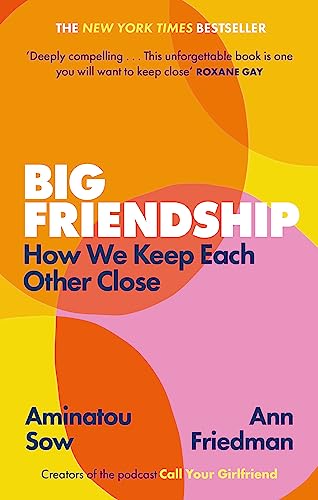
One of my personal favourite books on friendship, this is a wonderful, life-affirming ode to our mates and how to cherish them.
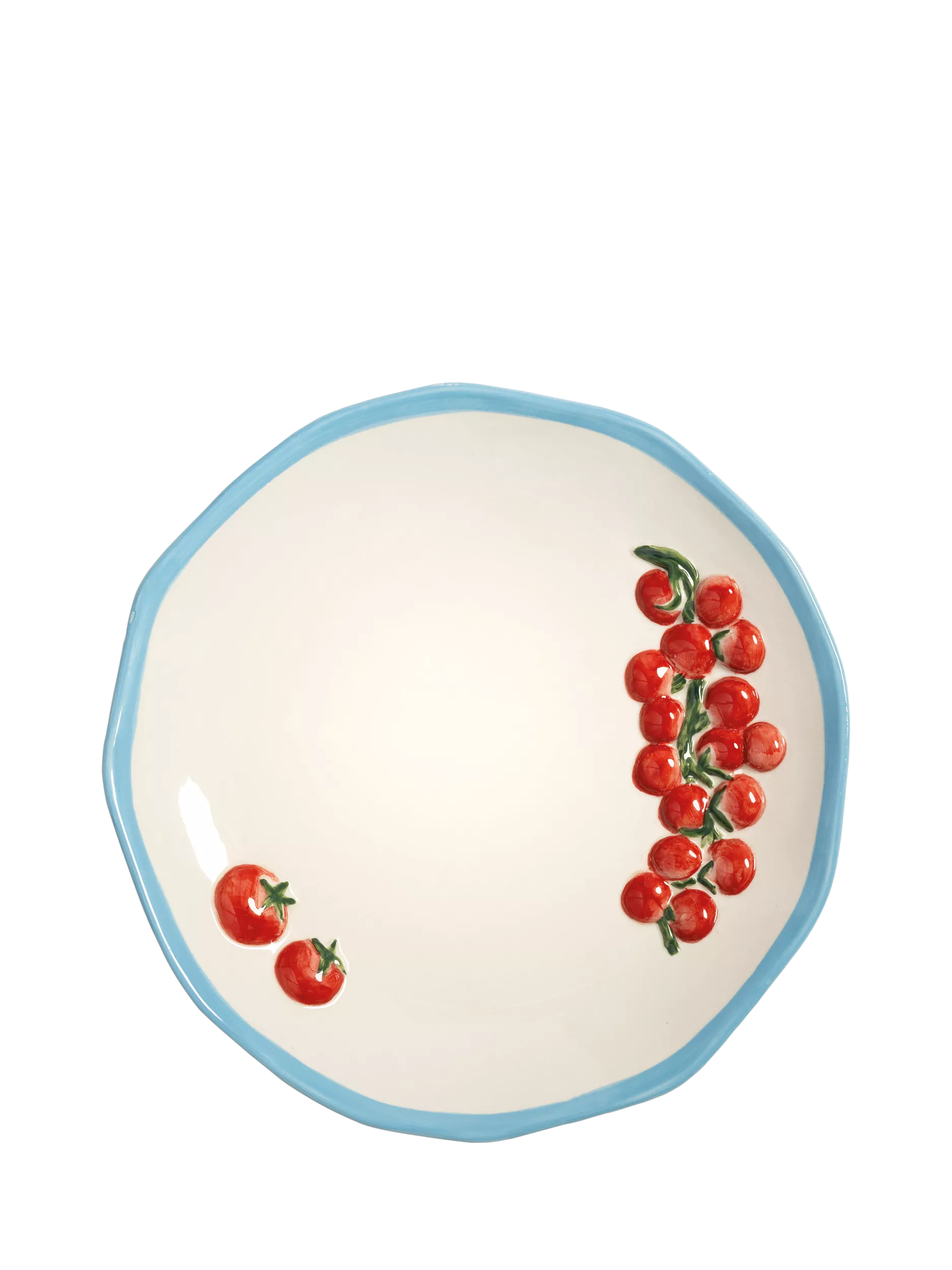
Nothing says I value you more than sharing a home-cooked meal, right? And when it's served on this platter we've fallen head over heels for, so much the better.

It's a truth universally acknowledged that once we're sharing clothes, we're fast friends. Pop this dreamy Adanola sweat into your basket, and you'll have the girls queuing up to take it off your hands.
Do we need to have lots of friends to feel the benefits?
Absolutely not, according to all the experts - this is very much quality over quantity.
"Healthy friendship isn't about having lots of friends, or even having someone who always knows the right thing to say," assures McKimm. "It's about having relationships where there is enough safety and reciprocity for us to be ourselves; where we can give and receive, have boundaries, disagree, be vulnerable and still remain connected."
from Latest from Marie Claire UK https://ift.tt/X67I5uz
via IFTTT

No comments:
Post a Comment