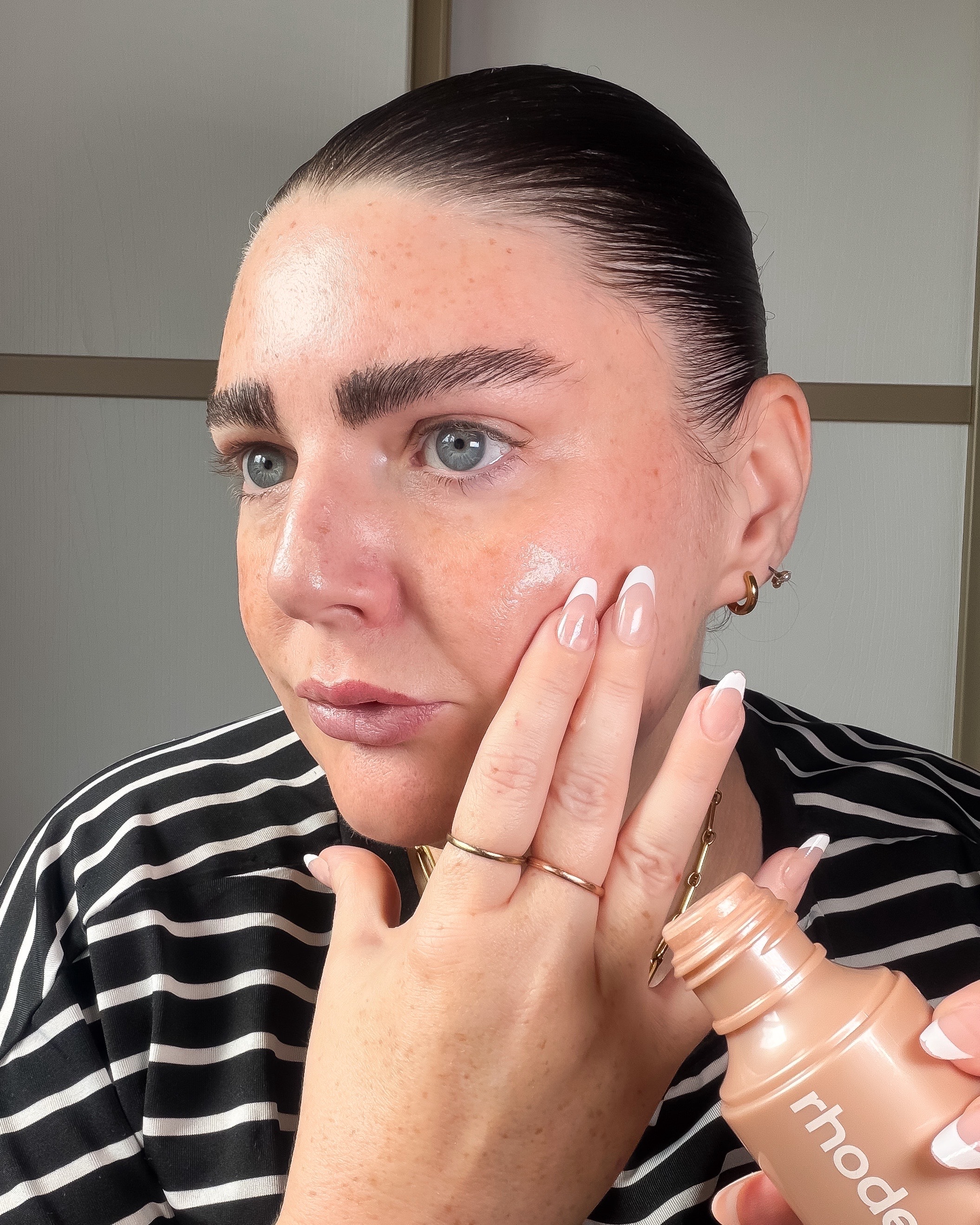
I'm not someone who wears makeup every day. If I'm going to an event or filming content, I'm guaranteed to be wearing it, but when I'm just meeting a friend for coffee or doing a grocery shop, I like to leave my skin with just skincare on. Since I go bare-faced more often than not, I'm always on the hunt for other ways to boost my glow.
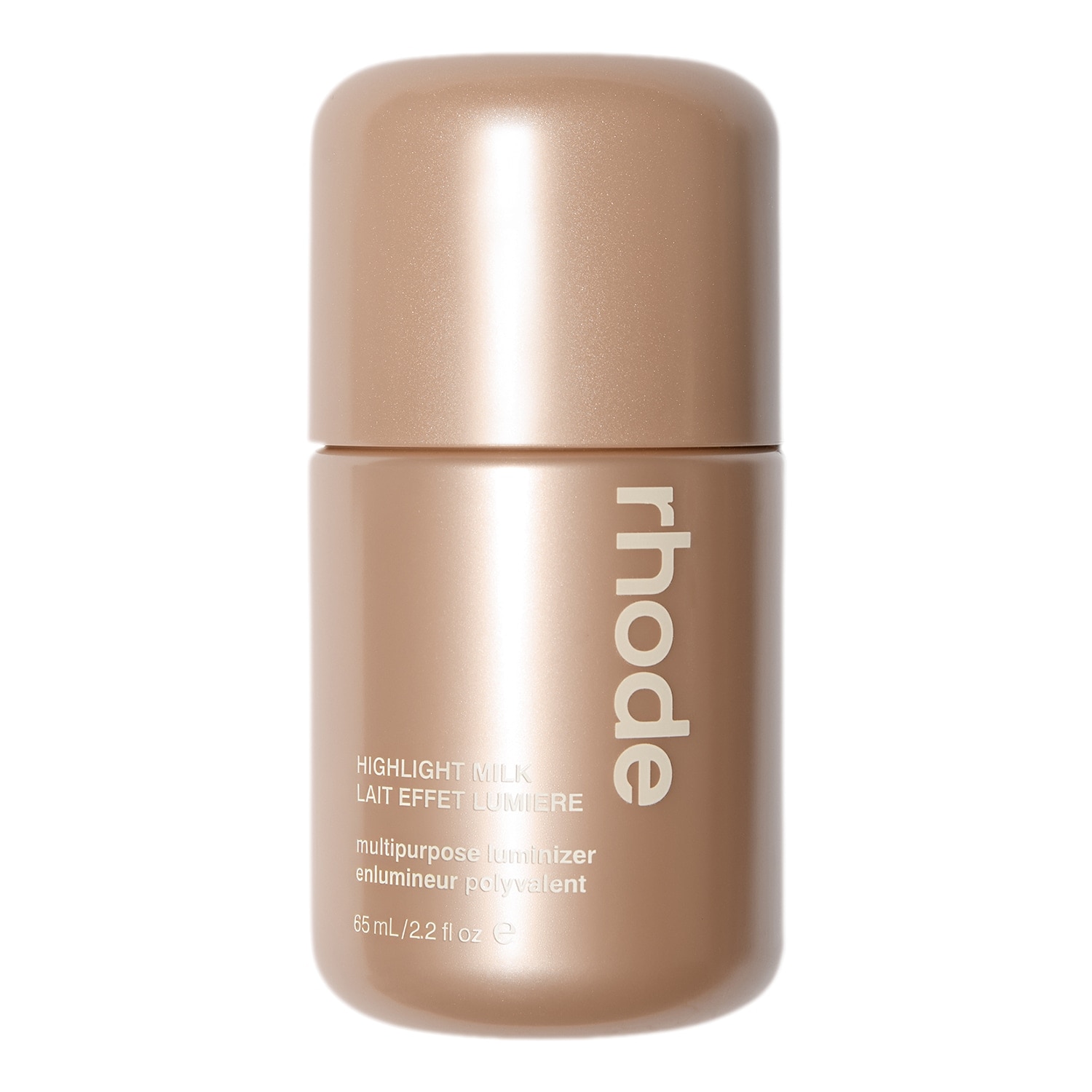
I've long been a fan of the original Rhode Glazing Milk for the glass-skin look it gives, and the way it soothes my perioral dermatitis. So when they launched their Highlight Milk versions, I was all over them immediately. To be honest, it's such a simple concept; I'm surprised no brand has done this before. Rhode has taken its milky, moisturising, soothing Glazing Milk and added pearlescent, luminising particles to turn it into a bare-skin enhancer, or a glow-giving makeup primer. It's genius, and it's completely levelled up my radiance and garnered me more than a few compliments.
How We Test
I wanted to test this product in two ways. First, I wanted to make sure that these Highlight Milks had the same moisturising and soothing skincare benefits as the original Glazing Milks. It was important to me that the skin benefits were not compromised with the addition of the luminescence. Secondly, I wanted to test just how glowy they made my skin, both on their own and under makeup.
I have been using these daily for at least six weeks—they are firmly part of my routine now and are very unlikely to leave it. So I’ve had time to test these products thoroughly, in many different scenarios and in many different temperatures. When I say these have my stamp of approval, it’s because they haven’t failed me once.
First Impressions
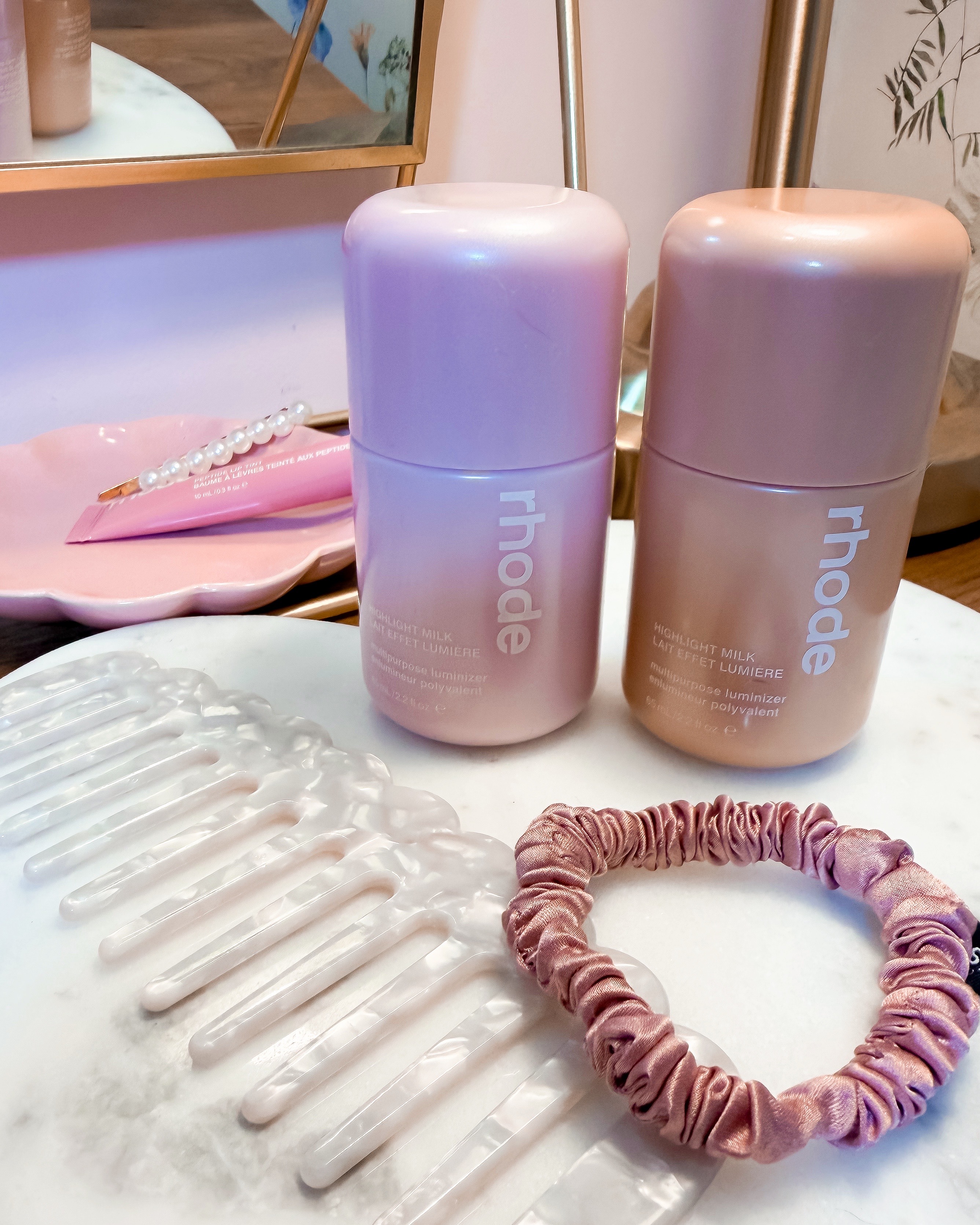
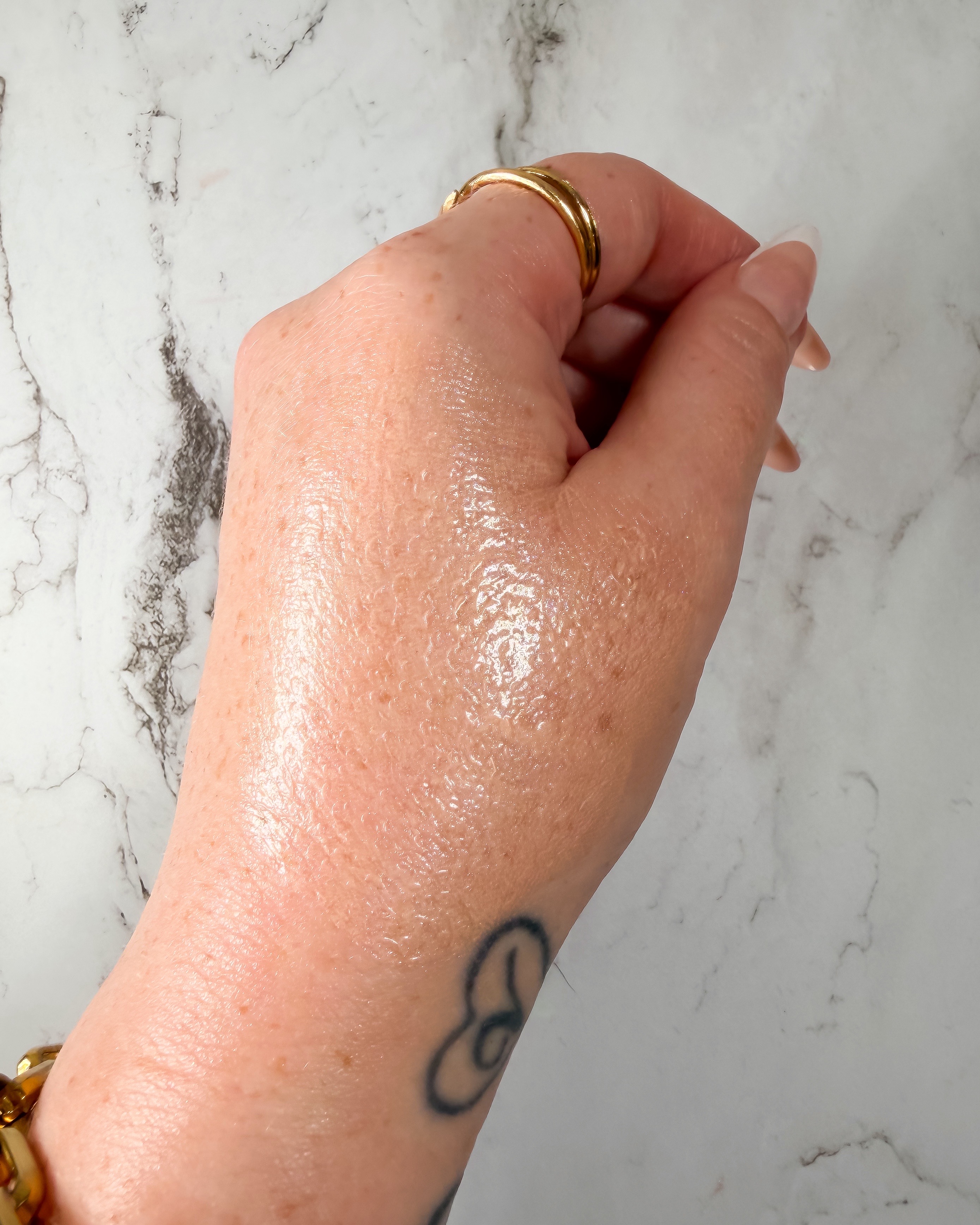
I was so happy when I discovered that these had exactly the same texture and feel as their original counterparts. They're also scent-free, great for sensitive skin and apply the same way and sink in just as quickly, leaving that famous non-sticky, non-tacky glass-skin glaze. Except now, that glaze comes with a pearlescent luminescence that makes the skin genuinely shine (in a good way). Like the original, they're still packed with skin-barrier-fortifying ceramides, plus hydrating glycerin and moisturising antioxidant vitamin E.
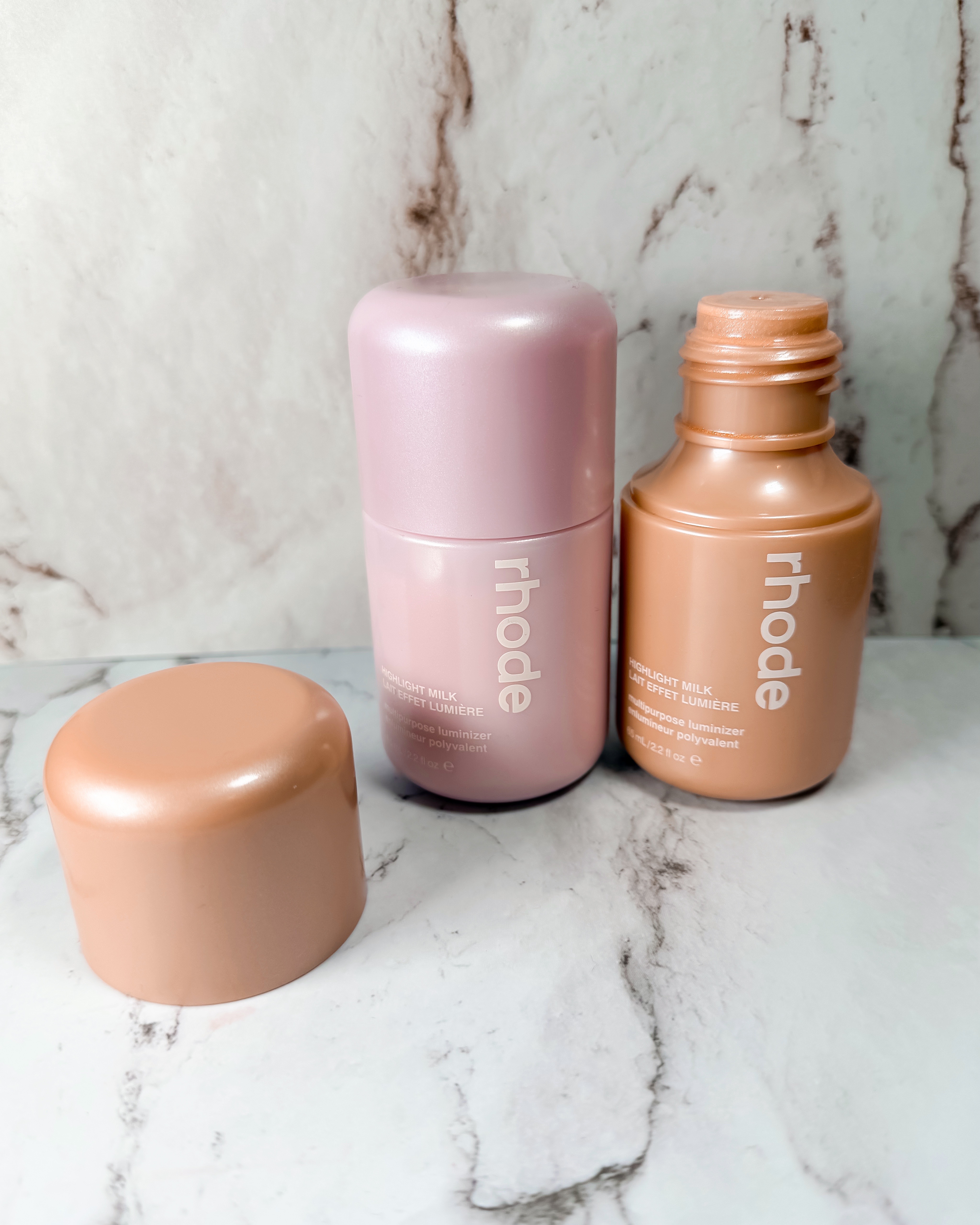
I tried two of the four shades—01 Pearly Pink and 02 Pearly Champagne—both recommended for my pale skin, with the other two shades better for deeper skin tones.
As for the packaging, it is in typical Rhode style—cylindrical plastic canisters in muted, neutral tones—and it suits the dispensing of this product perfectly.
How to Apply
As I've already mentioned, these look incredible on both bare skin and under foundation. While you'd apply the original Rhode Glazing Milk as one of the first steps in your routine, much like any milky toner or essence, the Highlight Milks look glowiest applied last—after SPF, before makeup. Or better still, apply both ways to really maximise the luminescence.
As with any skincare essence, lotion or moisturiser, apply the Highlight Milks with your fingers, massaging the product in and letting it absorb (and almost dry down) for a minute or two. There's no streaking or downside to using more than you need, so experiment until you find what works for you.
The Verdict
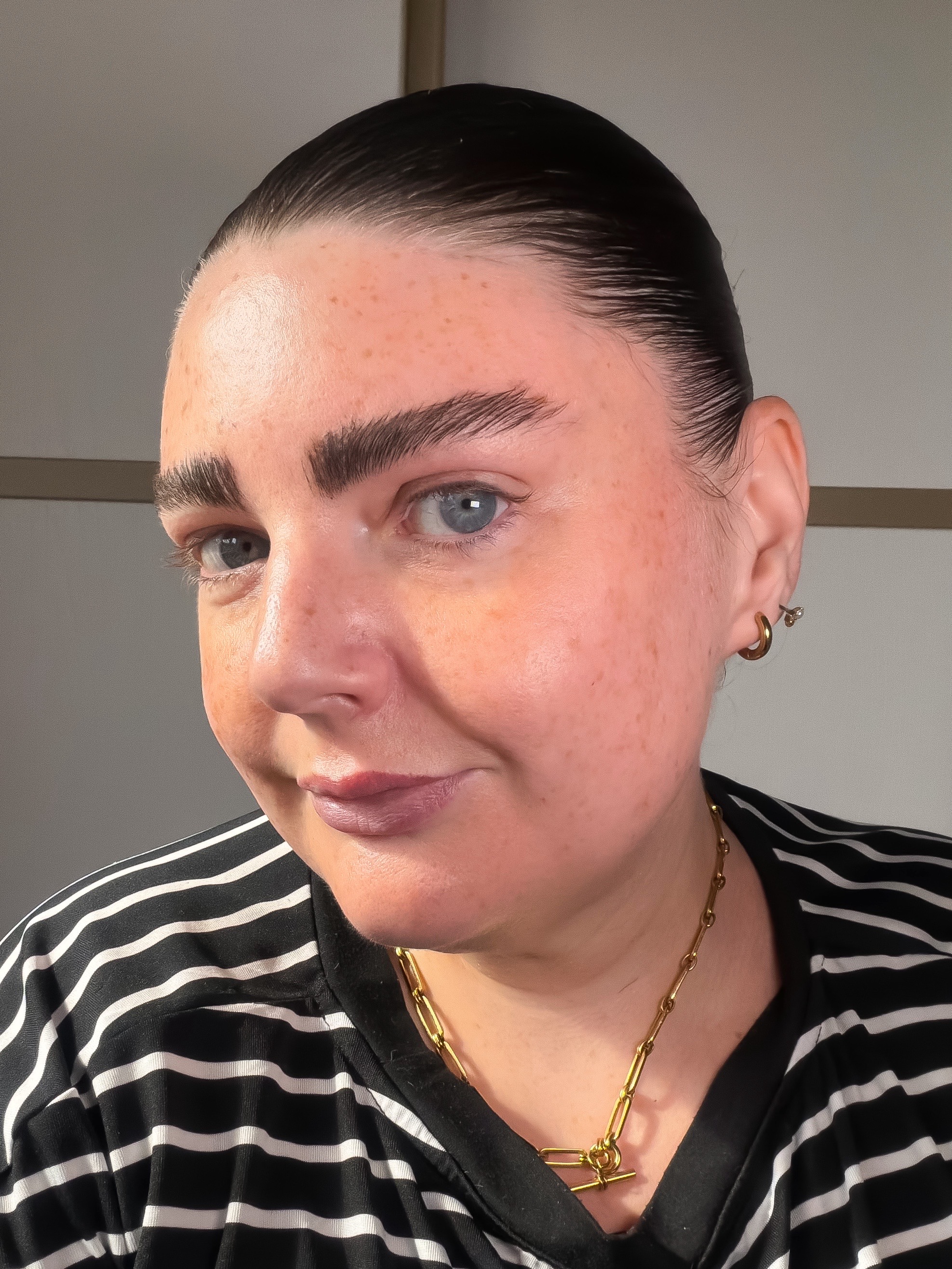
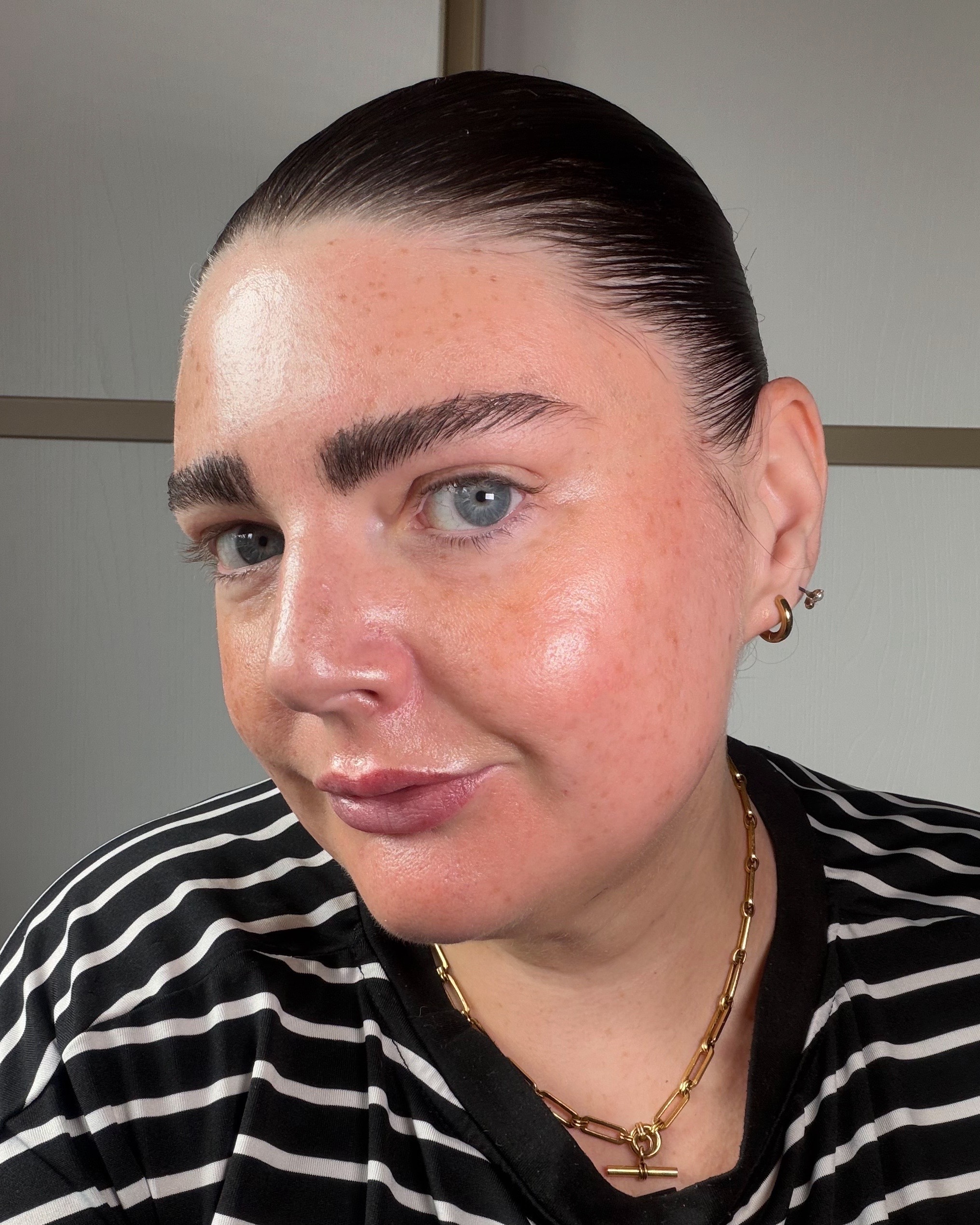
It's safe to say I'm obsessed with the Rhode Highlight Milks. They're easy to apply, deliver clear skincare benefits every time, and give incredible glow-boosting results. They look best worn alone, but still deliver a solid radiance boost under makeup. If your skin's feeling dull and flat, these milks will save you daily and make you look like the healthiest person in the room. They're also great mixed into foundation—turning a matte base glowy, or sheering out a full-coverage one.
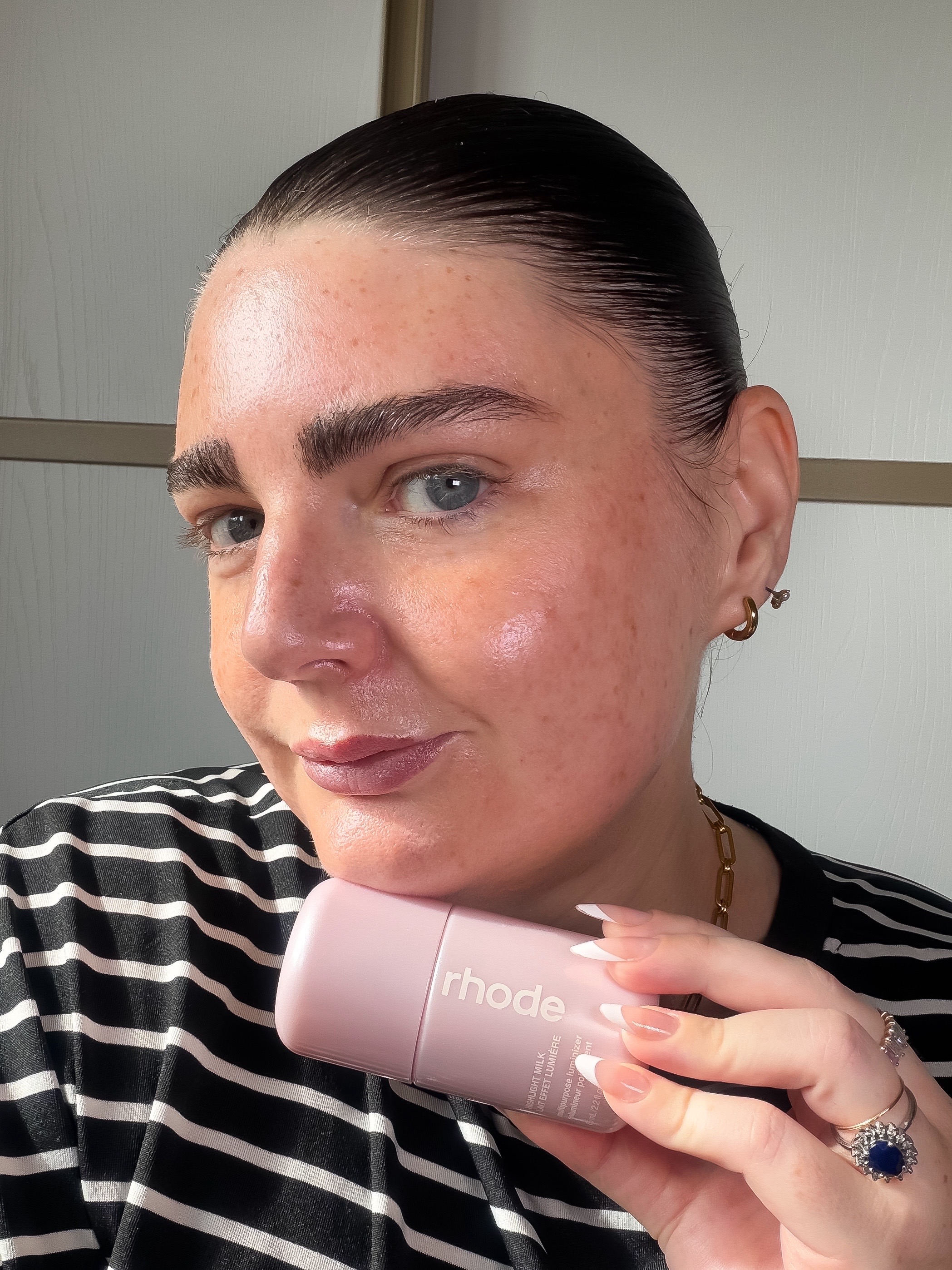
The pearlescent shine left behind doesn't feel like it's sitting on top of my skin—it feels part of it. Even mid-workout, sweating and wiping my face with a towel, there's no visible layer or residue coming off. In hot weather, nothing gets slippery or slides around either. My skin feels soothed and moisturised, and they visibly add dimension and a more perfected finish. They even work beautifully on the décolletage, delivering a healthier and more glowy look.
Which of the four shades suits you best will depend on your skin tone. Worn alone, I prefer 02 Pearly Champagne—it adds a slight warmth that minimises the look of hyperpigmentation for a more even tone. Under makeup, though, I reach for 01 Pearly Pink, as it's the lightest and lifts my complexion, making my foundation look brighter and more radiant. Worn alone, 01 actually increases the visibility of the redness around my nose from perioral dermatitis, and enhances my dark spots. It really is about experimenting to see what works best for your skin's tone and concerns. The Highlight Milk also comes in 03 Pearly Warm Bronze—perfect for deeply tanned or South Asian skin tones—and 04 Pearly Rich Bronze, suited to Black skin tones.
If you like a glowy skin look, I would urge you to try the Rhode Highlight Milks. They have never let me down and have also remained true to the skincare benefits of the original. I can now, very happily, go makeup-free.
More to Try
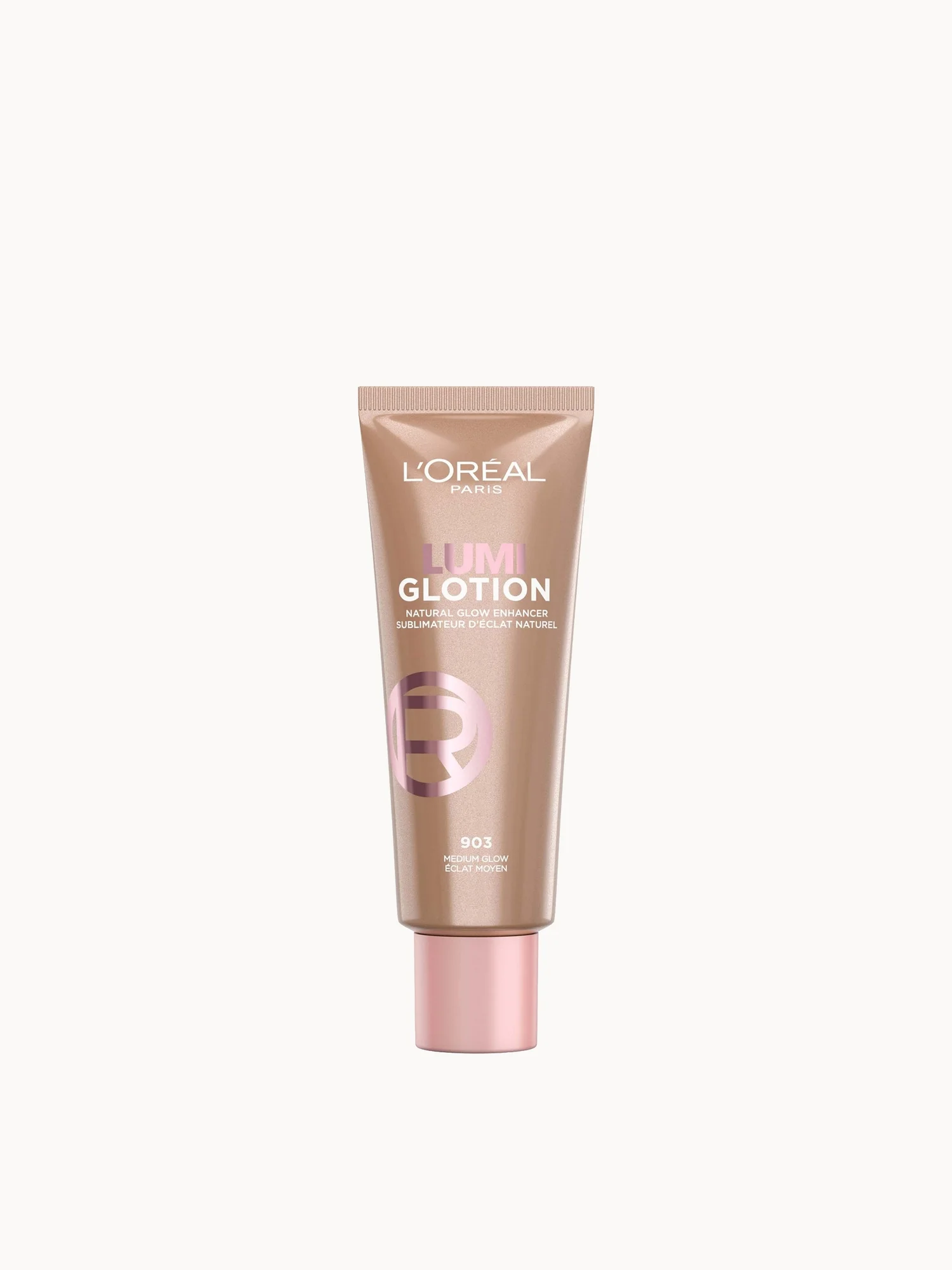
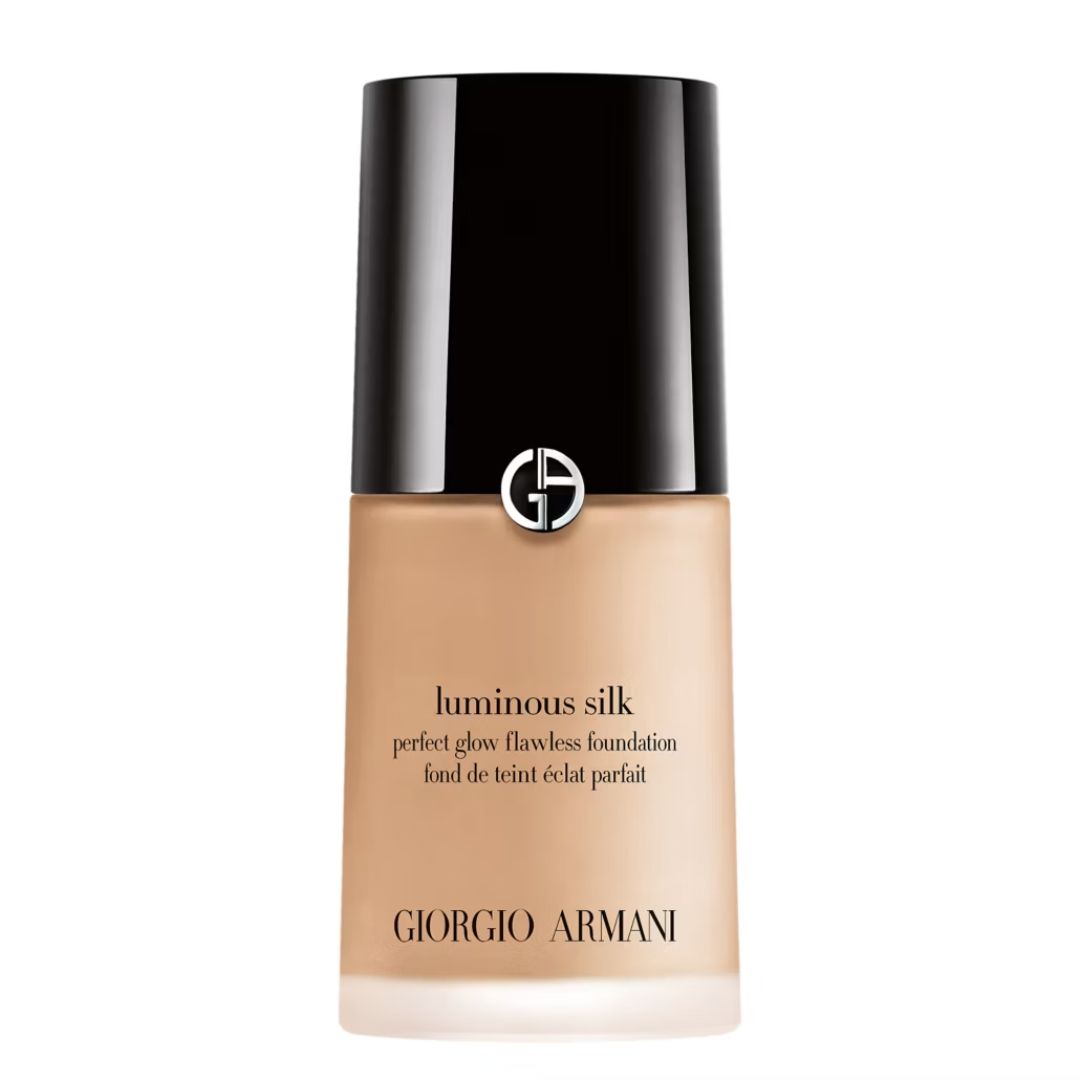
This gives a similar effect, but it's more makeup with skincare benefits rather than skincare-first. It's a skin tint that boosts glow. It can be worn on its own or under makeup, and comes in 4 shades. Glycerin and shea butter help to hydrate and moisturise the skin.
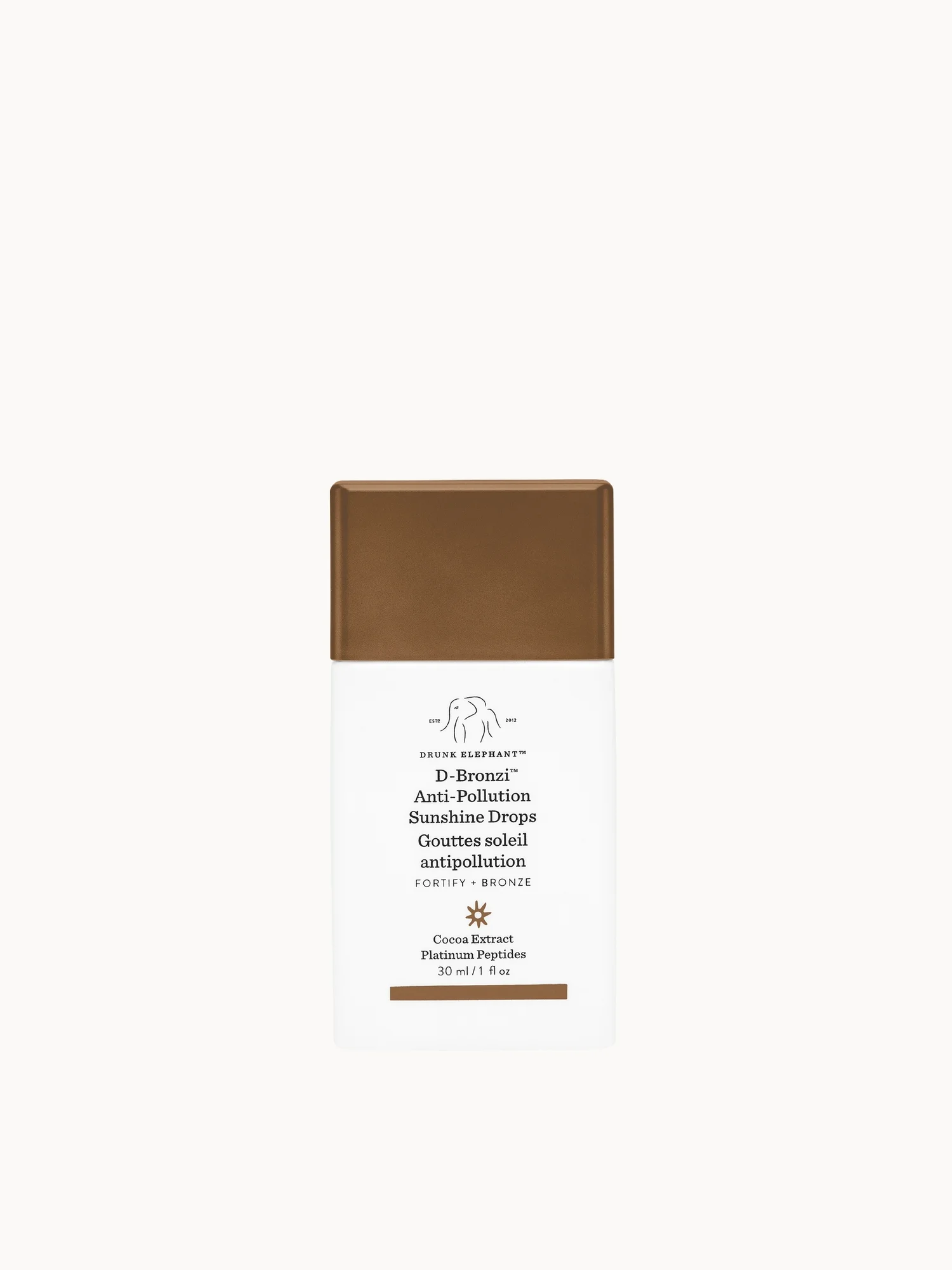
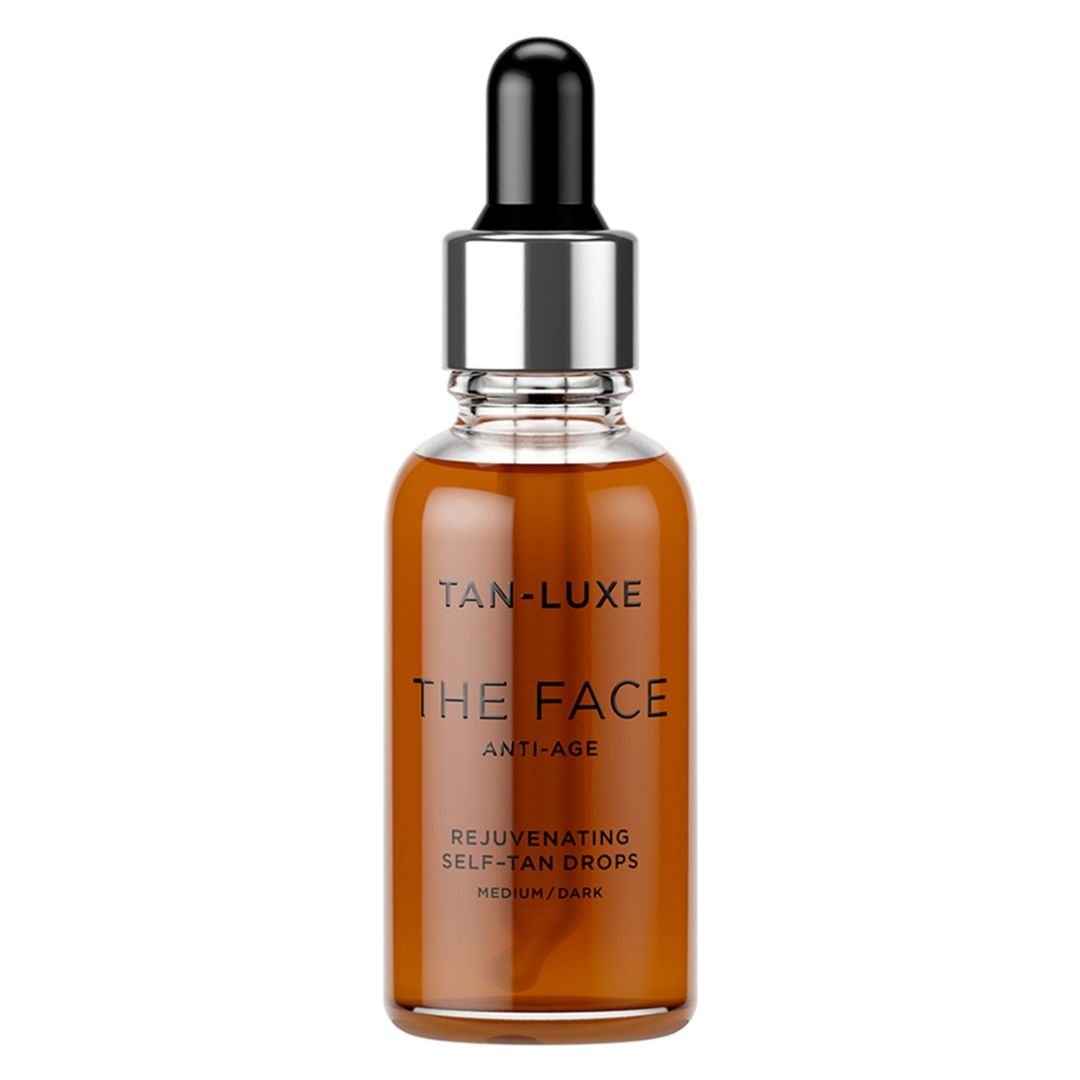
Just because a brand hasn't turned your favourite milky toner or essence into a luminising version, it doesn't mean you can't. Just add in some of these handy drops yourself to level up that glow.
from Latest from Marie Claire UK https://ift.tt/zn3sTD1
via IFTTT