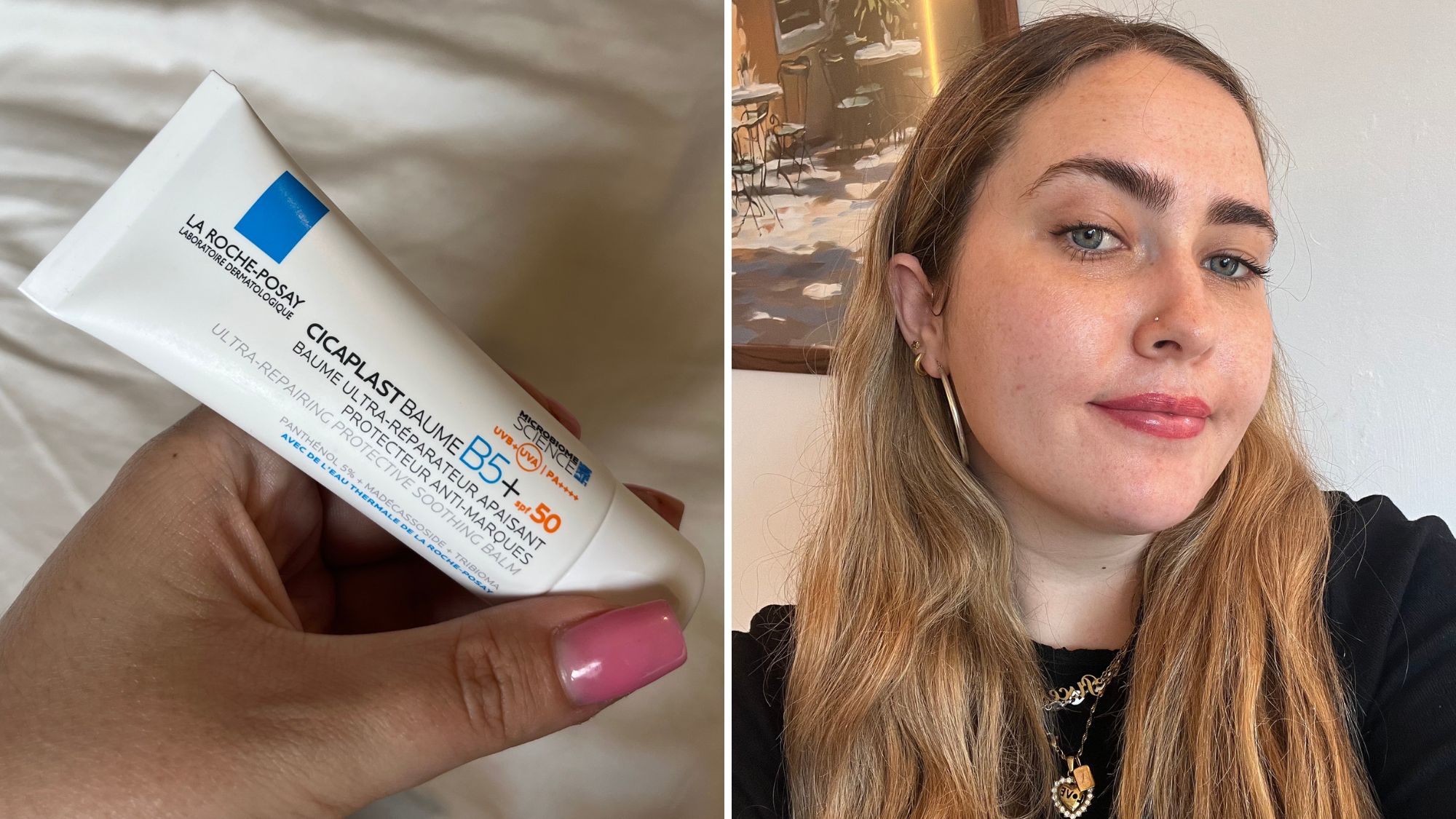
Few products have found continued virality quite like La Roche Posay's Cicaplast. But as someone with a history of severe acne, I've always shied away from more occlusive products for fear of provoking blemishes. After putting Cicaplast Baume SPF 50 to the test, I realise just what I've been missing out on with this product.
Touted as a nourishing balm that soothes and protects irritated skin and even minor injuries, the original Cicaplast balm can be used for everything from moisturising to helping to reduce sebaceous filaments on the nose. The SPF 50 version offers all this, with the added benefit of sun protection too.
Other heroes from the Cicaplast range been staples in my daily routine for years, so it's no surprise that this is now joining their ranks. After a week of testing, these are my honest thoughts on Cicaplast Baume SPF 50—and exactly why it's joined the ranks of my long-standing sunscreen favourites for dry areas.
La Roche-Posay
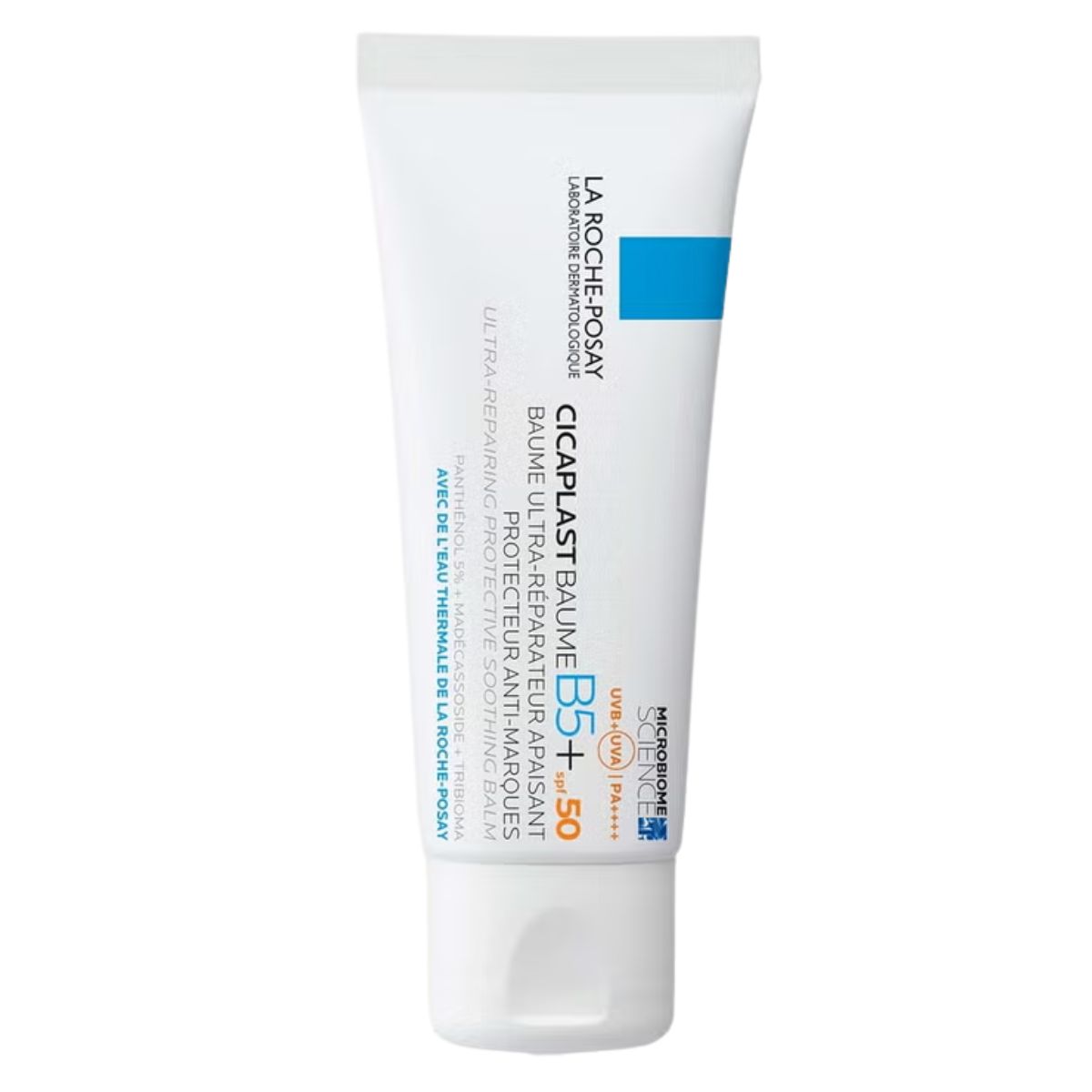
Cicaplast Repairing Baume B5+ SPF 50 for Irritated Skin
Cicaplast Baume SPF 50: My review
I've long been aware of the original Cicaplast and its benefits, particularly for healing ultra-dry and damaged skin. However, it never really felt like something I needed. I'm more on the oily side, and my aforementioned fear of clogging my pores and inviting acne into my life was enough to put me off. But after discovering the SPF 50 formula, I was suitably intrigued.
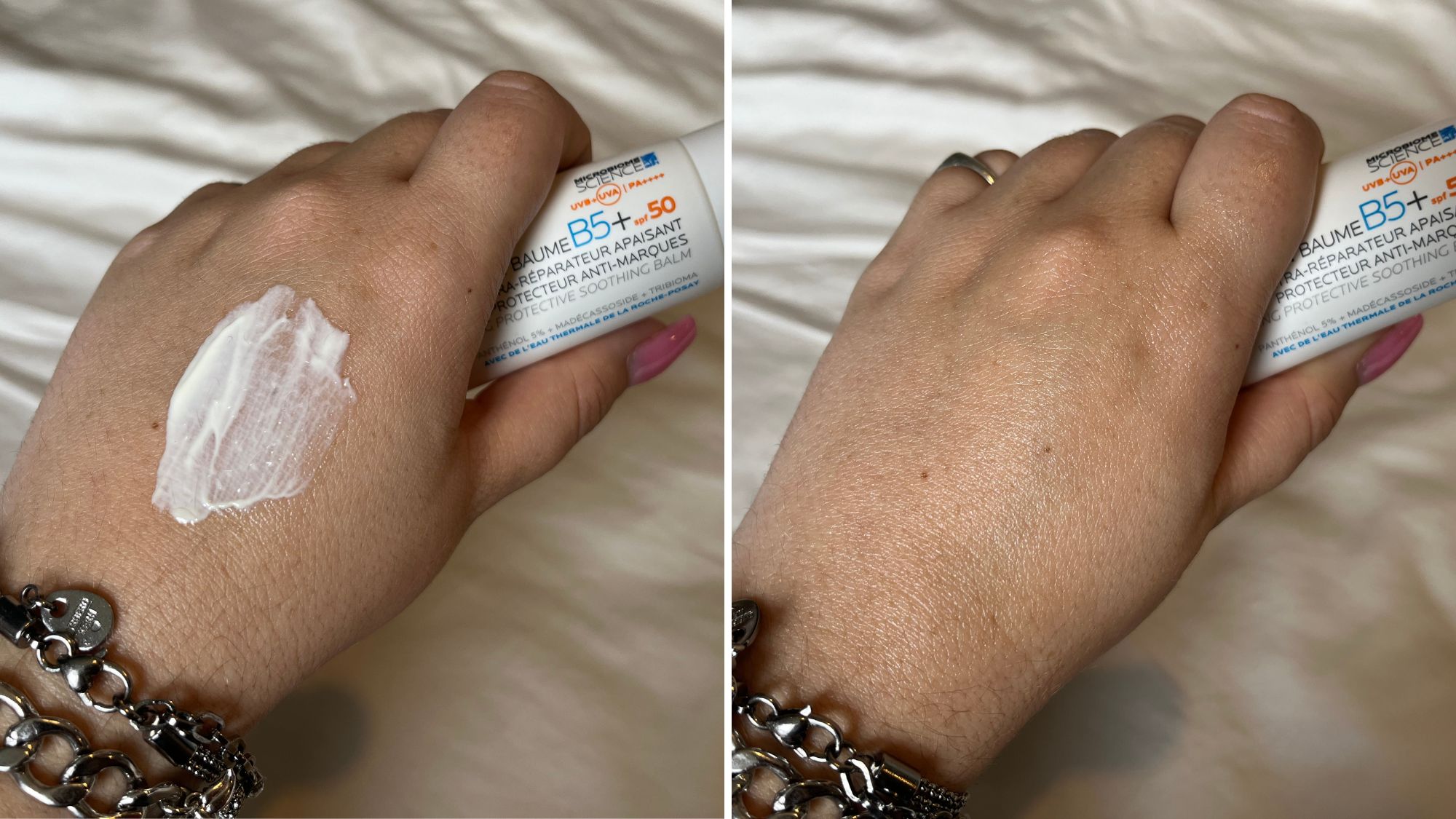
My number one question was how this product could possibly function as a sunscreen. I was under the assumption that it was extremely thick and not all that easy to rub in, so the thought of applying it over my face? A no-go. But after swatching on my hand, I realised just how easily the formula sinks in and dries down.
Although it's designed to be applied on specific problem areas rather than all over, I wanted to see if it would work across my face. The swatch made me confident enough to apply it in a thin layer, to see exactly how it would fare throughout the day and whether it would agree with my skin.
Swatch of Cicaplast SPF vs rubbed in.(Image credit: Amelia Yeomans)
I'm pleased to report, I was extremely pleasantly surprised. It smoothed over my skin nicely and sank in much quicker than I was expecting. I was prepared for a greasy, shiny finish due to the creamy formula, but it didn't take long to settle and leave a skin-like texture.
I used slightly more around my nose and on dry patches, and it did a brilliant job at soothing those areas and helping with the texture that appears.
It also sat comfortably on my face all day with noticeable hydration. However, owing to the fact that it isn't intended as a full facial SPF, I did find that it caused some pilling with makeup towards the end of the day.
My skin after applying Cicaplast SPF 50.(Image credit: Amelia Yeomans)
Moving forward, I combined it with my regular SPF—applying a base of my everyday sunscreen and topping it up with Cicaplast SPF 50 around my nose and on any dry, itchy patches that cropped up. This method is definitely the key to success. It allowed me to fully protect my skin from UV rays whilst tackling dry patches and texture where needed.
Who should use Cicaplast Baume SPF 50?
Now, it's important to note that Cicaplast Baume SPF 50 is not designed to be an all-over suncream that you'll wear every day—unless you have very damaged or fragile skin. Rather, it's a soothing treatment that can be applied to problem areas and irritations to help to soothe, heal, and protect from the sun.
It does a brilliant job at protecting and nourishing difficult areas of the skin without compromising on SPF protection. It instantly calms the skin once it's applied, making it a very welcome balm to have on hand for any issues that may crop up.
My favourite way to apply it has been around my nose where I get very dry, and on places like my shoulders, elbows, and knees where I'm prone to dryness or suffer with some peeling after being in the sun. It can also be used to nourish tattoos and protect them from the sun, or on grazes that are healing.
But, if you are someone who feels as though you could benefit from using it across your face, I can confirm that it's fit for purpose—and will relieve discomfort whilst keeping UV at bay.
from Latest from Marie Claire UK https://ift.tt/8jZYcVu
via IFTTT
‘Why we should sit less’ reads the headline on the NHS website. My cursor moves across the screen, scanning the myriad reasons, which range from slowed metabolism to dysregulated blood pressure, that I should be spending less time in my current position.
It’s a quandary many of us face. Research has suggested that sitting down for long periods may be as harmful to our health as smoking, but by and large, modern life makes it unavoidable. The majority of jobs these days require us to be on a screen for upwards of nine hours at a time, and while, sure, we can get a standing desk or squeeze in a quick walk at lunch, the reality is that our bodies will still be feeling the pinch.
It’s why Pilates, championed for its postural correcting, muscle strengthening and mobilising effects, is one of the best practices we could be incorporating into our weekly routine.
Ahead, I ask two world-leading instructors for the ride-or-die moves they’d recommend to every desk worker, whether you choose to go to studio classes or work out from the mat at home. Then, ever the willing guinea-pig, I put each and every one to the test, religiously practising them every day for a week, to find out how different my body would really feel.
Calling All Desk Workers: These 7 Pilates Moves Come Instructor Recommended
What are the benefits of Pilates for desk workers?
Research has established that Pilates is a good idea for most of us, but for those who sit at a desk all day, it’s particularly important. Below are just some of the reasons to add the practice to your routine if you find yourself glued to a laptop for most of the day.
1. It helps to protect muscle mass
“Extended periods of inactivity, especially seated, can lead to muscle atrophy,” explains Marsha Lindsay, classical Pilates instructor and founder of Nobu Pilates. Atrophy, which means a loss of size, strength and mobility, can particularly affect the legs and glutes in those who spend their days desk-bound. Regular Pilates can counteract this, says Lindsay, by “strengthening your muscles, increasing blood flow and ensuring you move well.”
2. It supports posture and spinal health
“When we sit at a desk, our neck can tilt forward, which is unnatural and incorrect,” explains Lindsay. “Over time, that position becomes second nature to the body and the muscles supporting an upright posture become both weak and tight.”
Pilates, she says, “trains those muscles to fire up correctly and reminds them to maintain an uplifted posture.”
3. It increases mobility and flexibility
Sitting at a desk puts our hip-flexors and hamstrings into overflexion, which, over time, causes them to become tight, says Lindsay. “This, along with poor mobility in the spine, can lead to pretty serious disc issues if not addressed.”
Eloise Skinner, Pilates instructor, author and therapist, agrees. “Pilates improves flexibility in the hamstrings and creates mobility for the major joints of the body, which will help with the aches and pains of sitting for too long, as well as helping to prevent injury in other parts of life.”
4. It builds mind-body connection
When we’re at a desk, absorbed by the distractions and demands of work, focusing on how our body feels can fall pretty far down the agenda. This is exactly where Skinner says Pilates can provide benefits beyond the physical.
“The ability to focus on one's body and breath is especially important for those who spend long periods of time disconnected from their body,” she explains. “Bringing a sense of attention and awareness to one's movement is central to moving well, correcting alignment, and reducing the risk of injury or long-term aches and pains that come from poor posture or strength.”
“The breathwork in Pilates can also be used as a tool to reduce stress and anxiety,” she adds, “helping a practitioner feel more calm and grounded.”
How often should desk workers do Pilates?
The beauty of Pilates is that it’s very difficult to overtrain, which means that both trainers are fairly relaxed in their recommendations. “It really depends on personal choice, lifestyle and other fitness preferences,” says Skinner, who notes that keeping a diversity of exercise in our routine is a good idea. “Research shows that a variety of fitness practice is great for the body and development of skills,” she explains, recommending that we also incorporate resistance training, sports or dance into a weekly schedule.
Pilates, she says, can complement all these practices, meaning it can be flexibly built into your week. Lindsay agrees, reminding us that whilst in theory we can do as many Pilates sessions as we like, many of us are juggling commitments that enforce their own limitations. “Time is always going to be a constraint, but two regular sessions will still be extremely beneficial. Ultimately, it’s consistency which is key to results.”
7 Pilates moves every desk worker should try - according to world-class instructors
1. Standing roll down
If you work at a desk, the chances are you’re familiar with back, neck and shoulder tension. It's why the first move Skinner recommends is the standing roll down, which she says relieves tension whilst creating mobility and alignment in the spine.
“From standing in neutral, bring your chin to your chest and roll down slowly,” she says, adding that we should try to “move each bone sequentially and individually, allowing your back to round down.” She also reminds us that it’s perfectly ok to bend our knees if needed, and that moving slowly is crucial. “Take a few deep breaths into the sides of your ribcage at the base of the stretch before rolling back up the same way,” she says.
2. Seated roll up
From rolling down to rolling up, the seated roll-up is one of Lindsay's top picks.
“The roll up is brilliant for desk workers because it works on both strength and stretch,” the instructor explains. “On the way up and down, you access full-body strength while the stretch forward lengthens the calves, hamstrings, glutes, and lower back muscles.”
For beginners to perfect this move, she advises starting “with knees bent and feet flat on the mat or, with your feet anchored under a strap. Once the abdominals get strong, you can upgrade to straight legs with no assistance anchoring.”
3. The Saw
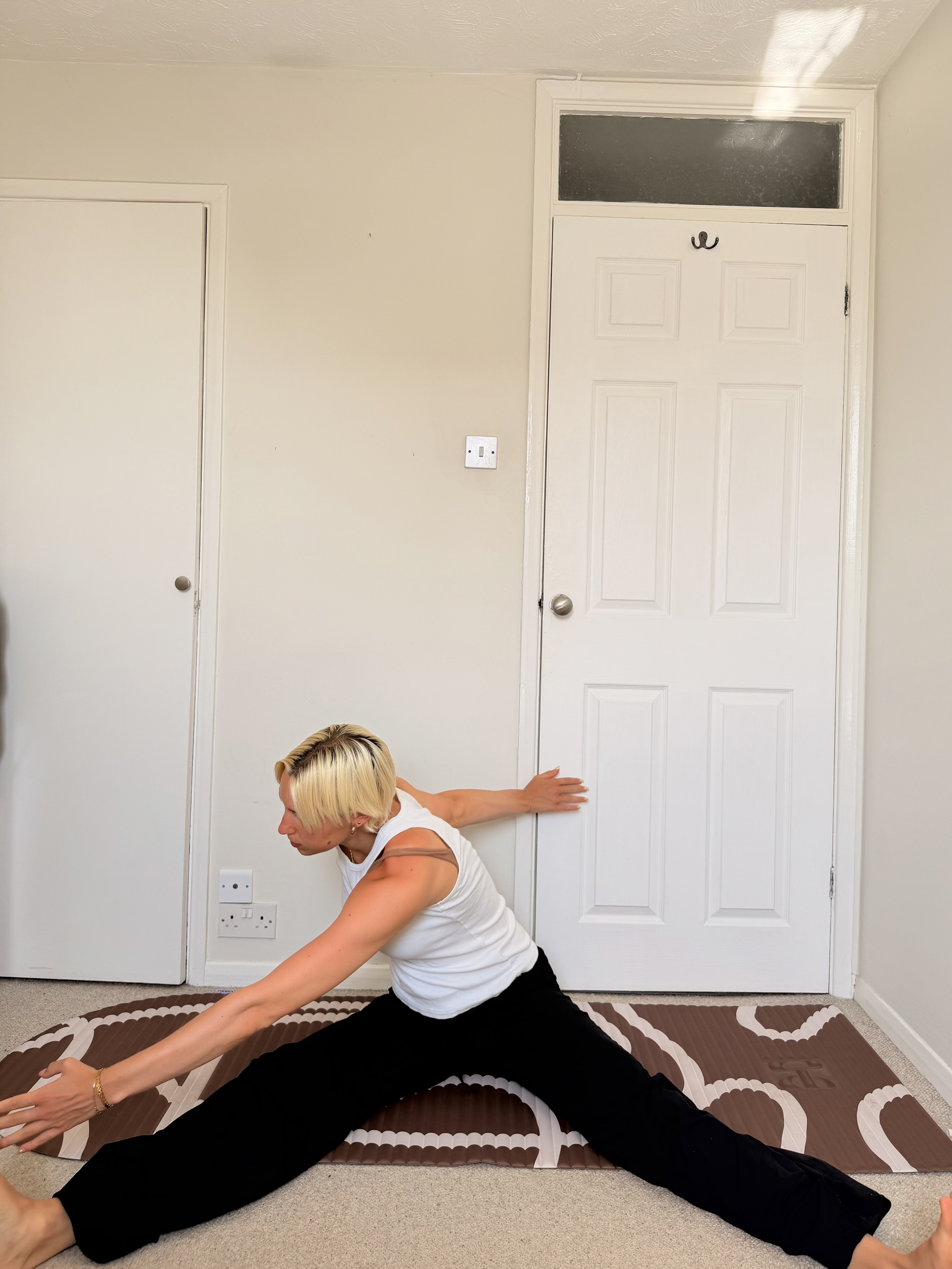
Our ability to twist is a key marker of mobility; one which Lindsay says can become weak when we sit for long periods of time, or rely on a swivel chair to turn. It’s why she recommends The Saw, which teaches spinal rotation, for all desk workers.
“The Saw recruits the obliques, spinal flexors and extensors to find the twisting action,” explains Lindsay, who says it can be helpful to get the assistance of an instructor to perfect the move. “If you’re self-practising, perform this with the soles of your feet pressed against a wall,” she suggests, “and try to maintain the feet-to-wall connection as this indicates that your pelvis isn’t shifting.”
4. The Mermaid
Lindsay describes this move as a real treat for desk workers, and she’s not wrong. “It’s a perfect side bend stretch for the upper body,” she explains, “as it safely puts the spine into lateral flexion.”
It’s also refreshingly easy to get right, but if you find it uncomfortable to sit with your knees tucked, Lindsay does have a modification. “Either open the angle to place your feet further from your hips or find a chair to practice the bend from a seated position.”
5. Shoulder Bridge
A perfect postural move to counteract the one we sit in all day, Skinner has the shoulder bridge listed amongst her favourites for desk workers. “This exercise allows for a strengthening of the back of the legs, which is great if you haven't had a chance to move around much during the day,” she says. “It also provides a good stretch for the spine, allowing you to focus on alignment and to feel more embodied by moving slowly and with intention.”
Her top tip? “Try to avoid flaring the ribcage or placing pressure on the lower back. Instead, think of engaging your glute muscles and lower abdominals to stabilise.”
6. Single Leg Circles
“This is an absolute must,” says Lindsay, who rates the move for the improvements it makes to our hip mobility. “Sitting creates stiffness which eventually leads to limited range of motion,” she explains, “which makes this circular motion very healthy.”
She warns that it’s easy to skimp on form, however, which is why she recommends starting small. “Concentrate on stabilising the torso against the leg movement,” she says. “The circles can gradually increase in size once this foundation has been achieved.”
If your hamstrings are too tight to keep your leg straight at first, Lindsay says not to worry. “Keep the knee slightly bent and externally rotate the thigh bone to reduce any restriction caused by tightness,” she advises. “In time, you’ll be able to start straightening the leg.”
7. The Swan
“Most desk workers sit in flexion,” explains Lindsay, “so moving the spine in the opposite direction is beneficial. It builds strength in the posterior chain and strengthens the abdominal connection needed to achieve the lift.”
She’s clear that this move requires us to concentrate on our core. “You must work on your abdominal strength,” she emphasises, explaining that a common issue is overextending the neck to achieve the arch. “The best tip is to keep your neck in line with your spine and focus on lifting your chest away from the mat.”
I practiced these 7 Pilates moves every day for a week, and saw huge improvements to my posture, strength and mobility
Days one to three
You should know, I’m a committed morning exerciser - if the workout doesn’t get done before I sit down at my desk, it’s not happening. I’m notorious for promising myself I’ll workout during the 3 pm slump, and by the time it rolls around, I’m making excuses.
But given that the purpose of this experiment is to counteract the effects of sitting all day, I thought it could be the perfect chance to build a new habit. I still chose to run, walk or do yoga first thing (such is my devotion to routine), but I made it my mission to step away from my desk to complete these seven moves every day between 2 and 5 pm.
The beauty is, they don’t take long. Collectively, this whole sequence can be completed in under 20 minutes, even when moving mindfully. From the outset I committed to 10-12 reps of each exercise (6 on either side for the unilateral movements) and made sure not to rush through any of them.
They’re all already familiar to me, so I had a head start, but if you’re new to Pilates I recommend following the above YouTube tutorials before practising each movement. Form really is everything to getting the most out of Pilates, especially for a move like The Saw, where it’s all too easy to move from the pelvis rather than the torso.
Ash practiced The Saw daily from home, where she focused on maintaining pelvis stability and twisting from her torso(Image credit: Ashleigh Spiliopoulou)
The biggest thing I noticed in the first couple of days was how little mobility I had, especially in my spinal rotation. My hamstrings, too, were super tight, and I needed to bend my knees generously in the roll down. To be clear, this isn’t cheating and actually is the best way to start when your hamstrings are screaming at you. The improvements are quick, too - by day three, I could get my legs virtually straight, which was a huge transformation from how the week started.
Days four to seven
By the latter half of the week, I was noticing huge improvements. Not only did I feel stronger practising the moves themselves (my core switched on more readily than it had on day one or two), but I was also much more aware of my posture in the many hours I was at my desk. It felt more natural to sit taller, to regularly twist to release my spine, and I found myself wanting to stand up more to maintain my new mobility.
The roll-up will always be one of my hardest Pilates moves - I have tight hips that always want to take charge when I should be recruiting my core. But the opportunity to practice it daily, within the context of just a few reps rather than a full class, was really rewarding. Being able to focus on form without overloading on volume meant I saw big improvements, especially when I concentrated on my breath. By day seven, I felt much more in control of the move, and my hips were noticeably less overpowering.
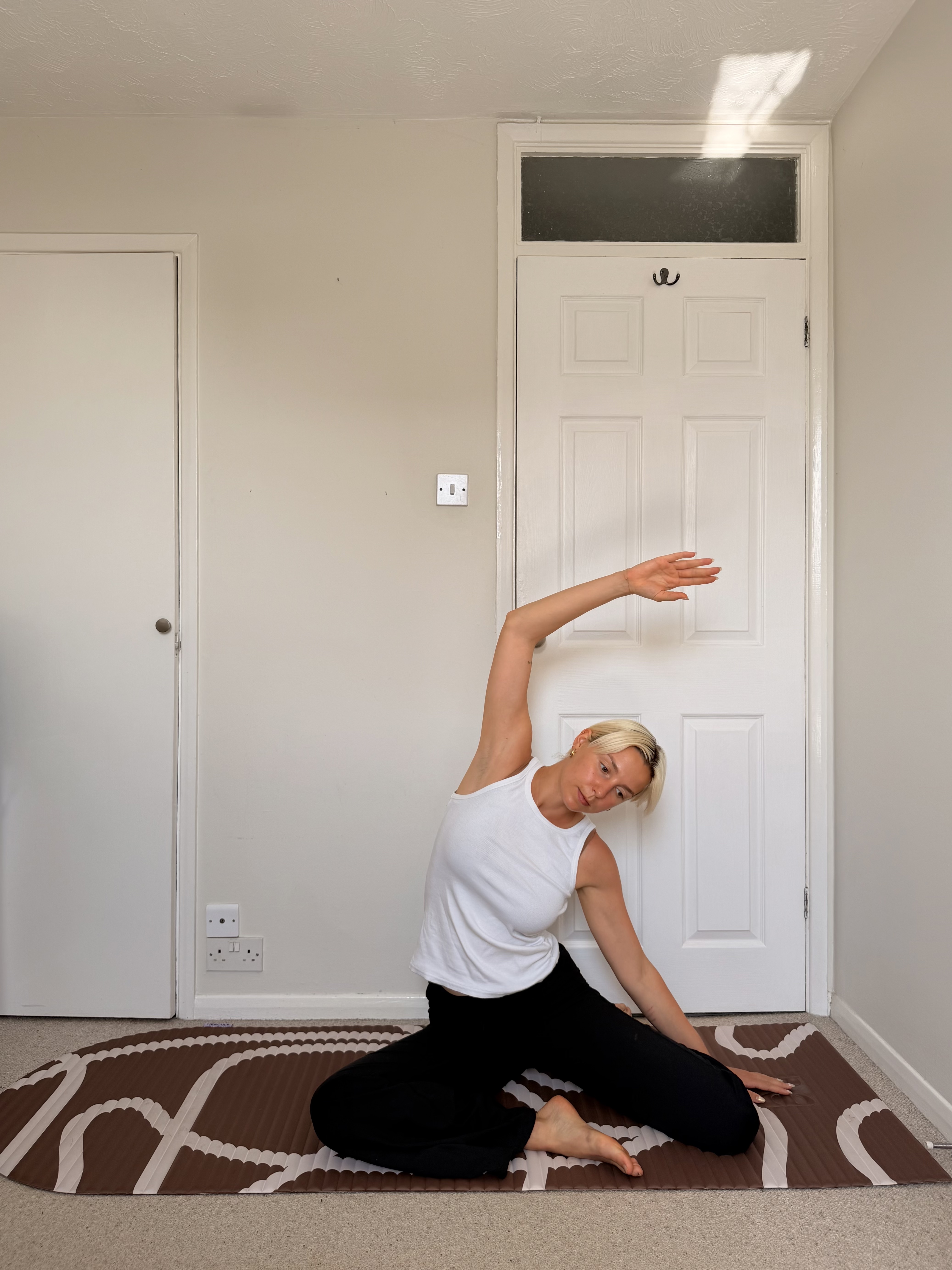
The Mermaid was Ash's favourite move of the sequence, as it provided a great stretch down her side body(Image credit: Ashleigh Spiliopoulou)
In short, this quick sequence really doesn’t invade your life much at all, but punches well above its weight in benefits. I felt stronger, taller and more mobile by the end of the week, and really enjoyed how the combination moved my body in a variety of directions. It feels well-rounded, challenging without being overwhelming, and there’s no doubt it will stay a regular feature in my exercise schedule.
Shop MC-UK approved Pilates essentials now:
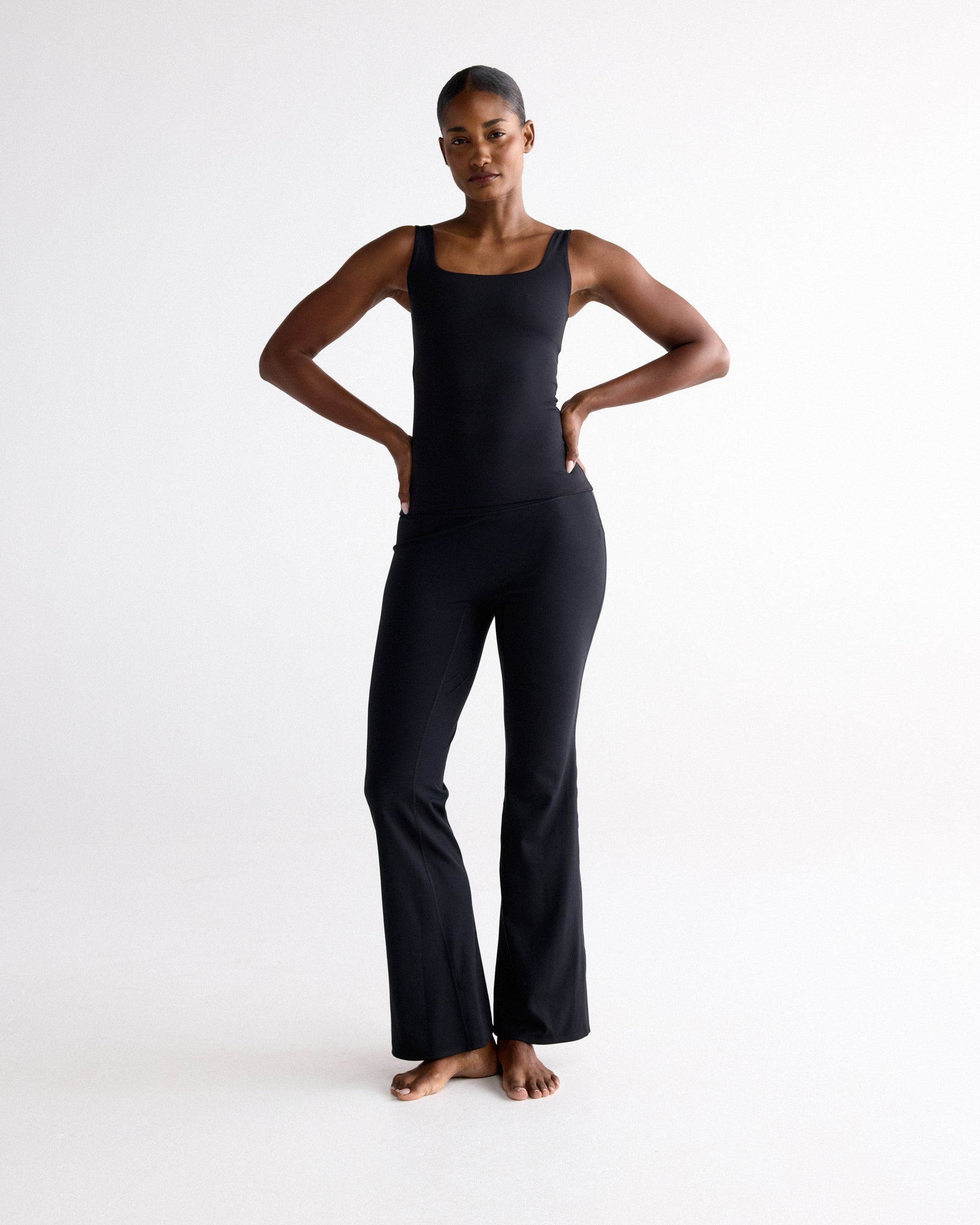
Adanola Flared Yoga Pant
Historically, I’ve been a flares hater. I’m 5ft9, so I often find they’re too short, grazing my ankles in the wrong way.
Not so the Adanola flared yoga pants. They’re flattering without being restrictive, come in both regular and tall sizing, and are refreshingly affordable at £46. If you’re looking for an all-rounder Pilates pant to take you from workout to desk and back again, I’d wholeheartedly recommend.
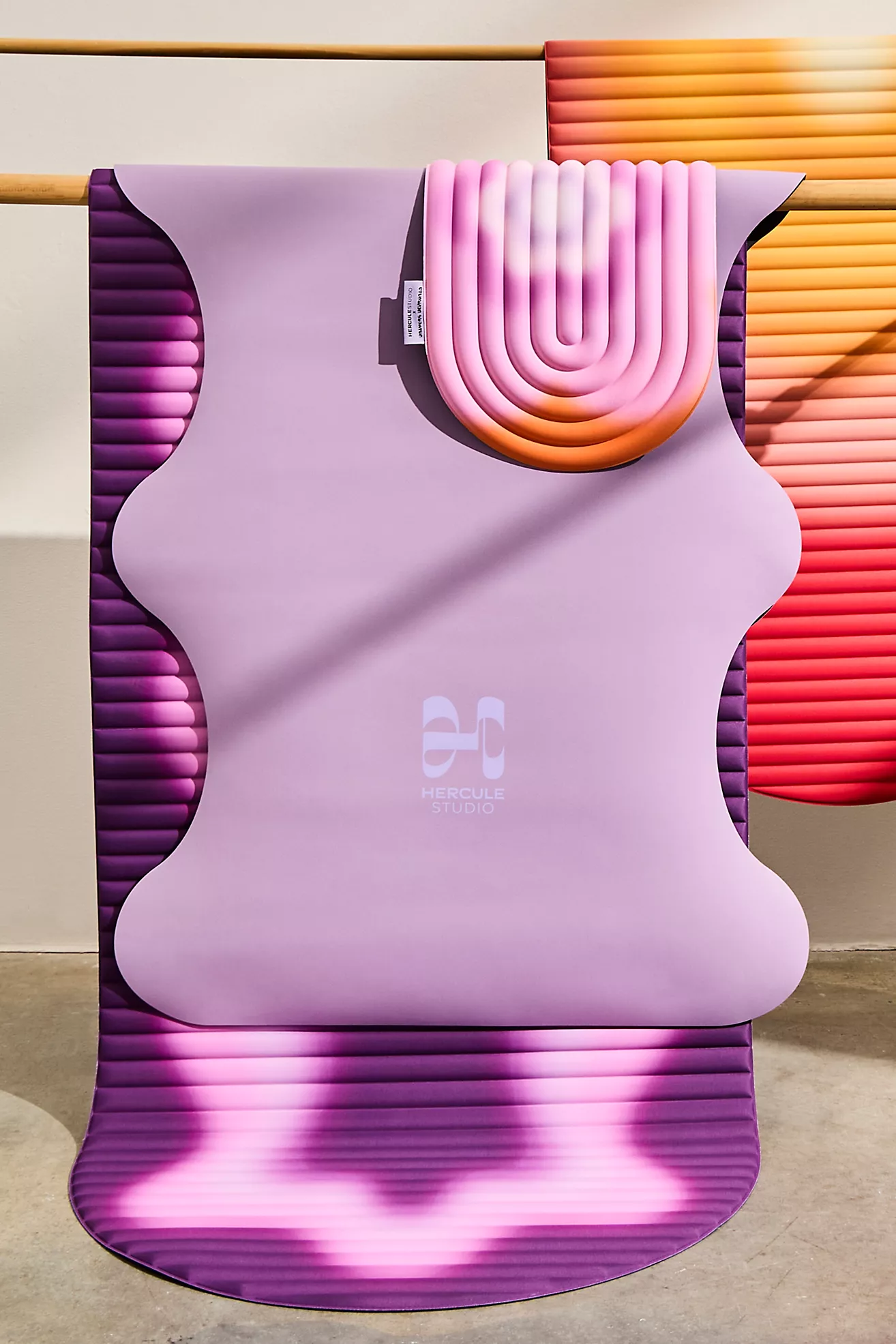
FP Movement Hercule Studio Comfort Mini Mat
When practising Pilates at home, sometimes a regular yoga mat just doesn’t cut it - especially for moves that require you to be on your knees. That’s where Hercule’s mini mat can be a game-changer. Small and portable, it provides an extra layer of padding on top of your mat, or can be packed in your suitcase for on-the-go practice. Plus, it looks ultra cute.
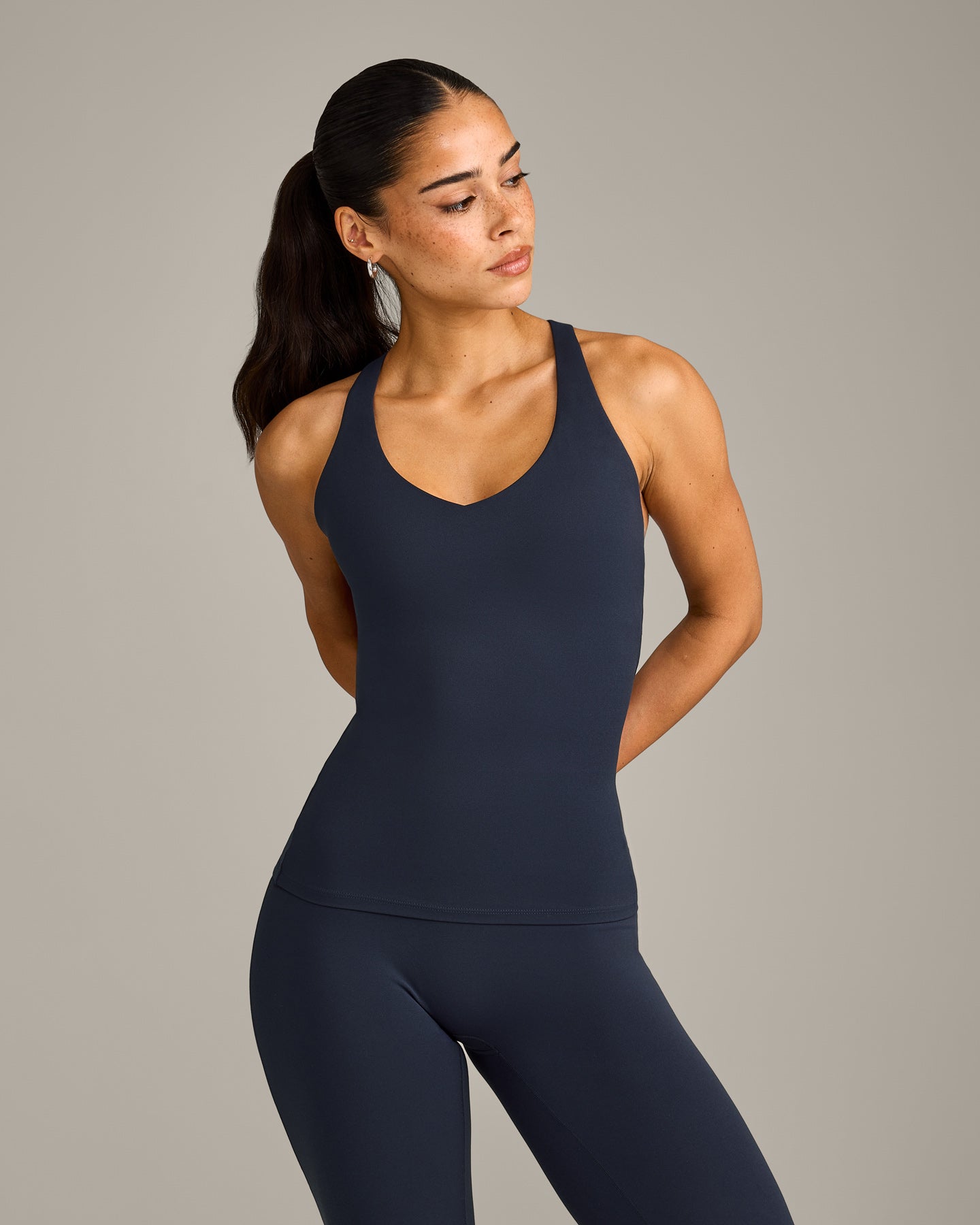
Oner Active Softmotion™ Racer Back Vest
Oner Active clothing is a relatively new addition to my life (late to the party, I know), but I truly am a convert. Everything I buy from them fits like a glove, has proven long-lasting so far, and looks great, too.
This racer-back vest is a firm favourite, especially for those who prefer not to workout in just a sports bra. It’s comfy, flattering and looks great with the Adanola flares.
from Latest from Marie Claire UK https://ift.tt/T1MWtwA
via IFTTT
With a heatwave settling over much of the UK, what did you learn from our last hot spell? Not to wear knee-high boots (I don't know how the girlies do it)? Switching your baseball cap for a sweat-wicking bandana scarf? Both are excellent takeaways but my area of interest has shifted to denim. It's such a staple for many of us that it feels wrong to exclude the fabric as soon as temperatures soar. But how can you sport it and not feel dizzyingly hot?
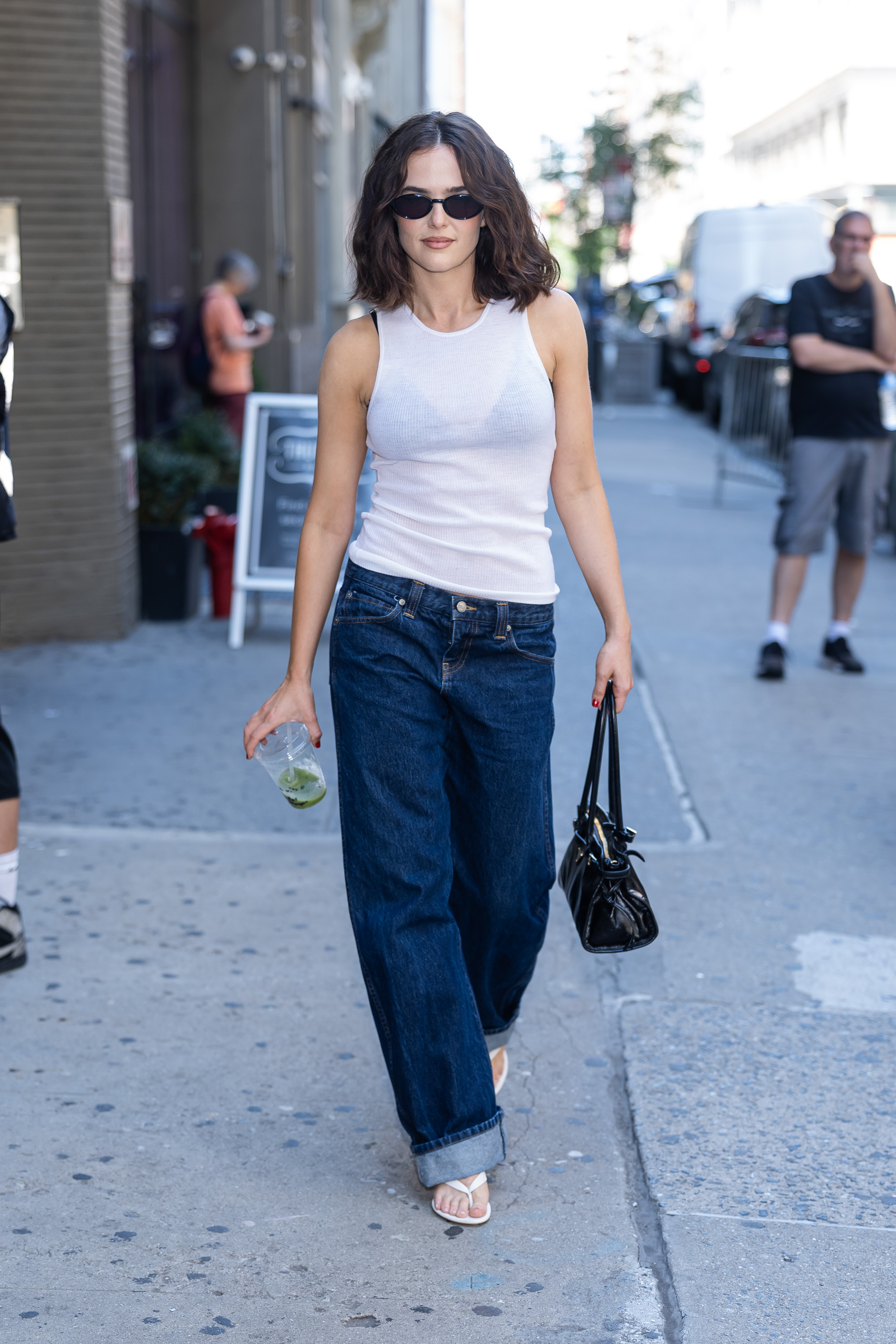
The A-list has come up with several answers. Firstly, Zoey Deutch's baggy jeans in an elegant indigo shade. I know, I know, wearing jeans that might pool at your ankles, adding extra inches that need to be dragged around, sounds like the opposite of heatwave-approved but, trust us (or Deutch), it's actually a more cooling way to wear jeans than anything more tailored, especially if you follow her advice about what to pair them with (more on that later). And P.S. Dark denim will hide any unwanted sweat marks and, ultimately, look far chicer than anything mid-blue or bleached.
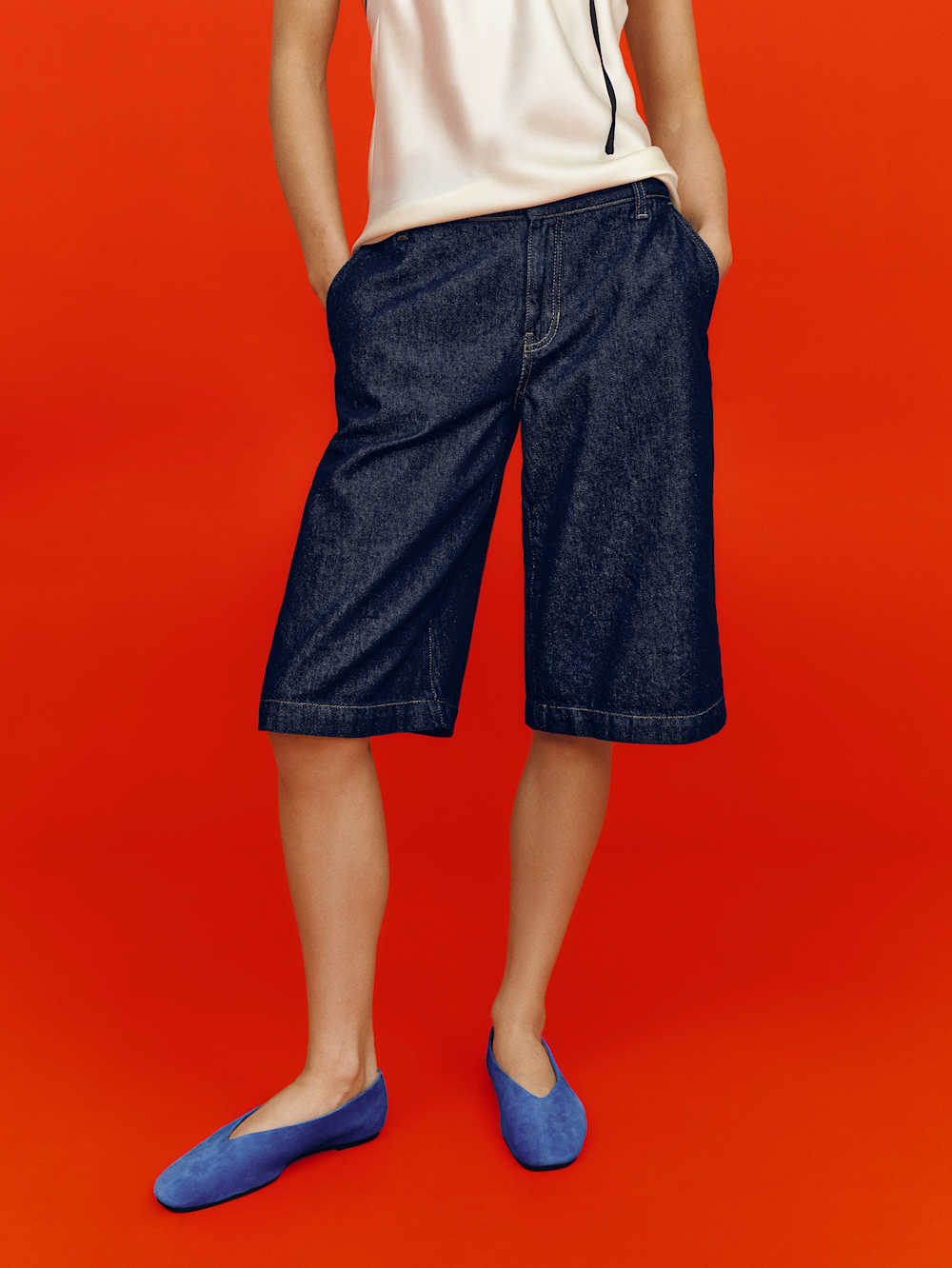
Secondly, Bermuda shorts (or jorts), which have been trending for the past few summers and, surely, need no introduction. Again, they're slightly looser on the leg, allowing for crucial air circulation, but still have a tailored cut that's suitable for work, especially if you opt for a dark-blue denim.
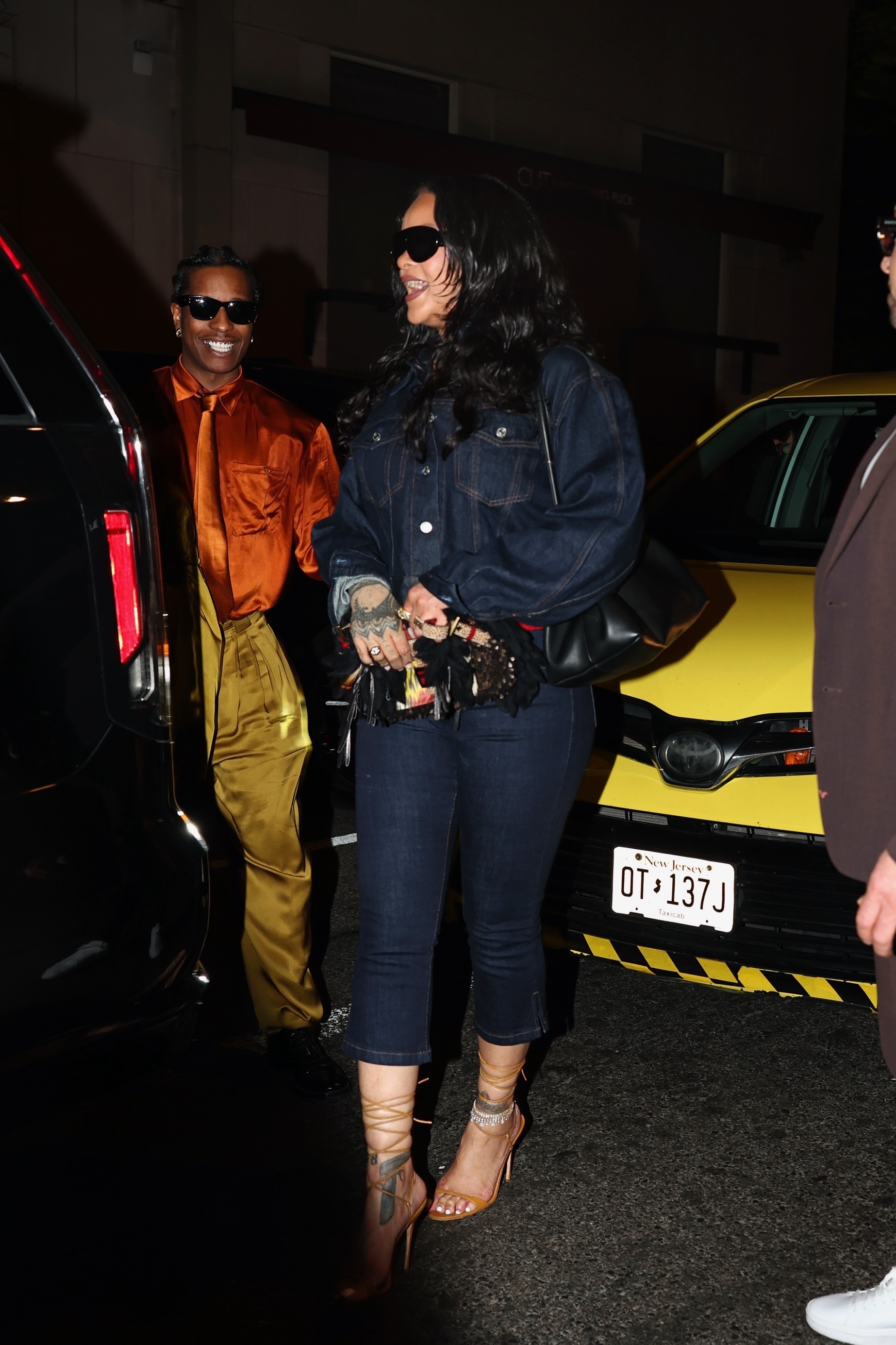
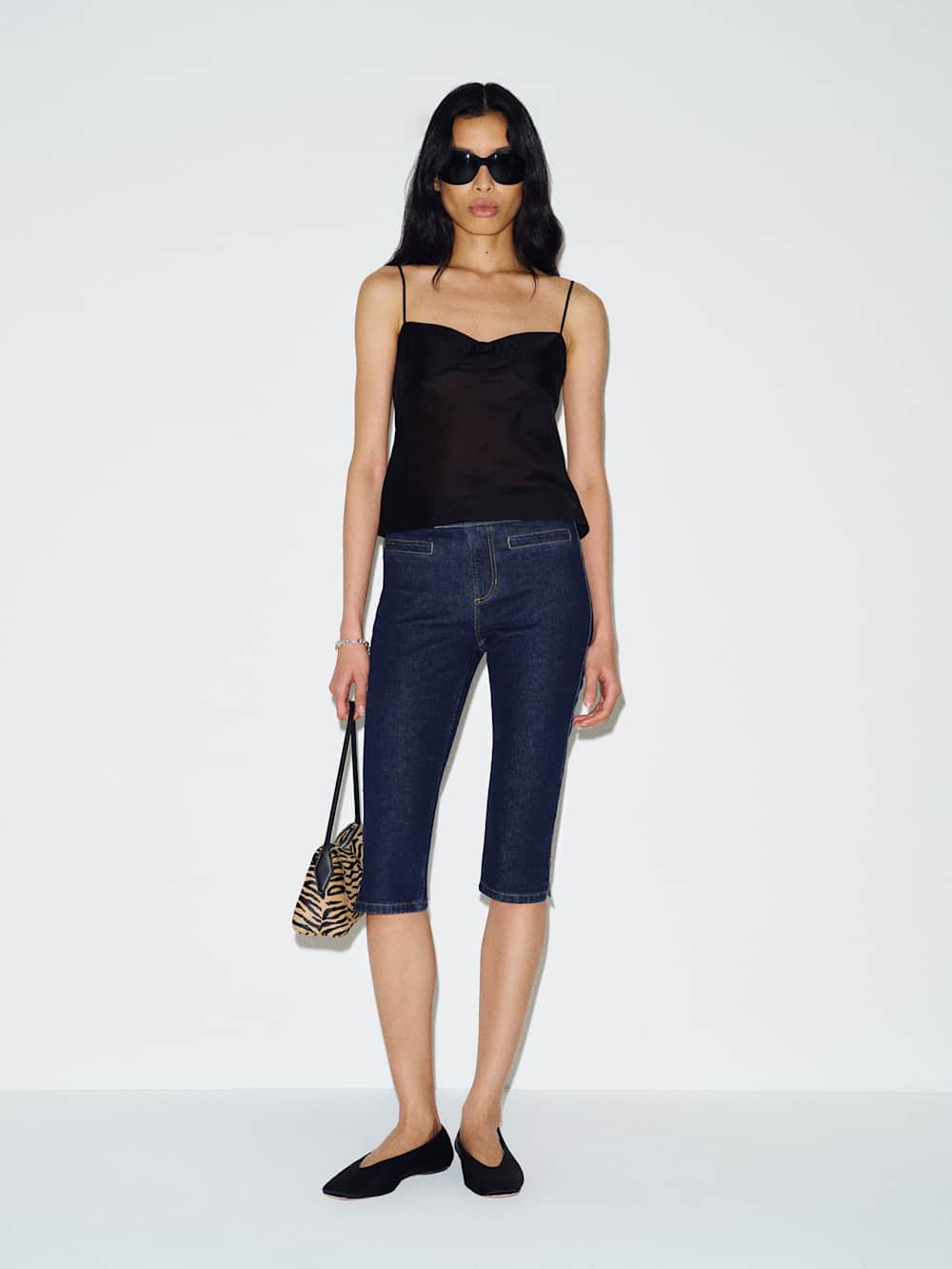
Lastly, Rihanna's favourite: capri pants, denim edition. These are slimline but can also be paired with barely-there tops for balance (think, whisper-thin silks or cowl-neck halters) and ankle-tie heels for a look that's perfect for heatwave date nights (fiery, indeed!).
Baggy Jeans
Zoey Deutch (Image credit: Getty Images)
Baggy jeans in a heatwave?! An understandable question/exclamation but here's the thing—you're always going to be hot when it's a heatwave, and if you still want to wear denim, you should know that a baggier cut might have more fabric but with crucial wiggle room on the leg, thanks to a wide-leg cut, it's going to feel a lot more cooling than a straight or skinny fit. Of course, it matters what you wear it with. Enter Zoey Deutch, whose ribbed tank and heeled flip-flops felt like a no-muss, no-fuss take paired with indigo turn-up jeans.
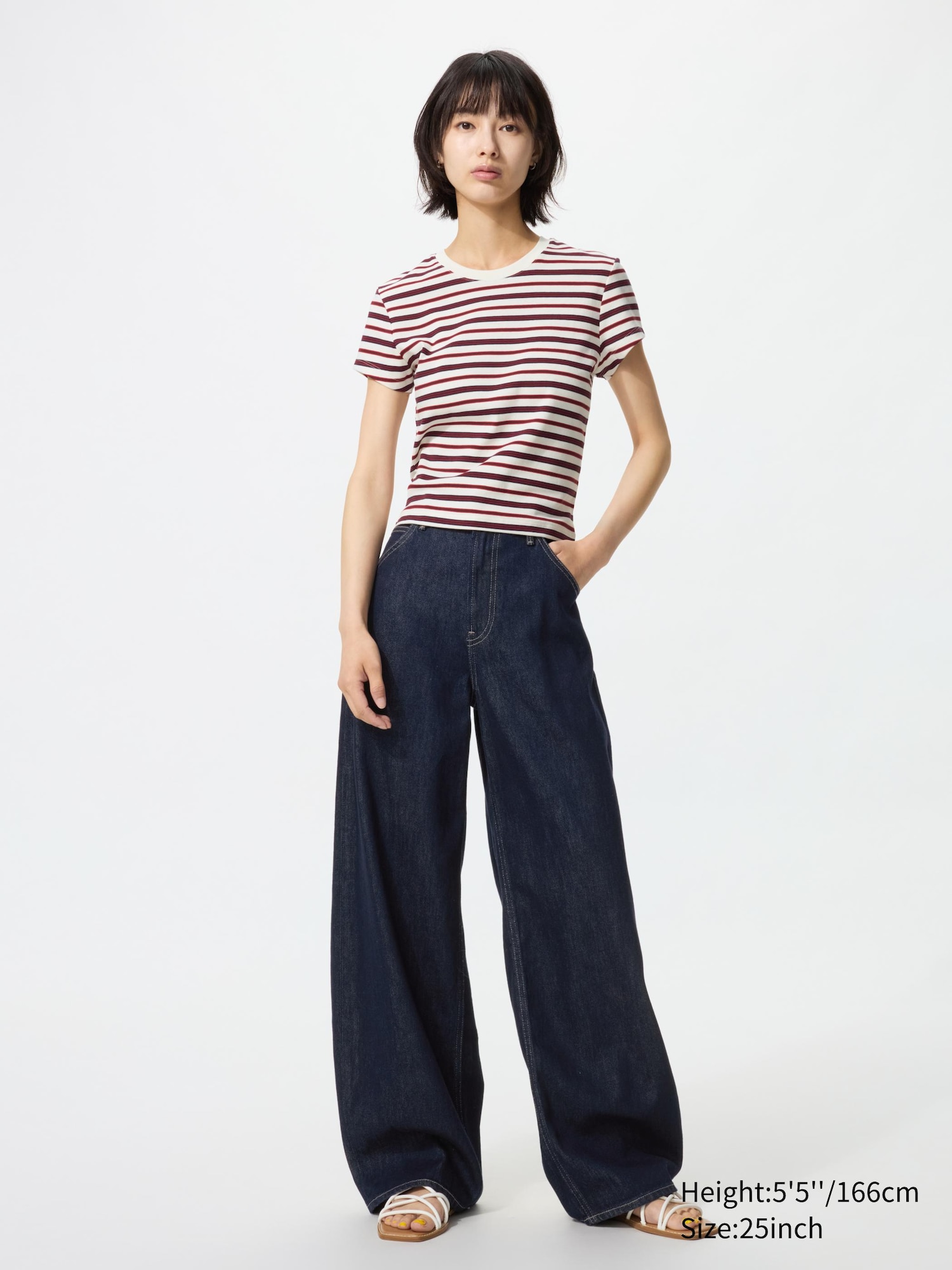
Uniqlo
Baggy Barrel Leg Jeans
Uniqlo has one of the High Street's best jean selections particularly when it comes to wide-leg styles.
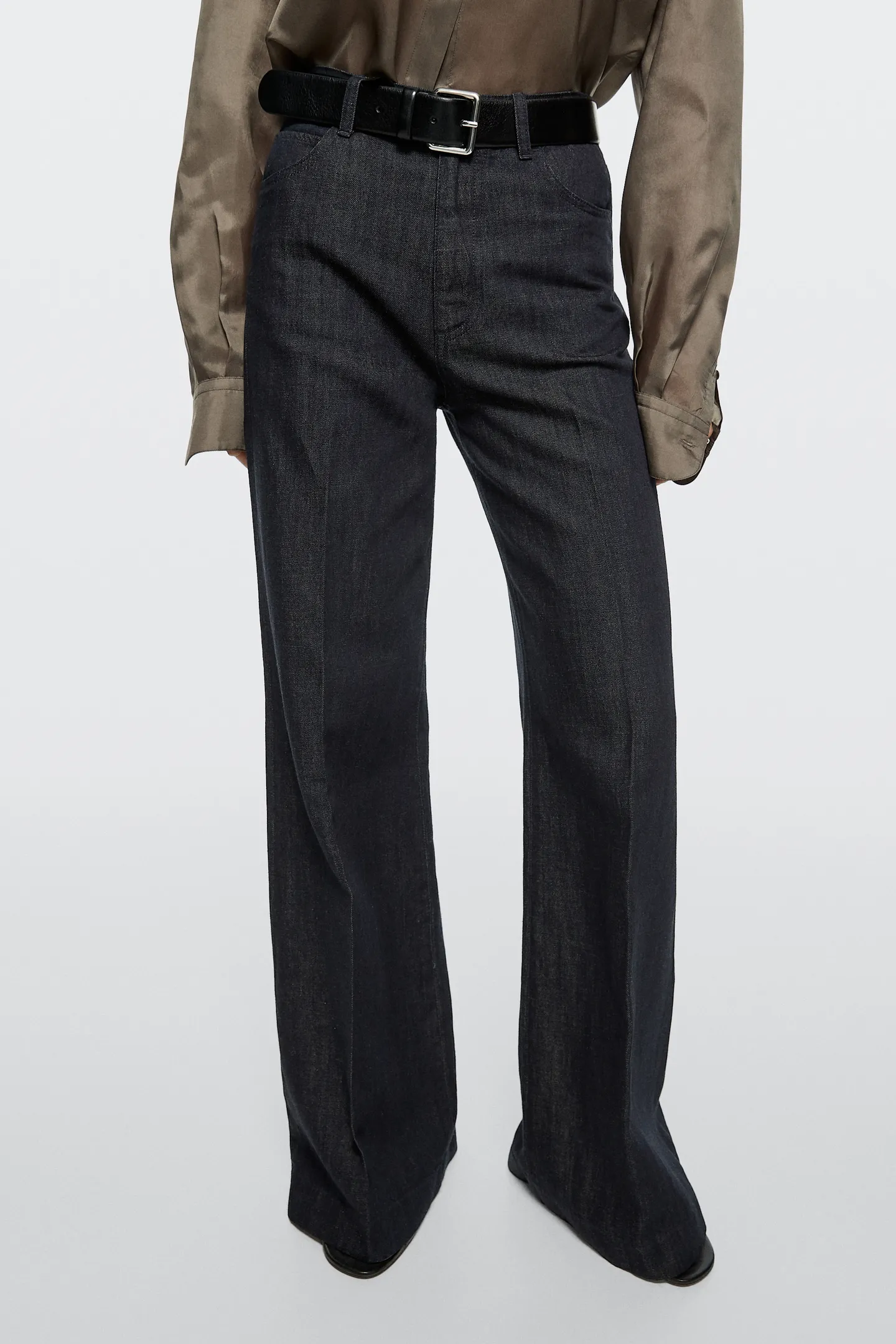
Massimo Dutti
High-Waist Palazzo Denim Pants Co-Ord
If a more tailored option is your style, this wide leg pair of dark blue jeans in a thinner fabric will have a similar effect as a baggy pair, without feeling swamped.
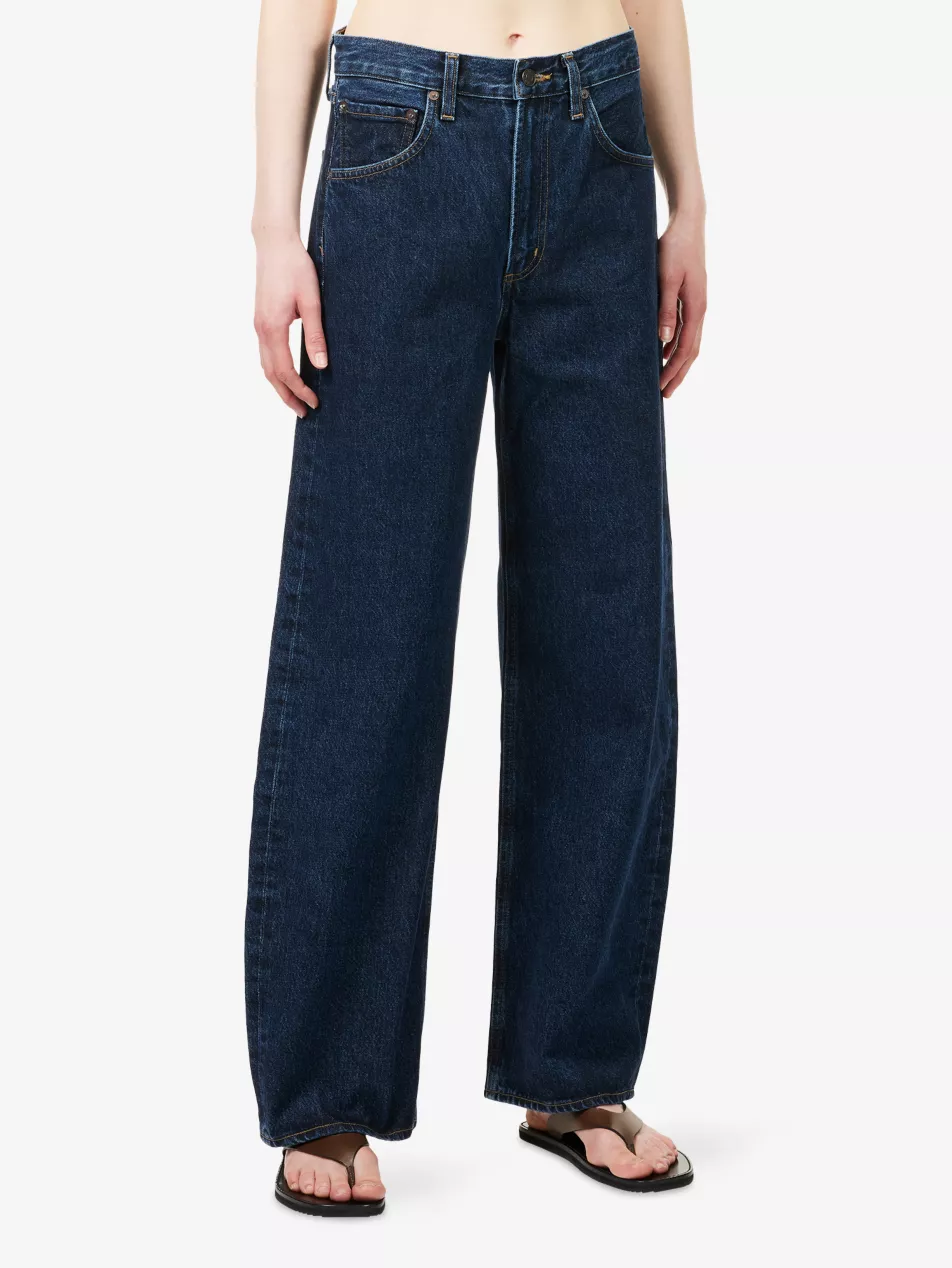
AGOLDE
Low Curve Wide-Leg Denim Jeans
These loose jeans are still refined in silhouette, making them one of my favourites.
Bermuda Shorts
Ella Hunt (Image credit: Getty Images)
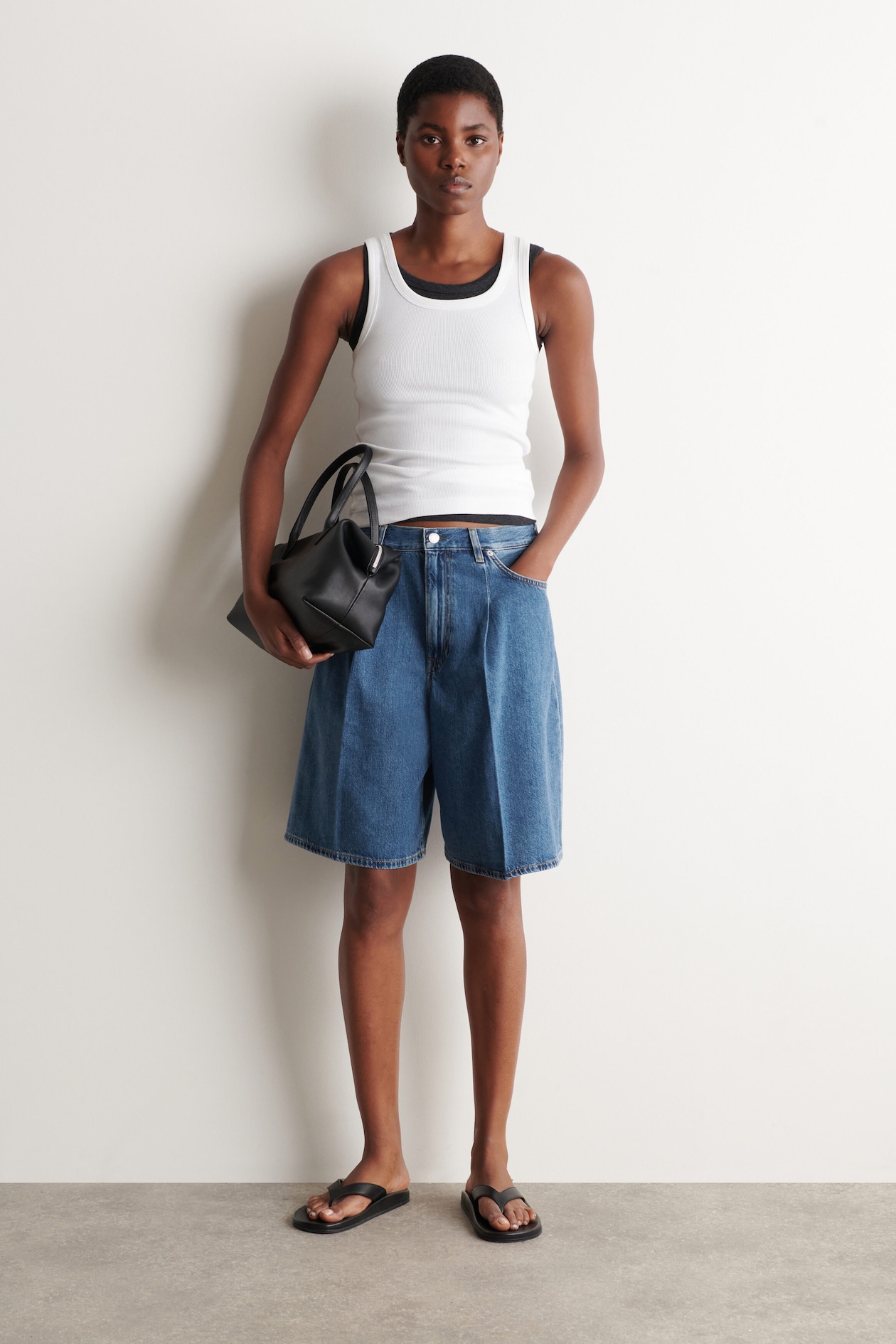
Instead of short-shorts, Bermudas have the edge this summer, especially pairs with a gentle flare or indigo wash like Ella Hunt's. Find a smart Bermuda, like the below pleat-front pair by COS, and you can most definitely wear them to work, tucking in a white shirt or knitted tank for a polished but positively cool outfit forecast.
Uniqlo
Denim Shorts
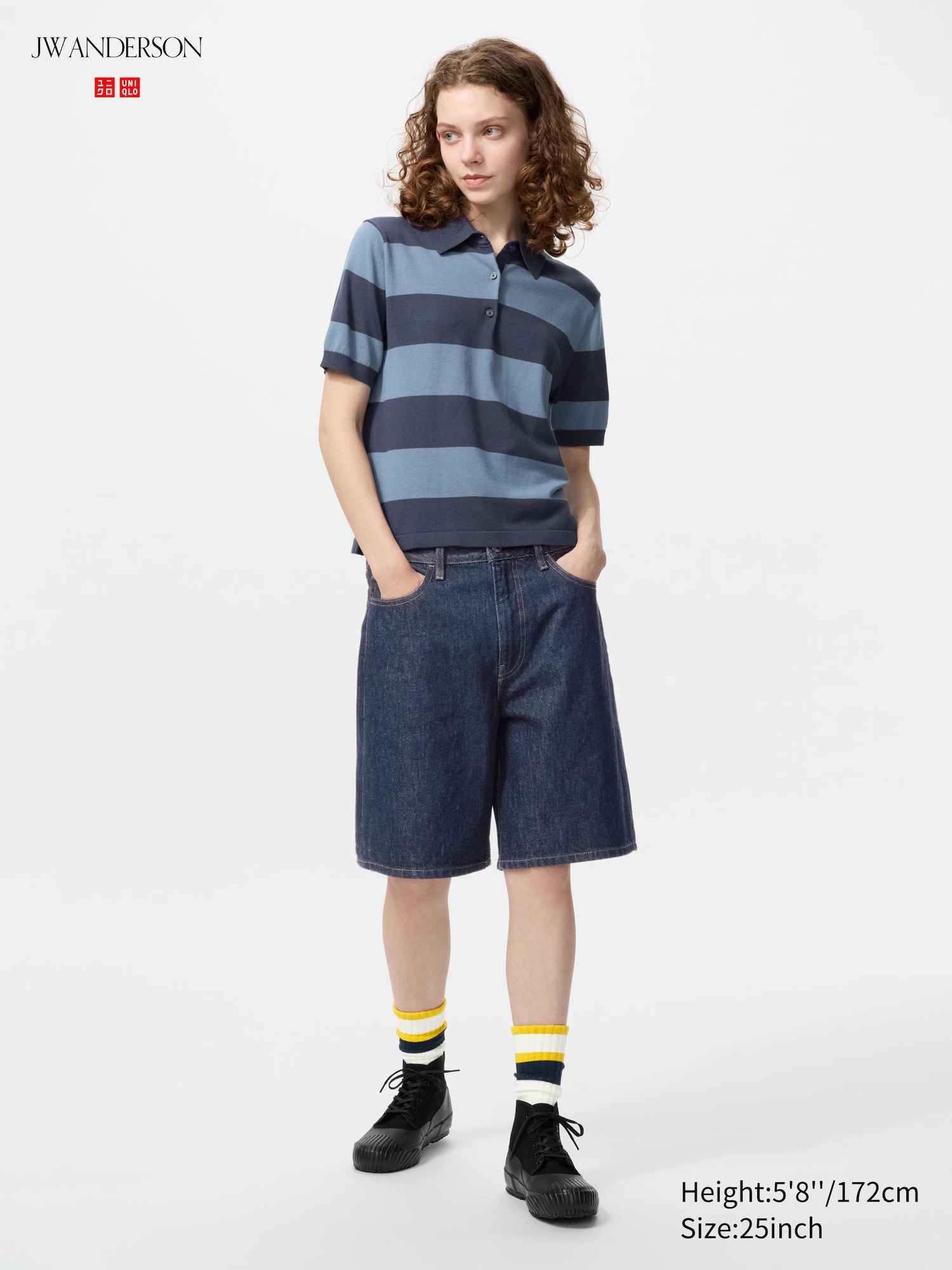
JW Anderson's Bermudas are easy to pair with tanks or strappy tops, making for an effortless heatwave outfit formula.
COS
Wide-Leg Denim Shorts
The COS Bermudas almost have a board-short cut, giving them an ease that will be welcome during the heatwave.
Reformation
Elio Low Rise 14 In Denim Trouser Shorts
The slightly elongated cut of these denim shorts makes them perfect for summer kitten heels.
Denim Capri Pants
Rihanna (Image credit: Backgrid)
Rihanna used to wear capris in the early '00s—and, 20 years later, nothing's changed except the fact that, now, she pairs them with the ultimate combination: double dark denim. It's a super-cool spin on a trouser suit—don't you think?—and, while you might not be able to wear the top half during a heatwave, it's a duo that's perfect for sultry evenings.
Reformation
Zoee Stretch Mid Rise Capri Jeans
With a distinct '00s flavour, Reformation's capri-pant jeans would look on-point with wedge sandals.
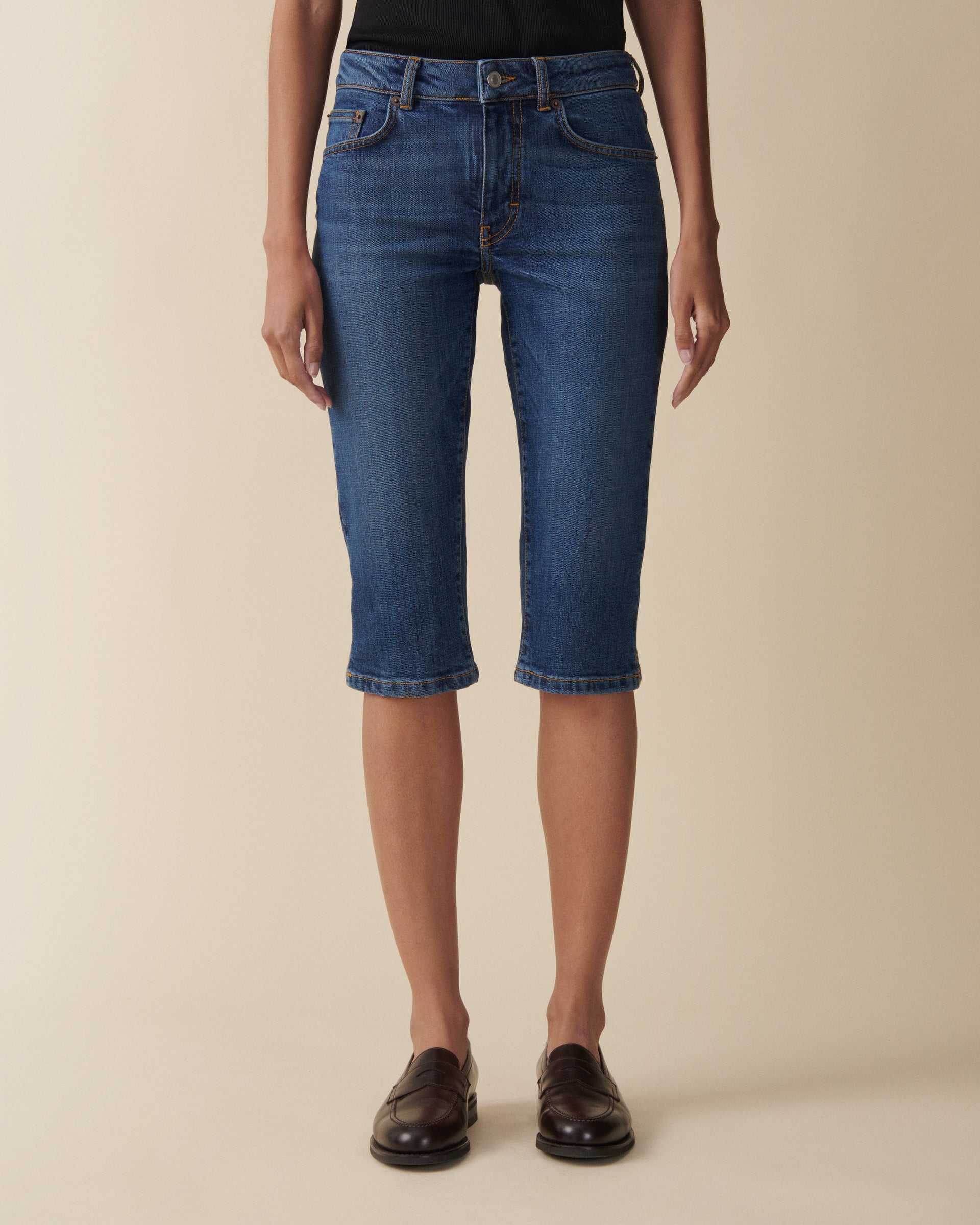
Jeanerica
Capri Mid Vintage
Jeanerica's capri has an ever-so-slight flare at the knee for a flattering silhouette.
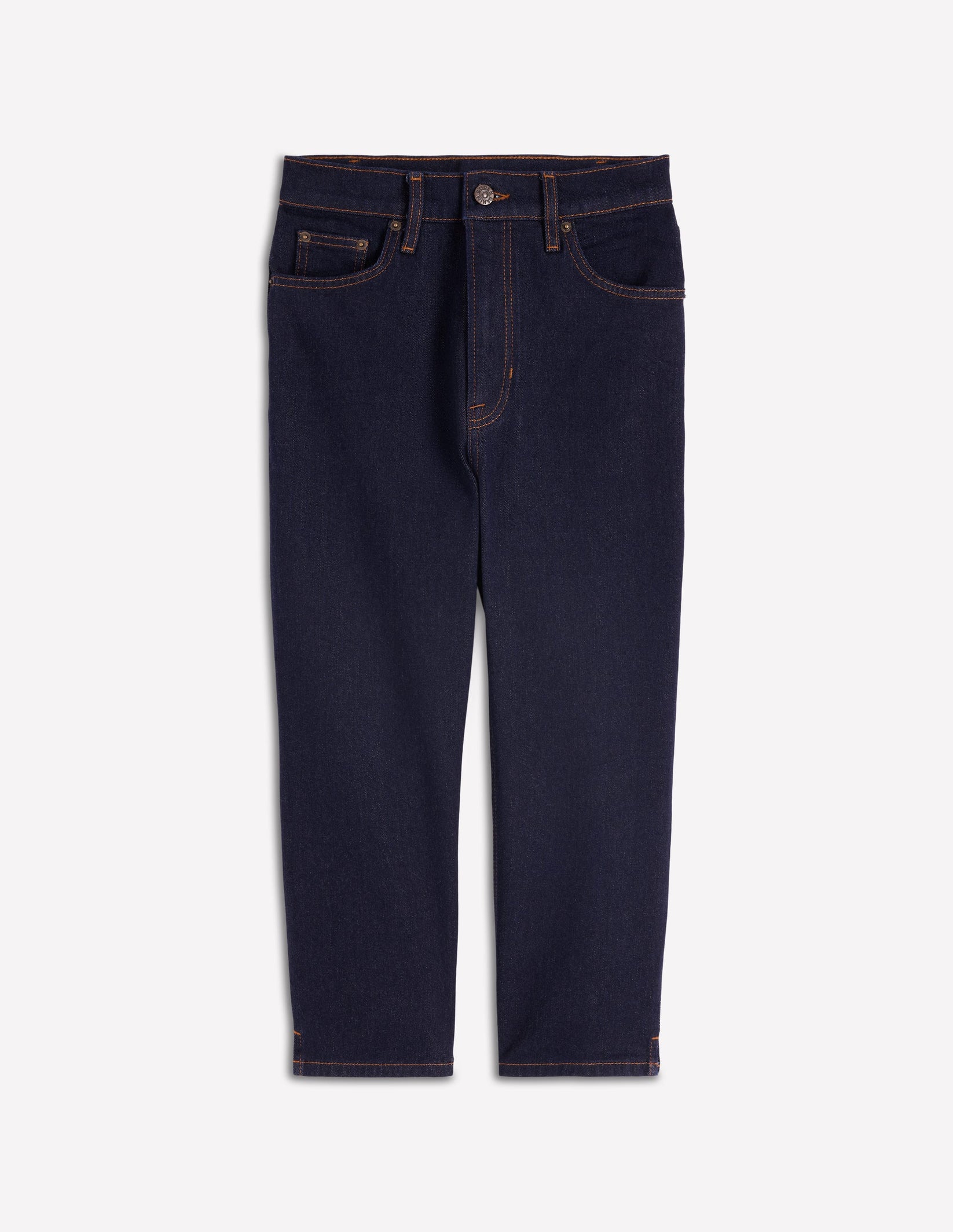
Boden
5-Pocket Capri Jeans
Elongated and reminiscent of Audrey Hepburn, Boden's capri jeans can be modernised with a denim jacket.
from Latest from Marie Claire UK https://ift.tt/sNQXePV
via IFTTT
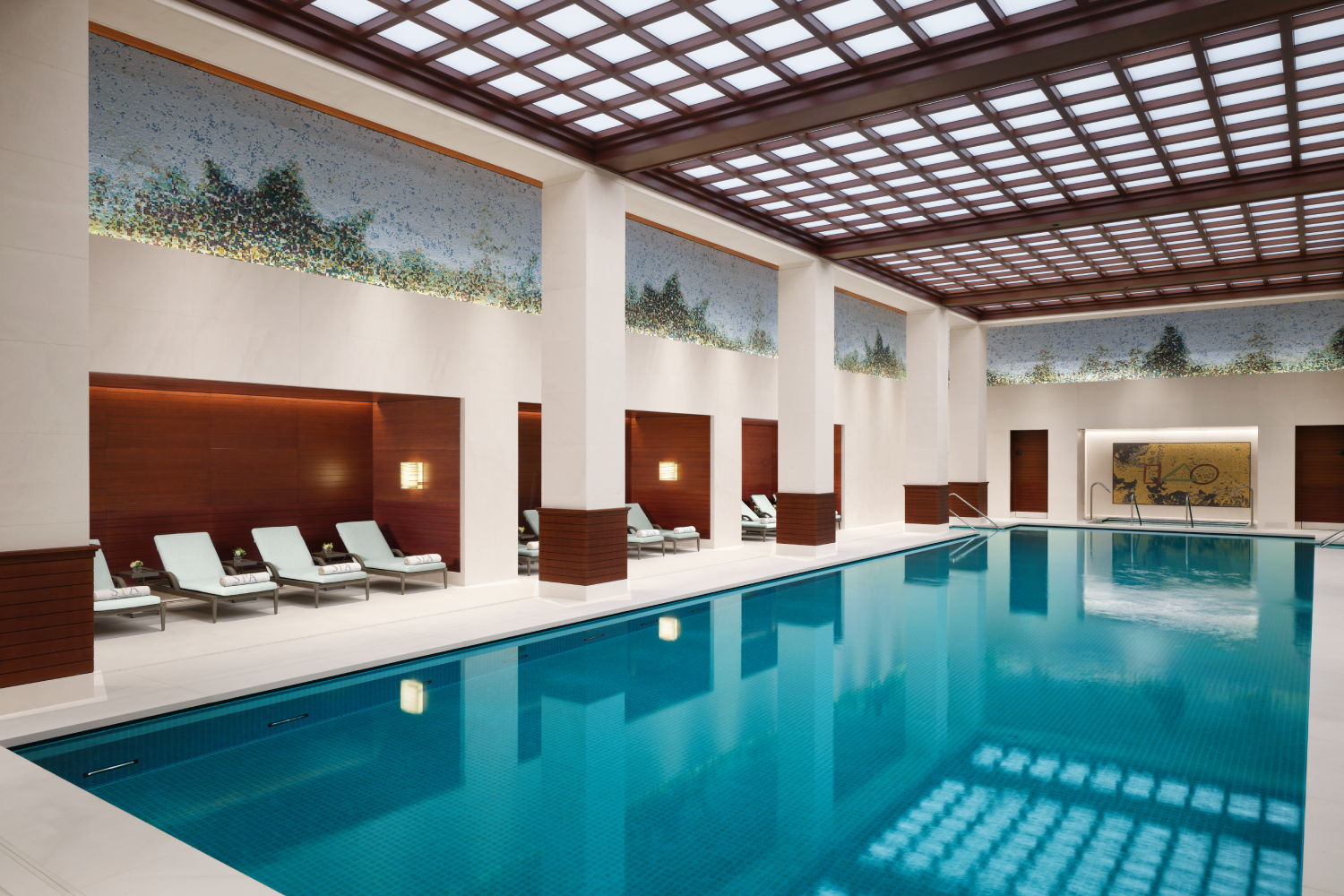
We're spoilt for choice when it comes to hotel spas in the capital, with some of the most prestigious wellness spaces in the world residing in London's landmark hotels. The Peninsula Spa and Wellness Centre, housed in the Belgravia hotel, is a welcome addition—a subterranean oasis that instils a sense of calm with its nature-inspired interiors.
Dreamed up by world-famous architect and interior designer Peter Marino, it's a haven of tranquillity inspired by the surrounding nature found in Hyde Park, Green Park, and Buckingham Palace Gardens, with beautiful mosaic tiling creating abstract motifs inspired by local landscapes.
As with the rest of the hotel, which is known for its high-tech amenities (including 'spa mode' lighting in the bathrooms and wireless charging points), technology plays a significant role, with light panels that mimic natural light in the basement space and twinkly underwater music.
(Image credit: The Peninsula )
The Peninsula London first opened its doors in September 2023, with the spa opening following in December of the same year. This hotel is the first from the Peninsula brand in the UK, following properties in Hong Kong, New York, and Paris. It has quickly established itself as one of the most prestigious hotels in the area—a notable achievement, considering that historical icons The Berkeleyand The Goring are its Belgravia neighbours.
This is everything you need to know about booking a luxury spa day at The Peninsula Spa and Wellness Centre, including the treatments to look out for and the most luxurious packages for a day of indulgence (or a lavish UK staycation).
THE SPA
(Image credit: The Peninsula )
Celebrated architect and interior designer Peter Marino designed the space, in collaboration with Hopkins Architects, taking into consideration the nearby green spaces. Lighting is considered, with overhead panels that stimulate natural light. Cleverly, the lights dim to an ambient glow as night falls. The spa is situated in the basement of the hotel, which is a commonplace for big London hotels. But rather than opt for the dark, cocoon-like atmosphere of, say, The Corinthia, which leans into its underground location with black marble and fire pits, the spa creates an illusion of space and light to complement its natural theme.
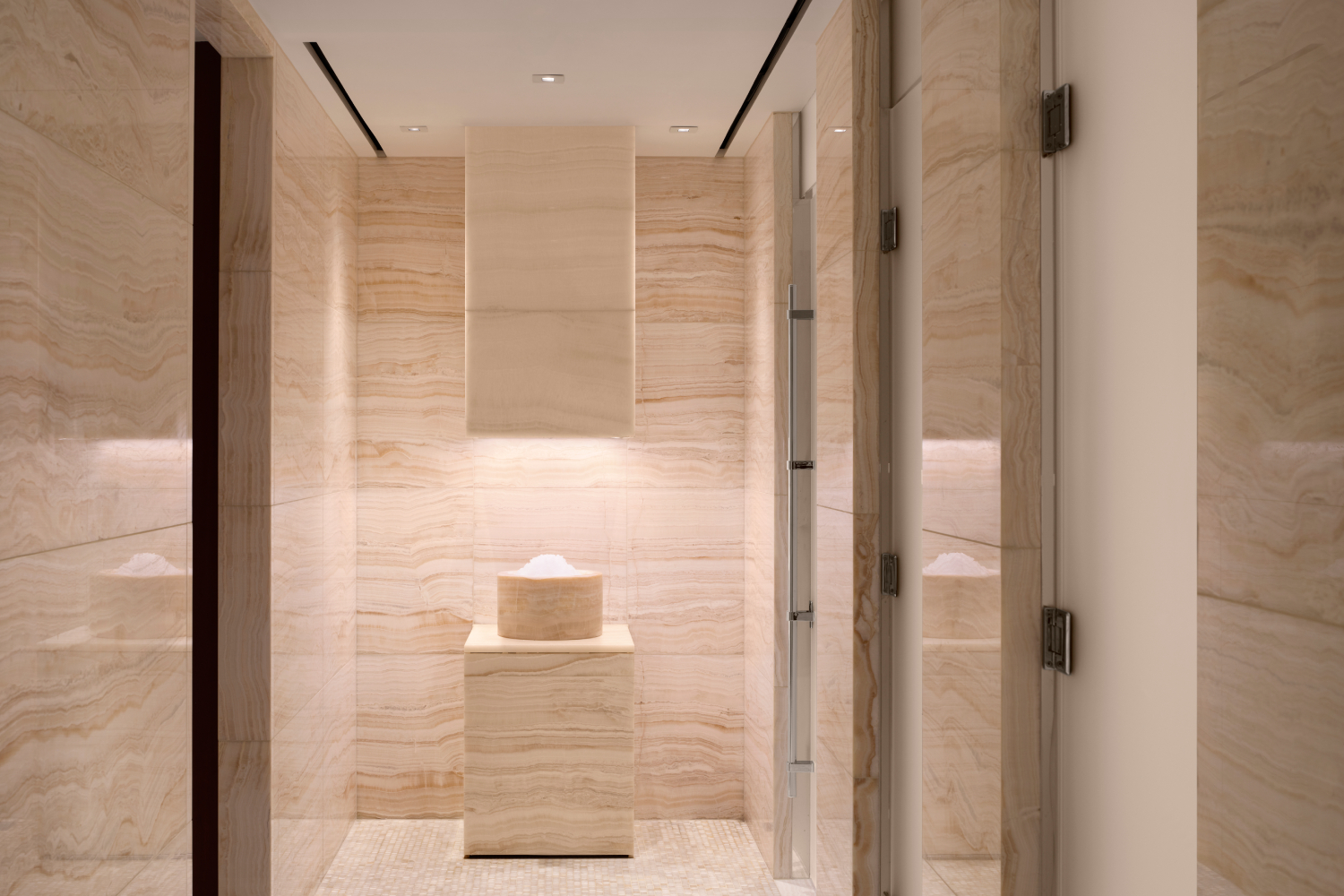
At the centre of the spa is a tranquil 25-meter heated pool, surrounded by intricate mosaic-tiled walls in shades of green and blue depicting abstract landscapes. Like the rest of the hotel, the spa is spacious, with the facilities spanning two floors. There are four thermal cabins with varying degrees of heat, as well as a sauna and steam room, located in the changing rooms.
(Image credit: The Peninsula )
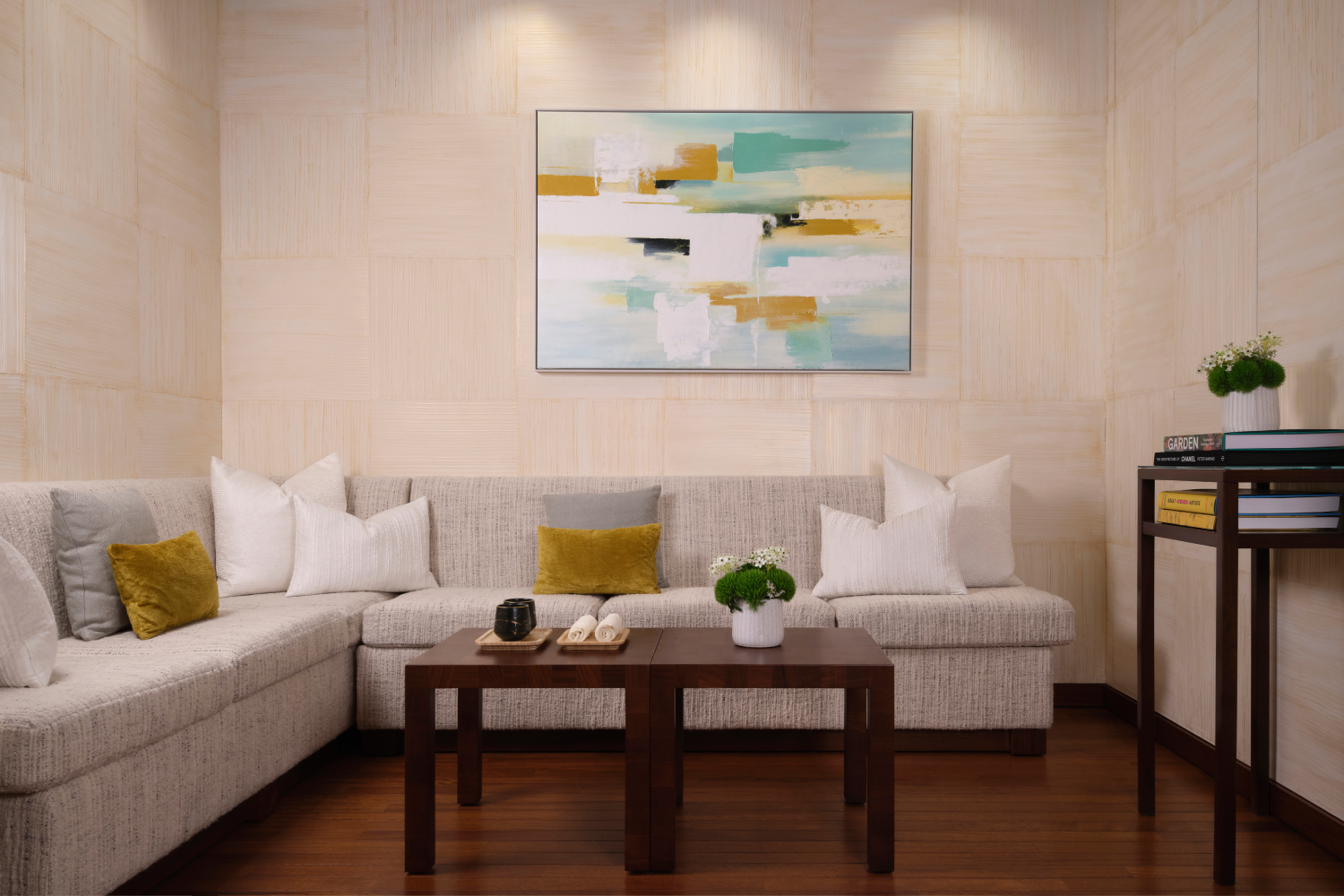
The Peninsula Spa and Wellness Centre is available to guests staying at the hotel, but Londoners and tourists can also book a spa day or treatments to experience this serene bolthole in one of London's most desirable areas. For those staying at the hotel, there's an in-room Wellness Portal where guests can take yoga classes or try a meditation session from the comfort of their own rooms.
THE TREATMENTS
(Image credit: The Peninsula )
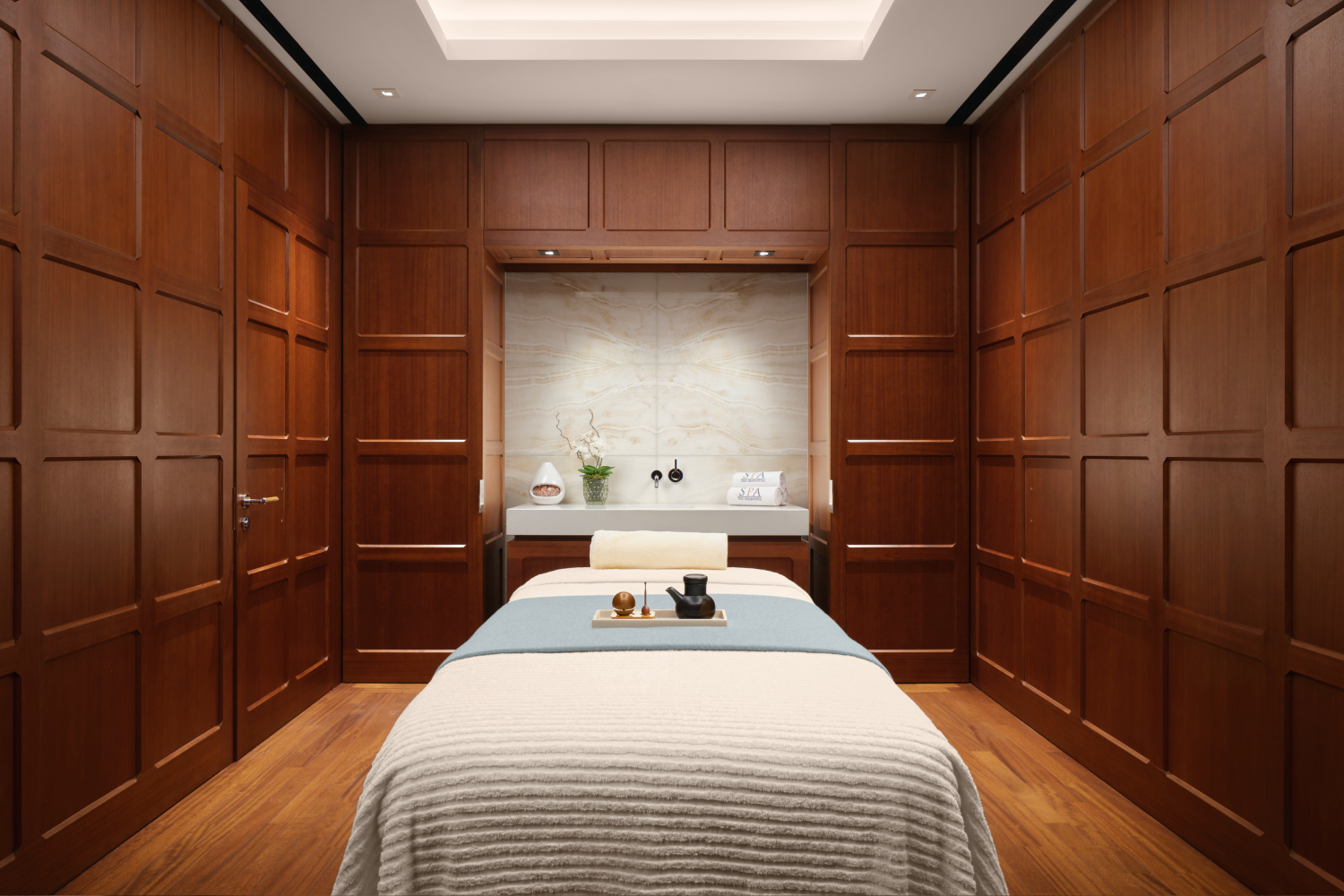
There are seven, cocoon-like treatment rooms, including a couple's room. The treatment menu is broad, with some lovely add-on treatments to tailor each experience, with beauty brand partners of Subtle Energies and Margy's Monte Carlo, as well as hair royalty Errol Douglas, who heads up the hotel's salon, The Atelier.
The holistic facials are a highlight, using products from Ayurvedic aromatherapy brand Subtle Energies. Visitors to the spa can add a guided meditation or Shirodhara, an Ayurdevic treatment that involves pouring warm liquid over the forehead for relaxation. The spa is the first in the UK to partner with the Swiss brand Margy’s Monte Carlo, offering the Ultimate InSkin Elixir Facial. This high-tech facial begins with a personal diagnosis, allowing the facialist to select an elixir and mask tailored to the individual's skin type.
There are also some sumptuous body treatments available, including chakra-balancing massages, detox body wraps and an exfoliating body polish that utilises mineral-rich Himalayan crystals. Guests can also opt for traditional Chinese medicine treatments, such as acupuncture, performed by one of the specialist practitioners-in-residence.
COLLABORATIONS
(Image credit: The Peninsula)
The Penisuala Spa introduced two new wellness packages this summer to further enhance their wellness offering—and they're worth getting excited about.
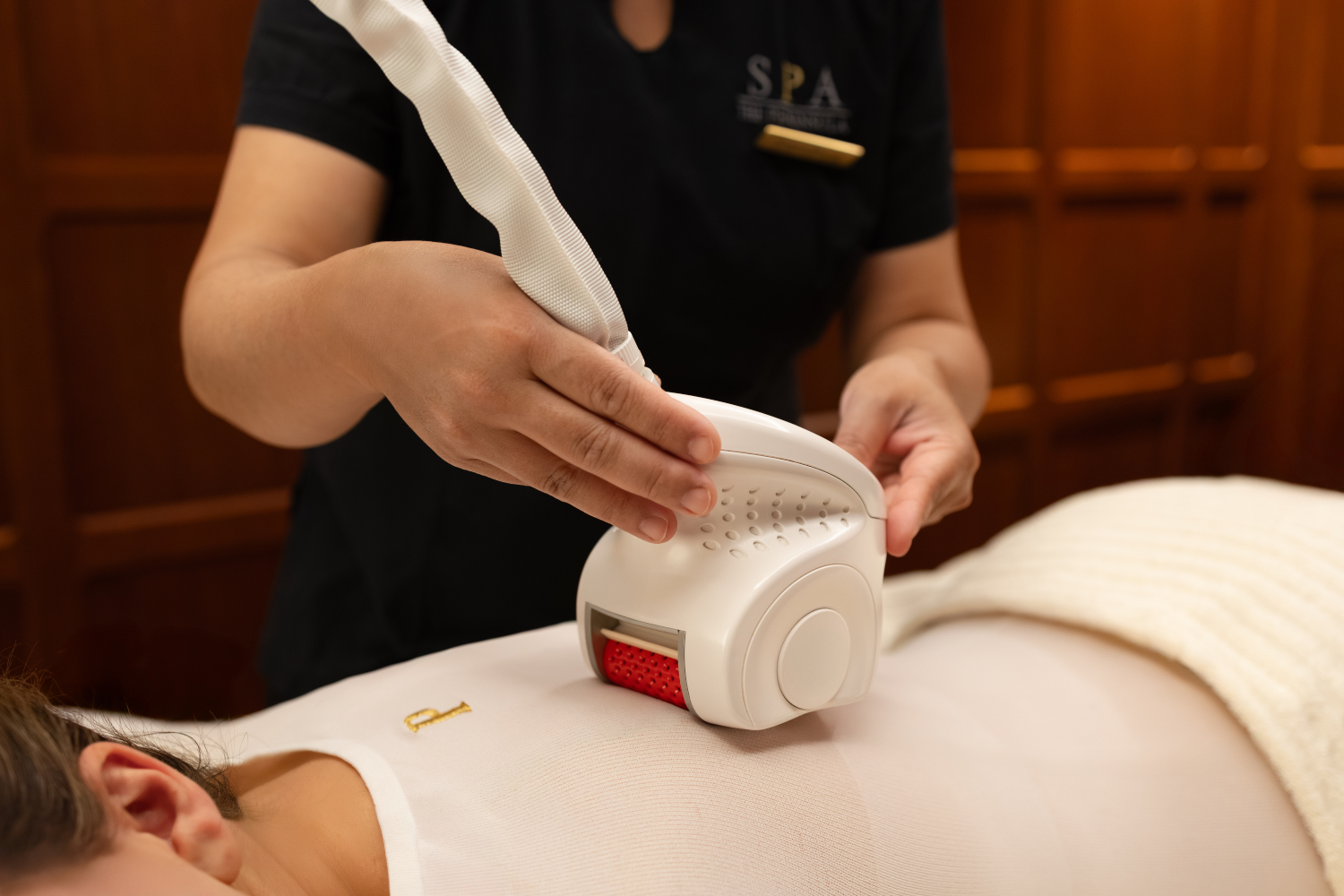
Cult LA-brand Ricari Studios brings its one-of-a-kind ‘Ricari Method’ to the hotel, which uses a combination of technology and human touch to sculpt and tone the body. 'Ricari' loosely means 'to re-charge' in Italian and works on the concept that we can rejuvenate the body through stimulating blood flow and boosting lymphatic drainage—a philosophy rooted in ancient wellness that's also very on trend right now. Devised by Anna Zahn in Los Angeles, this partnership marks the first time the method has come to the UK.
ONE: Personal Training, founded by former professional athlete Henry Barratt, offers personalised one-on-one sessions including strength and resistance training, functional movement, boxing, and Pilates.
PACKAGES
The Indulgent Relaxation package (£560)
Personalised Holistic Massage (1 hour)
Anti-Pollution Facial (1 hour)
Body Wrap (45 minutes)
Two hours of spa facility access, including our indoor 25m swimming pool, vitality pool and sauna
Holistic Escape (£450)
Personalised Holistic Massage (1 hour)
Holistic Age-Defying Facial (1 hour)
Two hours of spa facility access, including our indoor 25m swimming pool, vitality pool and sauna
Time for tea (£535)
Personalised Holistic Massage (1 hour)
Holistic Age‑Defying Facial (1 hour)
Afternoon Tea in The Lobby
2 hours facility access (pool, vitality pool, sauna)
NEED TO KNOWS
Spa days at The Peninsula London start at £250 for use of the facilities for three hours, and you can book through the spa's website. Alternatively, you can use the facilities free of charge if you book a 90-minute treatment.
Welcome to Style Briefing, a deep dive into the groundbreaking labels redefining fashion. From exploring their history to spotlighting the hardest-working hero buys for your wardrobe, we decode not only the designer behind the brand but also their latest collections and the signature style tribe they inspire.
In this latest instalment, we turn our attention to the exciting new era of Celine under Michael Rider. Having spent a decade working alongside Phoebe Philo before returning to the house as Creative Director, Rider has ushered in a fresh chapter that has reignited excitement around the storied French label. Here, we break down how, in less than two years, he has transformed Celine into one of the most coveted luxury fashion houses in the world, with stylish women everywhere eager to buy into his vision.
The Designer
(Image credit: Celine)
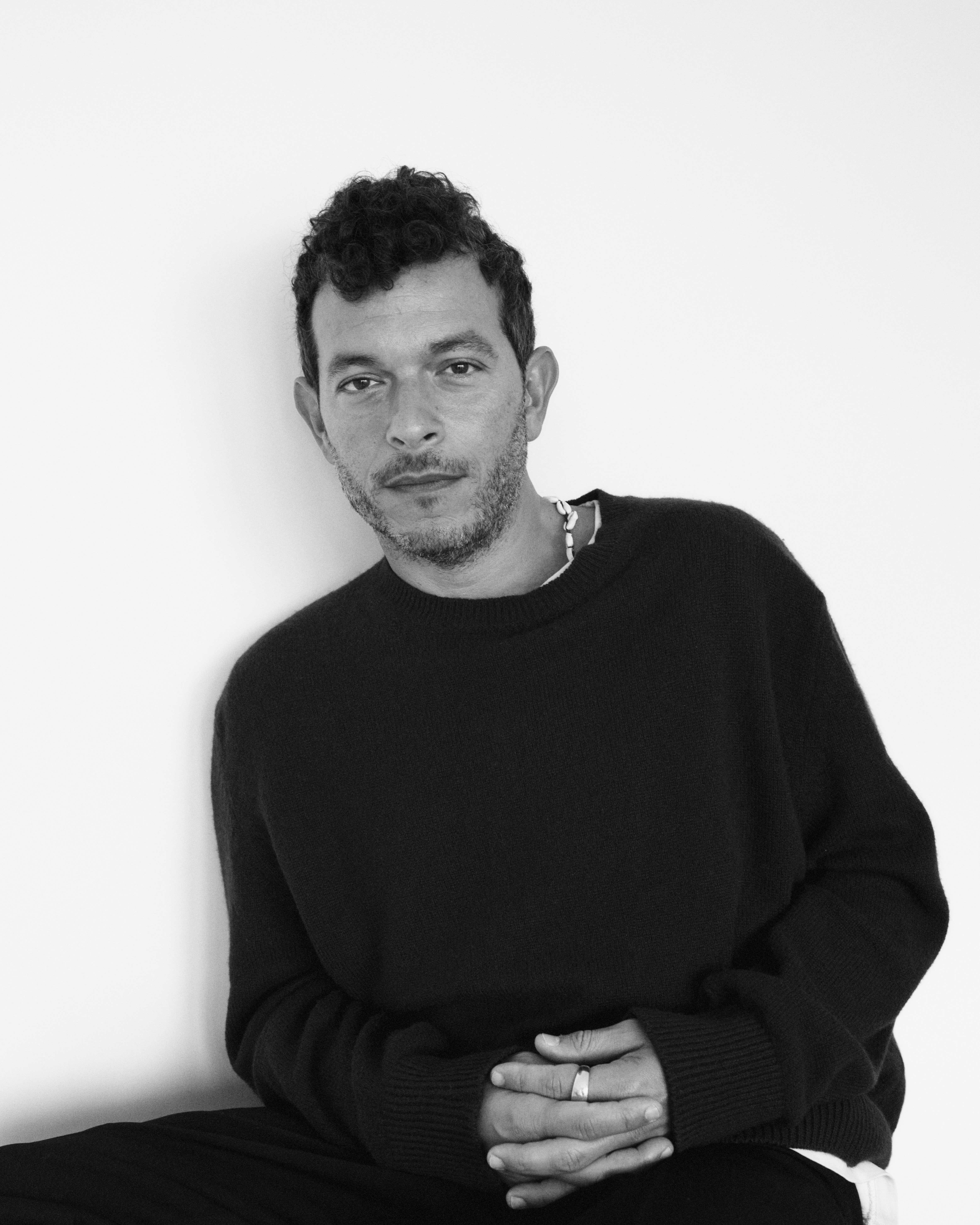
When Michael Rider was appointed artistic director of Celine in 2024, it signalled a kind of homecoming—not just for the designer but for die-hard fans of Phoebe Philo. You see, Rider served as design director of ready-to-wear for a decade from 2008 to 2018 under Philo, honing his design language beside one of the most influential creatives in the sphere of women’s fashion, and contributing to the cult of @oldceline, the account that was created after the changing of the guard that brought in Hedi Slimane. While Slimane’s appointment initially divided opinion among Philo loyalists, his tenure proved undeniably successful from a commercial standpoint, driving significant growth for the house and attracting a new generation of loyal consumers.
Before Celine, Rider worked for another industry trailblazer between the years of 2004-2008, Nicolas Ghesquière, who then held the reins at Balenciaga. The American designer, who was born in Washington, D.C., has essentially worked for three household names in fashion because, after his first stint at Celine, he graduated to helming the womenswear arm of Polo Ralph Lauren. Known for its iconic prep—and tastefully executed sportswear—you can see the fruits of all three in what the internet is now calling “Current Celine”.
Celine stands for quality, for timelessness and for style.
Michael Rider
Style Notes
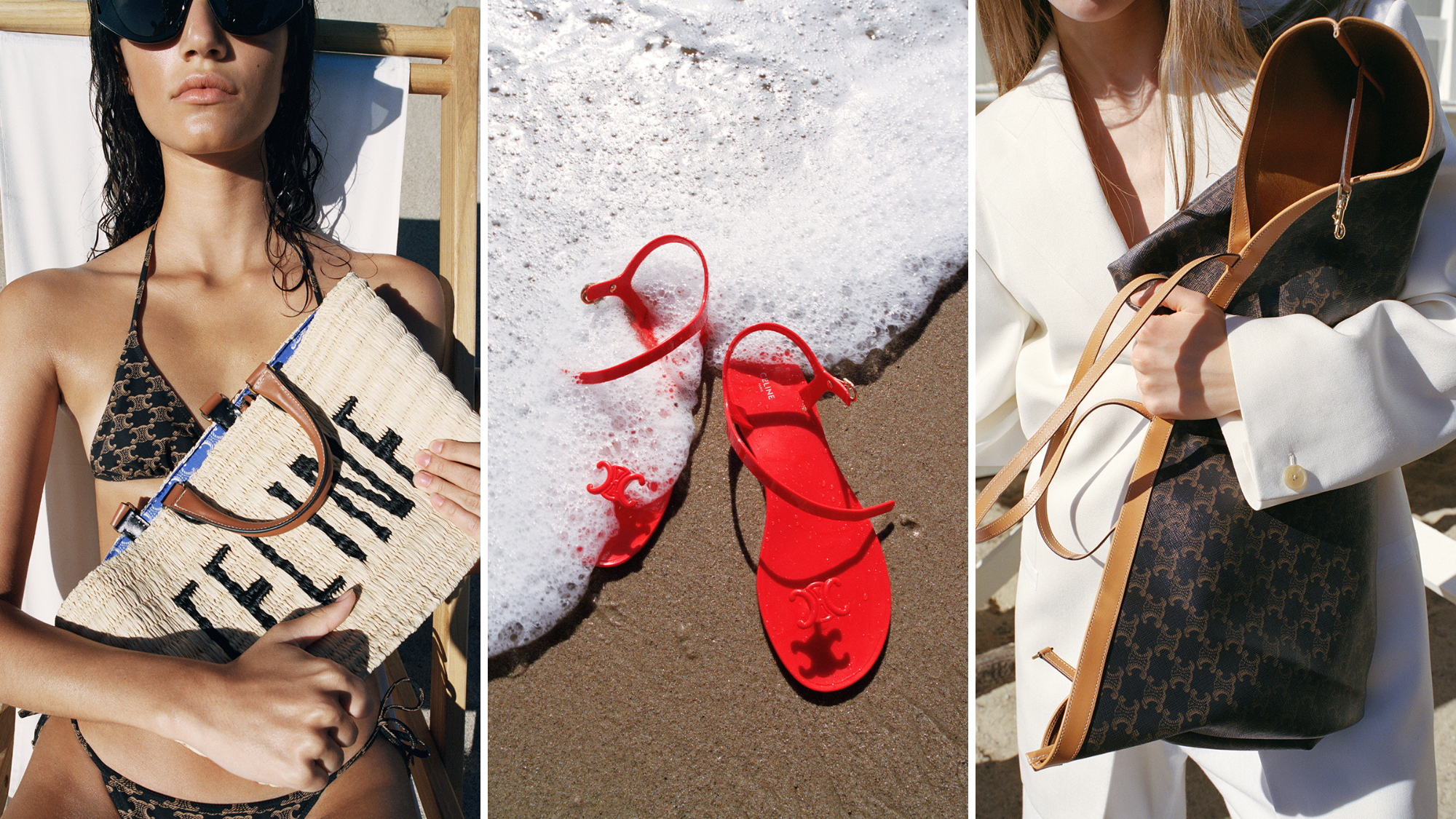
Été Celine (Image credit: Celine)
Michael Rider has already defined his Celine, choosing three words to encapsulate its essence before his first show for SS26. “Celine stands for quality, for timelessness and for style.” To those, one could add a certain intelligence—these are clothes for thinking women—and focus on the female gaze. Phoebe Philo’s most enduringly referenced pieces always lent a specific air to whoever bought them, whether it was the grass-coloured, menu-printed blanket (with entries including, “Bangers and Mash, £4.99” and “Jam Roly Poly”) or her black sock boots complete with contrast beige toebox. That air was hard-to-put-your-finger-on, cool yet clever, and it’s a legacy that is being continued by Rider, a designer who understands how to make easy, and yet erudite, clothes.
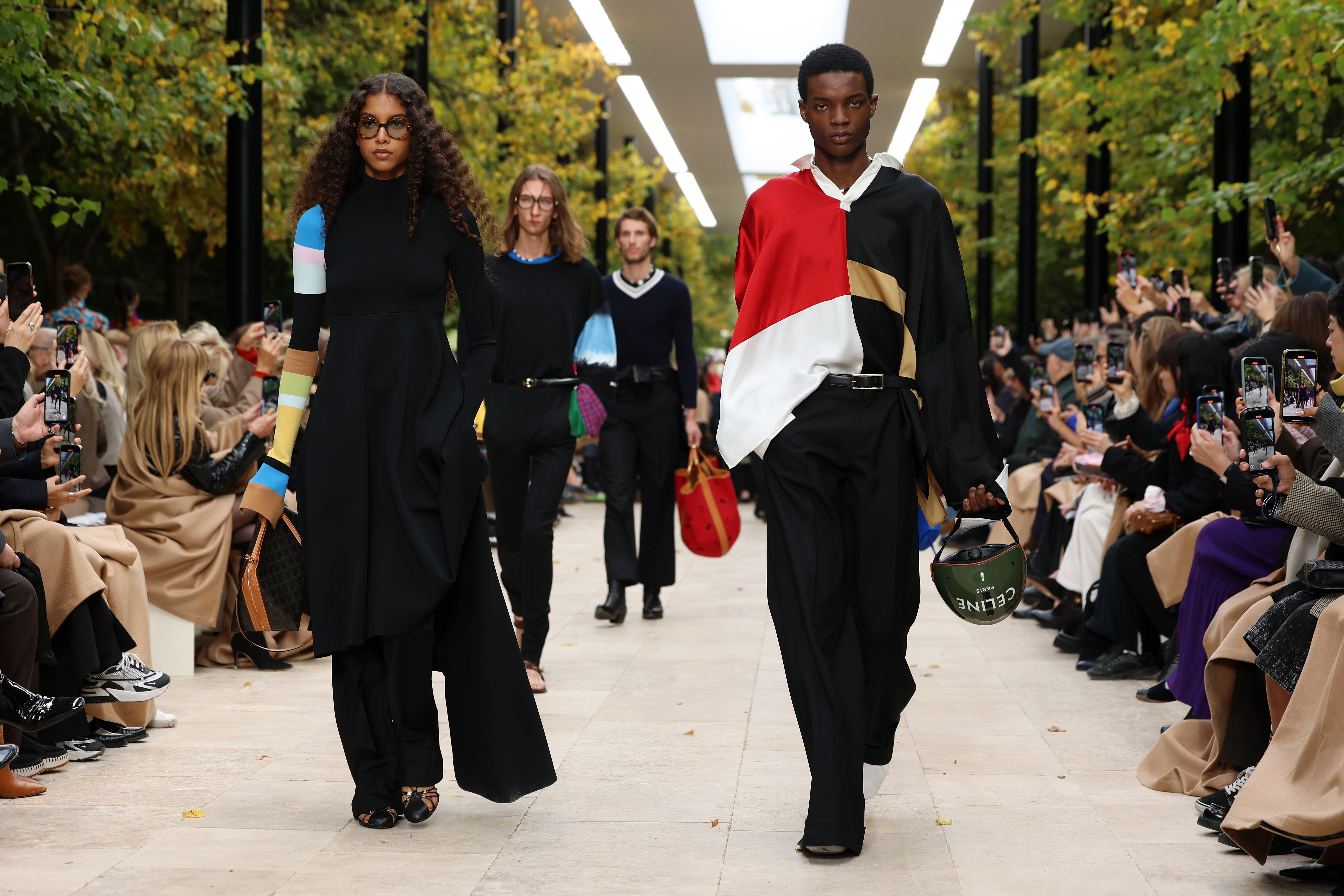
Celine’s Parisian HQ—16 Rue Vivienne—was the venue for SS26, or, more specifically, its courtyard, with show-goers happily shaded beneath the canopy of trees lining either side of the catwalk. The setting, a snapshot of a breezy city life in spring, mirrored the collection in some respects; clothing that was classic-with-a-twist—artful yet undeniable wearable.
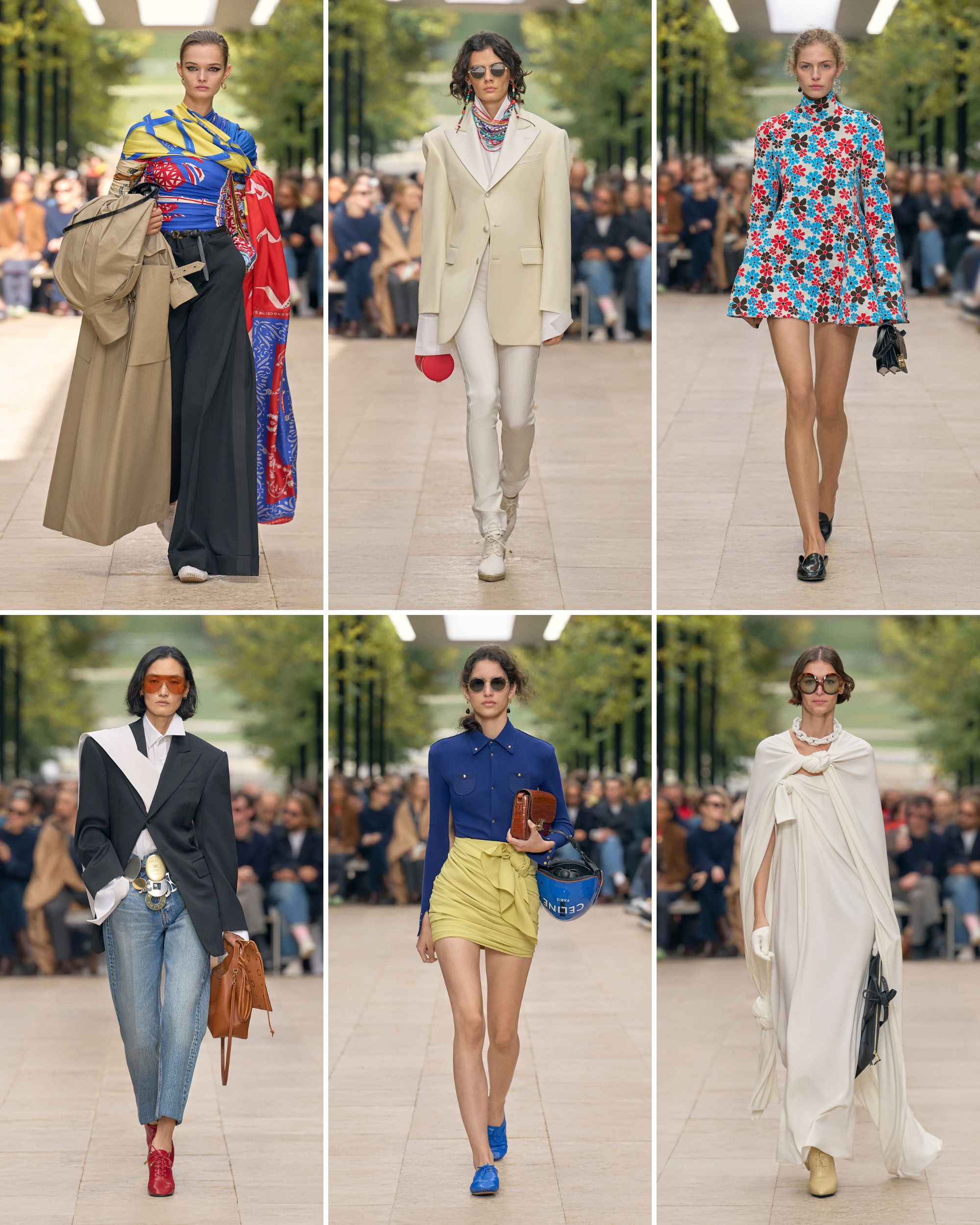
Celine SS26 (Image credit: Getty Images)
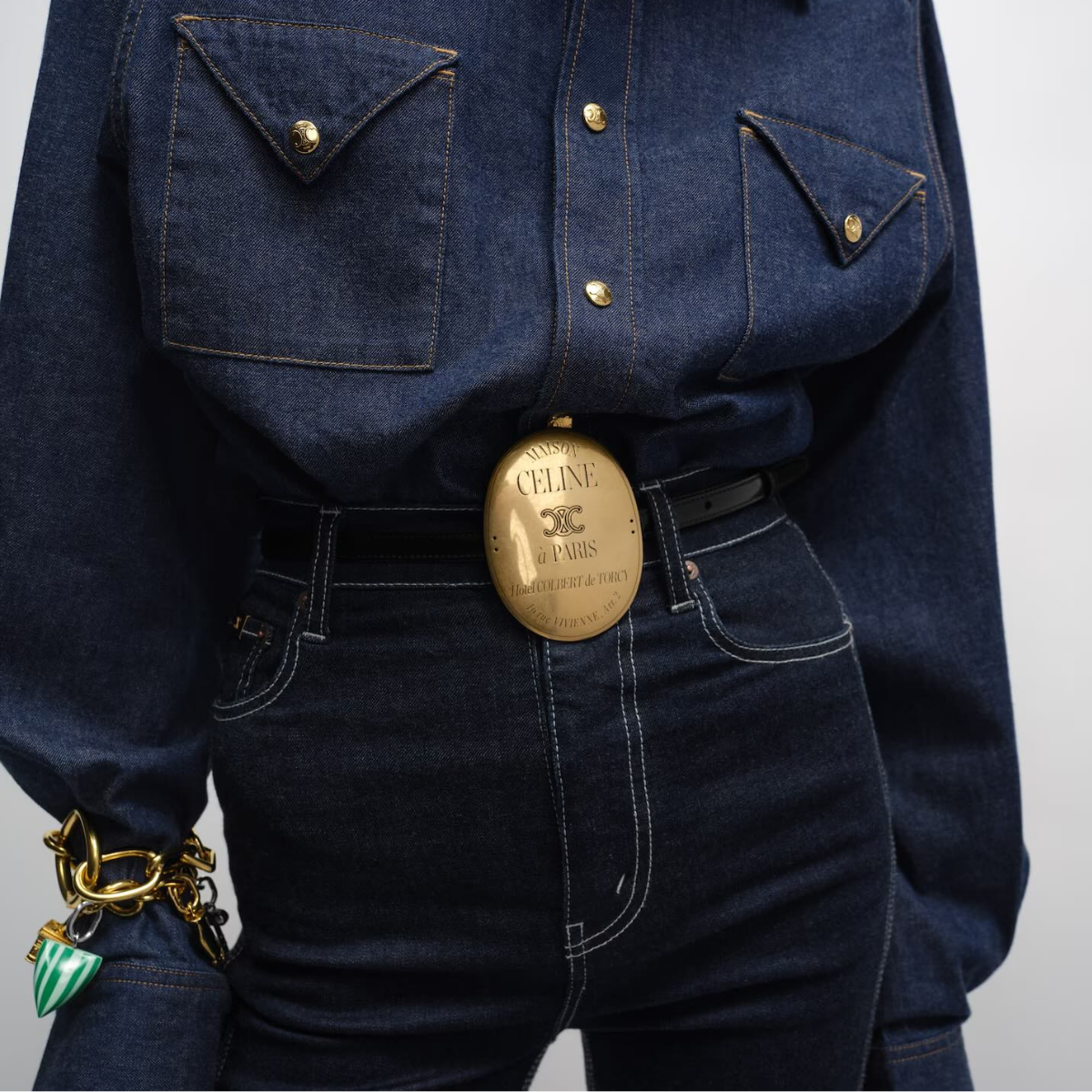
Rider presented a fully-realised wardrobe, with facets of tailoring (tuxedo jackets styled with skinny jeans), prep (navy blazers worn over high-waisted chinos) and feminine sculpture (jersey gowns twisting around the body), offering his customer “hero” pieces to collect—and wear for a lifetime (the cropped biker jackets, scarf-lined trench coats, gilded Celine logo belts, which have already flown off the shelves, and leather Derbies). The colour palette was distinctly Philo-esque, primary shots of canary, tomato and cobalt, which intersected with plenty of black and white.
“Old Céline” was how the fans referred to the brand under Philo (Hedi Slimane famously scrapped the brand’s accent over the first “e” when he joined the maison). Maybe Rider’s era could be defined as “New Old Celine”, considering his association with Philo, Or, maybe, he will carve his own path, while paying homage to the house’s storied heritage, and many chapters.
The Icons
ÉTÉ CELINE (Image credit: Celine)
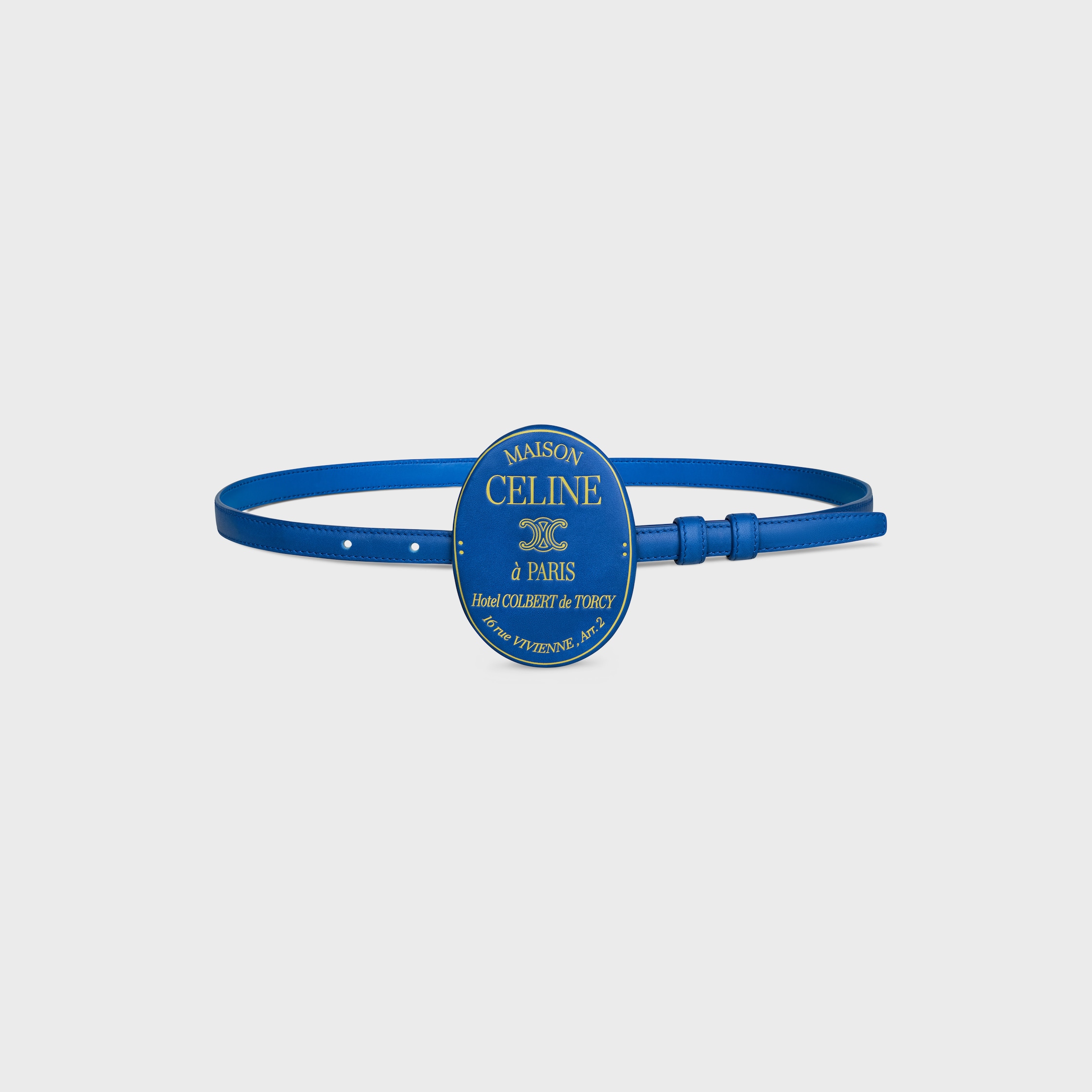
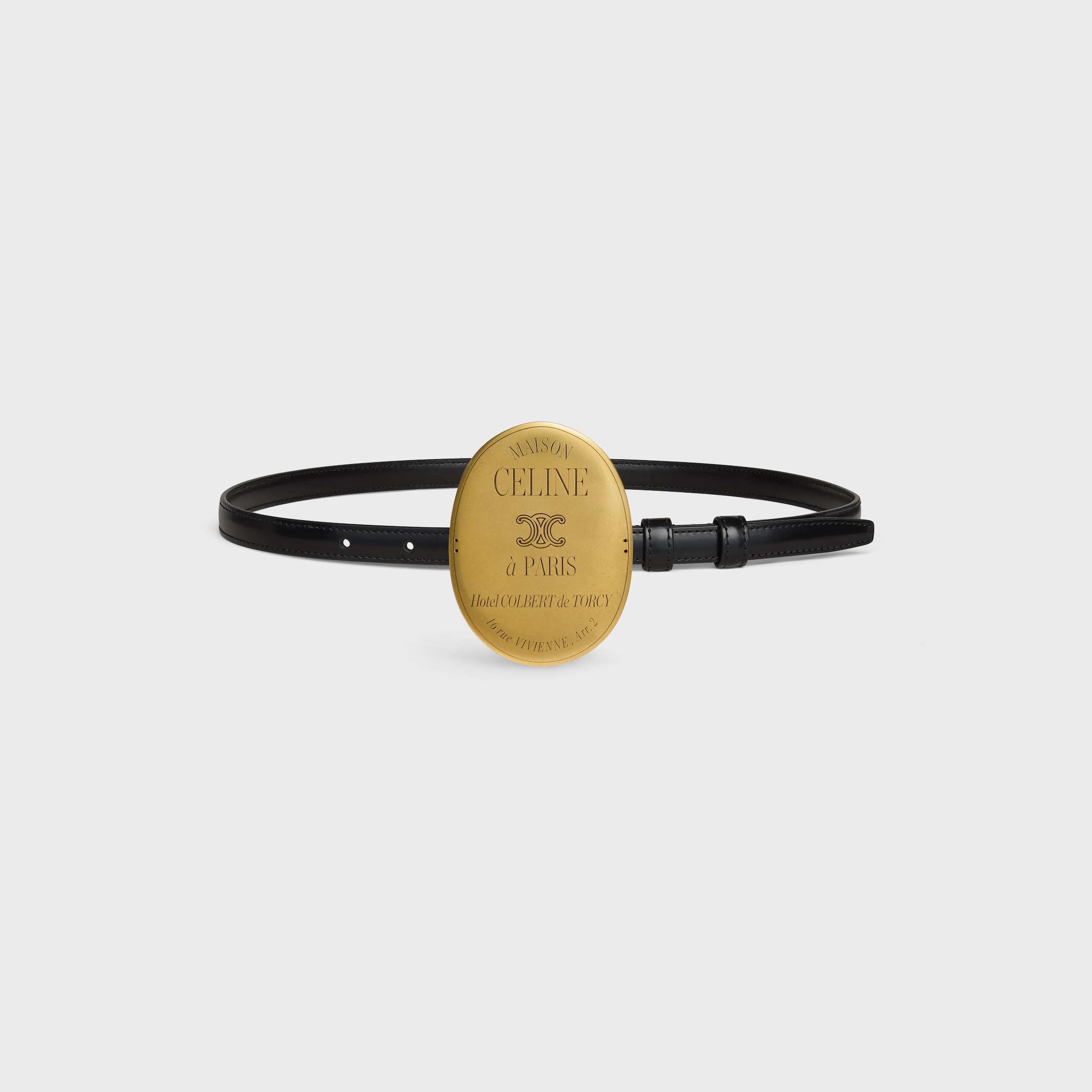
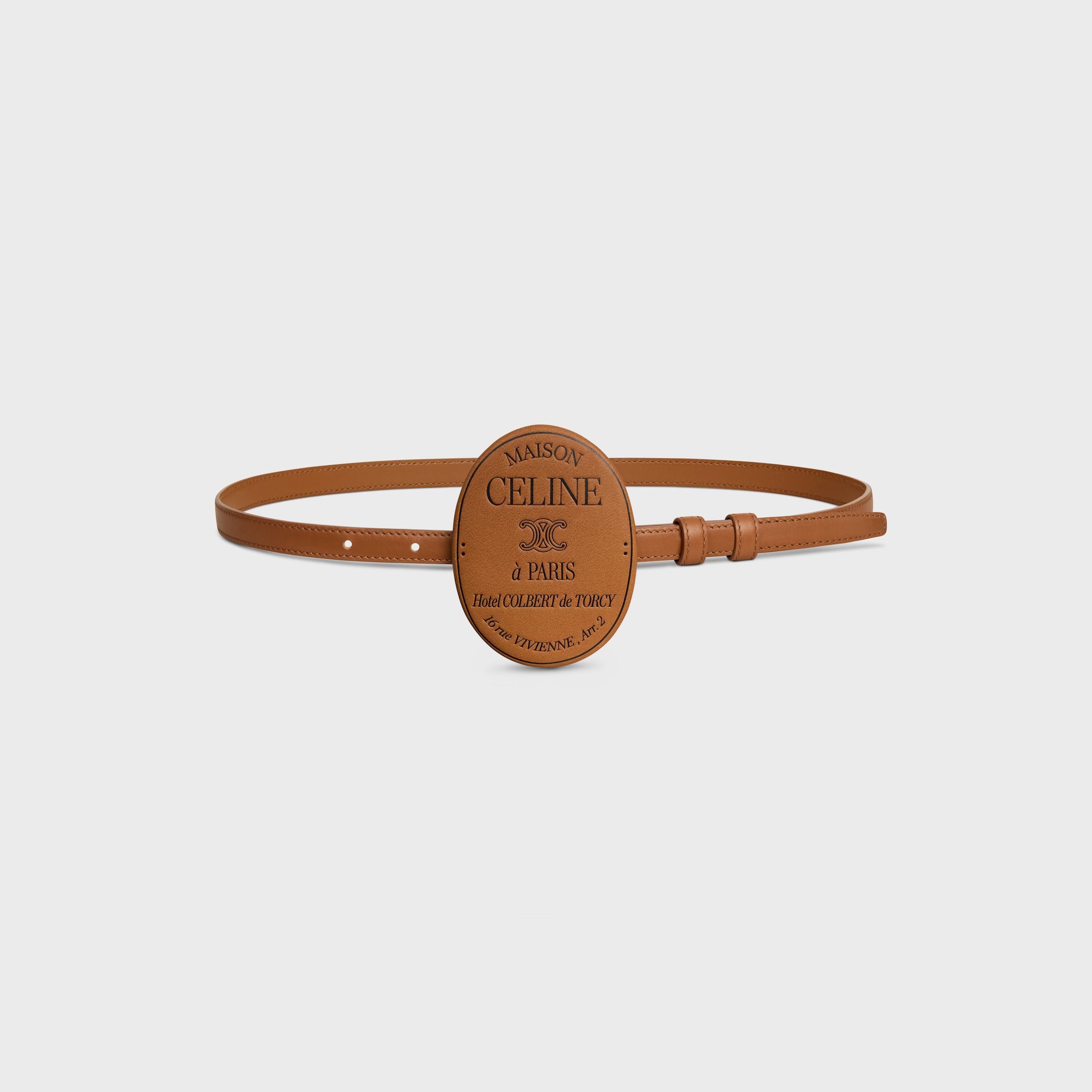
The Celine belt sn’t just a thing of beauty; it’s a bona fide cult accessory. Cleverly incorporating the brand’s distinctive logo — two interlocking Cs rendered in curved gold-finished plates — it strikes a balance between statement-making and sophistication. The effect is arresting and artistic, a far cry from quiet luxury, while also serving as an ingenious marketing tool that continues to captivate customers past, present and future. A staple among some of fashion’s most stylish names, it has the power to transform even the simplest outfit.
CELINE
Maison Celine Belt 13mm
CELINE
Maison Celine Belt 13mm
CELINE
Maison Celine Belt 13mm
The Impact
ÉTÉ CELINE (Image credit: Celine)
Whilst the house doesn't publicly discuss its sustainability practices, Rider used the words “quality” and “timelessness” to describe his Celine—and they go some way to helping the brand’s case when it comes to consumption. These are clothes that speak for themselves, outside a seasonal trend cycle, and, as such, should almost become collector’s items (rather like “Old Céline”, which surely still does a brisk trade on resale platforms).
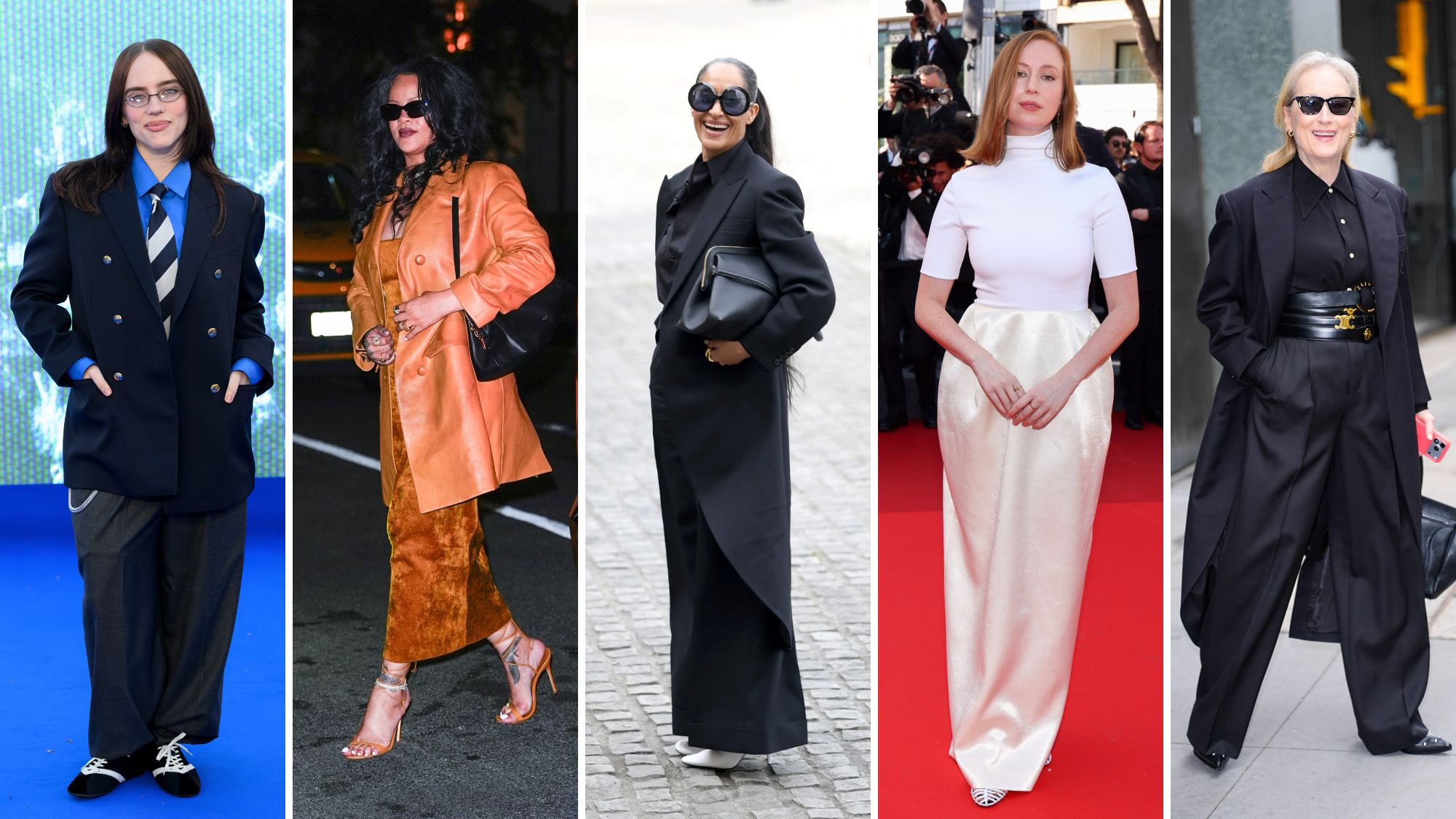
Celine Fan Club
(Image credit: Future/ Getty)
With a rollcall of fans including Meryl Streep, Tracee Eliss Ross and Michaela Coel, Michael Rider is certainly doing something right. After his most recent show, in fact, Ross commented on Instagram: “my my my MICHAEL RIDER what a collection.” It's also becoming a red-carpet threat (Hacks' Hannah Einbinder wore the coolest "gown", actually a turtleneck and tulip skirt, at this year's Cannes Film Festival).
The Marie Claire Edit
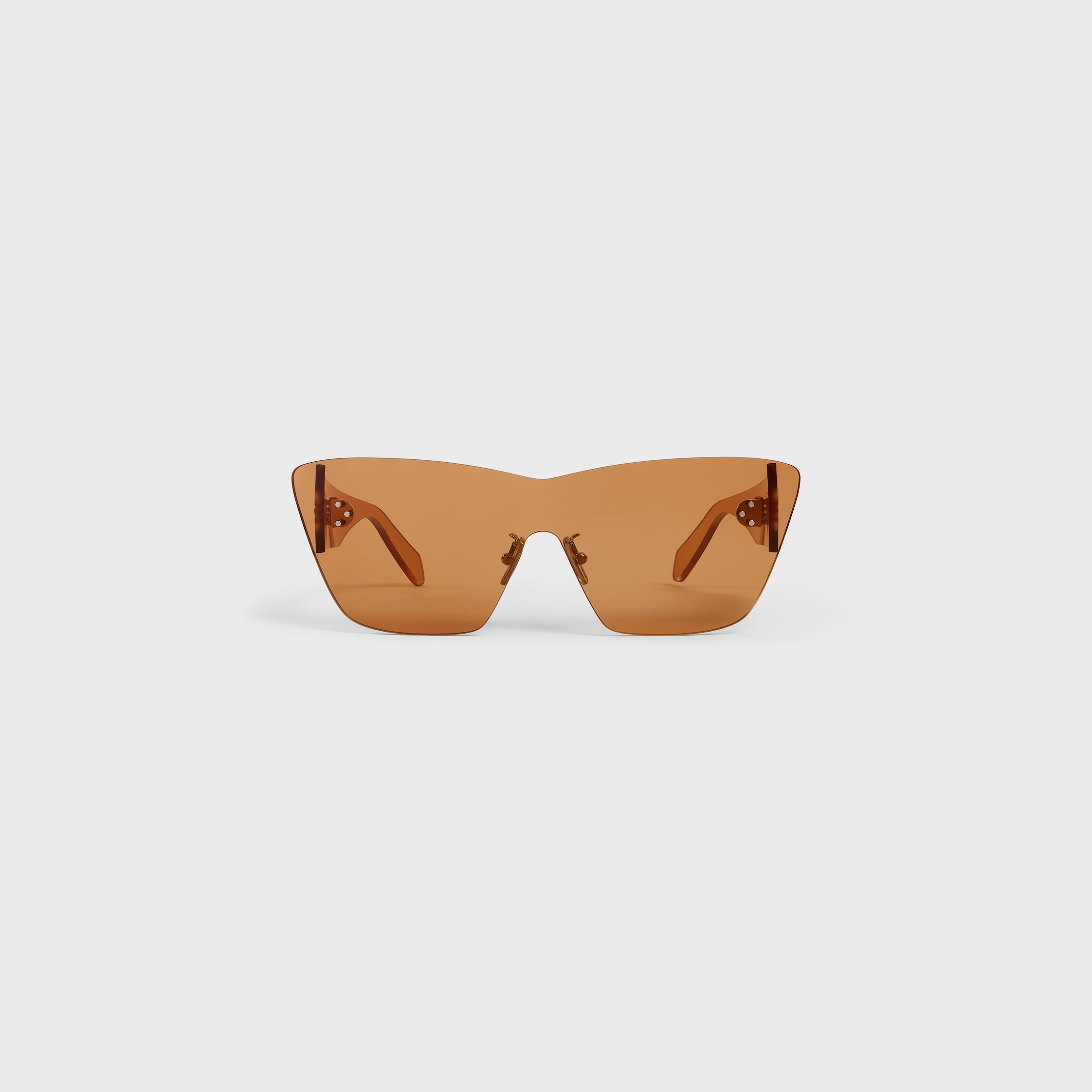
What’s special about this collection is that you could cherry pick one item and deploy it whenever an outfit needs a little something extra. This is as true of the “everyday” garments (the brand’s cotton-twill black trousers), as the look-twice accessories (the honeyed sunglasses). Here are just some of our favourites below.
CELINE
Sundown Shade Sunglasses
CELINE
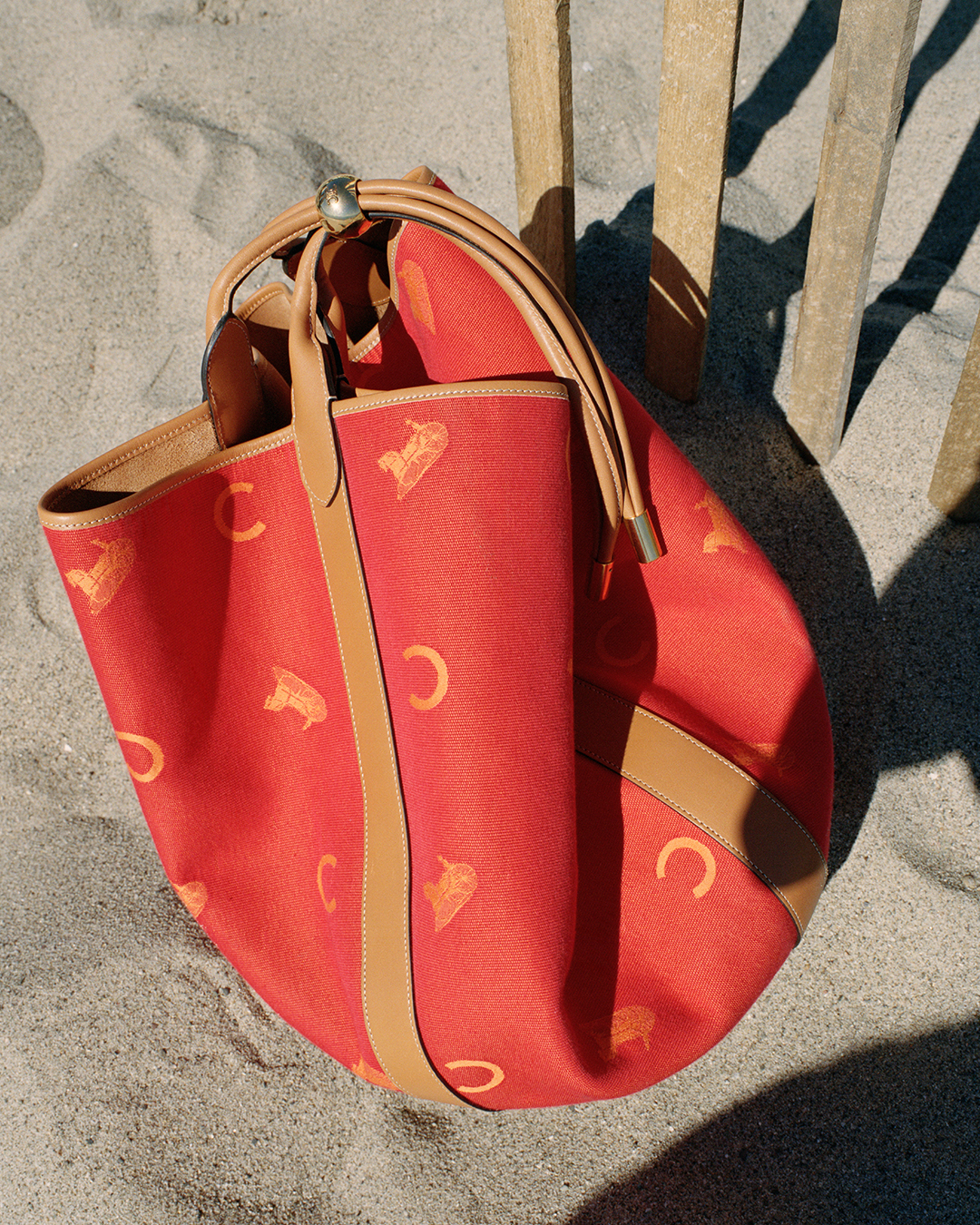
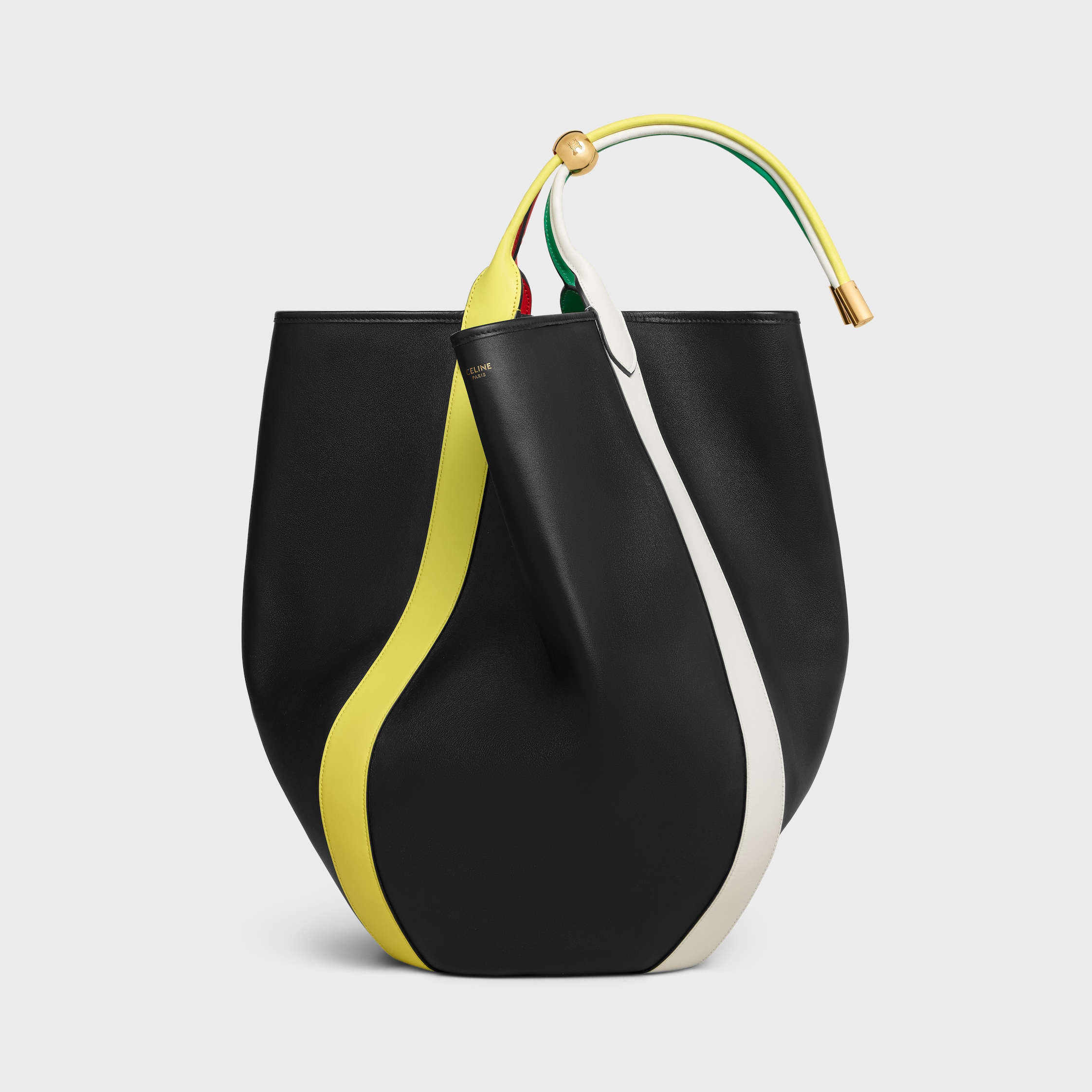
Large Drop Bucket Bag
CELINE
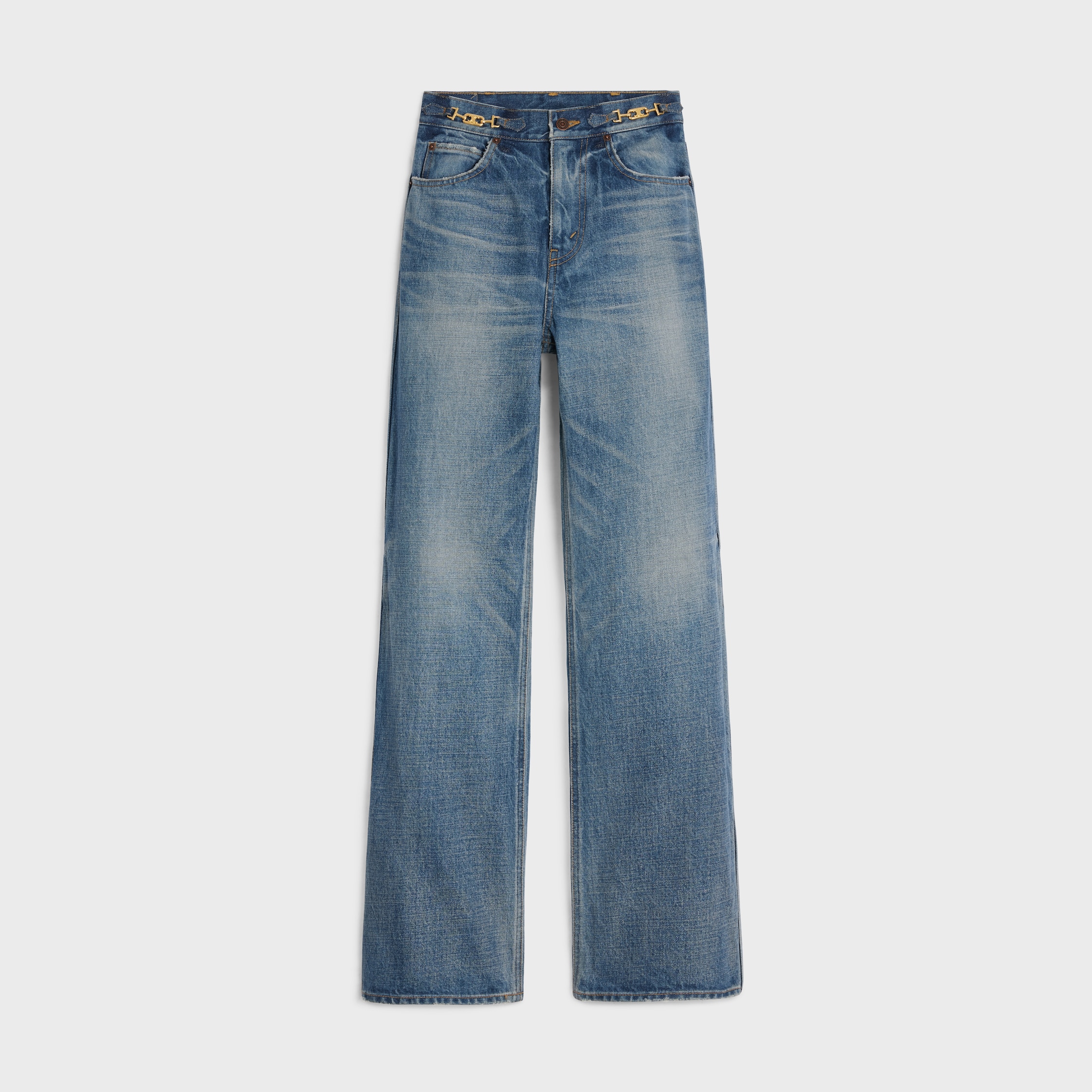
Jane Flare Jeans in Denim Union Wash
CELINE
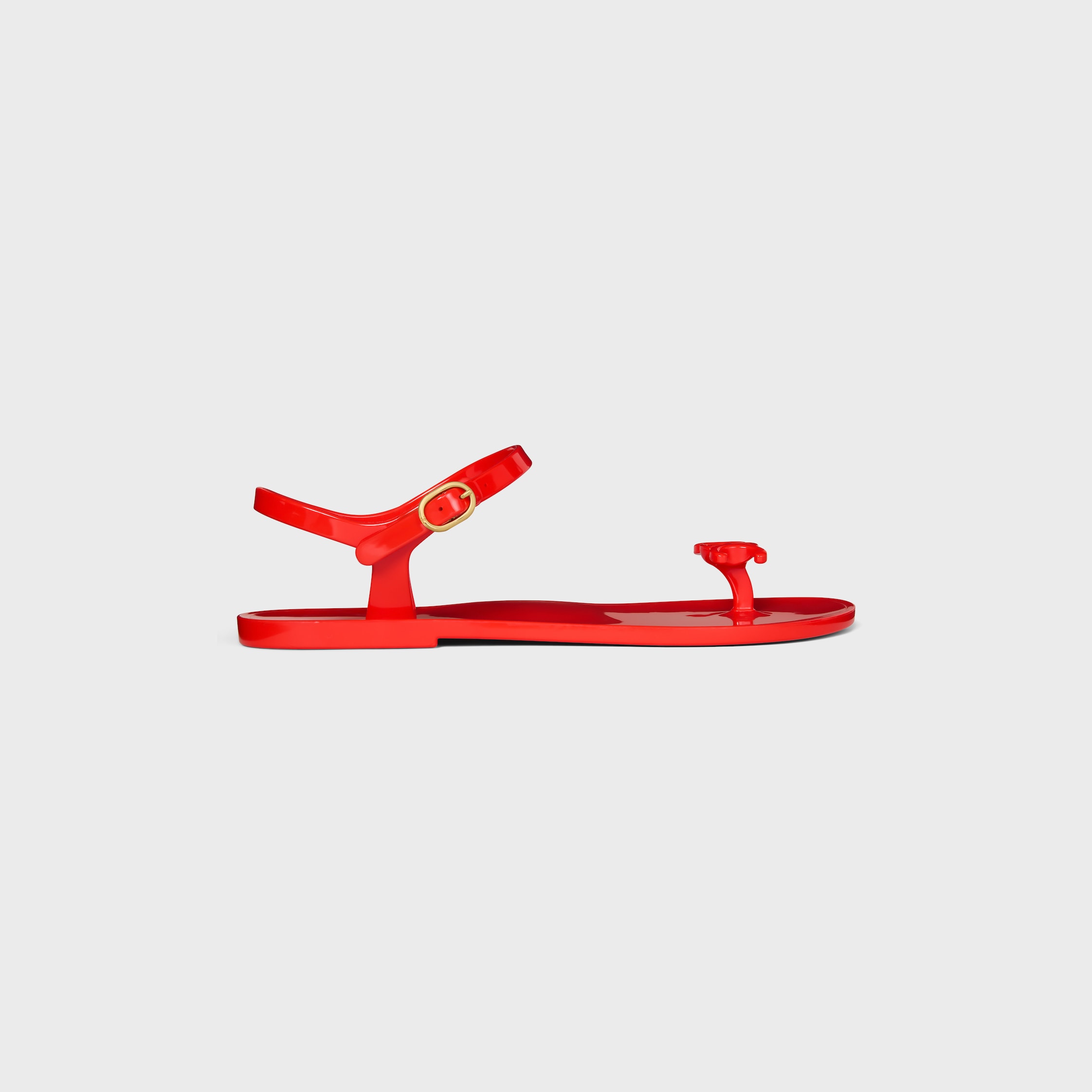
Jelly Bay Sandal in Eco Certified Pvc
CELINE
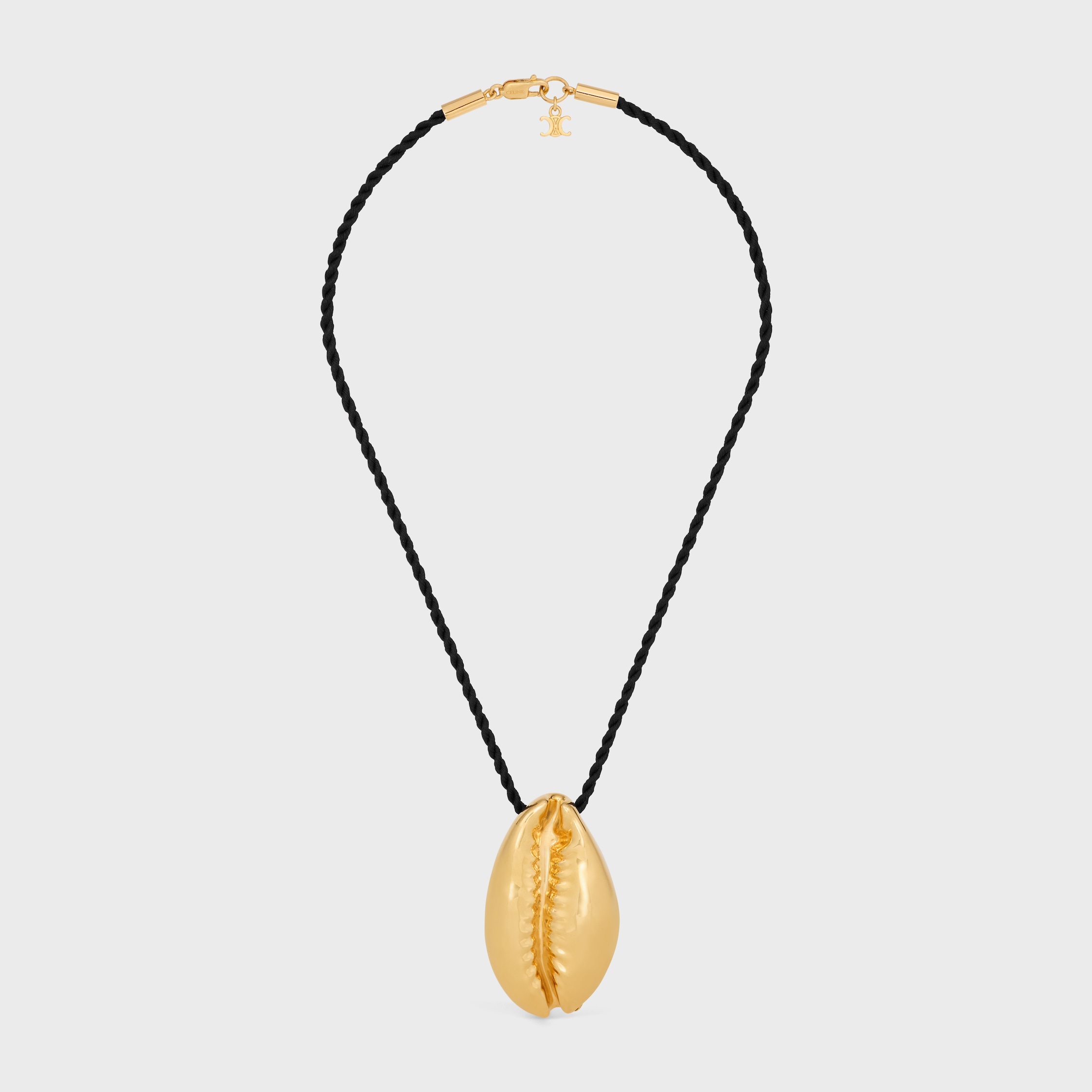
Défilé Shell Necklace
CELINE
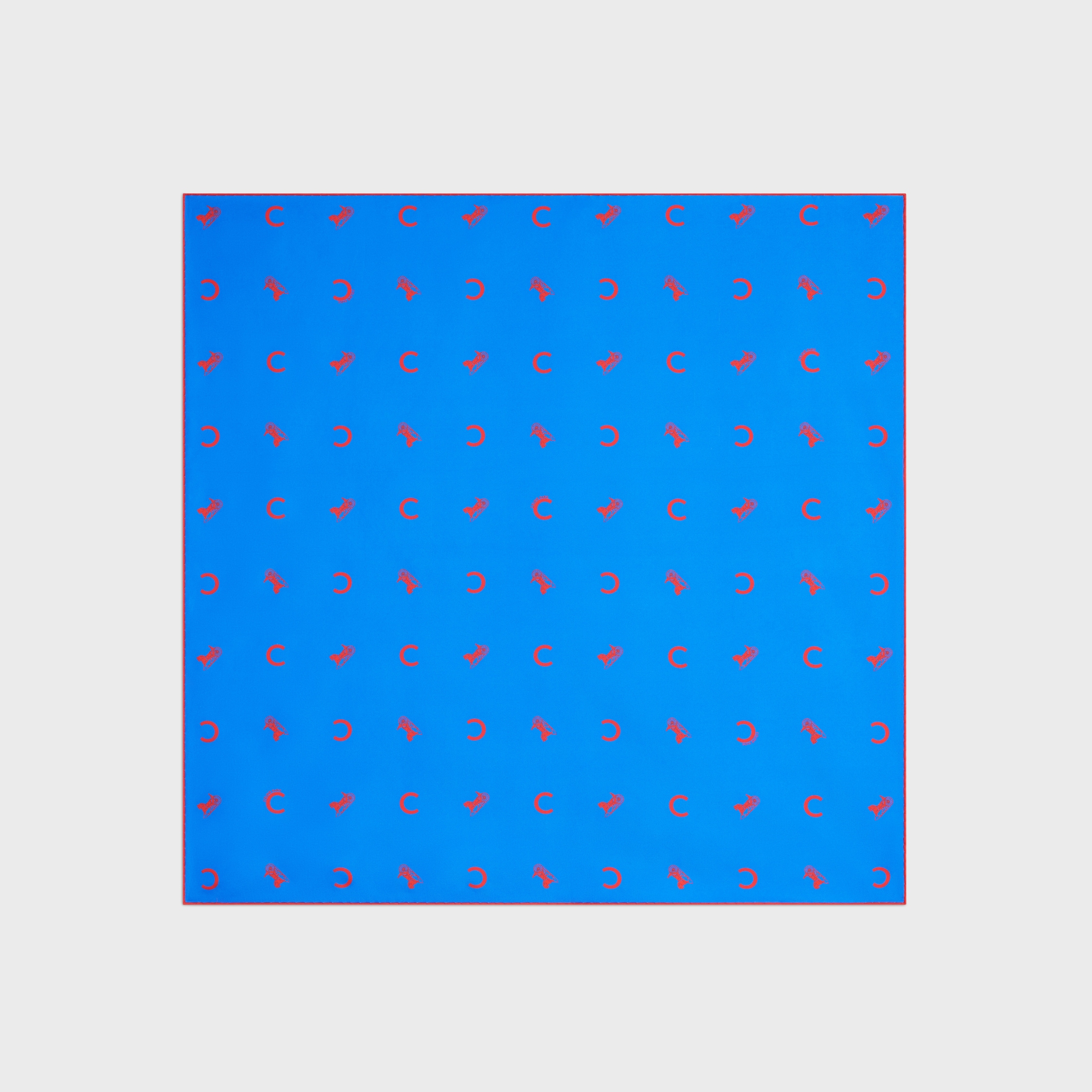
Square silk scarf
CELINE
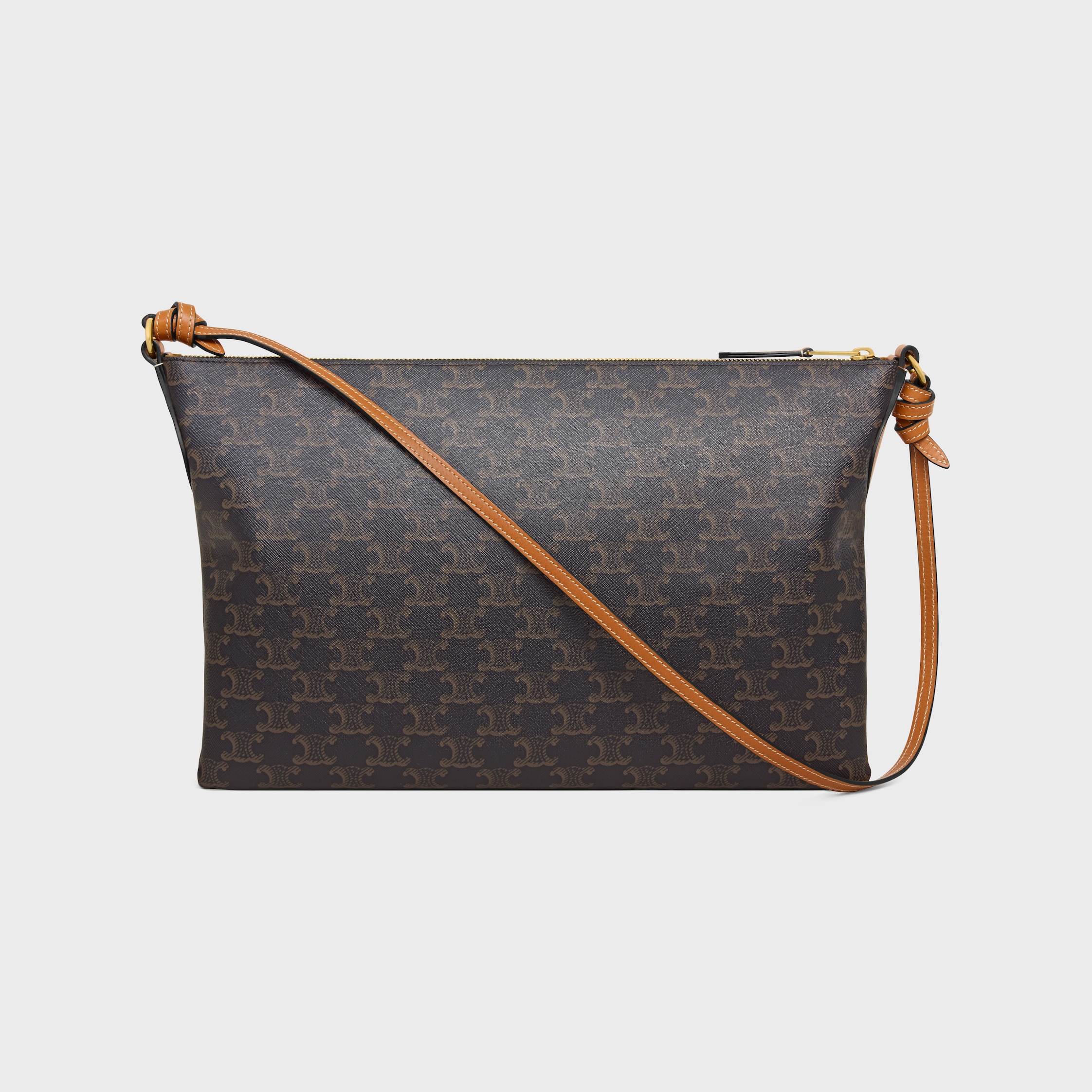
Duo Zipped Bag in Triomphe Canvas
CELINE
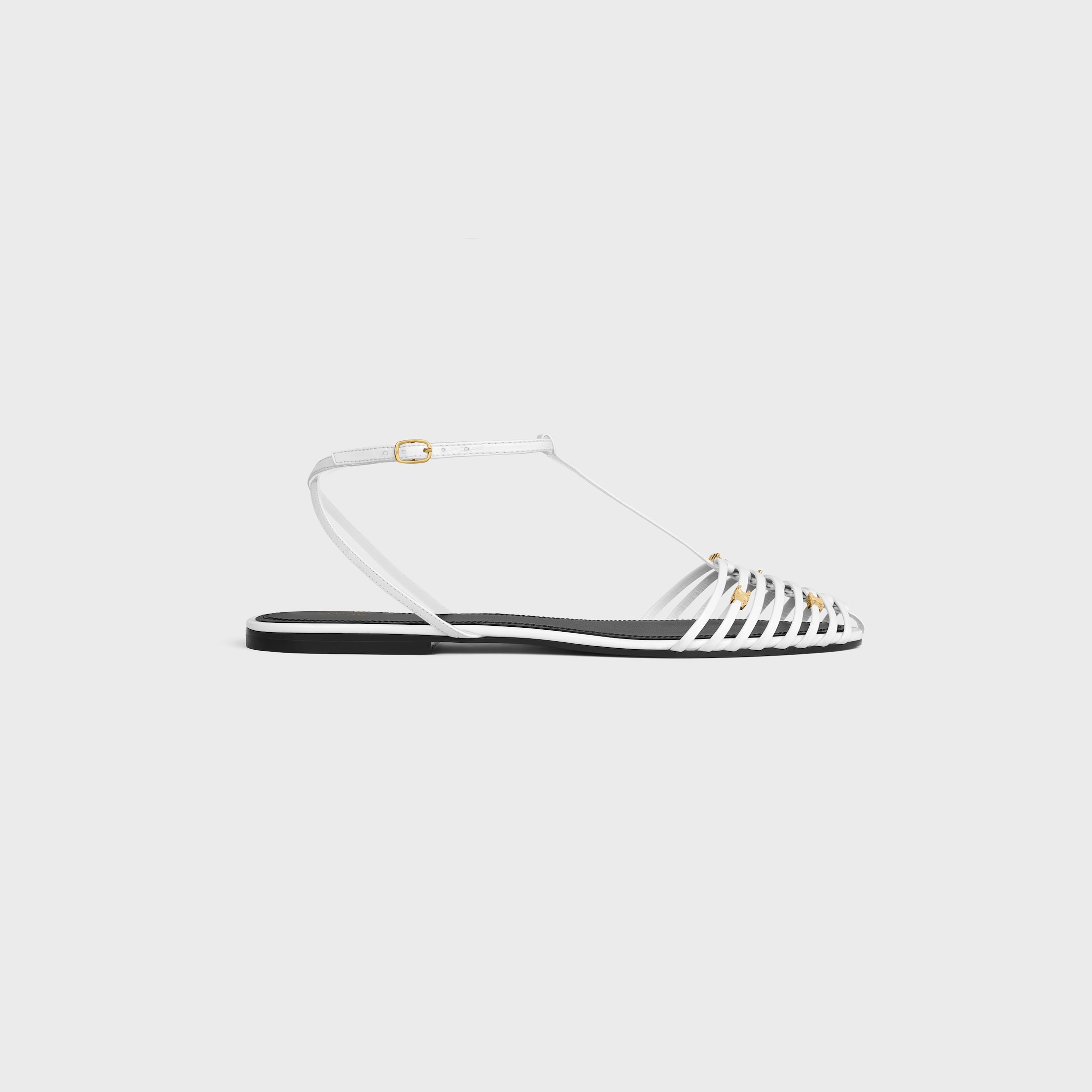
Cage Flat Sandal in Goatskin
CELINE
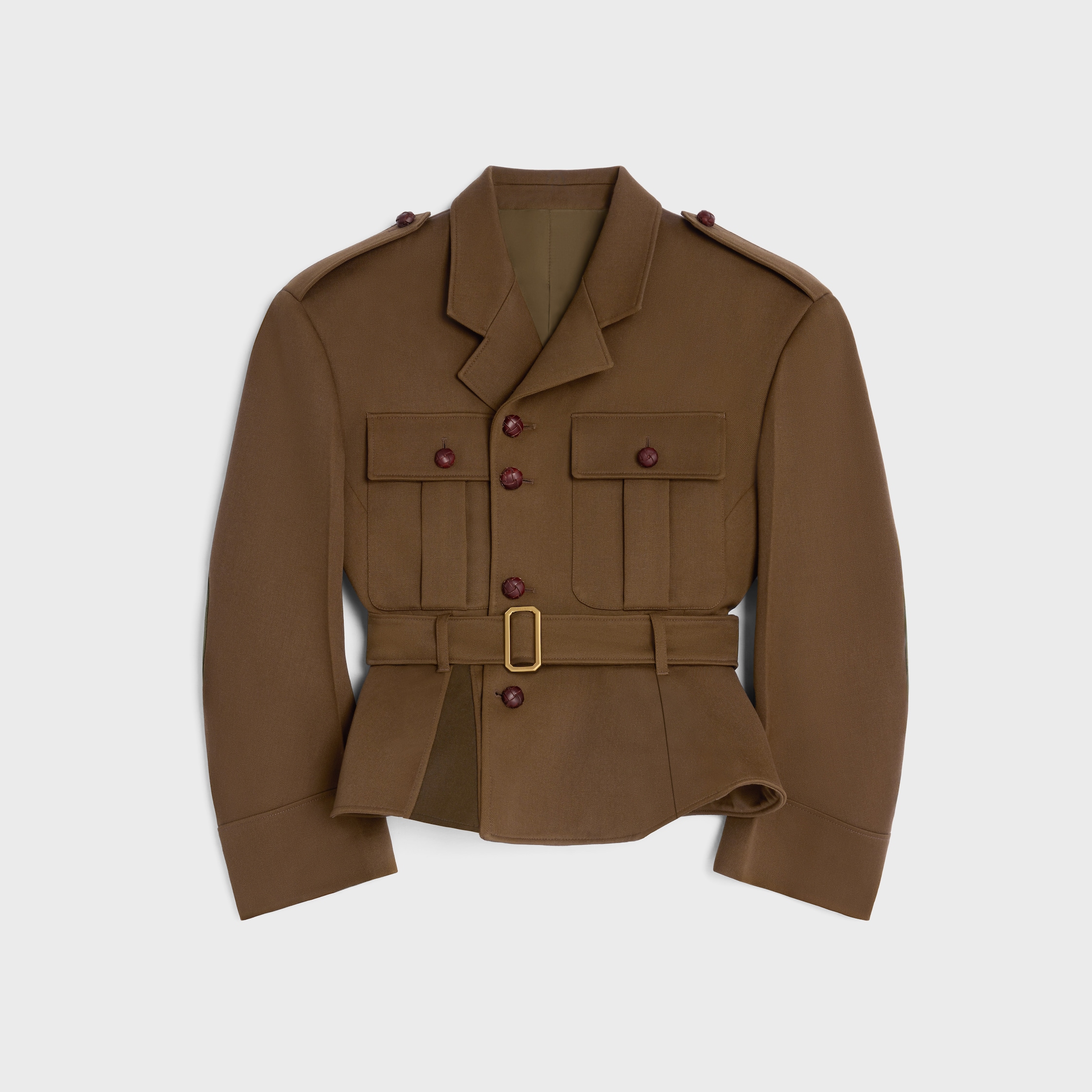
Peplum Jacket
CELINE
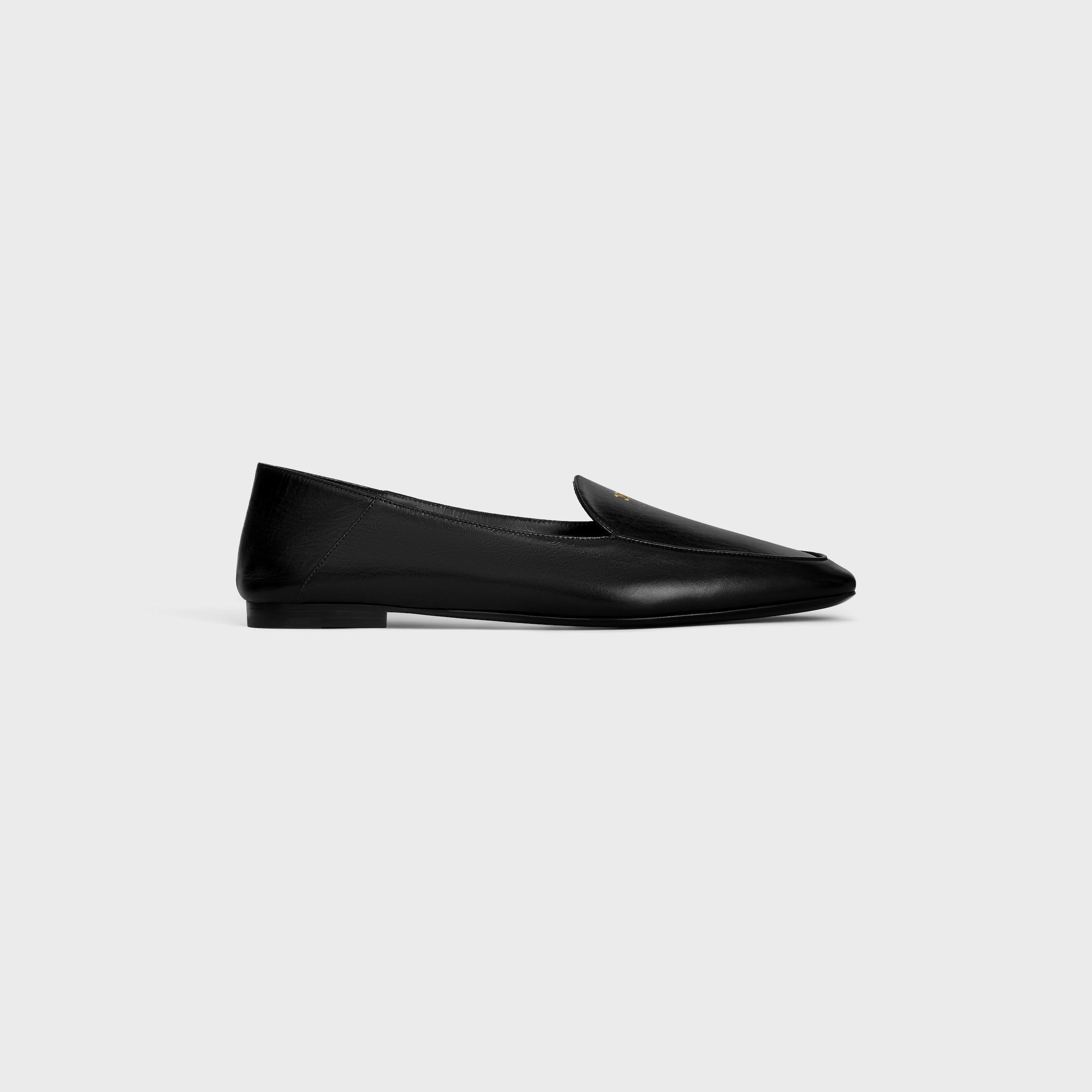
Aura Loafer in Goatskin
CELINE
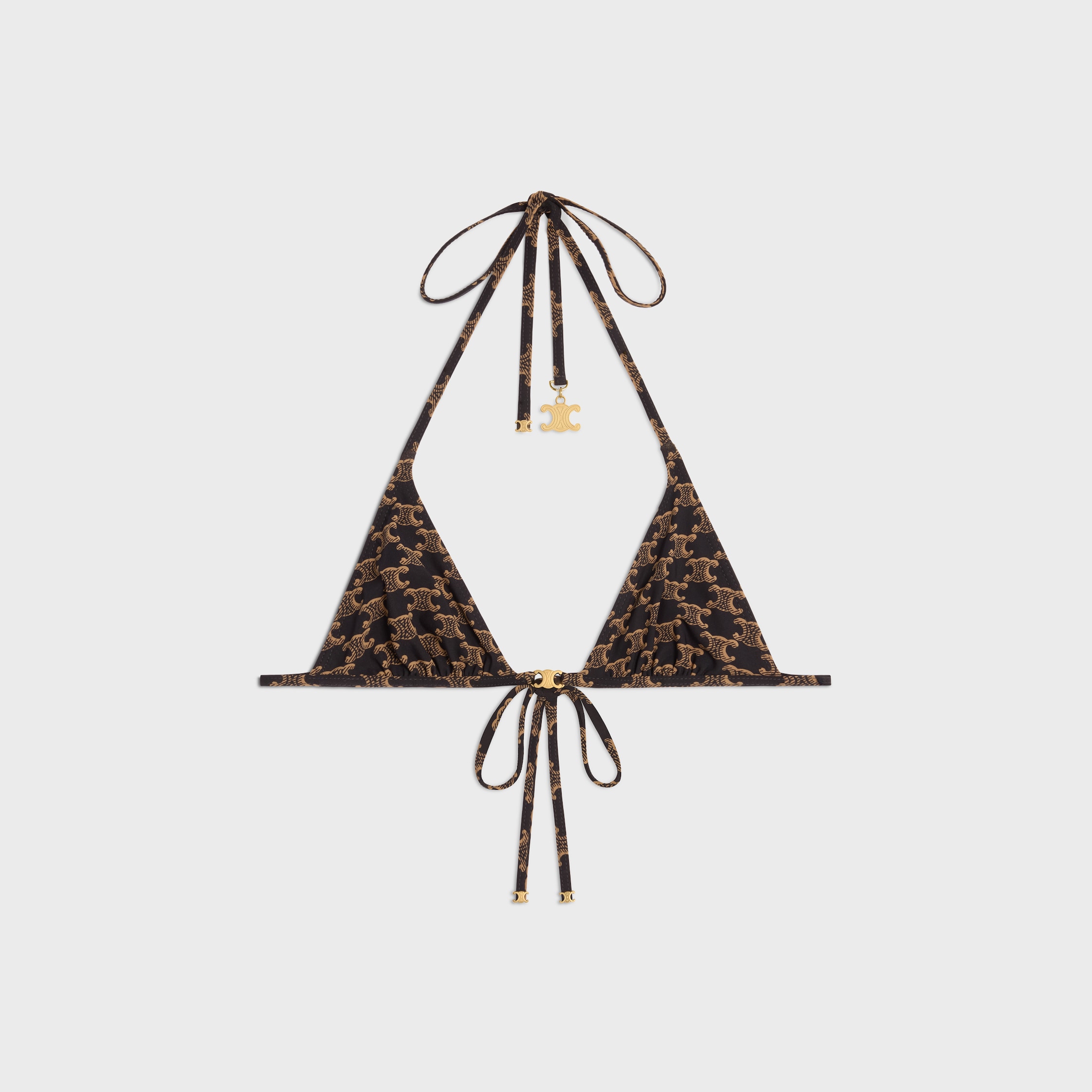
Triomphe Triangle Top in Monogram Matte Jersey
CELINE
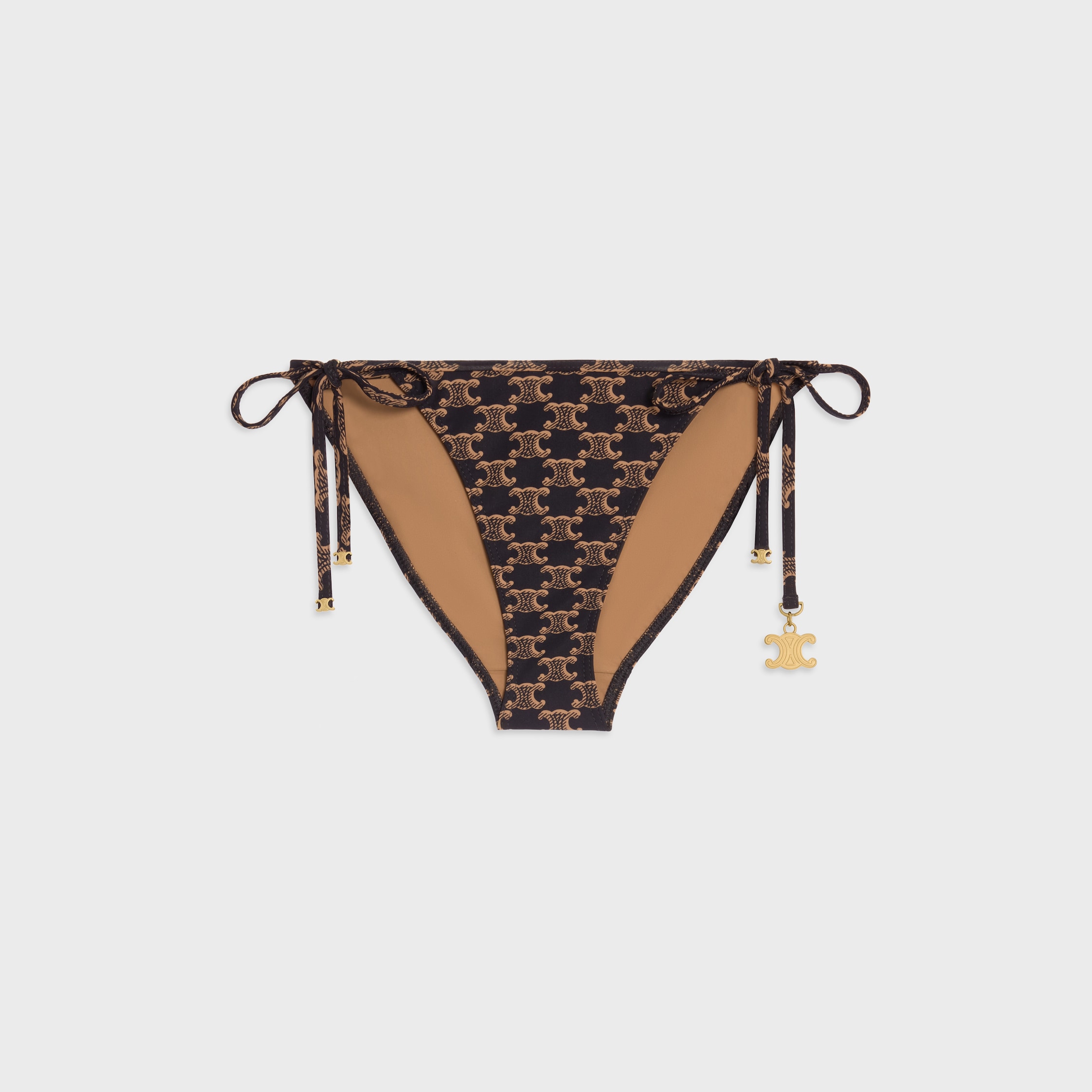
Triomphe Swimsuit Bottom in Monogram Matte Jersey
from Latest from Marie Claire UK https://ift.tt/hj7si8z
via IFTTT
When Milly Goldsmith uploaded a TikTok describing herself as “chronically single”, she thought a handful of people might relate. Instead, millions watched, and thousands of women flooded the comments to admit they'd never had a boyfriend either, confessing feelings they'd not shared out loud: that they felt left behind, embarrassed or convinced something must be wrong with them.
For Goldsmith, the response was a revelation. For years, she'd believed she was the only woman approaching 30 who'd never experienced romantic love. Instead, she’s since been called the voice of a generation and “the Gen Z Bridget Jones”.
Here, she reflects on shame, loneliness, people-pleasing and grieving the life she thought she'd have by now, and explains why she's finally stopped seeing being single as her greatest failure.
What It Feels Like To Have Never Had A Boyfriend
As told to Mischa Smith
I always thought getting a boyfriend was something that would just happen. It seemed like one of those milestones everyone reached without really thinking about it, like learning to drive or moving out. Everyone around me just seemed to find someone naturally, so I assumed the same thing would happen to me.
It wasn't until I was about 18 that I realised maybe it wasn't going to be that straightforward. By the end of school, I'd never had a boyfriend. I'd barely spoken to many boys, and all of my friends were starting relationships. At first, it was just something I noticed in the back of my mind, but over the years, that feeling slowly turned into fear.
📔Chapter 31: the deadline for love It’s weird I’m fine one day and then not the next Like today I’m fine. I’m loving life. I’m loving my singeHOOODD But 2 days ago, I wasn’t. My mood was interrupted by this overwhelming sense of fear and panic Like SHIT I’m 28 and I’m still saying later ha haha but I’m fine with it??? Like I’m happy and if I’m like this for the rest of my life it won’t phase me because it’s all I know But the fear comes when i actually sit and think…huh…I haven’t experienced that thing everyone raves about and “can’t live without” Like that thing called love. The thing people say is the best feeling in the world?? Almost so goood that it feels like a drug Crazy Crazy how I’ve never come close to that feeling So then I’m like f*ck I WANT THAT but yeah I’m not doing anything about it because I’m so comfortable so I just tell myself I’ll experience that later (That ‘later’ is now and also 4 years ago) Sooooo…I had a little wobble in therapy because I realised ah shit time is no longer making me feel comfortable, if anything it’s making me feel panicked Idk if I’m making sense But just another brain dump as always
I got to university and still hadn't had a boyfriend. I hadn't even had a situationship, and the longer I stayed single, the more it became my normal. Being independent became my comfort zone, so the idea of letting somebody into my life started to feel unfamiliar, and because it felt unfamiliar, it also felt frightening.
Even now, relationships are still this huge unknown to me because I've never experienced anything different. Love is such a huge shared human emotion, and I haven't really experienced that side of it. For something that's such a fundamental part of so many people's lives, it can feel quite isolating. There's definitely a sense of fear, but there's also a huge amount of FOMO.
I felt like I'd been left behind.
I think the turning point came after Christmas in 2024. I come from a family of four siblings, and Christmas has always been loud. There are loads of people in the house, presents everywhere, food everywhere, games, and conversations. I absolutely love Christmas. But that year, all of my siblings were with their partners and for the first time ever, it was just my parents and me.
If I'd had a partner, I would've been doing exactly the same thing as everyone else. Instead, I felt like I'd been left behind. Not just within my family, but somehow in life itself. I remember sitting there thinking: why? Why does this seem so easy for everybody else? Why can't I experience something that everyone else seems to experience naturally?
I'd been going to therapy already, but I'd never really spoken about being single. I think part of that was because I hadn't fully acknowledged how much it affected me, and the moment I said it out loud, it would become real. It would stop being something I could blame on bad luck or bad dates or bad men.
Deep down, I think I knew there was something about me that I needed to understand, but I wasn't ready to face it yet. Then I started journaling. I'd never really journaled before, but suddenly I had all these emotions that needed somewhere to go. There was a lot of crying, a lot of confusion, and a lot of anger.
(Image credit: Milly Goldsmith)
I kept thinking: why me? As I wrote, I slowly started connecting the dots. One of the biggest revelations was learning about attachment styles. I'm an anxious avoidant, which is probably one of the worst combinations if you're trying to build relationships. I need enough space to realise I actually want somebody, but by the time I've taken that space, I've usually pushed them away.
To someone else, it looks like I'm not interested; to me, it feels like I finally feel safe enough to let them in, but by then, they're already gone. That cycle suddenly explained so much about my life.
Being single wasn't the hardest part. The stories I'd told myself about being single were.
One of the strangest parts of all this has been talking about it publicly. When I first made a TikTok about being "chronically single", I genuinely thought people would think I was weird. I honestly didn't know anybody else who'd reached 28 without ever having a proper relationship.
I uploaded the video without overthinking it, which is unusual for me because I'm a perfectionist. I just wrote honestly about how I felt. Then it exploded. Suddenly, thousands of women were commenting, saying they felt exactly the same way, which completely changed my perspective because I'd spent years believing I was the odd one out.
Saying "I love you" to my parents honestly feels like saying a swear word.
The more I started understanding myself, the more I realised this wasn't just about dating, it was about the way I'd learnt to protect myself. One thing therapy made me think about was how difficult I find vulnerability.
Saying "I love you" to my parents honestly feels like saying a swear word. Everything in my body just tenses up.
It feels like I'm stripping away every layer I've built around myself. Every wall I've spent years putting up suddenly comes crashing down. They're only three words, but they carry so much weight. I just haven't had enough practice saying them to make them feel normal.
Even now, after my parents have read the chapter in my book where I write about this, my whole body tenses up knowing they know how I feel. There's still a small version of me that's trying to protect herself.
(Image credit: Milly Goldsmith)
Growing up, love wasn't really expressed through words in our family; it was always through actions. My mum would cook dinner, and she'd give me a hug. My dad would give me £10 after a dance exam and tell me he'd been proud of me, that was our version of saying, I love you.
I know my parents love me; I've never doubted that for a second. It was just something that went unsaid. Now that I'm older, I can see how growing up in an environment where we didn't verbalise those feelings has shaped me. It makes sense why opening up to people doesn't always come naturally. It's something I'm still trying to unlearn.
With some people, saying "I love you" feels completely natural. One of my best friends says it to me all the time, so I say it back really easily because I know there isn't any risk. I know it'll be received in exactly the way I intend it.
The same is true with my nieces; I'm always telling them how loved they are because I want them to grow up hearing those words. Maybe there's a part of me that's trying to give them something I would've found easier to hear growing up.
If I'm changing myself depending on who's in the room... who actually am I?
I don't think I'm broken; I just think some relationships require me to unlearn habits that have been there for a very long time. The same thing happened with people-pleasing; for years, I thought I was simply being kind. I thought changing my plans to suit somebody else or making myself endlessly available was just what nice people did. I didn't even know what boundaries were. Therapy taught me that being a kind person and being a people pleaser aren't the same thing.
When it came to dating, I'd let people move dates three or four times because I didn't want them to think I was difficult. I'd convince myself it was absolutely fine. Now I realise I could've said, "No, this day works, or it doesn't." That isn't rude; that's self-respect. I think there were lots of moments where I could've respected myself more.
For a long time, I worried more about whether someone else was annoyed with me than whether I was happy. I was constantly moulding myself to fit other people. Eventually, I had to ask myself a really uncomfortable question: If I'm changing myself depending on who's in the room… Who am I?
For years, I believed being single meant I'd failed somehow, that there must be something wrong with me. Now I see being single completely differently.
It's actually the default; it's where we all begin. It's given me an incredible amount of independence: I can travel on my own, spend weekends on my own, enjoy my own company, and I know myself incredibly well. Some people joke that maybe I know myself too well now.
Of course, there are moments where I think it would be lovely to have someone to book holidays with, cook dinner with or go to the cinema with. I'm still human, I still want love. But I don't see being single as something that's wrong with me anymore.
That's probably been the biggest shift of all.
Bantam
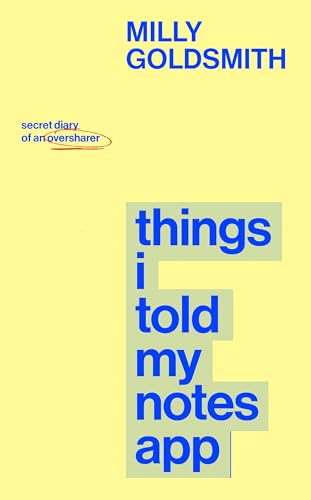
Things I Told My Notes App: the Funny and Candid Guide to Living Your Best Life From the Gen - Z Bridget Jones
Things I Told My Notes App by Milly Goldsmith, published by Bantam, is out now.
from Latest from Marie Claire UK https://ift.tt/5S9fyJX
via IFTTT