As a beauty journalist, I see trends come and go. But rarely have I seen one prevail quite as unwaveringly as the bob. At one point, every new day seemed to bring a new iteration: the French bob, the boyfriend bob, the old-money bob, the Scandi bob—you get the idea. Whatever the prefix, the bob has had a near-total chokehold on hair trends for the best part of a decade.
“I think the bob became so popular because it’s one of those haircuts that gives you a really noticeable change without being completely terrifying,” says Luke Hersheson, celebrity hairstylist and CEO of Hershesons. “You can cut quite a lot of hair off and instantly feel different, but it’s still incredibly wearable.”
The pandemic only accelerated its appeal. “Everyone came out of that period wanting change,” says Hersheson. “People had spent months looking at themselves on Zoom, growing their hair out, not going to salons. There was this real appetite to do something. The bob became almost shorthand for that reset.”
No one understands that desire for control and reinvention better than me. I've had two bobs in my life, each following a major life event—a break-up, a new job and having a baby. Each time, it's been a spur-of-the-moment decision: an impulsive exercise in autonomy and, ultimately, an attempt to find my identity again.
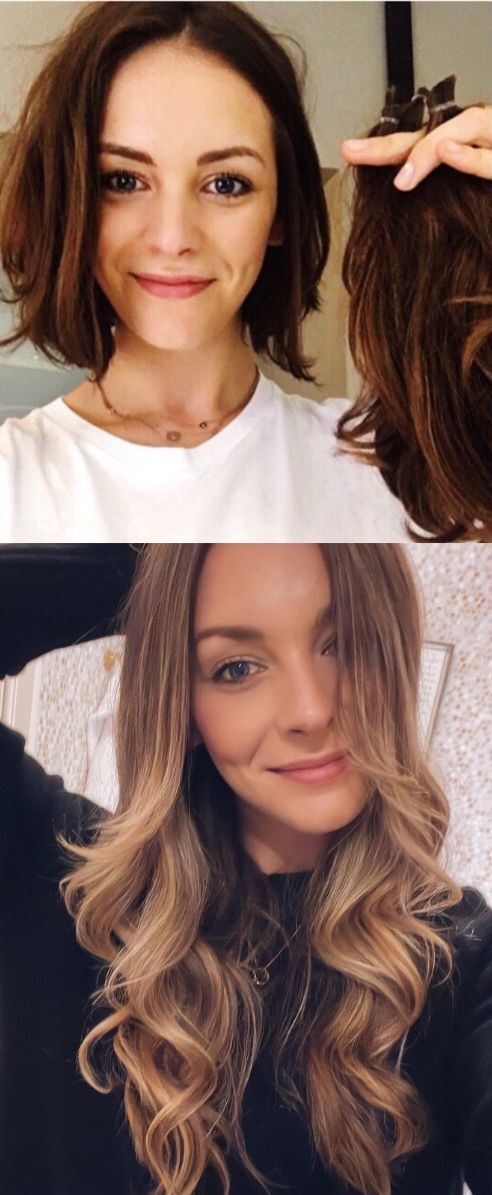
My most recent bob came shortly after having my son. But unlike my previous bobs, I've spent the subsequent two years growing it out, resisting the temptation to cut it all off again and becoming increasingly invested in getting my hair longer and healthier. And recently, I've noticed I'm not the only one.
After years of watching the bob reign supreme, something finally seems to be shifting. Lengths are creeping ever downwards and, everywhere I look, from the red carpet to people-watching on the tube, more people have long hair. Hersheson has noticed it in the salon, too. “I’m definitely seeing more women wanting to grow their hair again,” he says. “For quite a long time, cutting your hair off felt like the modern, cool thing to do. Now I think there’s something about longer hair that suddenly feels fresher again.”
So, after almost a decade of going shorter, are we finally entering the long-hair era? And if so, why now?
Entering the Post-Bob Era
It's easy to assume we're all growing our hair because of the financial climate. A bob is notoriously high-maintenance, requiring regular trims to keep its shape, whereas growing your hair means fewer cuts and, theoretically, fewer expensive salon appointments. It's a fair assumption, but I'm not convinced.
The reason we're beginning to see the back of the bob is far more multifaceted. First, the bob has ultimately become a victim of its own success. Like any trend that reaches saturation point, its ubiquity eventually becomes the very thing that makes it feel less desirable.
“There have been so many versions of the bob that we’ve almost exhausted the language around it,” agrees Hersheson. “Every few months there’s supposedly a ‘new bob’, but ultimately it’s still a bob.”
And while he stresses that the bob isn't going anywhere—“it’s a classic haircut and always will be”—fashion inevitably moves on. “When something has dominated for that long, the thing that suddenly feels new is usually the opposite.”
At the same time, what we aspire to when it comes to our hair has changed. Scalp oils, growth serums, supplements, head spas, LED helmets—the beauty industry's attention has shifted from just styling our hair to optimising its health. The new goal isn't necessarily an elaborate cut or colour, but hair that looks intrinsically good: thick, glossy, strong and, increasingly, long.
It's a shift Anabel Kingsley, Brand President and Consultant Trichologist at Philip Kingsley, has noticed too. “I think it’s now widely understood that your best head of hair is a healthy head of hair,” she says, pointing to a growing understanding of the importance of “looking after the hair fibre, minimising heat, using protective products and supporting new growth by looking after the scalp.”
Crucially, we're also getting better at understanding how to actually retain the length we grow. Kingsley believes some people who previously struggled to grow their hair because of breakage and lifestyle factors are beginning to realise longer hair can be achievable by taking a more holistic approach. “Embracing natural hair—waves, curls and coils—has also helped,” she says. “The less you manipulate your hair with heat and straighteners, the better it is for it and the less breakage you’ll experience, which in turn translates to length retention.”
But there is something bigger happening here, too. Hersheson sees our pursuit of healthier hair as part of a much wider shift in beauty. “Beauty generally has moved away from this idea of constantly transforming yourself and more towards making what you already have look really good,” he says. “With hair, the aspiration now is increasingly: how good can my hair actually be? Can it be thicker, shinier, healthier, stronger, in better condition?”
Long Hair as a Status Symbol
The wellnessification of hair makes sense when you look at what's happening across beauty as a whole. The 2010s were defined by transformation and quick fixes; the current landscape increasingly focuses on optimisation, longevity and enhancement. In aesthetics, the trend for obvious augmentation has waned in favour of regenerative treatments and skin boosters; in skincare, prevention and long-term skin health have become the ultimate goals. Long, lustrous hair feels like the follicular extension of the same concept: less about transforming what you have and more about seeing just how good you can make it.
But there's another reason I think long hair feels particularly aspirational right now: you can't buy it overnight. It belongs to a new breed of beauty status symbol. Glass skin, immaculate natural nails, thick waist-skimming hair: on the surface, there's something conspicuously understated about all of them. But achieving them can require months, if not years, of consistent investment. The luxury isn't necessarily what appears on the surface; it's having the time, money and resources to achieve it.
My decision to get a bob took approximately three seconds and by squeezing in a last-minute salon appointment on my way home, I achieved the transformation that same day. Growing it back has taken two years—and counting. It has required patience, maintenance and, crucially, time. And even with all the growth serums, scalp treatments and supplements money can buy, there's only so much you can do to speed the process up.
And perhaps that's what makes long hair feel so aspirational right now. “Really beautiful, thick, healthy long hair is actually quite difficult to fake,” says Hersheson. “It takes time and commitment, which almost makes it feel more luxurious.”
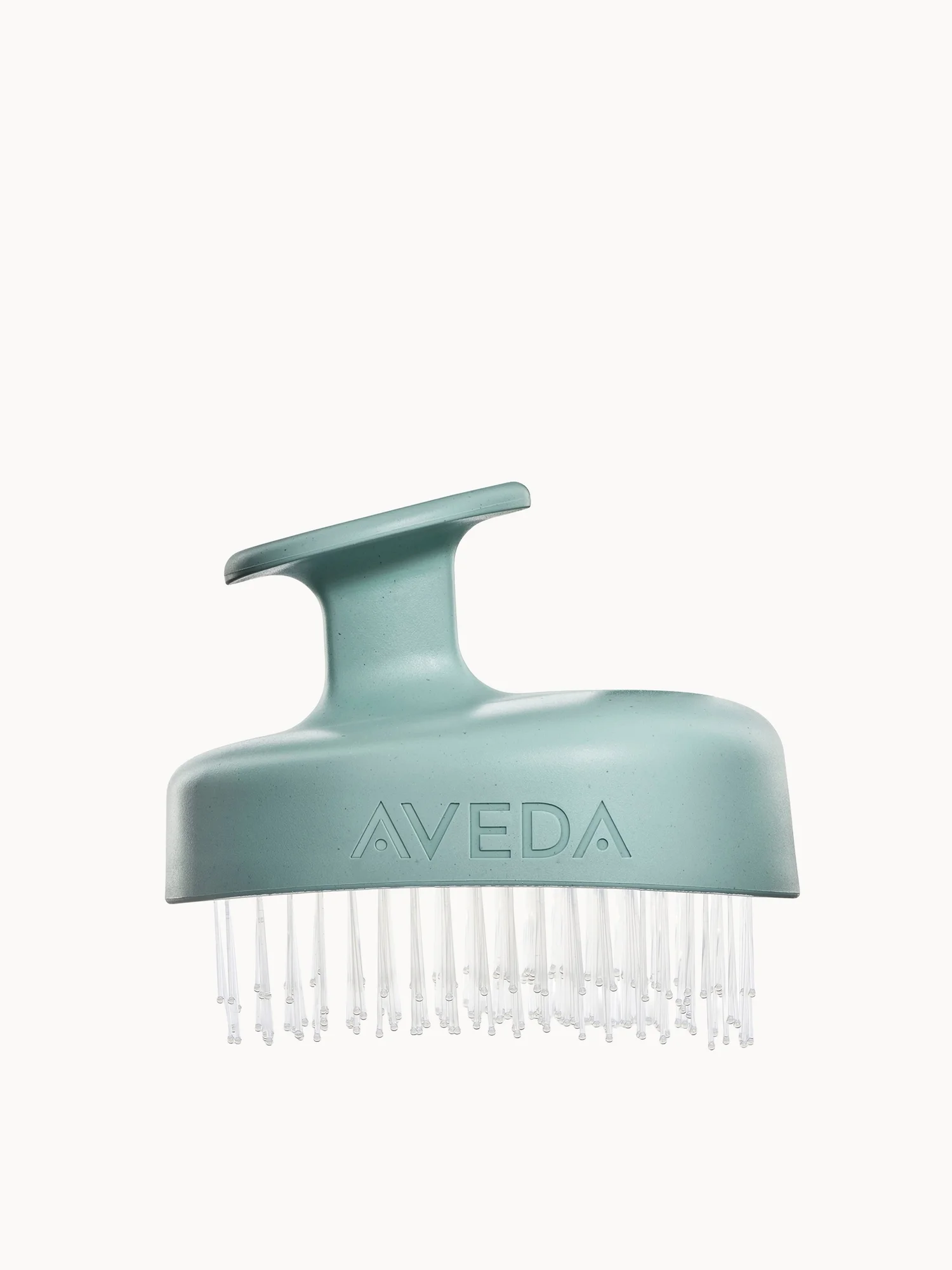
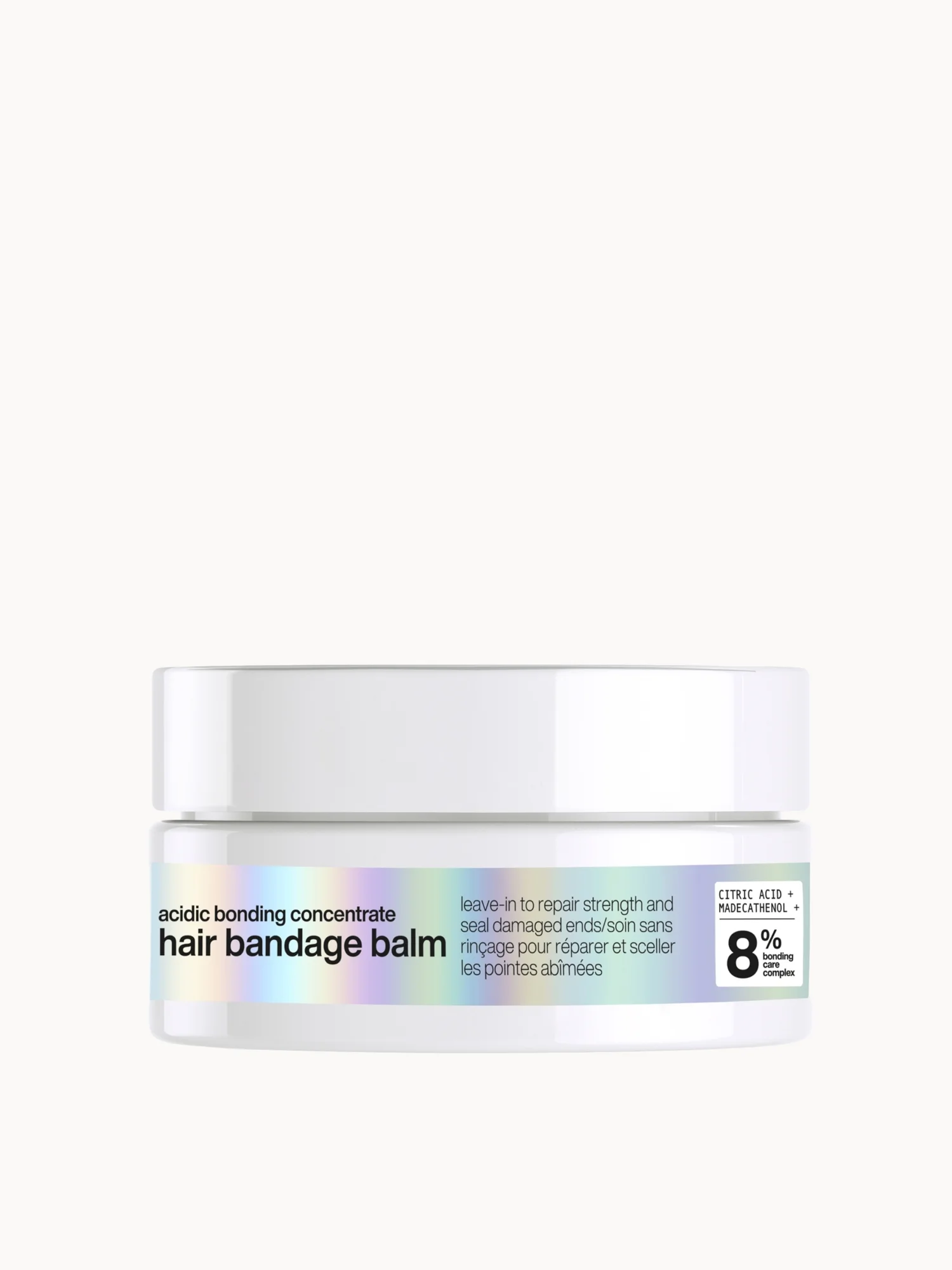
Lottie's Hair Growth Edit
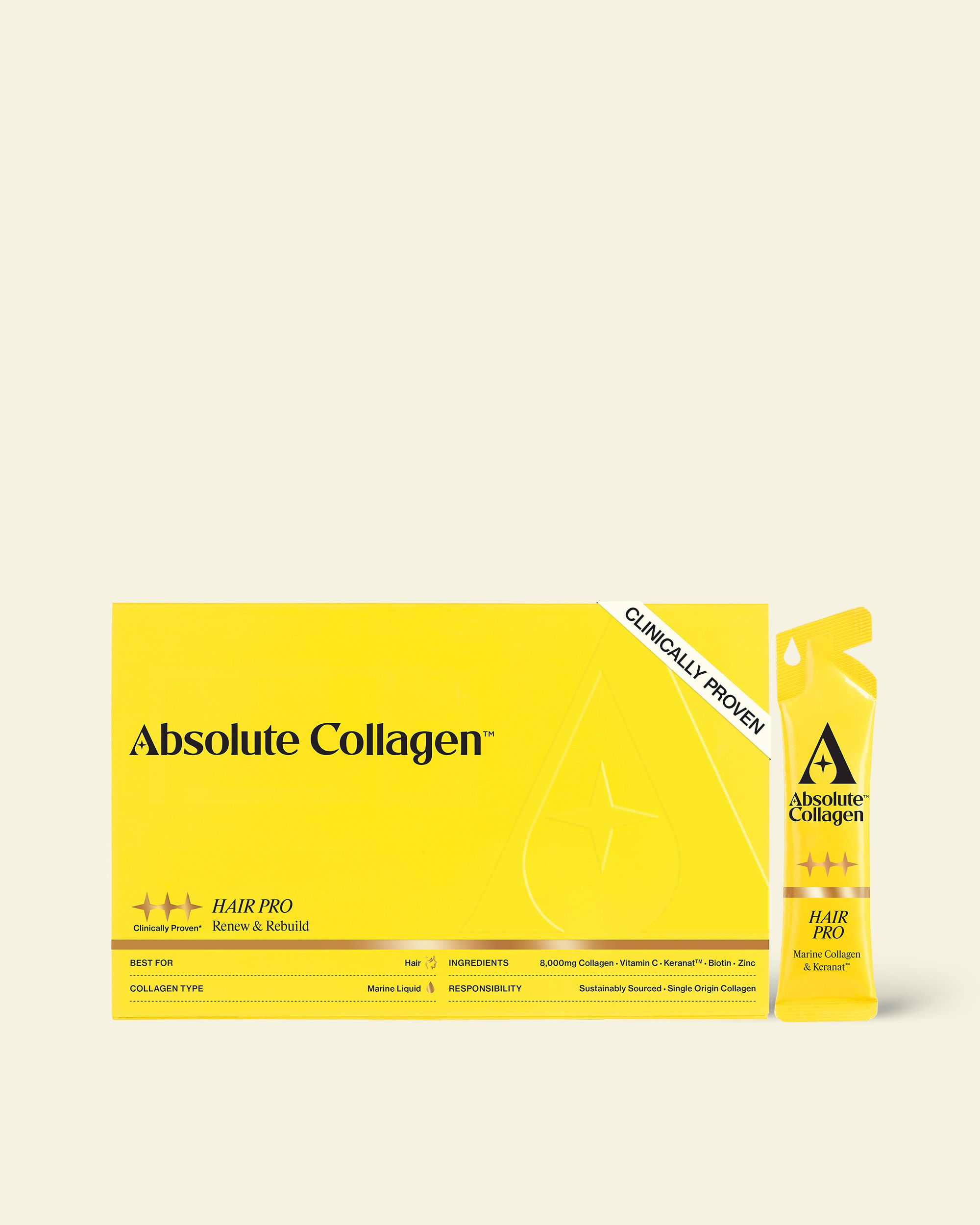
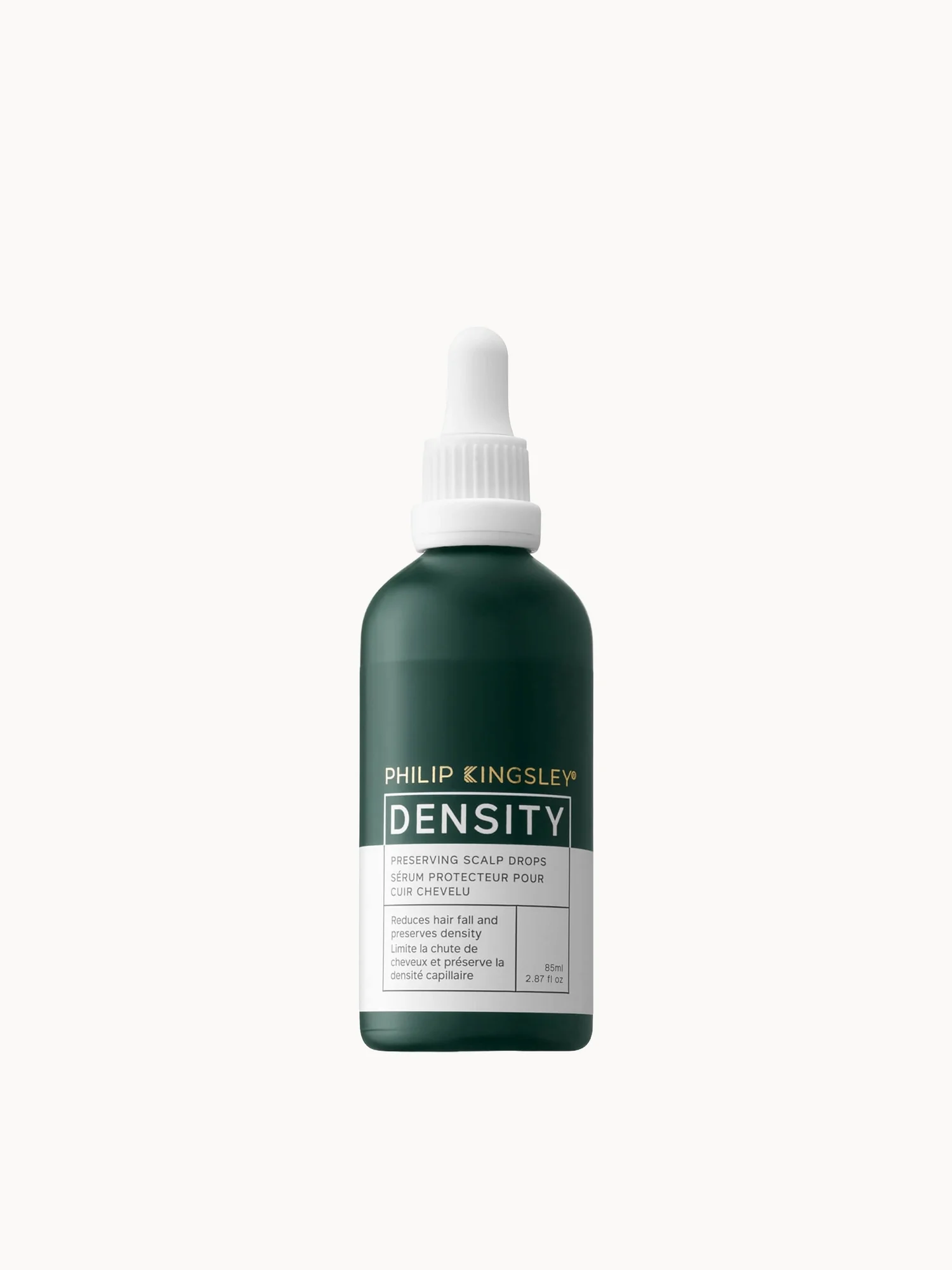
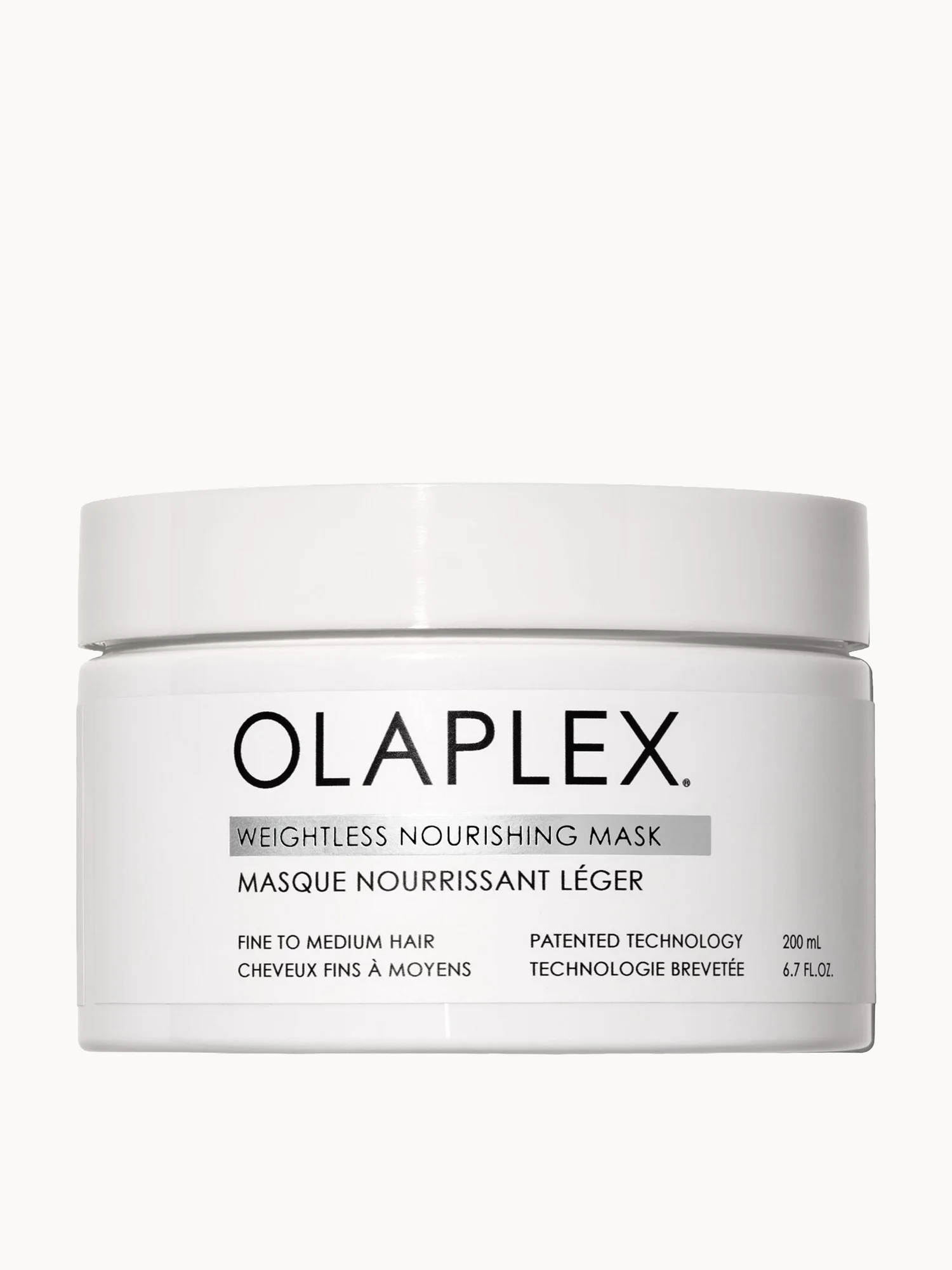
from Latest from Marie Claire UK https://ift.tt/EOsLP3G
via IFTTT

No comments:
Post a Comment