Chances are, hypochlorous acid wasn’t an ingredient you’d heard of until a few years ago. It was a little-known beauty secret, something only those in the know would seek out in the baby aisles of Boots. But now? It’s everywhere, and it’s gradually made its way out of the changing bags and into handbags. Brands including Tower28, Prequel, Medicube and e.l.f. now have their own versions, and while TikTok is full of videos telling us to spritz it onto everything from post-workout skin to active breakouts, is it actually the miracle product it’s touted to be?
It’s easy to understand the appeal. Hypochlorous acid is said to calm inflammation, reduce bacteria and support everything from acne to eczema and rosacea – all while being kind to sensitive skin, which makes sense when it’s considered safe for newborns. But the ever-growing popularity also raises an important question: if it works by killing bacteria, can it tell the difference between the ‘bad’ bacteria it’s designed to treat and the ‘good’ bacteria that help keep skin healthy? We asked the experts to find out.
What Exactly Is Hypochlorous Acid?
“Hypochlorous acid is something your body makes naturally,” says consultant dermatologist Dr Sidra Khan. “It’s part of how your immune system fights off bacteria and infection. In skincare, it’s bottled as a stable liquid that works as a gentle antiseptic, calming inflammation and keeping bacteria in check when you spray or apply it to skin.”
And, long before it became a trending ingredient, it was those antiseptic properties that made hypochlorous acid especially useful in clinical settings. Dr Stefanie Williams, dermatologist and medical director at Eudelo, uses it to disinfect skin before carrying out certain procedures, and sometimes recommends her patients use it for a few days after ablative laser treatments or at-home hair epilation to help prevent infection. It’s also used in wound care, and because it’s generally less irritating (and less likely to sting) than alcohol-based disinfectants, it’s well tolerated by most people.
Of course, its ability to reduce bacteria while calming inflammation helps explain the growing appeal for concerns like acne, eczema and rosacea, but Dr Khan says the evidence here is much more limited. Most existing research looks at short bursts of use for a particular problem, rather than indefinite daily use on skin that’s otherwise healthy. That’s why she sees hypochlorous acid as a ‘possible adjunct rather than a replacement’ for established treatments.
Does Your Skin Need Hypochlorous Acid Every Day?
Despite what TikTok might have us all believe, experts agree that the average person doesn’t—and shouldn’t—be using hypochlorous acid in their daily routine. “For most people with healthy skin, there’s no evidence that adding a daily antimicrobial spray is necessary,” says Dr Khan. “The everyday essential positioning is more marketing than medicine.”
Dr Williams concurs, adding that she will always advise against using topical hypochlorous acid as part of a daily skincare routine. “My reasoning is simply because it’s an ingredient that has broad-spectrum antimicrobial properties, and overuse may disrupt physiological microbial communities on skin,” she says.
But what exactly does that mean? In short, using hypochlorous acid too often could disturb the balance of microorganisms that naturally live on, and help protect, skin. Together, they make up the skin’s microbiome, which supports everything from the skin barrier to its ability to defend itself against potential irritants and harmful bacteria. So, as Dr Williams says, why risk disturbing it unless clinically necessary?
Ultimately, the main concern is that hypochlorous acid may not be able to tell the difference between bacteria that we want to remove and those that support skin. “It doesn’t know the difference between ‘good’ and ‘bad’,” says Dr Khan. “It just kills whatever it comes into contact with. Wipe out too much of the good stuff too often and, in theory, you leave room for less friendly bacteria to move in and weaken the skin’s natural defences.”
However, the in theory is important, simply because there isn’t enough evidence to prove that using it every day will damage your skin’s microbiome. Dr Williams says that while low-strength formulas do appear to reduce harmful bacteria without having a significant effect on the good bacteria in the short term, nobody really knows what could happen after months of continuous use.
Should You Stop Using Hypochlorous Acid Altogether?
Not necessarily: it can be an effective, well-tolerated ingredient when it’s used for a specific reason. The main issue is the idea that everybody needs to use it every day. And as Dr Khan concludes: “The science is solid for specific situations, but the marketing has run well ahead of it, and it hasn’t earned its new status as a daily must-have for everybody.”
So, for now, think of hypochlorous acid as a useful targeted treatment to be used occasionally, instead of an everyday skincare miracle that social media has made it out to be.
from Latest from Marie Claire UK https://ift.tt/Bum7I2j
via IFTTT
I don't have particularly dry skin, but I do experience patches of flakiness and my skin can easily become dehydrated, so I know how frustrating it can be when foundation clings to those dry areas, making them look even more noticeable.
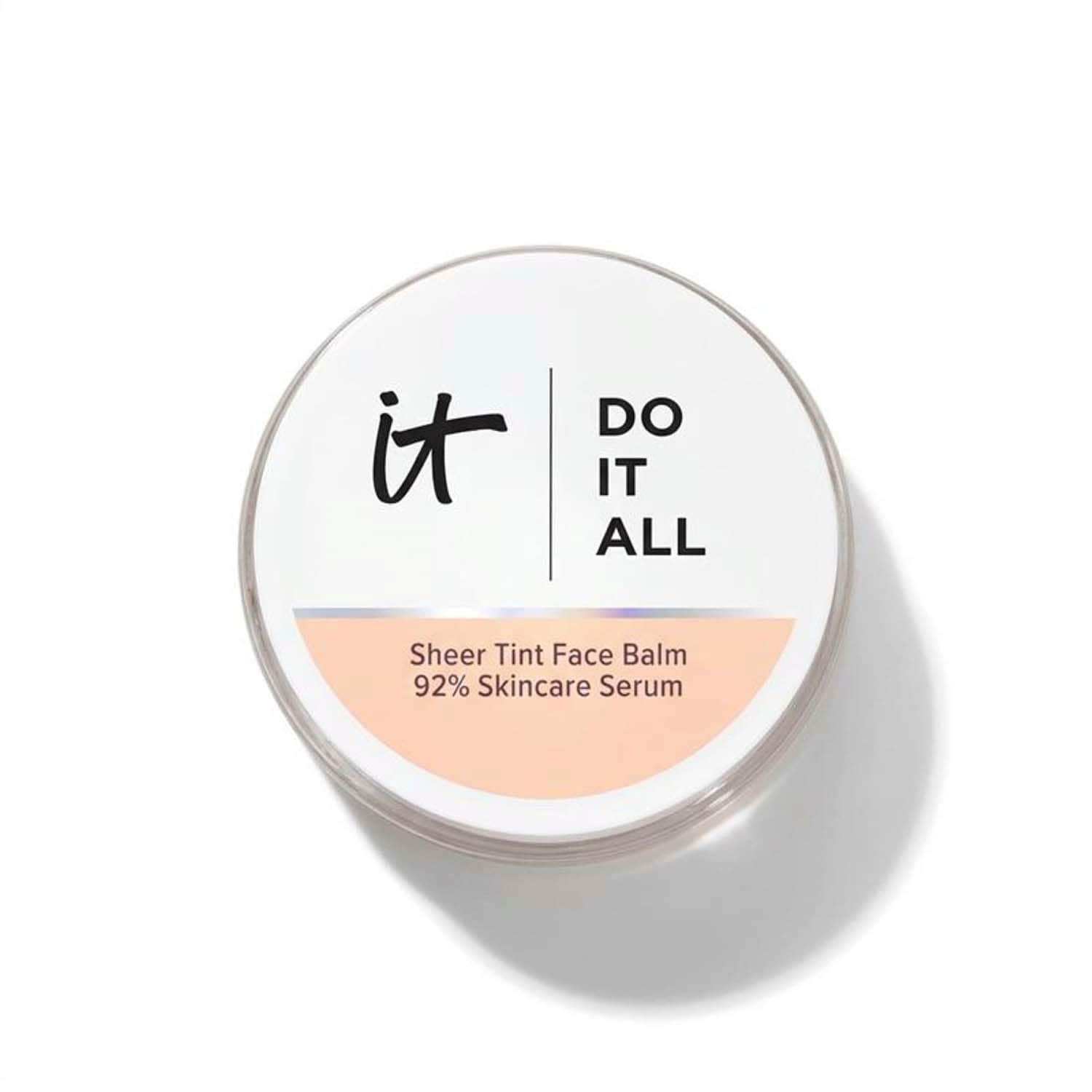
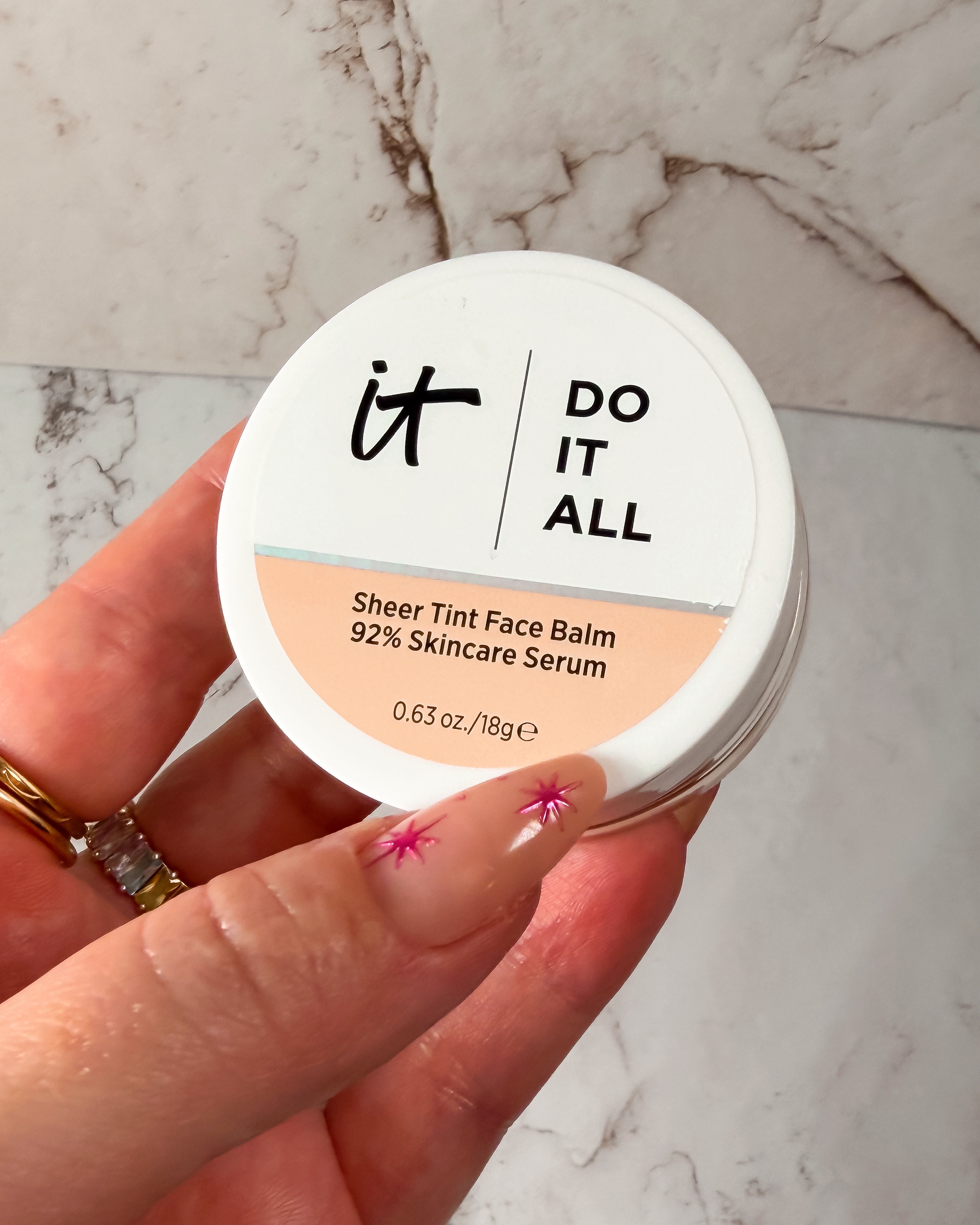
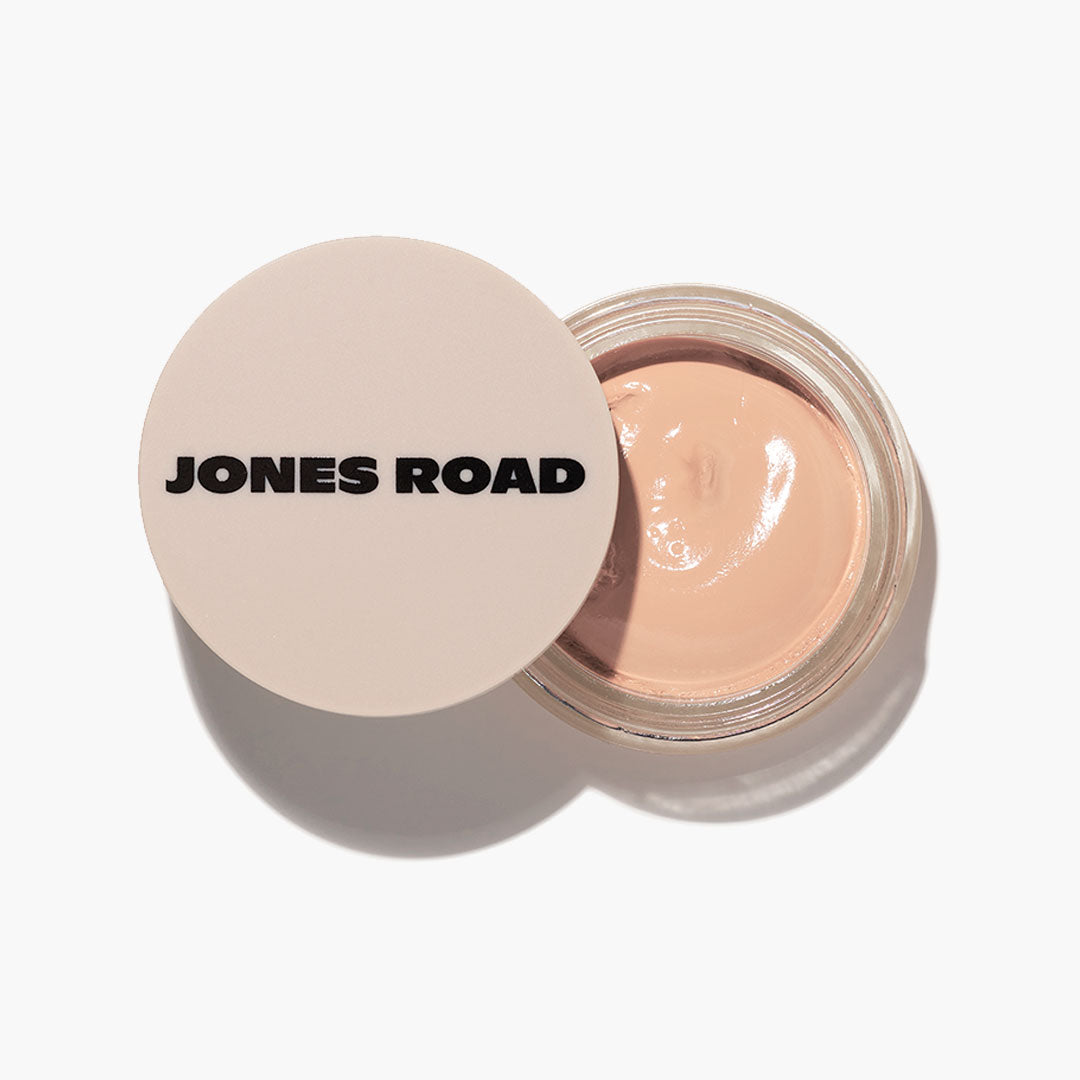
This is part of the reason why I was excited to try the Do It All Sheer Tint Face Balm. Made with a 92% skincare base, it promises to hydrate, smooth and visibly firm the skin with collagen peptide, hyaluronic acid and vitamin E, while offering sheer, buildable coverage and a natural, skin-like finish. Better still, it claims to boost radiance, leave skin looking plumper and—most importantly—not settle into or exacerbate dry patches.
IT Cosmetics
Do It All Sheer Tint Face Balm
How We Test
I've been wearing the Do It All Sheer Tint Face Balm every day for the past week, putting it through its paces everywhere from working at home to running errands. Throughout my testing, I've been assessing how easy it is to apply, the finish it leaves behind, how well it evens out redness and dark spots, its ability to blur pores, fine lines and uneven texture, and, crucially, how well it holds up over the course of the day.
I've been a beauty editor for more than 20 years, and in that time I've tested well over 100 tinted moisturisers and skin tints. That means I have a good benchmark for what separates a genuinely great formula from one that's simply making big promises—and whether the IT Cosmetics Do It All Sheer Tint Face Balm is actually worth your money.
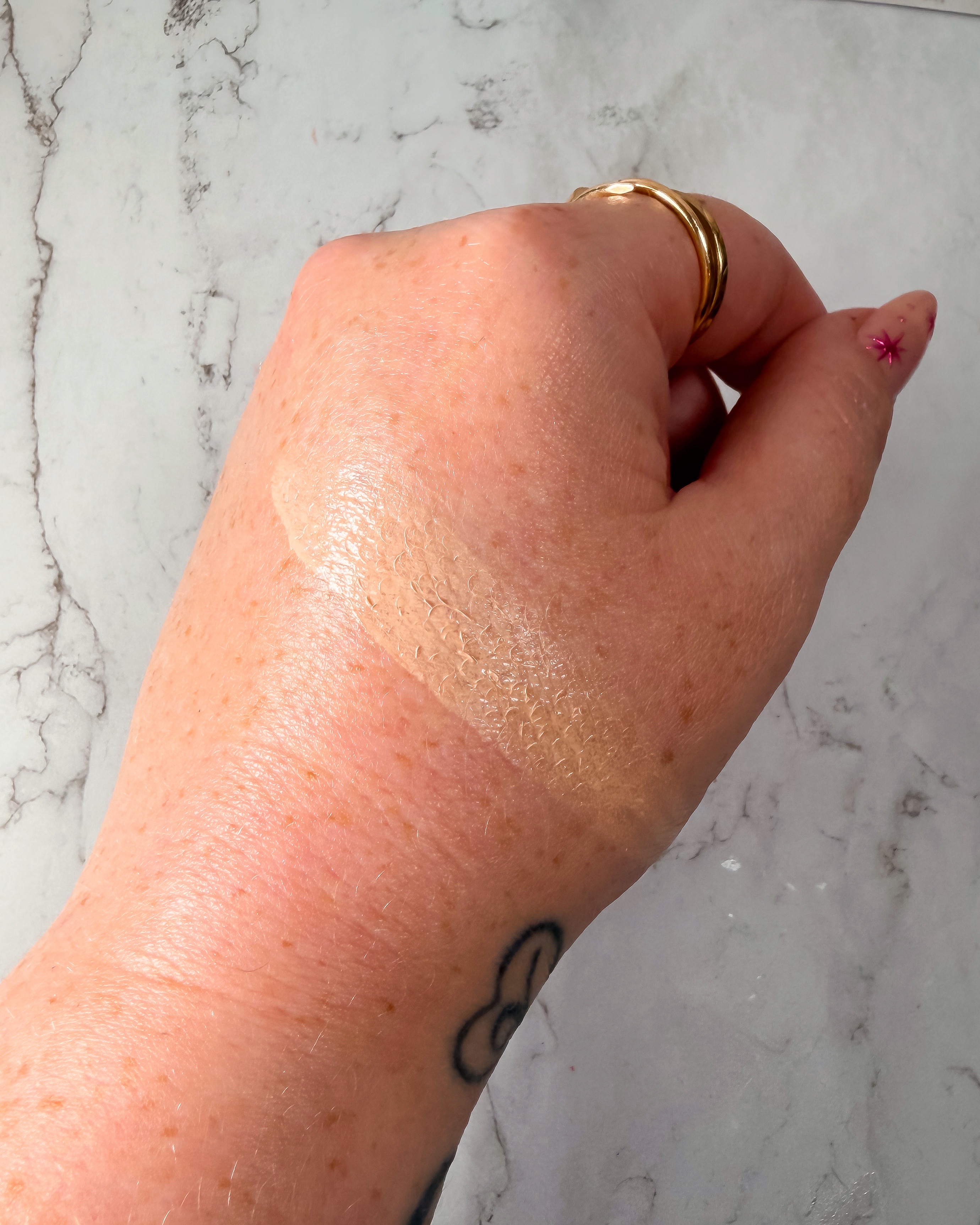
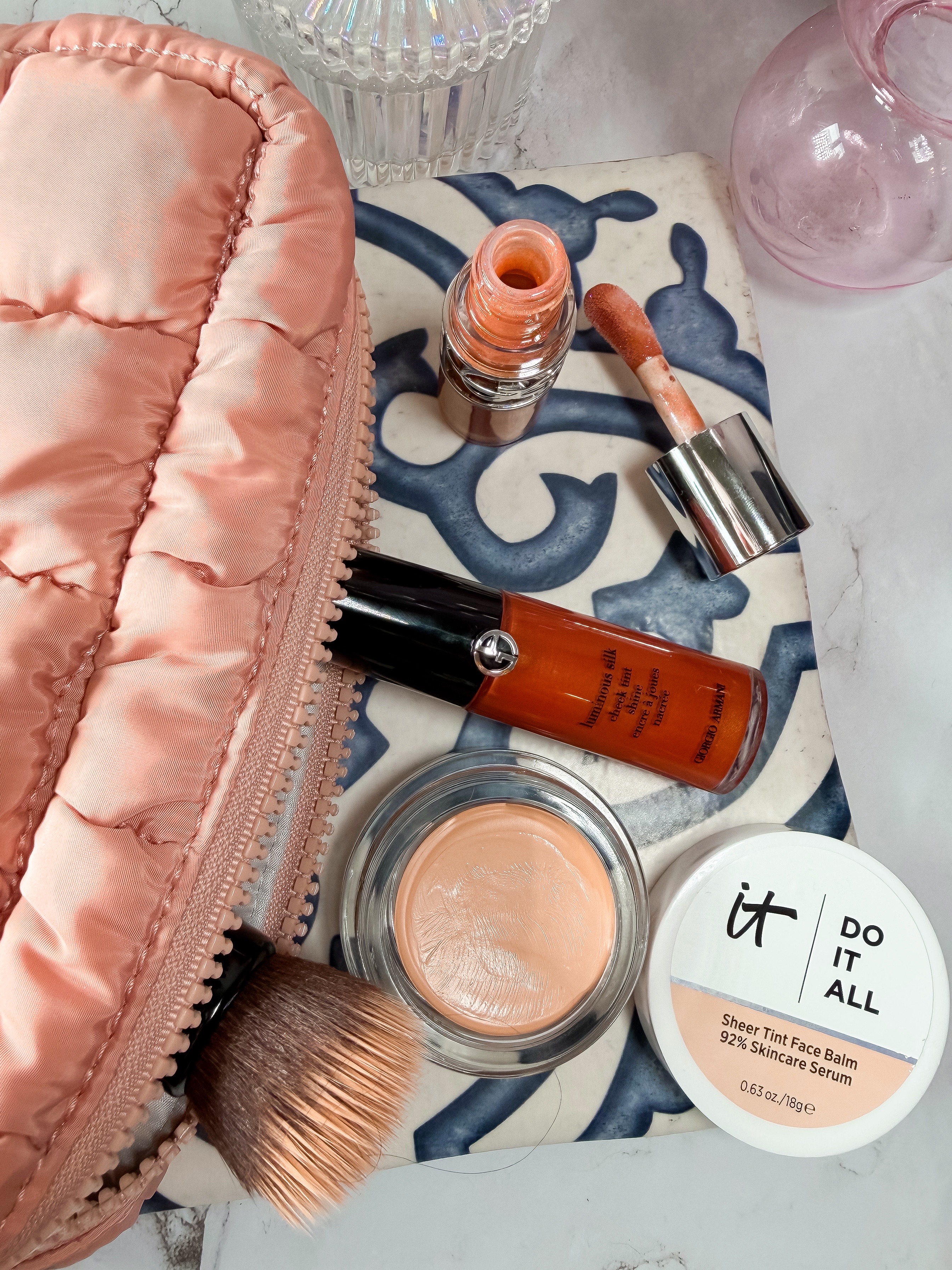
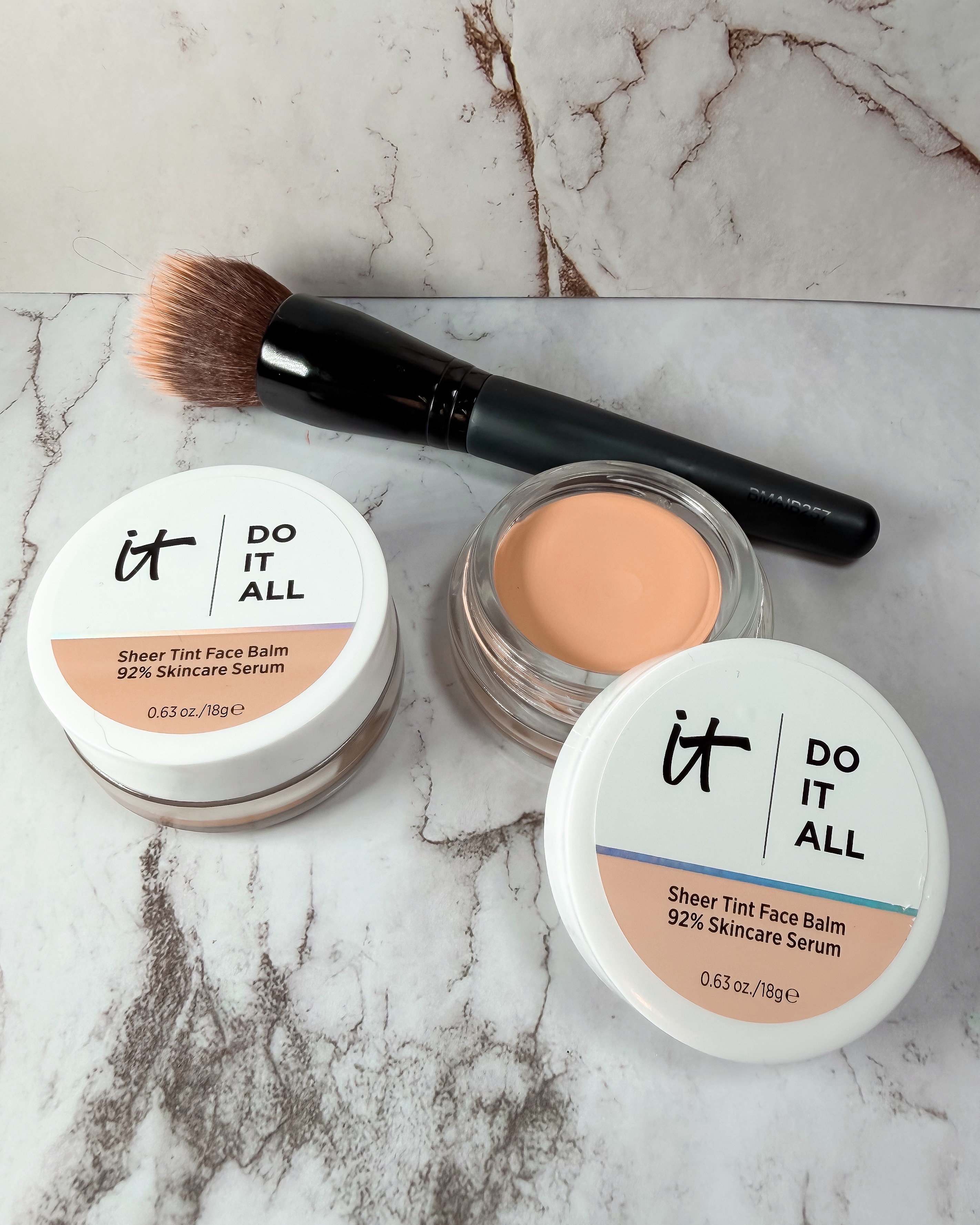
Coming in a solid balm format, I expected this tinted moisturiser to feel much richer than it does. Instead, the moment my fingertip touched the pan, it melted into a lightweight, serum-like texture that glided effortlessly over the skin. It feels virtually weightless once applied and blends in with minimal effort.
Given that the formula is made up of 92% skincare—and that 91% of participants in the brand's consumer study said their skin felt more comfortable throughout the day after application—I had high expectations when it came to hydration. Happily, it delivered. My skin felt immediately softer, more comfortable and noticeably better moisturised, without ever feeling greasy or heavy. The formula was developed in collaboration with plastic surgeons and dermatologists, and that thoughtful approach is reflected in both the texture and the ingredient lineup, which inspired confidence before I even put it to the test.
It comes in 15 versatile shades that run from Fairest to Deep, with options for Warm, Neutral, or Cool skin tones. I use shade Fairest Neutral FN110, but each of the 15 can adapt and span a spectrum of skin shades. It offers a radiant finish, and skin that still looks like skin. It’s that little bit of added confidence when bare skin just won’t do.
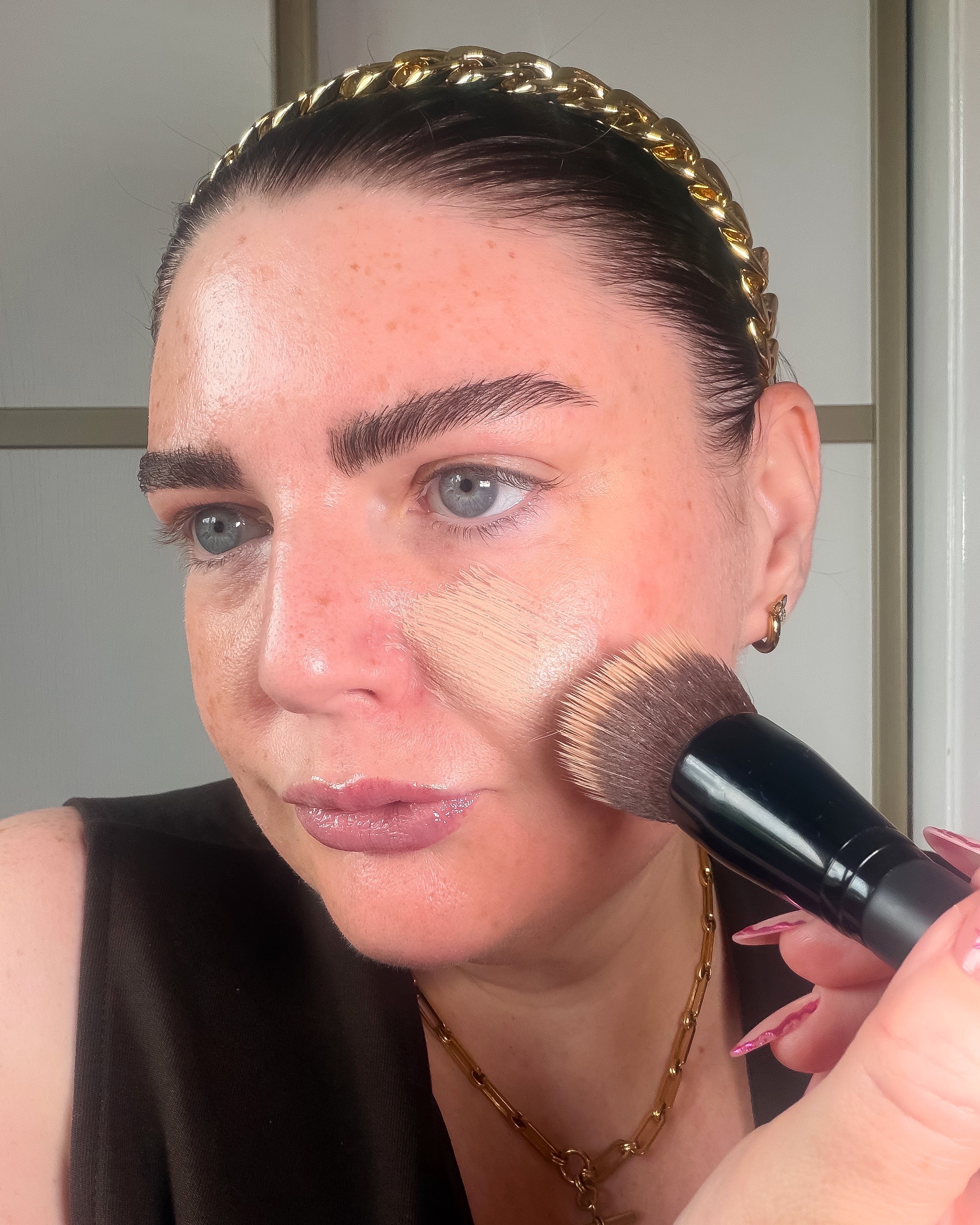
The Do It All Sheer Tint Face Balm is so easy to apply, and you can do it with either a brush, beauty blender sponge, or just your fingers. All work well, but I found that a foundation brush works best, as it can move the product across the skin without absorbing much of it. It also leaves the most natural finish on the skin.
You really don’t need much to cover your whole face. IT Cosmetics says the coverage is ‘sheer but buildable’, but I don’t think it is buildable. You can’t get more than sheer coverage with this, as it starts to look unnatural and patchy if you apply too much. It’s meant to be a light veil over the skin rather than something that offers serious coverage.
As I've mentioned, if you're looking for full coverage, this isn't the base for you. The Do It All Sheer Tint Face Balm is exactly what it says on the tin: a sheer-coverage complexion product that perfects rather than masks. It subtly evens out skin tone, softens the appearance of redness and pigmentation, and gives the complexion a healthy, blurred finish—but your skin still looks like your skin. If you're after lightweight, glow-enhancing coverage with genuinely impressive skincare benefits, however, I think it's well worth considering.
One thing to note is just how emollient the formula is. It leaves skin feeling deeply nourished and comfortable, which is why I think those with dry or dehydrated skin will get the most out of it. It creates the kind of hydrated, non-cakey base that doesn't cling to flaky patches—a surprisingly difficult quality to find. If you have oily skin, though, you may find it a little too rich for everyday wear.
That said, I have fairly normal skin with the first signs of ageing, and I was still hugely impressed. It stayed looking fresh throughout the day, and my skin felt noticeably softer, plumper and more comfortable from the moment I applied it. In fact, when I removed my makeup that evening, my skin still felt exceptionally soft, suggesting the skincare benefits weren't just superficial. The brand claims the formula provides up to 24 hours of hydration, and based on my experience, that's a claim I can get behind.
I also found that the added hydration helped soften the appearance of the fine lines around my eyes, giving my complexion an overall smoother, fresher look. In the brand's consumer trials, 91% of users said their fine lines appeared minimised and their skin felt firmer after use, and while I can't comment on firmness after just a week of testing, I did notice that my skin looked plumper and my fine lines appeared less noticeable. As for coverage, it took down redness, softened the look of dark spots and made my complexion appear much more even, but it never completely concealed those imperfections—which, for a product like this, is exactly the point.
The 3 main ingredients that provide the IT Cosmetics Do It All Sheer Tint Face Balm’s moisturising and plumping abilities are biosynthetic collagen peptides, hyaluronic acid and vitamin E. Its emollient benefits come from that vitamin E, while hyaluronic acid plumps the skin and minimises the appearance of fine lines. The biosynthetic collagen peptides are basically short chains of amino acids that act as cell signallers to stimulate collagen and elastin production, as well as wound healing.
I just wish this product contained SPF, as that added benefit would have greatly increased its appeal. When this product is designed to be more skincare than makeup and appeal to those with skincare needs, SPF seems like an obvious first step to me.
At 35, I'm still not sure whether I want children. Like so many women my age, I hoped a fertility assessment might offer the kind of certainty I couldn't find on my own. Instead, it left me asking a much bigger question than whether I'd ever become a mother.
What It Feels Like Looking for Answers About Your Fertility
I used to think that getting older meant becoming more certain of yourself. At 15, I was steadfast in my decision not to have children. At 25, I wore that certainty almost as a badge of honour. At 35, I find myself utterly bamboozled, plagued by indecision, unable to answer what feels like one of adulthood's most fundamental questions.
I've lived in this state for the best part of five years now, and it seems to me that the harder I search for answers, the more they elude me.
"Whether I want kids is a secret I keep from myself—it is the greatest secret I keep from myself," Sheila Heti writes in Motherhood. A friend sent me the book from Japan after reading an essay I'd written about being 33 and unsure whether I wanted children. She'd taped that sentence to the front cover with a Post-it note.
"Will I ever know?" I'd written back then.
Over two years later, I'm more confused than ever.
It seems I'm not alone. "It's not something that's always at the forefront of my mind," one friend told me when I asked whether she felt similarly. "But it's always there."
Another friend had recently taken an AMH test; a blood test that measures Anti-Müllerian Hormone and is often misleadingly marketed with ominous taglines suggesting it can tell women "how long they've got left". In reality, it offers an indication of ovarian reserve and is mainly used in IVF to estimate how many eggs might be retrieved during treatment. What it can't tell you—and what no current test can—is whether those eggs are viable, or whether you'll ever need them.
Still, she'd found reassurance in her results. "It might give you some clarity," she suggested.
Clarity, rather than an egg count, was what I was searching for.
The World's Most Fertile Couple (Or So I Hoped)
I'd like to tell you that what followed was exhaustive research into the most reputable fertility clinics, spreadsheets comparing success rates and patient reviews.
Instead, the clinic found me. While reporting on the UK's fertility industry , I'd spoken to IVI London about the growing number of misconceptions women have about fertility. Later, they reached out to ask whether I'd be interested in experiencing their most comprehensive fertility assessment. I said yes.
On the surface, I didn't think I had particularly strong feelings about it. I was grateful for a job that occasionally grants me access to experiences I'd never otherwise be able to afford, especially on an editorial salary. The couple's fertility assessment would normally have cost hundreds of pounds, before the additional AMH blood test.
And yet I couldn't bring myself to book it. The clinic emailed every few weeks. I kicked the can down the road. Months passed. A new year arrived. "The Year of the Fire Horse is going to kick you into action," a friend joked when I admitted I'd still not arranged an appointment.
Eventually, I ran out of excuses.
Booking the assessment was easy. Neither my partner nor I needed to prepare in advance, and so all I did was harbour the secret fantasy that we'd be told we were the most fertile couple the clinic had ever seen.
"My God," I imagined the nurses gasping. "You two are so fertile it's a wonder you haven't had an accident yet."
Needless to say, this did not happen.
Good Swimmers, Great Expectations
I walked down Harley Street on an a bright morning towards IVI London's discreet entrance. By the time I arrived, my partner had already completed his part of the assessment. His sperm analysis was over before mine had even begun.
We were shown upstairs, where a nurse checked my BMI and blood pressure before leading us into the consultant's office. Before the examination began, we talked through the mechanics of fertility, and I was surprised by how little I actually knew.
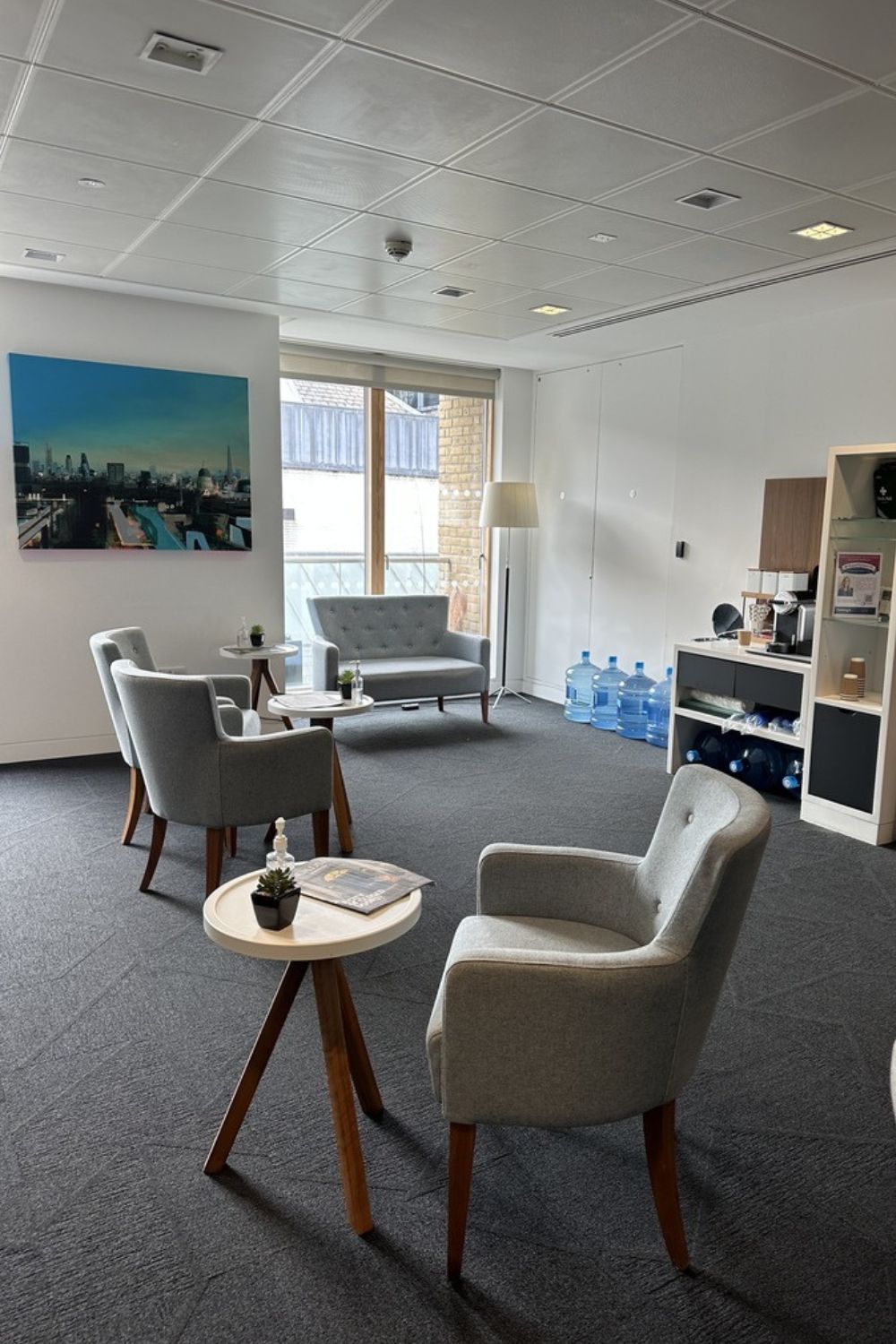
Waiting for my fertility assessment, I hoped the appointment might answer a question I'd been asking myself for years. (Image credit: Mischa Anouk Smith)
Despite years reporting on women's health, often with a laser focus on the so-called "fertility cliff" and motherhood, so much of fertility remained a mystery. The conversation also seemed almost entirely directed towards my body; the egg rather than the sperm.
When my partner's results came back, I was relieved—and vaguely repulsed—to hear he had "good swimmers". Then I felt something else: pressure. He'd been given the all clear, now it felt as though everything rested with me.
There's something about seeing the inside of your own body displayed on a screen that makes catastrophe feel inevitable.
Lying back on the bed, I watched as the ultrasound moved across the walls of my womb before darting from one ovary to the other. Every so often, the consultant would pause to point something out. I tried to hold onto the information, but another thought kept crowding out what the doctor was telling me: What if they find something?
The feeling reminded me of an investigative colonoscopy I'd had the previous year. Rationally, I knew this appointment was meant to reassure rather than alarm. But there's something about seeing the inside of your own body displayed on a screen that makes catastrophe feel inevitable.
The consultant talked us through what she was seeing. I had a small uterus, she explained, though not one that should cause concern. It was slightly triangular rather than T-shaped, but unless I experienced difficulties carrying a pregnancy, there was no reason to intervene. If problems ever did arise, some procedures could reshape it. Knowing there were options felt reassuring.
I couldn't shake the feeling that he'd somehow passed his test while I hadn't.
Then she counted the follicles on my ovaries: six on one, eight on the other. Instinctively, I knew those numbers were lower than I'd hoped.
Perhaps because my partner had already been told he had "good swimmers", I couldn't shake the feeling that he'd somehow passed his test while I hadn't. The consultant tried to assure me this wasn't how fertility worked; she'd be far more concerned by visible cysts or structural abnormalities than the number of follicles she'd counted.
And yet I knew I hadn't heard the last of those follicles.
The Advice I Wasn't Ready to Hear
Once we'd gone through the results in detail, those follicles appeared again. The consultant explained ovarian reserve and how follicles are used to estimate the number of eggs remaining. Every month, a group begins the process of maturing before one is released and the rest disappear.
Because of my follicle count, I was told it would probably take two or three retrieval cycles to freeze enough eggs to give myself the strongest chance of success in the future.
The answer was both simpler and somehow crueller: I should freeze my eggs because I am 35.
Then came the advice. It wasn't delivered dramatically or with any hint that something was wrong, but it was there: if I thought I might want children, I should freeze my eggs now.
If I thought I wanted more than one child, I definitely should.
I was totally unprepared for how being told to freeze my eggs would floor me, even though the advice was expected at my age. (Image credit: Getty Images)
Not because I was infertile or because there was cause for alarm. No, the answer was both simpler and somehow crueller: I should freeze my eggs because I am 35.
I hadn't expected to be so floored by that. Of course, I know that I'm 35, but like so many women my age, forced into a state of prolonged adolescence because of myriad reasons outside our control—graduating into a recession, stagnating wages, a housing crisis—I don't feel 35.
Regardless of my results, regardless of how many follicles had appeared on the scan, regardless of the blood test I was still waiting for, the recommendation would almost certainly have been exactly the same.
Freeze now.
I felt that I was supposed to feel empowered, equipped with new information about my body. But although I understood my physiology better than I had 90 minutes earlier, I felt no closer to understanding myself.
The reassurance I'd hoped to find felt more elusive than ever, slippery like the jelly that had been squirted onto my stomach for the scan.
The fear that time was running out had become more acute. The reassurance I'd hoped to find felt more elusive than ever, slippery like the jelly that had been squirted onto my stomach for the scan.
While I waited for my AMH blood test, another couple argued with a nurse in the waiting room about transporting frozen eggs overseas for a surrogate. The woman became increasingly frustrated. Her husband tried to calm her down.
It struck me then that every conversation taking place inside this Harley Street clinic was, in one way or another, about money. The consultation. The medication. The retrievals. The freezing. The storage. The possibility of IVF years from now. Even uncertainty, it seemed, came with a price tag.
The fertility assessment revealed more about my body than ever before, but it couldn't tell me whether I wanted children. (Image credit: The Vault Store)
I know that AMH tests don't do what they're so often marketed as doing. They can't tell you how long you've "got left", predict whether you'll conceive naturally or tell you if you'll ever become a mother.
I'd written an entire investigation into this myth that women are sold in pursuit of motherhood, and yet I still found myself desperately waiting for that number. I guess I hoped the results would show a surprisingly high egg reserve in defiance of my low follicle count, even though I knew it was the quality, not the quantity, that mattered.
I wanted something that could buy me more time.
It felt like a perfect chicken-and-egg situation. The irony did not escape me.
The irony wasn't lost on me that I couldn't afford the one thing that, in some ways, could buy me more time—egg freezing—even though that, too, came with no guarantee.
Freezing my eggs would likely cost somewhere between £15,000 and £20,000. Money my partner and I are currently trying to save for a house deposit. Spending it on eggs that may never be used would almost certainly delay buying a home. Delaying buying a home would almost certainly delay having children. Delaying having children would only make those frozen eggs feel more necessary.
It felt like a perfect chicken-and-egg situation. Again, the irony did not escape me.
Without stable housing, I can't imagine bringing a child into the world. But waiting until I have that stability means my fertility continues to decline.
I already knew, walking into that clinic, that the biggest obstacle between me and motherhood wouldn't be biological. I walked out steadfast in the knowledge that it was financial.
The Price of Possibility
It's now been six months since the assessment. Largely, I feel the same as before I went: unsure whether I want children, but increasingly aware that time continues to move whether I've made my mind up or not.
The only real difference is that uncertainty has infiltrated my everyday life. Boozy summer nights, stressful weeks at work and my incessantly poor sleep all make me wonder whether I'm damaging eggs I haven't even decided I want to use.
I knew it was naïve to hope the assessment would give me answers. I knew I was simply trying to absolve myself of making my own decision and defer it for a little longer.
Everyone is asking why fertility rates are in decline, why "women aren't having babies". But not enough people are asking how exactly anyone is supposed to make this decision in a world where the timeline of our biology no longer matches the timeline of our lives.
That's the question that angrily flitted around my head as I left IVI London. And, unlike my follicle count, it's one no fertility test can answer.
from Latest from Marie Claire UK https://ift.tt/otiOsMR
via IFTTT
When I tell you I have the driest lips in the world, I mean it. They're constantly chapped—a combination of chronic dehydration (I know, I don't help myself) and regular long-haul flights between London and Melbourne. It's certainly not for lack of trying— over my many years as a beauty editor, I’ve tried hundreds of lip balms, from £40 luxe viral hits to £3 cheap-as-chips supermarket bestsellers. And I’ve found some great ones, but I've still never found that one product I can turn to to keep my lips hydrated and smooth in the long run.
So when I heard about lip essences, I knew I was the intended audience. Anything that’s born in the K-beauty space automatically has me hooked (Korean skincare is simply elite), and the premise of a lip product that acts as a skincare essence (an extra hydrating prep step between cleanser/toner and serum) felt very appealing. Here’s what you need to know about this product category, and what happened when I—the perfect reviewer for lip hydrators—gave one a go.
What is a lip essence?
Dr Christine Hall, an aesthetic doctor and K-beauty expert, says that the way lip essences work is what makes them unique. As their name suggests, they’re like a skincare essence step but for the delicate lip area – but with a slightly different delivery method.
“People often think of an essence as the watery skincare layer that sits between your toner and serum when it comes to skincare. With the lips, however, essences are almost always still in balm form,” she says.
An essence aims to hydrate tissue, which means “ingredients are absorbed more effectively.” This can lead to deeper, longer hydration over time. And guess what? When used alongside lip balms, they’re most effective. “There are small experiments where people have shown that applying a standard hydrating serum or essence under your lip balm will increase moisture levels in the lips. Effectively, the essence hydrates and the lip balm occludes the moisture and prevents transepidermal water loss.”
Lip essences, however, do all the work. “In reality, you don't need two steps with them, as they’re formulated with lipids integrated, so they're effectively like a 2-in-1.”
How do they differ from ‘regular’ lip balms?
As Dr Hall explained, the delivery and hydration method is unique in an essence. “Historically, lip balms are about protection, being wax, oil or butter-based. They are about forming a protective barrier and sealing moisture in. Essences, in contrast, are about delivering more than just protection.”
In fact, they’re more like longer-term “skincare to the lips,” she says, rather than simple, short-term protection. And their ingredients lists are what count here. “They are often formulated with ceramides, hyaluronic acid and glycerin to plump, as well as specialised ingredients like PDRN for repair, retinoids for anti-ageing and lactic acid to exfoliate away dry skin.”
Despite this, I won’t lie: I had my doubts. Can lip essences really outperform balms in a noticeable way? Consultant Dermatologist Dr Sidra Khan—despite acknowledging they are undoubtedly a “great product”—says: “'Lip essence’ is largely a marketing term rather than a distinct dermatological category. The Torriden product is essentially a sophisticated lip balm or gloss, combining occlusive ingredients such as petrolatum with emollients including jojoba oil, shea butter and several other plant oils. It also contains ceramides and panthenol, which will help support the lip barrier.”
She says that examples like Torriden’s are undoubtedly “well-formulated product[s]” and “soften dry lips and reduce moisture loss.” However, as it stands, “there is no good evidence that products labelled ‘lip essences’ are inherently more effective than a good traditional, fragrance-free lip balm. They may offer a more lightweight or cosmetically elegant texture, but you are partly paying for the formulation experience and the K-beauty terminology rather than an entirely new category of lip care.”
(Image credit: Rebecca Fearn)
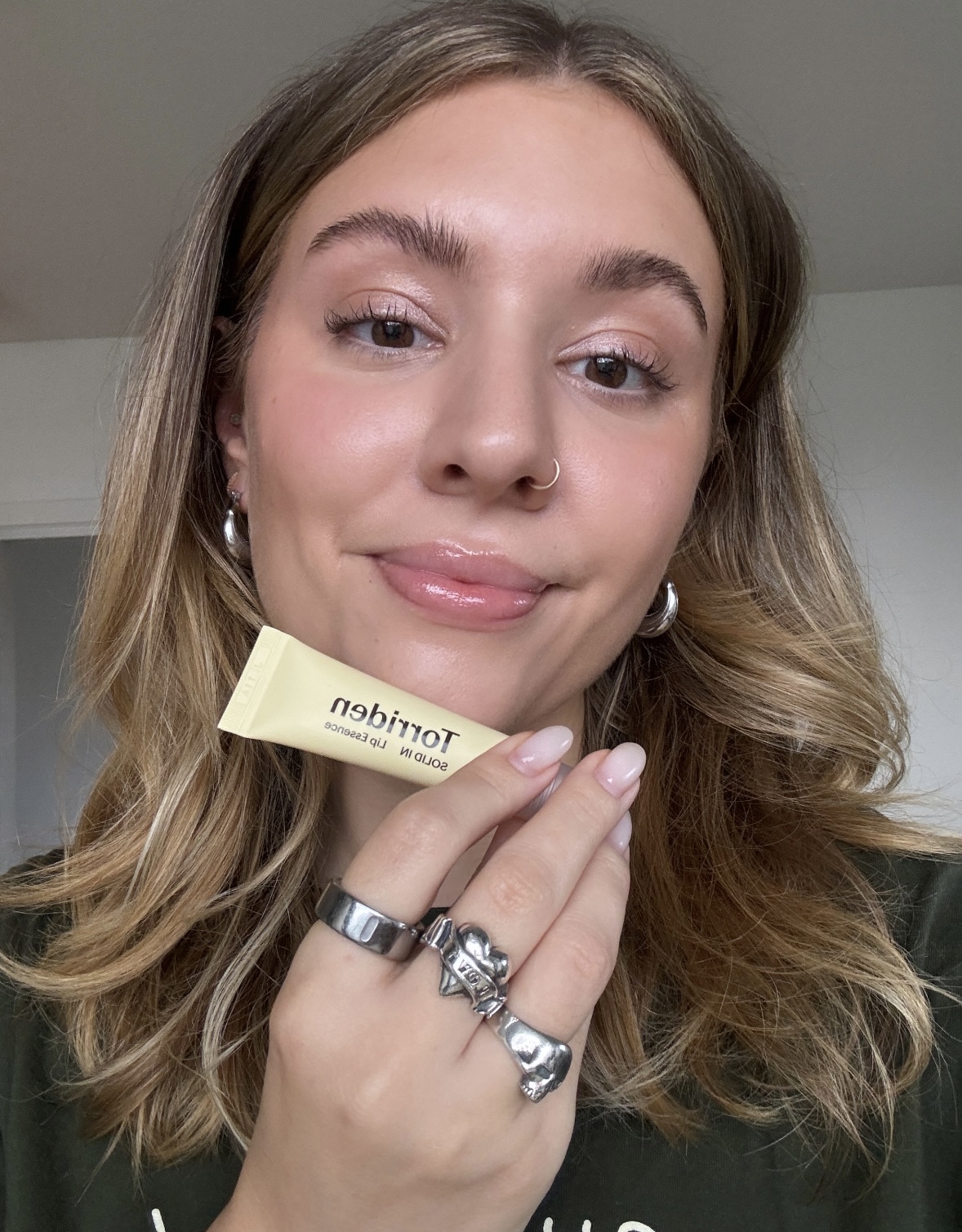
I really enjoyed trying the Torriden Lip Essence and I’m torn between what I think about this product category more generally. On the one hand, this product felt lightweight, silky, smooth and refreshing on my lips, while performing beautifully under lipstick and liner. It also effectively delivered hydration and didn’t need continuous application; in fact, I do see how it could aid in lip health over time, acting more as skincare than simply instant gratification.
However, I’d say this worked similarly to some of the better quality traditional lip balms I’ve used in my time, when we’re discussing initial efficacy for chapped lips. It fixed dryness well, but I’m not sure it did this on a clearly superior level compared to my favourite balms. I would need to try more essences before deciding, and analyse the overall quality of the skin on my lips over time.
That said, I definitely think they’re worth trying if you suffer from very chapped lips—particularly given how affordable many are.
Where can you buy a lip essence?
With K-beauty now in stores such as Boots and Superdrug, trying lip essences is easier than ever. Below are some of the frontrunners and where to pick them up.
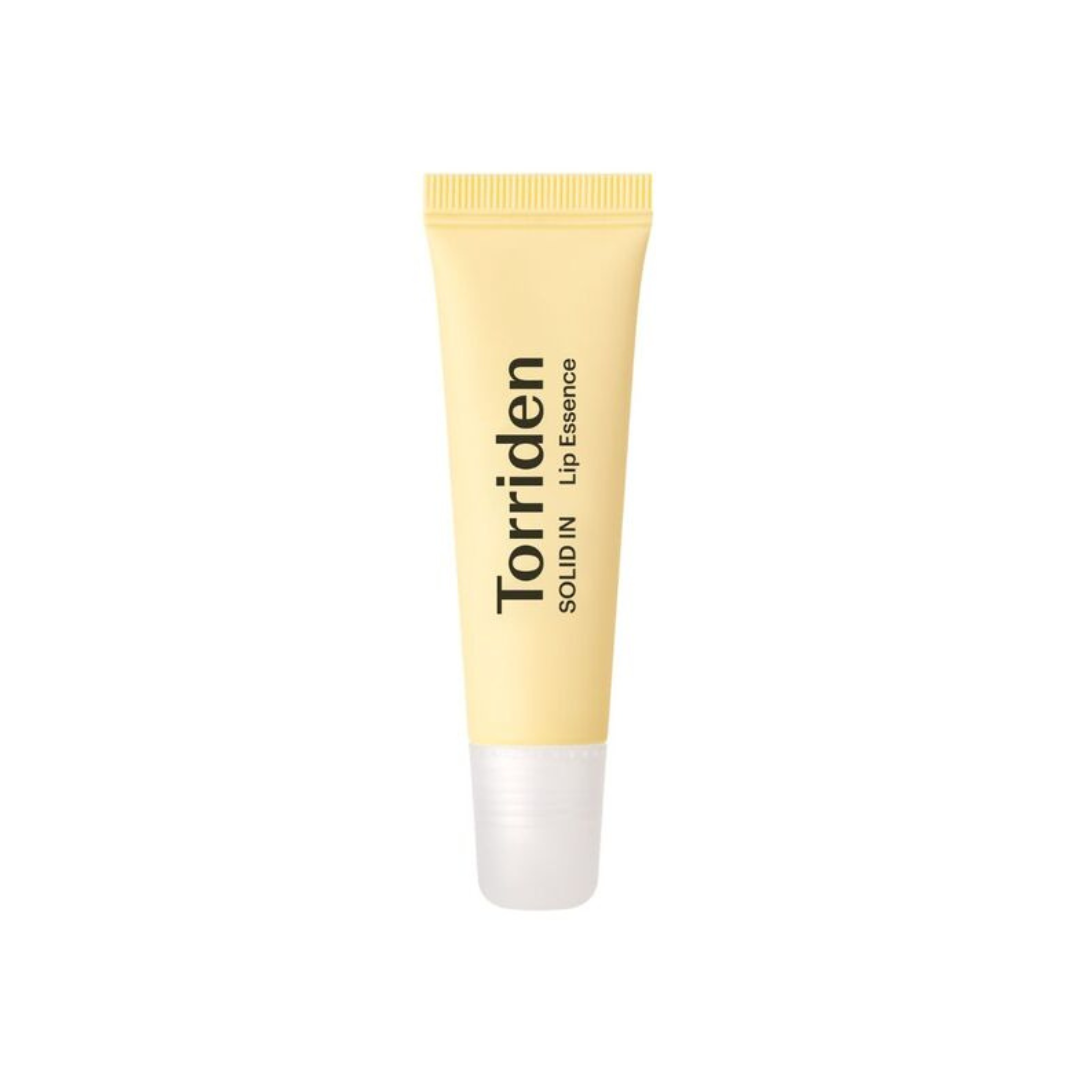
Torriden
Lip Essence
A foolproof lip essence you can't go wrong with, Torriden's offering delivers on smooth, hydrated skin.
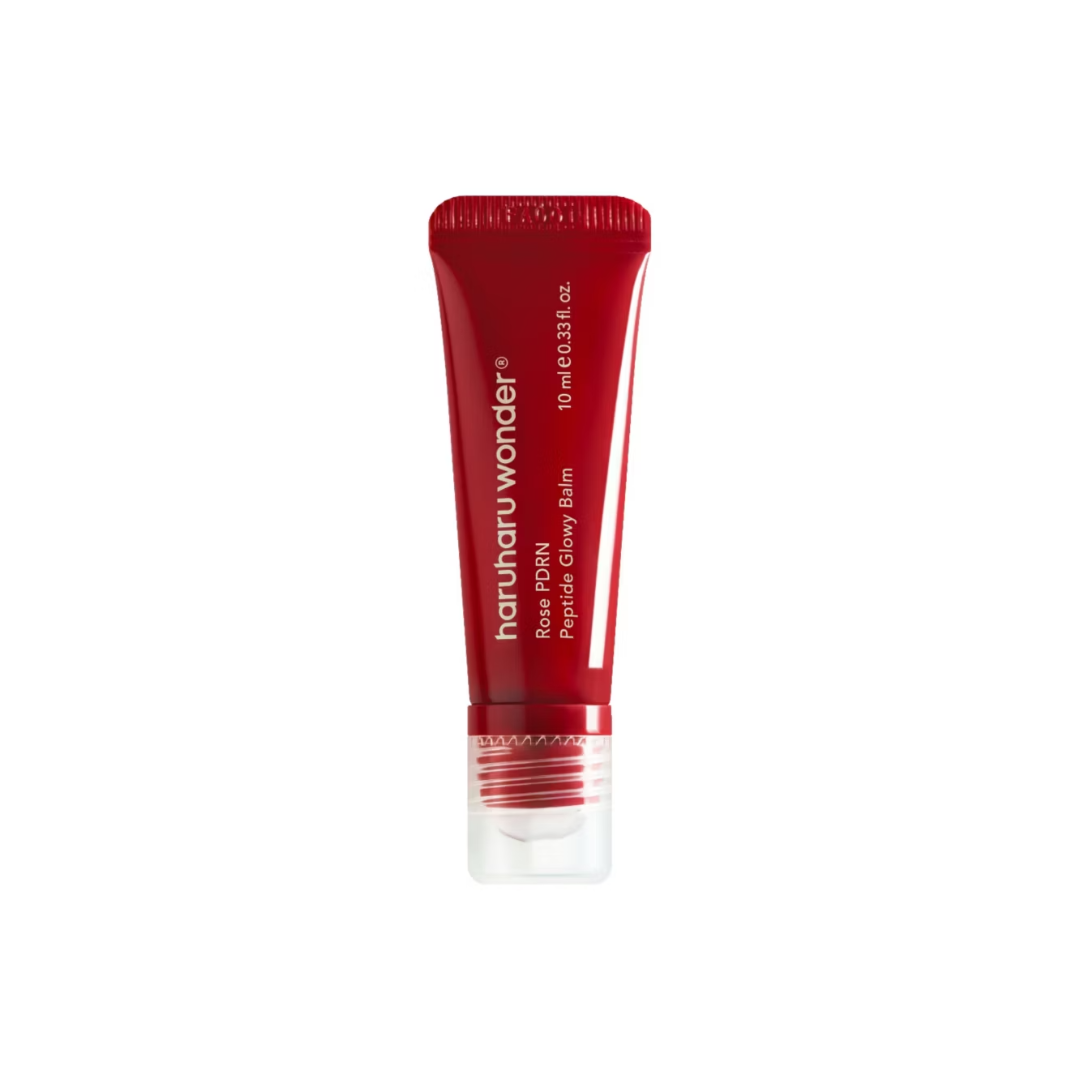
Haruharu Wonder
Rose PDRN Peptide Glowy Balm
Combine the power of K-beauty lip treatments with a pretty, glowing balm and you get Haruharu Wonder's peptide product.
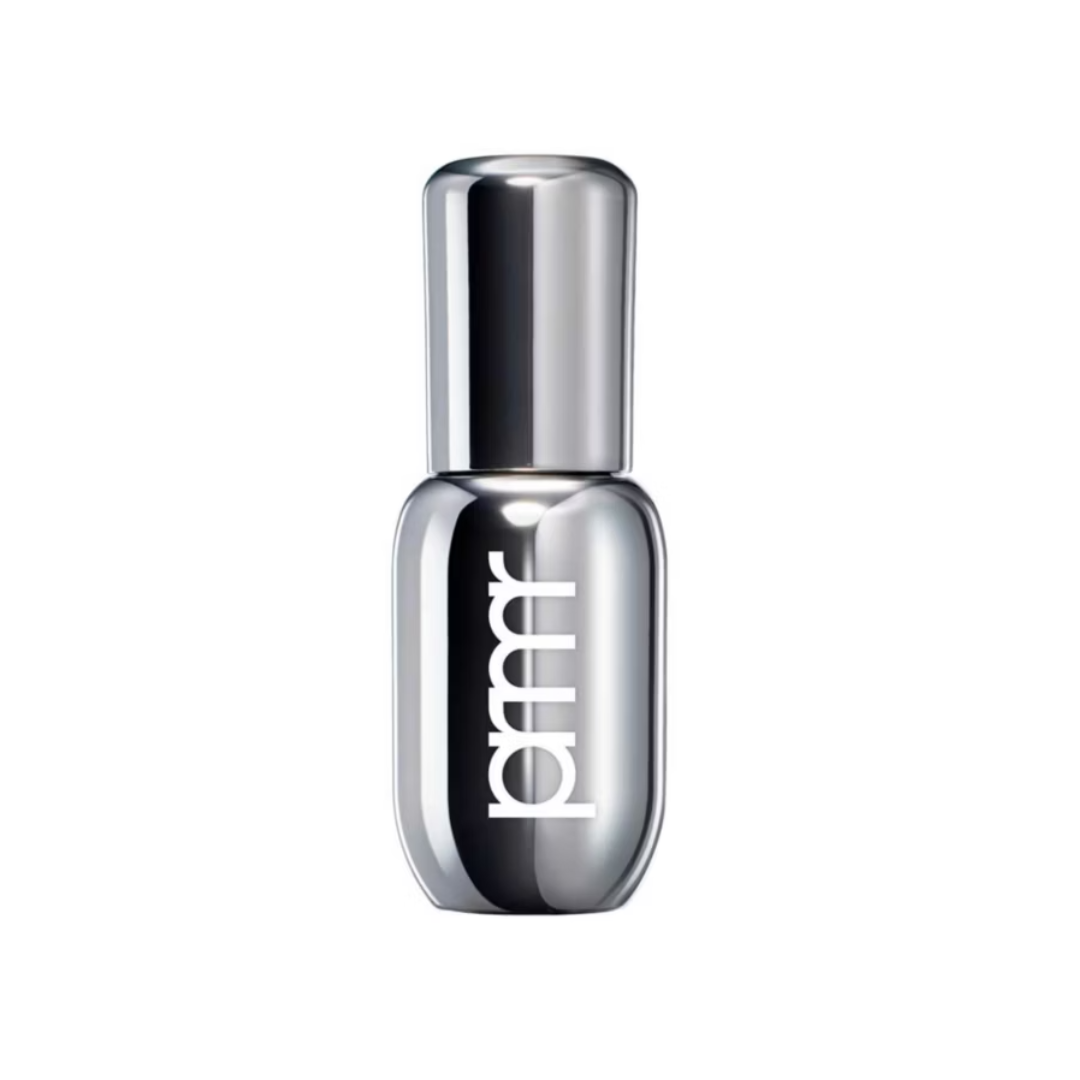
PMPR
Retinol Volume Lip Serum Bare
Yes, anti-ageing lip essences are a thing - this clever one uses retinol.
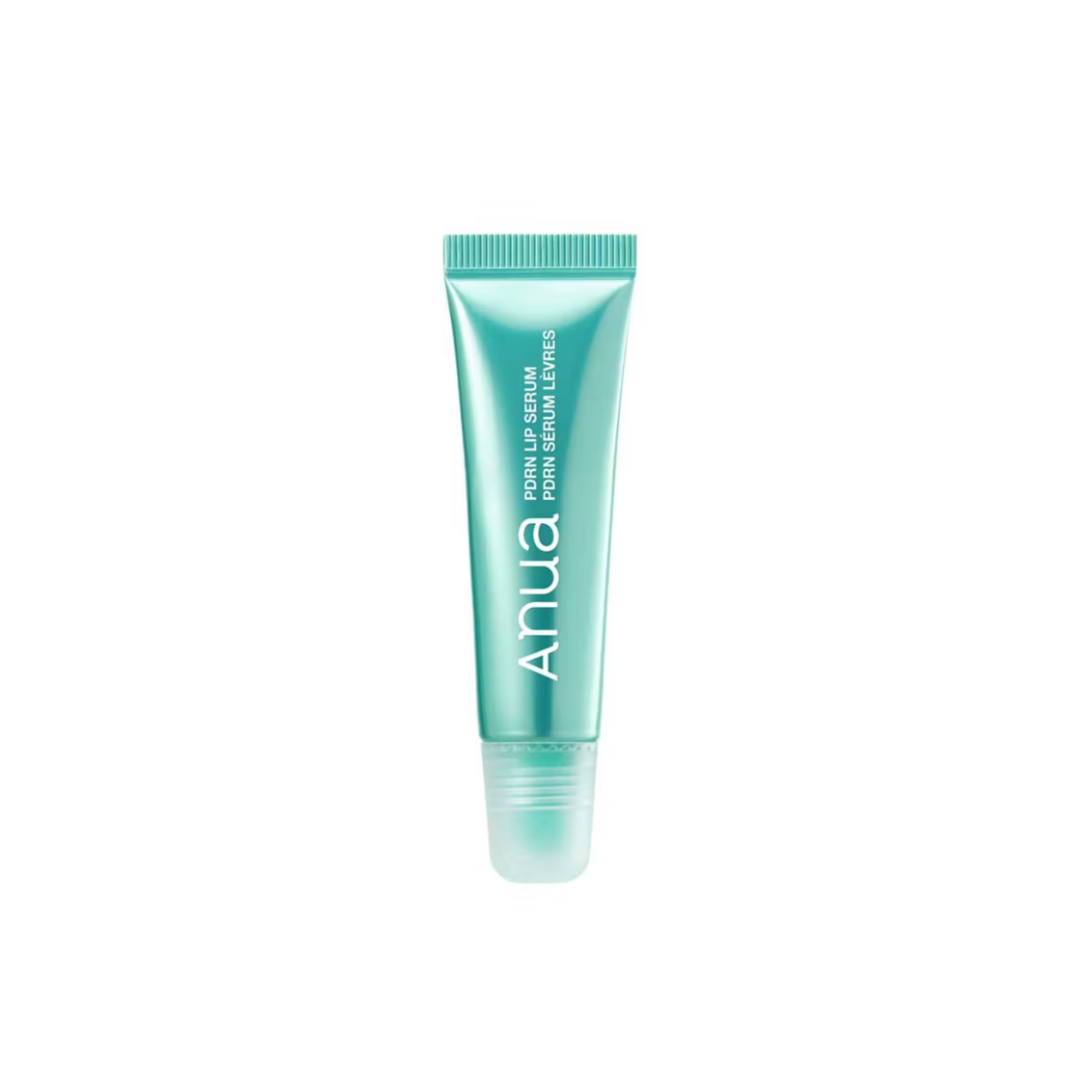
Anua
Lip Serum
Anua's buy features hyaluronic acid, collagen and PDRN, along with a non-sticky, glossy texture.
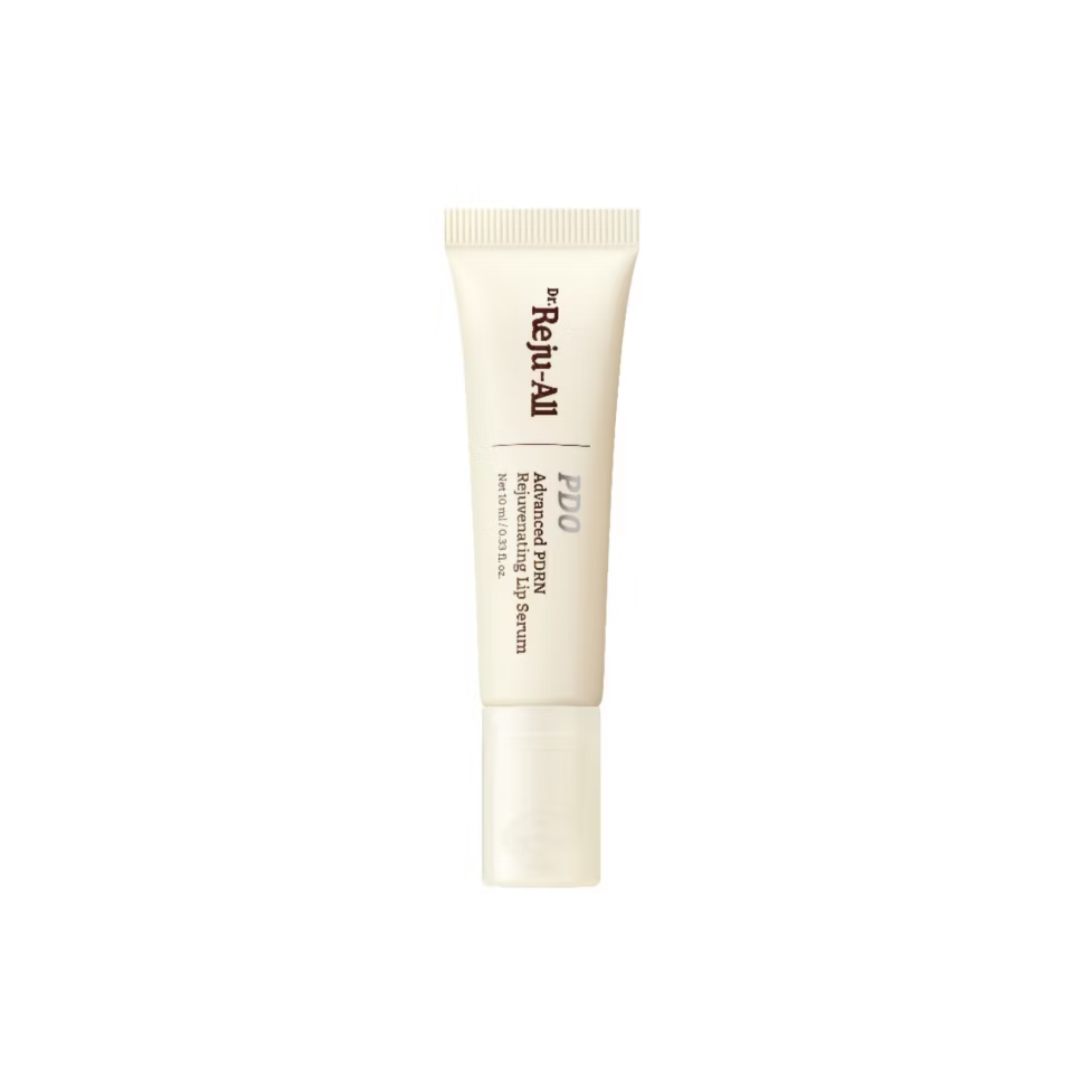
Dr.Reju-all
Advanced pdrn Rejuvenating Lip Serum
Using star ingredient PDRN, Dr.Reju-all's lip serum combines the ingredients of an essence with the texture of a smooth, silky serum.
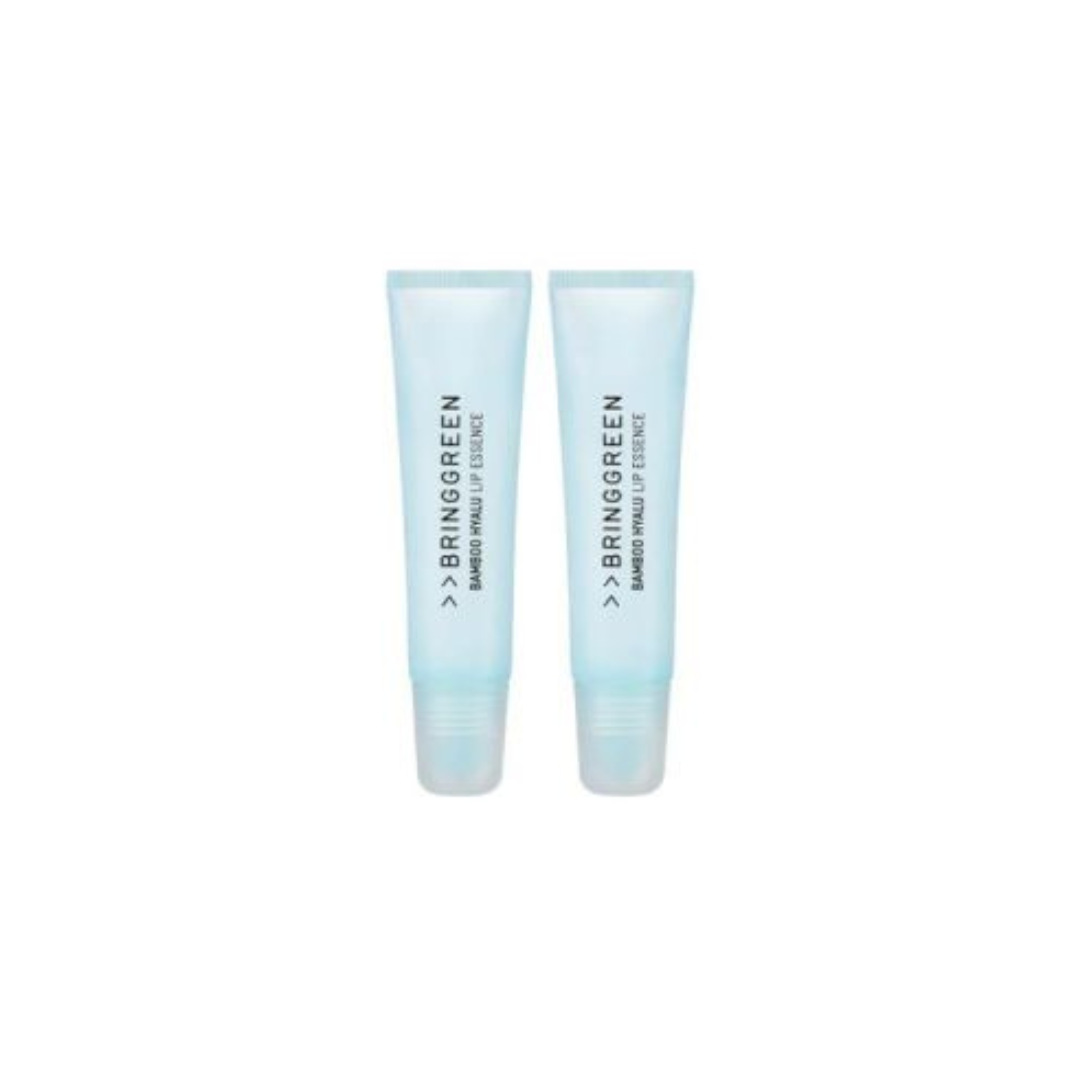
Bring Green
Bamboo Hyalu Lip Essence Double Pack
Get two for the price of one with this hydrating double pack by Bring Green.
from Latest from Marie Claire UK https://ift.tt/xqArfUc
via IFTTT
Real talk: I’ve had long nails for years now, but always struggle not to get them grubby after just a few days. This is particularly noticeable given that neutral shades are my go-to, meaning grime shows up more easily. And although it’s embarrassing to admit, I also know I’m not alone.
“It's something we all experience, particularly if you're typing, cooking, gardening or using self-tan regularly,” says Suzanne Cummins, Founder and CEO of 14 Day Manicure. “Longer nails naturally have more free edge underneath, which creates more space for everyday dirt, makeup, fake tan and even fabric fibres to collect. Lighter shades simply make any build-up more noticeable,” she explains.
Lately, I’ve even been considering ditching my neutral hues and/or longer length because I can’t seem to keep them clean. But here’s the thing: I really don’t want to. It’s my aesthetic (the long nails, not the dirt!) and makes me feel put together. Short nails just don’t feel like me.
Luckily, the following tips from three top nail experts have reminded me it’s absolutely possible to maintain a manicure, regardless of colour and length. Here’s what to know if you’ve been having the same problem.
1. Don’t use your nails as tools
I’m guilty as charged for this first one—literally, send me straight to jail. Whether it’s popping cans open, reaching an itch on my back or peeling stickers, my nails are my best built-in tools. But according to Emma Forrest, Founder & CEO of Buff, this is one of the biggest culprits for dirt build-up—and it has to stop. “It’s a fast track to damaged nails, and they will always seem to collect even more dirt once the free edge becomes rough.”
Instead, treat your nails delicately and avoid using them directly for any jobs that may damage them. Struggling to open your daily Coke Zero? Use a blunt knife instead—or, call for a roommate/partner/co-worker. That’s what they’re there for, right?
2. Know when to reach for the gloves
Another crime I should be locked up for? Failing to utilise the rubber gloves that sit over the faucet in my kitchen sink. A quick washing up job? Might as well just get right to it. Cleaning and dusting? I’ll just give my hands a wash after.
But for Cummins, this is a cardinal sin. “I recommend wearing gloves for jobs like gardening, cleaning or applying fake tan,” she says. Even chopping certain vegetables (I’m looking at you, onions) and preparing meals can necessitate some suitable gloves. If you’ve never cooked with turmeric before and have long nails… well, I envy you.
3. Keep it clean
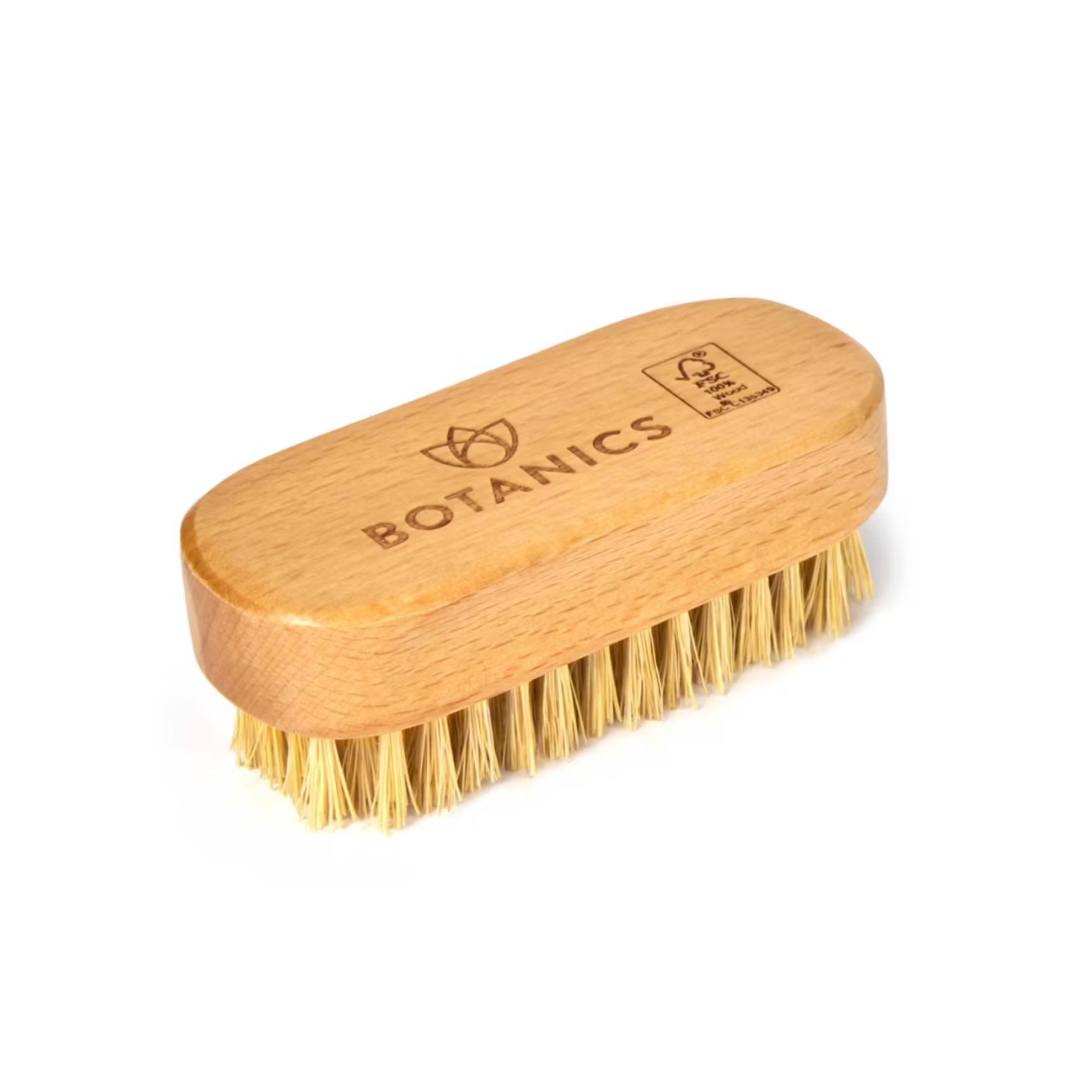
Perhaps the simplest step to follow? Keeping your nails clean. It sounds simple, but given our busy lifestyles, it’s easy to forget to give the underside of our nails a quick scrub daily. “Regular hand washing is of course important, but don't forget underneath the nail too,” comments Mylee Brand Mentor, Jack Harper. “A soft nail brush is much gentler than using another nail or a sharp object to scrape dirt from underneath, which can actually damage the natural nail over time.”
Botanics
Natural Bristle Nail Brush
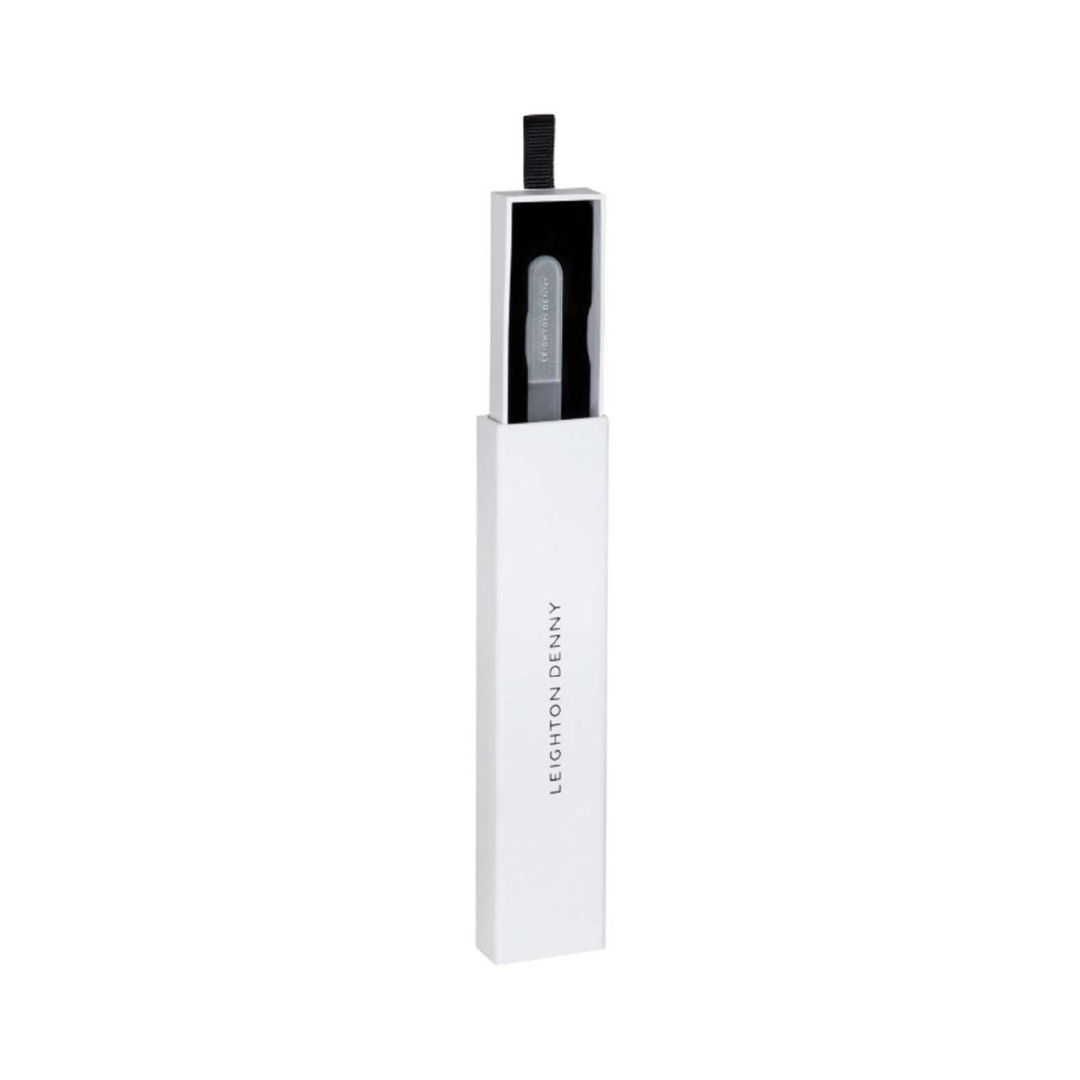
Leighton Denny
Small Crystal Nail File (135mm) & Case
4. Visit a quality manicurist
In terms of preventative measures, the best thing you can do is receive a high-quality manicure in the first place. “Proper prep is important,” notes Harper. “Making sure the underside of the free edge is smooth, the cuticles are neat and the gel is applied evenly can all help reduce places where debris might cling.” Cummins adds that a great nail tech will also “ensure the product is properly sealed around the edges, which helps prevent lifting and makes the nails easier to keep clean.” For at-home manis, she says that “finishing with a quality top coat makes a real difference to how fresh your manicure looks throughout the week.”
5. Keep nails hydrated
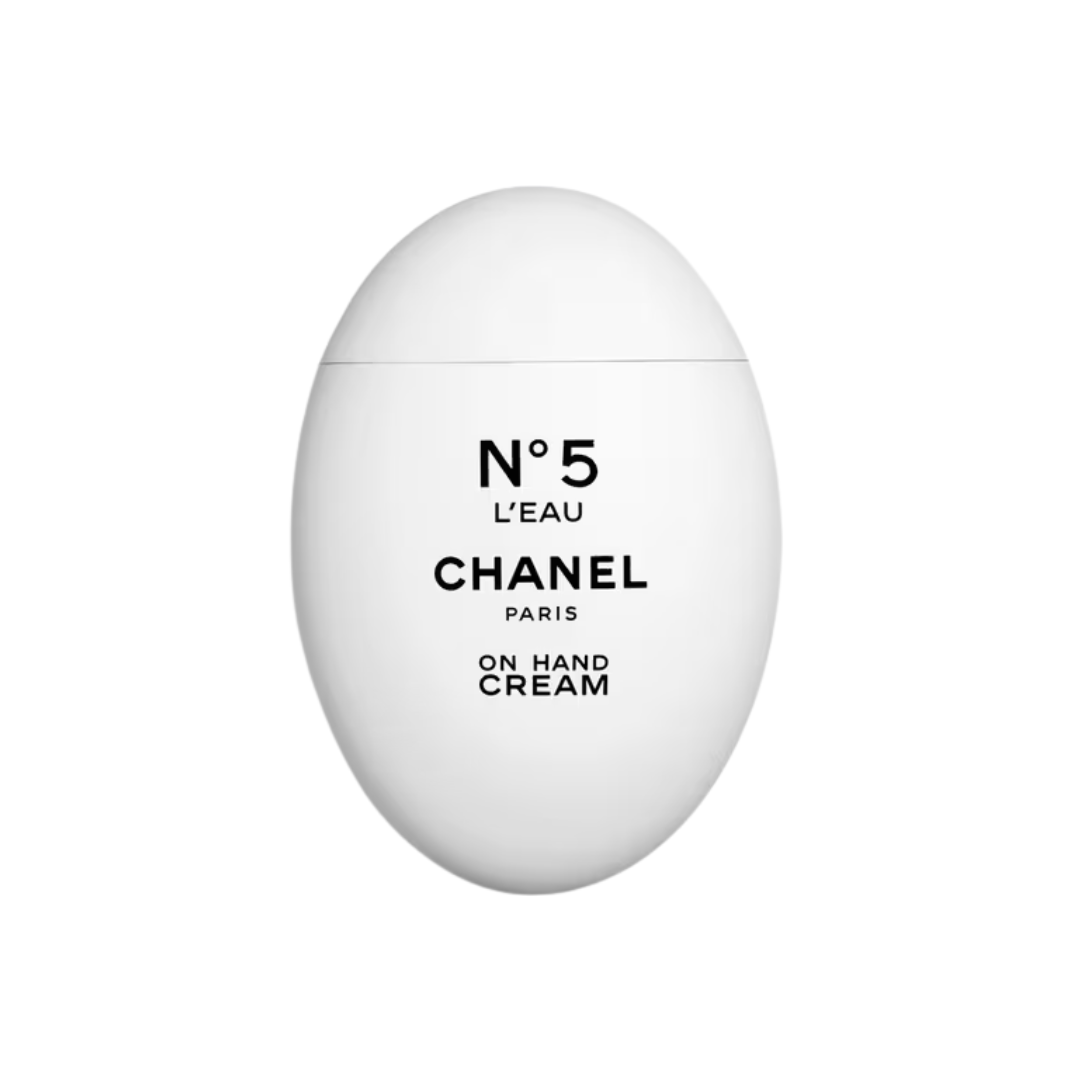
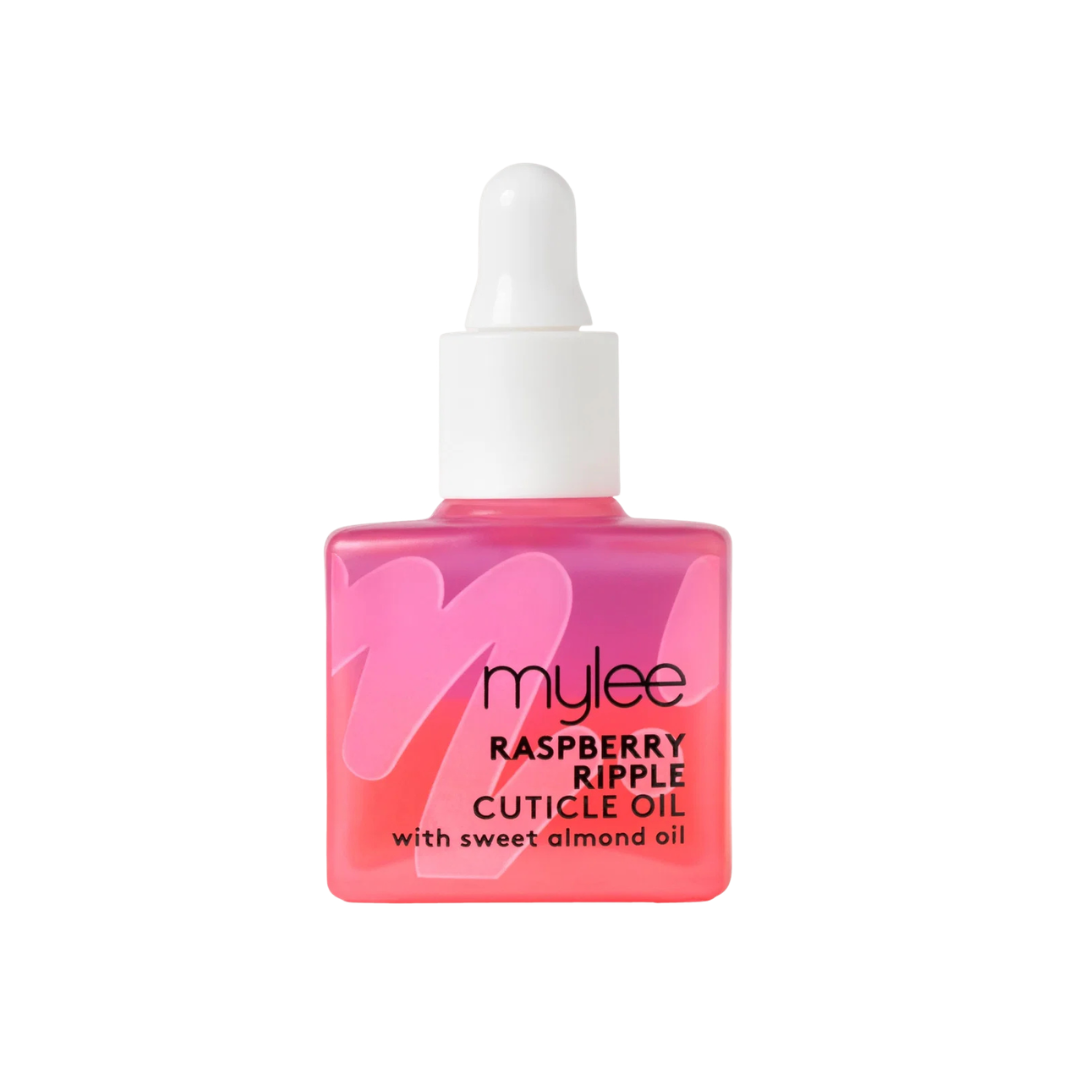
Dry, thin nails = breakage and splitting, meaning easier access for dirt and debris to cling to the areas around the nails. For this reason, keep reaching for your hand cream and cuticle oil for stronger, healthier nails. As someone who’s notoriously bad at remembering to apply hand cream, I sometimes treat myself to a ‘boujee’ buy like Chanel’s, because I always feel polished when I apply it.
Chanel
N°5 L'Eau On Hand Cream
Mylee
Cuticle Oil - Raspberry Ripple
6. Re-consider length (just a little)
Ok, take a deep breath. I’m by no means suggesting you should forgo your long nails (fear not), but as Forrester explains, “if you know you’re always hands-on, don’t feel like your nails have to be extra long. Even taking a couple of millimetres off can make them so much easier to keep looking fresh.” They can still be long; just a little more practical.
Again, seeing an experienced nail artist can make all the difference here. “A good nail technician will shape the nails appropriately for your lifestyle rather than simply following trends,” says Cummins.
Remember: compromise is a key life skill worth learning...
from Latest from Marie Claire UK https://ift.tt/nagWX2f
via IFTTT
The trifecta of bike-friendly outfits, outdoor show locations and mountains of whipped butter mean one thing and one thing only: it's Copenhagen Fashion Week. Even those who've never been to the capital might know something of its street-style scene, which is famously exuberant (read: more fun than Paris; less polished than Milan). And with its position ahead of New York, which kicks off fashion month in early September, it's very often a litmus test for autumn-facing trends; a chance for show-goers to experiment. While many continued to prove that fashion can be fun (and cheerful!), others took a surprisingly wearable approach to front-row dressing, making the most of shoes that will soon be stowed away until next summer, for example, or slipping on what looks very much like the autumn jacket after months of bare arms.
The Copenhagen Fashion Week Street Style Trends to Note
Leather Jackets
(Image credit: Getty Images)
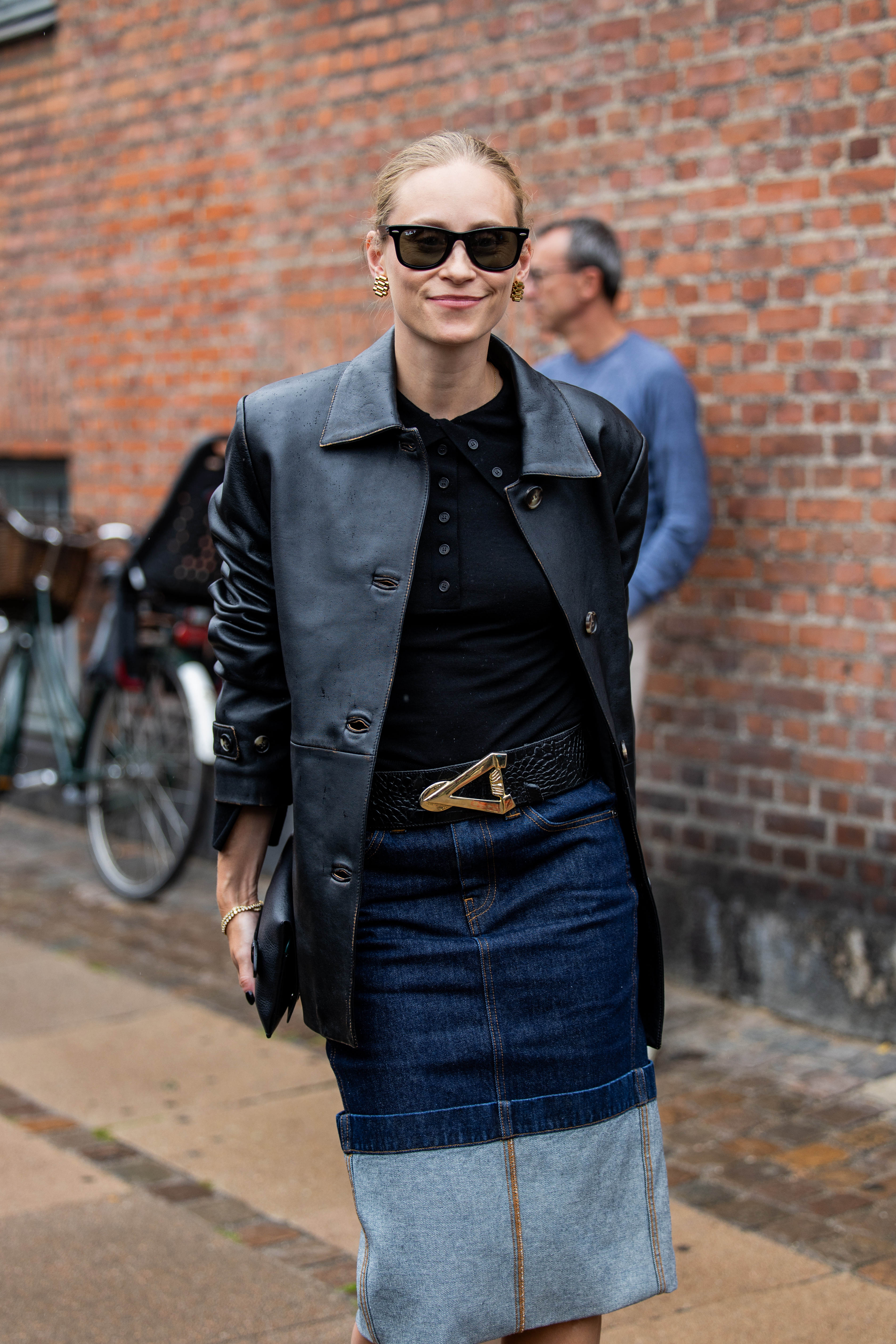
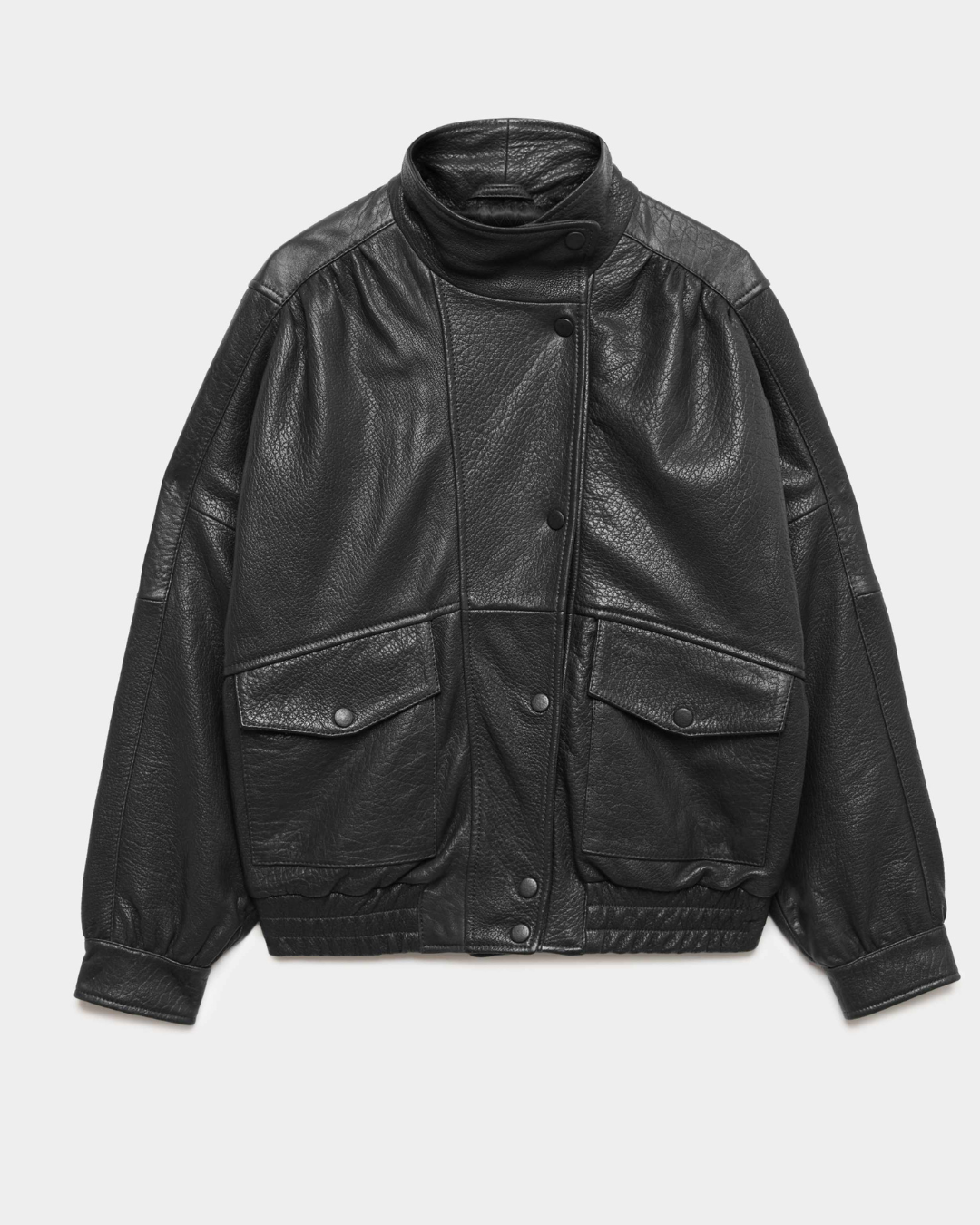
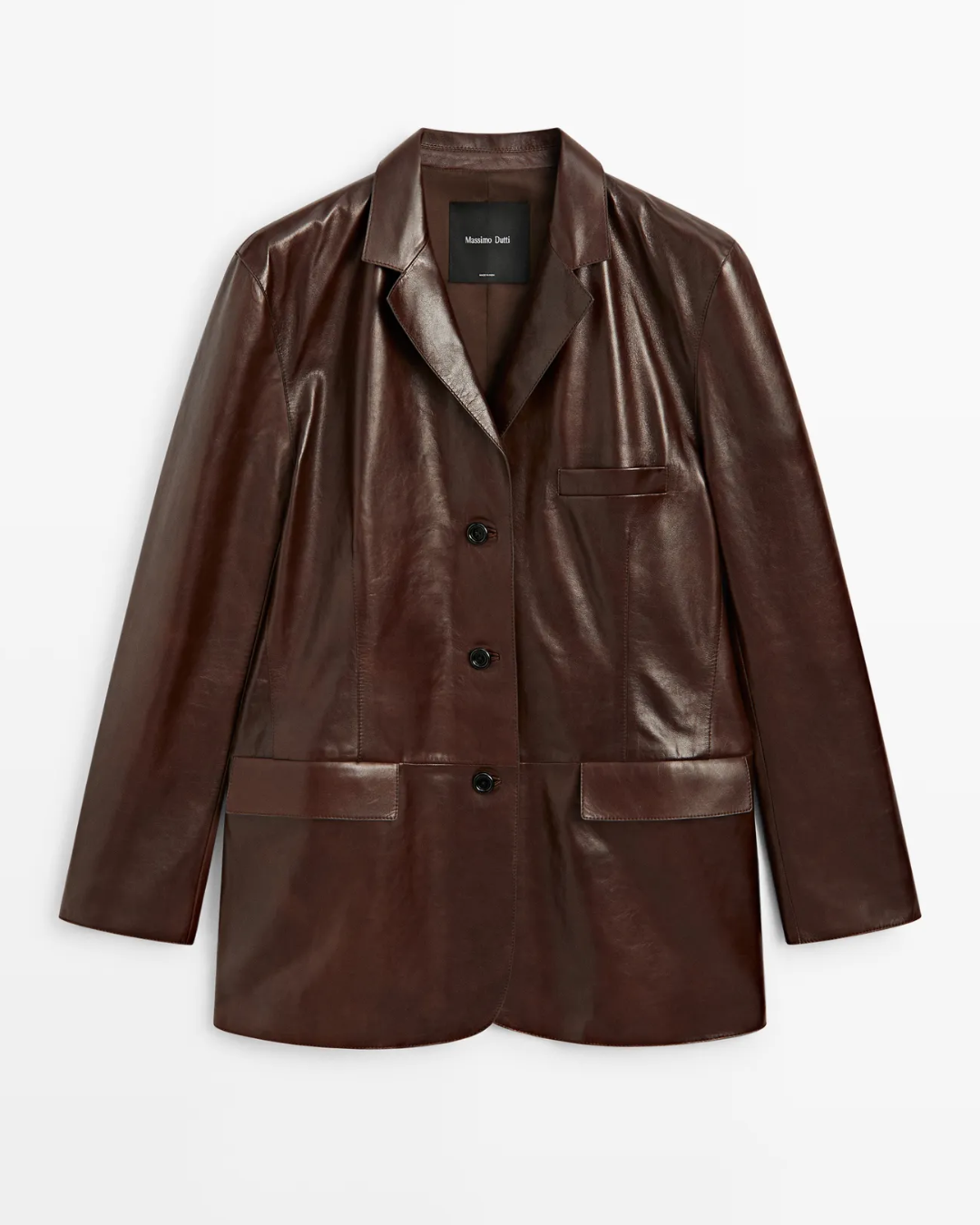
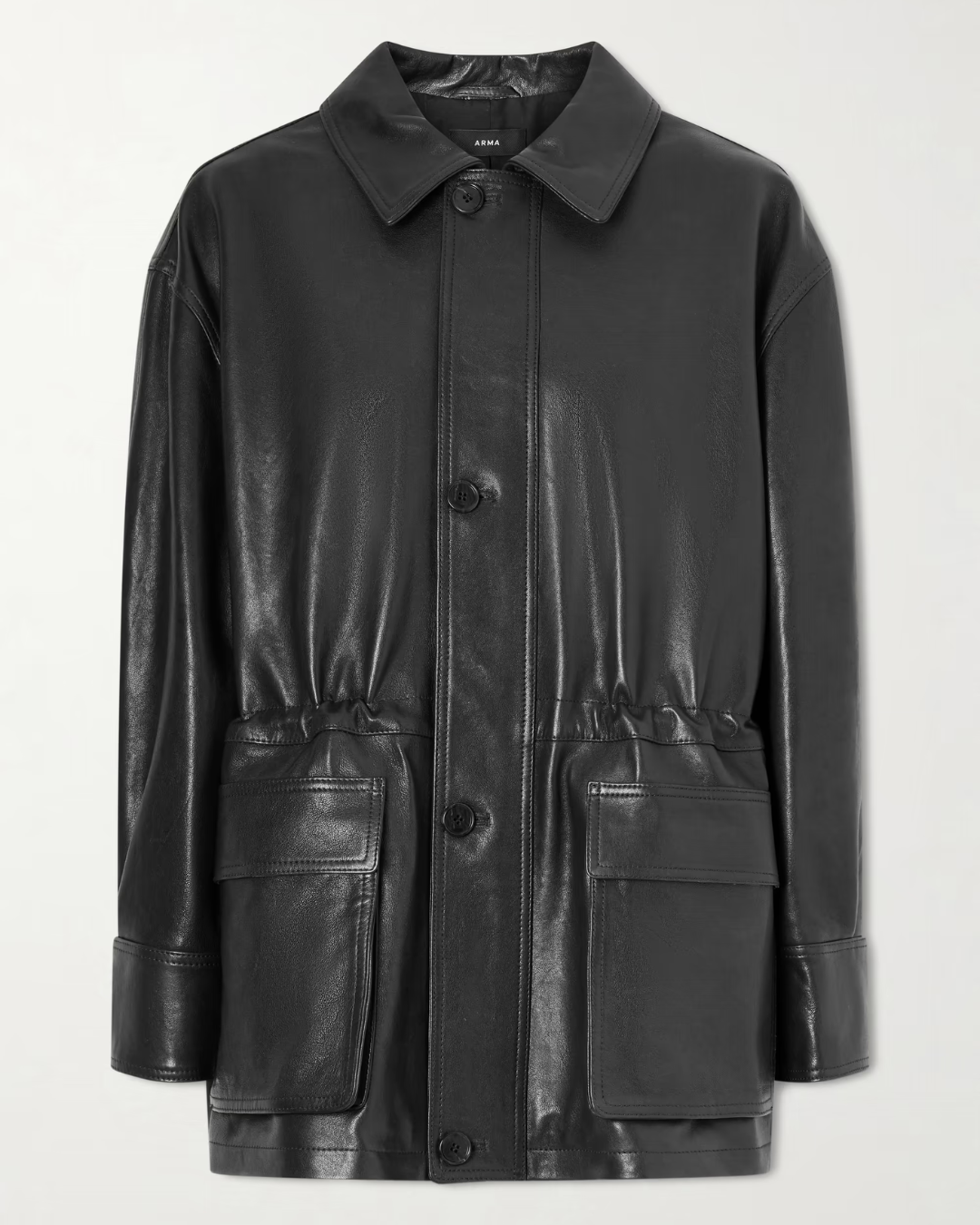
With lower temperatures than London, Milan or Paris, Copenhagen is often a good bellwether for what jackets will be popular in the core-four fashion capitals next month. Leather won by a landslide, with iterations that dialled back the bells-and-whistles in favour of minimal styles that were largely single-breasted.
Leather Funnel-Neck Bomber Jacket
Massimo Dutti
Nappa Leather Blazer With Pocket Detail
ARMA
Maeve Leather Jacket
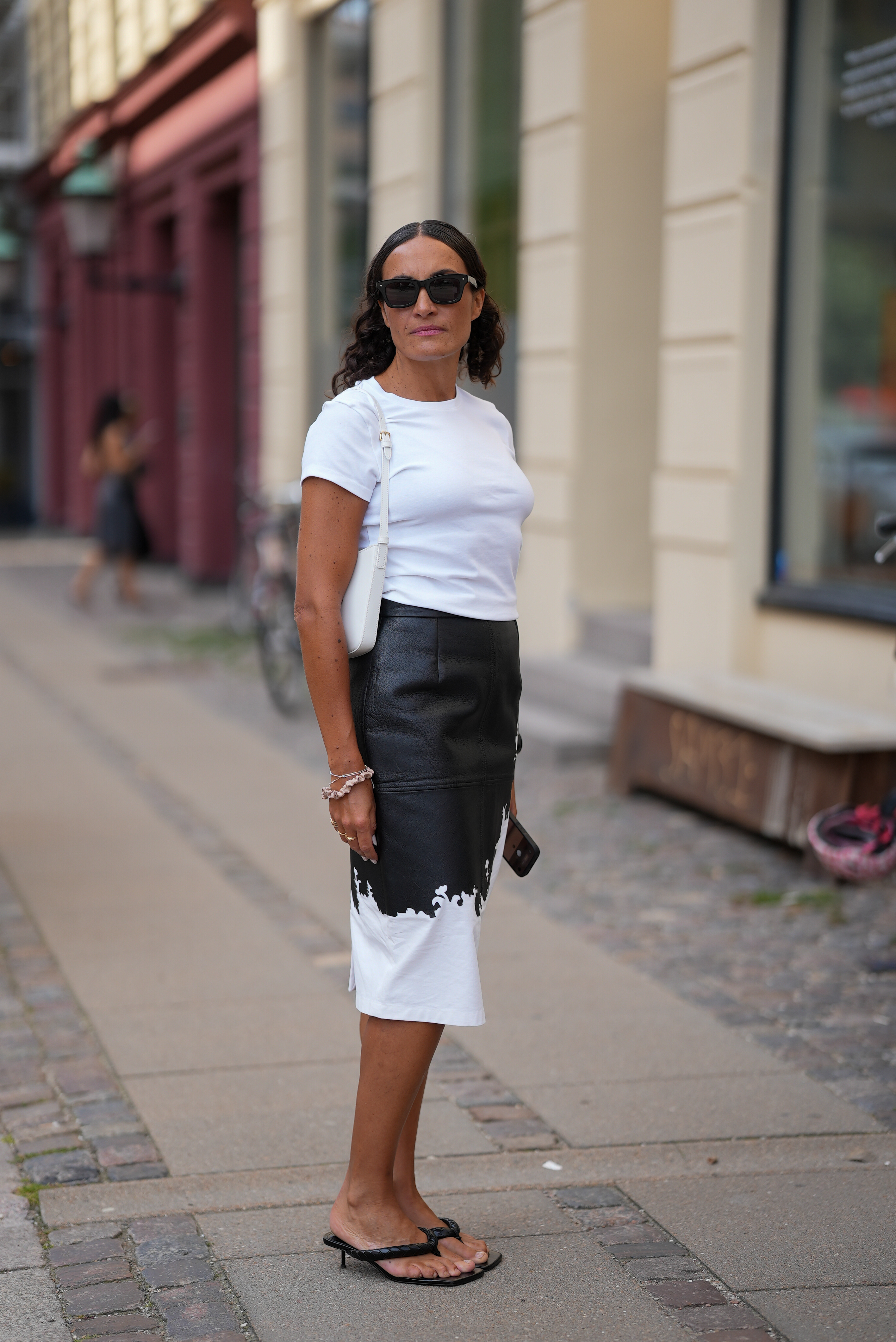
Kitten-Heeled Flip-Flops
(Image credit: Getty Images)
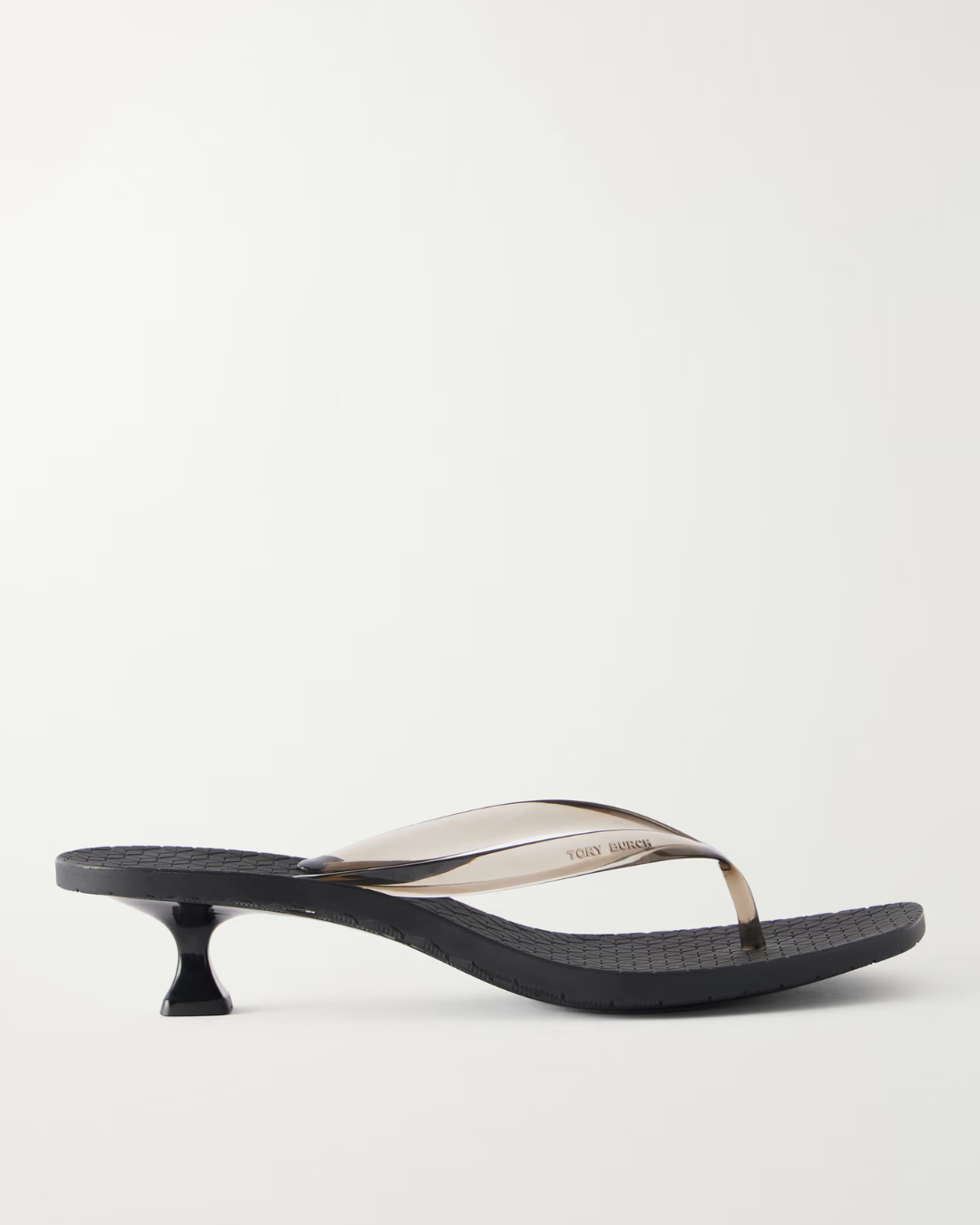
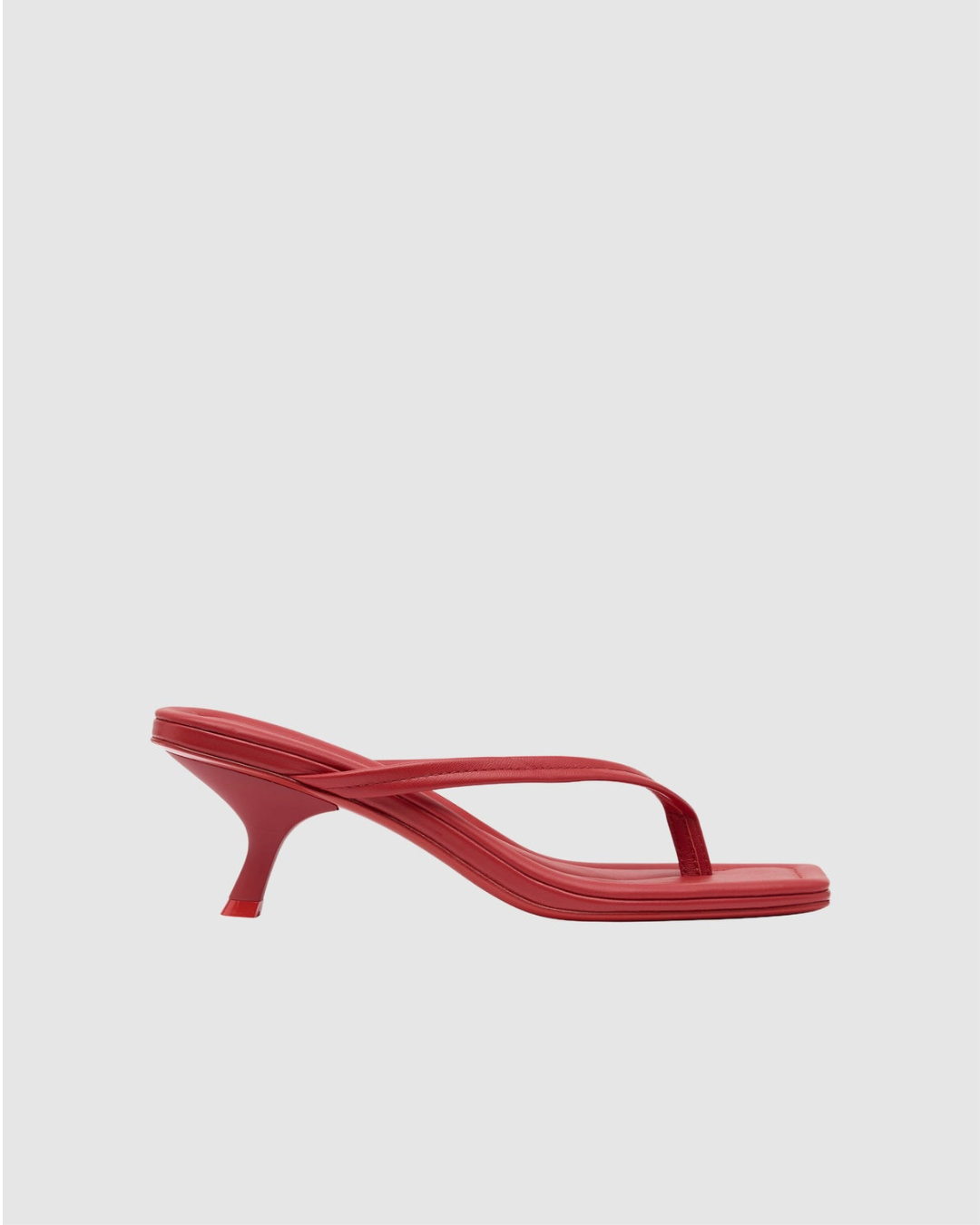
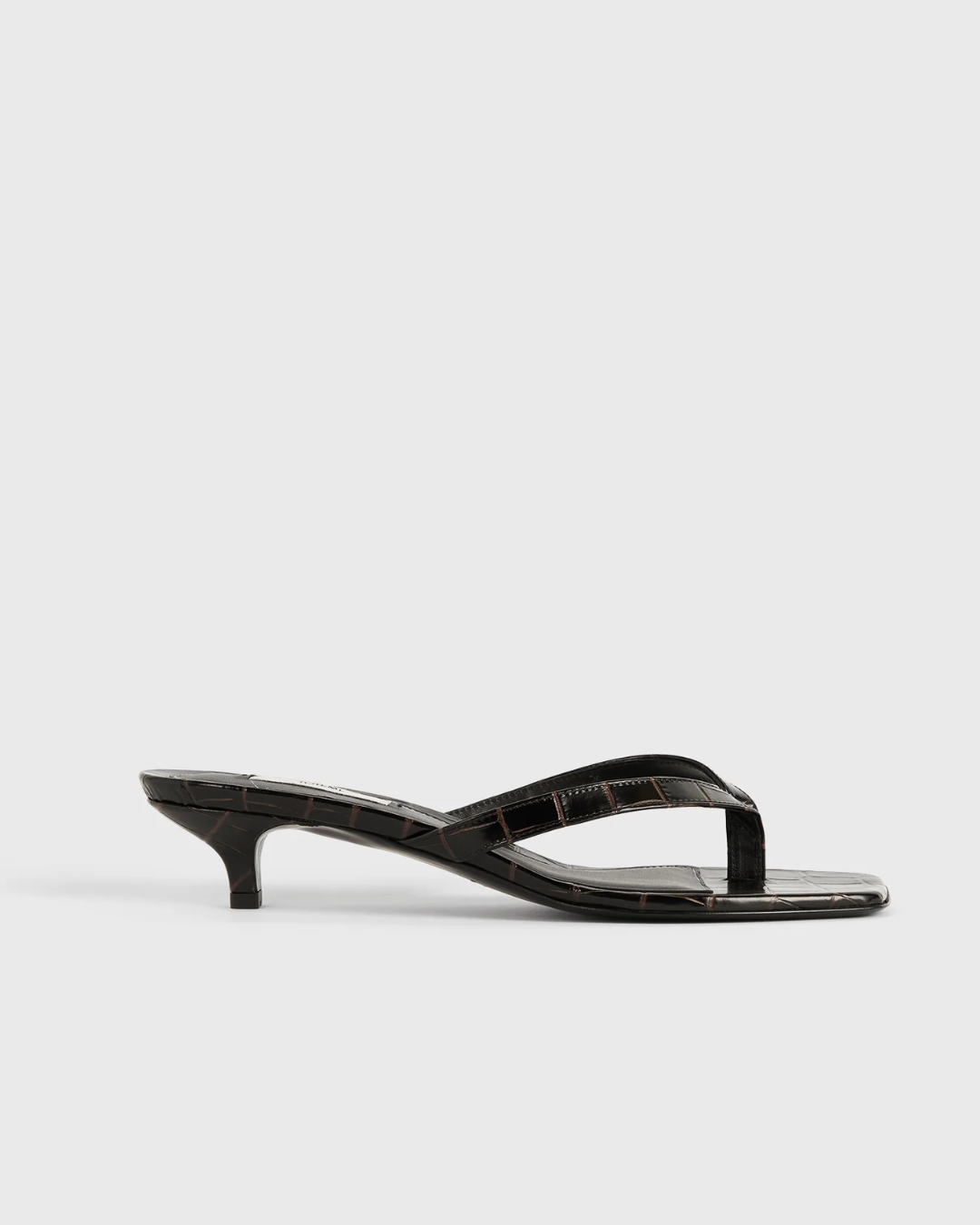
As the last chance a lot of attendees have to wear summery footwear before fall, Copenhagen Fashion Week usually features plenty of sandals. This season's pick is the kitten-heeled flip-flop, a shoe that's about as evergreen as its flat rubber counterpart. Keep things simple with black or choose something more statement (a pomodoro shade of red or PVC).
Tory Burch
PVC Thong Sandals
St Agni
Thong Detail Heel
Toteme
Croco-Embossed Heeled Flip-Flops
Lace Dresses
(Image credit: Getty Images)
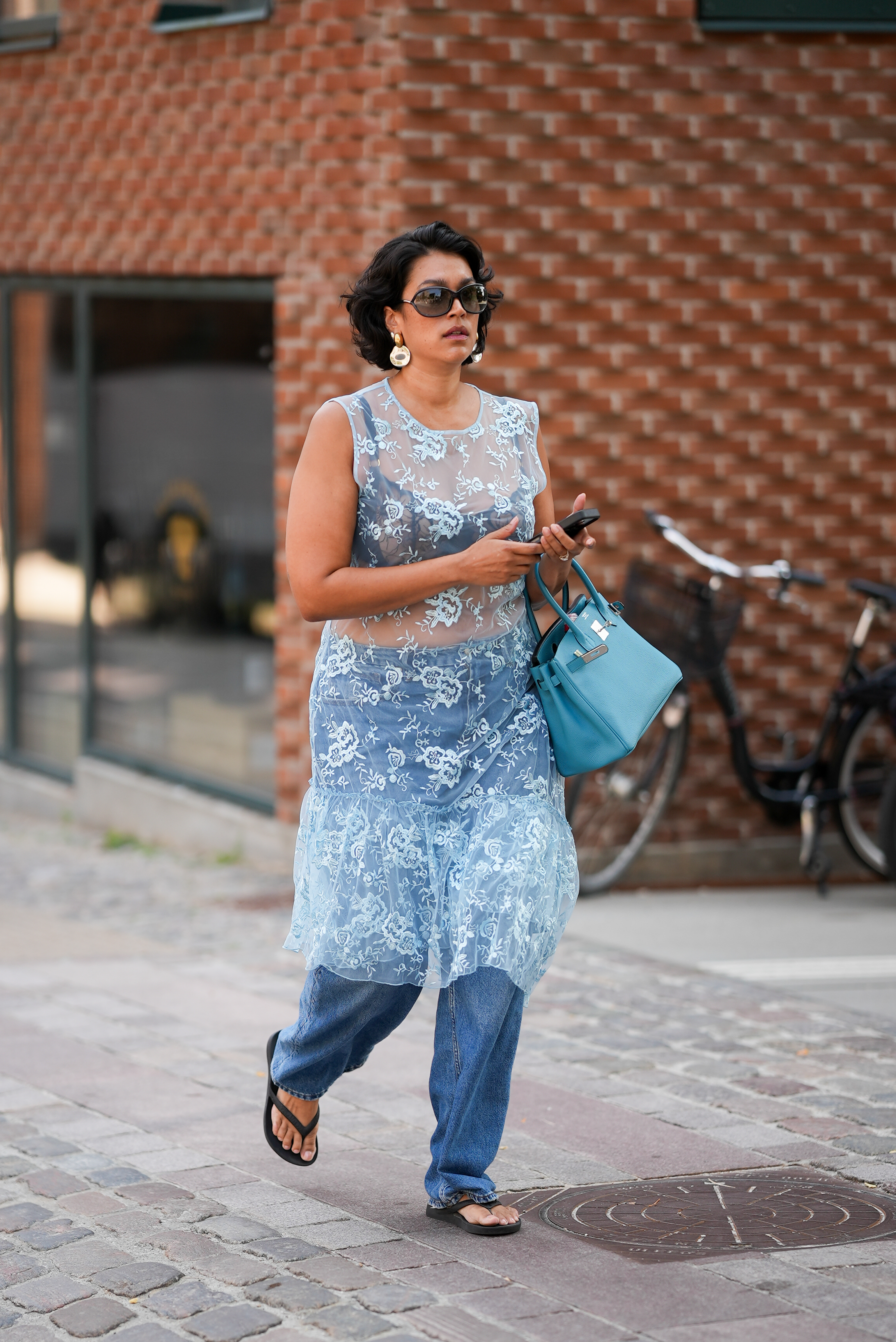
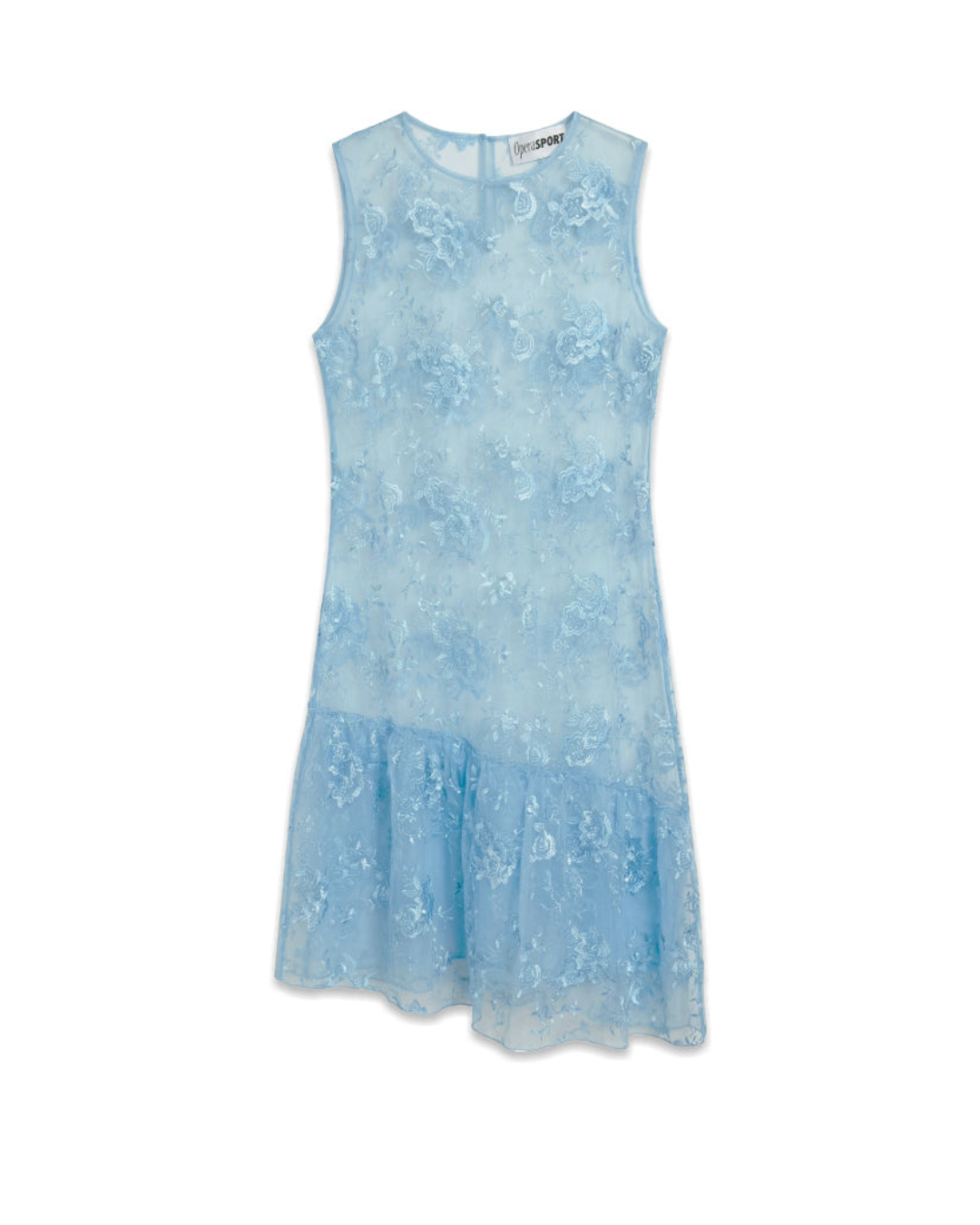
There was much to love about this outfit, but it was the contrast between its dressy lace and more casual denim that made it particularly worth bookmarking. Psst: OpéraSPORT's asymmetric dress could also be styled over cargo pants or nylon tracksuit bottoms for an evening-adjacent take.
OpéraSPORT
Nona Dress
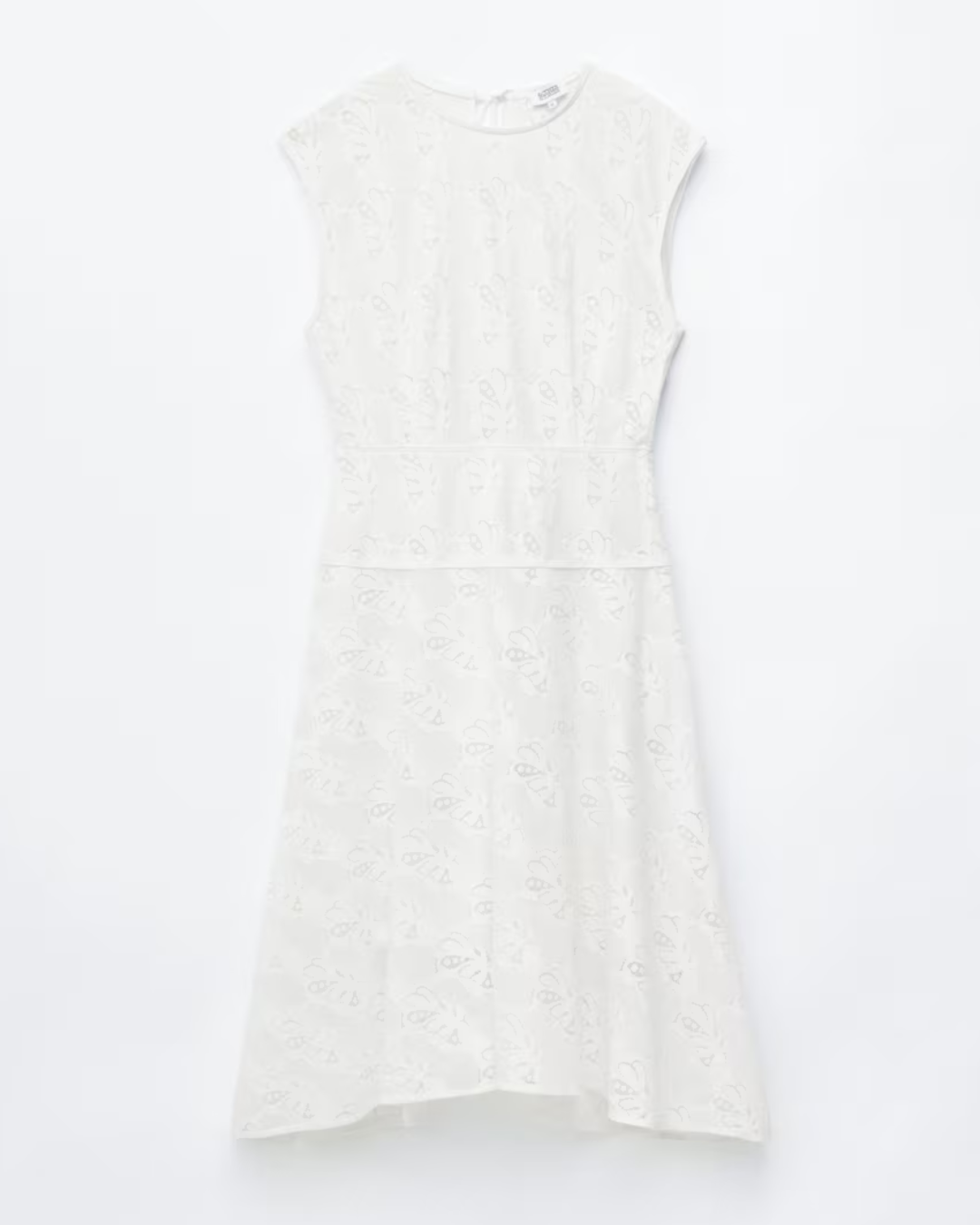
& Other Stories
Bias-Cut Lace Midi Dress
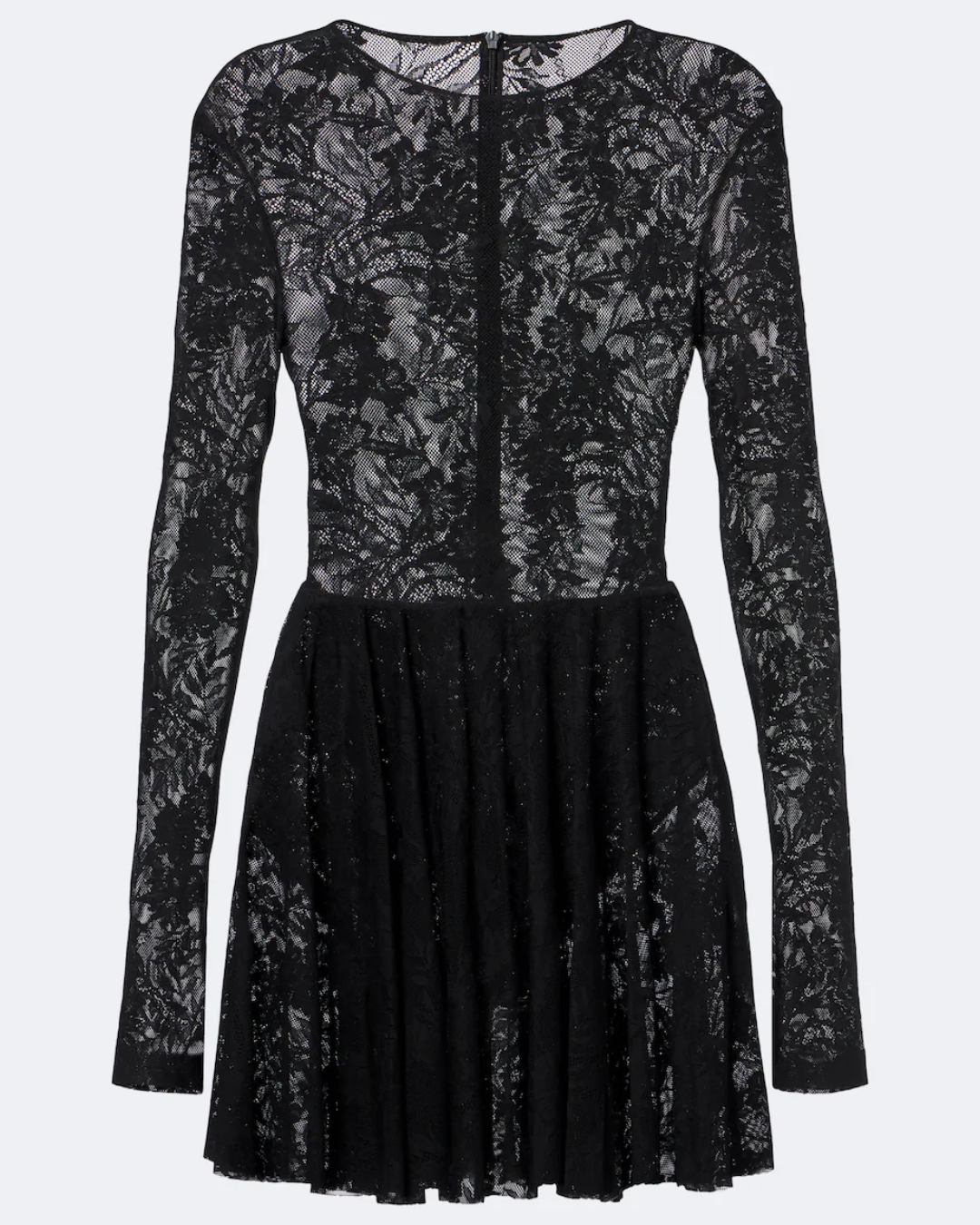
Norma Kamali
Sheer Lace Minidress
Turquoise
(Image credit: Getty Images)
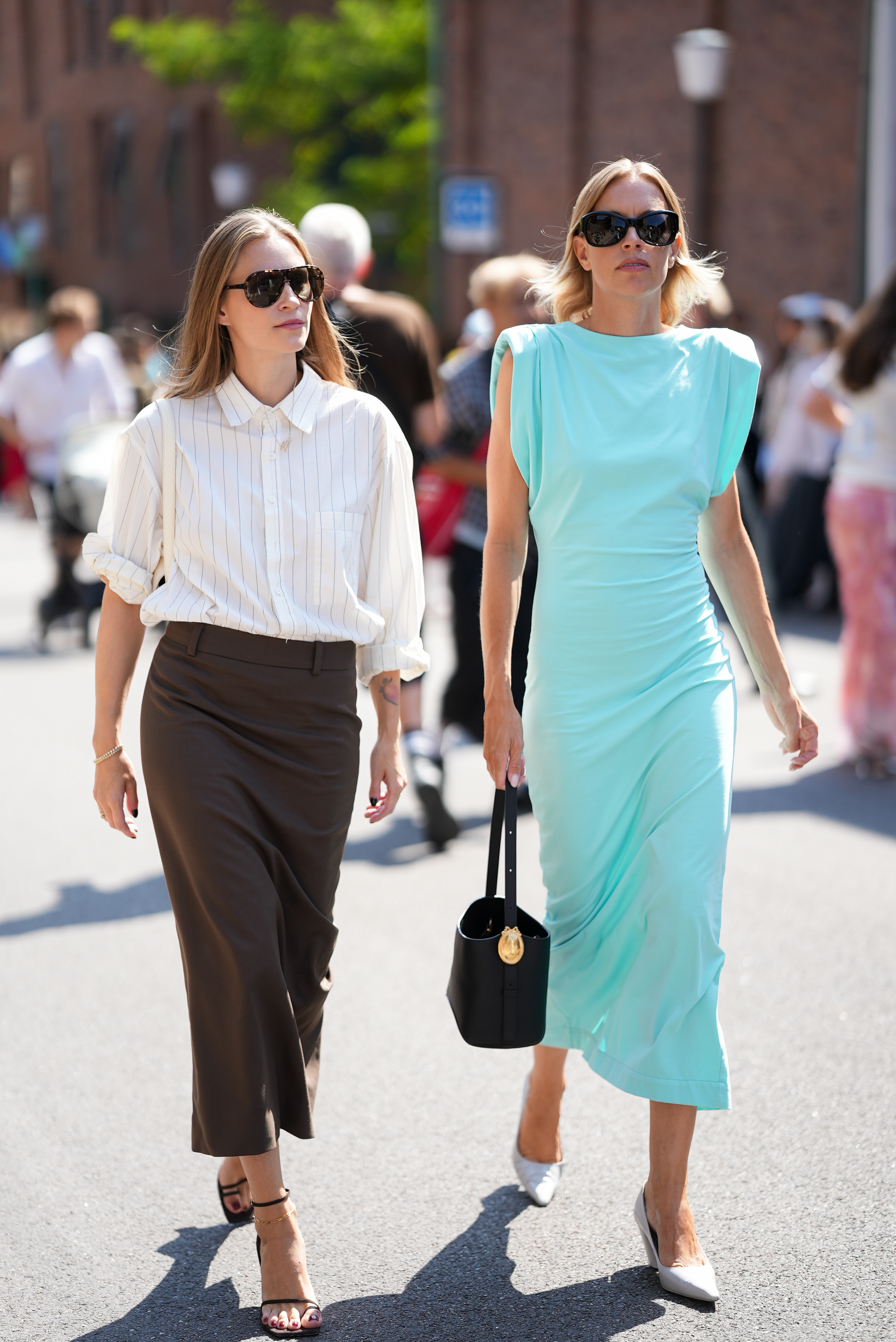
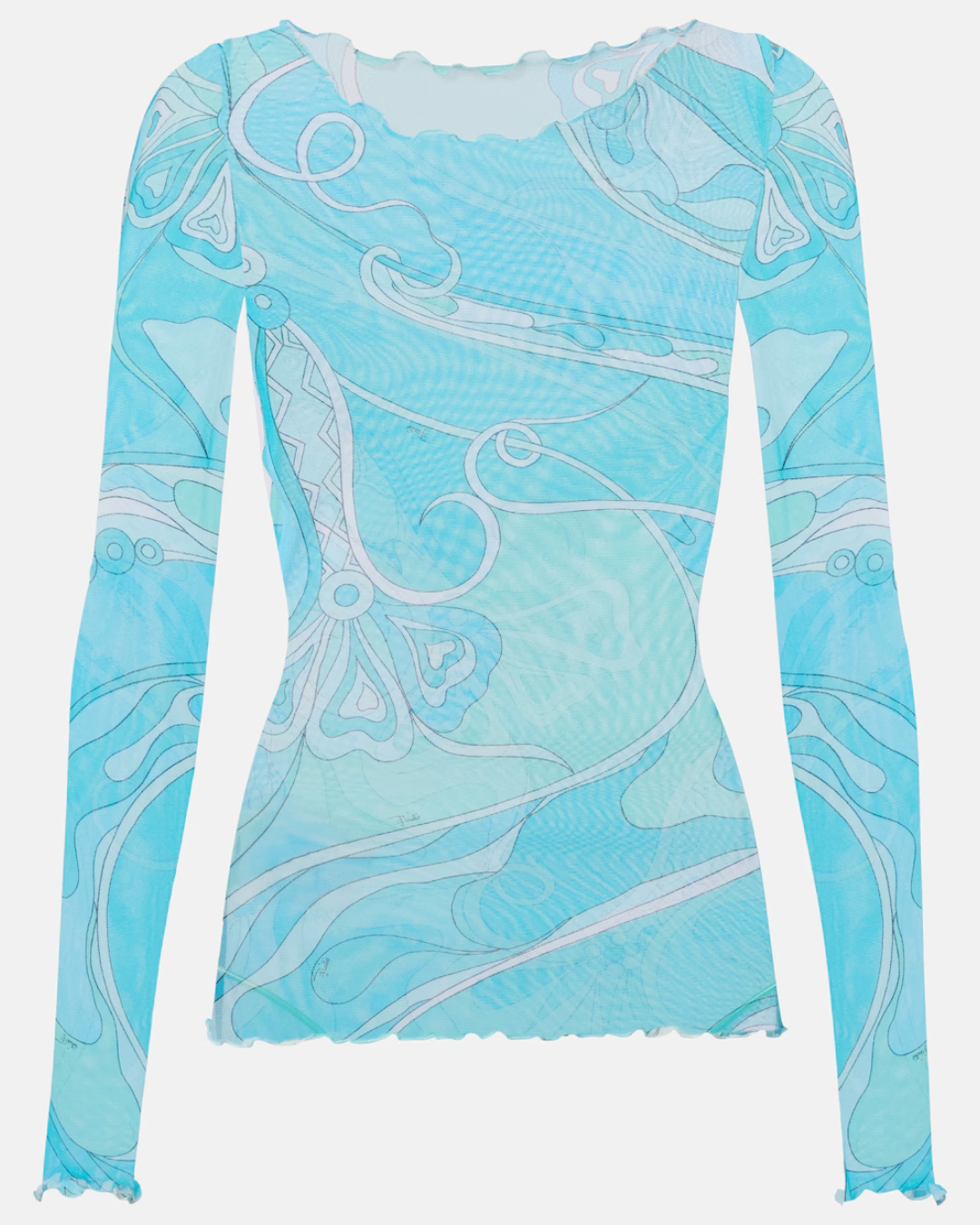
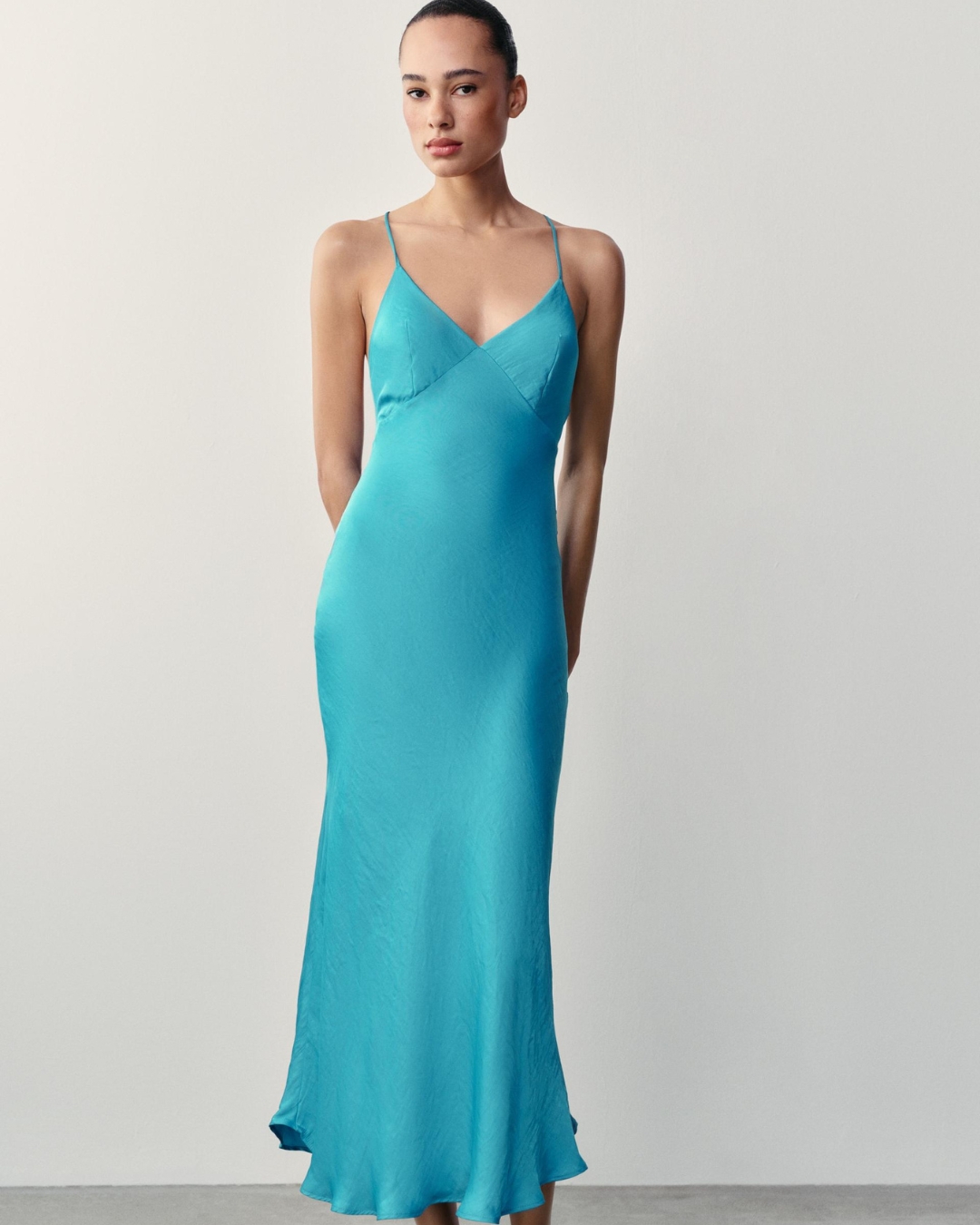
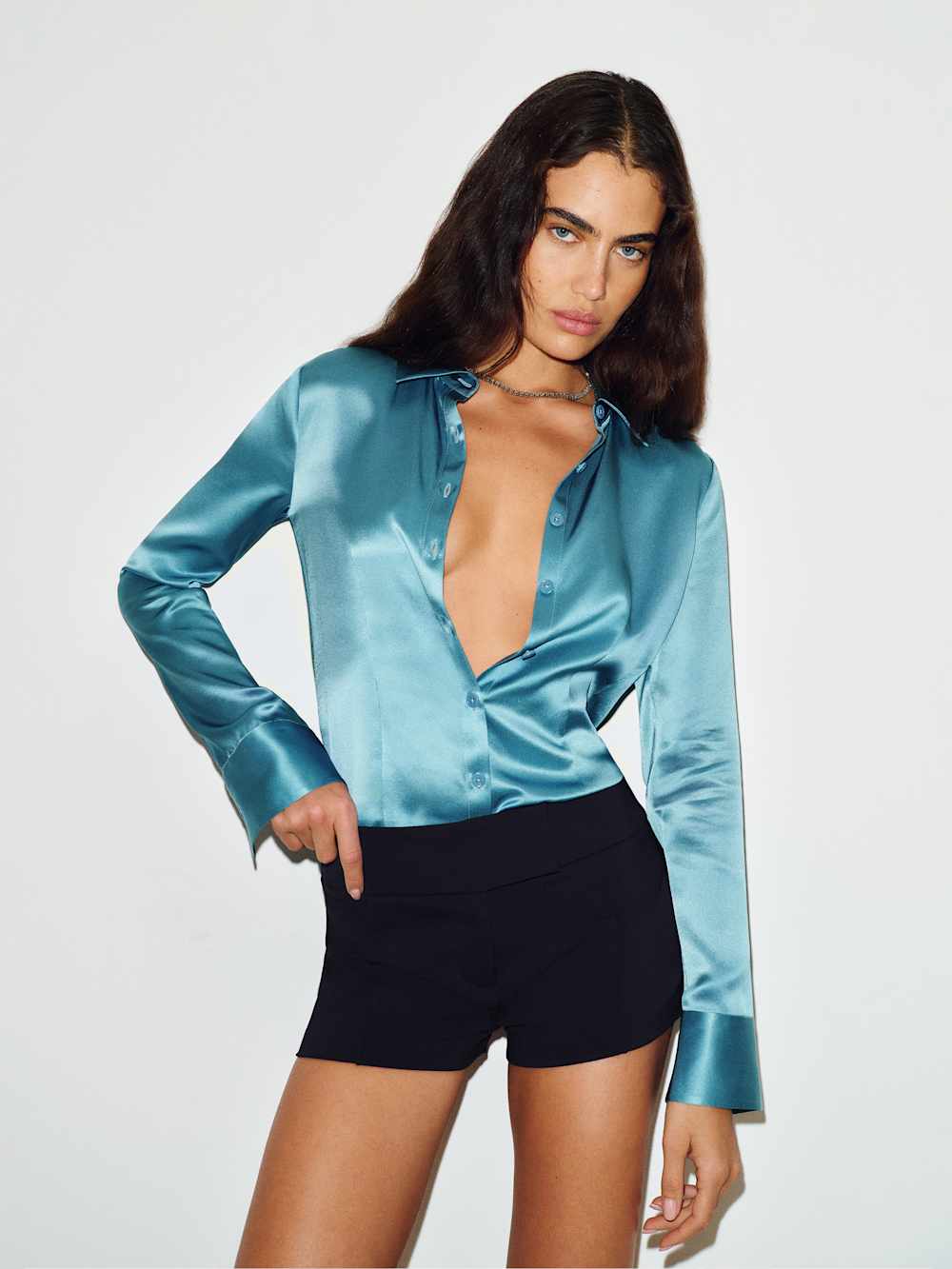
There's nothing revelatory about the colour blue, except for one gradation doing the rounds: turquoise. The shade cropped up repeatedly—on dresses, sequinned tees and fringed clutch bags in otherwise monochrome outfits—edging out its competition to become the "pop of" shade in Copenhagen.
Pucci
Orchidee Sheer Top in Blue - Pucci
Zara
Slip dress
Reformation
Raya Fitted Silk Shirt
from Latest from Marie Claire UK https://ift.tt/b2Siw6N
via IFTTT
Answer me honestly: how often do you read Marie Claire? Every month? Every week? Every day? Our most avid, fashion-focused readers may well remember that way back in February, I dubbed safari chic the key trend to take note of this summer. And, not to toot my own trend-spotting horn too loudly, that bet has become a solid winner—Alexa Chung is here to prove my point, stepping out in a khaki shirt, shorts and studded leather belt look that's surprisingly easy to recreate.
Has the model-turned-TV-host-turned-muse been scrolling our site? I'd like to think so. Or perhaps she's kept a sharp eye on the Spring/Summer 26 runways of Isabel Marant, Burberry, Balmain, Saint Laurent and Lemaire, toeing the line between elevated everyday and off-duty cool. And as with all great outfits, the key is in the details. A longer-length short for a more polished finish. A studded belt for an extra layer of interest. A more feminine shoe to soften an otherwise action-man-inspired look.
As someone who tends to shy away from a loud logo, however, tracking down Alexa Chung's exact outfit is near impossible. So I bring you the most similar pieces our favourite retailers have to hand—though you probably own a few of them already.
Shop Alexa Chung's Khaki Look
With Nothing Underneath
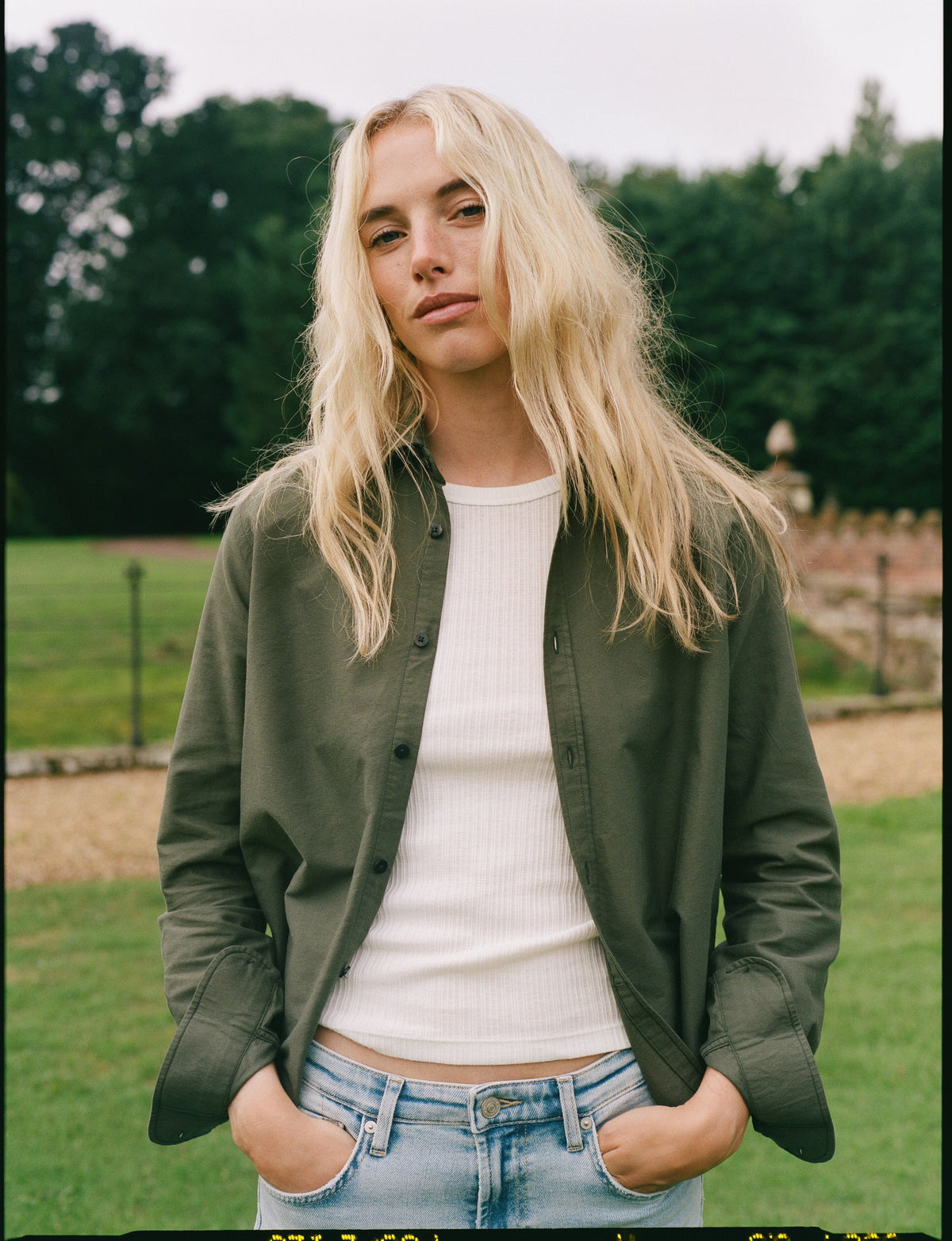
The Classic: Oxford, Khaki
Few brands excel at shirt making quite like London-based label With Nothing Underneath. Crafted from 100% cotton in a classic cut, this style will work for both work and the weekend.
White Stuff
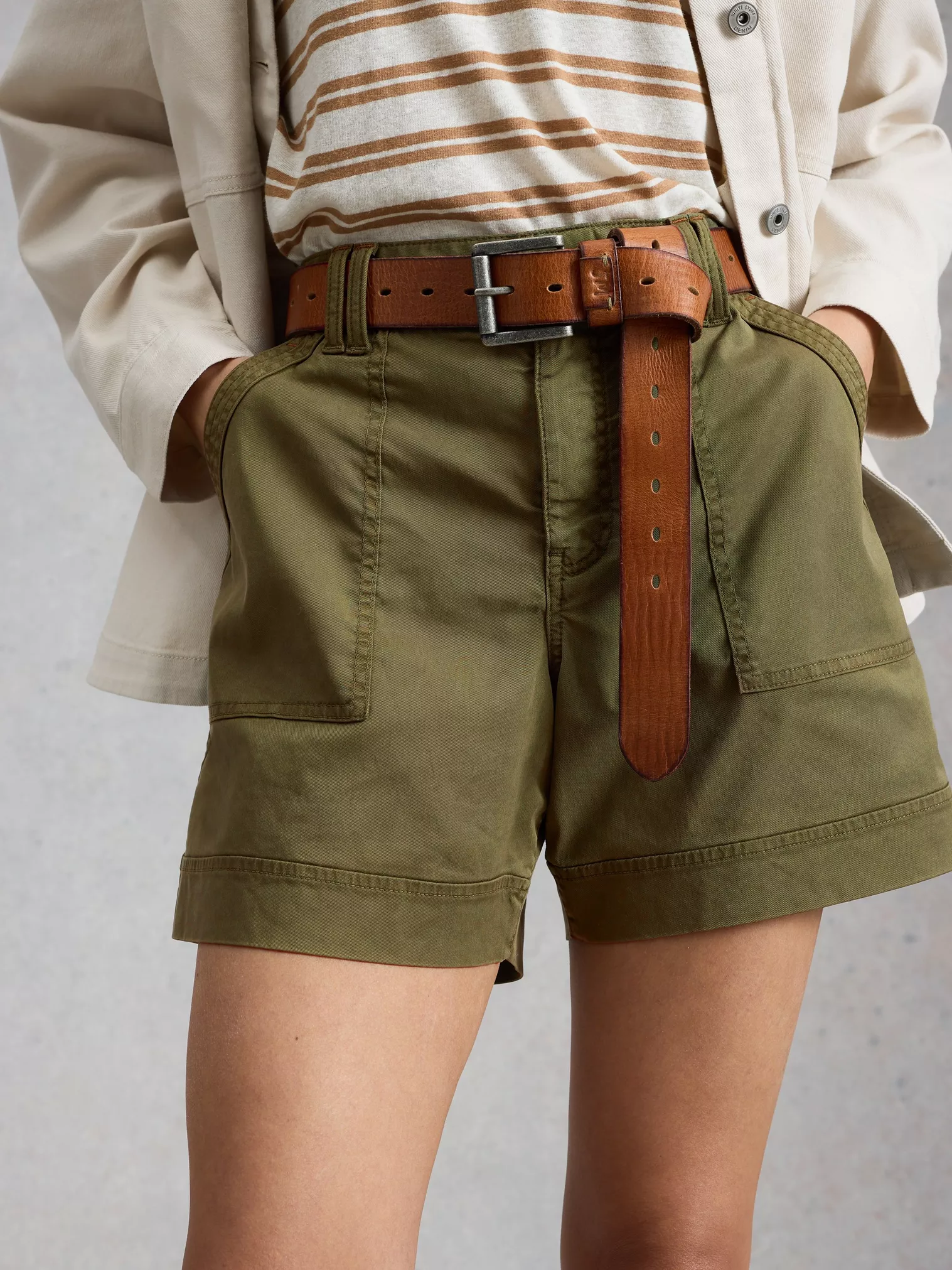
Gabby Combat Short
Google 'khaki shorts' and you'll see a swathe of micro mini lengths, but what makes Alexa's look feel more grown up is the longer length and looser shape. This pair comes in 3 different lengths, so select long if you want slightly more coverage.
Lemaire
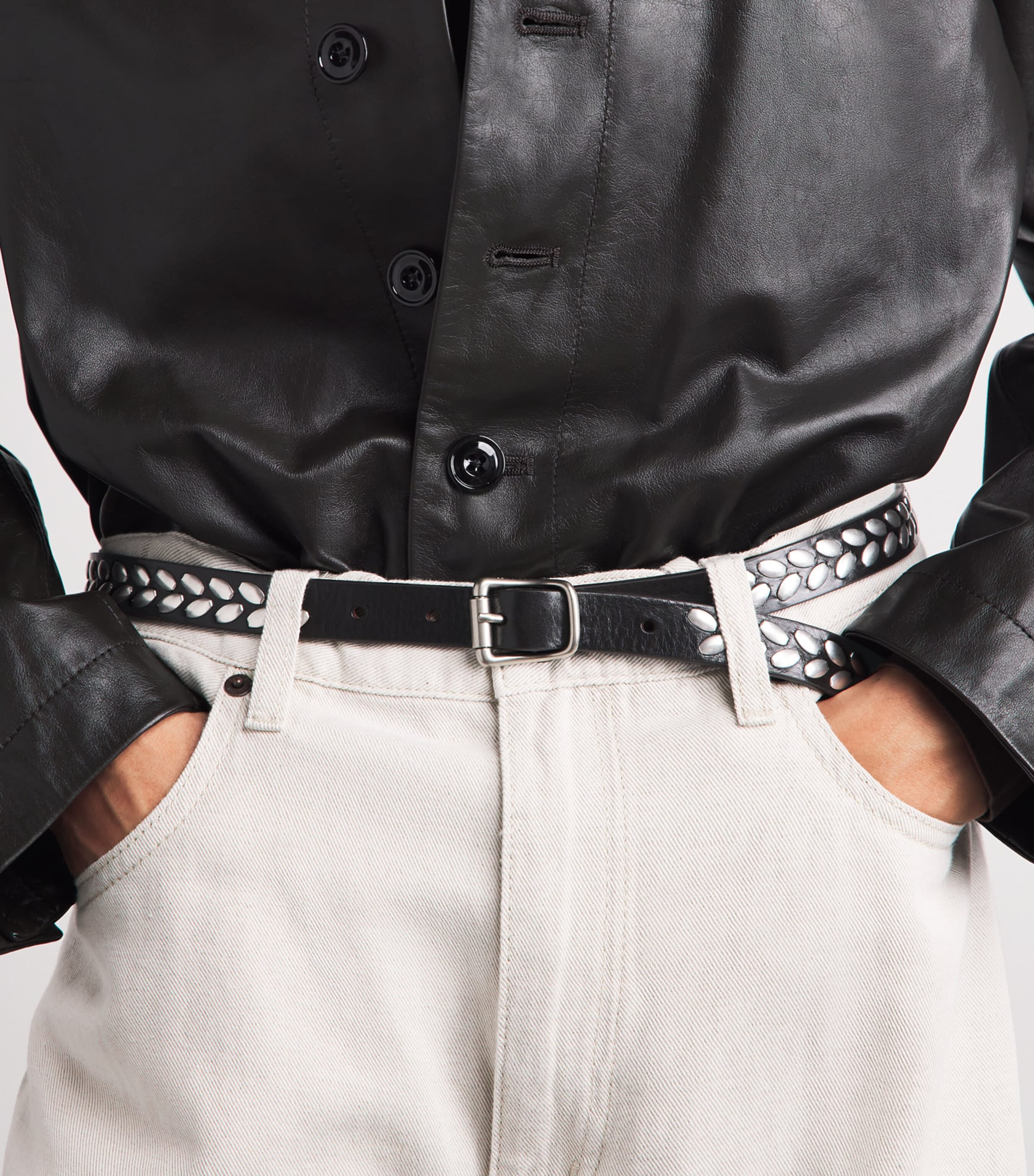
Lemaire Leather Studded Almond Belt
With almond-shaped silver-tone studs on dark brown leather, this is far from your everyday belt. I'd say it's the easiest way to elevate an outfit.
PAOLA SIGHINOLFI
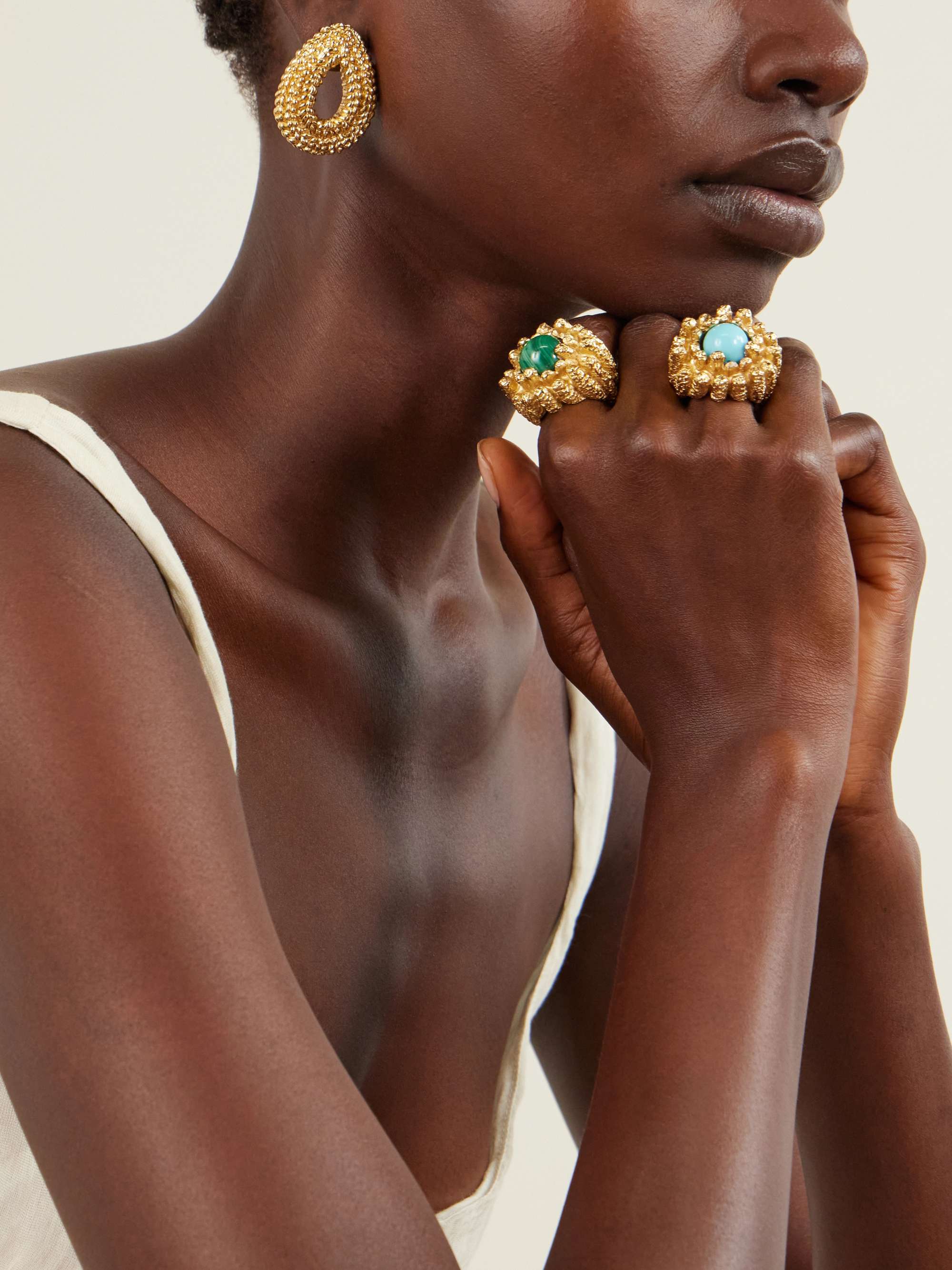
Lia 18-Karat Gold-Plated Pewter and Resin Ring
The only place I've seen turquoise jewellery as incredible as Alexa Chung's ring is a tiny family-owned jewellery store in Türkiye, so you may have to sniff out an independent designer for something truly similar. Otherwise, this Pala Sighinolfi ring is just as striking.
THISTLES
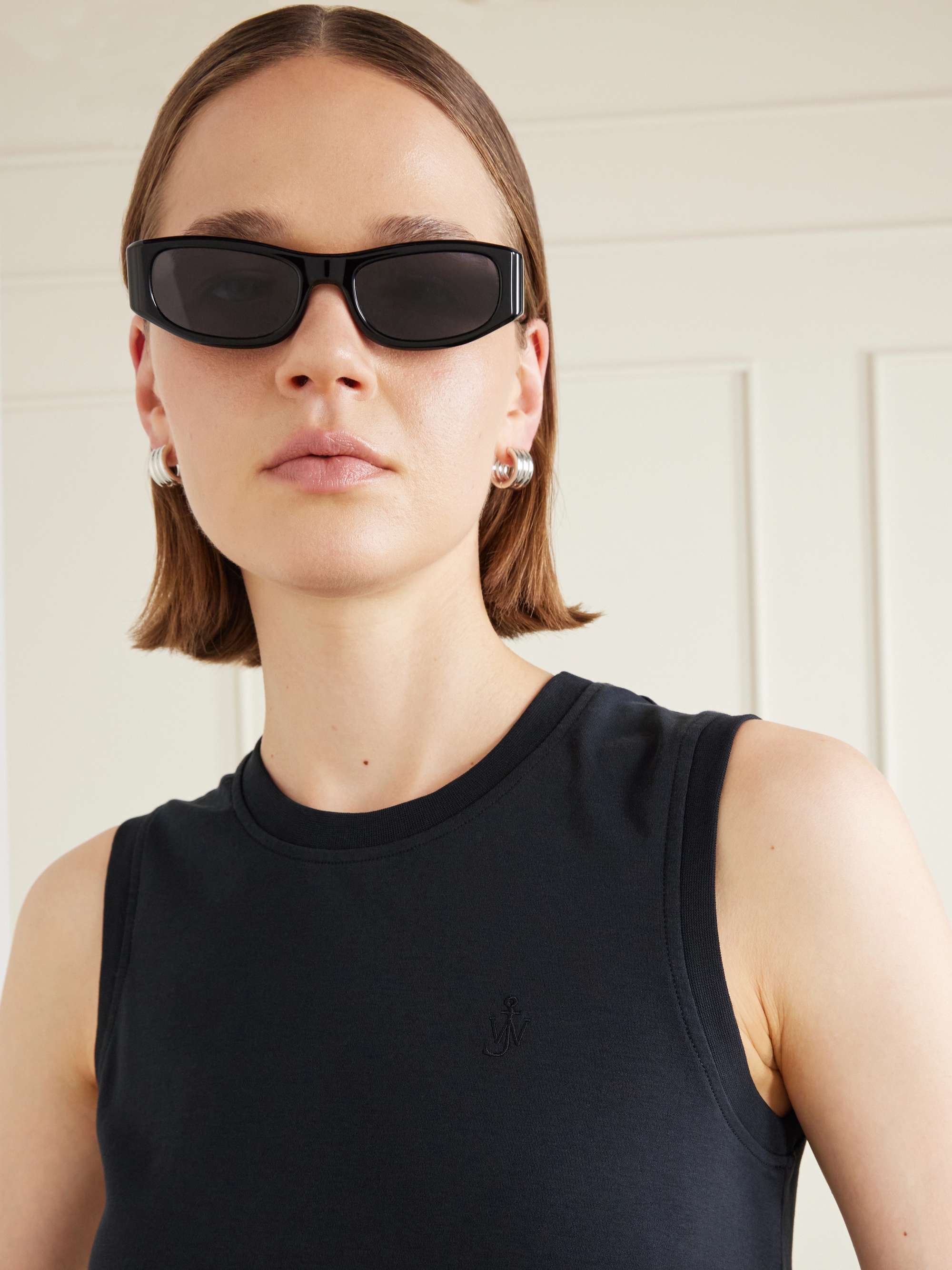
The Suede Square-Frame Acetate Sunglasses
The sunglasses market is saturated, so it's not everyday a new label launches in a major UK retailer. Take this as your sign to put Thistles on your radar.
Reformation
Clementine Heeled Mule Sandal
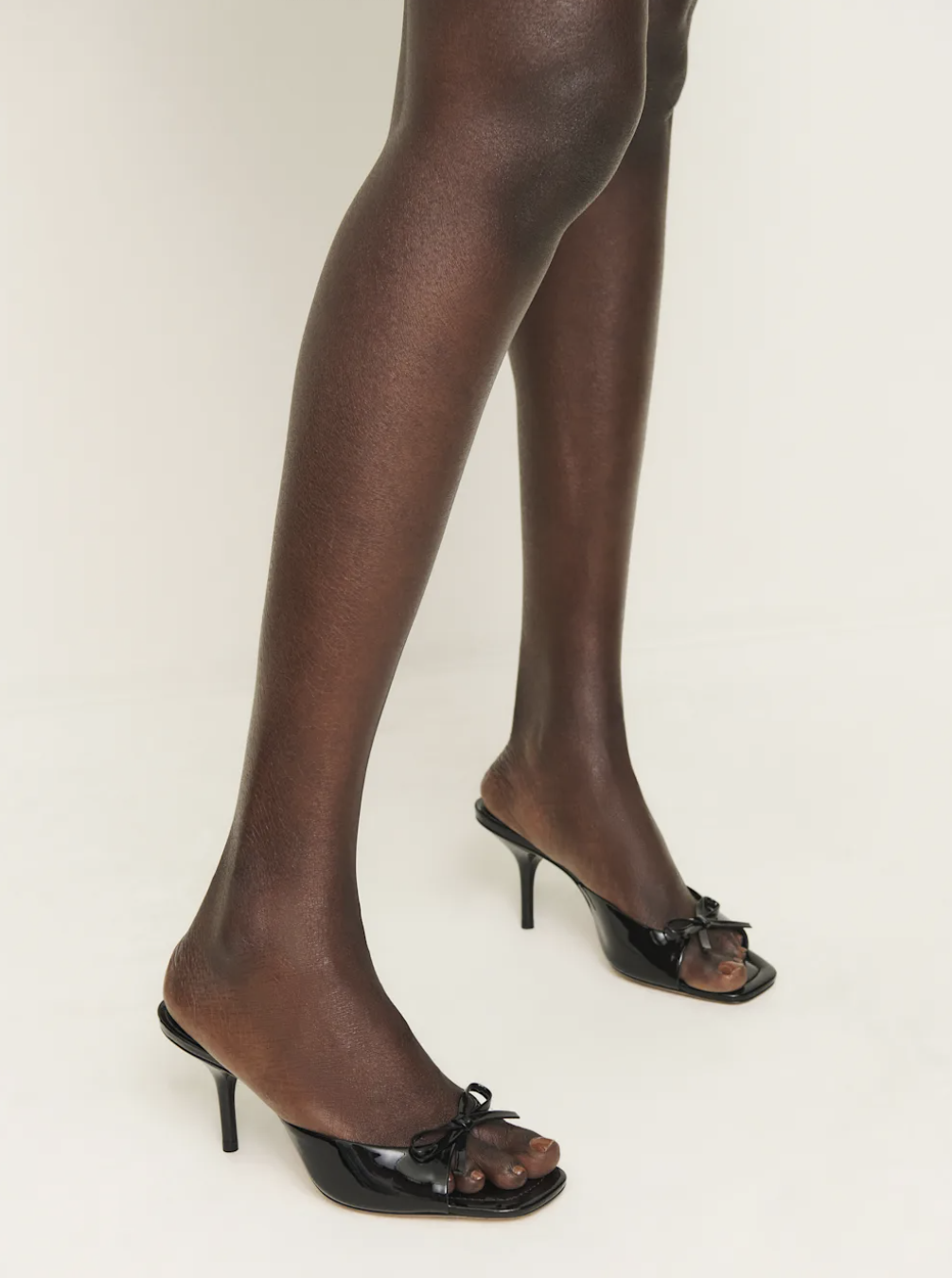
A black peep toe mule with a bow? How retro. And also far more versatile than they may at first appear.
THE ROW
Park 3 Medium Textured-Leather Tote
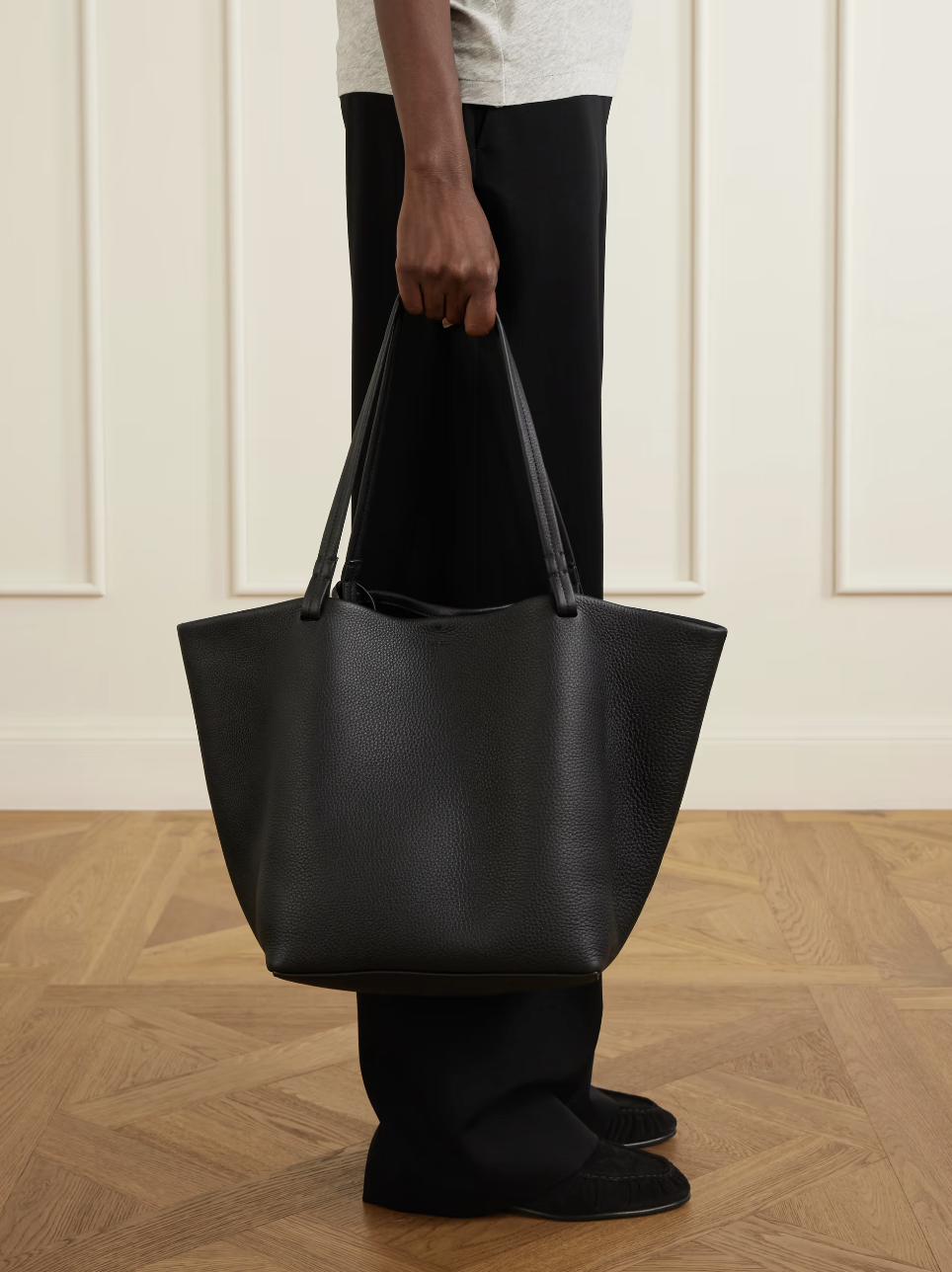
Chung seems to have mastered the art of no logo dressing and The Row are certainly leaders in the quiet luxury race. This calf leather black tote will easily become your everyday bag that lasts a lifetime (and more).
from Latest from Marie Claire UK https://ift.tt/whbxG4J
via IFTTT
All the cool girls are ditching mascara this summer. More specifically, their lashes are completely bare. Naked as the day they were born. Not so much as an eyelash curler has come near their lash follicles since we collectively started maxing out on “-maxxing” and Andy Burnham was still frolicking around Manchester.
For millennials in their mid-thirties like me, this news is catastrophic. I grew up in the era of mega-watt lip gloss and sparkly powder highlighter. We wore XXL strip lashes for every night out (hell, sometimes even during the day) and the aim was simple: thick, sky-high and voluminous. Our lashes weren’t just a step in our beauty routines; they were part of our identity.
Of course, as we grew up, so did our makeup. Dream Matte Mousse was replaced by lighter BB creams, and all-over bronzer was superseded by strategically placed cream formulas. Our lash look became more mature, too: we opted for salon treatments such as lash lifts and extensions for a more subtle, fluttery look, and we used lash serums to enhance our natural lashes, rather than coating them in four layers of mascara to achieve the desired length.
But mascara is still my desert island beauty item and I rarely leave the house without a quick coat of product. I’ve written articles about how I achieved my naturally long lashes (Revitalash Eyelash Conditioner) and I’ve reviewed dozens of mascaras in my quest for the perfect formula (L'Oreal Paris Volume Million Lashes Panorama Mascara, imo). So when I saw a plethora of A-listers sporting bare lashes recently, from Gigi Hadid at the Met Gala to Maya Jama’s latest cover shoot – and most notably, Zendaya’s gloriously ethereal look at the New York premiere of The Odyssey, created by makeup artist Ernesto Casillas – I knew I had to investigate.
The naked lash trend has been dubbed ‘ghost lashes’ by media outlets and the phrase ‘ghost lashes trend’ has been a recurring breakout term on Google for the past few weeks. TikTok users in their droves swear that going sans mascara creates an ‘off-duty model look’ and a clean, fresh aesthetic.
“The ghost lash trend is a minimalist makeup look where the idea is to make your lashes look so natural they’re almost invisible, hence the name ‘ghost lashes’,” explains makeup artist Anouska Bloom. “It’s part of the broader shift towards effortless, clean beauty, where the focus is on healthy, plump, juicy skin.”
Bloom has seen a noticeable rise in clients requesting the look recently. “Some have opted for their lashes to just be curled with super-light mascara application, whereas those who normally prefer a more glam look now just ask for a few individual lashes, rather than a full-blown cat eye. Others have requested brown mascara instead of black to look as natural as possible.”
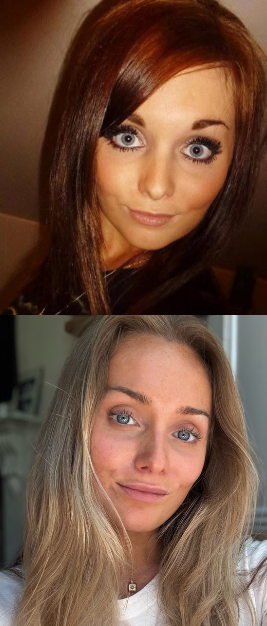
Ali Pantony in 2008 with full lashes and today, embracing the no mascara trend. (Image credit: Ali Pantony)
When Did Mascara Become Uncool?
So, when did wearing mascara fall out of trend, and why? Is it part of Gen Z’s cultural rejection of beauty standards and curated perfection in the age of AI? The ‘unbothered’ and ‘undone’ aesthetic—or ‘clean girl beauty’—is noticeably more visible on our feeds, and while I’m not saying that everyone is ditching makeup altogether, there is a definite shift towards barely-there beauty, with bare lashes at the forefront. It may not be obvious when we’re wearing concealer or even a dab of subtle blush, but even one coat of mascara is usually noticeable. Is makeup becoming less about attractiveness, and more about identity and agency?
“I think there’s a growing appreciation for features looking like themselves, rather than feeling like they have to be enhanced to their maximum,” says makeup artist Emily Wood. “As a result, there’s been a shift towards makeup that feels lighter and less obviously ‘done’.”
Wood says she’s seen this cultural shift across generations; not just young people. “While Gen Z have definitely embraced softer, more understated makeup, I also think people of all ages are becoming more confident wearing less. It feels less trend-driven and more like a change in how people want makeup to feel.”
How to Wear the Ghost Lash Trend
If you’re keen to try the ghost lash trend, Bloom has some tips. “Try tight-lining your waterlines with a soft brown to add some definition – this will also bring out the colour in your eyes, making them feel a little less ‘bare’. I’d then curl the lashes for a beautiful, flirty lash. My favourite lash curler is the Shiseido one, just a few pumps on either side and you’re good to go.”
Similarly, Wood says a natural, curled lash and flushed cheeks are the way to go. “If you know me, you know a pair of eyelash curlers live in every bag I own,” she says. “I’ve been curling my lashes since I was about 12 and honestly couldn’t live without them. Once my lashes are clamped, I always ‘pulse’ the curler, which gives the best lifted results. Depending on the look, I might not use mascara at all, or I’ll apply the tiniest amount and comb through so every lash stays separated. A beautifully curled lash, without mascara, alongside blush and a defined lip is my everyday face.”
While it may be a ‘no-mascara summer’ for some, I for one won’t be giving up my emotional support mascara any time soon. If makeup is less about adhering to beauty standards and more about self-expression and agency in 2026, I’ll be sticking to the big, bold lashes I’ve always worn. Though the XXL strip lashes can stay firmly where they belong: in the sticky-floored nightclubs of the 2010s.
from Latest from Marie Claire UK https://ift.tt/AemyojM
via IFTTT