Let me be clear: I'm so over productivity culture. Call it my autumn slump, perimenopause or just a general ennui, but self-optimisation is over, as far as I'm concerned. I'm done being the very best version of myself at all times: I want my life back.
And I know I'm not alone. My social media feed has been flooded of late with anti-hustle posts extolling the virtues of a so-called ‘soft life’, and I have to say, I'm totally here for it. Gone are the 4 a.m. wake-ups to work out in perfect co-ords before your 9 to 5, and in their place are gentle countryside walks and steaming cups of tea.
Honestly? After a long, hot summer and a hectic autumn (back to school hits hard, no matter how long it's been since you hung up your uniform), I could do with any excuse to take my foot off the gas. I'm notoriously poor at making time for myself—with three demanding children, a dog, ageing parents and a job, I'm in that classic ‘sandwich’ stage of life where everyone (and I mean everyone) needs something from me.
I'm also not ashamed to admit that I can be hugely influenced by the online content I consume. So, when confronted every millisecond with over-achieving, glossy, capable women, I'll admit—I can feel like I should be planning every single moment of my day (and night).
The upshot? I get super stressed, and then I'm hit with that inevitable vicious cycle of feeling too frazzled to actually be productive, and berating myself when I fall short.
The idea, then, of taking a more holistic, self-centred approach to life is appealing. Would adopting a soft life mindset and practising soft habits (we're talking romanticising the everyday, unplugged mornings, protecting boundaries and so on) help me feel calmer and more in control of my emotions? You'll have to keep reading to find out, but while you're here, do take a look at our guides to the antidotes to optimisation culture, whether dopamine menus actually work and the psychological sigh—plus, find out how one Health Writer got on when she tried 5 types of energy healing, here.
Soft Life Habits Are Trending This Season, but Can They Really Help Me Feel Calmer and More in Control of My Life? I Put Them to the Test
What are soft life habits?
If your algorithm isn't yet serving you soft life principles, listen up—we think you're going to like this.
“I think of a soft life habit as anything that helps us live our lives with a bit less pressure, and a little more enjoyment, in a more gentle way,” shares chartered counselling psychologist, Dr Kirstie Fleetwood Meade. “It might be protecting time in your diary, moving your body because it feels good rather than to punish yourself, setting boundaries, or making time for things you genuinely enjoy.
Despite the glossy Instagram aesthetic, it's important to note here that a soft life doesn't mean giving up or not striving to improve, grow and achieve goals.
“Deliberately choosing ease is not the same as giving up,” notes nutritionist and women's health expert Eleanor Hoath. “A soft life habit is a small, repeatable choice that lowers the load on your nervous system instead of adding to it. It isn’t about doing less with your life. It’s about living with less friction.”
Soft life habits may include (but aren't limited to) the following:
- Waking up a few minutes earlier
- Romanticising your everyday: this might be making a cup of tea in your favourite mug, lighting a special candle, or slipping into your PJs at 4 pm.
- Treating your body with love
- Resting without guilt
- Doing nothing.
What are the benefits of soft life habits?
It's all very well seeing prettily curated reels on the 'gram, but do these habits translate into any real-world benefits? In a word: yes.
“The idea of embracing a soft life taps into something many women recognise: the never-ending pressure to hold everything together, look after everyone else and somehow keep achieving at the same time,” says Dr Fleetwood Meade. “I think the soft life idea is appealing because it's giving ourselves permission to do things differently.”
1. They can help to reduce stress
“In physiological terms, soft life habits can move you out of ‘fight or flight’ (the sympathetic nervous system) and into ‘rest and digest’ (the parasympathetic nervous system) more often during the day,” shares Hoath. “Most of us spend far too long in the first state and far too little in the second.”
Studies show that being stuck in a fight-or-flight loop is damaging for both mental and physical health, contributing to an increased risk of depression, anxiety and even heart disease.
“Making space for rest, pleasure and connection can help us manage stress and feel more present in our lives,” agrees Dr Fleetwood Meade. “It can also help us recognise when we're pushing ourselves because something genuinely matters to us, and when we're doing it because we feel guilty, anxious or not quite good enough.”
2. They can regulate daily energy
How often have you started the day with a raft of good intentions, only to run out of steam post-lunch? Us, too—but cultivating a soft life could help here.
“Embracing soft life habits can help contribute to steadier energy throughout the day,” Hoath continues. “A healthier cortisol rhythm (high in the morning, tapering through the day) means fewer afternoon crashes and less of that tired but wired feeling at night.
“In turn, this helps us to sleep deeper, too. A nervous system that has wound down properly falls asleep more easily and gets more restorative sleep.”
3. They encourage self compassion
“As a psychologist, what interests me about this trend is how it challenges the idea that we always need to be doing more, achieving more or pushing ourselves harder,” Dr Fleetwood Meade muses. “Hustle culture, or the idea that we need to be constantly bettering ourselves, has been a dominant narrative for a long time, only made worse by social media.”
As such, the idea of cultivating a soft life is allowing us permission to rest without guilt and to be more compassionate with ourselves about our needs, too.
4. They help us enjoy the present moment
If you're craving a more mindful, intentional life, soft life habits are a great place to start leaning in.
“When we're constantly in 'doing' mode, we can lose touch with ourselves: what we're feeling, what we need, what our values are, and what we want from our lives,” shares Dr Fleetwood Meade. “We get so focused on the next task or responsibility that we stop noticing how we're feeling, what we need or what we're actually enjoying.”
Put simply, it's our chance to stop and smell the roses.
5. They support overall emotional wellbeing
Emotional health and resilience are vital for overall wellbeing, and tuning into soft life habits can really help us to shift our priorities back to things that nourish and support, rather than drain, us.
“Simple changes, such as setting boundaries, taking regular breaks and making time for activities we enjoy, can help reduce feelings of overwhelm and support emotional wellbeing,” explains psychotherapist Kamalyn Kaur. “Although the term itself isn't a clinical intervention, many of the behaviours associated with this trend align with established principles of psychological wellbeing.”
6. They allow us to make space for rest
“So many of us are used to putting ourselves at the bottom of the list, telling ourselves we'll relax when the work is done, when the house is sorted, when we've reached the next goal,” shares Dr Fleetwood Meade. “But how often are we saying to ourselves; we'll just get through the next few weeks, and then it'll calm down, only for things not to calm down. Because the list never really ends; If we don't make room for rest, and make conscious choices to do things differently, it won't happen.
“We need to recognise when it's time to pause, soften or pull back. If we're always overriding tiredness, ignoring our needs or telling ourselves to just get on with it, we can end up exhausted and disconnected from the things we're working so hard for.”
Why are soft life habits trending right now?
So, what's behind this sudden explosion of soft life content? Put simply: it seems we're all fed up with over-optimisation, and we're searching for a simpler, calmer life.
“I think there's a growing sense of exhaustion with hustle culture and the pressure to constantly optimise every aspect of our lives,” agrees registered psychologist Dr Carolyne Keenan. “We've spent years being told we should be doing more, achieving more and somehow becoming better versions of ourselves.
“The soft life trend offers an appealing alternative. It suggests that perhaps we don't need to earn our rest, justify our enjoyment or measure our worth by how busy we are.”
But it's not all just a hustle-culture backlash. In recent years, our emotional literacy has improved massively, meaning we're now openly discussing (and challenging) a range of wellbeing myths.
“Nervous system literacy has gone mainstream,” notes Hoath. “People now talk about cortisol, regulation and concepts such as rest and digest in everyday conversation. They have the words for what they’ve been feeling.”
Unsurprisingly, the internet loves the idea of a soft life, and the hashtag is garnering thousands of views on socials.
“Social media has also helped popularise the concept of a soft life, although there's an irony in turning a movement about doing less into another lifestyle we're supposed to aspire to," Dr Keenan continues. “I suspect part of its appeal is that people are beginning to question whether being constantly busy is actually making them happier or actually just making them tired.”
Hoath agrees, noting how normalised burnout has become. “The hustle and girlboss era told a generation that exhaustion was the price of success. Many women are now living with the cost, and they’re questioning the deal.”
How to weave soft life habits into your day to day
While there's no perfect, universal way to embrace a softer life (what it looks like will vary from person to person), if you're not sure where to start, the experts agree: this is less a radical life overhaul and more intentional tweaks.
“Start small and think about what would genuinely make your day feel a little easier, rather than trying to create an entirely new lifestyle,” advises Dr Fleetwood Meade. “That might be taking ten minutes to enjoy your morning coffee without checking emails, going for a walk without feeling the need to count your steps, or saying no to something you don't actually have the time or energy for.
“It might also look like leaving some space in your diary rather than treating every free hour as an opportunity to squeeze something else in.”
I tried embracing soft life habits for two weeks—and I can't believe the difference in my stress levels
Week one
As the beginning of my soft life habits trial approaches, it's clear that I need it now, more than ever. My Oura ring is telling me my HRV has levelled up and my resilience is down, so it couldn't have come at a better time.
Day one, and I start off by lighting one of my favourite candles (one of the perks of darker mornings, surely?) as I start to potter in the kitchen. With three children and a dog, this scene was not quite as romantic or relaxing as it may sound, but it still felt like a step up from squinting at the big light at 6 am.
And my next soft habit? Leaving my desk for lunch, rather than absent-mindedly scarfing a salad as I type. This also meant I benefitted from a post-prandial stroll, too, which we know aids digestion—two birds, one stone.
Across the rest of the week, I tried to stop rushing from task to task (something I'm hugely guilty of), and deliberately took more time out to breathe a little deeper even in my busiest days. But the biggest change, for me, was noticing when I started to feel tired in the evening, and acting on it.
Usually, I'd override the impulse to sleep and crack on with those chores that really need to be done (dishwasher, washing, it goes on), but this week, I tried to get all the mundane jobs done earlier, so when I started to feel sleepy—I knew it was time to wind down.
I've never really been one for a wind-down routine, despite being well aware of the benefits (reduced stress, improved sleep quality, to name a couple), but this week, I allowed myself to ease into bedtime, even finding time for an LED mask, which I'm certain my skin will thank me for.
Week two
Of course, it takes longer than two weeks to create a habit that lasts (research estimates that habit formation takes around 66 days), but by week two I really feel like I'm easing into a softer way of life.
One of my favourite soft life habits? Small, sensory joys. Lighting a candle first thing in the morning while waiting for the kettle to boil, stopping to notice the changing leaves on my weekly run rather than fixating on pace (a huge one, for me)
“Small sensory joys tell your body it’s safe,” shares Hoath. “A good way to incorporate this is by adding colour, not rules. A soft life is about pleasure as much as rest. A colourful plate, a warm drink you love, flowers on the table all work.”
You don't have to tell me twice to make a cuppa, let's be honest.
As for my Oura ring readings? Well, I'm a star student. My resilience has blasted through the roof (or so it's telling me); whether this is down to the habits themselves or simply taking a little more time to focus on what makes me feel good, I don't really care: I'm taking it as a win.
Shop MC UK's ultimate wellness edit now:
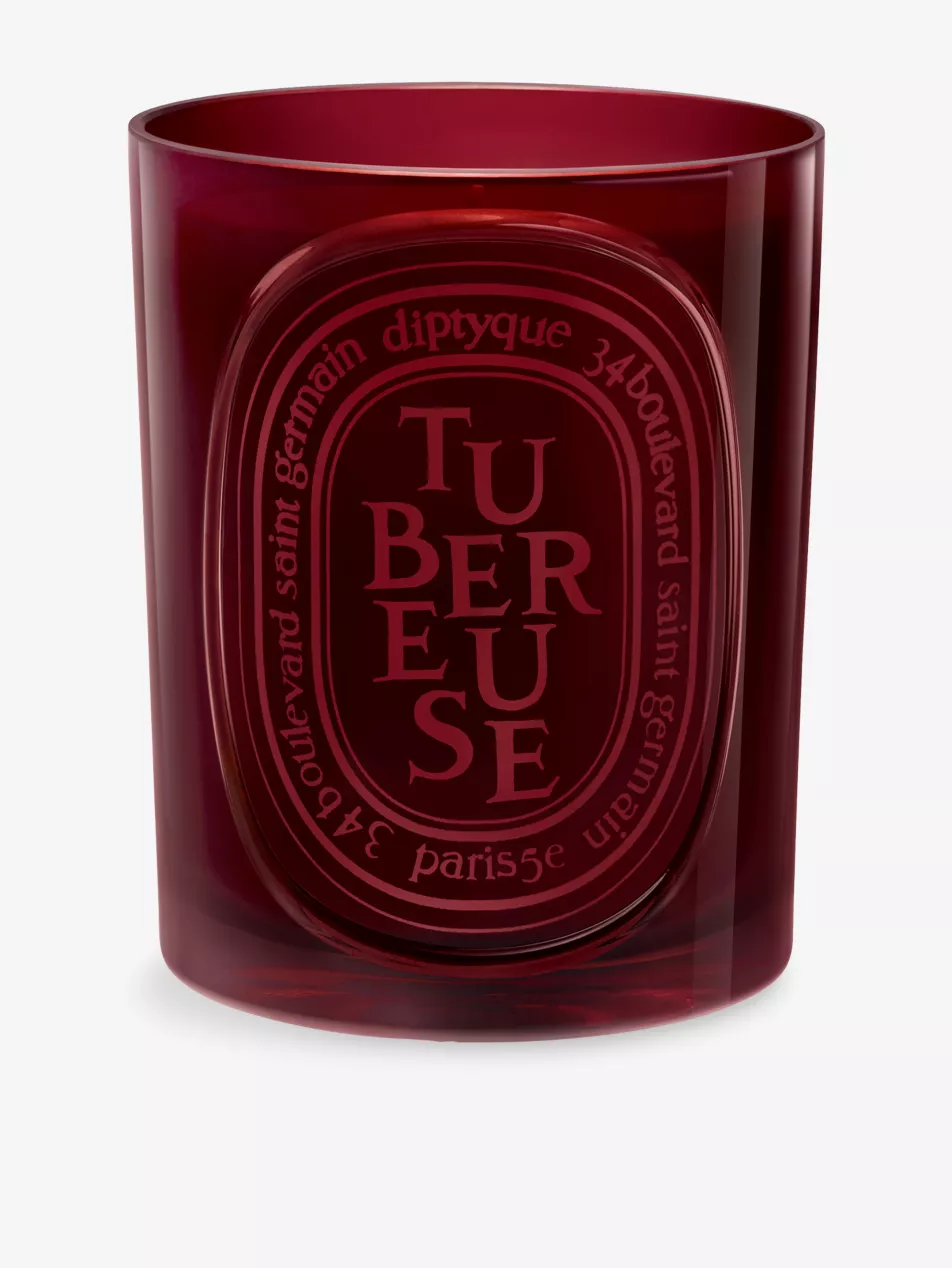
The first thing I do on a soft life morning? Light my favourite candle, which will forever be Diptyque's tuberose scent. It's not cheap, but the scent pay off? Well worth it.

Nothing says anti-hustle quite like a cosy hoodie, and we'd wear this Adanola one day in, day out, given the choice.
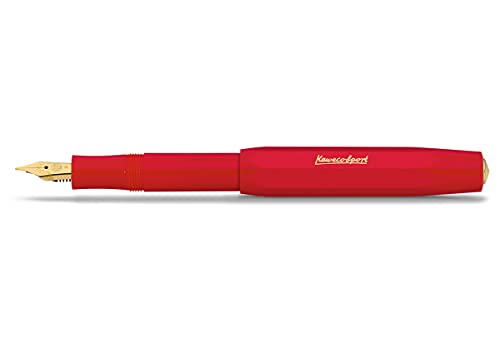
As a writer, I find putting pen to paper incredibly soothing. There's also something wonderfully retro about actually writing notes. From thank-you cards to shopping lists, everything is nicer when it's not done hastily on your phone notes.
I feel like I'm failing at the soft life trend. Am I doing it wrong?
“I think one of the biggest traps is turning the soft life into another thing we feel we have to get right,” says Dr Fleetwood Meade. “I think the intention is the opposite of that—you don't want to feel you're failing at yet another thing if your life doesn't look like the ones online.
“You don't need to buy anything to live more gently. Plus, a soft life doesn't mean avoiding challenges, giving up on ambition or making sure everything feels comfortable all the time—it doesn't have to be a binary, black-or-white choice. The idea is more about recognising areas where you could feasibly take your foot off the pedal a bit, push a bit less, and connect to some more enjoyment for you.
“It can be helpful to interpret the soft life with a flexible approach—knowing when to challenge yourself and when to give yourself a break, knowing when to lean in and when to step back. It's about being able to work towards something you care about without sacrificing your wellbeing in the process.
“Essentially, I'd encourage people to think less about what a soft life should look like on Instagram and more about how they want their actual lives to feel. We don't have to spend our lives proving how much we can carry. Sometimes the most helpful thing we can do is put something down.”
from Latest from Marie Claire UK https://ift.tt/5Svchz2
via IFTTT

No comments:
Post a Comment