Until earlier this year, I was what you’d call blessed in the ‘being able to sleep’ department. Aside from a few (albeit lengthy) periods when my children were little, I’ve always slept well and soundly, having no trouble falling—and staying—asleep.
The summer I turned 47, though, everything changed. Literally overnight (excuse the pun), I began waking at around 4 am—every. Single. Night. I was going through a bit of a tough time, so initially I simply put it down to being stressed—but when things resolved and my sleep was still all over the place, it became clear that something deeper was going on.
Clearly, I’m a prime candidate for being perimenopausal, but since I have the hormonal coil fitted, I honestly can’t say I’ve experienced that many symptoms so far—and my periods are pretty much non-existent, and have been since I first had the coil 10 years ago (life-changing, but that’s a story for another time).
So, it took me a little while to make the connection between my sleep issues and my hormones. But when the penny finally dropped, it was clear that peri was doing me dirty when it came to catching z’s (the night I woke up bathed in a sheen of sweat really cemented the fact).
And while initially, I was still falling asleep pretty easily, this too has started to shift, and it can take me upwards of an hour to drift off, even when I’m really tired. I don’t cope well on little sleep (or when I’m cold, or hungry…there’s a pattern, here!), so I started doing a little digging to see what I could do to help myself. It wasn’t long before my feed was flooded with supplements (nothing excites the algorithm like a menopausal woman, it seems), and I came across the Huberman stack.
While not designed specifically for menopause (and I’ll go into exactly what the ‘stack’ is below), Stanford University neuroscientist and podcaster Andrew Huberman designed his eponymous supplement stack with sleep firmly in mind. Keep scrolling to see if it transformed my slumber, but in the meantime, do take a look at our extensive sleep content, featuring everything from how to improve sleep and how to boost energy when you're tired to the symptoms of exhaustion you shouldn't overlook—plus, find out how one Health Writer got on when she tried a 10-minute sleep micro-habit, here.
I Tried Andrew Huberman’s Sleep Stack Supplement for a Week To See if It Would Help
Why Do Women Struggle With Sleep in Perimenopause?
It seems a cruel twist of fate, if you think about it. Many perimenopausal women are just exiting the sleep-deprived years of having small children, when we are all desperate for a full night’s sleep and are surviving rather than thriving every day, when we’re hurled straight into a decade (or more) of menopause symptoms.
But why is our sleep affected? Well, it’s complicated.
“Sleep problems are one of the most common, and most overlooked symptoms during the menopause transition and may be attributed to a few complexities going on in a woman’s body at once,” explains GP, TV doctor and women's health expert Dr Semiya Aziz. “These can be loosely attributed to hormone fluctuations, night sweats and mood and anxiety issues.”
1. Hormonal Fluctuations
Here's the real kicker. “Declining oestrogen and progesterone both affect sleep patterns,” shares Dr Aziz. “However, the underlying mechanisms are far more complex, and it's important to understand that not every woman’s sleep issue is caused directly by hormonal changes.
“Progesterone has a mild calming, sleep-promoting effect, whilst oestrogen helps to regulate body temperature, serotonin and melatonin levels. As the levels of each hormone become erratic, sleep may become lighter and more fragmented, although complex processes are involved and can not all be attributed to hormonal variability.”
2. Vasomotor Issues
“Night sweats and hot flushes (also known as vasomotor symptoms) are common in menopause and can wake women up,” she continues. “Even if women aren’t fully alert, they can disrupt their sleep quality significantly.”
3. Mental Health Shifts
“Mental health changes can make early-morning waking very common, as perimenopause brings anxiety, low moods and racing thoughts,” says Dr Aziz. “The relationship is interestingly bidirectional: anxiety and depression can disrupt sleep, whilst persistent poor sleep can worsen mood and emotional regulation.”
What Is the Huberman Sleep Stack and What Are the Benefits for Perimenopausal Women?
As touched on above, Andrew Huberman is an American neuroscientist, best known for his hugely successful podcast, The Huberman Lab. Rated consistently as the number one wellness pod, it has over five million subscribers, while his following on Instagram alone is over eight million.
And his sleep protocol is a large part of his success: back in 2021, he launched his toolkit for sleep—and the rest, as they say, is history. From this, Huberman developed his ‘sleep stack’: a cocktail of three sleep-inducing supplements, magnesium, apigenin and L-theanine.
“Although Andrew Huberman’s protocol wasn’t specifically designed for perimenopause, its mechanics are pretty well-suited to the symptoms many women face,” shares GP and clinical lead at Treated, Dr Daniel Atkinson. “The trio can work well for sleep issues.”
Let's take a look at them each in turn.
1. Magnesium
You've probably heard a few people talking about the benefits of magnesium for sleep, and research does show a link between the supplement and improved energy, circadian rhythm and sleep regulation (take a look at this study from the journal Nature and Science of Sleep). And the experts agree.
“Magnesium is brilliant for calming the central nervous system and relaxing tense muscles,” says Dr Atkinson. “Threonate is particularly clever because it crosses the blood-brain barrier effectively, while Bisglycinate is highly absorbable and gentle on the stomach. And both of these help boost GABA, a neurotransmitter that quiets brain activity, which can ‘plug the gap’ left by lower progesterone levels.”
2. Apigenin
Again, clinical studies show apigenin to be useful in promoting good sleep architecture—but it's worth noting here that this is animal, rather than human, research.
“Apigenin is the active compound found in chamomile tea, but in a highly concentrated (50mg) dose,” shares Dr Atkinson. “It binds to the same receptors in the brain as anti-anxiety medications, helping to turn off the racing thoughts that keep you staring at the ceiling.”
3. L-theanine
“L-Theanine is an amino acid found naturally in green tea,” Dr Atkinson continues. “It increases alpha brain waves, which promotes a state of relaxed alertness and takes the edge off physical anxiety without making you feel heavily sedated.”
This is also supported by the science, with research showing a link between L-theanine and sleep quality.
Can Supplements Really Help Women Sleep?
It’s clear, then, that the efficacy of the trio of supplements individually has some scientific backing, but what about when it comes to treating menopausal symptoms? There’s been a fair bit of noise online, recently, about whether menopause supplements are really worth the (admittedly eye-wateringly high) money. It’s estimated that the market is worth a staggering $17 billion, with many women spending upwards of £1,800 per year on supplements. So, what do the experts think about the efficacy of the sleep stack, in particular?
“Potentially, these supplements could help women sleep, but I think we need to be realistic about what they can achieve,” says sleep specialist, nutritionist and founder of Rare Street Pilates, Nikki Behrens. “Certain nutrients and compounds may help support relaxation and sleep quality, particularly if someone has a deficiency or is struggling to switch off mentally.
“However, supplements cannot correct the hormonal fluctuations responsible for many perimenopausal symptoms. I would always look at the bigger picture first: nutrition, stress, exercise, hormonal symptoms and sleep habits.”
It’s important to note here, too, that while the supplements do have some research behind them, they haven’t been tested on perimenopausal women.
“Magnesium and L-theanine do have small studies suggesting benefits for relaxation or sleep quality,” notes Dr Aziz, “but these weren’t conducted in perimenopausal women specifically, so the evidence is not strong enough as an established treatment for perimenopausal insomnia.”
I Tried the Huberman Sleep Stack for a Week—My Honest Thoughts
Days One to Three
The jury being out, there was only one thing for it: I had to give the stack a try for myself.
For the sake of clarity, I didn’t purchase Huberman’s actual stack. There are a number of products that contain the same supplements available, so I simply plumped for one that seemed reasonably priced and would arrive in good time.
And it couldn’t come soon enough: my Oura ring gives me daily feedback on my sleep, and let’s just say, the picture hasn’t been pretty. This being said, I’m a little sceptical that the stack will make any difference.
On the first night, I only take one of the three recommended capsules (the supplements are blended together, so you’re not taking them all individually)
Note to self, though: do not take a capsule unless you’re able to actually go to bed within an hour or so. On night three, I made the mistake of taking it too early and having to wait to collect my teenage daughter from her job at pub closing time; let’s just say, I wasn’t up for a 1 am kitchen chat with her (sorry).
Whether I felt sleepy because I knew I had to stay awake (always the way), or because of the supplement, who knows—but ultimately, the end result was the same, and I was winning.
And it seems it wasn't just beginners' luck, either, as the next two nights continued in the same vein—so far, so good.
Days Four to Seven
Is it a placebo, or are the supplements actually helping? At this point, I’m not even really sure I care. While I’m still waking up around 4 am, I’m definitely less alert when I stir, and I'm able to get back to sleep more easily than before, which I’m absolutely taking as a win.
Interestingly, though, I also got my first period in almost 60 days during the trial week, which might account for my overwhelming tiredness (surely not just me?), but again, I’m taking all the sleep I can get, right now.
Perhaps my biggest win, though, is that I'm so much more tuned in to what my body and brain need to really be able to switch off. Focusing on taking the supplement half an hour to an hour before bed provided me with a concrete deadline to start winding down—something I'm notoriously poor at doing, usually. I even found the time to try out the LED face mask that's been gathering dust in my bathroom for a couple of months, so perhaps this new routine will garner benefits beyond my sleep, too.
So, will I continue with the stack? Honestly, I’d be really interested to try the supplements individually, to see which one is most effective, or if I really do need them all. But that’s a challenge for another time; for now, I’m all in.
Shop MC UK's sleep edit now:
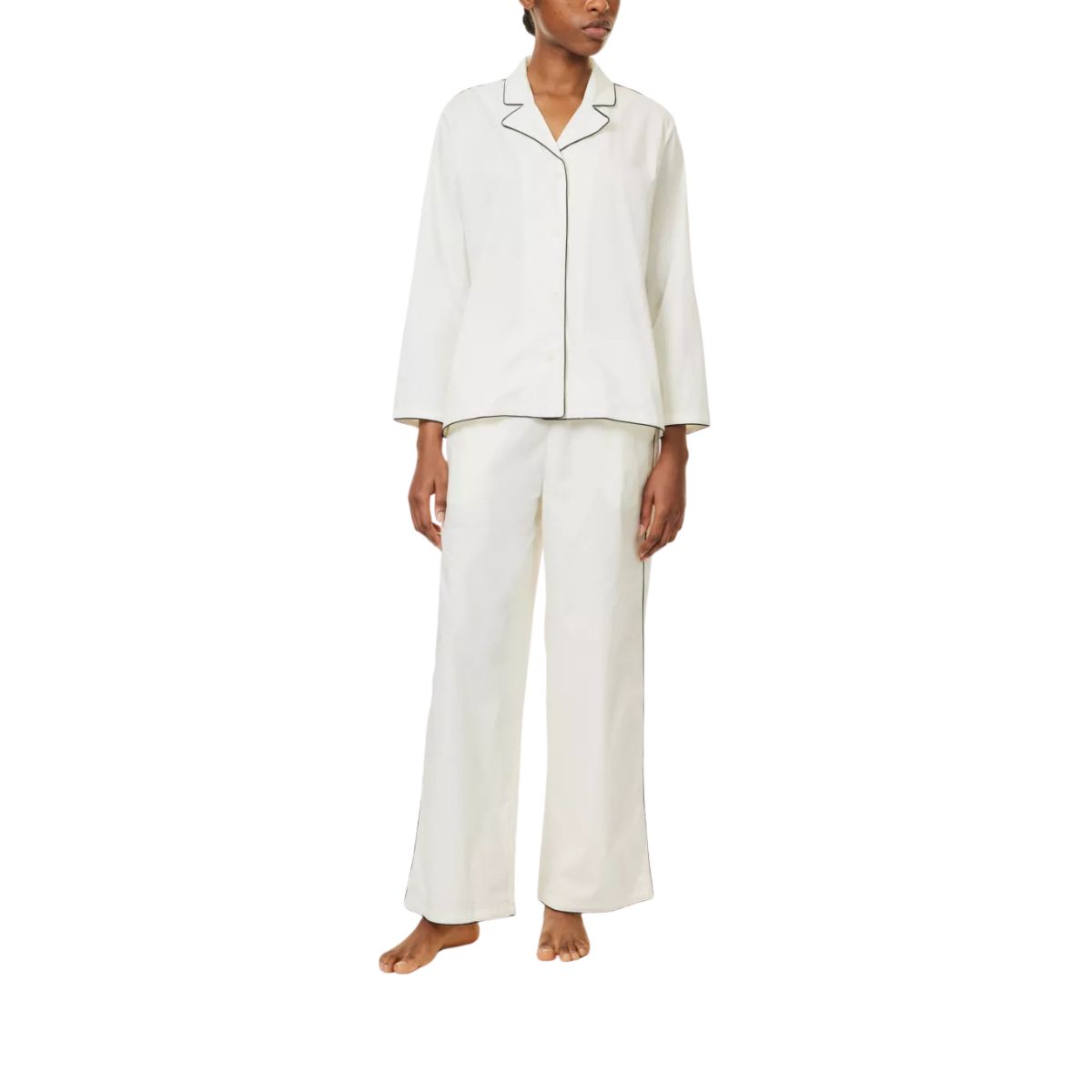
Good sleep starts with comfy PJs (just us), and Desmond and Dempsey never disappoint. Cool cotton is menopause-friendly, too.
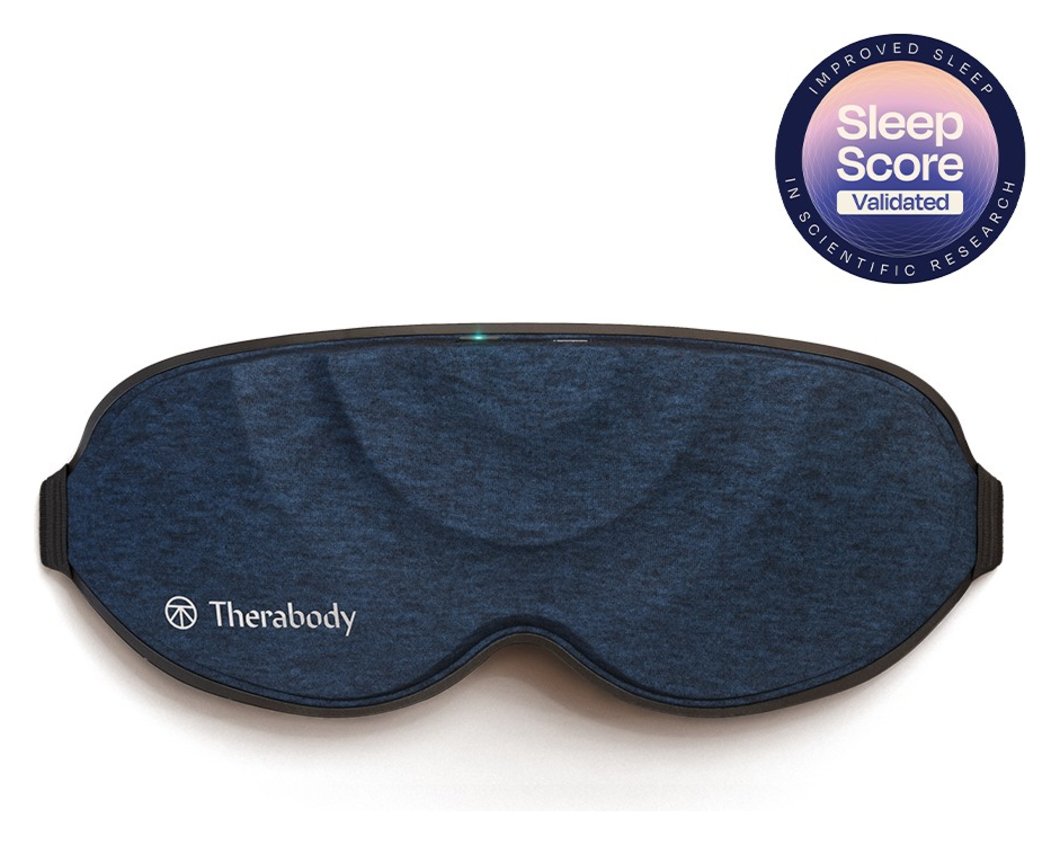
Supercharge your bedtime routine with the addition of this Therabody padded sleep mask. It completely blocks out light and gently vibrates to soothe and calm.
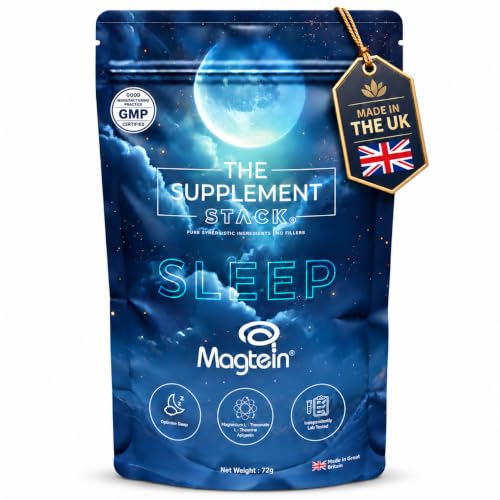
This is the exact supplement blend that I tried and can recommend, as I tolerated it well (as you can see above!) I genuinely think it helped my sleep.
What else can we do to benefit sleep in perimenopause?
“Aside from speaking to a GP, menopause specialist or pharmacist about your specific symptoms and addressing them directly using aids such as HRT, there are other natural measures that you can use to help yourself,” shares Dr Aziz. “I recommend the following:
- Keeping a regular sleep schedule, which helps anchor your body clock; routine is often key.
- Keeping your bedroom cool, dark and quiet, with breathable bedding and nightwear that helps with night sweats.
- Watching caffeine and alcohol intake, which both contribute to night sweats and night waking. While alcohol helps some fall asleep faster, it often fragments sleep throughout the night.
- Moving during the day, as regular exercise and daylight exposure, especially in the morning, support healthy sleep, though you should try to avoid very intense exercise closer to bedtime.
- Tracking your cycle and symptoms (so that you have a report to take to your GP) can reflect patterns, indicating when your sleep is better and when it is worse, allowing you to address it directly.
“The last and final tip is to seek help if problems persist. There’s no need to suffer in silence, and a conversation with your GP might be able to address any other underlying causes and address them with treatment, where appropriate.”
from Latest from Marie Claire UK https://ift.tt/1UyWGjd
via IFTTT

No comments:
Post a Comment