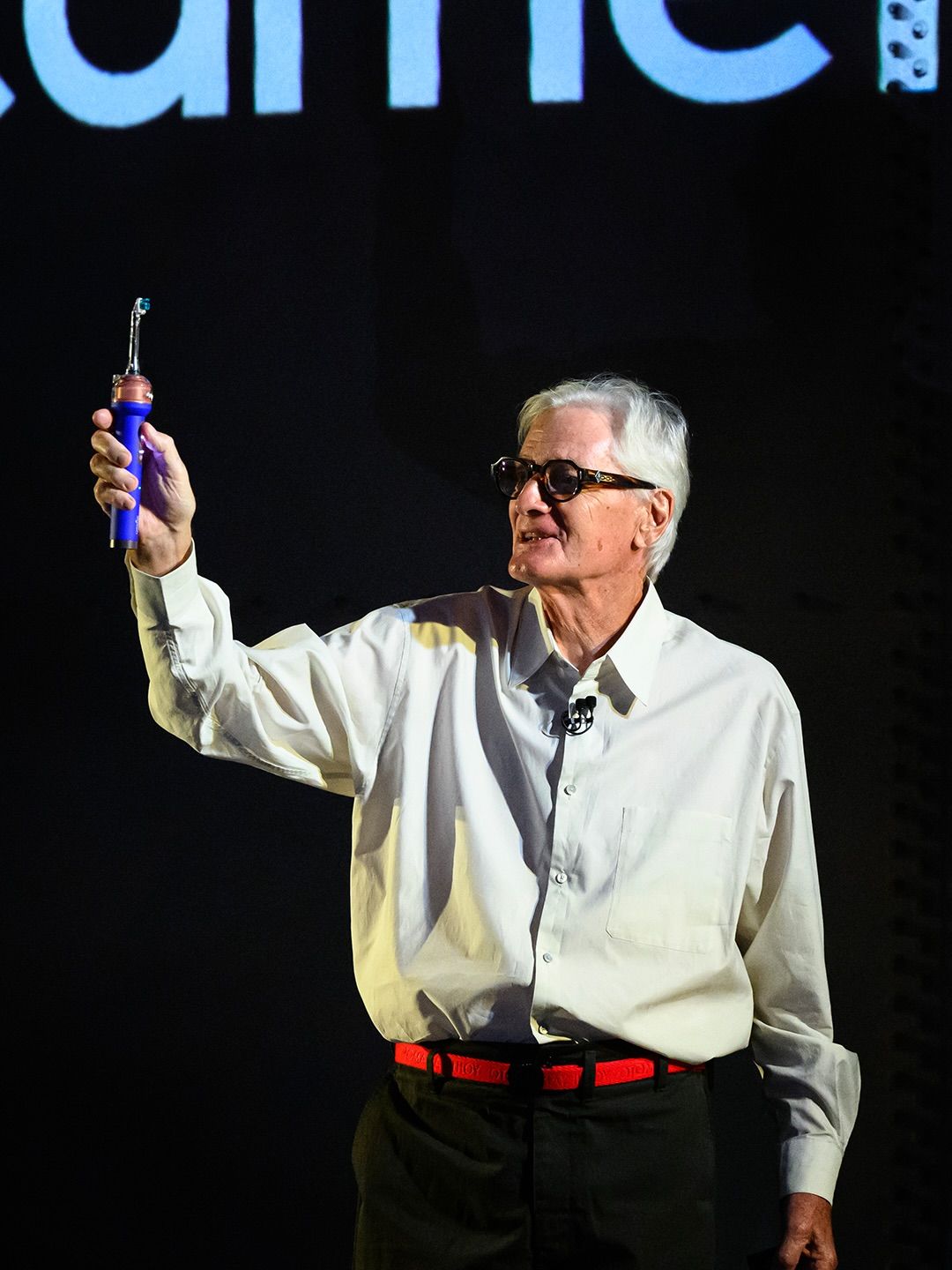
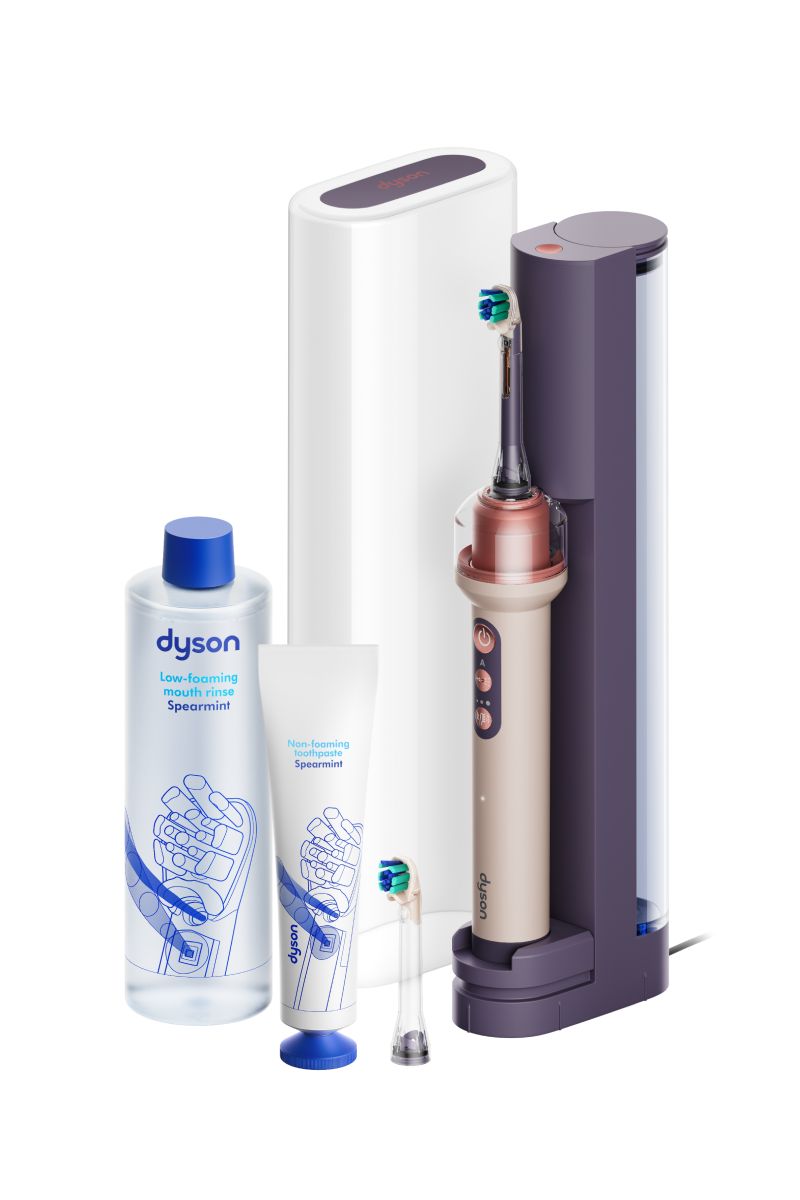
Earlier this year, Dyson caused a huge stir with the launch of their CameraJet toothbrush. Priced at £419, it features a built-in camera and water jet for a more precise clean, using Gap Optical Targeting to target missed interdental spaces and remove plaque as you brush. So, a toothbrush and flosser in one, just far more powerful.
And of course, the internet had a lot to say. Many people questioned whether they were really ready to pay upwards of £400 for a toothbrush and whether they really wanted a camera inside their mouth—the jury is still out on that one.
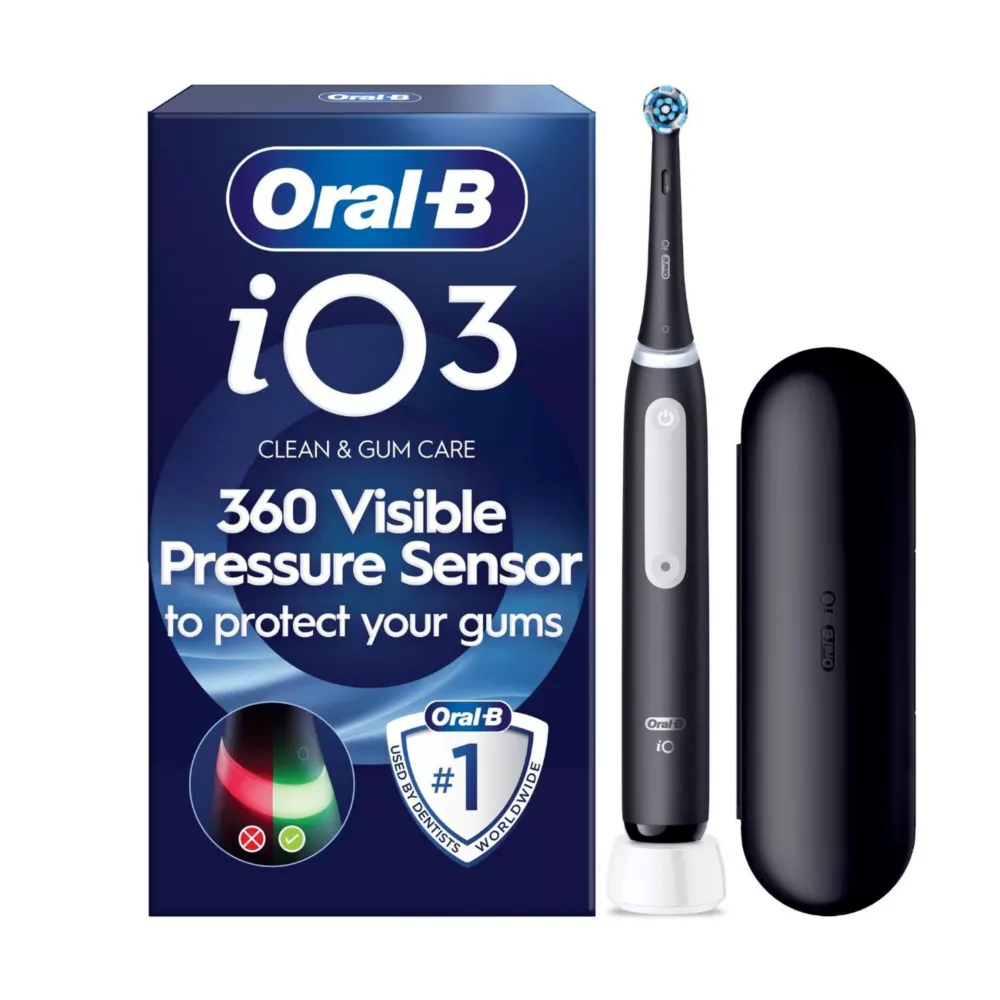
Most people complained about the price tag, but Dyson’s offering isn't even the most expensive electric toothbrush on the market. Oral-B iO10 electric toothbrush comes in at a whopping £800. All this discourse raises a bigger question: when did investing in your oral health become so so expensive?
We’re living in a time where the pursuit of health, wellness and longevity—whatever you want to call it—seems to have no upper spending limit. Cold plunges, glucose monitors, health retreats, longevity supplements, peptide injections, hyperbaric chambers, and now oral care are all being optimised, and at a hefty price tag. And as someone who, in the name of journalism, has taken on a few practices, the bill at the end is certainly big.
Oral health isn't just about preventing cavities or keeping your breath fresh. Research has found it’s closely linked to our overall health, with studies linking poor oral health with cardiovascular disease and even certain cancers. It’s easy to see why gum health has become wellness’s latest target. Unsurprisingly, it appeals to people willing to drop serious money on their health, a group larger than you might think.
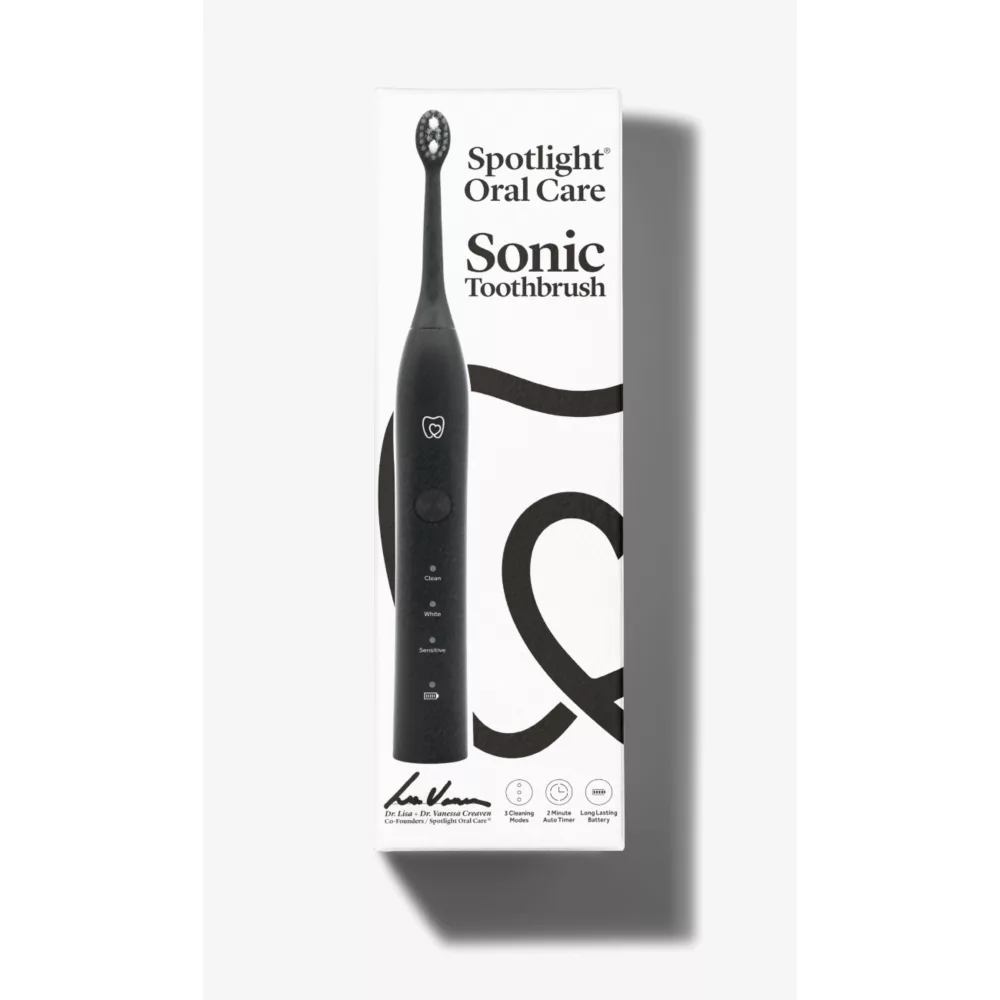
I’ve used a Spotlight Oral Care electric toothbrush for years and, my dentist and I agree, my teeth have never been in better condition. Once you go electric, there is no going back and all that. I definitely couldn’t, and I’m not alone. According to the Adult Oral Health Survey, 59% of adults in England use an electric toothbrush. But is there room to do more? Will a £400 super-toothbrush deliver better results? I suppose that’s what the longevity industry taps into: this intrigue, this idea that there’s always more we could be doing, and the pressure to do it for our health.
A more expensive toothbrush won’t fix poor brushing.
Dr Deepak, founder of Tooth Fairy
According to Niamh Turney, Senior Commercial Manager for Oral Care at Dyson, the answer is yes.“Most other toothbrushes just brush and miss the gaps between teeth. Many people then do not floss afterwards. Dyson CameraJet integrates flossing into the everyday brushing routine by using a camera to automatically detect and target gaps between teeth as you brush. It’s engineered to support overall oral health,” she explains.
I’m not even going to pretend I’m not intrigued. If there’s one thing Dyson has built a reputation for, it’s innovation. But do all those high-tech features actually make a real difference?
Dr Krystyn Wilczyński, cosmetic dentist, isn’t convinced. “You really don’t need to spend £300 to get an excellent clean. Once you have a good-quality electric toothbrush with an effective cleaning action, a pressure sensor and a two-minute timer, you’ve covered the features that matter most to me as a dentist,” she tells us.
Which is an important and refreshing reminder when it’s so easy to get swept up in the idea that more expensive automatically means better. Dr Deepak Aulak, founder of Tooth Fairy, argues that it always comes back to the basics. “A more expensive toothbrush won’t fix poor brushing. Brushing for two minutes twice a day, cleaning along the gum line and using the right pressure matters far more than the price tag. That said, a good electric toothbrush does make those habits easier. The best toothbrush is the one that suits your mouth and your needs.” He adds, “Anything above around £150, you’re often paying for features most people simply won’t use.” I suppose that’s the key takeaway. Find a toothbrush that does what you need it to do.
It feels strange to debate whether a toothbrush is worth more than £400 when millions of people across the UK struggle to access NHS dental care
It feels strange to debate whether a toothbrush is worth more than £400 when millions of people across the UK struggle to access NHS dental care. Government figures show that 60% of adults in England had not seen an NHS dentist over the previous two years, and oral health inequality continues to grow. You can even see that divide in electric toothbrush ownership: 47% of people in the lowest-income households use one, compared with 76% in the highest-income households.
Younger consumers, however, are embracing oral care for more aesthetic reasons. The goal of whiter and straighter teeth, brighter and picture-perfect smiles and easier access to oral cosmetic procedures have pushed oral care from a simple health habit into a beauty step.
So it’s no surprise that brands are responding by turning toothbrushes into sleek wellness technology, pushing the idea that toothbrushes—and even toothpaste—should do much more than simply clean your teeth. Whether that’s leaning into the beauty side or the longevity side.
It will be interesting to see how Dyson’s launch changes the category. Will toothbrushes become even smarter? Will they lean further into wellness? Or will they simply become another luxury gadget promising to optimise a routine that’s already straightforward?
So, how much is too much to spend on a toothbrush? That really depends on what you want from it. Innovation can be genuinely useful, whether that’s better battery life, more sustainable materials or features that encourage better brushing habits.
But no matter how smart the technology becomes, it always comes back to the fundamentals, which, as boring as it may seem, remain simple: brush properly, floss regularly and see your dentist when you should. The extras are, well, extras but also very nice if it’s in your budget.
The Best Toothbrushes for All Budgets
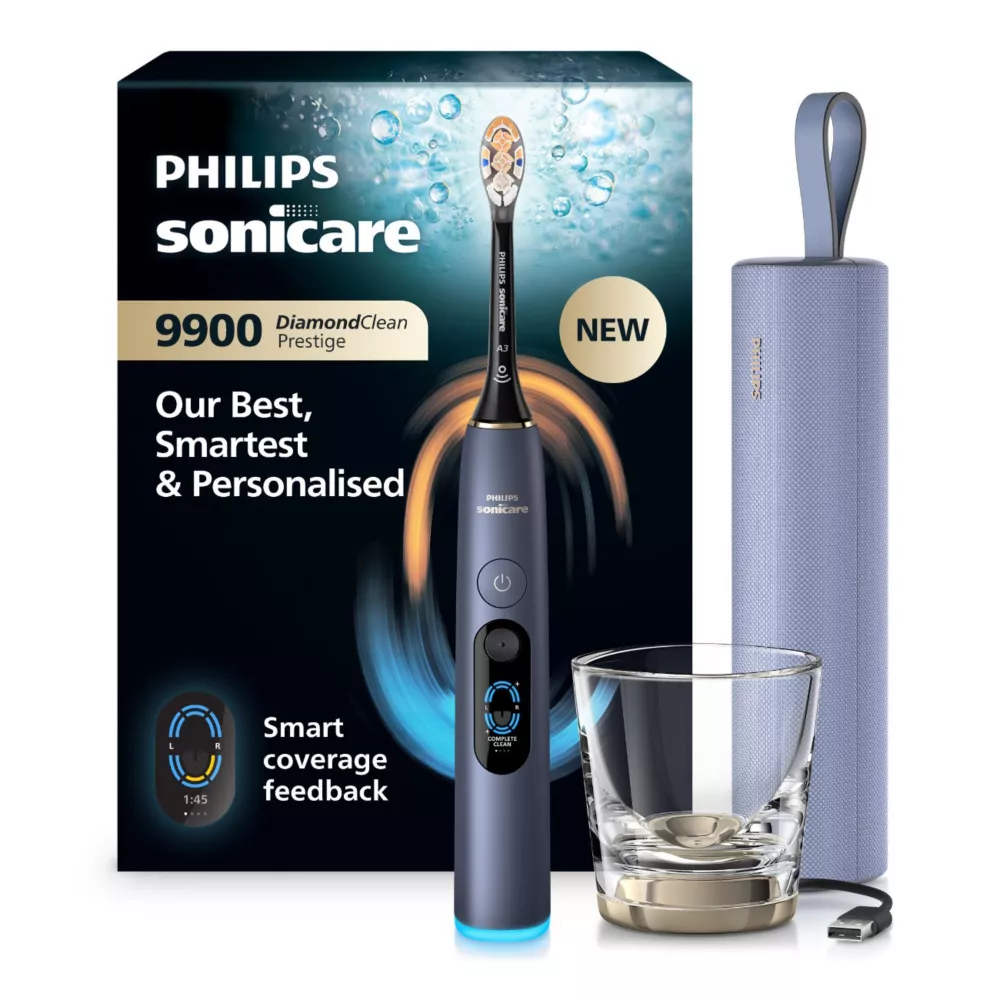
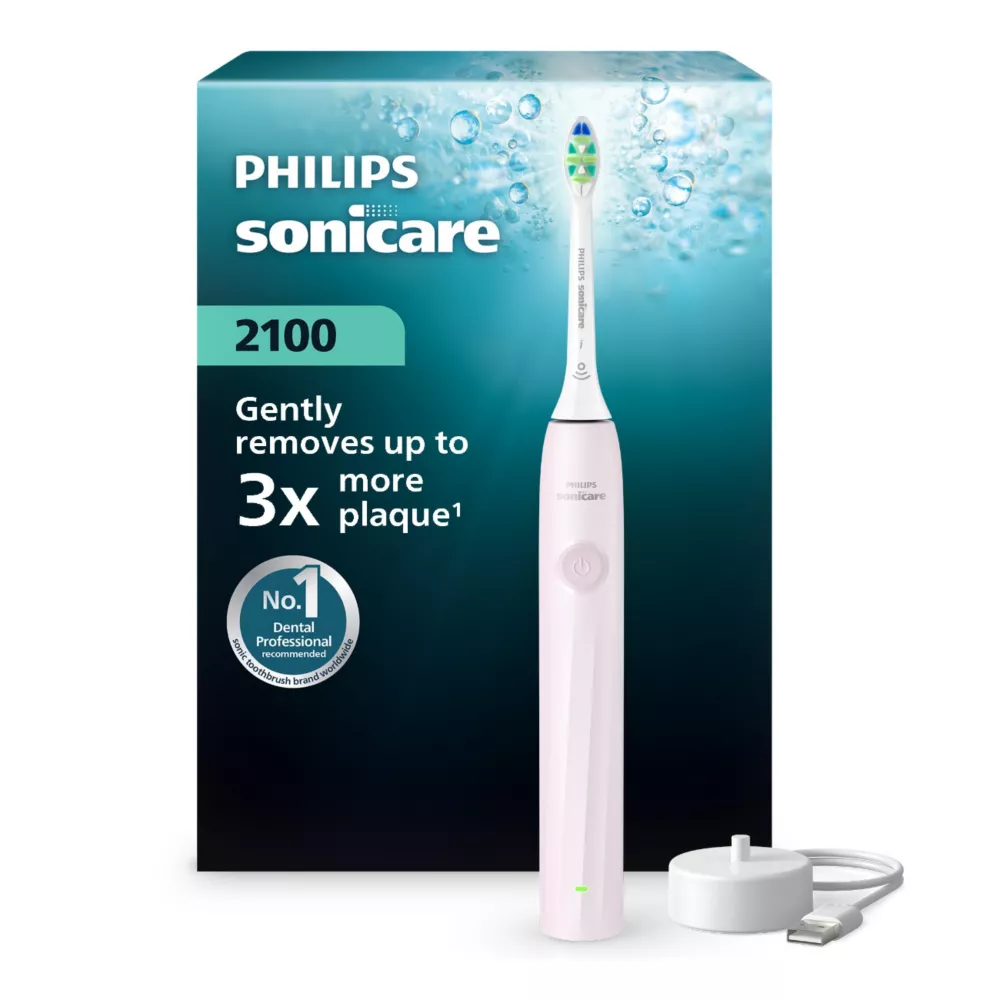
from Latest from Marie Claire UK https://ift.tt/EYRQOxB
via IFTTT

No comments:
Post a Comment