There's a chill in the air, the leaves are turning from green to umber, which means one thing: autumn is mere days away. September is peak "back to school" energy, and that applies to beauty too—around this time, I'll usually feel the need to revamp my hair, or opt for deeper, darker colours; but the more pressing matter is usually fragrance.
After a long, hot summer, it can be hard to know how to switch up your signature fragrance, or indeed scent wardrobe, for the colder months; but perfumers stress that you don't need to do a complete revamp: look first at the fragrance families that you come back to time and time again, and what you were drawn towards during the warmer months, advises Frances Shoemack, the founder of 100 per cent natural perfume brand, Abel.
"I would think of it less as replacing one with the other and more of a thoughtful transition; a re-styling perhaps," she advises. "If you're buying something new, see it not as an autumn-only purchase, but as a warmer complement to what you already have. The mistake people make is buying one autumn fragrance and expecting it to do all the work. It's better to look at what's already dense or resinous in what you own and just wear it more often, then add one thing with real weight to it if there's a genuine gap."
Ahead, a practical guide to selecting scents for autumn, grouped by fragrance family, so you're guaranteed to love them.
Florals
"Look for florals with more texture as you move into autumn," advises Saint-Ford; noting that that jasmine, violet, iris and plumeria pair well with more wintery notes of sandalwood, cashmera, amber, and musks. "You don't necessarily need to move into something heavier. It's about taking the brightness and softness you loved in summer and giving it a warmer, more grounded base. I also love florals against woods in autumn because they still feel alive, but have more depth and intimacy on the skin."
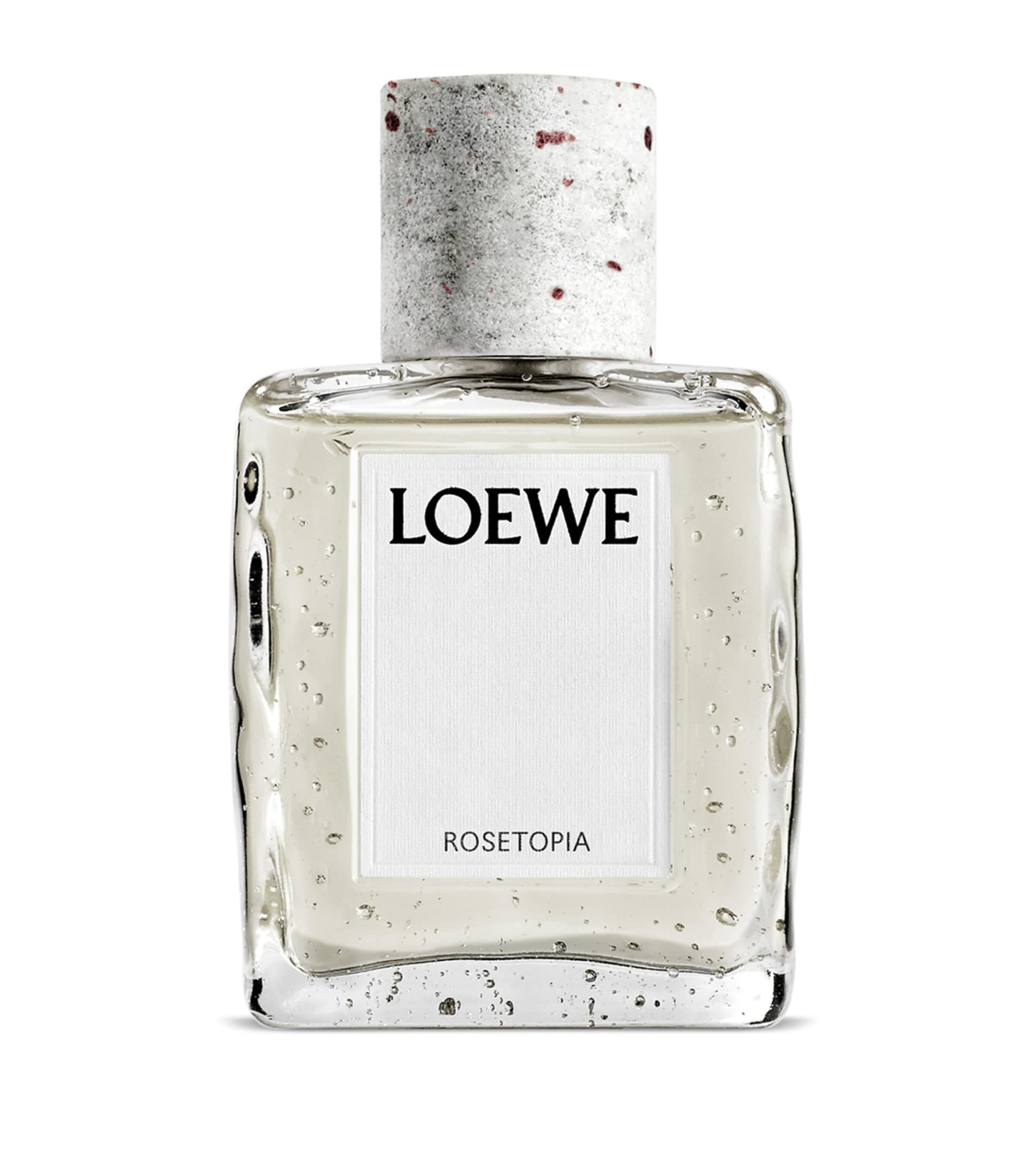
Key notes: Grapefruit, damask rose, violet, pink peppercorn, lily of the valley, peony, dry amber, amber musk
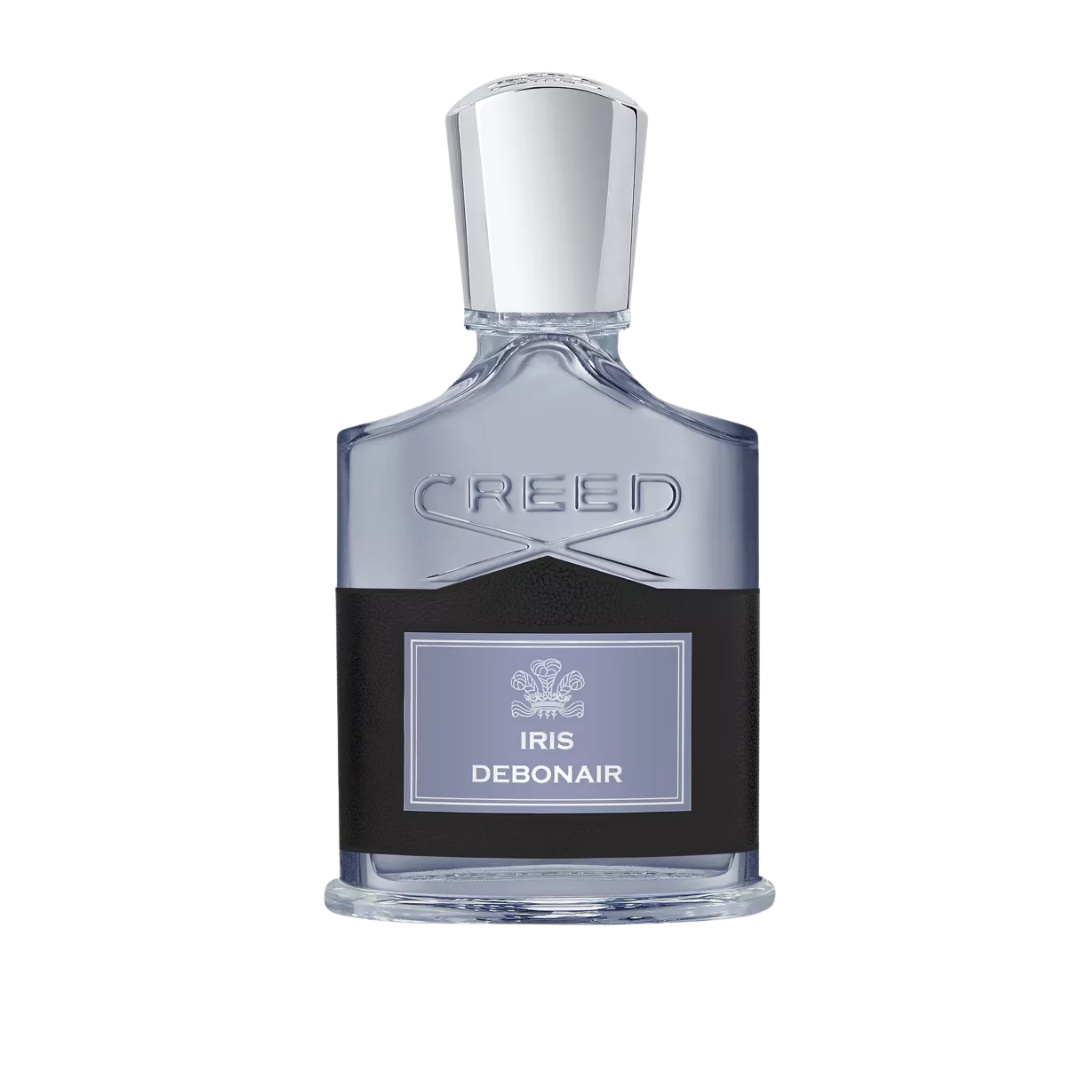
Key notes: Cardamom, bergamot, pink pepper, wormwood, lavender, violet leaf, fig, iris padilla, amberwood, ambrette
Fruits
When it comes to fruits, look to the kitchen, so warm, cooked fruits, not crisp and fresh. The perfumes recommend tart cherry, fig, plum or anything closer to jam or rum-soaked, rather than fresh off the tree.
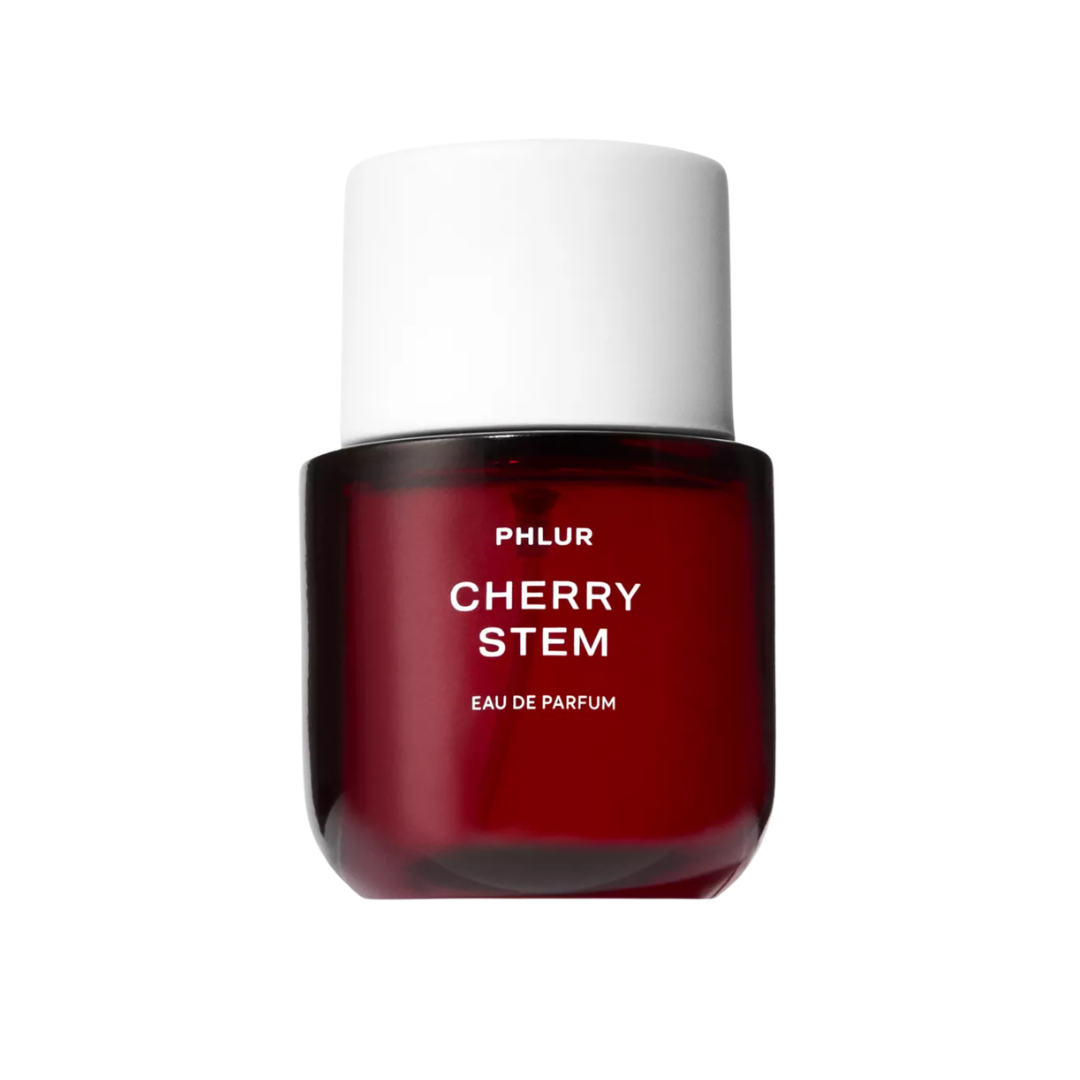
Key notes: Black cherry, orange brandy, red freesia, sugared jasmine, plum nectar, ebony woods, warm caramel, soft leather
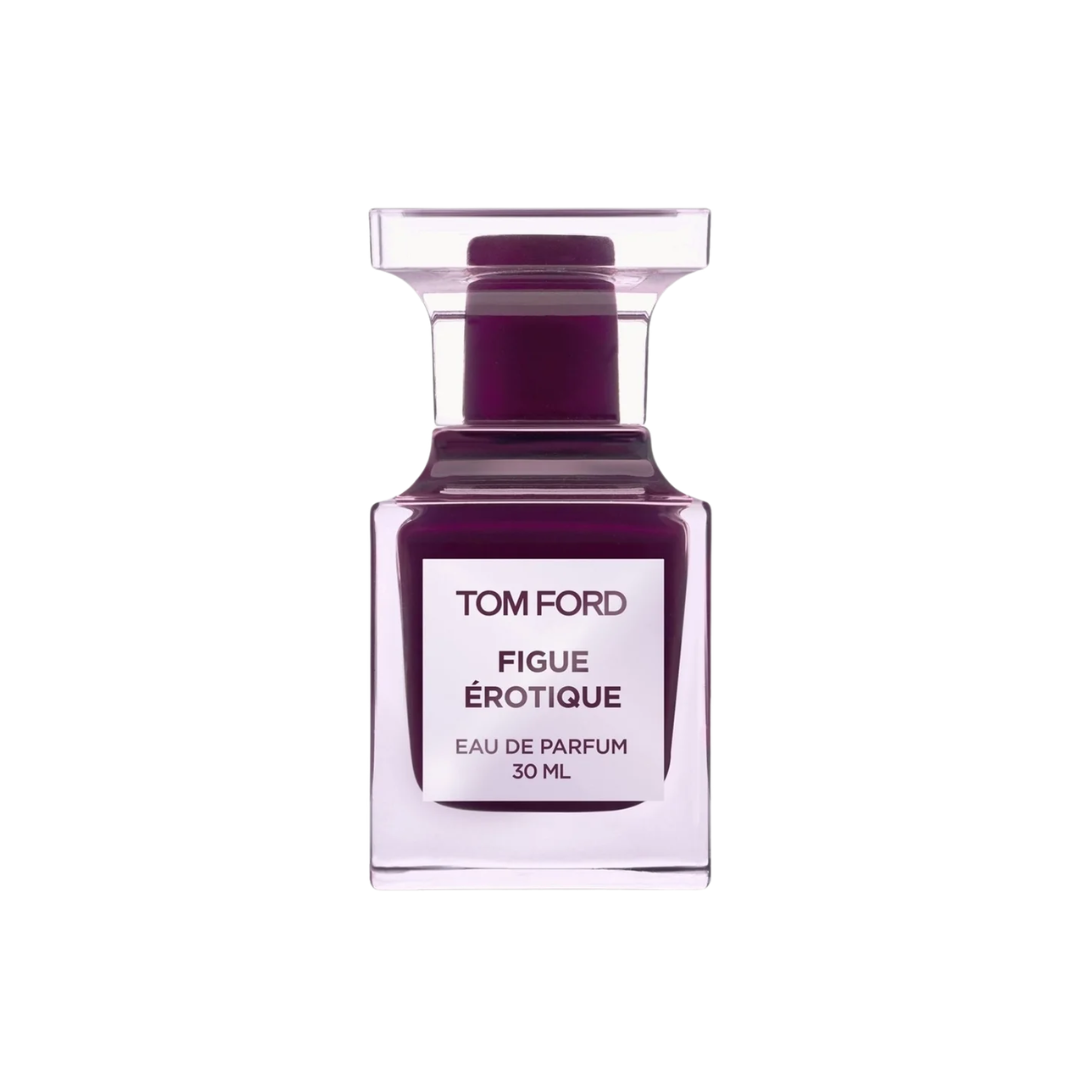
Key notes: Fig leaf, bergamot, mandarin, pink pepper, ylang-ylang, muscovado, licorice, vetiver, patchouli
Woods
A lot of woody scents are inherently quite wintery, but if you wear them year-round, warm woods, like sandalwood and cedar, perfectly encapsulate that cosy energy we're looking for.
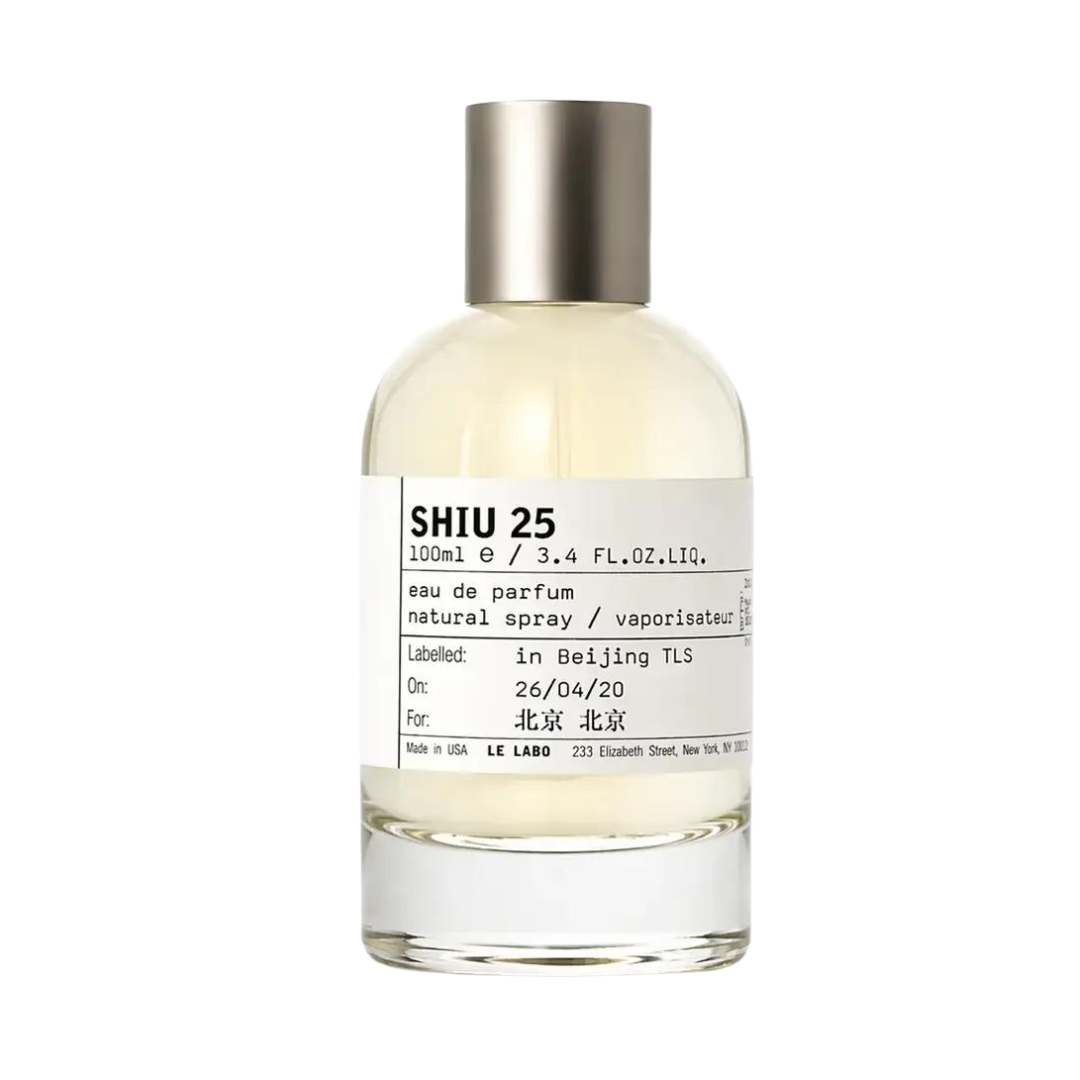
Key notes: Camphor wood, pink pepper, iris, white flowers, frankincense
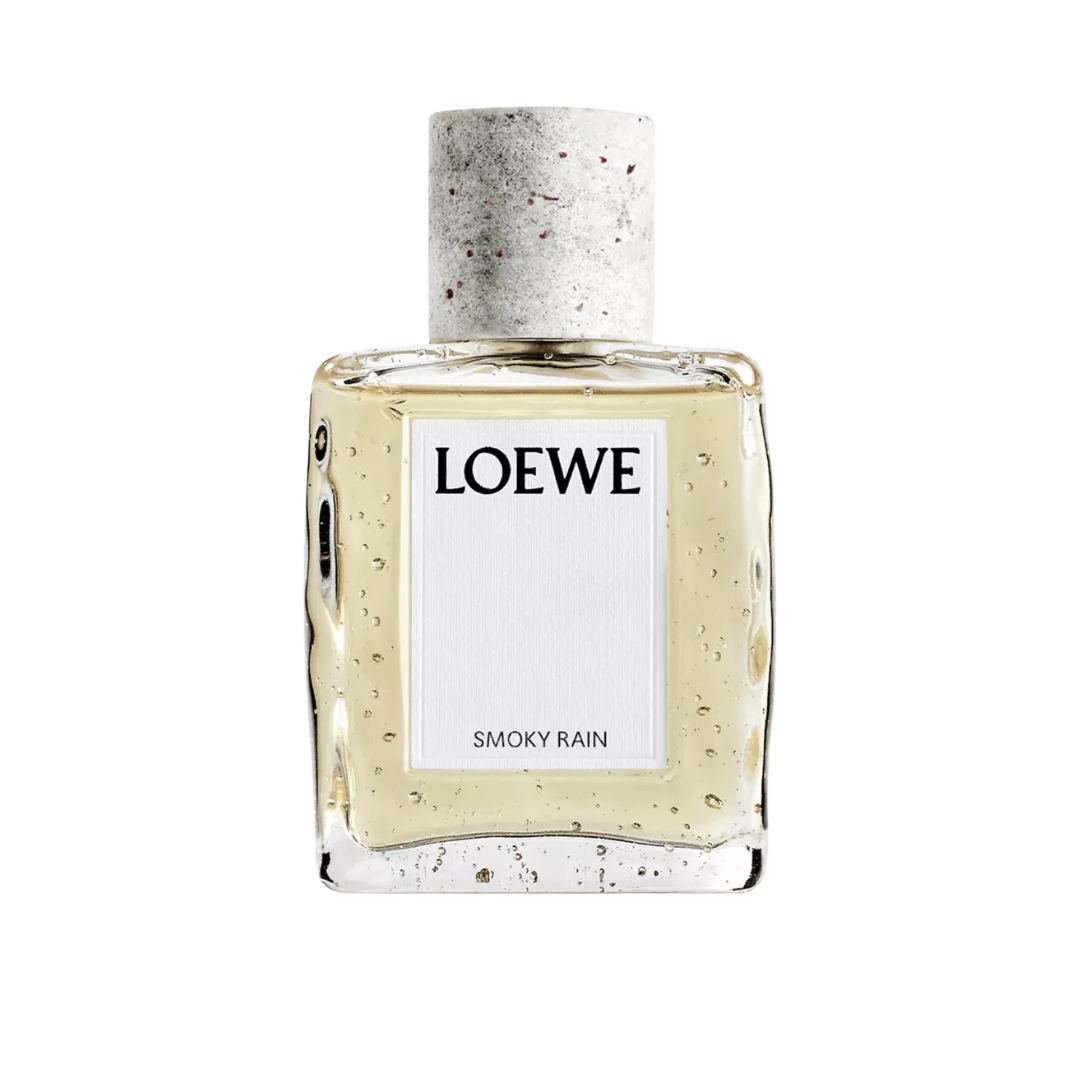
Key notes: Pink pepper, Italian bergamot, Virginian cedarwood, benzoin, incense, amber, patchouli, white musk
Musks
"Musks and skin scents are truly year round but this is where I'd really lean into layering," notes Shoemack. "I'd consider pairing with a wood, gourmand (vanilla is perfect) or amber to bring them into more cosy territory."
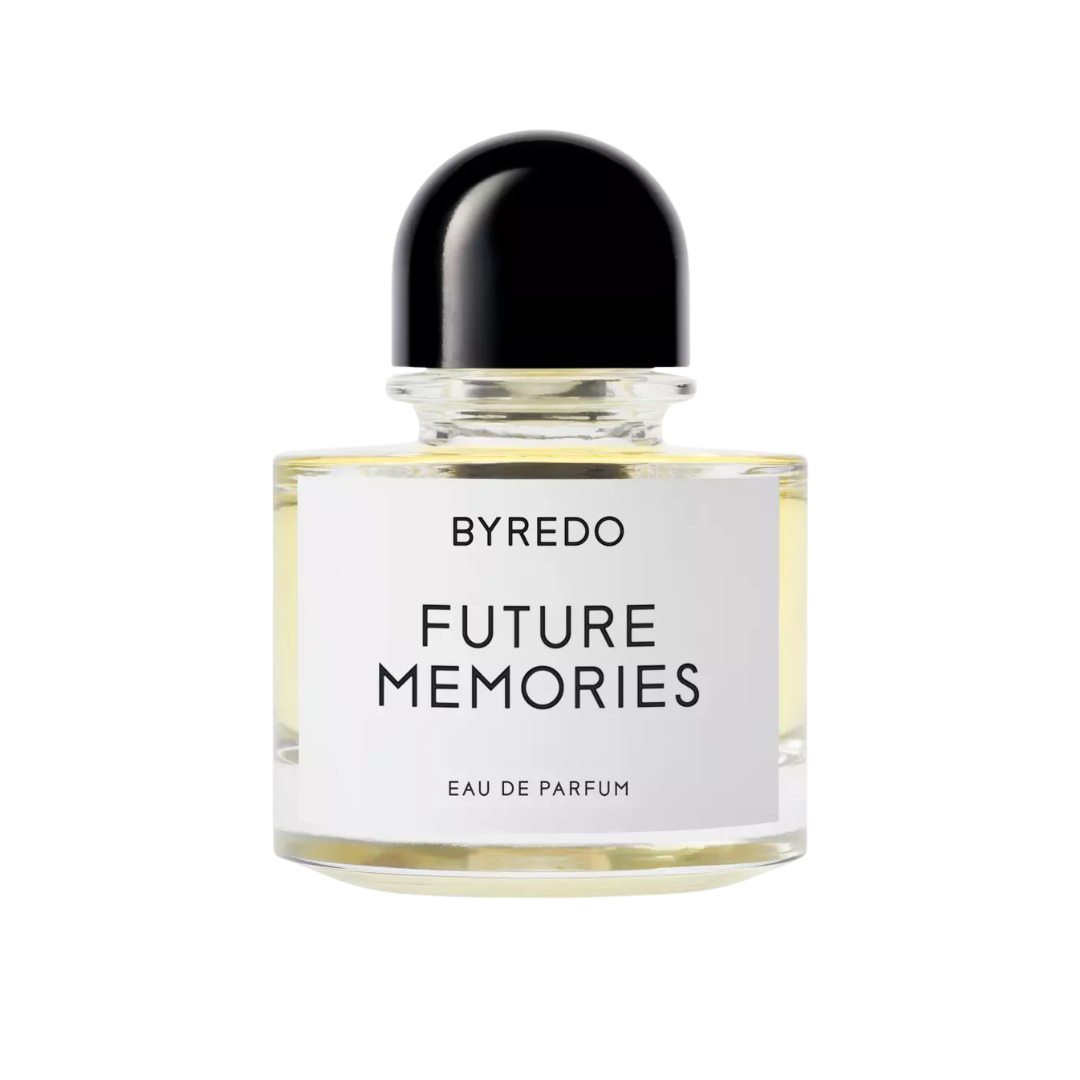
Key notes: Galbanum, blackcurrant, aldehydes, Iris, labdanum, orange blossom, white vanilla, bourbon vanilla, musks
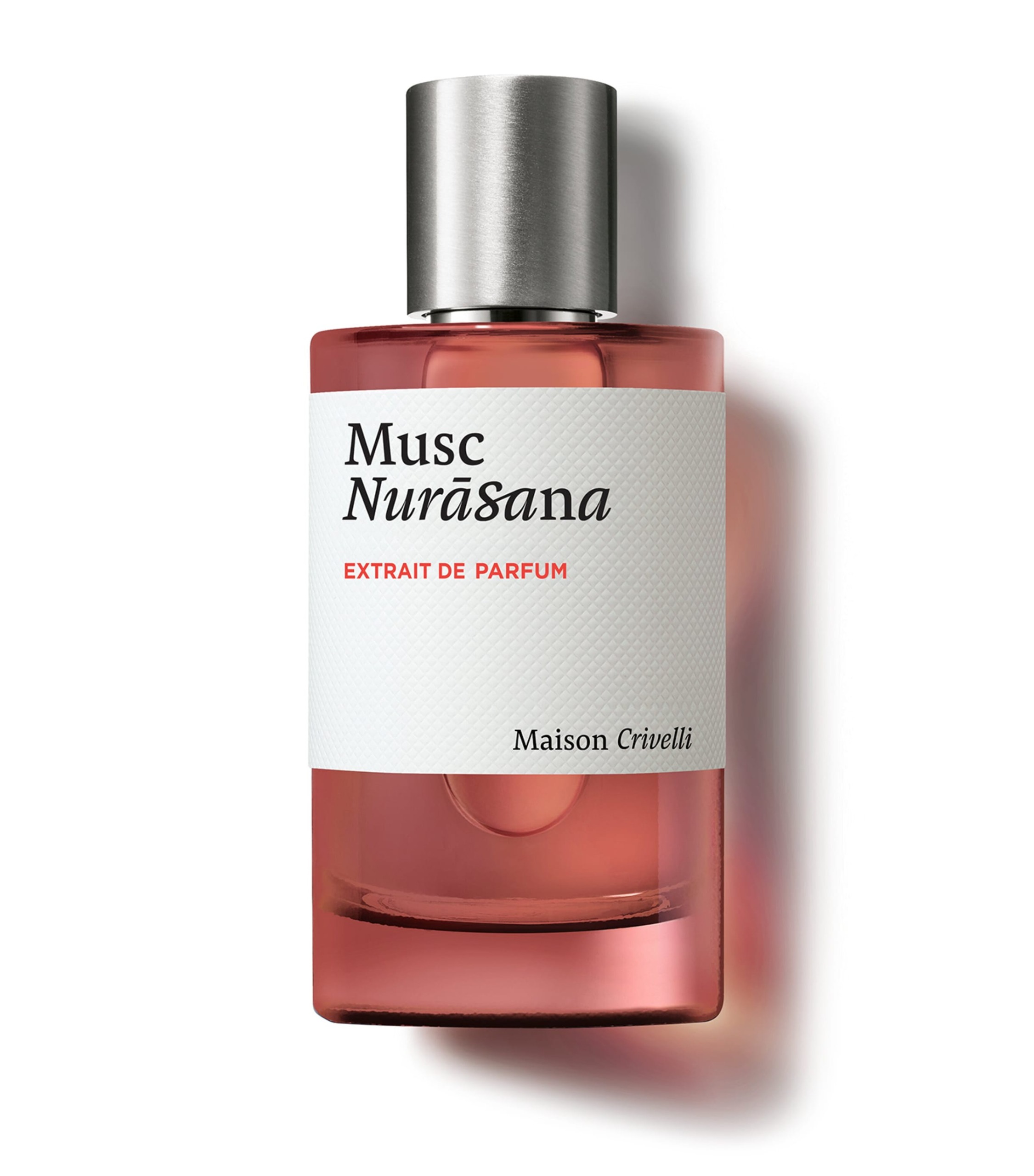
Key notes: Bergamot, olibanum incense, rose damascena, musks, tonka bean
Gourmands
If you can't stay away from saccharine gourmands, look for notes with some friction in them; toasted, roasted, salted, not straight sugar. "Complexity and restraint is what makes a gourmand wearable past October, instead of reading like dessert," says Shoemack.
Richard Saint-Ford, the founder of indie perfume label, Iggywoo, adds, that looking for vanilla, tonka, coffee, pistachio or laconic notes balanced with amber, woods, spice or a little bitterness, is a way to note-check that transition. "You still get that comfort and indulgence, but with more structure and warmth rather than smelling literally like dessert."
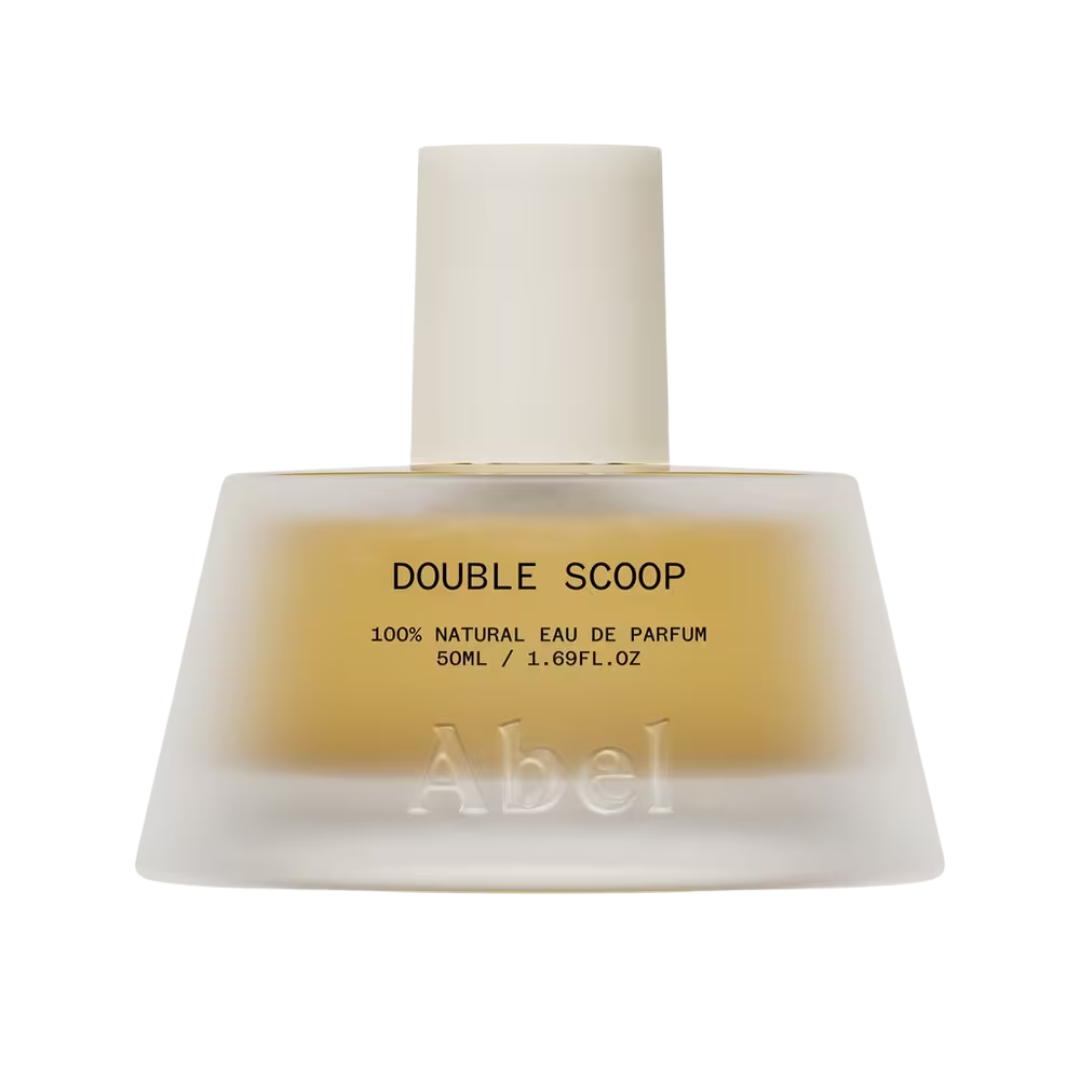
Key notes: Rosemary, toasted black sesame, butterscotch, vanilla, musk
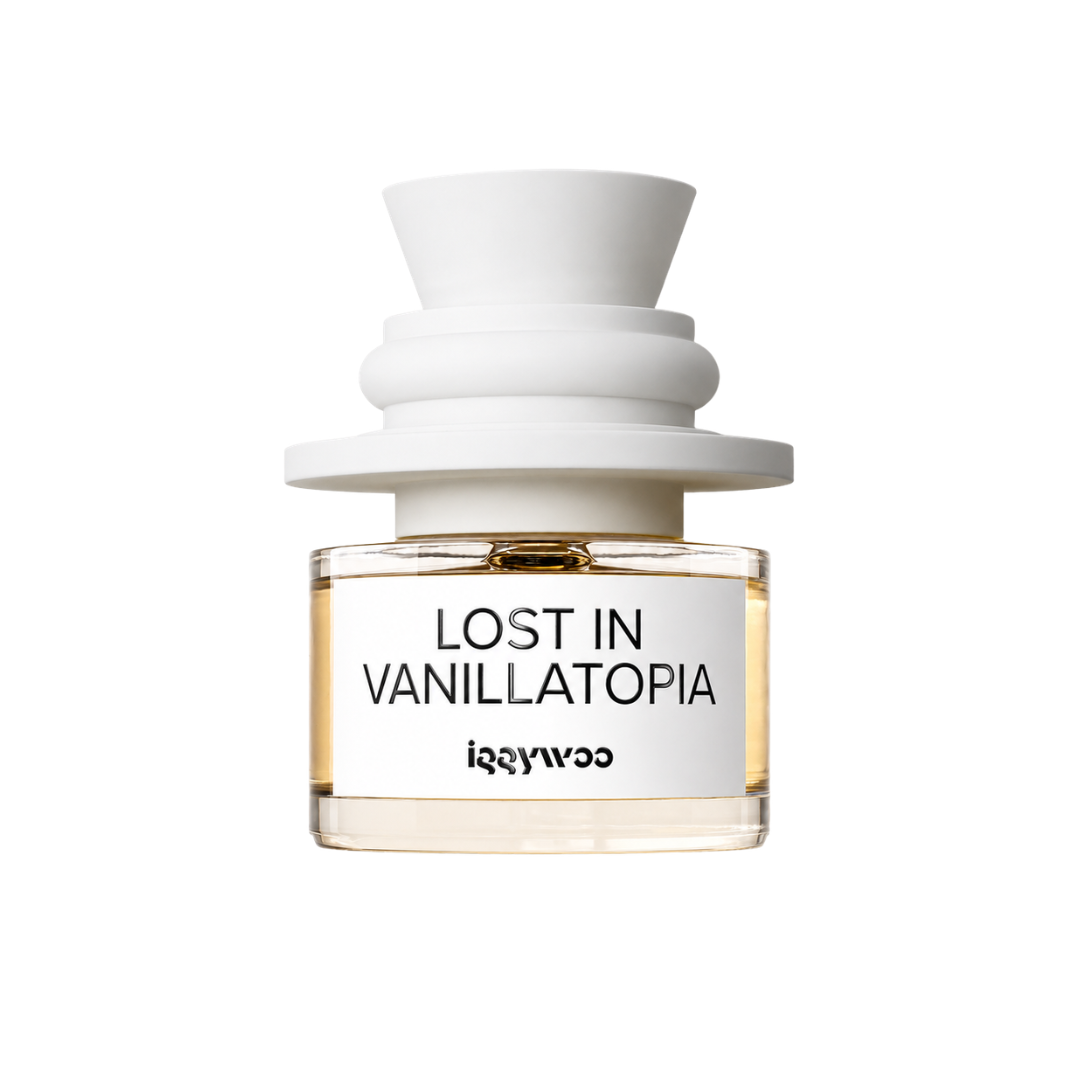
Key notes: Damask rose, grapefruit, solar-amber-musk, skin musk, honeysuckle, vanilla, amber, tonka bean
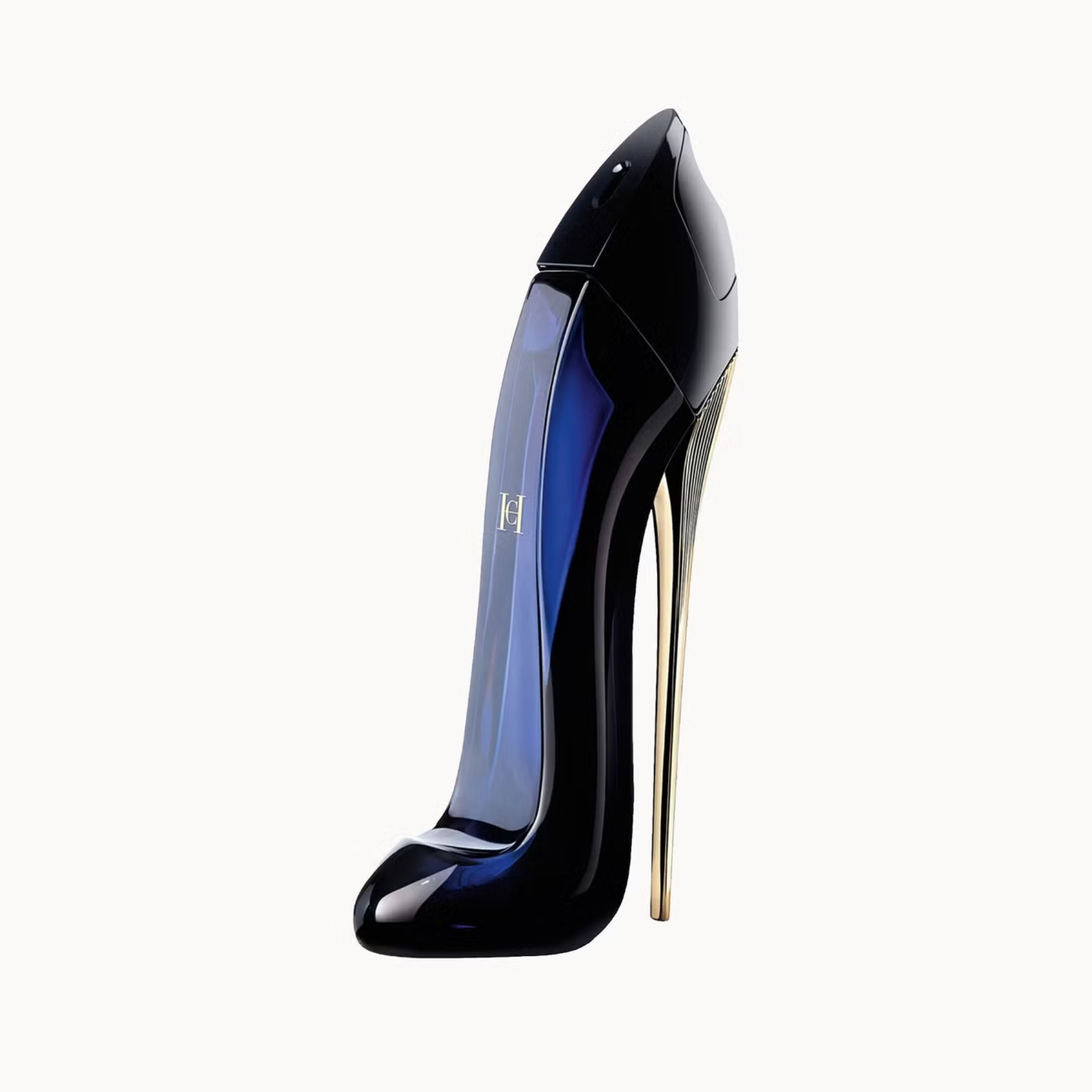
Key notes: Roasted tonka bean, jasmine sambac, cocoa, bitter almond, coffee
Citrus
While the perfumers stress that citrus-heavy fragrances don't need to disappear, Shoemack comments that it needs something to ground it, "So it reads as structure rather than freshness." You can consider citruses that have woody elements, or heavier bases with notes of vetiver, for example.
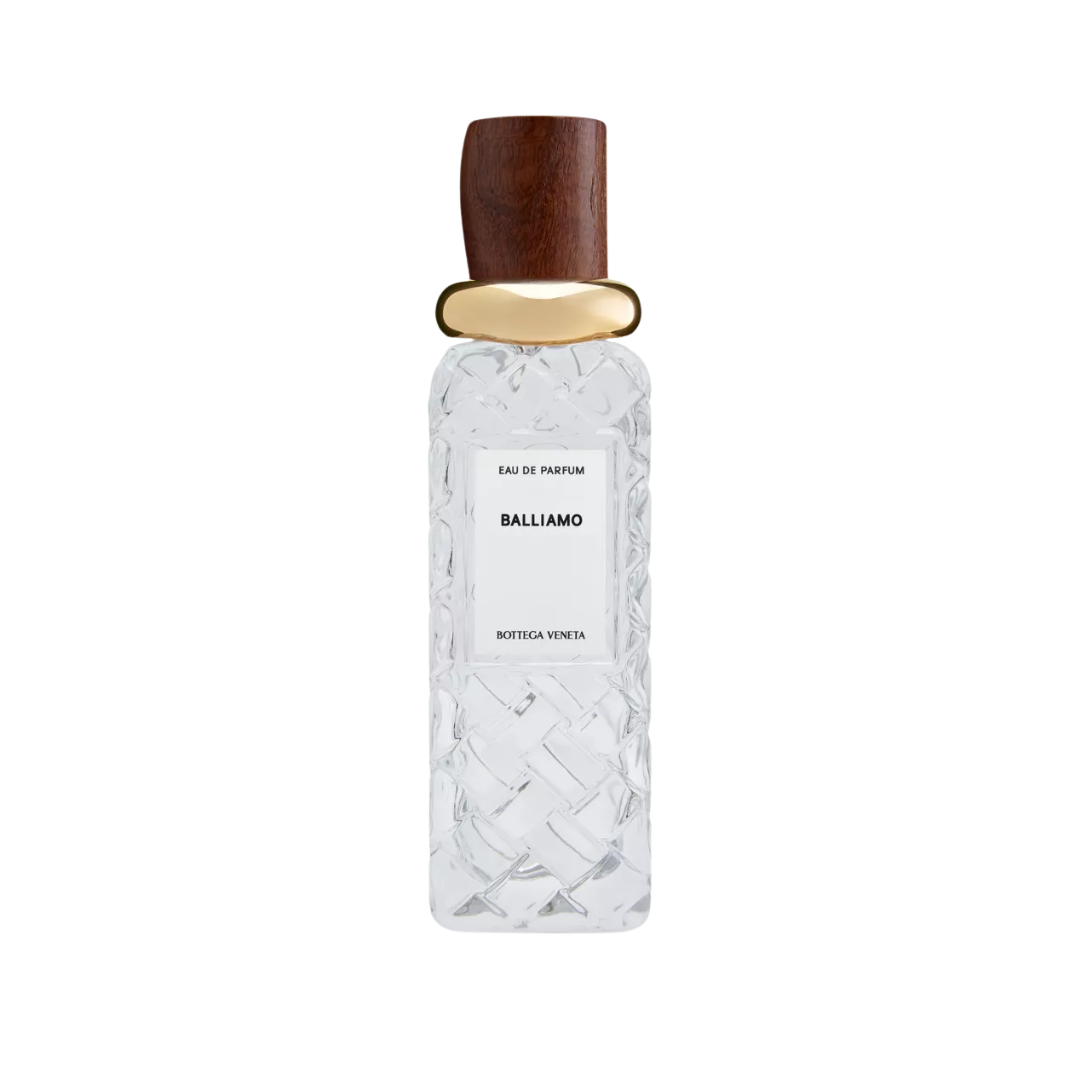
Key notes: Pomelo, cedrat, fresh pepper, myrtle, lavender, cedarwood, vetiver
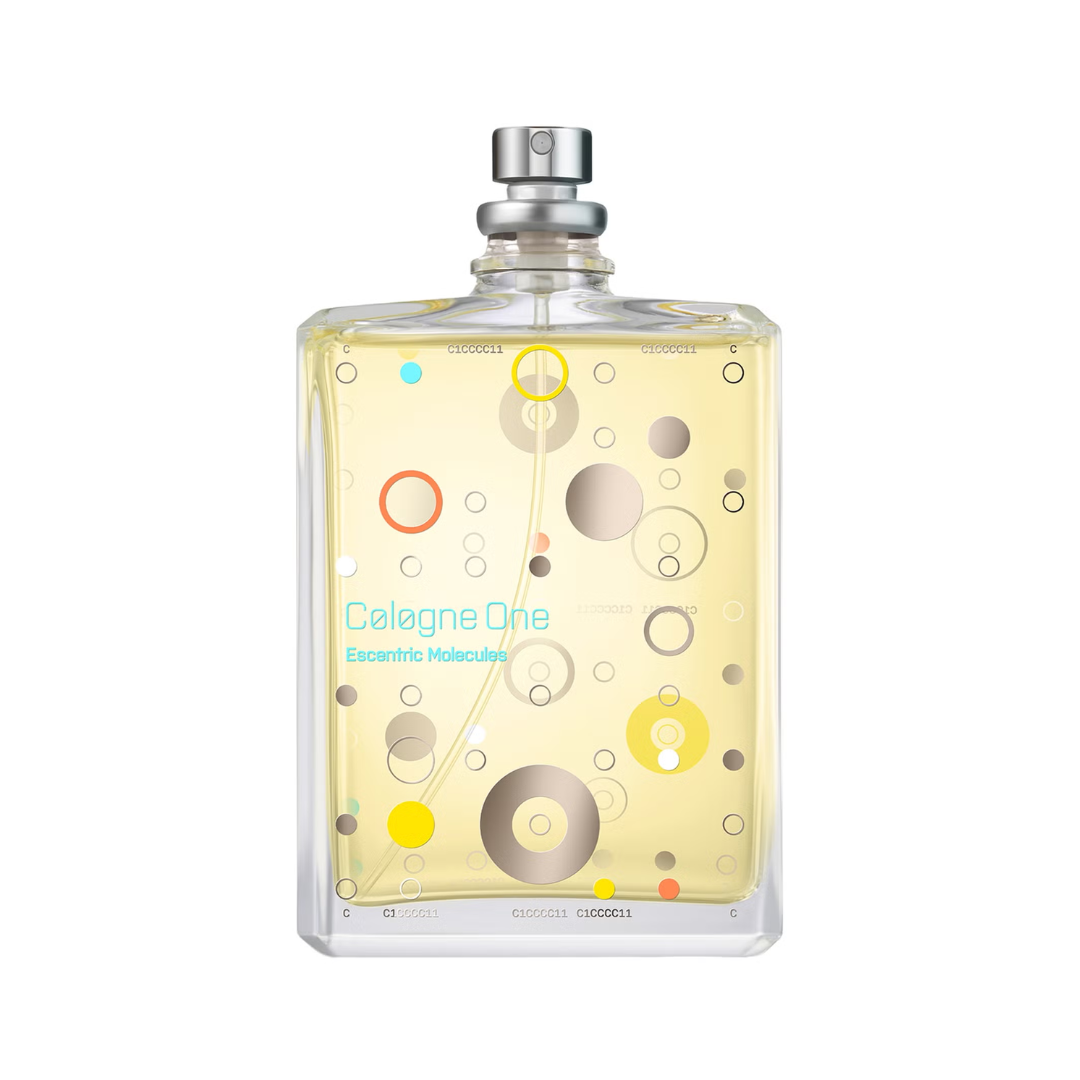
Key notes: Lime, juniper berry, bergamot, lemon, mandarin, ginger, hedione, iris, water lily, Iso E Super, musk, amber
Amber
You can't get a more autumnal fragrance family than amber—if you really want to lean in, opt for resinous and dark, rather than golden and sweet.
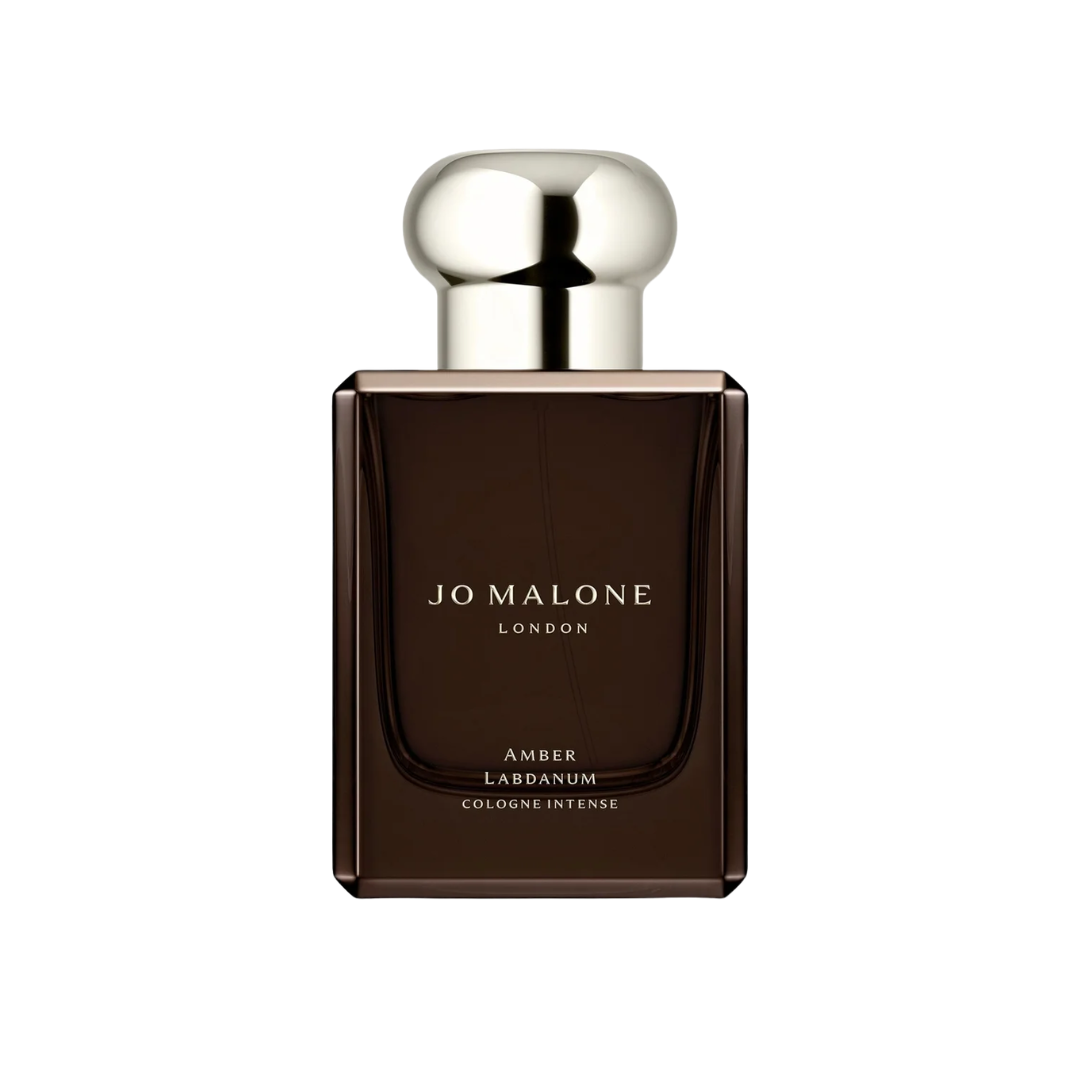
Key notes: Bitter orange, labdanum, amber, vanilla and roasted oak
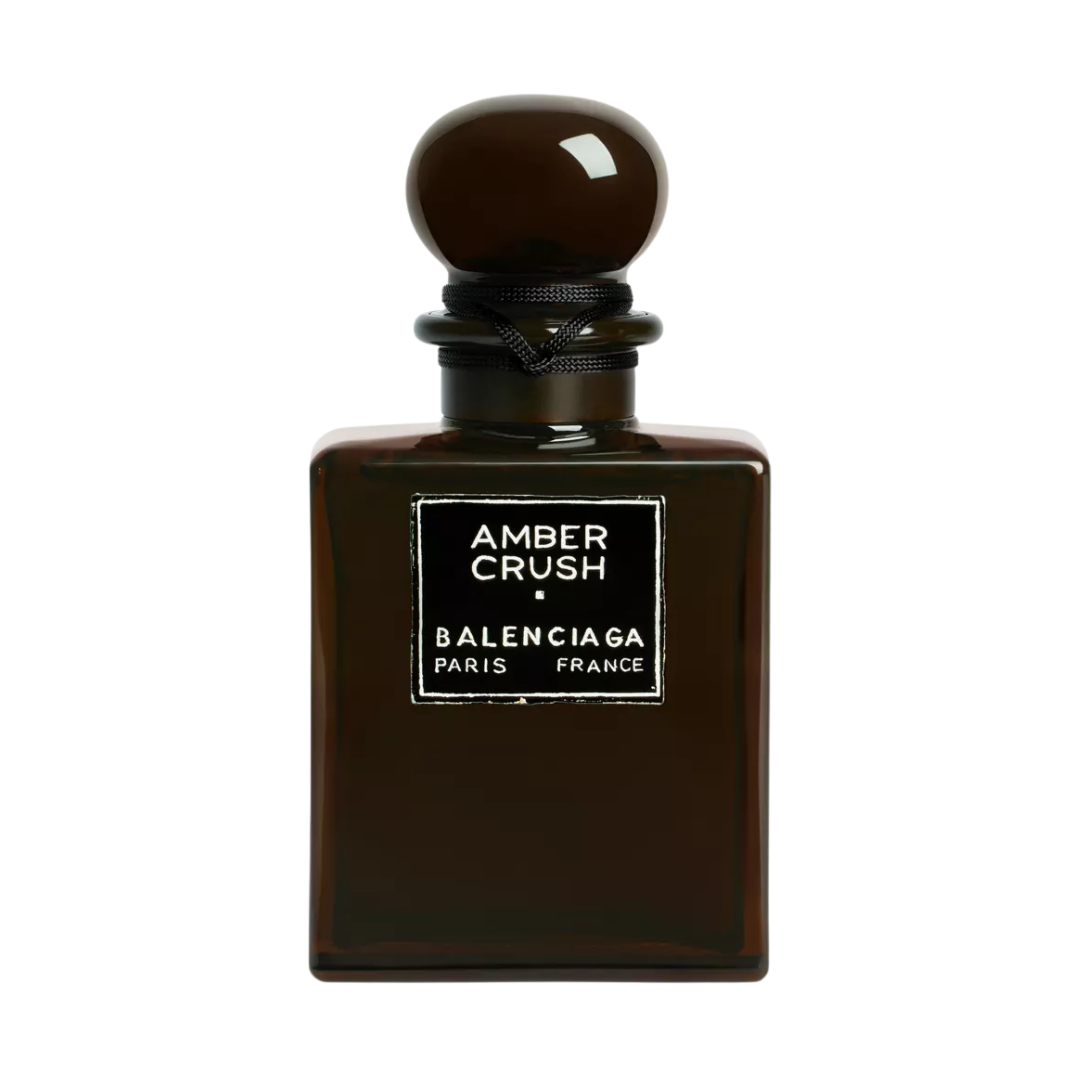
Key notes: Amber, plum liqueur accord, sandalwood, incense, precious spices
Leather
Shoemack recommends looking for a leather scent that is closer to suede than tack room. "You want it to be softened with something powdery or ambery underneath so it doesn't read as too severe."
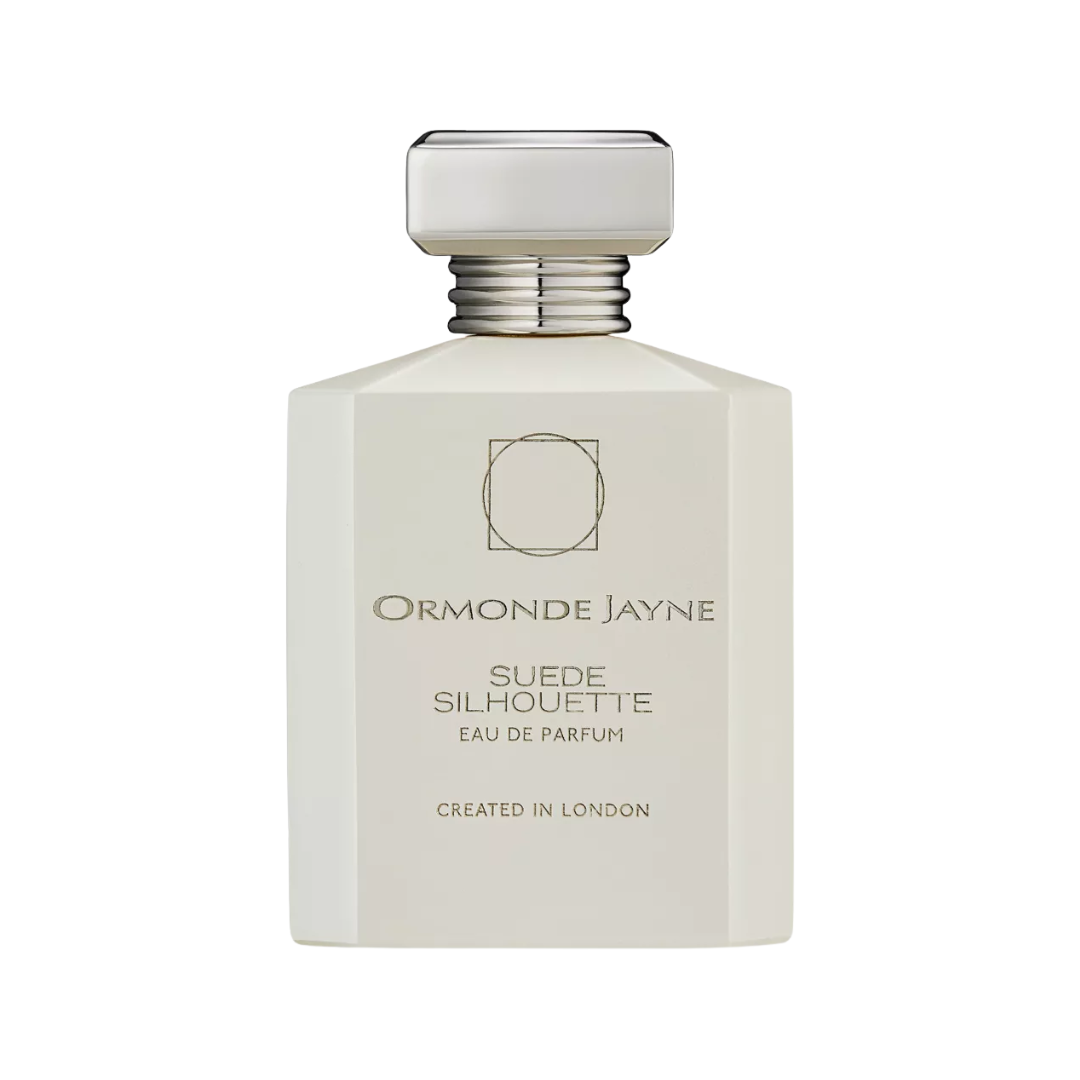
Key notes: Italian bergamot, timur pepper, saffron, iris, ambrette seeds, raspberry, suede, Madgascan vanilla, oud, musk
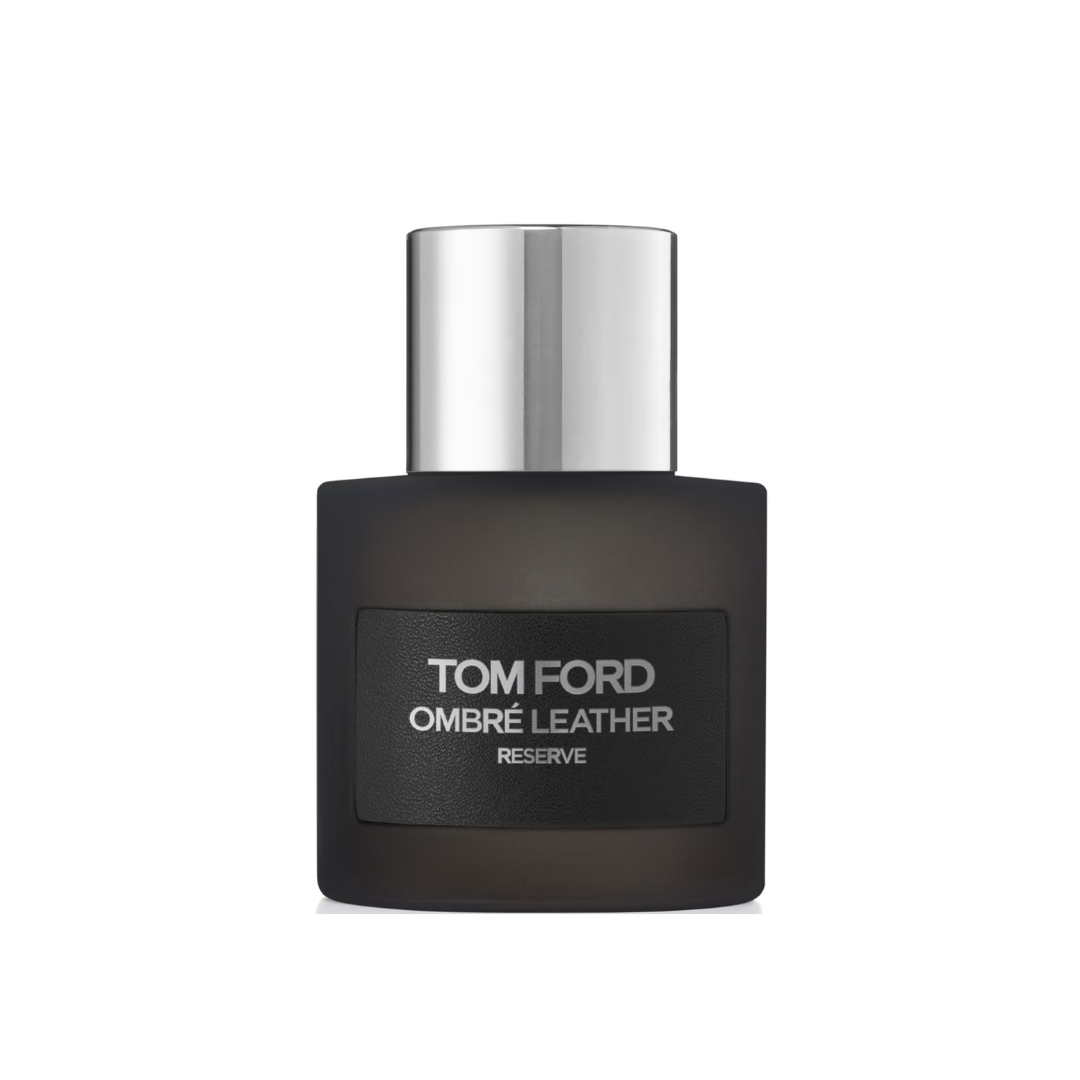
Key notes: Silver juniper, cypress, black pepper, violet leaf, vetiver, deep black leather, balsamic benzoin
from Latest from Marie Claire UK https://ift.tt/G5iIM2r
via IFTTT

No comments:
Post a Comment