LED light therapy is widely acknowledged as a skincare hero—but as with any beauty treatment or product, it's important to assess whether you're the right candidate first, particularly when it comes to blue light, which can affect darker skin tones differently.
Context is key here, as red light and blue light are used for distinct skin needs. The former penetrates deep into the tissue to calm redness, reduce the appearance of fine lines, as well as promote collagen production, improve elasticity, and even tackle scarring with continued use. Blue light, on the other hand, works on the surface to zap spot-causing bacteria (especially that linked to inflammatory acne), and regulate excess oil production.
However, while red light, which is UV free and doesn't target melanin, is safe for all skin tones, the same cannot be said for its blue counterpart.
Can Blue Light Masks Cause Pigmentation?
"Yes, the main concern is pigmentation," comments Consultant Dermatologist, Dr Emma Amoafo-Mensah. "Visible light, and particularly the shorter wavelengths within it such as blue light, can stimulate the production of melanin and can make existing pigmentation more persistent," she says. It can also trigger unwanted darkening and worsen melasma or post-inflammatory hyperpigmentation.
While all skin types can be affected, this is especially relevant for people with darker skin, particularly Fitzpatrick skin types III through VI, because their melanocytes (melanin-producing cells) are more responsive to visible light, so pigmentation can be more pronounced and longer-lasting.
"For darker skin, the issue isn't that blue light is inherently dangerous; it's that visible light can be another trigger for pigmentation, and pigmentation is often harder to treat and more persistent in skin of colour," she adds.
As Dr Sharon Wong, Consultant Dermatologist and co-founder of DOSE, chimes in, "High levels of blue light can also generate free radicals and oxidative stress in the skin. That can drive increased pigmentation, and with excessive exposure, it is also associated with collagen breakdown and premature ageing."
Of course, not all blue light is alike. Per Dr Amoafo-Mensah, it's important to distinguish this from the blue light we get from our phones and computer screens. "The intensity and duration of exposure from a therapeutic light device are very different from normal screen exposure, and we don't currently have good evidence that everyday screen use causes the same skin effects as therapeutic or sunlight exposure."
Can Darker Skin Tones Use Blue Light Masks?
Dr Wong urges caution when treating acne with a blue-light mask if you have darker skin, as improper use can trigger or worsen stubborn pigmentation. "This is particularly important where there is little clear information about wavelength, energy settings, safety protocols, or whether the specific device has been tested on darker skin tones," she says.
However, a new innovation from CurrentBody, their Series 3 LED Mask, has research showing that its blue light feature is safe for darker skin. It moves away from a one-size-fits-all treatment; instead, the mask is able to calculate the optimal therapeutic dose across different wavelengths based on your individual skin goals.
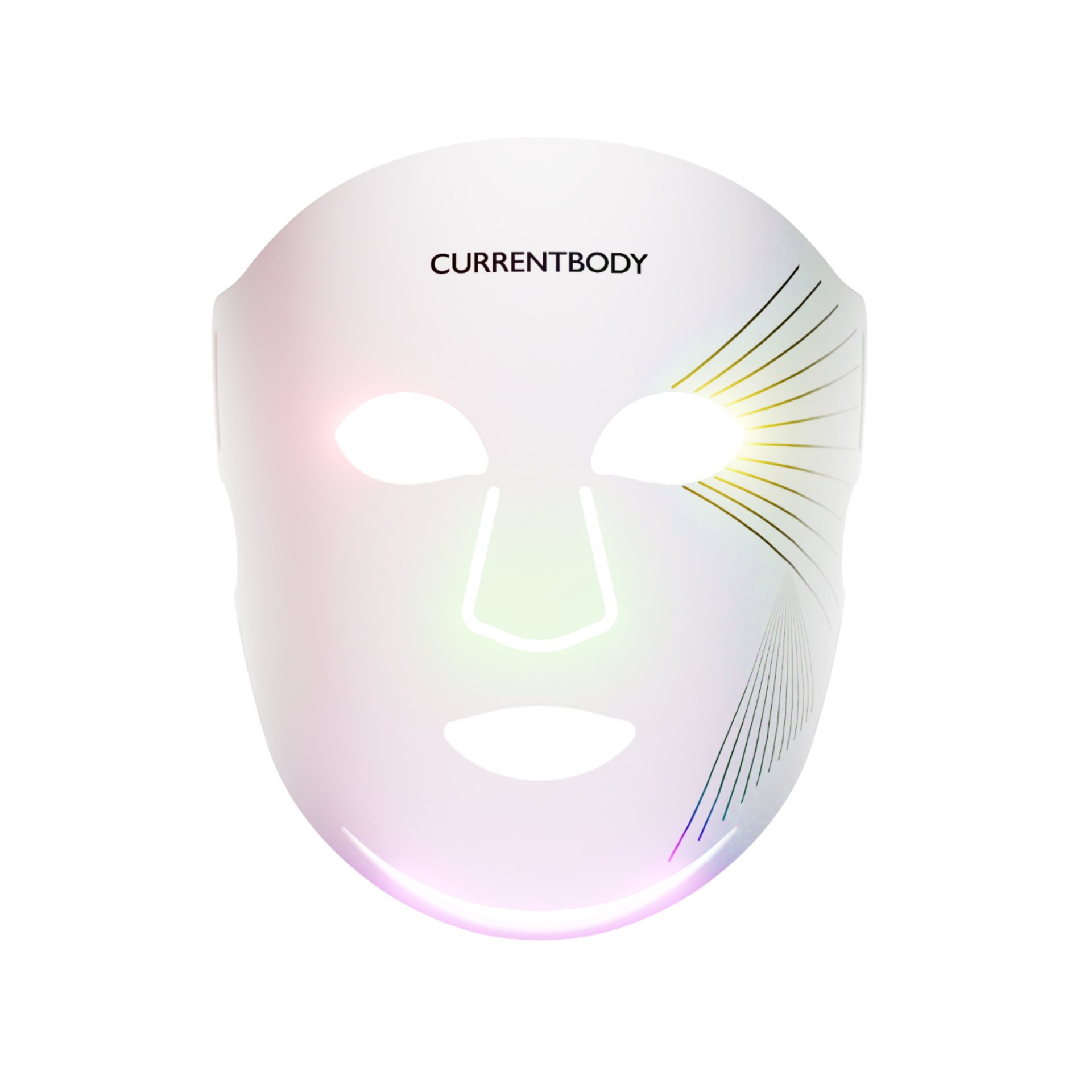
"Dose is key to this conversation," a CurrentBody spokesperson tells Marie Claire UK. "In studies, pigmentation appeared at around 40 to 70 J/cm² of light. A full blue session in our Series 3 mask delivers under 5 J/cm², at a lower intensity than the blue light in summer sunshine, which is the equivalent of less than ten minutes outdoors."
But that doesn't mean that it's not effective. Blue light works at the surface of the skin, so it needs very low energy to be effective, versus red or near-infrared LED. Interestingly, it also uses a unique zone-mapping system, which means you can assign specific wavelengths to specific areas of your face. This means that you can just put the blue light on areas that are breaking out to be doubly safe.
Of course, always consult a dermatologist experienced in this area first, notes Dr Wong says. "They will use licensed devices and evidence-based protocols, and can tell you whether light therapy is even suitable for your type of acne."
If you are using light-based devices, both experts stress the importance of wearing a sunscreen including iron oxides to provide protection against visible light, including blue light. They also advise against applying anything potentially photosensitising immediately beforehand, including retinoids and some prescription acne treatments, unless your dermatologist has advised otherwise.
Derm-Approved Products for Acne-Prone, Melanated Skin
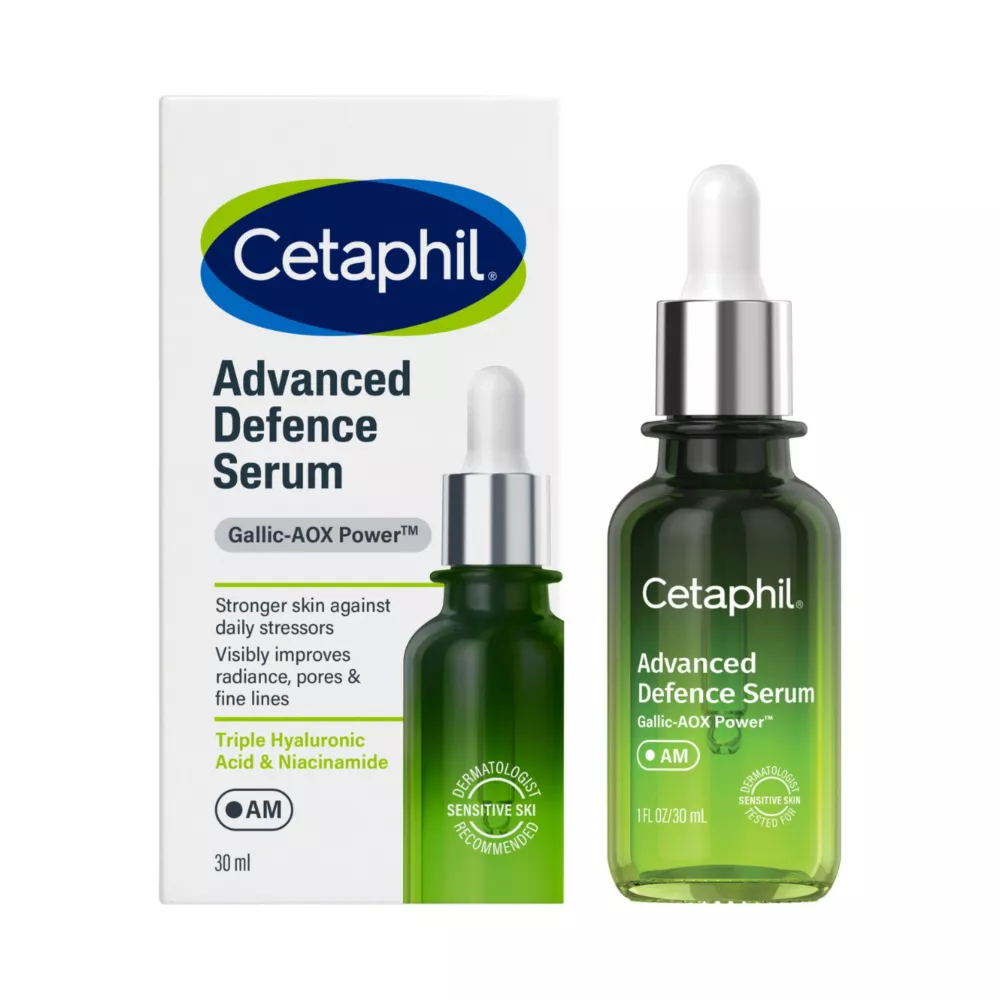
"Incorporating an effective antioxidant, such as the Cetaphil Advanced Defence AM serum, can help with pigmentation and skin longevity," says Dr Amoafo-Mensah.
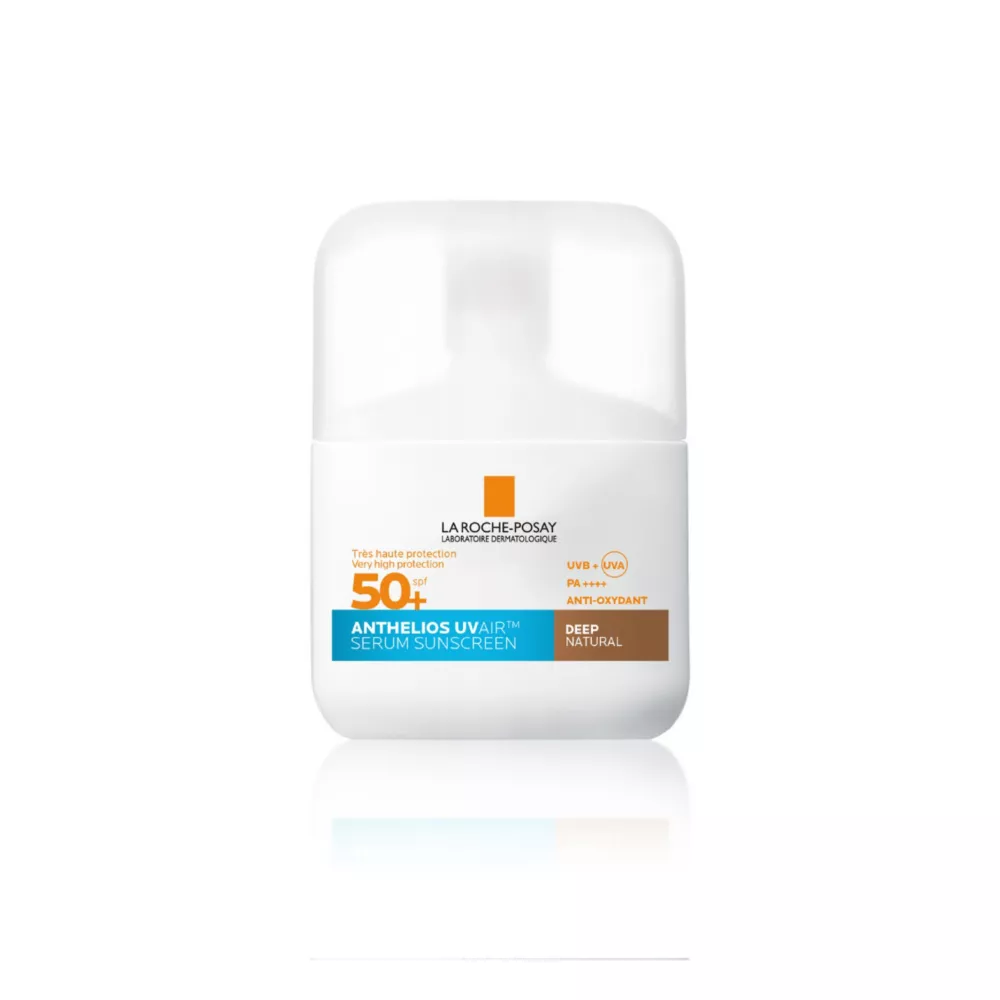
This fast-absorbing fluid contains iron oxides for a natural tint that also physically blocks high-energy visible light.
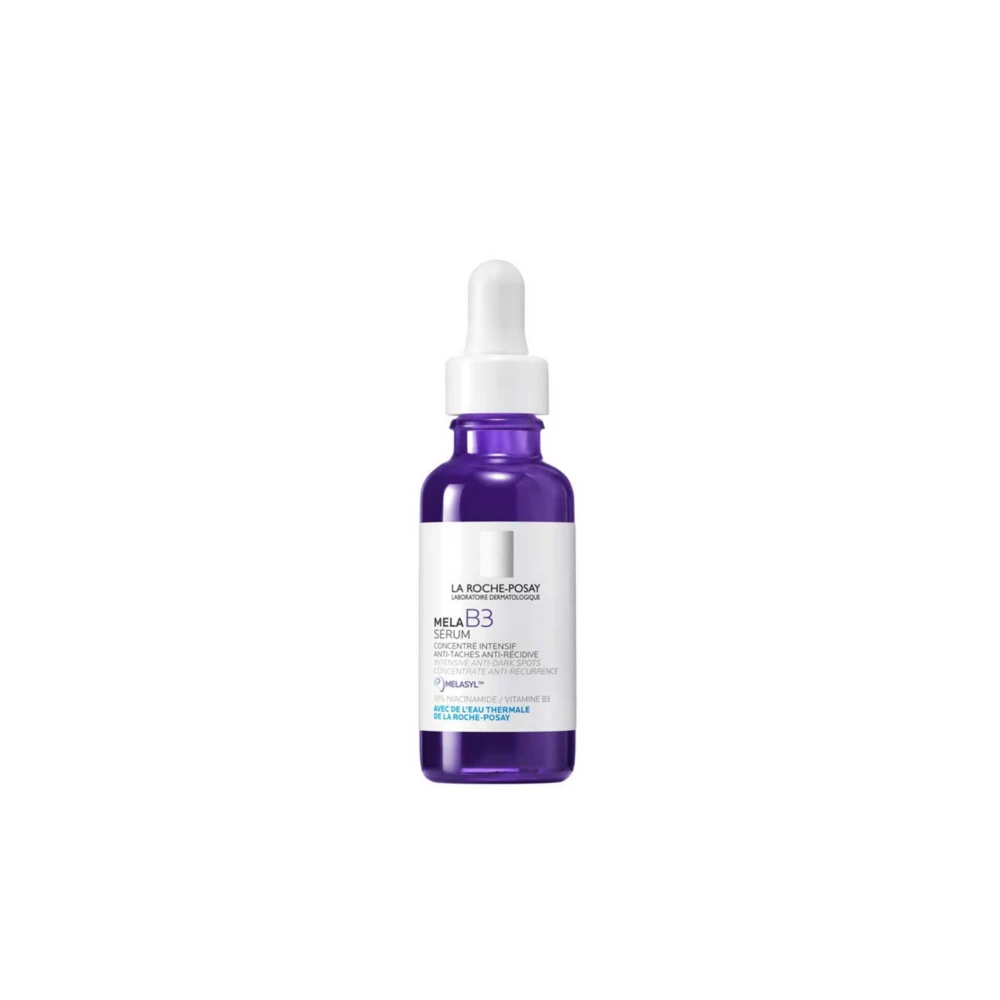
This serum is excellent at targeting hyperpigmentation in melanin-rich skin because it contains melasyl, which traps melanin, with 10 per cent niacinamide to gently fade dark spots.
from Latest from Marie Claire UK https://ift.tt/z01xRuk
via IFTTT

No comments:
Post a Comment