When was the last time you treated yourself? Not just in monetary terms (although we're totally here for a new lippie every now and then), but really in any way at all - big, small or somewhere in the middle?
If you can't even remember, then this one is for you. Because we're calling it: little treat culture might just be our favourite wellness hack ever. And, unusually for a TikTok health trend, it comes with some legitimate benefits, too.
An extension of the excellently-monikered 'lipstick effect' - a phenomenon coined by beauty empire magnate Leonard Lauder in 2001 - little treat culture is all about indulging ourselves on a daily, weekly or monthly basis (choose your poison!) with small, achievable and affordable luxuries that elevate our everyday into something just that little bit more special.
And, while research into the practice is somewhat limited, there is acknowledgement from experts that it can enhance mental health and wellbeing - check out this piece from The Conversation, by a lecturer at the University of Portsmouth, Kokho Jason Sit.
As a self-confessed treat obsessive (I even get a dopamine hit from simply adding to basket - no checking out required!), when I was asked to test out little treat culture for a month to see if it enhanced my wellbeing, it's safe to say I was delighted; I didn't need asking twice.
Keep scrolling to find out how I got on, but in the meantime, fellow shopping lovers might enjoy reading our guides to how to master emotional fitness, our favourite therapist-backed mental health habits and check out the emotional regulation habits of successful women, here.
Is Little Treat Culture the Antidote to Self-Optimisation for Boosting Wellbeing?
What is little treat culture?
We've touched on this above, but let's hear what the experts have to say.
"'Little treat culture’ describes the practice of intentionally creating small moments of pleasure, comfort, enjoyment, or reward throughout everyday life," explains Dr Steven Mahan-Taylor, clinical director and consultant clinical psychologist at London Bridge Therapy. "While social media often associates it with buying a coffee, pastry or small gift, the concept is much broader."
"A little treat might be reading a chapter of a novel before work, taking a bath on a Monday afternoon, sitting in the sun for ten minutes, lighting our favourite candle in the evening, having a favourite lunch, taking a scenic route home, or sharing a meaningful conversation with a friend."
Sounds good, right? And compared to the strict self-optimisation culture that's permeating our feeds (Steven Bartlett's claim that indulging in two glasses of wine 'ruined' his life for three days springs to mind), taking a moment each day to lean into what makes us happy has to be a good thing.
"Psychologically, little treat culture can be understood as a response to the increasing pressure many people feel to constantly optimise themselves," agrees Dr Mahan-Taylor. "Rather than viewing wellbeing as something achieved through rigid routines, productivity hacks, or endless self-improvement, little treat culture invites us to seek joy, pleasure and restoration in everyday moments."
What are the benefits of little treat culture?
If you need any more encouragement to get fully on board with the trend, listen up: there are a myriad of mental health benefits associated with maximising our daily joy.
1. It emotionally replenishes us
Emotional replenishment might not be high up on your list of self-care priorities, but hear this: taking care of your emotional wellbeing can help boost resilience when times get tough.
"One of the most significant benefits is that little treats can act as emotional replenishment," notes Dr Mahan-Taylor. "Many people move through their days focused on responsibilities, deadlines, and obligations, often postponing enjoyment until a future holiday, promotion, or milestone, or indeed waiting until there is a significant period of time to be able to really unwind."
2. It's accessible and achieveable
One of our favourite aspects of little treat culture is that there are no rules. It's all about what makes you feel happy, and that - inevitably - will vary from person to person. Furthermore, we're literally talking just a few minutes of your day - no need to book a whole spa weekend.
"Little treats aren’t too time-intensive," notes Dr Mahan-Taylor. "Small moments of pleasure help interrupt this pattern by reminding us that wellbeing is built day by day, moment to moment, not just during longer periods of time, which so few people have."
3. It helps counteract stress
There's no getting around it: life is stressful. There's always something to be ruminating on, but we know that stress is a huge contributor to the development of chronic disease, reduced immune function, poor sleep and worsened cognitive function.
And we know there's no point in us telling you to reduce your stress: sometimes (often) the best thing we can do is find ways to work with it; little treat culture might be the perfect antidote.
"Small treats can boost mood and provide a welcome break from the stresses and complexities of daily life," shares Veena Ugargol, cognitive behavioural therapist and yoga therapist at MoreYoga. "When we fully engage our senses in enjoyable experiences, we're often able to step away from worries and focus on the present moment."
4. It enhances emotional awareness
"Importantly, little treats can also help us notice and savour positive experiences," Dr Mahan-Taylor advises. "Many people are prone to adapting quickly to good things or focusing attention on problems. Intentionally pausing to enjoy something pleasant can strengthen feelings of gratitude and satisfaction.
"Additionally, moments of joy, pleasure, and comfort help broaden our emotional experience. According to psychologist Barbara Fredrickson’s Broaden-and-Build Theory, positive emotions expand our thinking, creativity, problem-solving abilities, and social connection. Small moments of joy can, therefore, have benefits that extend beyond the moment itself."
How to lean into little treat culture
At this point, we couldn't really be much more on board - so, how can we incorporate little treat culture into our lives, stat?
"The key is to broaden our understanding of what counts as a treat," notes Dr Mahan-Taylor. "It doesn’t need to involve spending money or consuming something.
"Useful questions to ask are:
- What gives me genuine pleasure or comfort?
- What helps me feel more present?
- What leaves me feeling restored rather than depleted?
Clearly, what works for one person might not be a treat to someone else, so the key is to find out what fills your cup.
"For some people, a treat might be ten uninterrupted minutes with a cup of tea," says Dr Mahan-Taylor. For others, it might be dancing in the kitchen, listening to a favourite podcast, taking a walk in nature or leaving work on time.
"The most effective little treats are often those that align with our personal values and needs rather than those we feel we 'should' enjoy."
I tried little treat culture for a month - and honestly? I feel happier and calmer than ever
Weeks one and two
To say I'm excited about giving little treat culture a whirl would be a massive understatement: even before the trial starts, I'm excited about which treats I'm planning for myself, which is evidence in itself that the idea works, right?
But that being said, as a self-confessed shopping lover, I have to have stern words with myself about how this is not carte blanche to 'treat' myself to that new watch and handbag I've been coveting for five years.
When I say I exercised monumental levels of self-restraint over the course of the first couple of weeks, I'm not exaggerating: I have the experts' advice ringing in my ears as I settle on a few things I know I'm going to love: lighting my special candle in the morning as I log on to work, really savouring that first sip of tea in the garden in the morning, and taking a moment in the evening to practice the piano (one of my greatest loves, which I rarely make time for!)
And it turns out, you don't have to be doing something entirely new to reap the rewards.
"It's also worth considering whether some of the things you're already doing could be reframed as treats," agrees Ugargol. "Cooking your favourite meal, spending an afternoon watching films or TV shows that you love, or enjoying an uninterrupted morning with a good book can all become meaningful treats when approached intentionally."
I even find the anticipation of watching my favourite shows enjoyable (let's just say, the new season of Dallas Cowboy Cheerleaders could not have come at a better time!)
By the end of the first week, I already feel a renewed sense of enthusiasm and lust for life: not to overstate it, but I really do feel as though I have more to look forward to; the challenge is helping me to recognise how many lovely things I already have in my life (but that handbag would fit in nicely too, just saying).
Weeks three and four
As I reach the halfway point of the challenge, it's safe to say I'm hooked. Once you're tuned into it, there are so many ways we can treat ourselves on the daily: my favourites so far have been (in no particular order!) a Sunday afternoon bath watching a film on my laptop (top tier treat), savouring a quick lunch with a friend rather than rushing and stressing, visiting a gallery (for free!) with friends and - in case you're concerned I've lost my shopping ability (the economy might not recover) I finally treated myself to replacing the bottle of perfume that smashed in my luggage on holiday last summer.
Another aspect of the experience that I hadn't previously considered was using my treat time wisely. I'll bite: I do have a gel nail habit (no regrets), but I usually spend the appointment juggling my phone from hand to hand while responding to emails and making to-do lists on my Notes app, which doesn't make for the most relaxing experience.
"One important thing is to be fully present when enjoying a treat so that you get the maximum benefit from it," shares Ugargol. "For example, if you treat yourself to a massage, allow yourself to really focus on the experience rather than mentally running through your to-do list."
Will I continue to seek out little treats, come the end of the month? Without a doubt. While it took a few days to quiet the noise in my brain telling me I didn't deserve the treat, once I'd leaned into the practice, I can honestly say I felt happier and more at ease than I have in a really long time.
So go ahead: treat yourself, it's good for you. And with that, I'm off to savour an iced coffee in the sun.
Shop MC UK's go-to wellbeing essentials now:
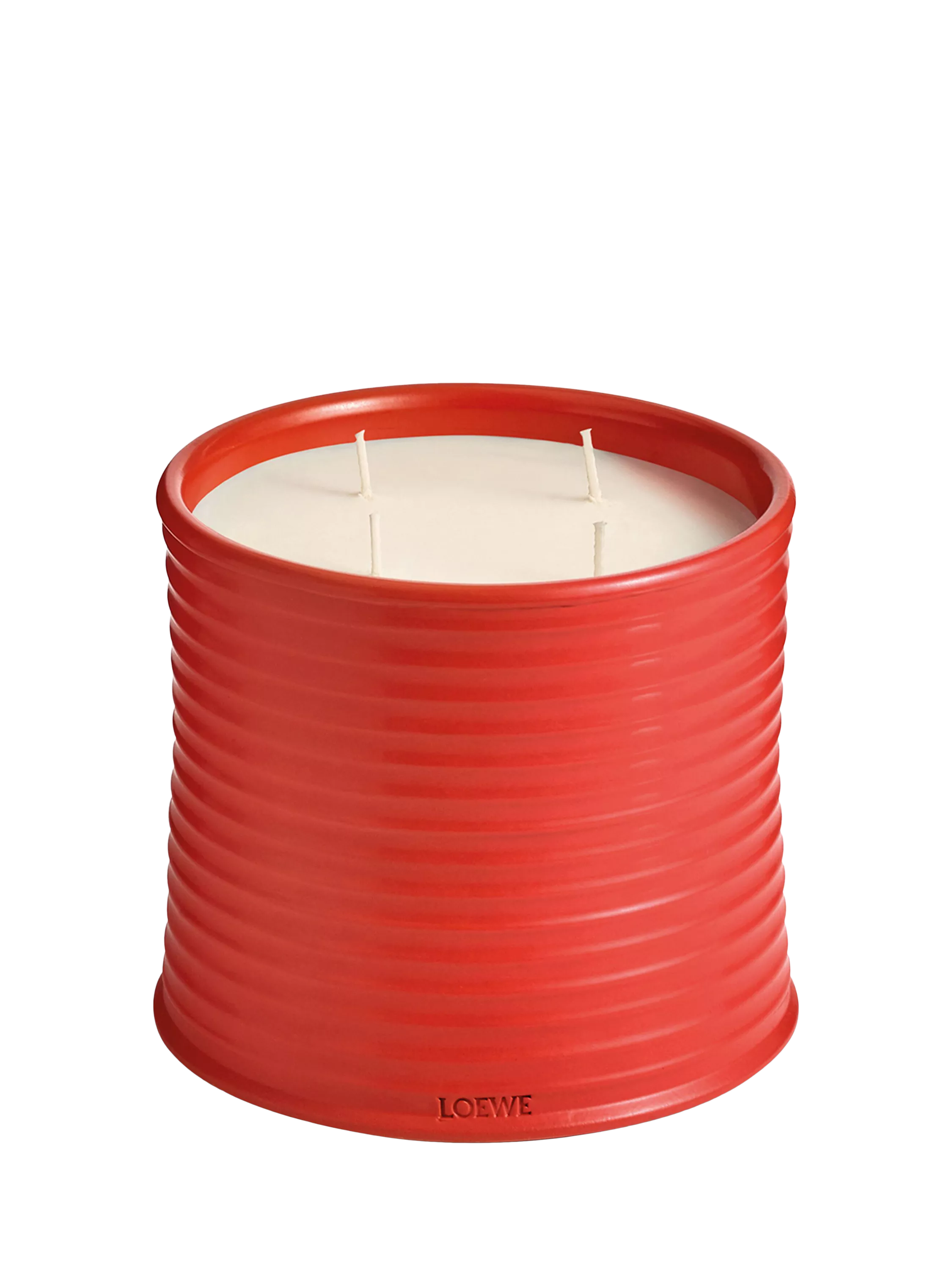
Self-care doesn't get much better than lighting a luxury wick, and while this is on the more expensive end of the little treat spectrum, we don't think we will ever stop obsessing over Loewe's tomato candle. The scent combined with the dreamiest of tomato-red pots (the colour of SS26) puts this luxe candle firmly at the top of our wishlist.
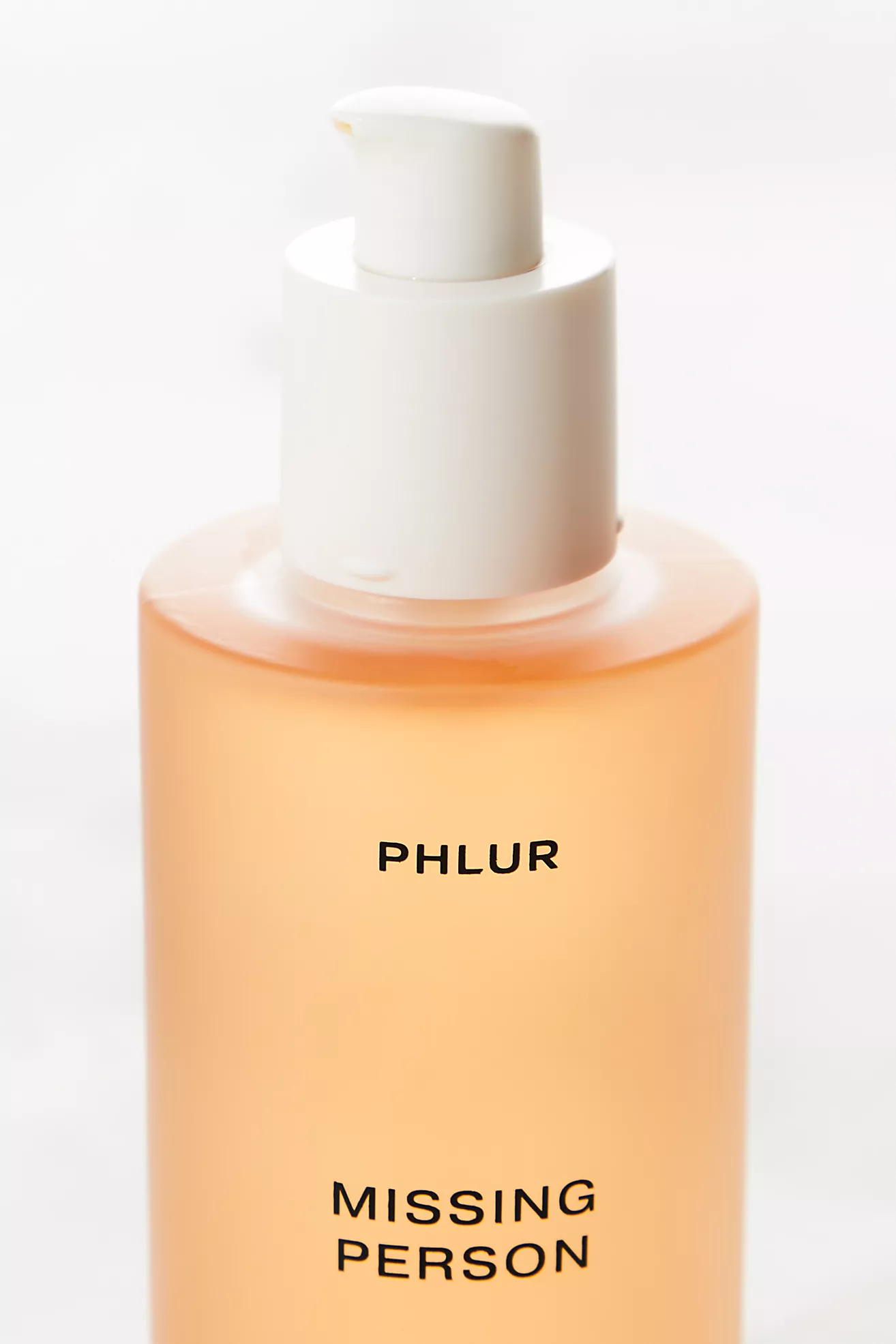
Little treat culture is all about transforming mundane moments into something that little bit more special, and elevating shower time is right up there. Slather this body oil all over post bath/shower, and you'll smell dreamy all day.
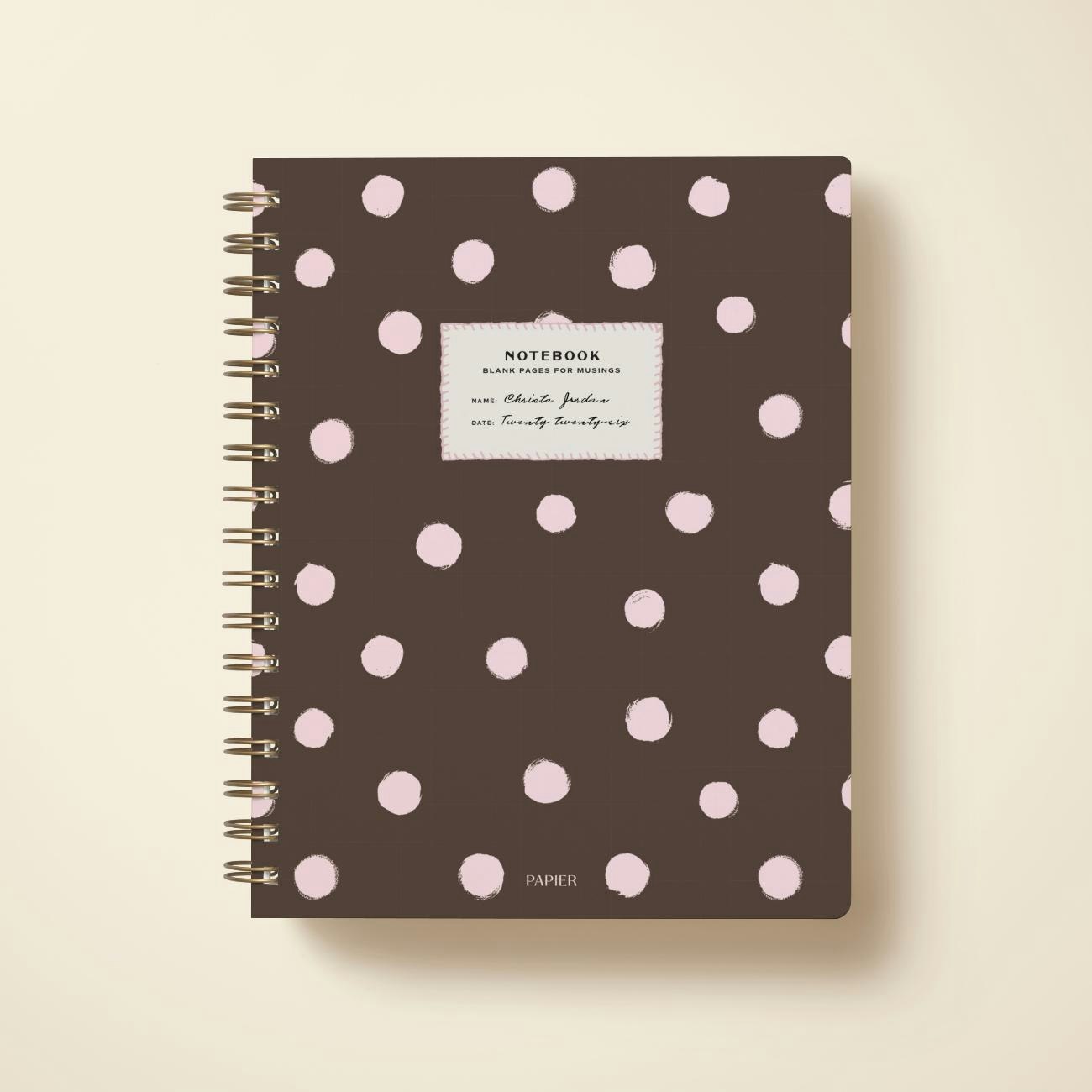
Ok, we'll admit: gorgeous stationery is our weakness, and Papier always delivers. This Damson Madder spiral polka dot notebook is perfection.
Is little treat culture alone enough to boost wellbeing and happiness?
"While little treat culture can be beneficial, it’s important not to use treats solely as a way of coping with chronic stress, exhaustion or dissatisfaction," cautions Dr Maha-Taylor. "Small moments of joy are valuable, but they are not a substitute for addressing larger issues such as burnout, unhealthy work demands, or relationship difficulties.
"At its best, little treat culture complements rather than replaces meaningful self-care. It reminds us that wellbeing doesn’t always require major lifestyle changes. Often, it’s the accumulation of small moments of pleasure, connection, rest and joy that helps us feel more content, resilient and emotionally nourished.
"In a culture that often encourages us to keep striving for the next achievement, there is something psychologically healthy about permitting ourselves to enjoy small moments simply because they make life feel a little richer and more enjoyable."
from Latest from Marie Claire UK https://ift.tt/MCHwnft
via IFTTT

No comments:
Post a Comment