Imagine spending years preparing for the biggest competition of your life. Every early morning, every training session and every sacrifice leading towards one moment. Then, six weeks before you step onto the start line, your body becomes an opponent you never trained for.
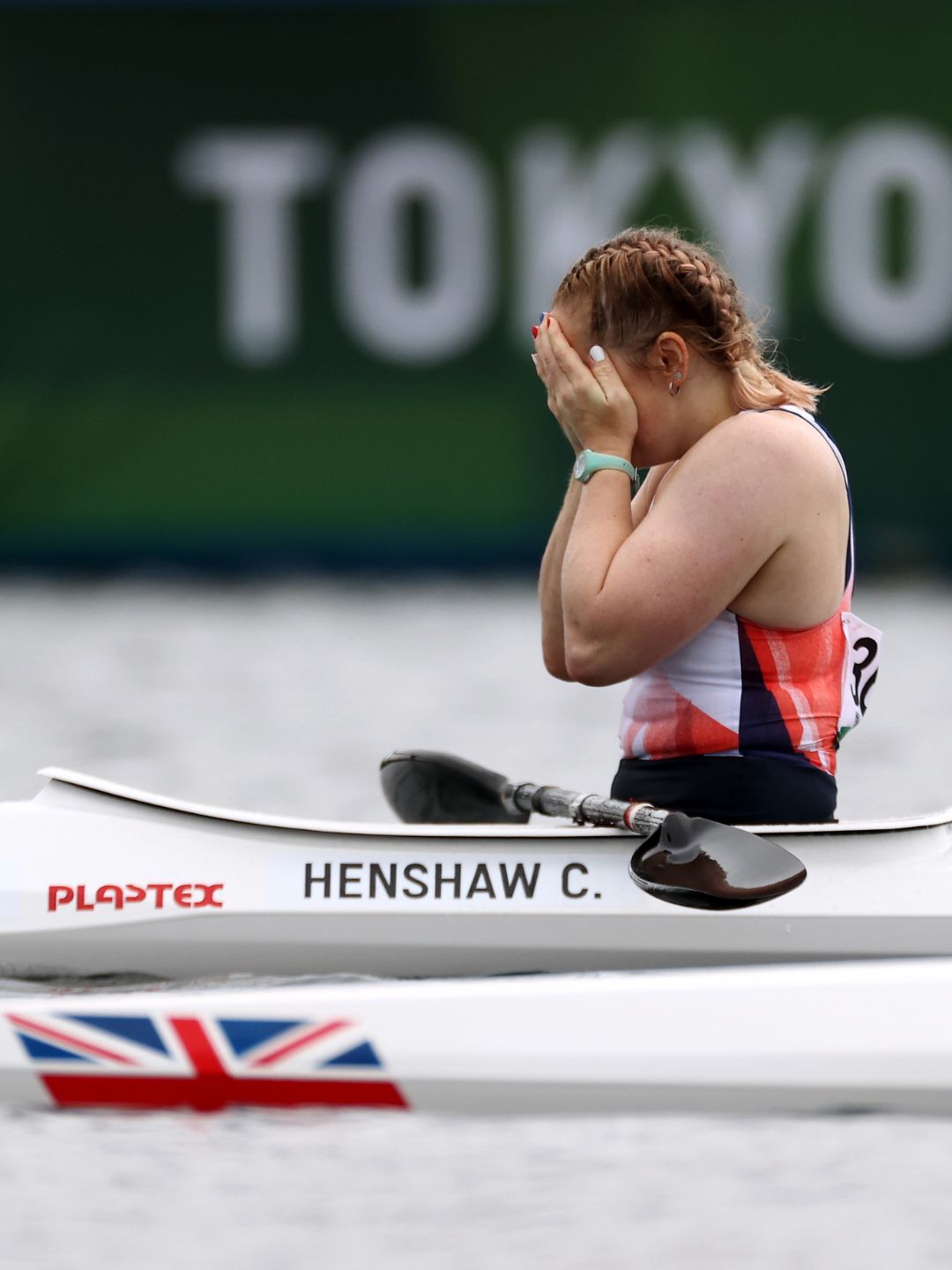
That was the reality of Paralympic champion Charlotte Henshaw in the build-up to the Paris 2024 Paralympics.
A sudden change to her endometriosis medication threw her hormones into turmoil just weeks before the Games. She bled almost constantly for four weeks. Every day became a balancing act between managing debilitating symptoms and preparing for the race she had spent years chasing. Yet almost nobody knew.
"I was in that state of flux, trying different hormone treatments in the last six weeks leading up to the Games. My hormones were completely out of whack. I was pretty much bleeding constantly for four weeks," she says. "Nobody knew what I was having to endure every day. I tried to just get on with it as best I could."
Henshaw went on to make history, becoming the first-ever paracanoe athlete to win double gold at a single Paralympic Games. But behind those medals is a story shared by thousands of women in sport: the invisible effort of competing while managing a condition that many people still misunderstand.
Despite endometriosis affecting an estimated 190 million women worldwide (1 in 10), diagnosis remains painfully slow. In the UK, women wait an average of nine years and four months for a diagnosis, while 82% say they have had their symptoms dismissed. For elite athletes, those years of uncertainty can become another opponent—one that refuses to play fair.
But this story extends far beyond the podium. According to Endometriosis UK, 62% of women have missed out on sport or exercise because of period pain. Behind that statistic are countless moments that rarely make headlines: a girl sitting in a school changing room, hoping that the cramps will pass before PE begins. A teenager quietly dropping out of a club because she cannot explain why she keeps feeling unwell. A talented young athlete begins to believe she lacks discipline when actually she has been trying to compete with a condition no one has the language to recognise.
If elite athletes can spend years learning to push through symptoms they cannot explain, what hope do the next generation of women in sport have of recognising the signs?
For decades, women’s health was the conversation elite sport wasn’t having. Periods, hormones and chronic pain were pushed to the sidelines, quietly endured rather than openly discussed. Luckily, that's finally changing. From Leah Williamson and Bethany England to Elinor Barker and Charlotte Henshaw, more sportswomen are speaking openly about endometriosis and challenging the idea that resilience means suffering in silence.
Their stories arrive at a defining moment for women’s sport. As female athletes step into the spotlight like never before, the curtain is finally lifting on what elite performance really demands, and what it can cost.
For Henshaw, it meant arriving at the biggest competition of her life without knowing what her body would allow. For marathoner Lillie Bleasdale, it meant starting training sessions wondering whether she would be able to finish them. For content creator and Pilates instructor Stef Williams, it meant reaching a point where pushing through was no longer proof of strength. And for Barker, it meant discovering just how powerful she could feel when the pain was no longer standing in her way.
Their stories are different. And so are their sports. But the battle is remarkably similar. These are the stories of what happens when elite athletes stop hiding the battles they have been fighting all along—and what we can all learn from them.
What Training Looks Like When Your Body Won't Cooperate
Elite sport is built on a simple promise: if you put in the work, your body will meet you halfway. Endometriosis breaks that promise. No matter how carefully you train or recover, years of preparation can be undone by a body you cannot predict. The body you’ve spent years relying on can begin to feel like an unreliable teammate.
There is one common thread that links each of these women’s experiences together: every training session begins with the same question. Will my body let me do this today?
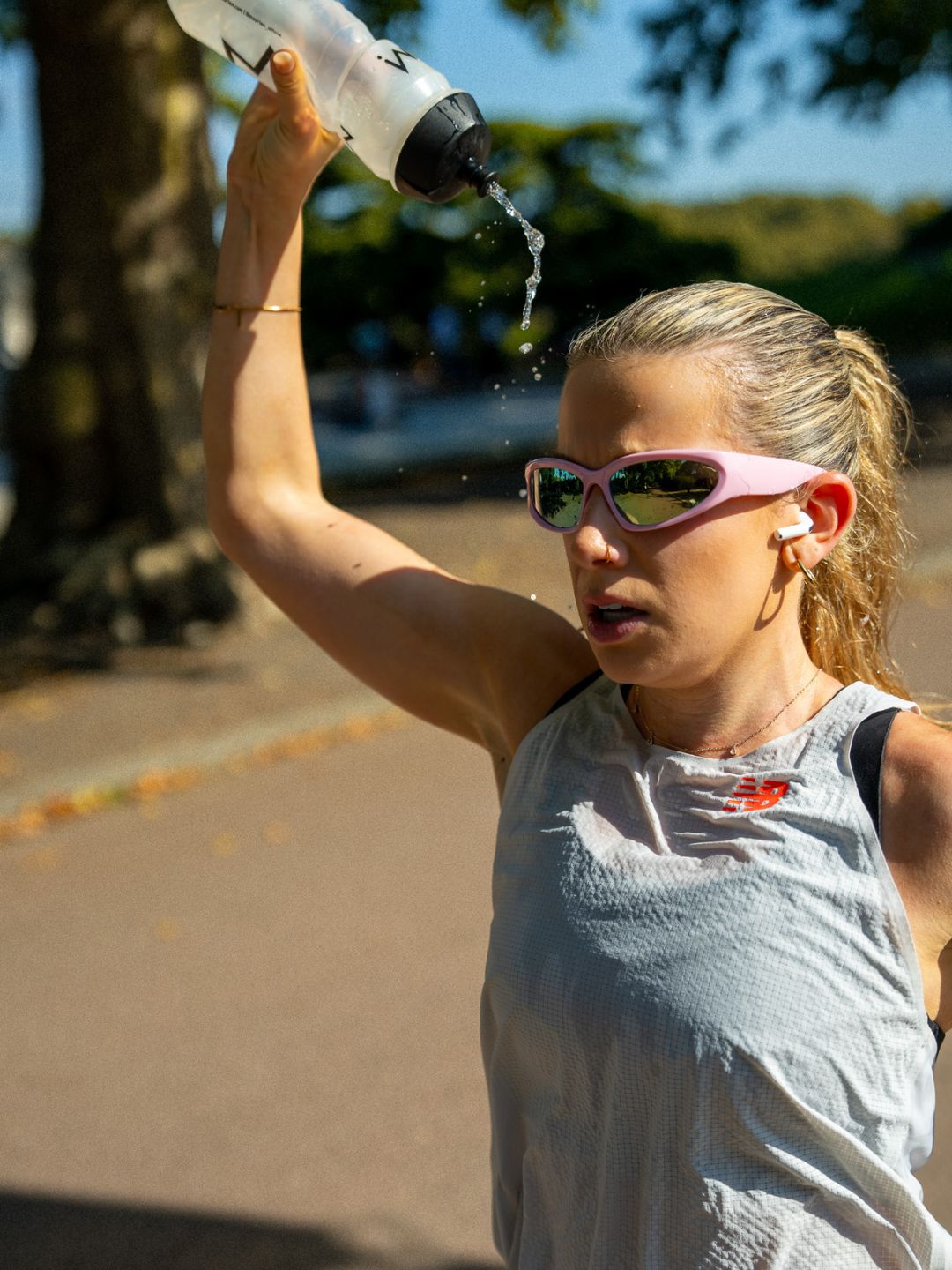
For Lillie Bleasdale, the hardest part wasn’t her training. It was never knowing whether her body would allow her to complete it. "I spent a lot of time getting frustrated with not seeing improvement in my running, or not being able to understand why I was so fatigued even though I felt I was doing everything correctly," she says. "On paper, my training week doesn't really change, but the reality is fairly different."
During a flare-up, Bleasdale describes every mile feeling just that little bit heavier than it should. But it isn’t just the pain that follows her onto the pavements. It’s the exhaustion, bloating and the all-encompassing feeling of being unwell.
Some weeks she’d tick off every run. Others, lacing her trainers, felt like a victory. The training plan didn’t disappear. It just became written in pencil instead of ink, rewritten according to whatever her body decided that day. "Even if I complete the sessions, I'm often just trying to get through them, rather than getting the quality out of them."
Professor Mark Gillett, Chief Medical Officer at the Professional Footballers' Association, says Bleasdale's story is one he sees time and again. “Athletes can spend months, or even years, being investigated for musculoskeletal injuries or gastrointestinal conditions before anyone considers endometriosis.”
By then, the consequences reach far beyond missed training sessions. “Pain disrupts training and recovery, so key training sessions can be compromised or cancelled," he explains. "I’ve seen embarrassment or pride often lead to a delay in disclosing symptoms, which can be highly debilitating." He adds that persistent abdominal pain can also affect core stability, increasing the risk of back problems in athletes already placing extraordinary demands on their bodies: “Ultimately, understanding an athlete's symptoms and recognising the patterns behind them is just as important as the training plan itself.”
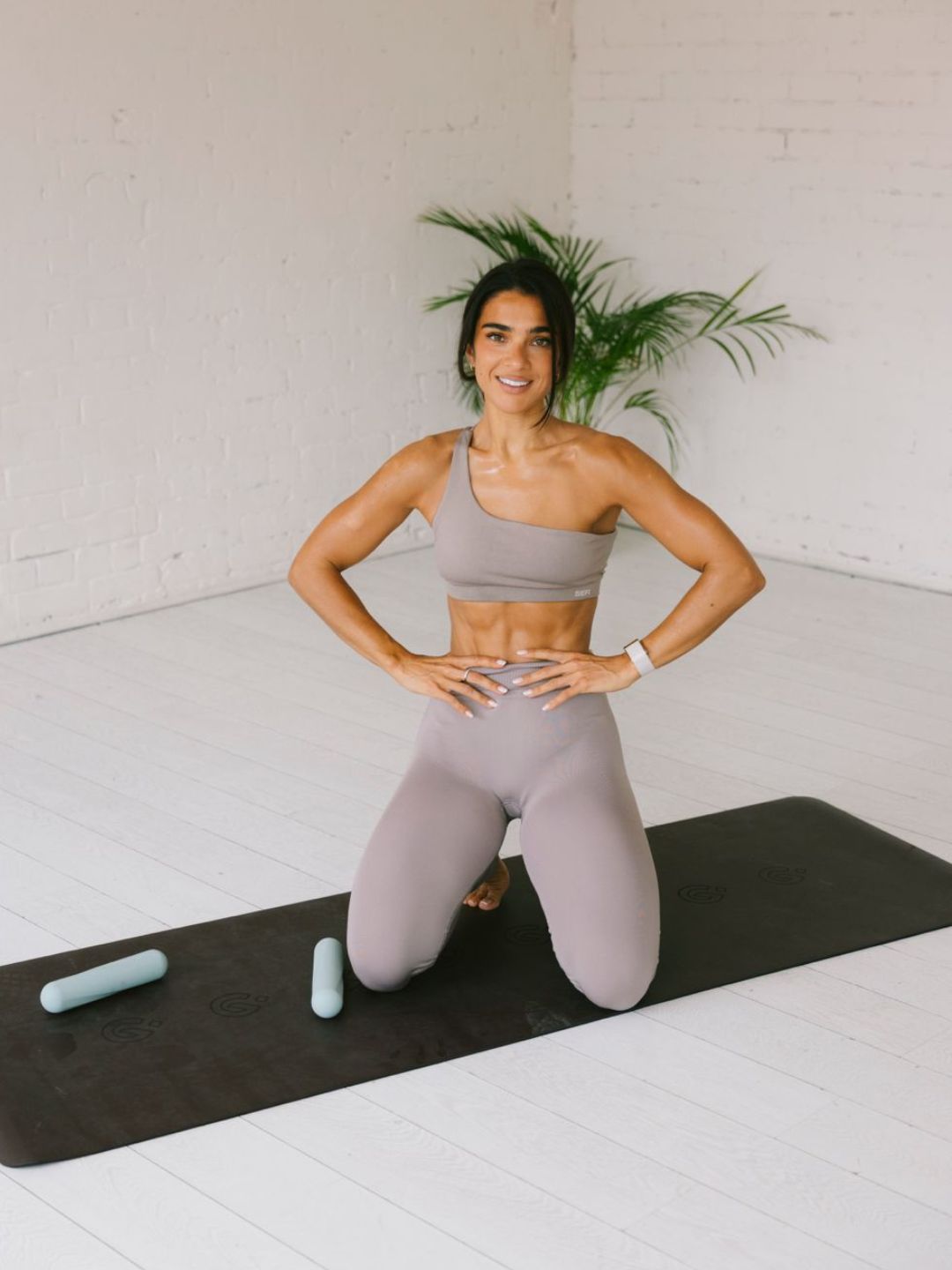
Scroll through Williams' social media feeds, and you’d probably think she was a woman who’d cracked it. A picture of consistency, discipline and resilience. That was the version of herself she allowed the world to see. But behind the carefully planned sessions and polished posts was a reality far harder to see: a body she no longer understood. She’d never heard of endometriosis before being diagnosed. Instead, when her body no longer responded to training as she’d always known it to, she blamed herself.
I could feel my body reaching a limit I just couldn’t push past.
Stef Williams
Then, during a routine workout her husband was helping her film, everything unravelled. Halfway through a plank, she hit a wall: “I could feel my body reaching a limit I just couldn’t push past. I just remember collapsing and crying—I was trying to get through enough reps to be able to upload the video."
It was a moment that stayed with her, not because she couldn’t finish a workout, but because she realised this was no longer something she could simply overcome through willpower.
Bleasdale thought she wasn't training hard enough. Williams thought she wasn't doing enough. Neither realised their bodies had been trying to tell them the same thing all along.
The Hidden Mental Load of Competing With Endometriosis
Pain makes up only half of this story. The other half happens inside your head. Maybe I’m imagining it. Maybe I should try harder. Maybe I’m making a fuss.
For these athletes, whose identities are often built around discipline, resilience and pushing beyond their limits, those doubts can become almost as debilitating as the condition itself.
"When your body is your job and your livelihood—and it relies on you feeling at your best at any given moment—it's really, really difficult to get your head around. Some days, my body just didn't want to do what I wanted it to, and I didn't have a reason for that," says Henshaw.
When your body is your job and your livelihood, it's really, really difficult.
Charlotte Henshaw
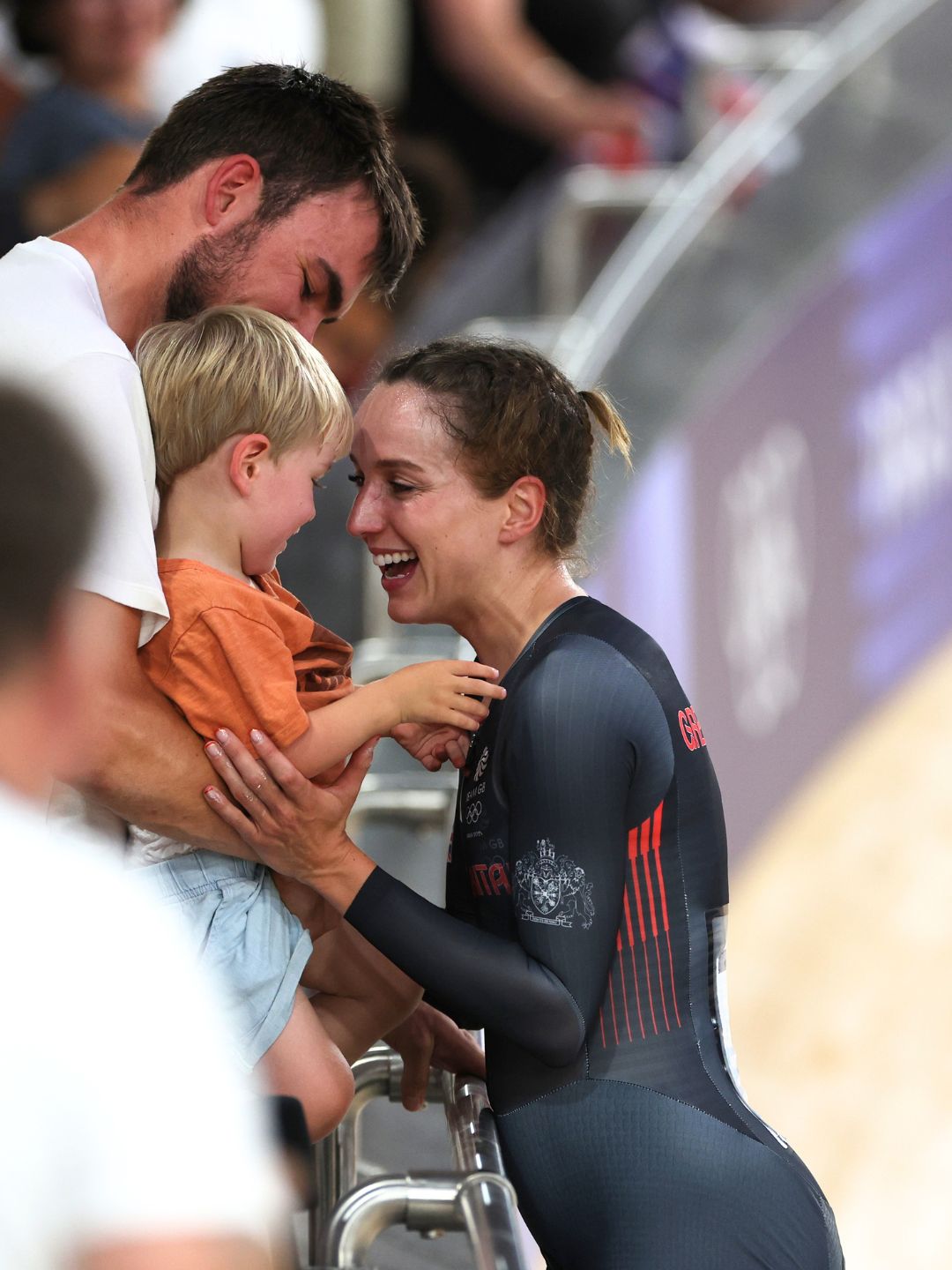
For Olympic cyclist Elinor Barker, the mental burden became inseparable from the physical one. During long periods of abdominal pain and relentless fatigue, she found herself expending as much energy hiding her symptoms as managing them: "The fatigue got worse the longer the pain lasted: I was making such a huge effort to hide the pain I was in from my coaches and teammates," she says. "On the worst days, it affected my ability to do basic things around training, like cooking and eating enough."
For Williams, that pressure didn’t just come from sport. It came from millions of followers expecting the strongest version of her every day. As she struggled, she found herself worrying she wasn’t doing enough. "It felt like a constant battle," she says. "With the constant thought in my head being ‘there’s got to be something wrong with you’. And then there's shame around it. It's quite a heavy emotion to feel."
Online, the pressure was even harder to escape. As her symptoms caused her body to fluctuate, followers criticised her training. "I would get thousands of hate comments like, 'You're not lifting heavy enough,'" she recalls. What they couldn’t see was that strength no longer looked like adding more weight to the bar. It looked like learning what her body could carry that day and having the courage to honour it.
Health psychologist Dr Sula Windgassen says this self-doubt is no coincidence. "Elite athletes can become trapped because the very qualities that make them successful, pushing through pain, suppressing discomfort and prioritising performance, are reinforced by a culture that often dismisses women's symptoms," she explains. "Over time, this erodes trust in their own body, making it harder to recognise when something is wrong and seek help."
On the worst days, it affected my ability to do basic things, like cooking and eating.
Elinor Barker
When Elite Athletes Speak Out, Everyone Listens
When elite athletes speak openly about this condition, and many others for that matter, they don’t just tell their own story—their vulnerability becomes a catalyst for others to seek answers.
To Barker, simply being able to name what she was experiencing was transformative: “The first I'd heard of endometriosis was my diagnosis,” she says. “Since then, it seems that awareness and knowledge have improved massively. I'll gladly speak to anybody about it and don't hide anything from my teammates or coaches anymore. It's a tough thing to have to deal with, but I believe a big part of that is down to being able to talk openly about it with those around me.”
Every athlete who chooses to speak out chips away at the silence surrounding endometriosis. As Windgassen notes, “Visibility of the disease is paramount to raise awareness and reduce stigma. Those with public profiles, who are admired and respected, can change the course for others who are experiencing self-doubt, shame and isolation with their symptoms.”
In lighter news, shifts are beginning to happen. Endometriosis UK found that 63% of people have now heard of the condition, up from 38% of 18-24-year-olds in 2020. But awareness is only the first step. For far too many women, recognition still isn’t followed by timely diagnosis or specialist care. The challenge now is turning powerful personal stories like these into lasting systemic change.
This is why every story matters. Every athlete who speaks out gives someone else permission to trust their own experience. And for the next generation of girls in sport, that could mean learning that resilience isn’t ignoring pain - it’s recognising when your body is asking to be heard.
What Still Needs to Happen?
Women’s sport is thankfully starting to change the narrative. Conversations that were once confined to whispered dressing-room chats are now taking place on podiums, in press conferences and across social media. But this newfound visibility is only the first step. "Awareness about the basics is key. Endometriosis doesn't just give you bad period pain," says Gillett, who believes education across sport and healthcare still has a long way to go.
General Practitioner, Dr Leah Austin, agrees that momentum is building. “Women's sport is becoming more open about discussing menstrual health. The next step is ensuring that awareness translates into meaningful support."
That support, from coaches, clinicians and governing bodies, is exactly what campaigners at Endometriosis UK say must come next if every athlete is to reach their full potential.
Henshaw makes the point that change also starts by redefining resilience: “Some days, 50% of my usual is more than enough if that's all I have on that day. It's so important to listen to your body and learn what works best for you."
It turns out the bravest performances don’t always happen on a start line. Sometimes they begin with three words: “I have endometriosis.”
Visibility isn’t the finish line. It’s the starting gun. Every athlete who chooses to speak openly makes it a little easier for the next girl to speak up, trust her body and seek help sooner. Because perhaps the greatest legacy these women will leave won’t be measured in medals or records, but in a generation of girls who grow up knowing that pain should never be the price of participation.
from Latest from Marie Claire UK https://ift.tt/YFhzamr
via IFTTT

No comments:
Post a Comment