Monday, 23 November 2026

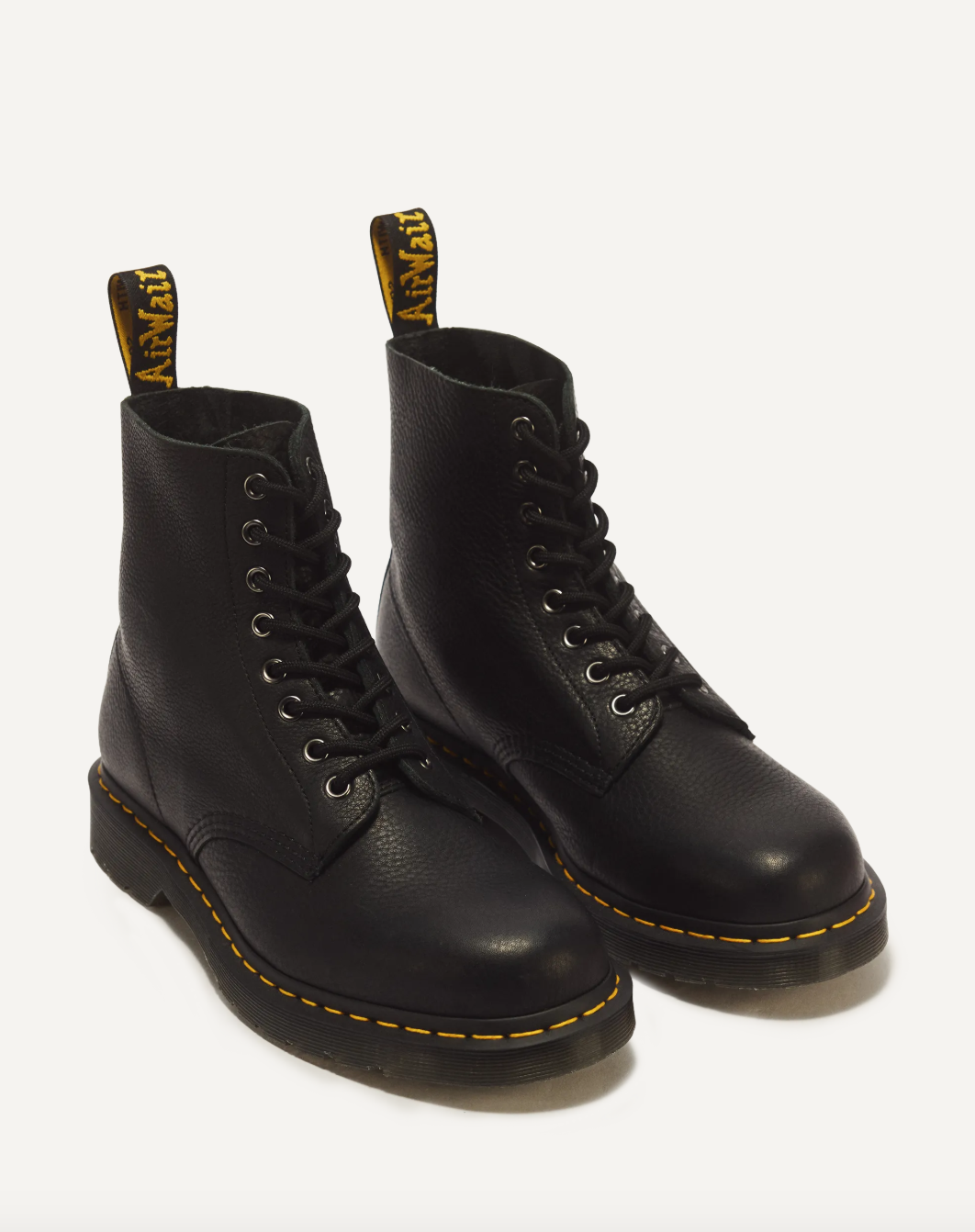
The Dr. Martens Black Friday Sale Brings Big Saving on Iconic Styles

https://ift.tt/vLajgTJ

There are some brands that people return to again and again. And if you’re a Dr. Martens person, there’s a good chance you plan to be a Dr. Martens person for life. The British shoe company has gained plenty of fans over the years, starting with classic work boots, moving on to punk and grunge fashion, and eventually becoming a staple for anyone who wants a boot—or Mary Jane or sandal or clog—with durability, comfort, and a recognisable edge.

So, whether you’re eyeing up a new style, looking to replace a worn down pair of favourites, or wanting to try out Dr. Martens for the first time, you’ll want to hear this. For their Black Friday Sale, from Monday 23 November to Monday 30 November, Dr. Martens UK is offering 30% off almost all full-price items and 40% off outlet styles that are already marked down. Then, From Tuesday 1 December to Thursday 3 December, outlet items will still be 40% off with an extra 10% off sitewide.

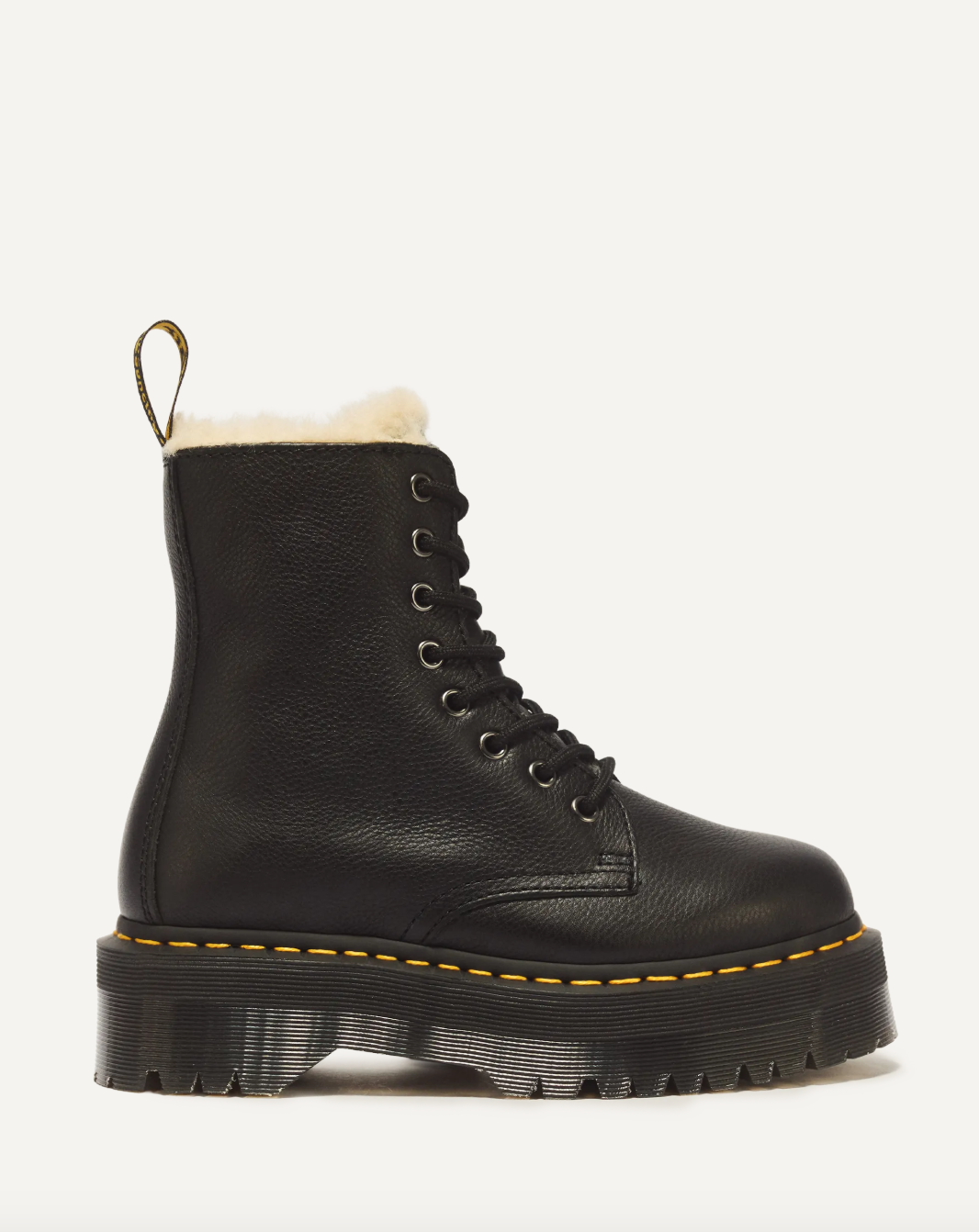
This means you can score everything from the classic 1460 lace-up boot, to faux fur lined platforms boots, to bags and accessories, because, guess what? Dr. Martens isn’t just shoes. There are wallets, leather bags, and socks, too.

Keep reading to see just a few pieces that are available in the Dr. Martens Black Friday Sale.

A Look at the Dr. Martens Black Friday Sale


from Latest from Marie Claire UK https://ift.tt/NBD4dFc
via IFTTT

How GLP-1s Became Beauty’s Next Business Opportunity—Plus What It Means For Us As Consumers

https://ift.tt/r8o5Een

Pop into Boots today and you might spot a section you haven’t come across before. In more than 220 stores nationwide, products for firmer-looking skin and thinning hair sit alongside supplements for digestion and energy. The sign above them reads ‘GLP-1 Support’. And the high street stalwart is just one of several retailers making room for shoppers taking weight-loss medication. Beauty specialist Superdrug has introduced a similar dedicated area in select stores, while Holland & Barrett began rolling out a dedicated supplement range in partnership with Applied Nutrition in 400 stores in July.

Meanwhile online, searches for collagen products on LookFantastic rose by 762 per cent in 2025 and demand for skin-firming products more than doubled between 2023 and 2025. Of course, we can’t be sure how much of that demand came from people taking GLP-1 medication, but there are certainly clear trends in the ‘problems’ consumers are hunting solutions for, on- and offline.

L’Oréal Group is paying attention. Last month, group chief executive Nicolas Hieronimus told investors that the rise in GLP-1 use was influencing what people bought for their skin, while its chief innovation and prospective officer, Delphine Viguier-Hovasse, revealed to Reuters that L’Oréal was now running separate product testing trials with GLP-1 users. When almost a quarter of UK households are predicted to have at least one GLP-1 user within the next 18 months, you can see why such a move is not just smart, but essential.

For shoppers, the most visible change so far is where these products sit and how they’re sold. But will the boom in GLP-1-related beauty lead to more effective formulas for the skin and hair changes people notice as they lose weight, or simply give brands a new way to sell products they already make?

What’s Actually New About the Skincare?

For some brands, the change starts with what they recommend. Dermalogica has published a guide for GLP-1 users that brings together products already in its range. UK brand ElastiK Skin launched in April 2026, offering customers a skincare system loaded with collagen, peptides and hyaluronic acid, inspired by the needs of its founder, influencer Marc McKee, who lost nine stone on Mounjaro. In the brand’s pre-launch trial, all 11 participants said their skin looked more hydrated and felt firmer or more elastic. The trial included people taking GLP-1s, but the brand pooled their feedback with other participants and relied on self-reported results. Whether a range developed with GLP-1 users in mind offers any real advantage over the firming products already on the market remains to be seen.

Other brands are changing who they test on. Kiehl’s tested its Collashot Plump Collagen Serum over 12 weeks in people prescribed a GLP-1 for weight management and reported an improvement in the appearance of cheek sagging. Similarly, SkinCeuticals conducted a 12-week study of 25 patients taking weight-loss medication. Researchers compared its A.G.E Interrupter serum and cream routine with a basic serum and moisturiser on opposite sides of the face and neck. Participants also had Softwave ultrasound treatments after four weeks, showing how the skincare performed alongside cosmetic treatments.
Can Skincare Really Help With Facial Volume Loss?

A plumping serum might make skin look more hydrated, but the hollowness people notice after significant weight loss often starts much deeper within the skin. That’s why consultant dermatologist and Self London founder Dr Anjali Mahto is wary of blanket terms like ‘Ozempic face’. “The reality is that significant weight loss, regardless of how it is achieved, can lead to a reduction in facial fat, making the cheeks and temples appear hollow and folds more prominent,” she says. “Skin which previously had more underlying support may also appear looser.”

There is still a long way to go in establishing true efficacy for products claiming to address the loss of volume and sagging reported post-GLP-1 use. “This is not the same as restoring the underlying structures which give the face its shape. I would be sceptical of any cream claiming to offer the equivalent of injectable filler,” cautions Mahto.

Hair Shedding Is Part of the Story, Too

Marked weight loss is a recognised trigger for telogen effluvium, a form of diffuse hair shedding. It’s a concern haircare brands are hearing about directly from their customers. K18 surveyed 3,000 women in the UK and US, and found that 48 per cent of their users on GLP-1 treatment found hair shedding to be a problem they wanted to address. Meanwhile, Look Fantastic reported that sales for hair-loss products increased 27 per cent year-on-year in 2025, while Worldpanel by Numerator estimated that UK sales of hair-loss products rose 32 per cent in the year to the end of August 2026.

L’Oréal-owned Redken included GLP-1 users experiencing hair loss in a consumer test of its Acidic Grow Full System, with claims focusing around fuller-looking hair and reduced breakage from brushing.

“It’s sensible that the industry is recognising GLP-1 users as a group with specific needs,” says founder of dermatology-based haircare brand, rhute, Dr Aamna Adel. “Whatever the cause, the fundamentals are the same: correct what’s lacking nutritionally and look after the scalp.”

How Are Aesthetic Clinics Responding?

The shift is playing out in clinics, too. Galderma, the maker of the dermal filler Restylane and the collagen-stimulating injectable Sculptra, has studied how existing treatments perform in people who’ve experienced facial changes after losing weight on GLP-1 medication. Nine months after starting treatment with a combination of Sculptra and Restylane, nearly nine in ten people who completed Galderm’s study said they looked better than before the treatment. Boston Consulting Group estimated that revenue from clinical aesthetic treatments associated with weight-loss medications could increase from the current $700 million to $2 billion over the next five years.

Surgeons note a difference in consultations, too. “With the growing use of these weight-loss treatments, we have seen a noticeable increase in patients seeking facial rejuvenation surgery,” says Dr Nora Nugent, consultant cosmetic surgeon and President of the British Association of Aesthetic Plastic Surgeons. “It’s an extension of a pattern we’ve always observed in post-weight-loss patients, now amplified by the wider use of these medications.”

What a clinician might offer depends on whether the concern is loss of volume, looser skin or a change in texture. “As part of our weight management service, we use technologies such as Sofwave for selected patients with mild skin laxity and fractional lasers to improve texture, fine lines and photodamage,” says Dr Mahto. “However, neither will replace lost facial fat, and their effectiveness depends on the nature and extent of the changes.”

From the aisles of Boots to the aesthetics clinic chair, GLP-1 users are already changing who the beauty industry sells to and who it tests its products on. The next question is whether the findings will change the products themselves. A shelf pulling together existing skincare products is useful—but formulating a product specifically for skin that has undergone significant weight-loss-related changes could be a game-changer. Watch this space.


from Latest from Marie Claire UK https://ift.tt/vQMTozY
via IFTTT

Can You Retrain an Anxious Brain? I Put 3 Psychology-Backed Techniques to the Test

https://ift.tt/EQMtPlO

What would you say if I told you there might be a way to rewire an anxious brain? To calm those racing, spiralling, sleep-and-sanity-disturbing thoughts? With more than one-in-ten people in the UK living with an anxiety disorder, there’s clearly a need for practical, effective ways to find a little more peace of mind.

I should know—if anyone’s brain is in desperate need of a little rewiring, it’s mine. I’ve spent much of my adult life living with anxiety: overthinking, catastrophising and finding problems in parts of my life where anxiety really has no business showing up. At times, it’s been crippling. I’ve never felt embarrassed by my anxiety, but I’ve always been uncomfortable with just how much it rules my life.

Anxiety and I have had a fairly public relationship—regular readers will know that much. At this point, I practically treat writing about it as a form of exposure therapy. I’ve written about it extensively, seen multiple therapists and gathered quite an array of coping mechanisms. But there’s one thing I’ve never explored: whether I can actually “rewire” and change the thought patterns behind it all.

So, rather than simply accepting that constant anxiety is part of who I am, I’m investing in my own headspace. After speaking with clinical hypnotherapist Anna Lancaster and Dr Tara Quin-Carillo, a psychologist with over 20 years of experience in mental health, I wanted to explore whether it’s possible to retrain an anxious brain and whether I could learn to respond differently when those all-too-familiar spirals start.

Of course, there’s only one way to find out. Armed with three psychologist-backed techniques, let’s see what difference I can make in seven days.

I’m an Anxious Person Who Finally Retrained My Brain: Here’s How

What’s Happening Inside an Anxious Brain?

Before I get ahead of myself and dive into how we can attempt to retrain our anxious thoughts, I want to get under the bonnet of my anxious brain for a moment—why my thoughts get so tangled in the first place and what’s actually going on up there when anxiety takes hold.

When anxiety kicks in, our brains essentially go into protection mode. “Our threat system reacts as if we are in danger, whether the threat is physical or psychological,” explains Quin-Carillo. “This triggers our fight-or-flight response, or sympathetic nervous system, prompting the release of stress hormones including adrenaline and cortisol.”

It’s this response that causes those wildly unsettling physical symptoms, from a racing heart and tense muscles to heightened alertness and raised blood pressure. But anxiety doesn’t just affect the body. It can also change the way we think. “The front part of the brain, which controls logical, clear thinking, essentially goes offline, making it harder to make effective decisions and respond in a way that’s more considered,” continues Quin-Carillo.

And if you’re wondering why your brain seems so determined to prepare you for every possible disaster, there is some science behind it. A 2024 study published in Nature Communications identified a distinct pattern of brain activity associated with anticipating potential threats, particularly when the outcome is uncertain. So, that familiar feeling that something must go wrong, even when everything is fine? There’s scientifically more to it than being a natural-born worrier.

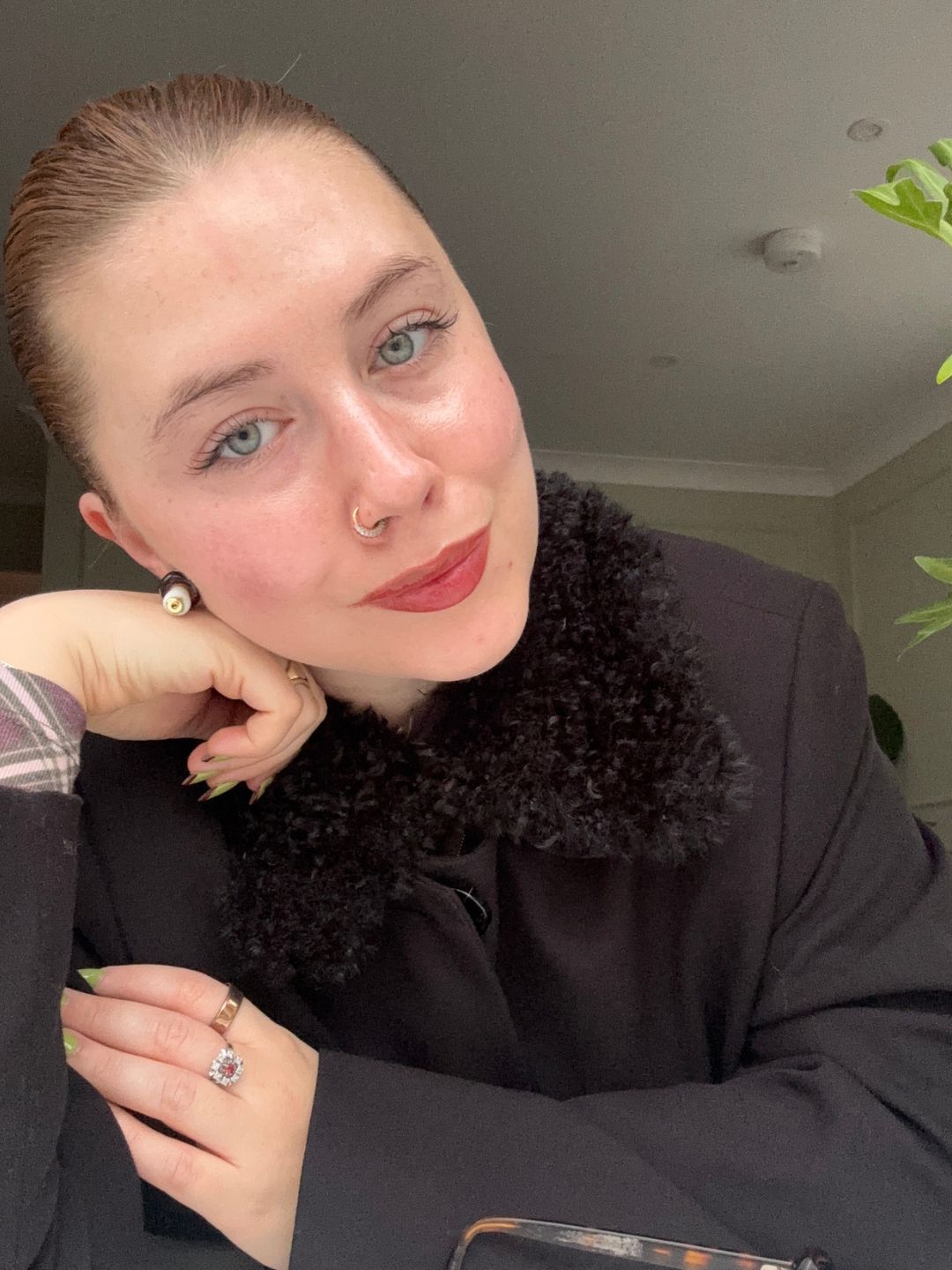
Health writer Hammond trying to retrain an anxious brain; with her journal.

Journalling has been enormously helpful for our author, it's helped her put things into perspective and process her thoughts. (Image credit: Ellie-Mae Hammond)

Can You Rewire an Anxious Brain?

Which brings me to the big question: can we actually teach our brains to be a little less anxious, or are some of us just destined to overthink everything? Thankfully, there’s a rather encouraging bit of science called neuroplasticity.

“Neuroplasticity is the brain’s ability to learn, adapt and form new connections in response to experiences,” explains Quin-Carillo. While we can’t erase anxious thoughts or memories, we can learn to respond to them differently. “We can develop competing responses and strengthen these over time, so our nervous system learns to respond in different ways,” she says.

I’m realistic enough to know that years of anxious habits won’t disappear in a week—but I’m curious to see what can change. “Some people notice a difference within weeks, while more ingrained patterns may take a few months,” says Quinn-Carillo.

Armed with the knowledge that my brain isn’t necessarily stuck in its anxious ways, I’m keen to put its neuroplasticity to the test.

The 3 Anxiety-Reducing Techniques I Tested

I first met hypnotherapist Anna Lancaster at a dinner party about a month ago, where we got chatting about my audaciously overreactive brain. After hearing about my knack for overthinking everything, she shared three techniques to help me challenge those familiar thought patterns, calm my nervous system and find a different way of responding to anxiety.

These aren’t overnight fixes. The brain needs time and repetition to strengthen new neural pathways, so practising these techniques consistently is key. Naturally, for all my fellow worriers out there, I felt it was my journalistic duty to put them to the test—in the name of our collective sanity.

1. The Worst-Case-Scenario Switch

What? Lancaster’s first suggestion: thought reframing. The goal is to catch those automatic, often worst-case scenario thoughts and learn to look at them from a different perspective. She compares anxious thinking to a well-worn path: “the more often we follow it, the easier it becomes to slip into without even realising.”

Why? Remember our little science lesson on neuroplasticity earlier? Well, this is where it comes into play. As Lancaster explains, “The more we repeat a particular way of thinking, the more familiar and automatic it can become. But the same works in reverse: by consciously challenging those anxious thoughts and practising a more balanced response, we’re allowing the brain to strengthen new neural pathways.” It’s about giving your brain a new route to take, rather than letting it default to the same old anxious detour.

When? Lancaster recommends practising the moment you notice yourself slipping into an anxious thought spiral. The idea is to keep at it until questioning those knee-jerk reactions starts to feel more natural.

How? Lancaster suggests immediately pausing whenever an anxious thought pops up and asking yourself three simple questions. Answer yourself out loud, write it down in your notes app, or even put pen to paper:

  • What am I actually telling myself?
  • Do I know this to be true, or am I jumping to conclusions?
  • What’s another, more balanced way of looking at this?
  • For example, try swapping “I’ve made a complete fool of myself” for “I’m probably being much harder on myself than anyone else is.”

2. The Nervous System Reset

What? When you’re constantly on edge, it’s not just your mind that’s working overtime—Lancaster explains that your body can get stuck in a state of high alert, too. Her advice: use a combination of breathwork and visualisation to help bring your nervous system back down. The starting point? A physiological sigh: a simple breathing technique that involves taking a deep breath in through your nose, followed by a second, shorter inhale, before slowly breathing out through your mouth.

Why? “The double inhale helps reinstall the tiny air sacs in your lungs, while the long, slow exhale helps slow your heart rate and signals to your nervous system that you’re safe,” explains Lancaster.

Visualisation works from the other direction. The brain can respond to vividly imagined experiences in ways that are similar to real ones, according to Lancaster. So, picturing yourself somewhere calm and safe can help soften your body’s stress response and give your mind a chance to experience what feeling settled actually feels like.

When? Lancaster suggests practising for a few minutes each day.

How? Start with the physiological sigh, recommends Lancaster. Breathe in deeply through your nose, take a second, shorter inhale on top, and slowly breathe out through your mouth. Repeat one to three times, or until you feel the edge coming off.

Then bring in visualisation by picturing yourself somewhere you feel completely calm and safe. Try to make the scene as vivid as possible—what can you see, hear and feel?

3. The Calm Rehearsal

What? Lancaster’s final technique is self-hypnosis, which she calls the Calm Rehearsal. It involves guiding yourself into a deeply relaxed, focused state before mentally rehearsing a situation that would usually trigger your anxiety. The idea is that, over seven days, you’re teaching your brain a new response to an old trigger.

Why? First, let’s take the mystery out of hypnosis. Lancaster points out that it isn’t just sleep, and you’re never out of control. “It’s a natural state of focused attention and deep relaxation— something we drift into every day, whether we're waking up, falling asleep, or so absorbed in something that we lose track of time.” In this state, Lancaster explains, the critical, analytical mind takes a step back, making us more open to new ideas.

Visualisation is the other half of the exercise. Imagining an experience fires up many of the same neural networks as actually living it. And, as Lancaster details, the more familiar a situation becomes, the less threatening it can feel. A 2019 meta-analysis in the International Journal of Clinical and Experimental Hypnosis found people treated with hypnosis had significantly greater reductions in anxiety, particularly when combined with other psychological approaches.

When? Lancaster recommends trying this first thing in the morning or before bed. Aim for eight to ten minutes daily for seven days.

How? Choose your scenario: Pick a situation that triggers your overthinking—a meeting, difficult conversation, or even opening your inbox—and stick with it all week.

First, get comfortable. Sit or lie somewhere quiet. Fix your gaze slightly above eye level until your eyelids feel heavy, then close your eyes. Next, take three physiological sighs, then let your breathing settle.

Count slowly backwards from ten to one, imagining yourself walking down a staircase and feeling more relaxed with every step. Then, spend three to five minutes picturing your scenario in as much detail as possible. What can you see, hear and smell? Imagine yourself handling it calmly, with relaxed shoulders and a steady voice. Then step into the scene and experience it through your own eyes.

Finally, repeat three times: “I am calm, I am safe, I can handle this,” and come back to yourself by counting from one to five, telling yourself you’ll feel refreshed and calm. Open your eyes on five.

What Seven Days Taught Me About My Anxious Brain

I’m not going to be the person who sits here and tells you that using all three techniques for seven days completely rewires your brain. For me, that wasn’t the case—I didn't expect it to be. The real revelation was that my anxious thought patterns aren’t necessarily fixed. With a little practice, I can start teaching my brain a different way to respond. Sometimes, a switch, reset or rehearsal can help me find another way through. And, with practise, make some serious dents in my rather well-established worrying habits.

Health writer Ellie-Mae trying to retrain an anxious brain; with her journal.

The real revelation of the experiment, for Ellie-Mae, was noticing that her anxious thought patterns aren’t necessarily fixed—and that with a little practice, she can start teaching her brain to respond differently. (Image credit: Ellie-Mae Hammond)

Oddly, the ‘Worst-Case-Scenario Switch’ was the hardest. I’m good at spotting when I’m catastrophising—it’s bordering on a talent, really—but pulling myself out of the spiral is another matter. The first few days were a slog. By days six and seven, though, reframing those thoughts felt comfortable. Not easier, just more comfortable. And I’ll take that small win.

I wasn’t expecting much from the Nervous System Reset, either. I find it difficult to come back down to earth once anxiety takes hold, but pairing physiological sighs with visualisation was genuinely comforting. By day four, I was instinctively returning to the beach I grew up on in Wales: the sea, the salty air, the cold on my cheeks. It had become somewhere my mind could go when I needed to snap out of it.

Self-hypnosis was another first for me, so the Calm Rehearsal felt like a leap into the unknown. I’m still getting to grips with the technique itself, but imagining myself handling situations calmly, rather than mentally preparing for a disaster, was a welcome change.

Marie Claire’s Essentials for Calming an Anxious Mind


from Latest from Marie Claire UK https://ift.tt/m4d31AJ
via IFTTT

Sunday, 22 November 2026

I Asked Nutritionists to Help Me Eat Well for a Week on a Realistic Budget—With a Surprising Side Effect

https://ift.tt/1uM3yhm

If you were to ask me the toughest part of being an adult, I genuinely think that deciding what to eat every single day is right up there. Three times a day. For a family of five. Need I go on?

The sheer mental load of not only deciding on and cooking said food, but the lists and shopping that preface it, too, have pushed me close to the edge at times so, despite working in the health world, I’m as partial as the next person to anything that makes meals simpler (cereal for dinner is fine once in a while, right?).

Of course, nourishing our bodies with delicious food is also one of life’s greatest joys. As someone with Mediterranean heritage, sharing meals has always been an integral part of how we show love, connect and relax as a family—and, as I’ve grown up, this has extended to friends, too. I’m always the one who offers to bake the birthday cakes and gather everyone for dinner and, as far as I’m concerned, food is a source of deep joy and happiness.

Research shows that eating for pleasure (sometimes colloquially referred to as vitamin P) might even boost positive dietary and health outcomes (check out this study, published in the journal PLOS One), while more studies (such as this one, from the University of Oxford) point to the link between social eating and improved mental health.

But it’s also true that eating has become confusing and contentious, now more than ever. We’ve long been fed a stream of supposed advice around what we should (and shouldn’t) be filling our plates with and lately the increasing use of GLP-1 medication has changed the food landscape, with people switching up their eating habits to cater to changing appetites.

As a result, it can be impossible to tune out the noise and tap into what our bodies are telling us, let alone what they actually need.

“We’ve overcomplicated healthy eating,” says registered nutritionist Hannah Alderson. “Women are constantly bombarded with conflicting advice, whether it’s cutting carbohydrates, avoiding all sugar, or following the latest wellness trend. Ultimately, the aim is for women to feel confident around food, enjoy what they’re eating and understand that supporting their health doesn’t require sacrificing the things they love.”

So, could nutritionist advice help us rediscover the joy of food, and stop it from feeling like yet another chore? I asked some Marie Claire nutrition experts to devise me a weekly menu based around a realistic budget with the aim of bringing pleasure back to my plate without giving me more to do or worry about.

However, if your nutritional queries lean more towards the fundamentals, I can also recommend these deep dives on Rosemary Ferguson's four-week reset, Em the Nutritionist's gut health tips and Dr Emily Prpa's favourite recipes.

I Asked Nutritionists To Plan My Menu for a Week—Breakfast, Lunch and Dinner

Why is joy and fun important when it comes to food?

It’s worth taking a closer look at the link between food and joy. Of course, we all need food for energy—but “food is so much more than fuel,” notes Alderson. “The pleasure, connection, culture, celebration and joy found in breaking bread with loved ones are unparalleled. We can become so focused on what we should and shouldn’t eat that we forget eating is supposed to be enjoyable.

“When we remove the rigid rules and bring pleasure back to the table, we can create a much healthier and more sustainable relationship with food,” she continues.

The benefits of a more joyful, relaxed relationship with food extend beyond our plates, helping us to build healthy habits for life.

“When we genuinely enjoy the foods we’re eating, healthy habits are much easier to maintain long term,” says registered dietitian and author of How Not To Eat Ultra Processed, Nichola Ludlam-Raine. “There’s little point following a supposedly perfect diet if it's so restrictive or boring that you can’t stick to it.”

Enjoying our food can lead to improved nutritional benefits, too. “Enjoying a wide variety of foods can encourage greater dietary diversity, which is particularly beneficial for gut health,” explains Ludlam-Raine. “Different plant foods provide varying types of fibre and plant compounds, helping to support a diverse gut microbiome.”

Food is vital for our mental wellbeing. The University of Oxford research touched on above reveals that as well as what we're putting on our plates, who we're eating with matters. Regularly eating with friends and family is linked with greater social bonding and emotional wellbeing.

“Food plays an important role in our social and emotional wellbeing,” agrees Ludlam-Raine. “Cooking with family, sharing meals with friends or simply taking time to enjoy something delicious can provide a sense of connection and pleasure.”

What's the best way to build our plates for nutrition, fun and joy?

All this being said, I’m a sucker for some proper guidelines. So, how should we be building our meals to ensure we’re ticking the pleasure and nutrition boxes? Ditch the rules and have some fun, apparently—within parameters.

“I’m a big believer in having a loose framework rather than a rigid set of rules,” advises nutritionist and author of The 30g Plan Cookbook, Emma Bardwell. “My 30:30:30 approach encourages people to aim for 30g protein per meal, 30g fibre per day and 30 different plant foods per week. Its a useful starting point, but it’s not about hitting perfect numbers at every meal, and I’m always telling people that it's a guide, it’s not the law.”

As a general rule, try to fill roughly half your plate with vegetables, a quarter with protein (fish, eggs, chicken, tofu, beans and so on) and the remaining quarter with carbohydrates such as potatoes, rice or whole grains. Ideally, add some healthy fats (extra virgin olive oil, nuts, avocado), and you’re looking at a well-balanced plate.

Don’t stop there though, says Bardwell. “Think about flavour and texture, not just nutrients,” she advises. “A bowl of chickpeas and vegetables might tick plenty of nutritional boxes, but roast the chickpeas in olive oil and add a punchy lemon, garlic and tahini dressing, scatter over some chopped fresh herbs and a sprinkle of toasted seeds, and suddenly it’s something to get excited about.

And last but not least, consider contrast: something crunchy, something creamy, something sharp or tangy, something fresh—all of these will elevate your plate from average to amazing.

“A squeeze of lemon, a spoonful of yoghurt, a handful of herbs or a little chilli oil can completely transform an otherwise ordinary meal,” notes Bardwell.

I Ate Like a Nutritionist for a Week—my Honest Thoughts

Breakfast:

I’ll be honest from the outset: my cooking skills leave a little to be desired. While I can absolutely whip up a few regular favourites and my Sunday roast is always a hit, those nights when I don’t really have anything in the cupboards or any kind of plan are often a miss.

So I’m excited to see what the nutritionists have in store for me this week—and not having to decide what to cook is probably the most appealing part. I’ve asked for a range of breakfast, lunch and dinner ideas so that I can pick and choose depending on my mood, which we all know is key when it comes to really enjoying food.

The suggestions all sound delicious, as well as relatively simple to prepare. For transparency, I didn’t make every single meal for the whole week, because—well, life—but I gave it a good crack and at least one meal every day was nutritionist-approved. Progress over perfection.

I’m a real breakfast fan; for me, nothing really beats that first meal of the day. I’ll often hold off until I have time to make a morning feast, so I couldn’t wait to try out some recipes. My favourite? Ludlam-Raine’s carrot cake overnight oats. She claims they’re like eating dessert for breakfast, and she’s not wrong. Even better, they’re super simple to make and can be prepped the night before; a win.

How to make carrot cake overnight oats

  • Mix 40 to 50g oats with milk, a few spoonfuls of natural yoghurt, half a grated carrot, cinnamon and a few raisins.
  • Leave overnight in the fridge and top with chopped walnuts or seeds in the morning.

As for why they’re so good for us? “Oats provide beta-glucan, a type of soluble fibre that helps support healthy cholesterol levels, while the carrot adds fibre and beta-carotene,” explains Ludlam-Raine. “The yoghurt contributes protein and calcium (and probiotics!), and the nuts provide healthy unsaturated fats.”

They are my new favourite breakfast: satisfying, delicious, and they keep me satiated until lunch. Plus, waking up knowing I have breakfast ready and waiting for me is a level of accomplishment I could get used to.

Lunch:

Lunch is my nemesis meal. Often, I’ll raw dog the afternoon, grabbing a handful of nuts or crackers until I realise I’ve overlooked my hunger cues for hours and am actually starving. That said, my energy levels and focus tend to go haywire around 4 pm. A coincidence? I think not.

But I can’t spend an hour of my working day prepping lunch, so my request to the experts was for quick and easy midday ideas—reassuringly, their response was that sometimes the healthiest meal is simply the one you have the time, energy and ingredients to make.

“We’ve lost sight of how straightforward eating well can be,” shares Bardwell. “Not every meal needs 15 ingredients, an air fryer and an hour of preparation. Scrambled eggs on wholemeal toast with tomatoes can be a perfectly good lunch or dinner, as can a jacket potato with baked beans and cheese.”

But beans and toast can only get a girl so far, so learning how to make an incredible tuna steak in about five minutes and tastes delicious is a revelation. Proof that ealthy, nutritious food really needn’t be a labour of love.

Other lunch ideas that worked for me include the obligatory avocado and eggs on sourdough, as well as Ludlam-Raine’s Mediterranean chickpea and feta bowls. It’s a running joke in my house that I’ll quite literally put chickpeas on and in anything and everything (they’re great roasted as a snack, too) and it turns out, I’m onto something.

“Chickpeas are an inexpensive source of plant protein and fibre,” says Ludlam-Raine. “I mix them with colourful vegetables to provide vitamins and beneficial plant compounds, and feta cheese to add plenty of flavour. Plus, you can easily make extra for lunch the following day.

  • Mix a tin of drained chickpeas with chopped cucumber, tomatoes, red onion, a little crumbled feta and a dressing made from olive oil, lemon juice and dried oregano.
  • Serve with wholemeal pitta bread or leftover rice.

Dinner:

On to dinner, and arguably the most complicated meal of the day, given my three children have wildly differing tastes. But this week, I’m not accommodating them, and I’m determined we’ll all eat the same meal. So, I plump for something I know we’ll all enjoy: nutritionist Lola Biggs’ smoky three-bean chilli.

  • 1 tbsp oil, 1 onion, 1 carrot and 1 celery stick, chopped (or 300g frozen veg mix)
  • 2 garlic cloves, 2 tsp smoked paprika, 1 tsp cumin, 1 tsp mild chilli powder
  • 2 x 400g tins chopped tomatoes and 2 x 400g tins mixed beans, drained
  • 100g red lentils and 300ml vegetable stock
  • Toppings: yoghurt, grated cheese, spring onion, sweetcorn, lime wedges
  • Soften the veg for 8 to 10 minutes, then add the garlic and spices for a minute.
  • Add the tomatoes, beans, lentils and stock and simmer for about 30 minutes until thick.
  • Serve with rice or tortilla chips and the toppings in little bowls.

And it’s a result: we all enjoy it, and having the toppings in small bowls for us all to help ourselves is genius for the kids.

My Verdict:

By the end of the week, I’m well and truly in the swing of thinking about what I’m eating just that little bit more. I’m not advocating we all start obsessing over the perfect plate, but my biggest take-home from the week is that, when it comes to meal planning, a little bit of thought goes a really long way. Rather than winging it from meal to meal, I’m altogether more considered in my approach to food, which I’m taking as the biggest win of the week.

As for joy and fun? I’ve leaned into both. I’m sure it won’t surprise you to learn that the times I’ve felt the most benefit are when I’m with my friends and family, proving that a sprinkling of love really is the best ingredient.

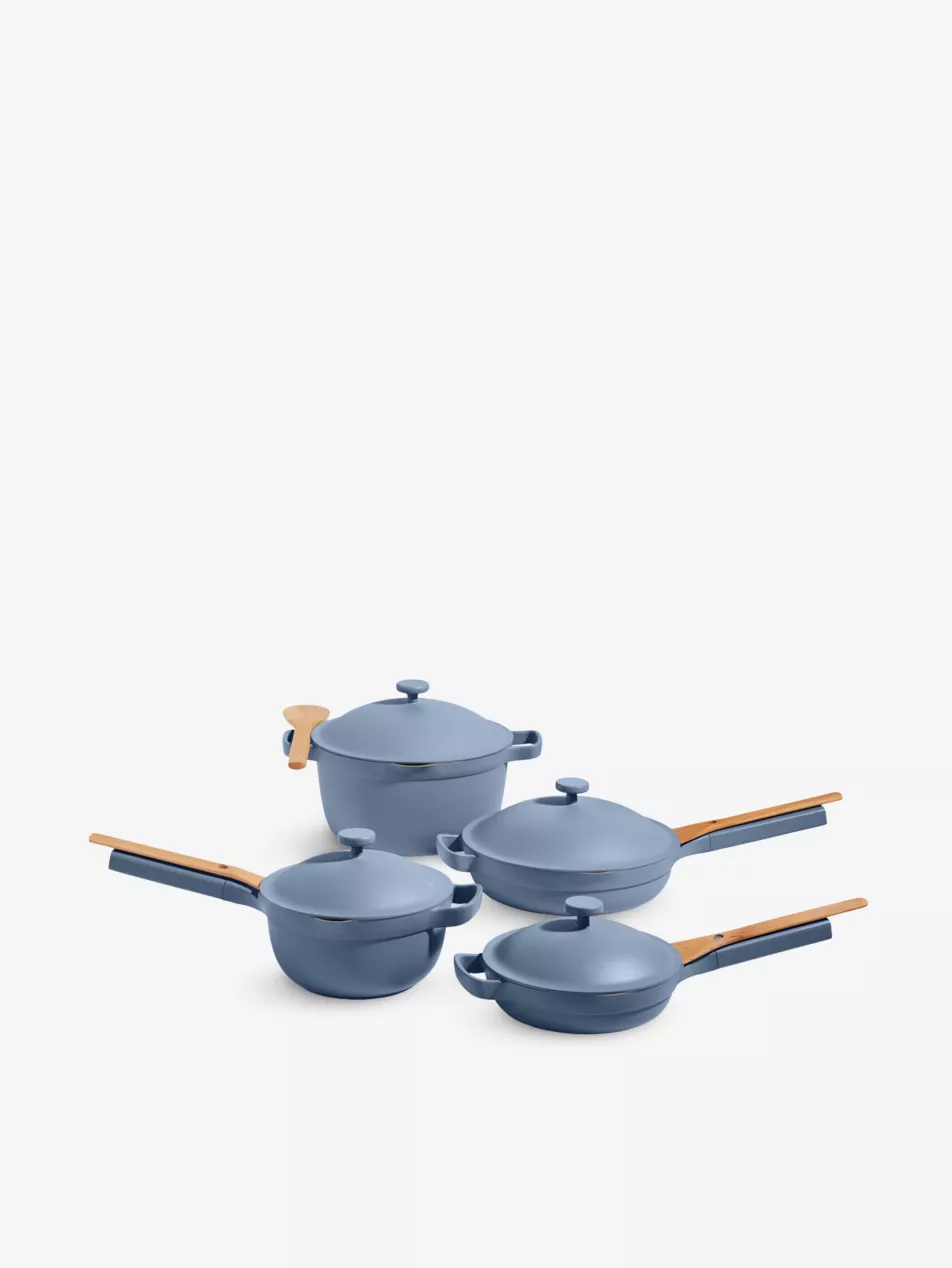
Inspired to cook? Shop kitchen essentials now:


from Latest from Marie Claire UK https://ift.tt/8bCFOmH
via IFTTT

Not Ready for Party Dresses? This Skirt and Sweater Mix is a Great Alternative to Jeans and a Nice Top

https://ift.tt/TUcFzGq

Jeans and a nice top may have staked a claim as the failsafe outfit formula for every occasion, but the Autumn/Winter 26 runways have given rise to another pairing that feels especially apt for party season: a statement skirt and sweater. This duo offers even more variation than the aforementioned jeans, with multiple finishes to choose from, including velvet, sequin embellishment and bold prints, meaning you can dress up or down to your personal preference.

Styling a skirt and jumper may not feel particularly radical, so you might be wondering, what’s different? The answer lies in the details. Oversized jumpers feel more modern, as do unexpected colour combinations, such as red and purple, ladylike skirt lengths (the midi is firmly back in fashion’s favour) and the addition of a faux fur-trimmed jacket as the outerwear of choice. Really, it’s all in the styling and introducing elements that feel unique to you.

Jumper and skirt

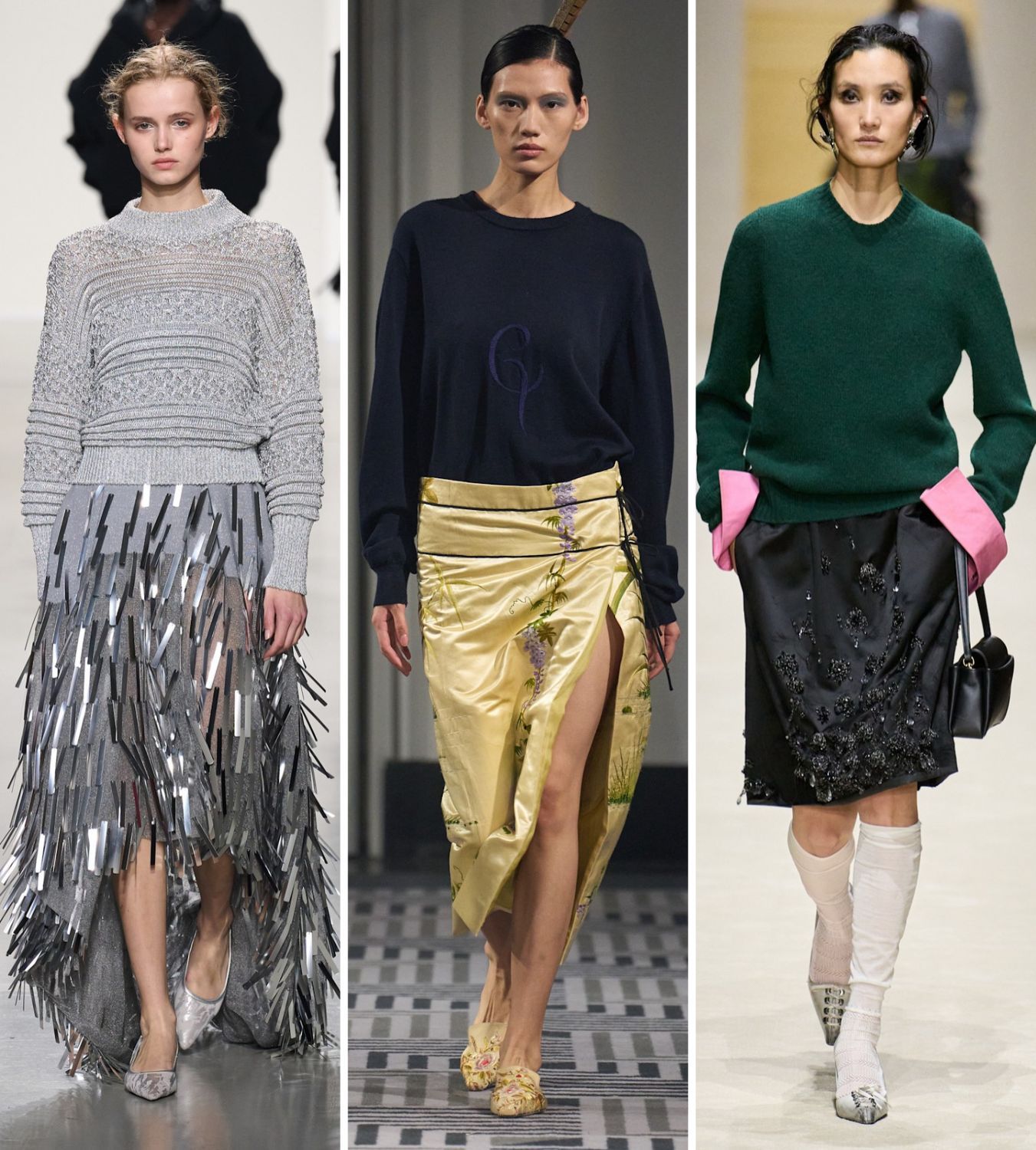
CFCL, Paloma Wool, Joseph A/W26 runways (Image credit: Launchmetrics, L-R CFCL, Connor Ives, Prada AW26)

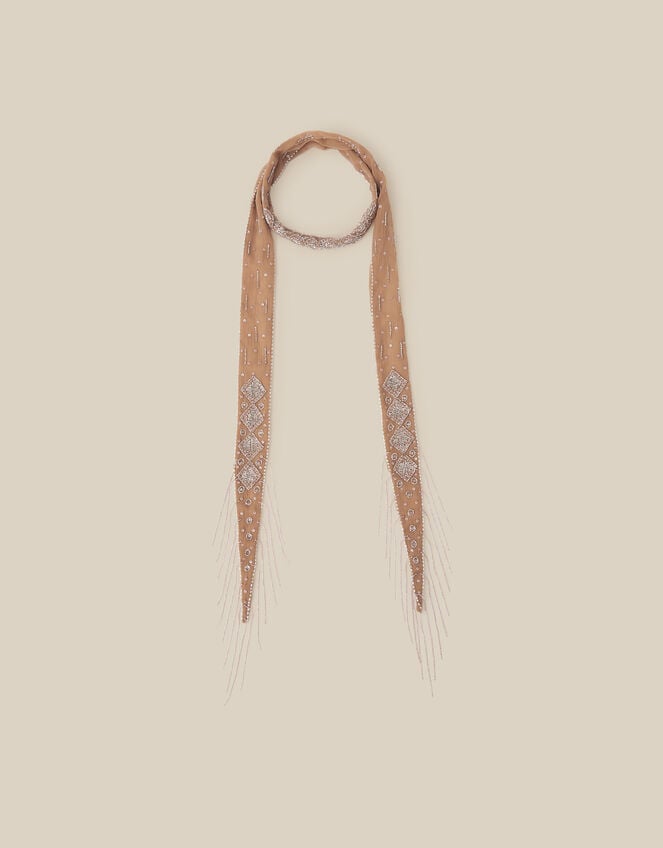
It wasn’t just the runways of Prada, CFCL and Conner Ives that put this skirt-and-sweater combination on our radar. The High Street is a big source of inspiration, with plenty of affordable examples of embellished skirts and styling ideas, such as the Y2K-revived skinny scarf—another detail that will signal to your friends that you really know your stuff. For more how-to-wear it examples, we recommend Linda Tol and Renia Jaz, who are already proponents of this pairing.

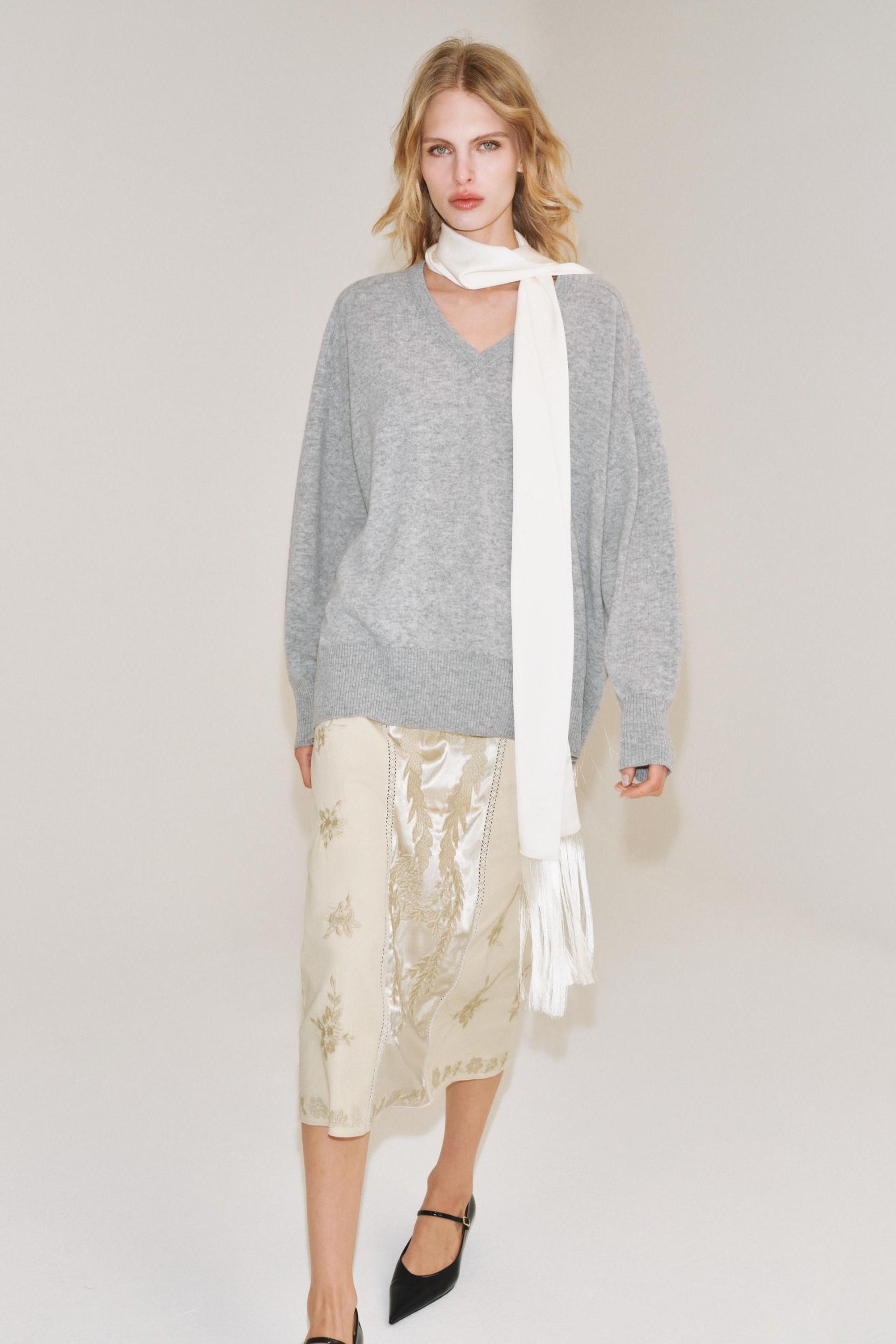
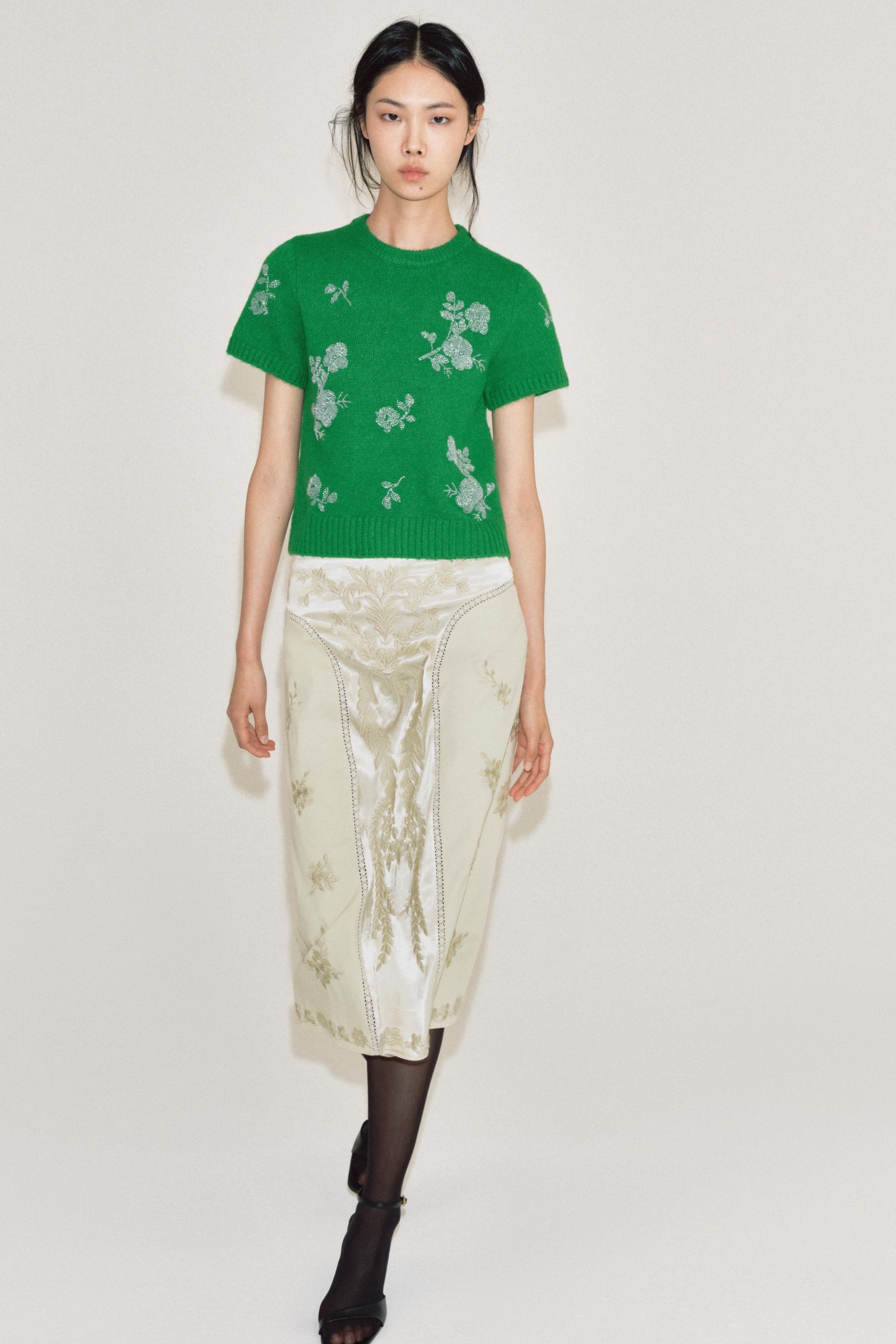
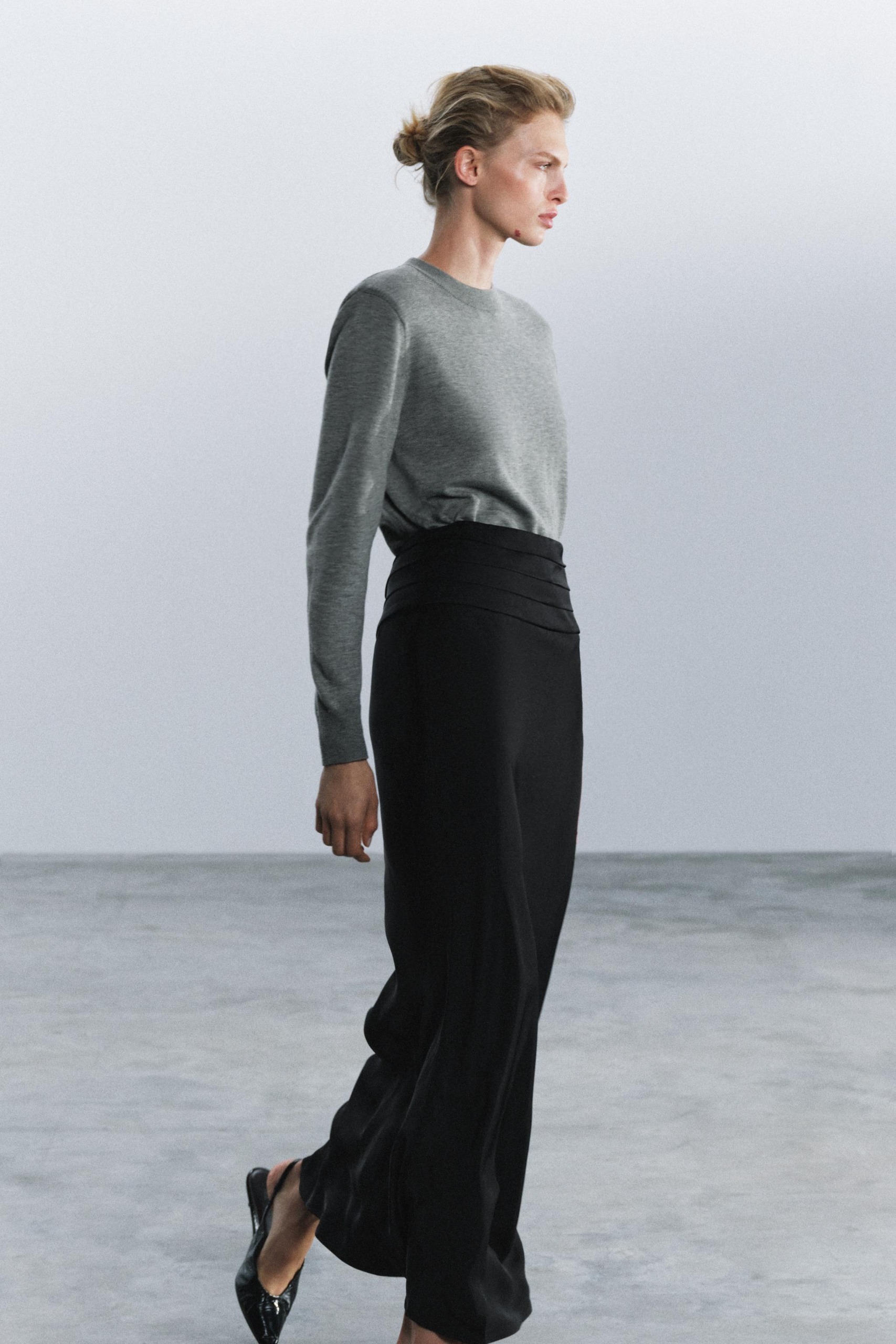
Zara Jumper and Skirt

(Image credit: Zara )

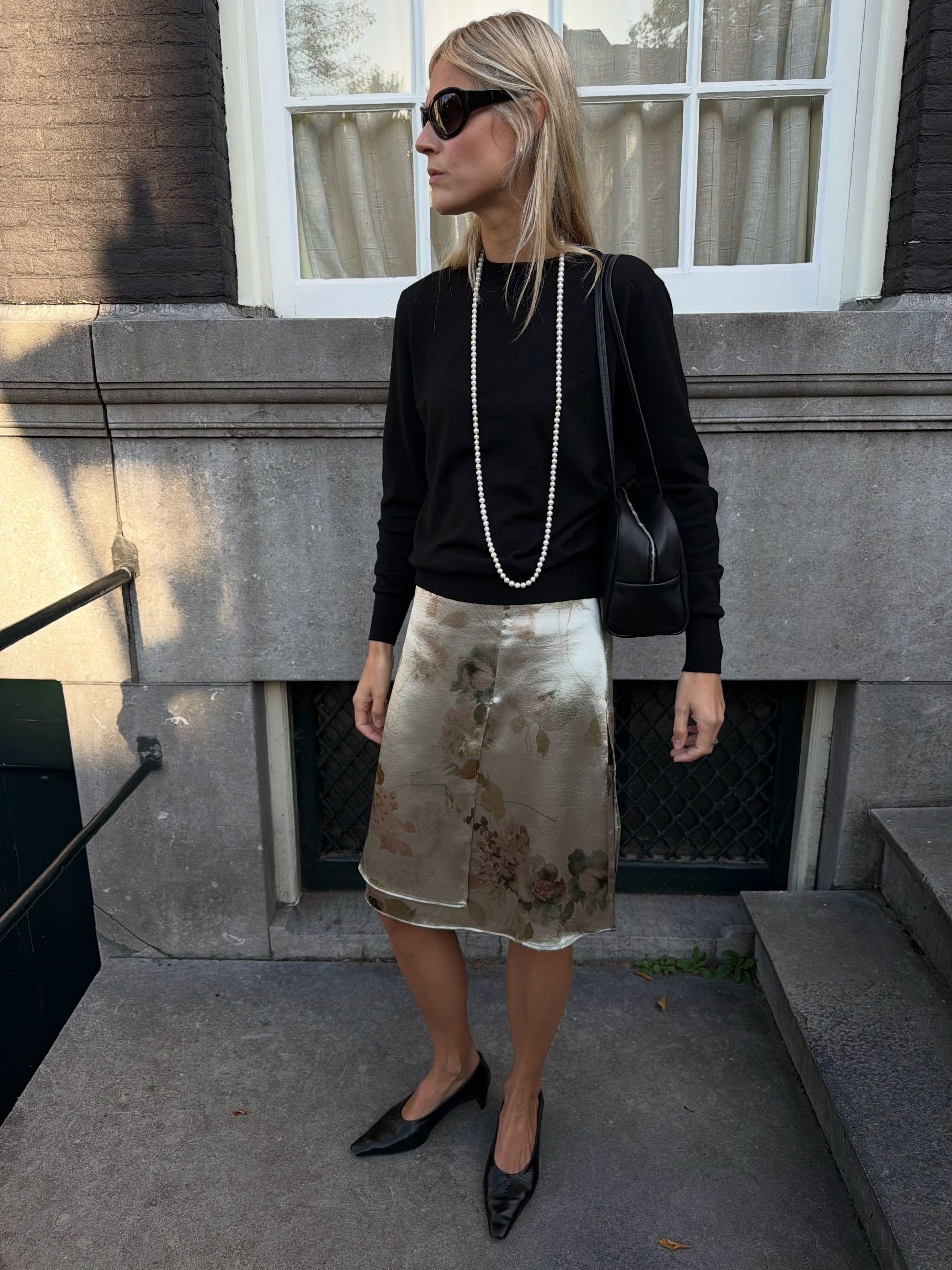
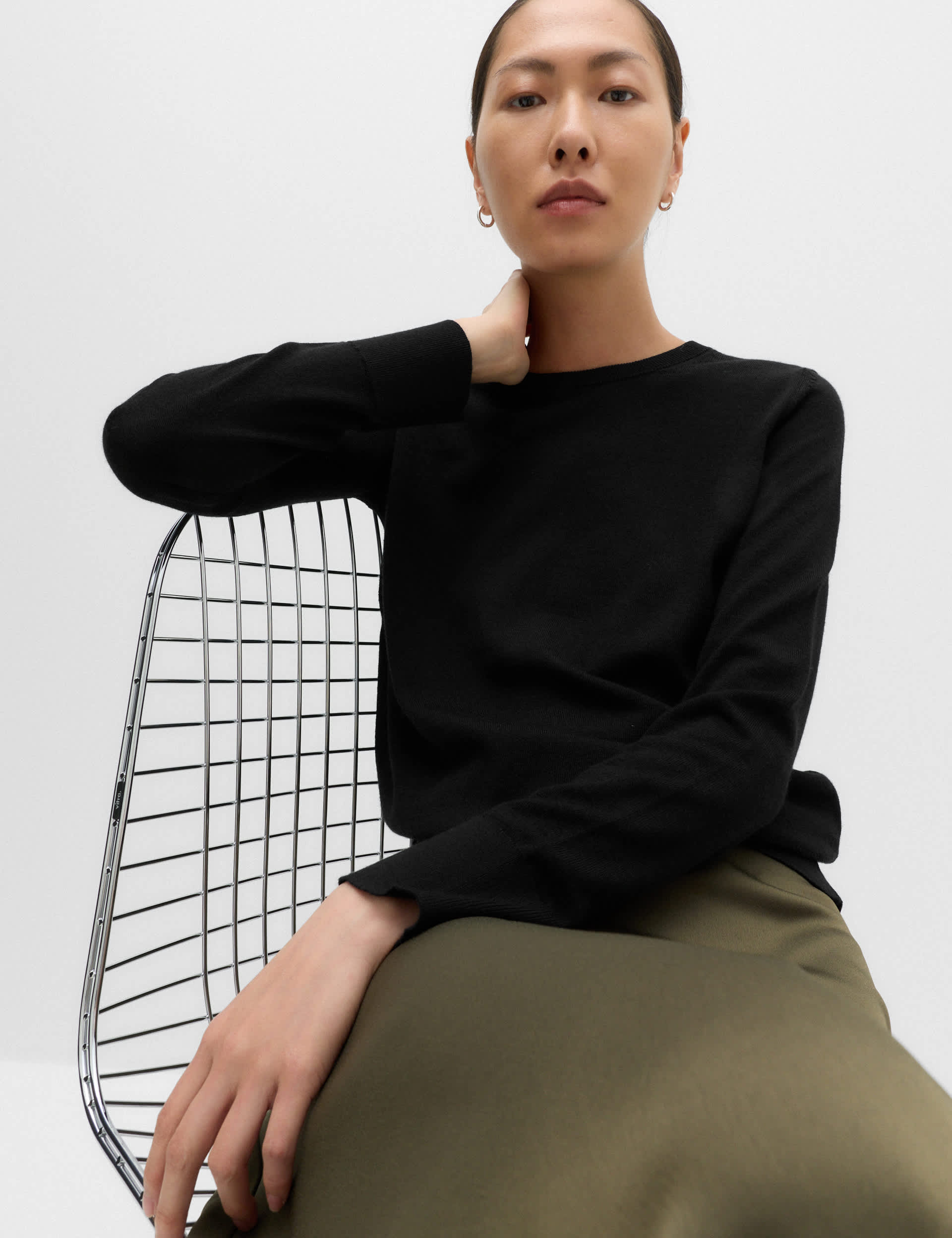
Tol’s outfit, which mixes a vintage-inspired satin skirt with a classic black jumper and a single strand of pearls, demonstrates why this look is so effective. She looks put together, while giving the impression that she hasn’t made much effort at all. Simply add tights and boots and you’re ready for the office.

Jaz, on the other hand, has chosen the colour of the season as an accent in her outfit. Oversized knitwear isn’t always everyone’s preference, and while the top makes her outfit feel more dressed up, the weathered leather jacket is an unexpected detail. It’s this clashing of elements that makes her stand out.

Jumper and Skirt

(Image credit: @lindatol_)

By way of inspiration, we’ve pre-styled three looks below. Scroll on to see the skirt-meets-sweater outfits perfect for party season.

3 Sweater and Skirt Looks Perfect for Party Season

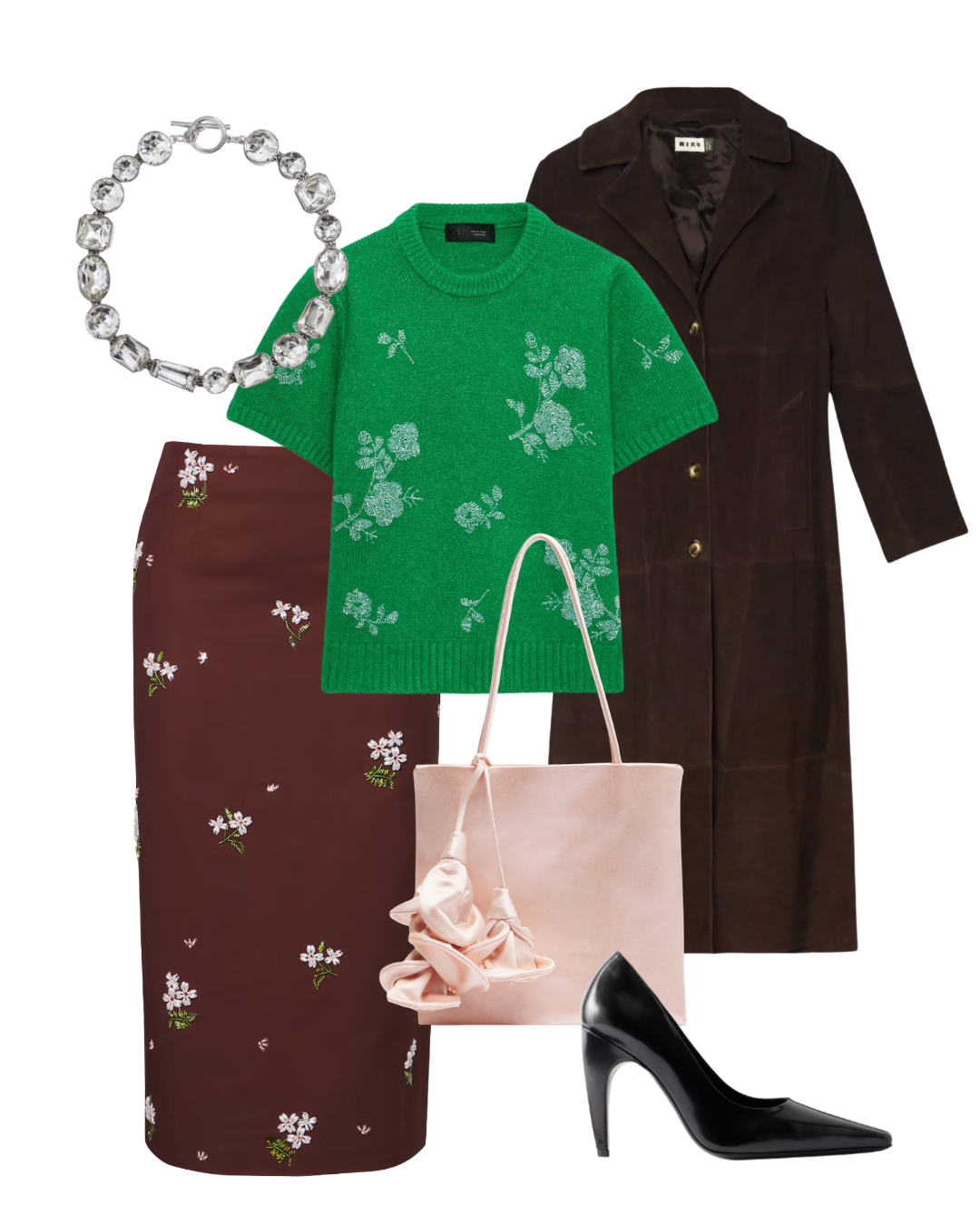
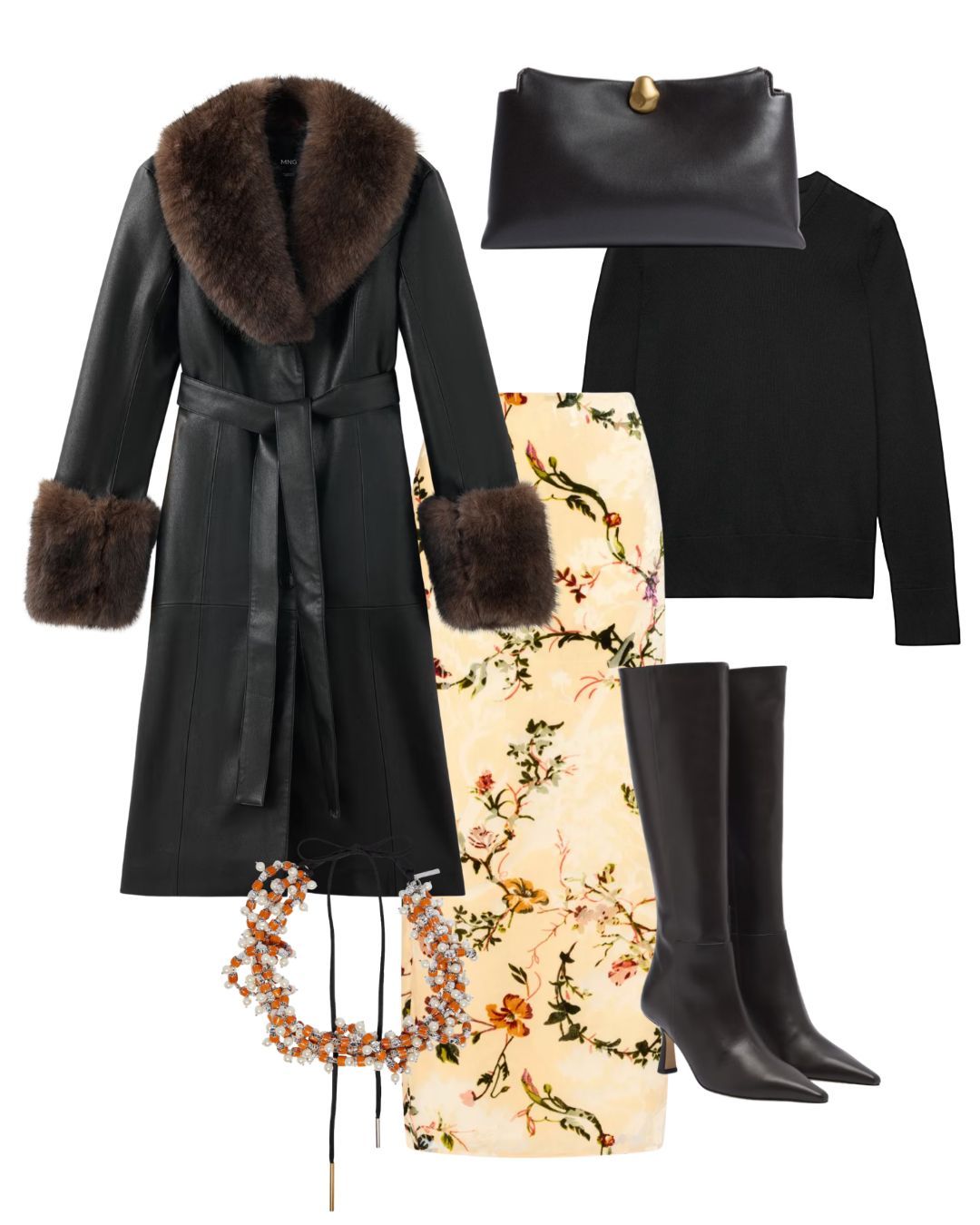
Ladylike Florals

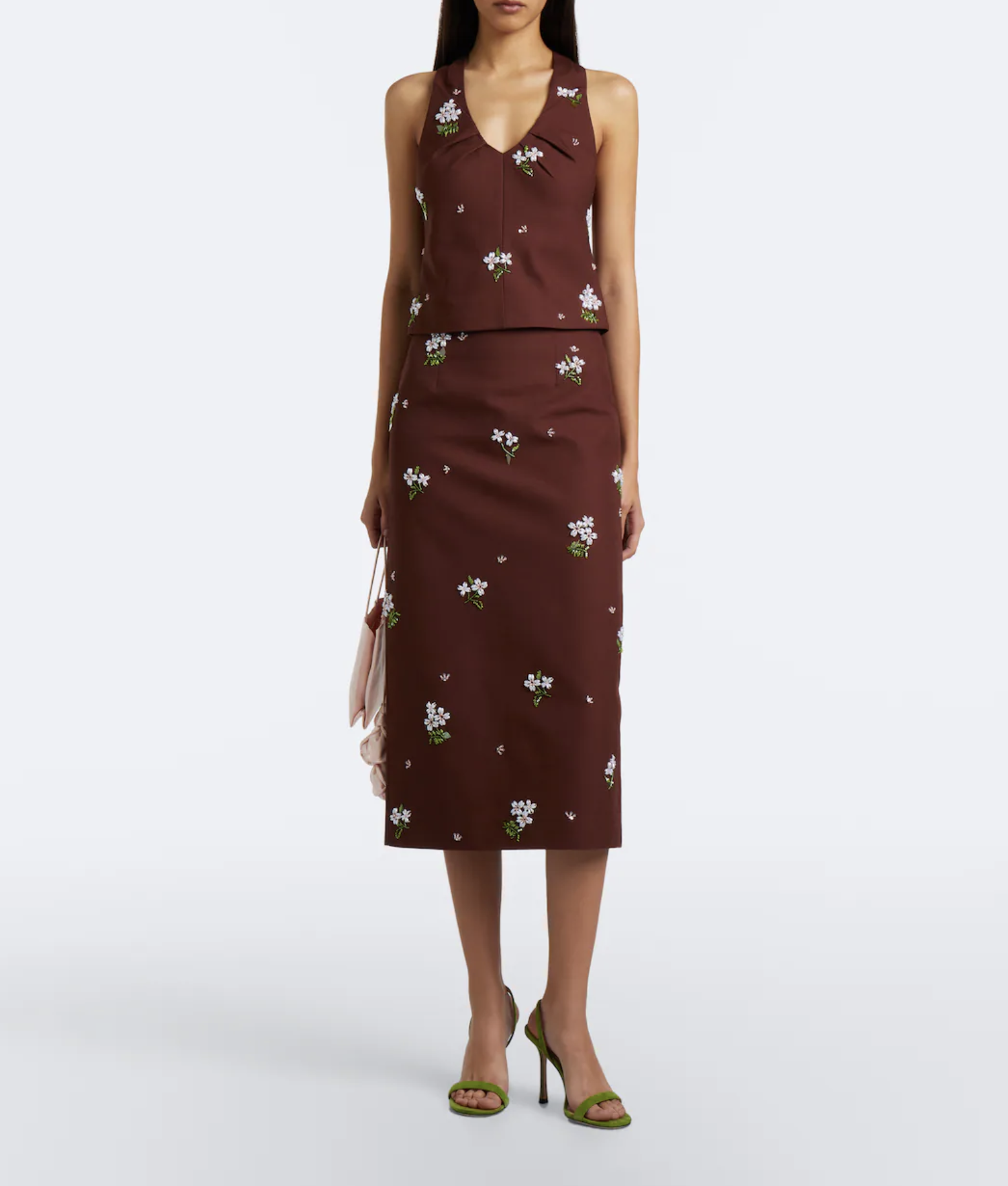
Skirt and sweater Outfit Collage - green and brown floral

(Image credit: Marie Claire/Brands)

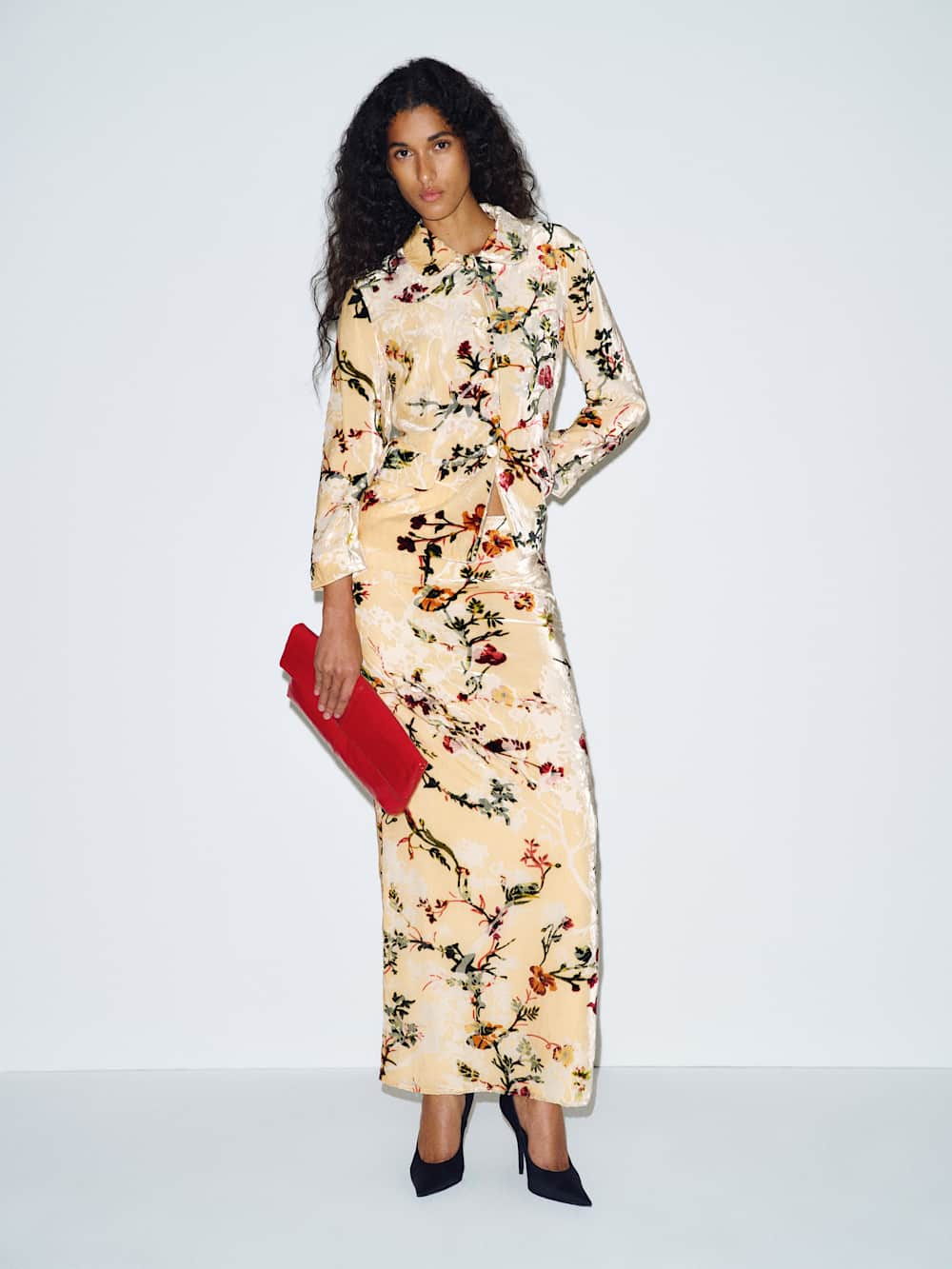
Our Autumn/Winter 26 trend report spotlighted a number of themes this look seamlessly slots into: demure dressing, Countryfile colour palettes and polished folk. Take the complimentary floral prints, sequin embellishment and clashing textures as proof that partywear needn’t feel overly festive to feel impactful.

Sequin and Simple

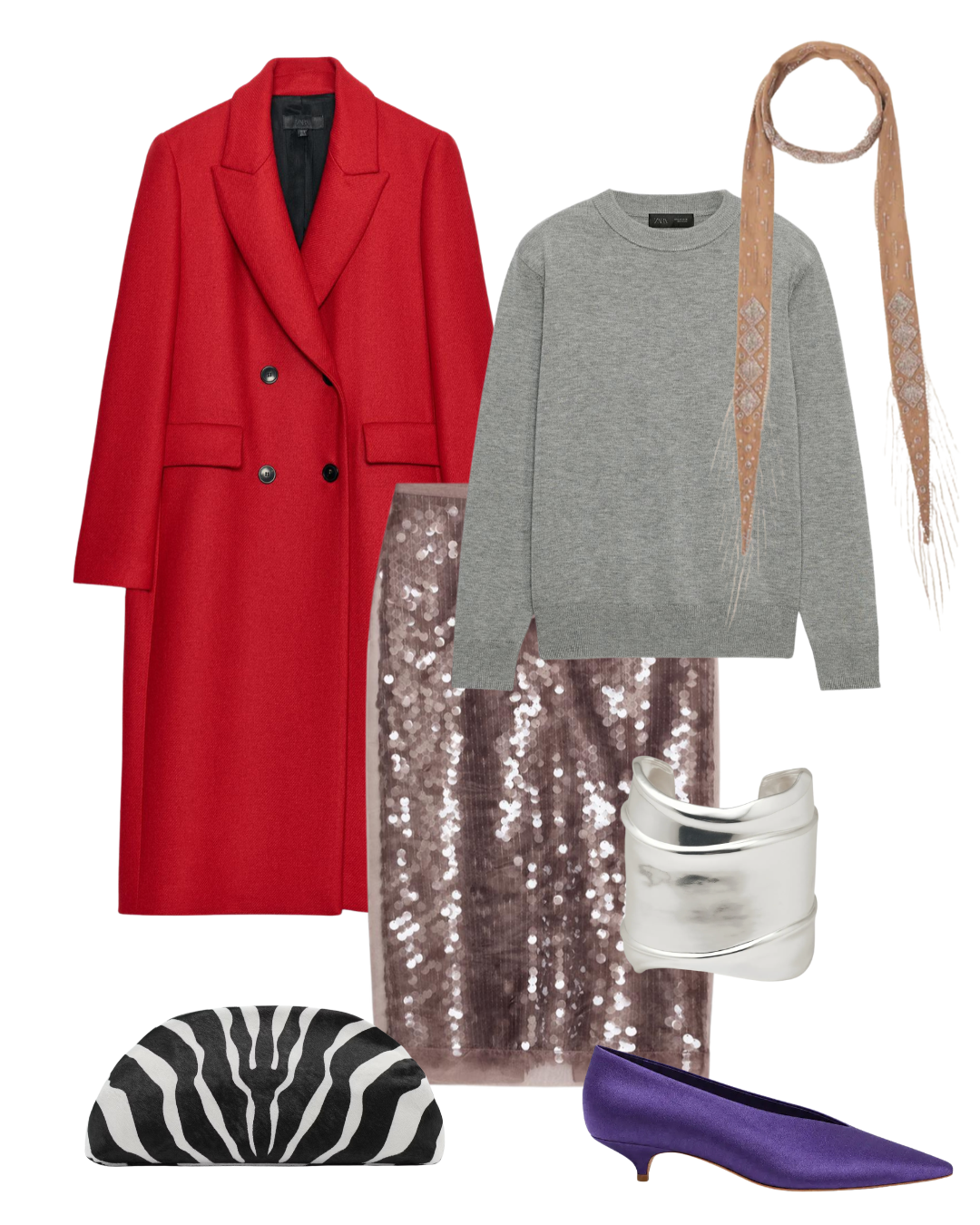
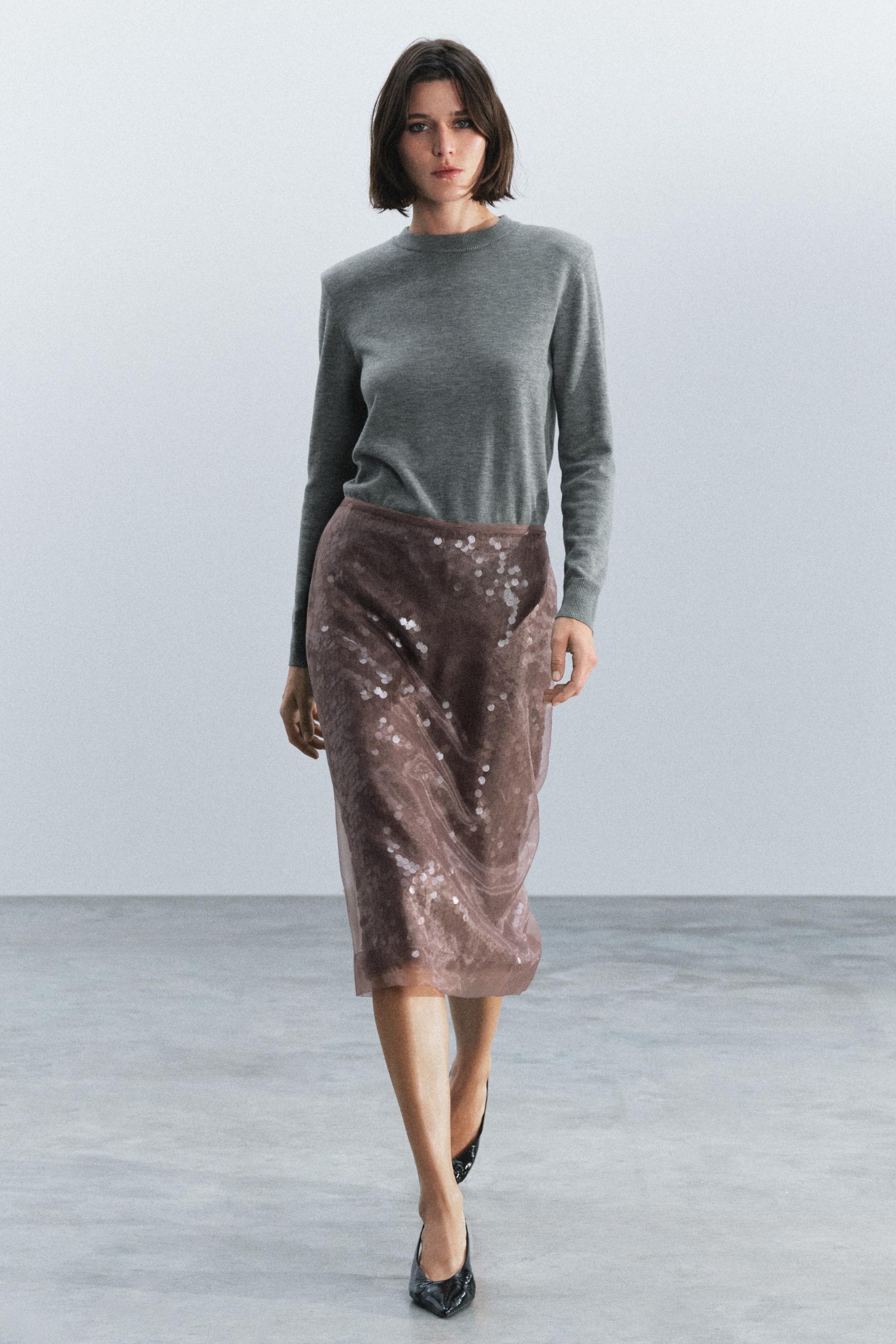
Skirt and top Outfit Collage sequin skirt, red coat, grey jumper

(Image credit: Marie Claire/Brands)

Few things feel cooler than an extravagant item worn with something ultra simple, and this sequin skirt and crewneck jumper combination offers exactly that. To keep things pared-back, leave the styling there. Or, for something more statement-making, weave in one of this season’s high-impact colour pairings. Red and purple work particularly well, especially when styled with an unexpected zebra-print clutch. It’s a touch wild, yet very elegant.

Chinois and Faux fur

Skirt and top Outfit Collage

(Image credit: Future)

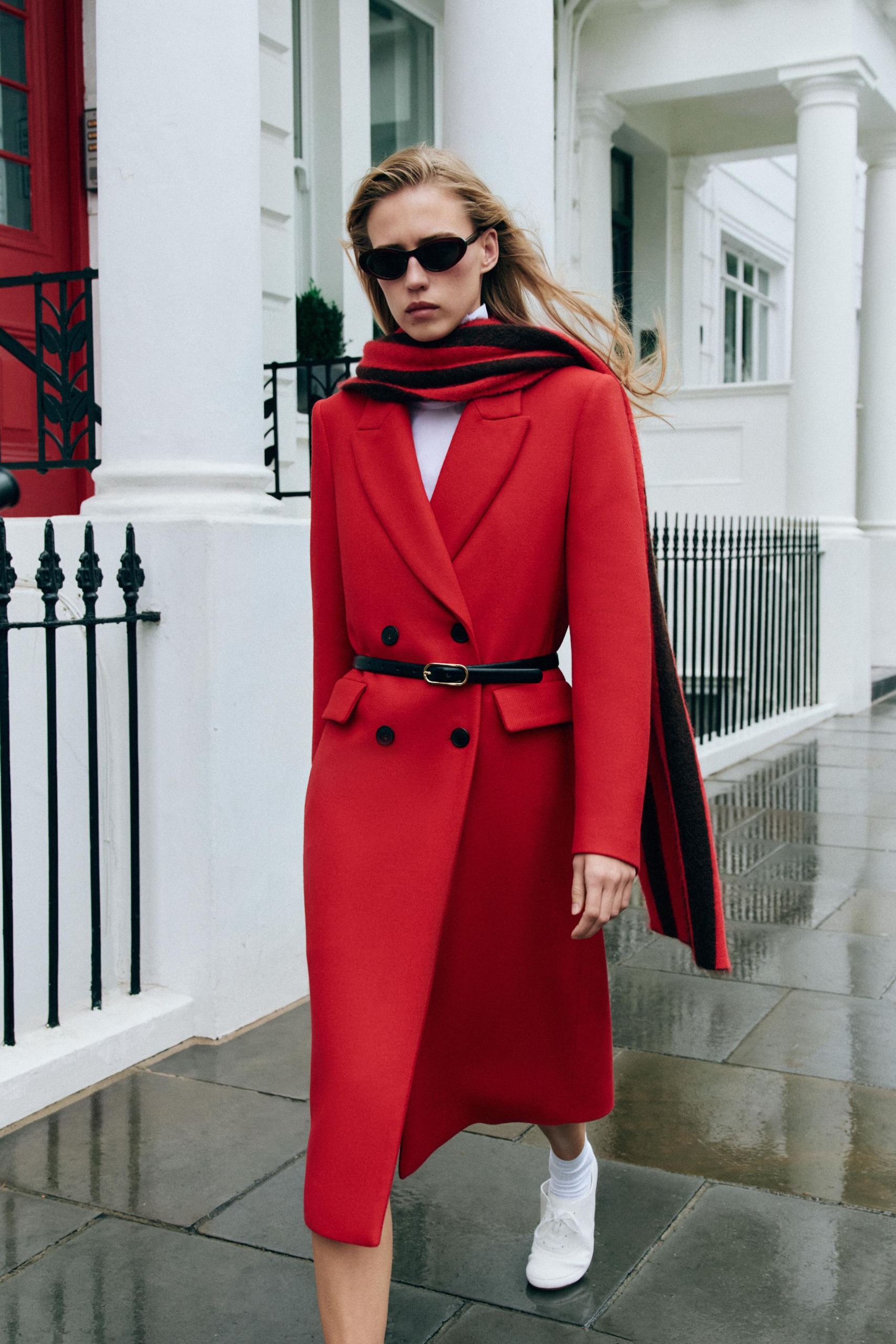
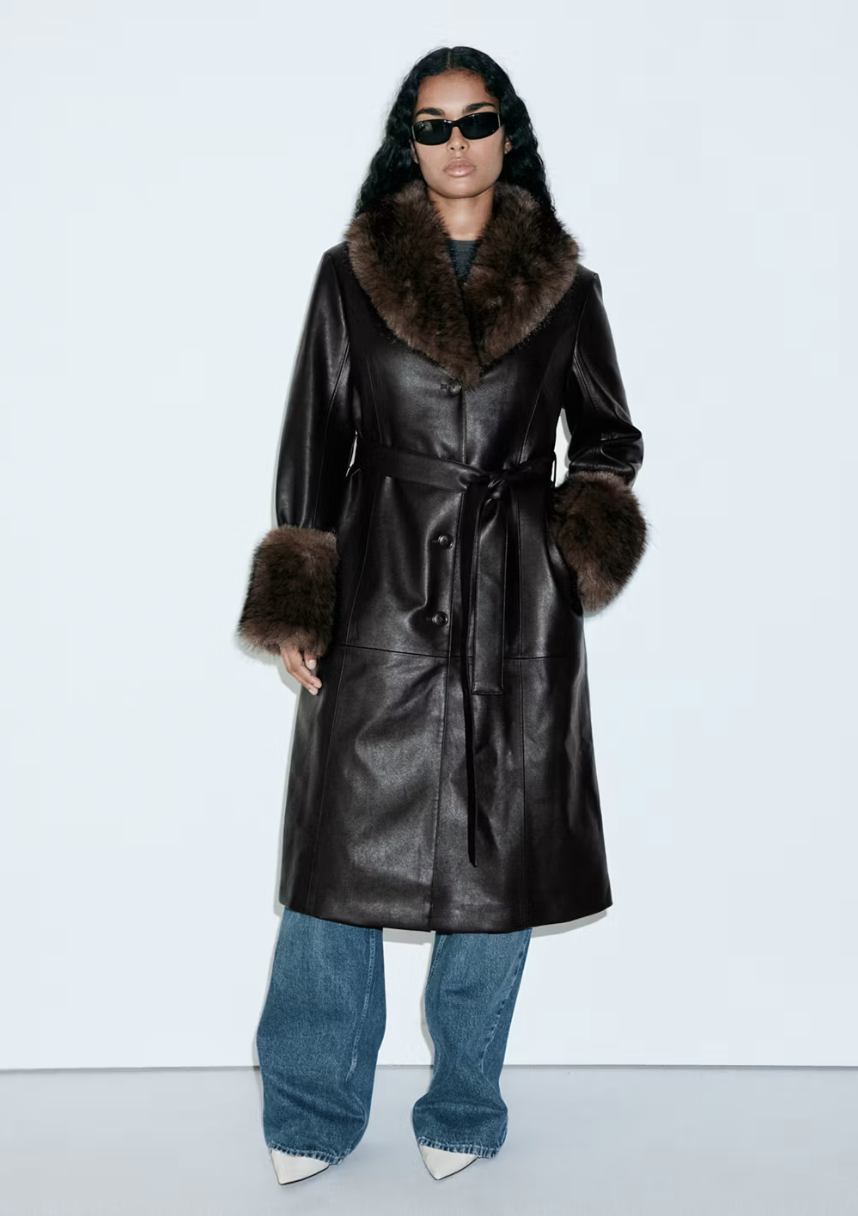
Back to our Autumn/Winter 26 trend report, and soft power is in the spotlight here, with velvet taking centre stage alongside extra-warm Merino wool. By way of brands, Dries Van Noten is a key label—just take a look at each breakout term on Google Trends. And, of course, a firm Marie Claire favourite, faux fur-trim evening coats and jackets are your go-to for elevated outerwear. Cosy, comfortable and celebration-ready.


from Latest from Marie Claire UK https://ift.tt/RO7M6ew
via IFTTT

Saturday, 21 November 2026

Molly vs the Machines: The Documentary That Reveals the Dark Side of Algorithms

https://ift.tt/Brf2jai

Molly vs the Machines is a documentary that doesn’t deliver what one might ultimately expect. It’s devoid of sensationalistic pretensions. It seems specifically crafted to ward off gut feelings and the morbidity that, even if we don’t want it, always guides our gaze. With a certain coldness of structure, supported by icy and ghostly reconstructions obtained with the help of artificial intelligence, it attempts to delve into the mechanisms that made possible the terrible story of Molly Russell, a 14-year-old English girl described by everyone as cheerful, and driven to suicide in 2017 by algorithmic bombardment. Think of your daily dose of dogs, capybaras, or flat-belly exercises. For her, instead, it was scenes of self-harm, depression, and suicidal acts.

Think about your daily dose of dogs, capybaras, or flat-belly exercises. For her, it was instead scenes of self-harm, depression, and suicidal acts.

In the six months before her death, 2,100 pieces of content like this swarmed into her eyes and, unlike the instant gratification a video of a puppy sleeping on its back can provide, they worked in her head like woodworms even after exposure. They dug little tunnels through which death managed to slip through. Through interviews with experts and whistleblowers, Molly vs the Machines tells us— even though we already know it, it’s incredible how we never know enough to get rid of it—that the perverse dynamics that bind us to our daily scrolling are a poison that kills, especially those whose immune systems are not yet fully formed, or compromised by life’s events, and, ultimately, those who can boast a fully functional immune system.

Molly vs the Machines by Marc Silver

Molly vs the Machines by Marc Silver (Image credit: Courtesy Trieste Science+Fiction FestivalMolly Russell in the documentary )

Directed by Marc Silver, co-written by Shoshana Zuboff, a sociologist and essayist who theorised “surveillance capitalism”, the documentary shows us the bigger picture: the enormous web in which we are all entangled, tiny flies.

And how, while little Molly grew up happily in her perfectly normal and loving middle-class family, the “computational governance” of Big Tech evolved with her, starting to steal microscopic pieces of her soul to transform into targets from the first time she handled her shiny and much-desired new smartphone.

Her father Ian, who launched an exhausting legal battle, refusing to personally accept any offer of compensation from Big Tech, spent five years forcing Meta and Pinterest to display the content that landed on Molly’s screen. His determination is the basis of the UK’s Online Safety Act (OSA), one of the most stringent and revolutionary regulatory reforms in the world for the control of the internet and social media.

This documentary is a must-see. It burns like salt disinfecting the open wound that every contemporary parent carries.

The Molly Rose Foundation he founded continues to fight for regulations, laws, and limits that, the more fundamental they prove to be, the more difficult they become to enforce.

Watching this documentary is essential. It burns like salt disinfecting the open wound that every modern parent carries: no matter how careful they have been and are, no matter how late they allowed devices, especially the telephone, they know that there comes a time when all the limits and prohibitions in the world are no longer enough.

No amount of attention, control, technological preparation, or caring attitude can counter the firepower of social media and their algorithms, which rob our children, entire generations, of hours and hours of life experiences, replacing them with fake news.

And we are too busy, engaged, tired, and exasperated to look to the bottom of this dark paradox.

This story was originally published by Sara Del Corona on the Marie Claire Italy website.


from Latest from Marie Claire UK https://ift.tt/YjzHMdo
via IFTTT

Gabby Logan: “There’s Something Quite Liberating about Getting Older”

https://ift.tt/ChNzv0k

Gabby Logan needs no introduction. A former international gymnast and one of the UK’s most well-known and loved sports broadcasters, she’s dedicated her life to movement in all its forms.

In recent years, she’s also used her platform to help us all get comfortable talking about and understanding the symptoms and impacts of menopause. As a woman in a male-dominated field, it’s all the more admirable that Logan elected to speak up.

While progress has certainly been made—from the HRT prepayment certificate making treatment more affordable in England, to menopause being added to the school curriculum—there’s still work to be done. Take new research from Menopace, for example, the supplement brand Logan represents, which found that women only begin taking their health seriously at the age of 46, yet believe they should have started almost a decade earlier. This is indicative of a clear truth: too often, women wait until symptoms are debilitating, rather than taking proactive, preventative measures while time is on our side.

This is a gap that Logan knows all too well. While she’s always been health conscious (that athlete mentality), reaching her forties made her reassess what being well truly means—and confront the fact that it’s rarely about overhauling everything overnight.

So if you’ve ever felt it’s too late to prioritise your health, or that you just can’t find the time, Logan’s insights on perimenopause, perfectionism and why midlife might be where it all begins are exactly what you need to read.

What Do You Wish You'd Known About Your Long-Term Health in Your 30s?

“I’d have told myself to look at health as something you’re investing in for the future, rather than something you only think about when there’s a problem. I’ve always been active because of my background in sport, but in my thirties I probably took for granted how easily my body could recover and adapt.”

“What I’ve learnt is that it’s not just about exercise. Sleep, nutrition, recovery and mental wellbeing are all connected, and the habits you establish earlier in life can make such a difference later on. I wish I’d understood more about the importance of looking after my health at every stage of life, and how our nutritional and lifestyle needs can change as we get older. I wouldn’t want my younger self to worry about getting everything right, but I would encourage her to be curious, ask questions and think about the kind of life she wants to be living in 20 or 30 years’ time.”

“Midlife can be a real turning point in how you approach your health. Menopace recently conducted research which found that 81% of women experiencing perimenopause or menopause are thinking more about their future health than ever before, and that really resonated with me.

“There’s this idea of ‘Menopause Maxxing’, which is essentially about using midlife as an opportunity to reassess your wellbeing. For me, that doesn’t mean overhauling everything overnight. It’s about making thoughtful, sustainable changes and taking a more proactive approach to looking after my health for the years ahead.

“These days, I’m much more focused on how I feel and what my body can do, rather than simply how it looks. I think much more about maintaining my strength and mobility, so I can continue doing the things I enjoy for as long as possible.”

Why Do So Many Women Put Off Prioritising Their Long-Term Health Until Their 40s?

“Life can become incredibly busy, and it’s easy to get caught up in everything that’s happening in the present. Between work, family and all the other commitments we have, thinking about our health in 10 or 20 years’ time isn’t always at the forefront of our minds.”

“Research from Menopace found that women over 40 say they start taking their long-term health seriously at 46, on average, but believe they should have started at 37. That’s almost a decade, and I think it highlights how much we can benefit from starting these conversations earlier.”

“I wouldn’t want anyone to feel they’ve missed their opportunity. One of the things I’ve learnt through my podcast and conversations with health experts is that it’s never too late to make positive changes. Whether that’s incorporating more movement into your day, making time for yourself or paying closer attention to nutrition, small steps that become daily habits can help build a positive approach to long-term health and wellbeing.”

I’ve learnt how valuable it is for women to feel comfortable asking questions and to share their experiences.

Gabby Logan

“One of the biggest lessons has been recognising the importance of understanding your body and being proactive about your health. When I first entered perimenopause, it was a period of learning for me. In my world of work, where you’re constantly having to think on your feet, it made me realise just how important it is to feel informed and confident about your health.”

“Opening up the conversation around menopause, I’ve learnt how valuable it is for women to have access to reliable information, to feel comfortable asking questions, and to share their experiences. There’s so much value in understanding the changes that happen at different stages of life rather than simply feeling that these are conversations we shouldn’t have.”

Which Changes Have Made the Biggest Difference to Your Wellbeing in Midlife?

“Strength training has been a real priority for me. As I’ve got older, I’ve become much more conscious of maintaining my strength and looking after my long-term health, rather than just focusing on cardiovascular fitness. I love Pilates, too, and I try to balance that with walking and other activities I genuinely enjoy.”

“I’ve become more thoughtful about nutrition, too. I try to include protein at breakfast, whether that’s eggs, yoghurt or salmon, and focus on eating a varied, balanced diet. I also incorporate supplements like Menopace Max into my daily routine as part of my wider approach to nutrition and wellbeing.”

“Sleep and recovery are just as important. I’ve learnt that doing more isn’t always better, and sometimes the most productive thing you can do is give your body time to recover. My schedule can be unpredictable with work and travel, so I try to be flexible rather than rigid. Even getting off the Tube a stop early or fitting in a short walk is worthwhile.”

“The biggest difference has come from looking at all these things together rather than treating exercise, nutrition and rest as completely separate.”

“Perfection is an impossible standard, particularly when you’re balancing work, family and everything else life throws at you. There will always be days when you don’t manage the workout you’d planned, or end up eating something convenient because you’re rushing between commitments.”

“I’ve learnt to focus on consistency rather than perfection. If I only have 10 minutes to move, that’s still 10 minutes. If I’ve had a particularly busy week, I might prioritise rest instead of pushing myself through another workout.”

“It’s important that looking after your health remains enjoyable. I love being active, and I want that to continue being something that adds to my life rather than another obligation on my to-do list. There’s no point creating a routine that’s so demanding you can’t sustain it.”

Are Women Being Let Down When It Comes to Education about Midlife Health?

“We’re having more open conversations about menopause now, which is incredibly positive, but there’s still work to be done when it comes to making information accessible and helping women understand the importance of looking after their health at every stage of life.”

“A statistic that really stuck with me is that half (51%) of women wished older women had spoken to them more openly about menopause. That says a lot about the importance of sharing experiences across generations and demonstrates how important it is to make reliable, practical information available earlier.”

“Nutrition is one part of the bigger picture. Understanding the role of nutrients such as calcium and vitamin D in maintaining normal bones, alongside eating a balanced diet and staying active, can help women make more informed decisions about their health.”

There’s no point creating a routine that’s so demanding you can’t sustain it.

Gabby Logan

“I’ve experienced first-hand how valuable it can be to hear someone talking openly about something you’re going through yourself. When I started learning more about perimenopause, conversations with other people and experts helped me understand more about this stage of life and the importance of being informed.”

“For me, raising awareness isn’t about telling everyone they should approach menopause in the same way. It’s about making sure people feel comfortable having conversations, asking questions and finding the information and support that’s right for them.”

How Has Getting Older Changed the Way You Feel about Yourself?

“I’ve become more appreciative of what my body can do. Having spent so much of my life around sport, I’ve always admired physical ability, but getting older has given me a different perspective on what being fit and healthy really means.”

“I’m less interested in chasing a particular number or appearance and much more interested in maintaining my strength and staying active. I want to keep playing sport, travelling, spending time with my family and saying yes to new experiences for as long as I can.”

“There’s also something quite liberating about getting older. You start to understand yourself better and become more confident about what works for you. I certainly don’t see midlife as a time to start slowing down or limiting what you can achieve.”

“For me, it’s about making sure the decisions I’m taking today support the life I want to live in the future.”

What Is the One Piece of Advice You Would Give Your Younger Self?

“I’d say don’t wait until something changes to start taking an interest in your health. Be curious about your body, ask questions and build positive habits, rather than waiting until you feel you need to make a big change.”

“I would also remind myself that health isn’t just about fitness. It’s about looking after your mind, making time to rest, eating well, maintaining your strength and surrounding yourself with people who make you feel good.”

“Most importantly, I’d tell my younger self not to be frightened of getting older. Midlife has taught me an enormous amount about myself, and I still feel excited about everything that’s ahead. I want to be able to enjoy those years fully, and that’s what motivates me to look after my health now.”


from Latest from Marie Claire UK https://ift.tt/vo3p7Wr
via IFTTT