This summer has been one for the history books—wildfires in Europe; five blistering heatwaves in the UK; devastating floods in Nepal, not to mention the creeping proliferation of data centres (as one opinion writer put it in The Guardian: "In many people’s minds, datacentres [sic] are also a byword for the two totemic issues of yet another searing summer: heat and water").
Oxfam's State of Style report, released today, illuminates these issues with data that makes for particularly sober reading when it's framed around our buying habits: "The water used to produce Britain’s unworn clothes is enough to supply 1 million people for a lifetime." Overconsumption, coupled with under-wearing, is creating waste—not just of clothing but the resources used to produce it—at an unprecedented scale. "The average UK wardrobe contains 80 items—and 32% of them, around 26 items, haven’t been worn in the past 12 months." Put another way: "Our one-wear outfits waste the equivalent of 88 billion bottles of water."
The extreme nature of this summer's weather—Europe is officially the world's fastest-warming continent—is the call for action that we needed to hear. And in conjunction with the start of Oxfam's Second Hand September, a campaign that has been running since 2019 and which encourages people to not only shop second-hand but donate their unworn and unwanted clothing, there's never been a better time to start as you mean to go on this season.
The average UK wardrobe contains 80 items—and 32% of them, around 26 items, haven’t been worn in the past 12 months." Put another way: "Our one-wear outfits waste the equivalent of 88 billion bottles of water.
Oxfam State of Style report
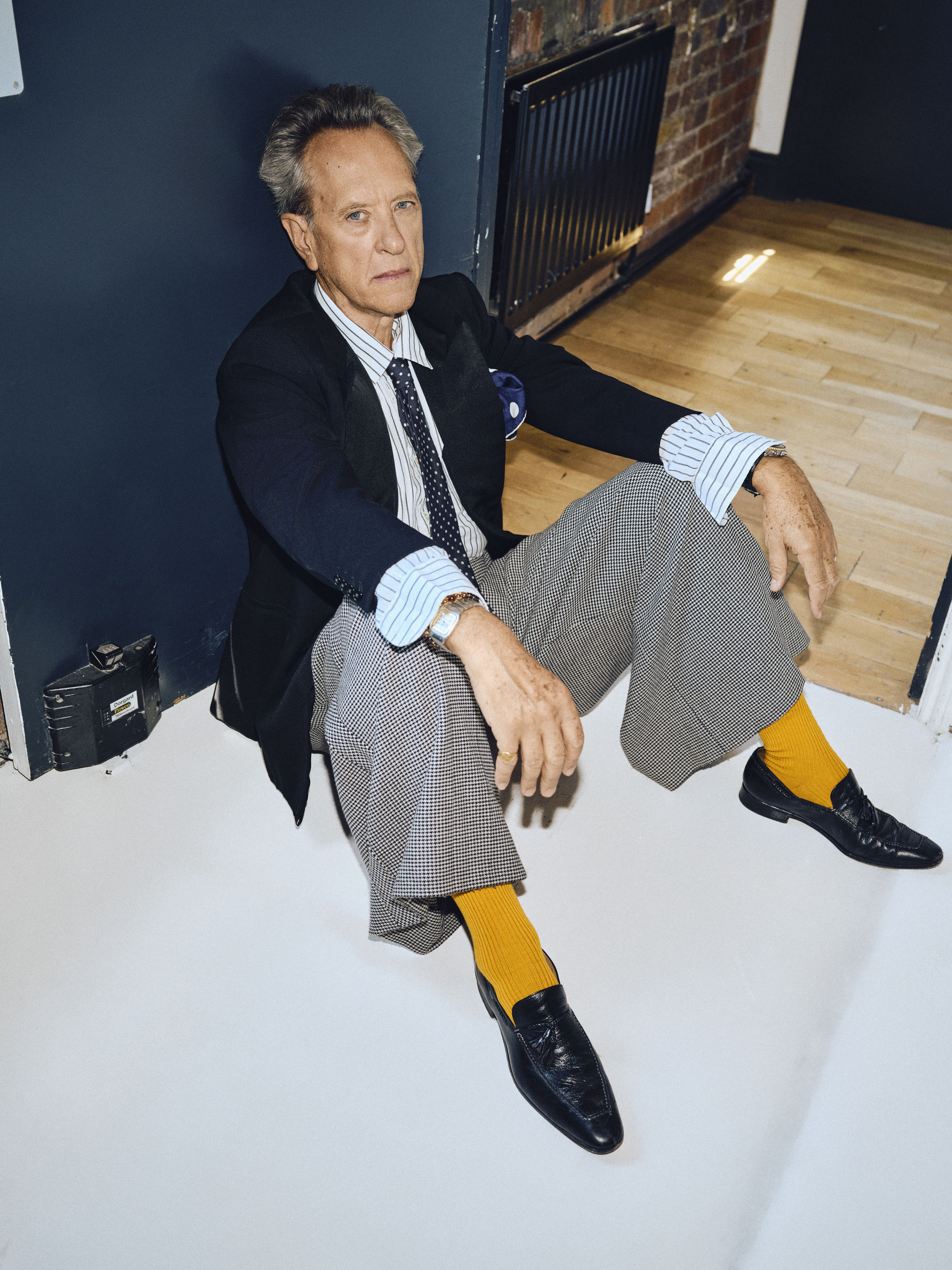
Richard E. Grant owes his break-out role—as the eccentric hero of Withnail & I, to a second-hand coat he bought at none other than Oxfam. "It was 1986 and I arrived for my Withnail & I’audition soaking wet and in a second-hand Burberry trench coat. Turned out I’d nailed the look for the part without even trying. No Oxfam, no Withnail," says the actor, who is fronting the campaign for Second Hand September; a chance to remedy shopping habits that might have led you to an impulse-buy influenced by Instagram (Oxfam's State of Style report found that, "almost two thirds of people (64%) buy clothing they were not actively looking for, after seeing items on social media, apps or online shopping platforms").
Original style isn't about buying more. It's about finding pieces with a story, keeping them for as long as you can, and passing them on for someone else to discover...
Richard. E. Grant

“Original style isn't about buying more. It's about finding pieces with a story, keeping them for as long as you can, and passing them on for someone else to discover," says Grant, whose was styled by Bay Garnett, stylist, author and long-time second-hand afficionado. "We've already got too much of everything. Reusing and upcycling clothing—second-hand, vintage, call it what you like—just makes perfect sense,” says Grant.
It's hard to remember that water is a precious resource when you're on the verge of adding something to basket, a delicious frisson stirring as your finger hits "Place Order". But next time, consider the fact that water is not just an environmental issue. It's a humanitarian one. You might not think that pausing before purchase will make the slightest bit of difference to the climate crisis, a juggernaut that's bigger than any individual or group of people. But if we all stopped throwing away clothes instead of repairing or donating them—and reduced the amount of clothing in our wardrobes to hard-working pieces that all got worn (and worn and worn), you might be surprised. As the report puts it: "Today, 2.3 billion people live in water-stressed countries, 1.8 billion people lack access to safe water at home, and nine in 10 climate-related disasters are linked to water—through floods, droughts or changing rainfall patterns. While fashion is only one part of this wider picture, every decision to extend the life of clothing helps reduce demand for new production and the resources it requires."
from Latest from Marie Claire UK https://ift.tt/SLuDZKh
via IFTTT

No comments:
Post a Comment