It's hard to describe the simple feeling of wrongness. The subtle sensation that something just isn't quiet ok, though you can't exactly explain why. So when my younger, much cooler, cousin declared that of the 'Mandarin Jacket' trend—a Western variation of the traditional Tang Jacket, or Tangzhuang—in her own Gen Z-coded language, aka "it feels icky", I knew my own intuition wasn't too far off the mark. That tiny voice inside my head the only thing stopping me from adding said pieces to my own wardrobe, no matter how much I admittedly wanted to, looking longingly at every woman walking past wearing Pankou-closure shirts and jackets, and the store windows currently stocked full of them. The lingering question: is this culturally appropriate, or am I actually being overly cautious? The internet, as I've discovered in this rabbit hole of research, will advocate for both.
Fashion, of course, has long crossed cultural references from across the globe. Inspiration is sought and celebrated from every nation, be it through prints, clothing cuts, styling details or accessories. A brilliant example of our modern inter-connected world while also, in many ways, a wise marketing move from a brand perspective as many continue to expand their reach in multiple markets. When it comes to the luxury sector, McKinsey reports the United States and China control the most signification concentration of luxury demand.
Though the line of appreciation and appropriation remains one of the most debated points in the industry, and so it was to a handful of Chinese fashion experts and cultural commentators to whom I posed this question.
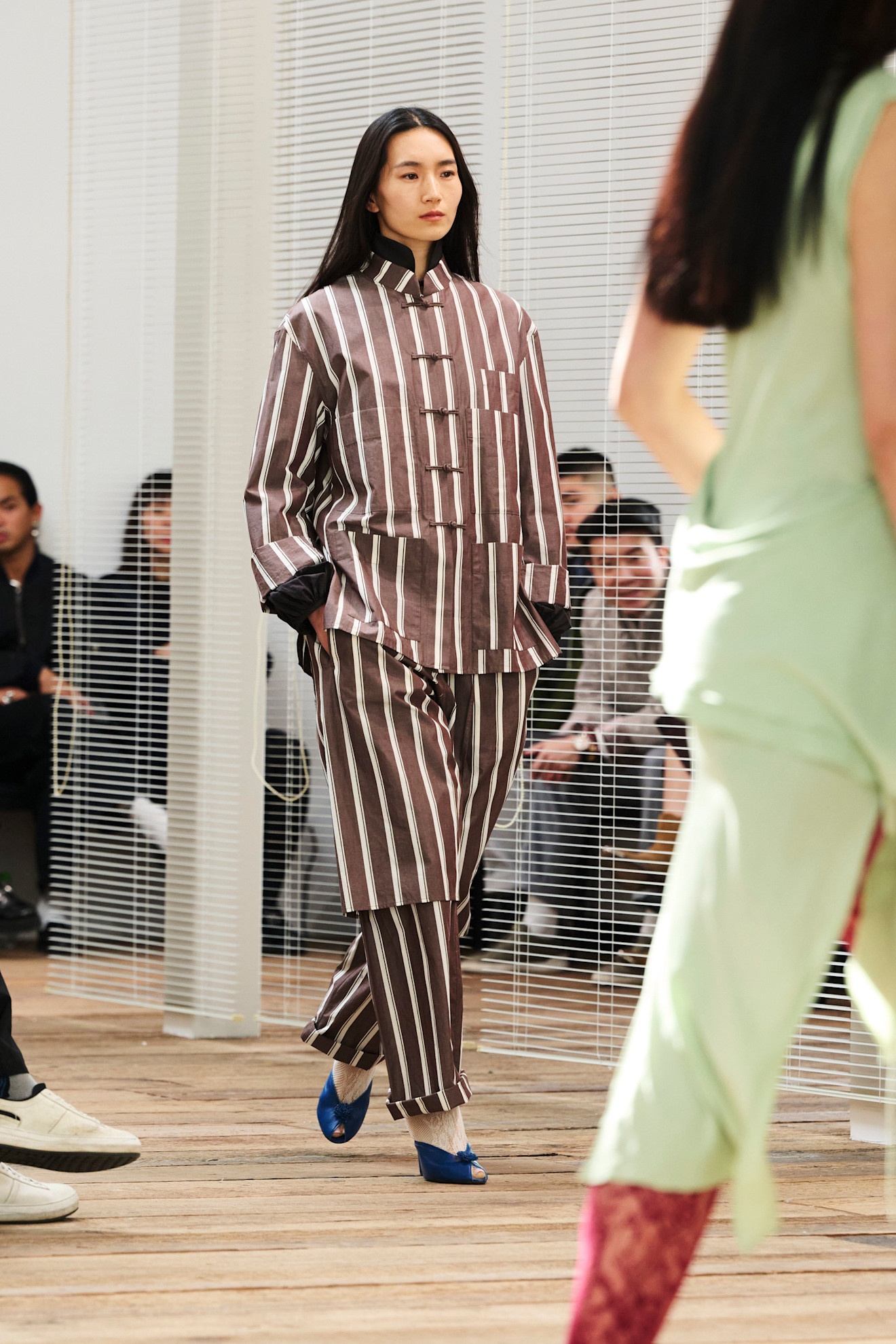
"Fashion is a universal language. I actually love seeing people from different backgrounds embrace Chinese aesthetics. For me, it is a beautiful example of cultural appreciation, as long as it’s worn with genuine respect for the craftsmanship and not treated as a caricature or costume," says Poppy Wang, founder of the namesake brand crafting modern interpretations of the traditional Qipao dress.
"People are looking for unique alternatives to standard Western tailoring. The Mandarin jacket offers a beautiful contrast; it has structure but softer shoulder lines, and the silk or brocade adds an instant statement to everyday wear. It looks incredibly chic when styled effortlessly—like pairing a vintage Mandarin jacket with wide-leg denim or layered over a simple slip dress. It represents a shift towards global, eclectic styling where East meets West organically," she adds. Although, she notes some caveats—namely who is creating the garments and the reasoning behind it.
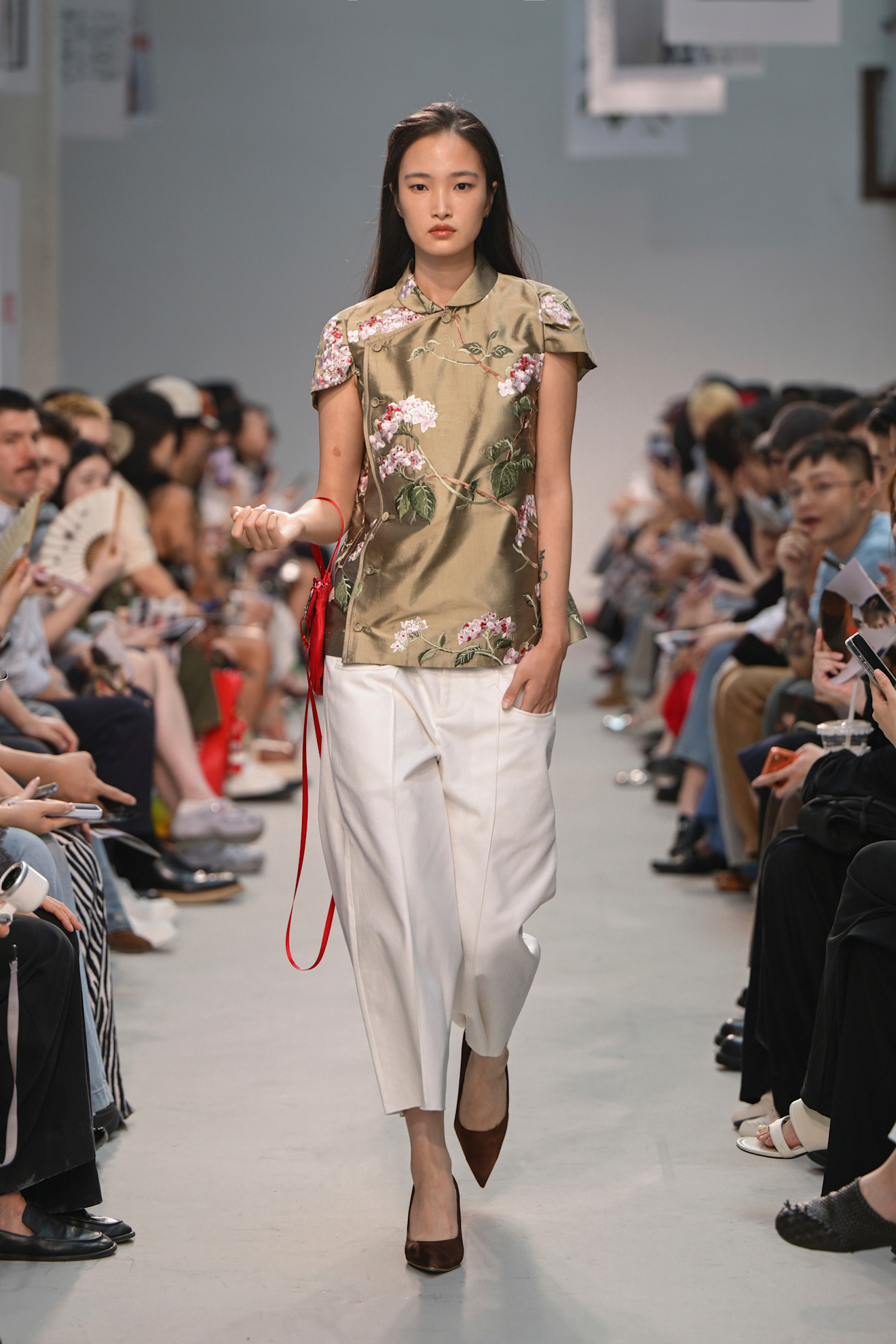
PR manager Amy Billington-Li draws a similar line. "For me, there is a distinction between cultural influence and something that feels like caricature. If a design reduced Chinese culture to a stereotype, or felt like fancy dress or a costume, I would find that uncomfortable. But when elements such as a Mandarin collar or traditional-style fastenings are thoughtfully and beautifully incorporated into a contemporary piece, I do not personally find that offensive. I see it as an appreciation of good design and the influence different cultures have always had on fashion."
"The key difference between appropriation and appreciation is understanding the garment's roots and, ideally, supporting authentic designers rather than fast-fashion knock-offs," continues Wang. And fashion editor and founder of Ouch Studios April Ru Wan only echoes this statement. "I love that people are seeing the beauty in Mandarin jackets but something doesn’t sit right with me when it’s fast fashion brands or non-Asian founded brands pushing out these products."
The underlying issue for many people I spoke to: situations in which the history of the garments, the meaning behind them and appropriate respect makes little appearance. A right and wrong way to create cross-cultural pieces becoming clear-cut.
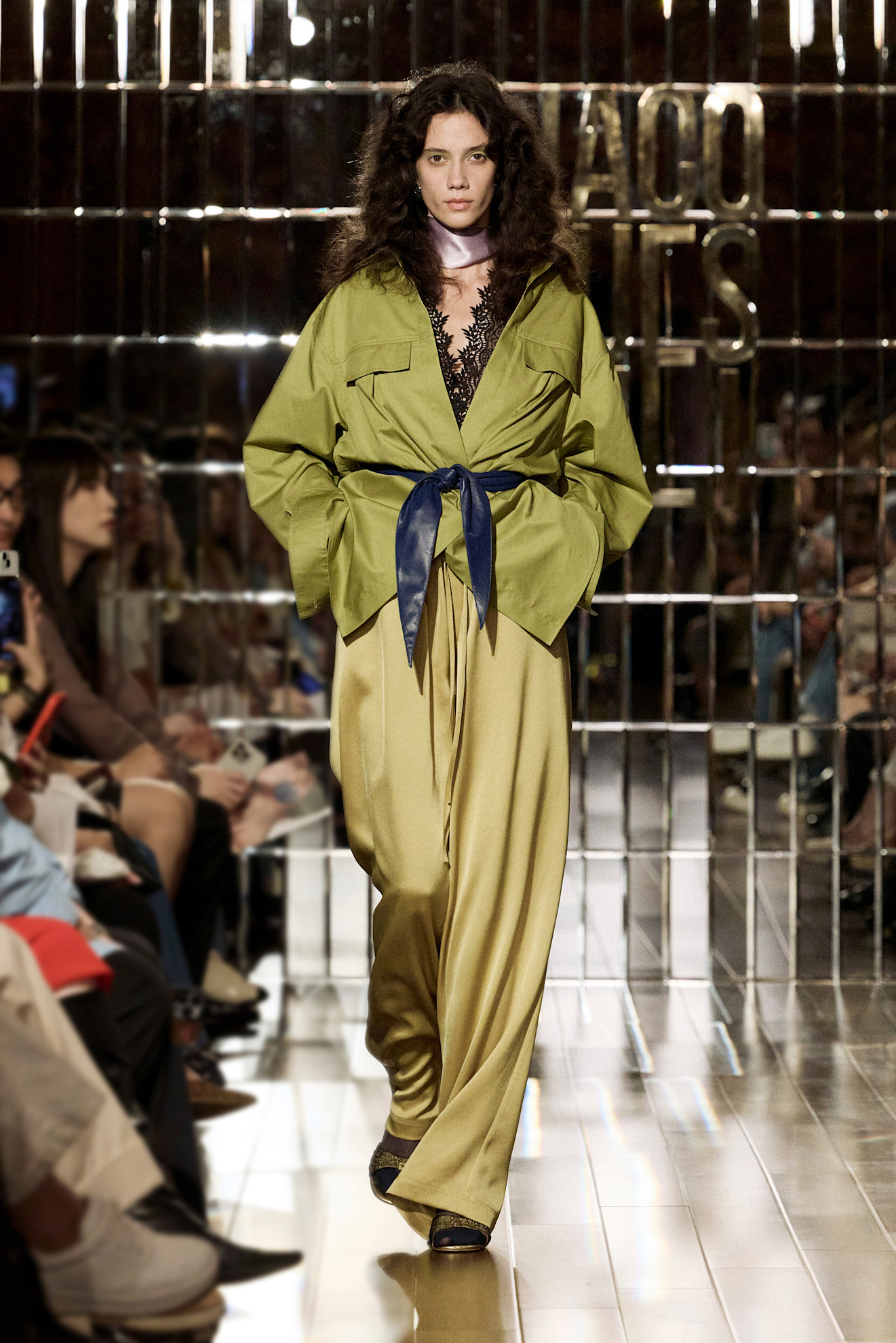
Wan and Jade Rose, an Asian culture and language content creator shine a light on the Adidas collaboration with Shanghai-London label Samuel Gui Yang. "It was created with the culture in mind by the Adidas Shanghai team and initially sold in China. It’s labelled as a ‘Tang Jacket’ or ‘Chinese New Year Jacket’ and there’s no ambiguity around its design roots. It’s part of a trend called xinzhongshi (New Chinese Style) which takes traditional Chinese design elements and reworks them into contemporary fashion," Rose shares.
A poor example: "Western brands lazily taking stereotypically 'Chinese' motifs and using them as a cash-grab aesthetic. We saw this with some high street collections which featured, in my opinion, ‘Chinese enough’ elements with mislabeled details (such as fireman clasps instead of frog buttons)." This approach feeds into the notion that certain cultural traits are suddenly pegged as trendy with little respect behind their origin. Respect being the operative word and one that relates to a much wider issue.
Though this isn't the first time this misjudged Chinese fashion influence has proved problematic. Among the luxury brands and designers accused of misappropriation in the past is John Galliano, who, when interviewed in 2015 said, "the Qipao is already a very sensual garment, but I wanted to heighten its sensuality further by cutting it on the bias, which exaggerates the contours of a woman’s body." As creative director Joey Yip, explains, " the Qipao dates back to 17th century Manchu dress, and the eventual evolution into a symbol of women's liberation and modernity in 1920s Shanghai".
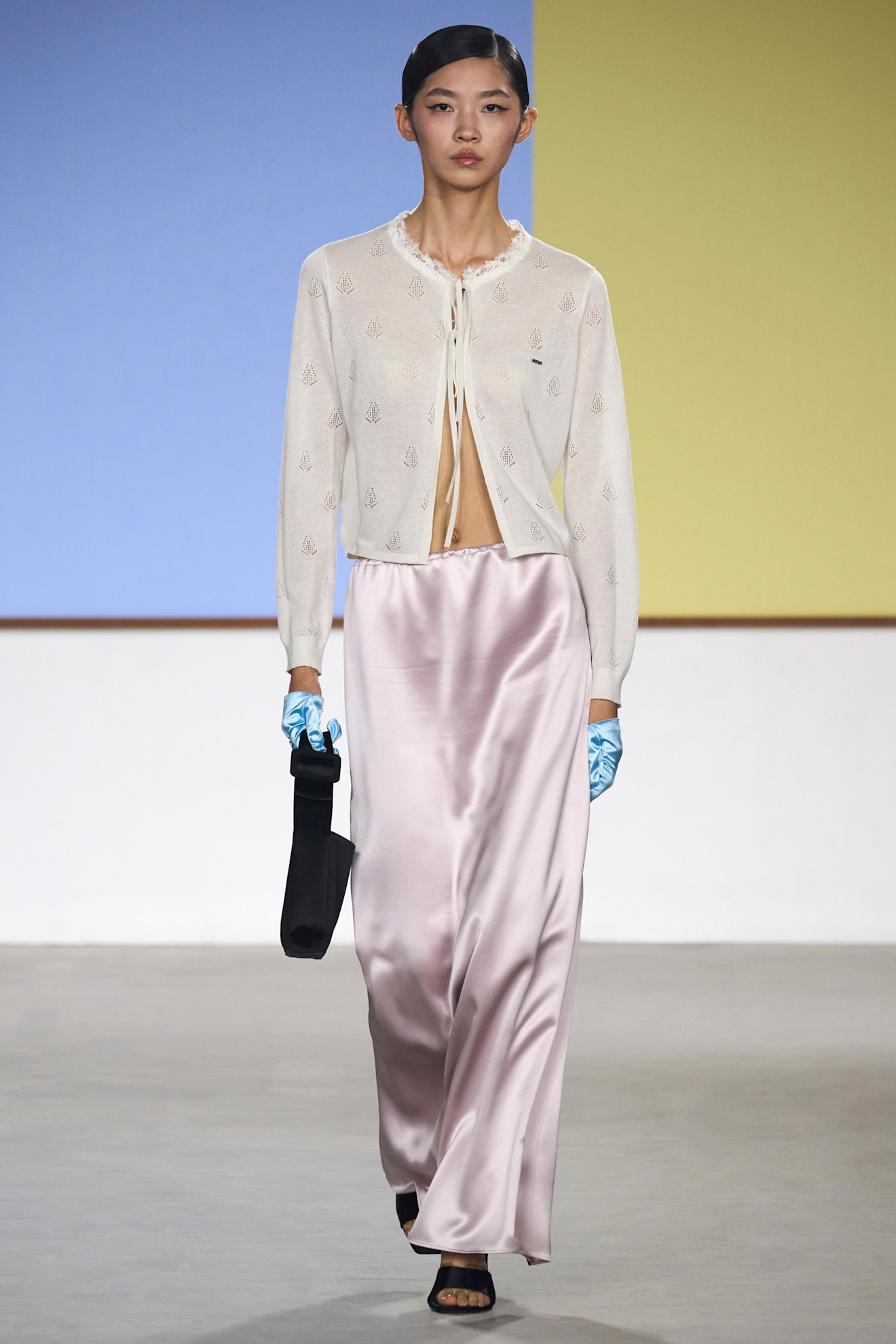
"This isn't really an argument against cross-cultural fashion, or against fast-fashion Qipao tops or Tang jackets existing in Western wardrobes at all. It's a question about consequence and context: who gets to profit from and enjoy a culture's aesthetics, without ever having carried the weight of being a part of the culture, and who has no choice but to carry it regardless, whether it's trendy or not," shares Yip.
This sits inside a bigger, newer trend, "it's become cool and trendy to 'be' Chinese. Earlier this year, 'Chinamaxxing', 'a very Chinese time of my life', and 'in my Chinese era', were all trending phrases on social media. For me, that's where the resentment lies, not just in the way Chinese-style clothing is exploding across high-street stores, but also in the distillation of my culture into a social media trend," she adds. While Rose tells me it's the fleetingness and 'trend' reduction that feels especially poignant.
"I dislike that Chinese culture is being 'discovered' because Western fashion has suddenly decided it’s cool. After years of British Chinese being othered and experiencing brutal racism during Covid, people suddenly 'Chinesemaxxing' feels like emotional whiplash. There’s something uncomfortable about watching aspects of your identity go from feared and hated, to something someone else can put on because it’s fashionable."
And so it's clear that the Chinese fashion trend, to some, evokes far deeper emotions, and deserves more thought, than simply admiring a piece as beautiful. While Rose stresses "appropriation is subjective and it’s futile to give a hard and fast answer," before you invest, she encourages us to consider the following questions. Do you like the garment because you appreciate the beautiful design, or respect the culture behind it? Or are you wearing it like costume because it plays into your Western view of what ‘Chineseness’ is? Taking a moment to truly contemplate our purchases and the message they send, should be common practice, after all.
from Latest from Marie Claire UK https://ift.tt/ALsy1vB
via IFTTT

No comments:
Post a Comment