There are few people who can claim to have fundamentally shifted the way we see, understand and celebrate hair. Charlotte Mensah is one of them. Throughout her four-decade career, the award-winning hairstylist, entrepreneur, and author has helped move Afro, curly, and textured hair from the margins of the British beauty conversation to its rightful place within it. Along the way, she has built her Hair Lounge salon into a Notting Hill institution, launched an award-winning haircare line and become the first Black woman inducted into the British Hairdressing Awards Hall of Fame.
Now, her extraordinary career is being put into cultural context. Charlotte Mensah: Community Matters, a landmark retrospective at London’s Ladbroke Hall from 8th – 13th September, brings together photography, film, personal artefacts, archival material, soundscapes and interactive installations to trace Mensah’s journey from childhood in Ghana to 1980s North West London and, ultimately, the upper echelons of global hairdressing.
By placing Afro hair at the centre of conversations about identity, heritage, creativity and belonging, the exhibition makes the case for hair as cultural history—and for Mensah’s 40-year career as an important part of British beauty history.
Here, Mensah shares the memories, lessons and people behind that legacy, and reflects on how far the industry has come—and where it still has work to do.
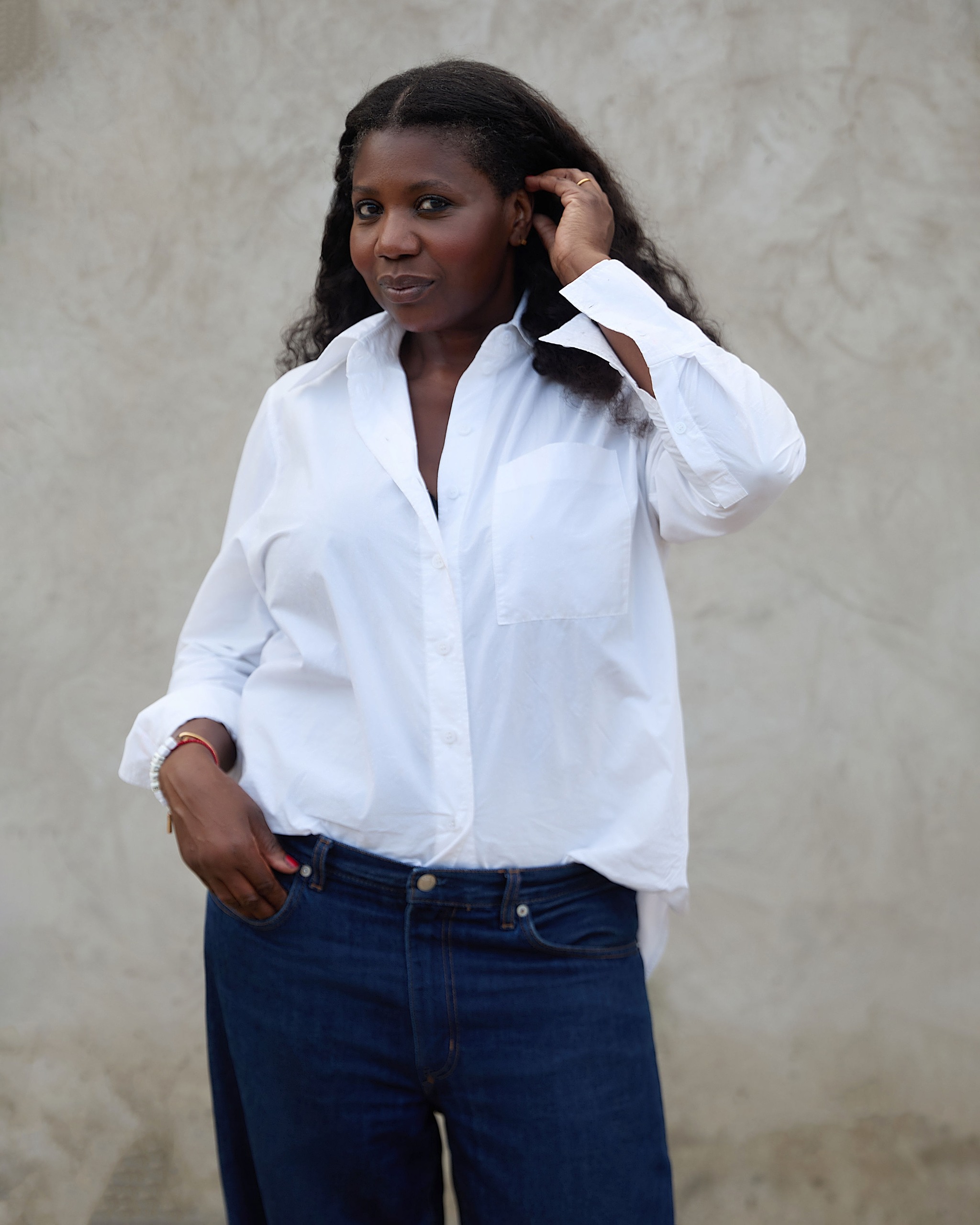
“I’ve Really Lived—and None of It Happened Alone”
Going through thousands of photographs for the exhibition made me realise just how much life has actually been lived. A photograph can unlock a memory in extraordinary detail—I can look at an image from February 1997 and suddenly remember who was there, where we were and what we were talking about. More than anything, it has made me realise that I’ve really lived. There have been ups and downs, smiles and frowns, but I persevered—and none of it happened alone. It takes a community, and this exhibition is really a celebration of them.
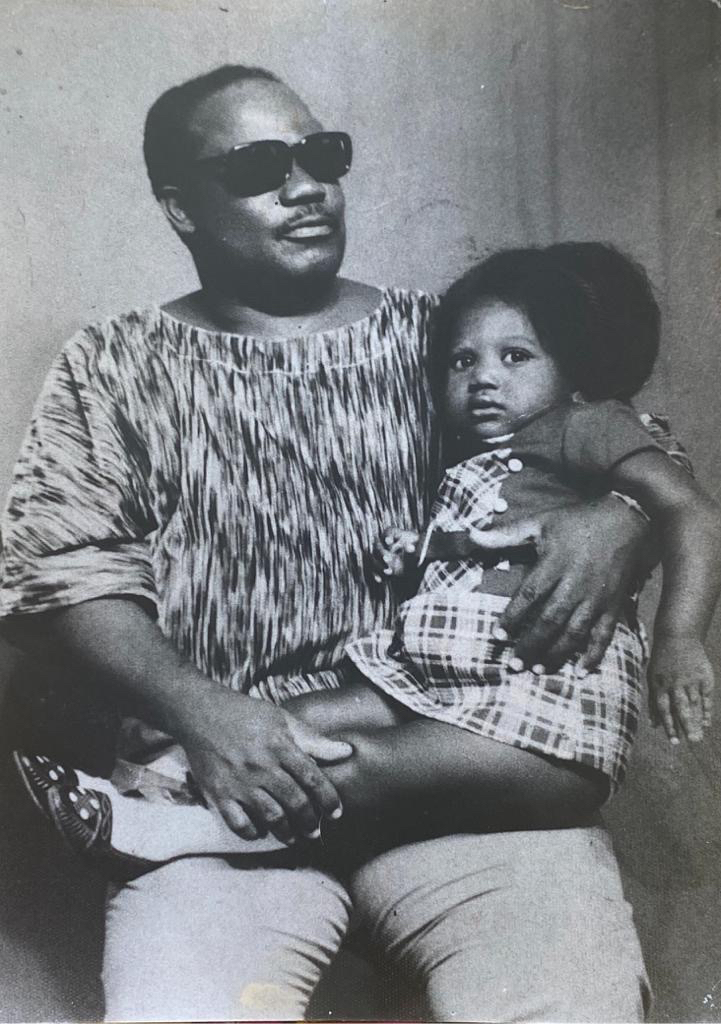
“I Spent My Last Money on a Pair of Tongs That Still Work Today”
The most emotional object in the exhibition is probably my tongs. In 1988, when I had just turned 18, I saved my salon tips and wages from the Youth Training Scheme to buy a pair like the ones we used at Splinters. I was living alone in a hostel and beginning to dream big after losing my mum five years earlier. Buying those tongs was the first real sign of intent about this vocation. Looking at them now, I can see that 18-year-old Charlotte in the mirror, completely unaware of the path ahead.
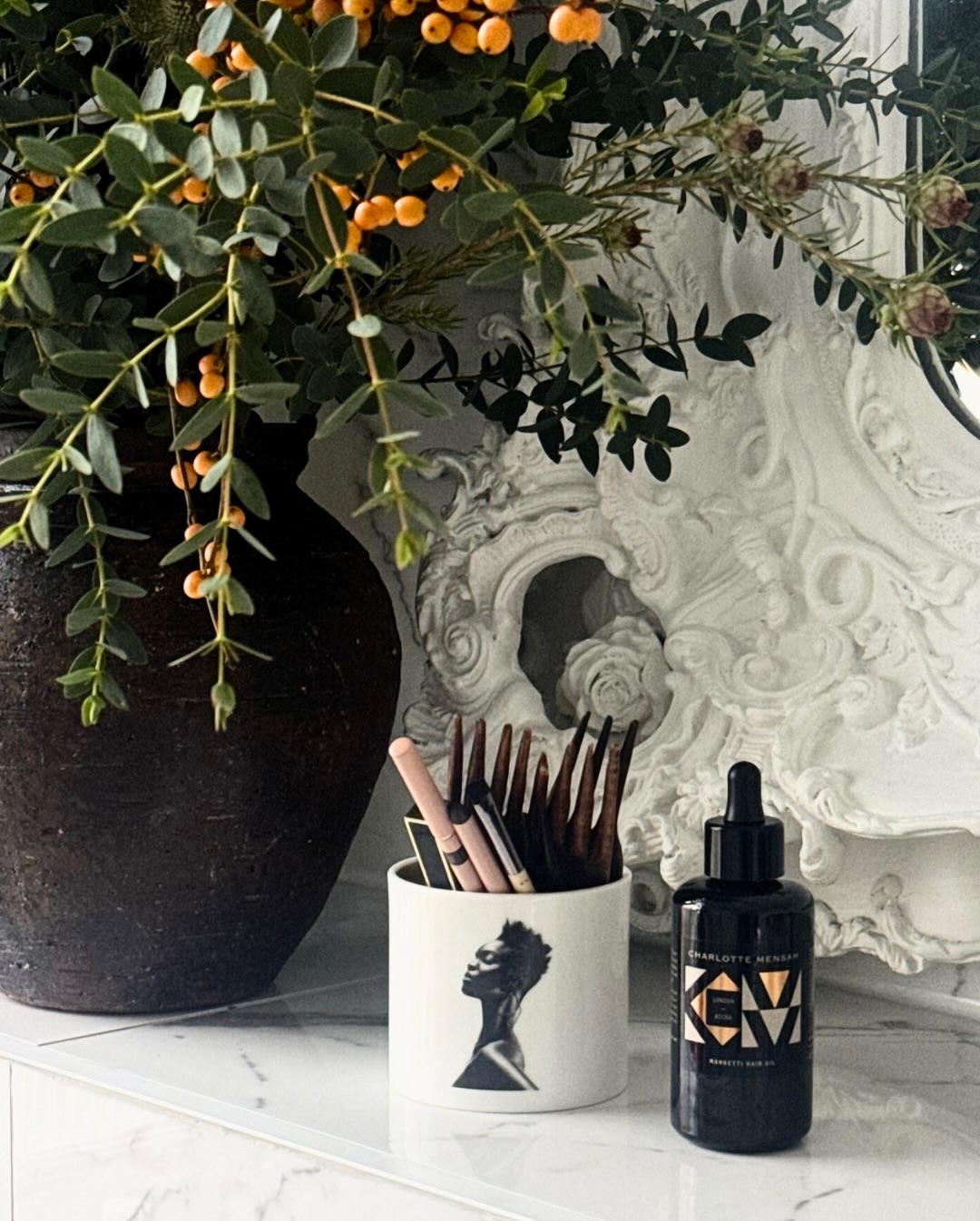
“Success Is Whether You Can Look at Yourself When Nobody Else Is Looking and Be at Peace”
Life moves so quickly that sometimes you have to make yourself stop. I’m always thinking about what’s next, but you can’t properly plan your future if you never take an honest look at your past. We live in an age of constant comparison, with a 24-hour window into everybody else’s achievements and perfect moments. But success, to me, is whether you can look at yourself when nobody else is looking and be at peace with what you’ve actually done.
“Somebody With Textured Hair Should Be Able to Walk Into Any Salon and Feel Understood”
We need to talk much more about education. Hairdressing is an art, but underneath that artistry has to be knowledge. I’m not necessarily saying every hairdresser needs a licence, but we need clearer standards that demonstrate what somebody has actually been trained to do. My idea of real inclusion is simple: somebody with Afro or textured hair should be able to walk into a salon anywhere in this country and feel confident that somebody there understands their hair.
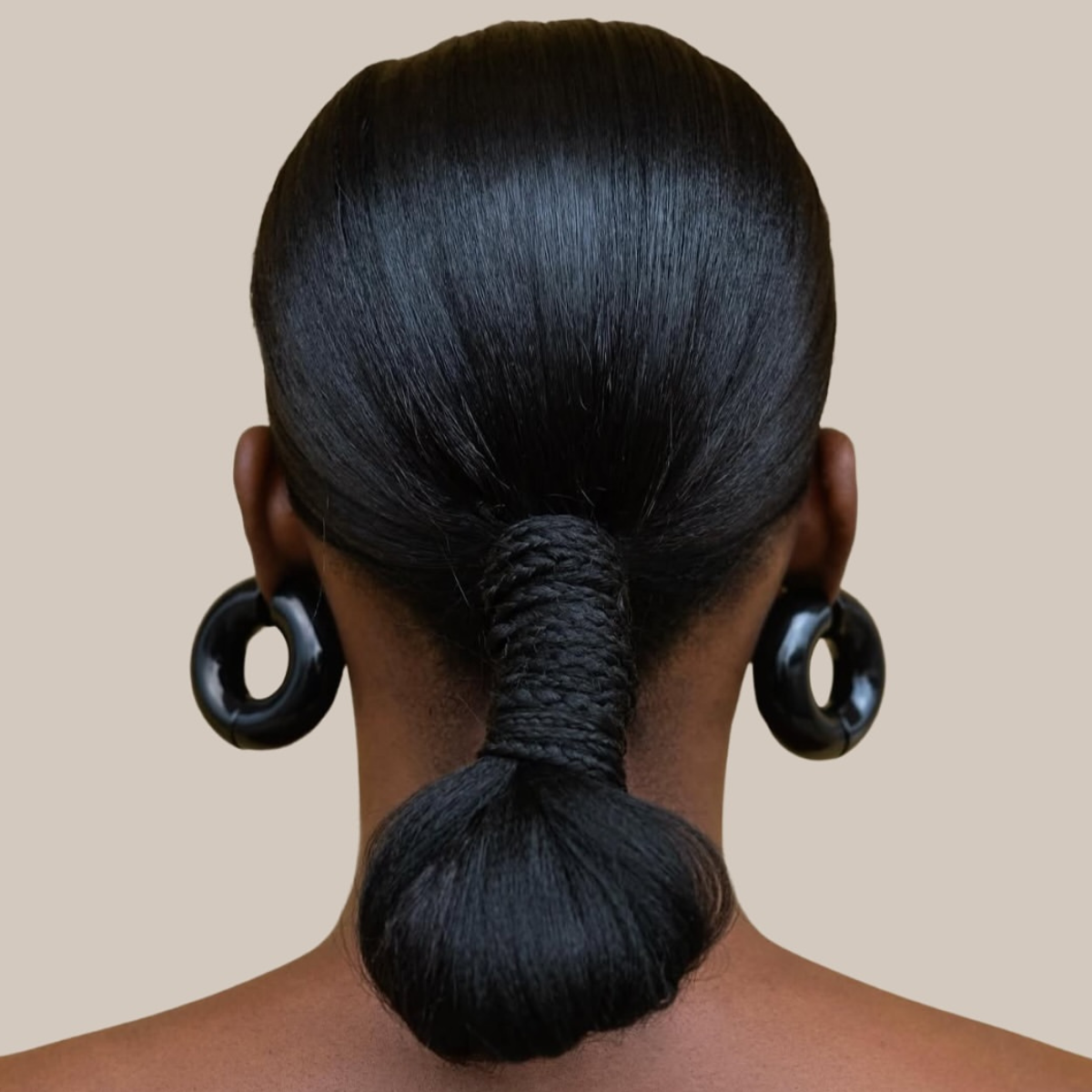
“Heritage Isn’t About Looking Backwards—It’s About Understanding What You’re Carrying Forward”
Everybody comes from somewhere. What becomes interesting is deciding what that inheritance means to you, rather than allowing somebody else to decide it for you. Accra and London have always existed side by side in my world because both places gave me different parts of myself. Heritage isn’t about looking backwards for the sake of nostalgia; it’s about understanding what you’re carrying forward.
“Don’t Confuse Visibility With Stability”
Loving what you do doesn’t make running a business easy. You can be brilliant at your craft and still have to learn about people, money, negotiation, stock, rent, mistakes and a hundred other things nobody puts on Instagram. One of my biggest lessons has been not to confuse visibility with stability. Awards and press are lovely, but you still have to build something that works when nobody is talking about you. Forty years teaches you there are no shortcuts.
“I Want Respect, Care and Dignity to Be So Normal We No Longer Need to Call Them Progress”
By 2046, I hope somebody with Afro, curly or textured hair can walk into any salon in the UK and have their hair done properly, and into any retailer and find products that work for them without searching for the tiny section somebody has decided belongs to them. Ultimately, it comes down to respect, care and dignity. I want those things to be so normal that we no longer need to call them progress.
from Latest from Marie Claire UK https://ift.tt/YdiIngK
via IFTTT

No comments:
Post a Comment