'Longevity' has dominated conversations around skincare and aesthetics for years. Now, the concept is reshaping the way we approach hair ageing.
Rather than simply promising stronger, healthier-looking hair, a new generation of scalp serums is making far more ambitious claims—including delaying or even reversing greying. It sounds remarkably futuristic, but how much can a topical serum really achieve? We asked leading trichologists to separate the science from the hype.
The New Era of Hair Longevity
A handful of recent launches have pushed hair longevity into particularly interesting territory.
Most recently, K18's FutureIQ™ Hair Longevity Serum has been in the spotlight for its 'revolutionary' approach to scalp and hair care. Its headline promise is to “start reversing hair age in 3 months”, reducing shedding, greying and signs of scalp ageing. The brand also claims the serum can deliver 19,000 more hairs and improve the scalp barrier, powered by its proprietary MultiVital™ technology—a multi-pathway system designed to target premature hair ageing.
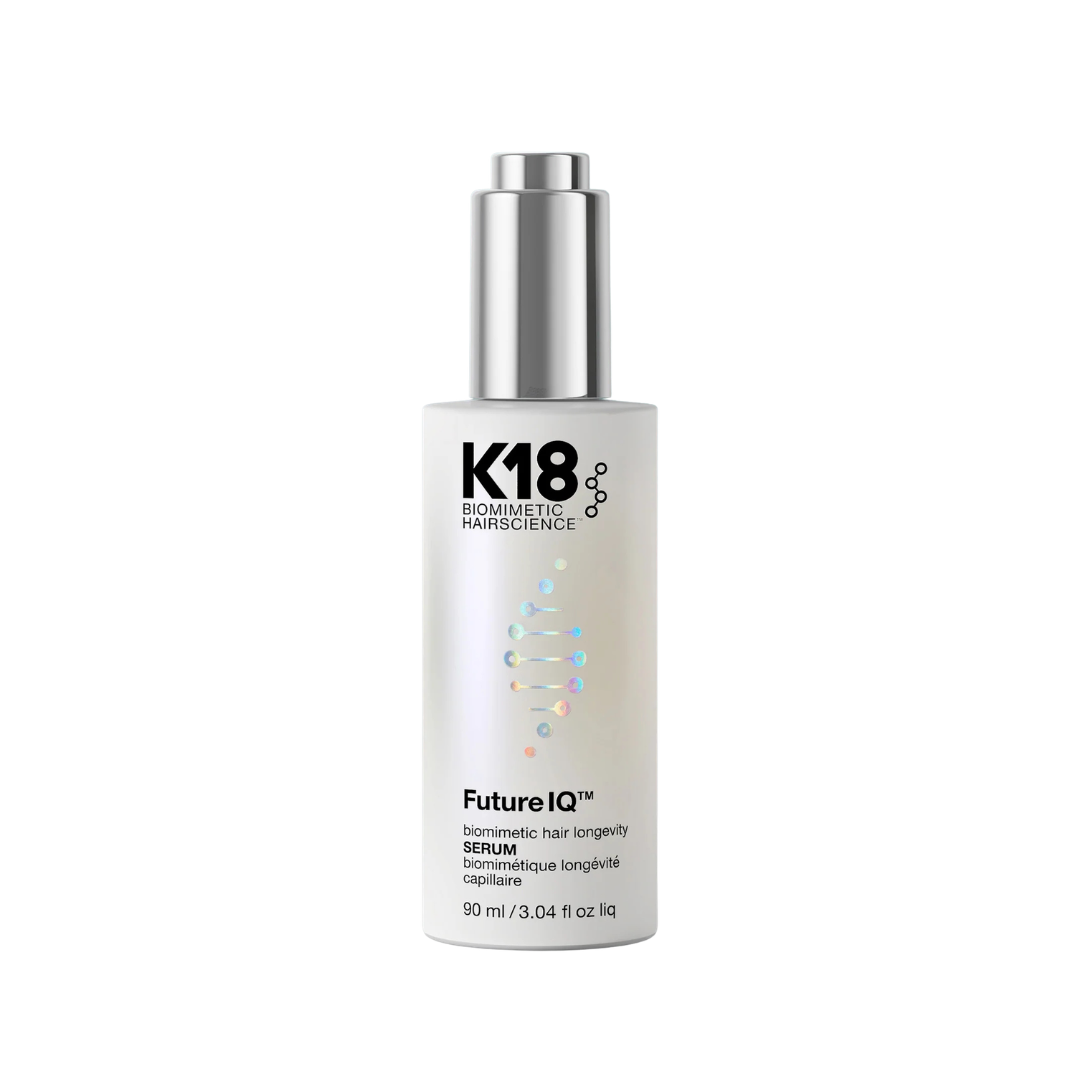
Rita El-Khouri, K18’s Senior Vice President of Research and Innovation, says, "Essentially, when we’re exposed to lifestyle stressors, they can trigger inflammation and oxidative stress in the body, and the hair follicle is no exception. Within the hair, this can disrupt the processes involved in melanin production, meaning the melanocytes can become less active and produce less pigment. This is one mechanism that can contribute to premature greying beyond biological ageing. FutureIQ contains a biomimetic complex of peptides designed to support the hair from within, providing much-needed antioxidants that support the melanin process.
"It’s important to be clear that FutureIQ isn’t designed to reverse biological greying caused by ageing, nor will it reverse every grey hair. But if you think of the pigment-producing system like a lightbulb that’s flickering because of external stressors, FutureIQ is designed to help support it in switching back on."
But FutureIQ isn't the first longevity-focused hair serum that's marketed itself on anti-grey technology. Beauty Pie's Youthbomb Scalp Serum says it helps to 'anti-age' hair by targeting dry scalps, as well as thinning and grey hair. Meanwhile, one of Living Proof's bestselling Density Serum's core USPs is its ability to 'visibly minimise the appearance of grey hair,' with results in as little as 90 days.
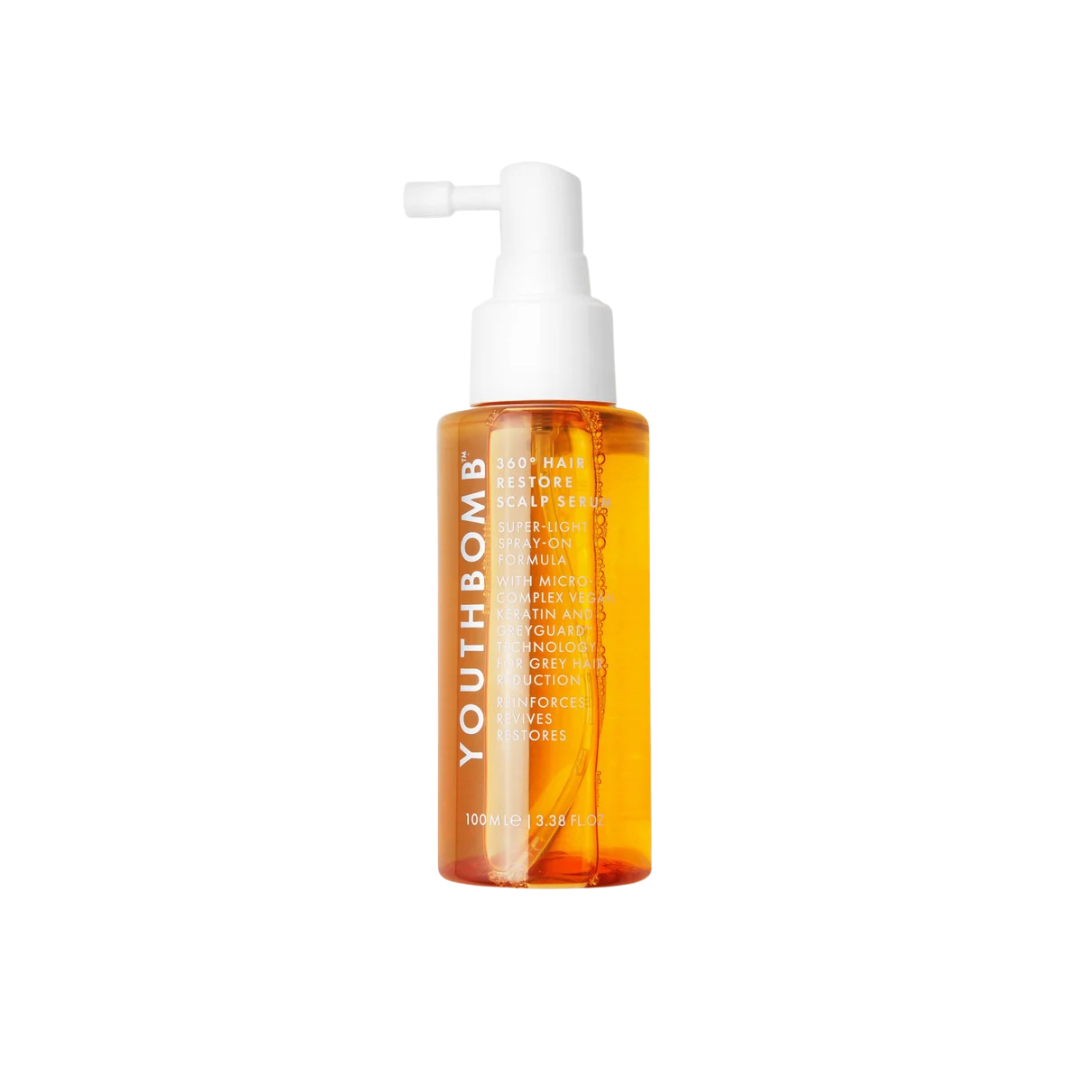
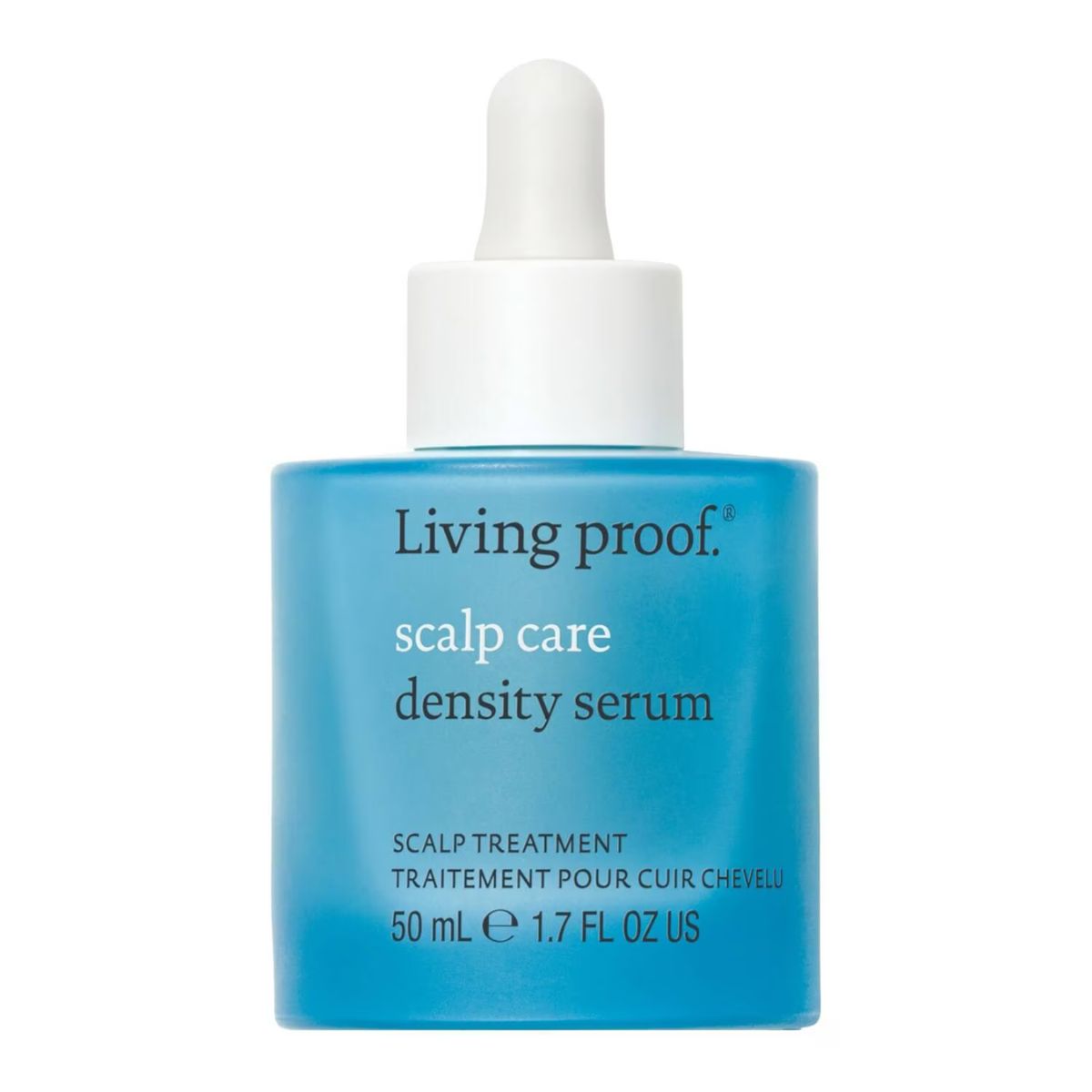
Ron McLaughlin, SVP of R&D at Living Proof, explains: “Our Anti-Grey Complex combats greying through a blend of amino acids and potent antioxidants to help protect pigmentation against oxidative stress and maintain your natural colour.
“Scalp Care Density Serum doesn't simply mask greys; rather, it works synergistically with your natural pigmentation process. The product is intended to protect against new grey hair growth. As grey hair becomes more visible, it gets to be very difficult to reverse that process. The product is best used as a proactive preventive measure prior to having a high degree of greying.”
The Experts' Honest Opinion
Given these innovative serums don't tend to be cheap (K18's will set you back £110 per bottle), it's worth understanding how they really work. These products are impressive given their technology and forward-thinking approach to haircare, but I wanted to ask top trichologists whether they had limitations.
Generally, the trichologists I spoke with agreed that while not part of specific clinical terminology, 'hair longevity' as a concept has weight. "Hair longevity is essentially a preventative approach to hair and scalp health. It means supporting the follicle and scalp environment so that hair can remain healthy, dense and pigmented for as long as possible," says trichologist Kate Holden. "There is some genuine biology behind the concept, because ageing, oxidative stress, inflammation and environmental damage can all affect the hair follicle."
This is where serums like K18's and Living Proof's come in: both largely work by targeting new greys before they form, rather than completely 'reversing' ones that already exist. For this reason, they're perhaps best seen as preventative topical measures designed to help slow or delay the appearance of new greys, rather than treatments for grey hairs that have already formed.
"There is emerging research into ways of supporting the pigment-producing cells within the follicle, particularly by reducing oxidative stress and supporting melanin production. So, in theory, a product could potentially delay or reduce the appearance of new greys, but that is very different from reversing established grey hair. K18 FutureIQ and Living Proof's Density Serum are interesting because both are targeting mechanisms associated with pigmentation and oxidative stress," explains Holden.
"New ingredients/blends are being made each year. Potentially, if you start to use a product before you get greys, you may potentially slow down premature greying," adds Anabel Kingsley, Lead Trichologist and Brand President at Philip Kingsley, and author of Haircare: The Ultimate Guide.
Holden does remind shoppers, however, to take impressive brand stats with a slight pinch of salt. "K18 reports fewer visible greys after 12 weeks, while Living Proof reports a reduction in new grey hair growth in its 90-day study. However, these are small, brand-led studies, so I'd like to see more independent research before calling either a proven anti-grey treatment."
Marta Teixeira, Prescribing Clinical Trichologist for Polytar and NHS Dermatology Specialist Nurse, agrees: "When you see numbers like 'up to 70% fewer greys' or 'up to 19,000 more hairs,' read them carefully: they tend to come from the brand's own study rather than peer-reviewed data; 'up to' means best case and retaining hairs, meaning less shedding, [which] is not the same as growing new ones."
The point is not to view these serums as a 'one-stop-shop' for zero grey hairs, or as a way to completely banish existing greys. They're also best used alongside a well-rounded, holistic approach. "Stress management and eating an antioxidant-rich diet are the most helpful things you can do. If you have a deficiency [which you can get tested for at the doctor/through visiting a trichologist] that is causing your hair to turn grey prematurely, taking a supplement that addresses that deficiency can also help," notes Kingsley.
Going grey is also a natural part of ageing and never something to feel shame over. These serums are great additions to your daily haircare routine for overall scalp and hair health, and for helping you feel your best, most confident self. But taking steps to delay greying is a personal, optional choice, not an 'essential' one!
And, concludes Teixeira, "if you would rather cover your greys, colour does that beautifully, so please do if it makes you feel more like yourself. Keep them or dye them, whichever you love. Either way, you are not fixing a fault, because there is nothing wrong with your hair and nothing wrong with you."
from Latest from Marie Claire UK https://ift.tt/DZzrqMp
via IFTTT

No comments:
Post a Comment