If you have PMOS, you’ll know it doesn’t exactly do neat boxes. Or predictable symptoms. Or, frankly, much else by the book.
One diagnosis can come with a million ways to experience it. One woman might be dealing with unpredictable periods and fertility difficulties; another with acne and unwanted hair growth; someone else might be quietly navigating insulin resistance or changes in weight. And yes, you can have several of these going on at once.
It’s also part of what makes PMOS so frustrating to diagnose and treat. There isn’t one neat symptom checklist, one magical blood test or one universal treatment that works for everyone. What helps one woman can leave another wondering what all the fuss was about.
But new research could be about to change the way we think about the condition altogether.
A team at Shandong University in China, alongside an international group of researchers, has identified four distinct biological ‘subtypes’ of PMOS - each with its own pattern of hormonal and metabolic characteristics.
The important bit? Researchers aren’t suggesting there are suddenly four new diagnoses to add to your medical records. What they are suggesting is that PMOS may never have been one singular condition in the first place. Ladies, we know that matters. Because when your symptoms have felt confusing, inconsistent or even dismissed, having an actual biological explanation for why your experience looks different from someone else’s could be hugely validating.
Dare I say it, but it could also mark the beginning of something women with PMOS have been waiting a long time for: treatment that recognises the individual, rather than simply treating the diagnosis on your chart. Knowing the subtype you’re dealing with could help make sense of why your body is behaving the way it is - and, in time, could change how those symptoms are treated, too.
So, perhaps the future of PMOS isn’t about finding one answer for millions of women. It’s about finally recognising that there was never supposed to be just one.
For more, keep scrolling - and don't miss our guides to the science-backed PMOS treatments, nutritionist-approved PMOS supplements, and why PCOS has changed its name to PMOS, here.
PMOS Isn’t Just One Condition - and That Could Explain Why Diagnosis Is So Complicated
The Different Types of PMOS
If you’ve ever looked at another woman with PMOS and thought, Hang on, how can we possibly have the same condition? Rest assured, your version of PMOS is no less real.
That’s something Dr Emily Jackman, a GP who also has PMOS herself, understands both personally and professionally. “One of the biggest challenges with PMOS, formerly known as PCOS, is that it can look incredibly different from one woman to another,” she explains. “Someone might predominantly experience irregular periods or fertility difficulties, while someone else may struggle with acne, excess hair growth or metabolic issues such as insulin resistance, and there can be considerable overlap between these features.”
And that variation can make diagnosis feel like something of a postcode lottery. There’s no single symptom, blood test or presentation that neatly announces this is PMOS. Instead, women can arrive with completely different combinations of symptoms - some of which can overlap with other conditions, while others may be dismissed altogether.
For Jackman, that isn’t just something she sees in the consulting room. “I have PMOS myself and, when I initially sought help, I didn’t necessarily fit what was perceived to be the ‘typical’ picture, so my concerns were initially dismissed.”
If we’ve spent years squeezing women with PMOS to fit one “typical” picture, perhaps the problem is the picture. “The recent change in name from Polycystic Ovary Syndrome to Polyendocrine Metabolic Ovarian Syndrome reflects our evolving view of this as much more than an ovarian condition. This research feels like another important step in that direction, recognising the huge variation within PMOS rather than expecting everybody with the diagnosis to look the same.
The Four PMOS Patterns: What Type Do You Have?
There was no deciding upfront what the four PMOS patterns should look like - the data got to do the talking. Researchers analysed nine clinical characteristics in 11,908 women, using a statistical technique called “unsupervised clustering” to see which patterns naturally emerged.
And, interestingly, four did.
Dr Giuseppe Aragona, GP and medical adviser, helps break down what actually sets these four patterns apart - and could one help make sense of your PMOS?
1. The androgen-heavy patterns
Think: acne, excess hair and hair thinning.
“This was the group where androgens - including testosterone and DHEA-S - were the loudest signal,” says Aragona, "it most closely reflects the PMOS many people instinctively picture: acne, excess facial or body hair and scalp hair thinning."
2. The Metabolic pattern
Think: weight, insulin and blood sugar.
“Here, weight, insulin and blood sugar were the giveaway. Women had higher BMI, fasting glucose and insulin, alongside the highest rates of type 2 diabetes, dyslipidaemia and hypertension,” says Aragona.
However, he stresses that this doesn’t mean obesity causes PMOS - or that lean women can’t have insulin resistance. It means these metabolic problems are clustered together in this group.
3. The quieter hormonal pattern
Think: a leaner profile and fewer metabolic red flags.
“Women in this group had higher SHBG - a protein that affects how much testosterone is available in the body - alongside lower BMI and testosterone levels. They also had the lowest rates of diabetes and high blood pressure, with generally more favourable reproductive outcomes.”
TDLR: “Quieter” doesn’t mean symptom-free, just a different overall pattern.
4. The fertility-focused pattern
Think: hormones involved in ovulation and ovarian function (your ovaries holding on for dear life)
This pattern was strongly linked to ovarian and reproductive hormones. “Women in this group had higher LH and AMH - hormones involved in ovulation and ovarian activity - as well as higher FSH.”
And that hormonal picture seemed to matter when fertility treatment entered the picture. As Aragona notes, this group had the highest risk of ovarian hyperstimulation syndrome (OHSS) and the lowest rate of PMOS remission.
What This Could Mean for Your Symptoms - and Your Treatment
I hear you: what does this actually mean if you have PMOS?
For starters, it could help explain why your experience looks so different from someone else’s. “One woman might have significant acne, excess hair growth or thinning, while another with the same diagnosis struggles mainly with insulin resistance, weight or fertility. The research suggests those differences may reflect underlying biological patterns - rather than PMOS simply being one condition that happens to look different from person to person,” says Aragona.
But the bigger question is: could this eventually change how we treat it?
And that, ultimately, is where Aragona sees the real promise: “Excitingly, I see this research potentially paving the way towards more personalised care rather than changing what we do in the consulting room immediately.”
As we speak, treatment is already guided by what you actually need - whether that’s managing irregular periods, trying to conceive, tackling acne or unwanted hair, or reducing metabolic or cardiovascular risk. However, Aragona hopes that, with this research, your symptoms could be combined with a handful of blood tests and other health markers to build a much more precise picture of your PMOS.
That could mean knowing which risks to watch more closely, which treatments are more likely to help, and potentially even how fertility treatment should be tailored to you.
There is one important reality check, though - and Aragona is keen to make it. “We’re still firmly in the research phase. This isn’t a new NHS test or treatment pathway just yet. But it could be an intriguing first step towards something more personalised.”
My take: I’d argue that one of the most important takeaways is that PMOS may be far more individual than diagnosis suggests. The next step is finding out whether understanding those differences can actually help treat women better.
The More We Know, The More We Can Ask For
If there’s one thing diving into this research has reinforced for me, it’s this: the more we understand our own bodies, the more powerful we become in advocating for them. Living with a chronic condition can sometimes feel like handing over the expert status to everyone else - the GP, the consultant, the blood test, the diagnosis. But understanding what’s happening inside your body gives you the confidence to ask better questions, push back when something doesn’t feel right and have a more informed say in your care.
Knowledge won’t magically fix PMOS. But it can give us something important: agency. And if this research ultimately helps move us towards care that recognises just how different our experiences can be, then perhaps understanding our bodies won’t just help us live with PMOS - it’ll help us demand better from the system treating it.
Shop MC UK's female health favourites:
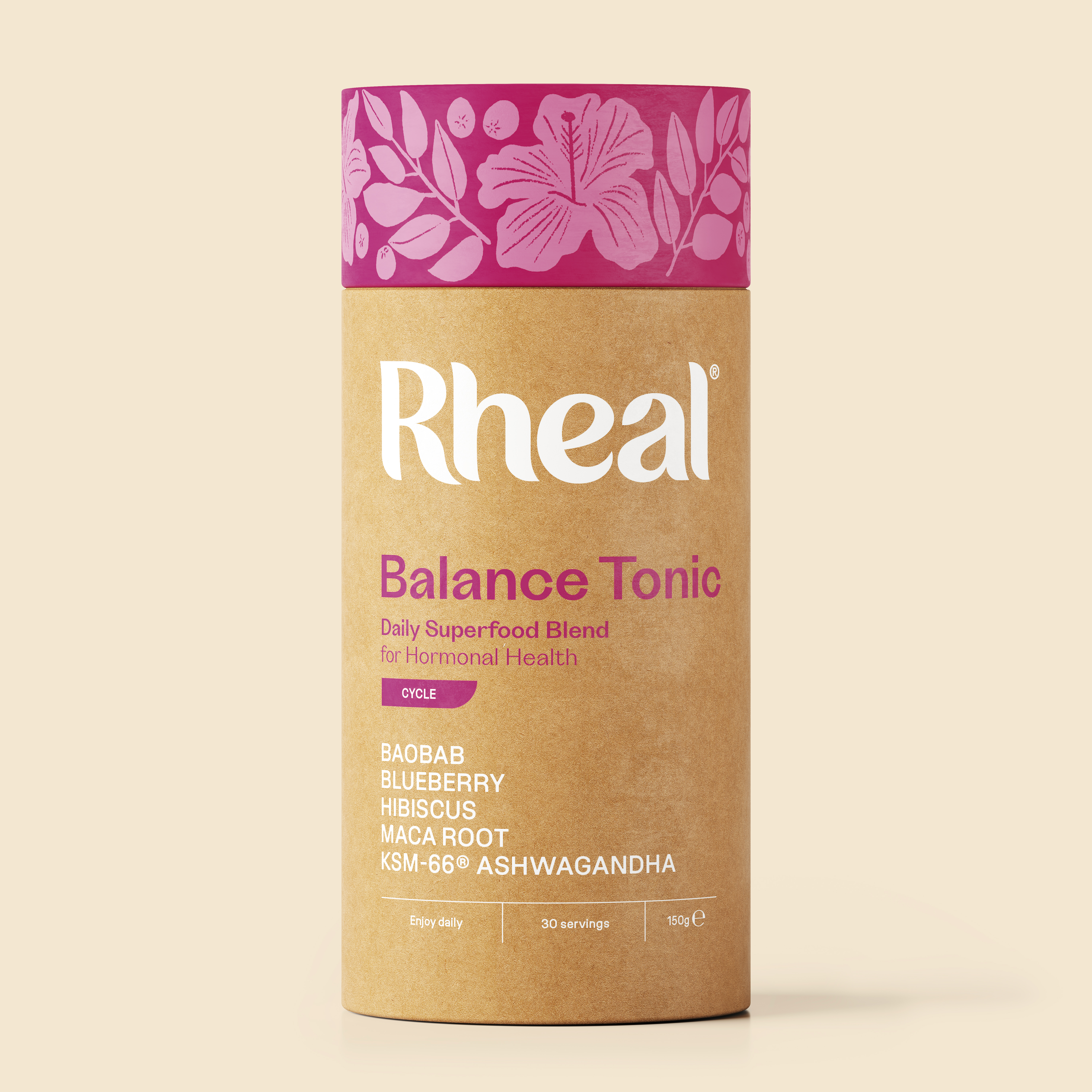
PCOS doesn’t exactly make “finding your balance” feel straightforward. Rheal’s Balance Tonic is designed as an easy daily ritual, blending superfoods with KSM-66 ashwagandha, an adaptogen traditionally used to support the body’s response to everyday stress. I personally stir mine into water, smoothies and yoghurt when I want a little wellness ritual that feels… achievable.
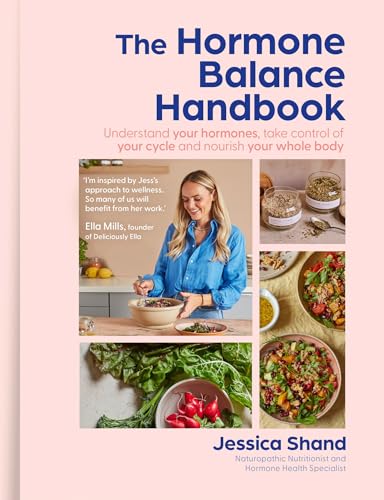
Consider this your “OK, but what can I actually do?” handbook. Jessica Shand’s The Hormone Balance Handbook takes the often overwhelming world of hormones and turns it into something a little more practical, with 75+ recipes, cycle syncing guidance and a 28-day hormone balance meal plan. It won’t magically sort out your PCOS - nothing in a book can - but it offers an approachable way to understand your cycle and build some hormone-conscious habits into everyday life. A useful place to start.
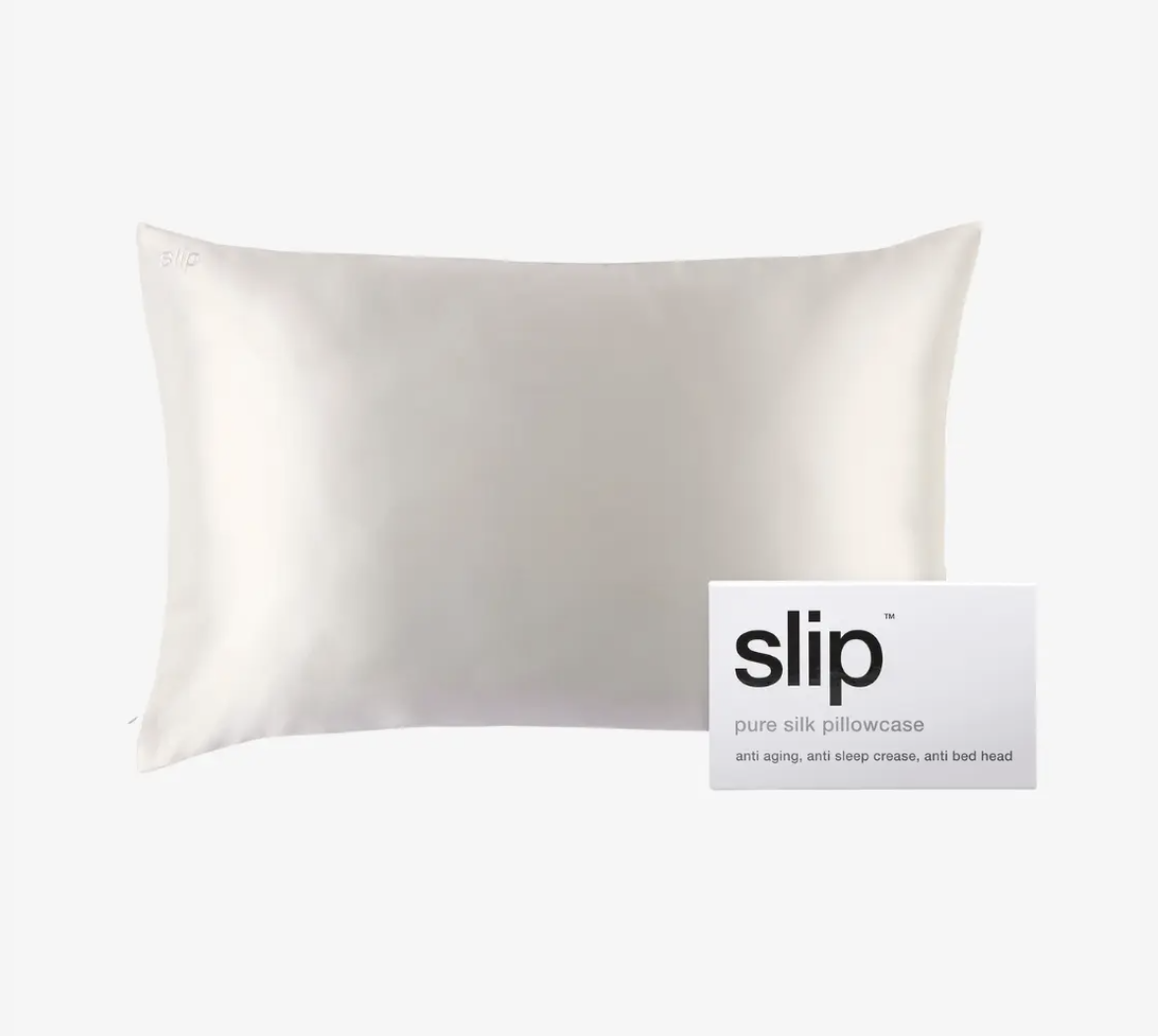
If your hair and skin are already having a complicated friendship with your hormones, you may as well make bedtime a little kinder to them. A silk pillowcase creates a smoother surface for your hair and skin while you sleep - less miracle cure, more tiny luxury.
from Latest from Marie Claire UK https://ift.tt/4Kbmzs9
via IFTTT

No comments:
Post a Comment