Think wellness is overcomplicated? Often, us too. Between supplements, sleep, nutrition, workouts and more (don't even get us started on the everything-maxxing trend), it's safe to say that the noise is getting ever louder - making it almost impossible to know what's really worth investing our time, money and energy into.
But one thing's for sure: our wellbeing absolutely deserves our time and attention. Far from being simply a nice-to-have, research shows that wellness permeates our entire lives, being an important predictor of physical health, longevity, and even how well we recover from illness and injury (not convinced? Take a look at this study, published in the journal Affective Science). And it's not jus tab out physical health, either, as further studies (like this one, from the journal Nature) reveal that wellbeing can even impact factors such as financial stability and resilience.
So, how can we prioritise wellbeing without being sucked into an expensive, all-consuming (and, arguably, self-sabotaging) vortex of money-making metrics? The solution, it appears, is simpler than you might fear: enter, low-effort wellness habits. That's right, we're talking wellbeing boosts that (ideally) take only a few minutes of your time - and, for the most part, are entirely free. And the best bit? Performed consistently, they can radically improve your energy, mood and focus.
Intrigued? Keep scrolling for the best expert-backed wellness habits to try today - you can thank us later. And if (like us) you're low-key obsessed with all things wellbeing-related, you might want to check out our guides to using friendship as a health tool, the warning signs your wellness habits are making you financially sick and everything you need to know about the soft hermitting trend - plus, find out how one Health Writer got on when she tried to be more optimistic for a month, here.
Low-Effort Wellness Habits Could Be the Key to Boosting Energy, Mood and Focus–Here Are 9 Expert-Backed Tricks To Try Today
What are low-effort wellness habits?
First up, let's take a look at exactly what we mean by low-effort wellness habits. You'll be pleased to hear that they're literally what they say on the tin: designed to be low-effort, yet high-reward.
“Low-effort wellness habits are small, achievable actions that support our mental or physical wellbeing without requiring lots of time, money or motivation," explains Yetunde Bankole, head of mental health and wellbeing at Vitality. "They could be as simple as stepping outside for a few minutes, drinking a glass of water, stretching between meetings or putting your phone away while you eat.
"The key is that they’re easy enough to realistically fit into everyday life. Looking after our wellbeing doesn’t always need to involve a complete lifestyle overhaul - small actions can help us feel better in the moment and, when repeated, become useful parts of our routine.”
What are the benefits of low-effort wellness habits?
We get it: you're wondering how a few simple moments can really make that much difference, right? Well, hear this: experts endorse just five minutes (count 'em!) spent stepping away from your everyday life for boosting overall wellbeing, resilience, mood, energy and more.
"I think wellness has tended to become really quite complex, and actually, at its best, it is probably incredibly simple," shares private GP and co-founder of Coyne Medical, Dr Lucy Hooper. "Some of the simplest things in the world are the things that get us feeling better the fastest: going outside, moving our bodies, reading our books, stroking a dog, or just spending time talking to the people we care about."
Let's dig in to the detail.
1. They're accessible
This is the big draw of the low-effort habit idea (let's not call it a trend - we're hoping it's far more than that!): it's eminently achievable for pretty much everyone.
"The biggest benefit is that they feel realistic," agrees registered nurse-turned-entrepreneur Cassandra Sonma Ukaoba (Cass Uk). "You don't need to completely change your life overnight. Small actions, repeated consistently, can help you become more aware of your energy, mood and stress levels. They can also help us move away from waiting until we are completely exhausted before taking care of ourselves. Prevention is always better than reaching the point where your body is forcing you to stop."
2. They encourage consistency
“Whatever you're prioritising in your wellness, whether it's walking or drinking more water, you'll achieve your goals faster if you're consistent, rather than boom or bust, boom or bust," shares Gemma Bray, aka The Organised Mum and author of The Organised Mum Method. "Motivation is really fleeting. I think of it like a little flame that ignites your will to do something, and it comes and goes, it doesn't stay around. It's momentum that helps you build a habit.”
3. They promote self-awareness
You know what they say: prevention is better than cure, and never more so than when it comes to wellness. A few daily habits allow us to check in with ourselves on a regular basis, and might help issues from building up.
"Low-effort wellness habits can help us become more aware of how we're feeling," agrees Madalaine McCarthy, women’s health and fertility acupuncturist and founder of Yin Space. "Rather than waiting until we're completely exhausted or overwhelmed, we can use small moments throughout the day to pause, check in with ourselves and respond to what we need. The idea of regular, gentle support is important. We don't necessarily need to wait until something feels significantly out of balance before taking care of ourselves."
4. They boost focus and productivity
Focus and productivity might not necessarily be terms you immediately associate with wellness, but think how good you feel when you manage to tick off those small wins first thing in the morning, and tell us that's not wellbeing.
"There are also practical benefits to low-effort wellness habits," agrees McCarthy. "A short walk can provide a change of environment, gentle movement and a break from screens. A few minutes of breathing can help us pause before moving on to the next task. Acupressure can provide a moment of physical focus and relaxation.
"This being said, it's important not to overstate what these habits can do. They are complementary wellness tools, not substitutes for medical care, adequate sleep, a balanced diet or professional support when it's needed. However, they can be useful additions to a broader approach to wellbeing."
Expert-backed low-effort wellness habits to try today
1. Walking in nature
Surely the simplest wellbeing win of them all, stepping outside is an instant mood-booster - even if it's just to your garden/terrace/front door step - and if you combine this with a walk (however brief), so much the better.
"Movement is the single most useful thing you can do for strength, mood and heart health, particularly in midlife, and it does not require planning," notes Dr Shashi Prasad, specialist in integrative women's health at The Marion Gluck Clinic. "Additionally, if you have the chance, combining movement with mindful time in green space lowers stress hormones, reduces blood pressure, and boosts immune function and it gives you a genuine break from the demands of the day."
2. Breathwork
When in doubt, the experts all agree: focus on the breath. A key principle in many wellbeing practices, simple breathwork really can shift your whole body (and mind) from stressed to soothed in a remarkably short space of time.
"Slow diaphragmatic breathing is one of the most wellness powerful tools available - even just a minute can reduce physiological stress markers," shares Dr Tom Maggs, chief medicial officer at Healthwords. "This is because focusing on the body through breath deliberately encourages the parasympathetic system to activate, as deep, controlled breaths stimulate the vagus nerve.
"Box breathing (inhaling, holding, exhaling and pausing for four seconds each) is an easy way to start, creating a predictable rhythm that calms the body quickly and reliably."
3. Connection
We've said it before, and it remains true: our friendships quite literally make us healthier.
"Social connection is so important for our brains," shares Dr Hooper. "A lack of connection has been shown to impact both mental and physical health, even increasing our risk of dementia. Spending time talking with friends or family, even just a five-minute conversation, is vital for our wellbeing."
Take this as permission to get that girl's night out of the group chat.
4. Grounding
"Grounding techniques can be so effective for boosting wellbeing," shares Bankole. "Simply taking a moment to notice what you can see, hear and physically feel around you can bring your attention back to the present.
"This grounding technique is particularly useful because it is you telling your brain that there is nothing threatening in your immediate environment. You engage your senses to communicate that you're safe, in order to interrupt that stress response and invite calm."
5. Progressive muscle relaxation
"When stress builds, simple evidence-based techniques can bring the body's immediate stress response down," explains Dr Glenn Mason, consultant counselling psychologist at Onebright. "Practice them when you are calm, so they are easy to reach when you are not.
"Progressive muscle relaxation targets the physical side of anxiety. Tense and release each muscle group in turn, starting with your shoulders, arms and hands before moving down to your legs and feet, holding the tension for a few seconds each time before letting go."
6. Reading
"I read every single day, and I think it is one of the most underrated things for relaxation," shares Dr Hooper. "You can read a book anywhere and, in a few minutes, be taken somewhere completely different in your mind. It can even create that little bit of holiday vibes in everyday life and give our brains a break from work and screens."
7. Spending time with pets
Animal lovers, listen up: hanging out with our pets is great for our mental health.
"Spending time with animals is very calming and has been linked to reducing stress, possibly via the release of oxytocin, our so-called love hormone," says Dr Hooper. "Stroking a cat or a dog also encourages us just to take a moment to stop, slow down and focus on something outside of ourselves, which is really therapeutic."
8. Single tasking
Forget everything you've been told about multi-tasking: it's really not the flex we've all been led to believe, when it comes to mental wellbeing. Whatever wellness habit you've plumped for - focus on that, and that alone.
"One of the biggest messages is actually just to focus on doing one of these things at a time," advises Dr Hooper. "So, if you are taking that walk through a park or by the river, try to do it without checking your social media or emails, because you might then lose the benefits of that mental break. Even if it’s just five minutes, giving your mind a break will pay dividends."
9. Gentle stretching
Perfect for those of us who spend much of the day sitting at a desk, building gentle movement into your routine has so many benefits.
"Gentle stretching is another super option for enhancing wellbeing, particularly if you’ve been sitting at a desk or holding physical tension in your shoulders, neck or jaw," says Bankole. "You're acknowledging without judgement what is going on physically for you, we can hold that stress tension in our bodies physically without noticing. By noticing it, we can support ourselves through that mind body connection and gentle stretching helps us to release that tension at least physically.”
Shop MC UK's go-to wellbeing essentials now:
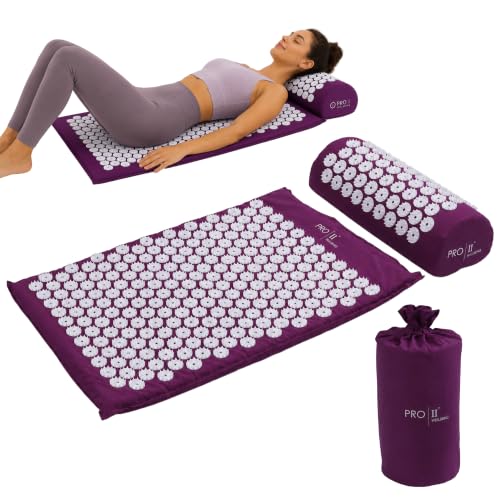
Can't get to an acupuncturist once a week? Try an at-home wellness win with an acupressure mat. Perfect for chilling out after WFH, while you're streaming your favourite show, or as part of a soothing bedtime ritual.
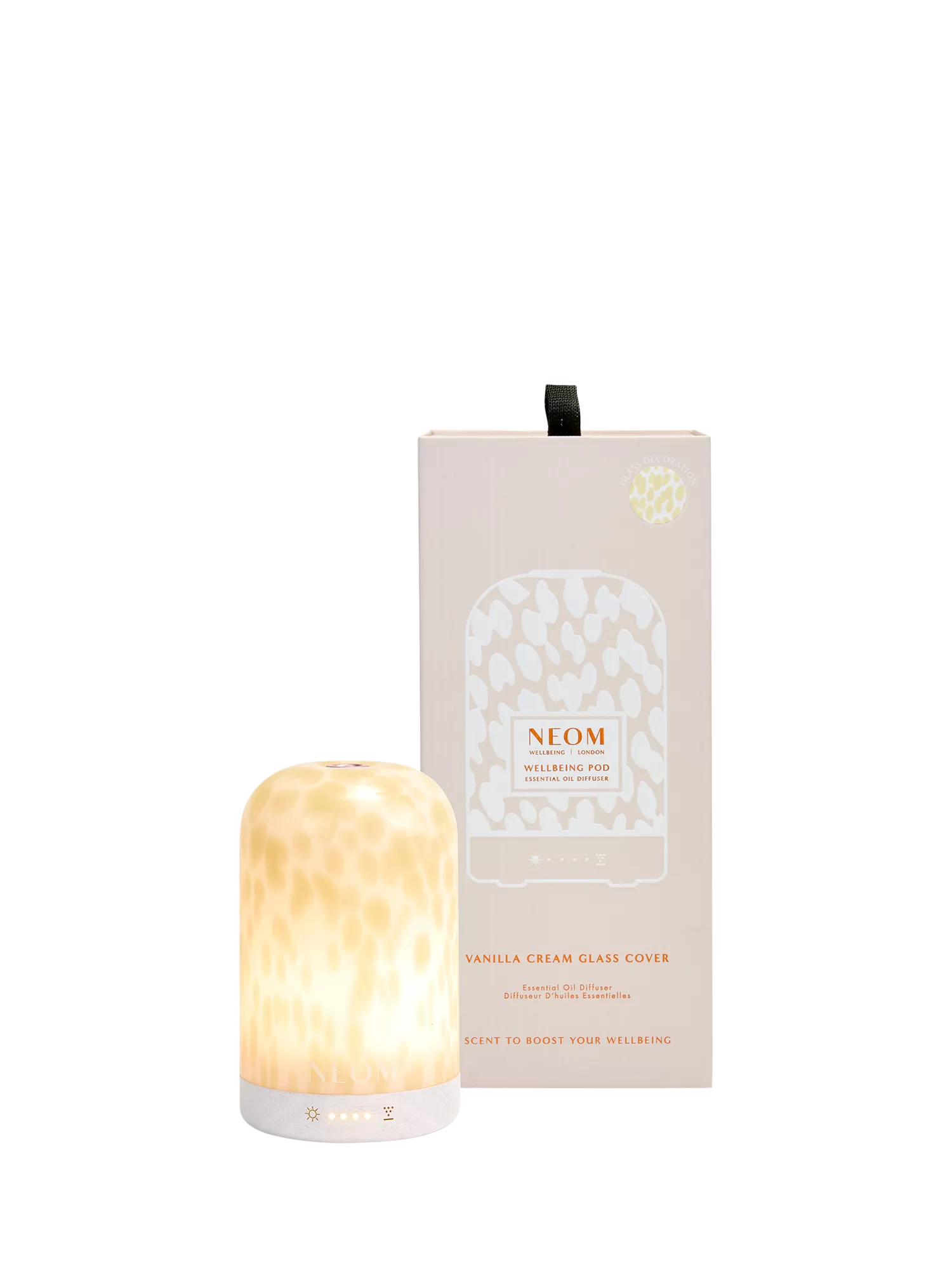
Treat your olfactory system with a diffusing wellbeing pod from Neom. Choose from a range of scented essential oils to relax, invigorate or energise as you wish. And breathe...
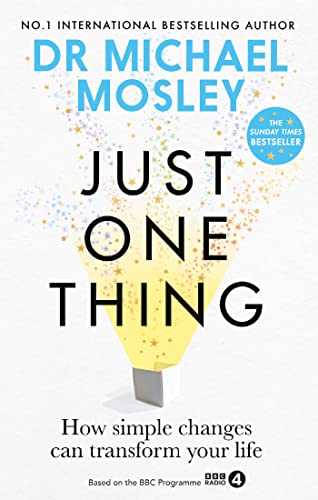
Still can't quite switch off? Don't beat yourself up - turn to this self-help manual for guidance on how simple tweaks can help boost wellbeing. Plus, spending a few moments reading is great for all of us.
How often should we be building low-effort wellness habits into our day?
The objective here isn't to give you yet another chore to tick off your to-do list - quite the opposite. So, how often should we be prioritising these wellbeing breaks? You might be pleasantly surprised by the answer.
“According to a recent study, over half of UK adults (56%) say they’re too busy to spare five minutes for emotional wellbeing," shares psychologist Suzy Reading. "But the solutions don’t need to be complicated or time-consuming. Even the smallest steps can make a genuine difference – and it’s not just about the obvious foundations of sleep, nutrition and exercise. My mantra is that self-care is health care, and it can be as simple as finding tender, tiny pauses in your day to restore balance and calm.”
from Latest from Marie Claire UK https://ift.tt/gb6spht
via IFTTT

No comments:
Post a Comment