Beauty insiders, biohackers and longevity enthusiasts are going crazy for copper, more specifically, GHK-Cu, a copper peptide linked to everything from wound healing and collagen production to thicker, healthier-looking hair. From supplements and serums to creams and injectables, you may have noticed it all over your social feeds. But despite the sudden surge in popularity, it’s actually not a new ingredient. So, with that in mind, is it really the Wunderkind everyone’s claiming it to be? We spoke to the experts to find out…
GHK-Cu explained
When it comes to peptides, “think of them like keys that open up different locks,” shares Dr Omar Babar, medical director at Healand Clinic. “Each key latches onto a specific lock aka a receptor in the body, and unlocks a specific process like making collagen, repairing tissue, releasing a hormone, and so on," he adds.
GHK-Cu is a naturally occurring peptide made up of three amino acids—glycine, histidine and lysine—which binds to a copper ion, forming a compound the body uses as a repair signal. When our tissue is damaged, GHK-Cu gets to work by stimulating collagen production, calming inflammation, and signalling cells to regenerate.
As we age, our natural levels of GHK-Cu drop significantly. "By boosting it, you're allowing the skin to do what it's naturally supposed to be doing: stimulating repair mechanisms and supporting its own healing properties," explains Babar. So, it makes sense that there’s so much interest in replenishing natural stores through serums, supplements and injectable protocols.
GHK-Cu skin benefits
GHK-Cu signals fibroblasts (the cells responsible for producing collagen and elastin) to ramp up production. It also functions as an antioxidant and anti-inflammatory agent. This makes the peptide quite unique. As Alejandro Saldarriaga, head of applied research at DECIEM, explains, they “support several aspects of healthy-looking skin rather than focusing on a single visible concern.”
And according to Dr Charlie Cox, longevity doctor at longevity hospital Reborne, “the topical skin evidence is the most solid data when it comes to the effectiveness of GHK-Cu, as studies show an improvement in firmness, texture, tone and fine lines.”
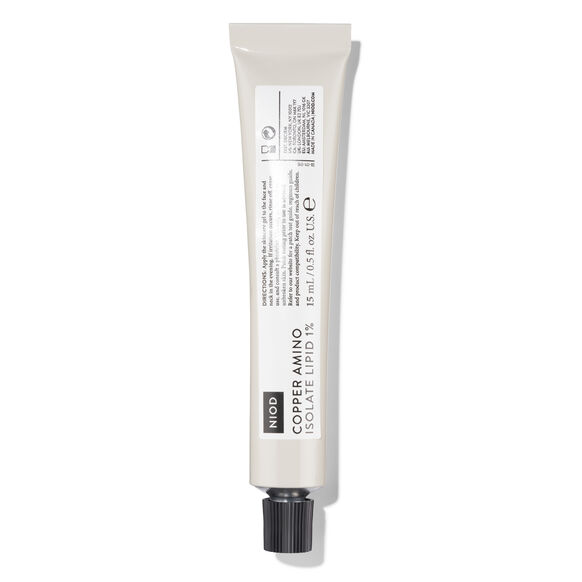
Take the stats on the NIOD Copper Amino Isolate Serum 31:1, for example. A lightweight, water-based serum designed to support overall skin quality, including firmness, elasticity, smoothness, and radiance. Studies found that twice-daily use of the product for 12 weeks visibly repairs multiple types of facial wrinkles, including crow's feet, nasolabial folds, marionette lines, forehead lines, and glabellar wrinkles. It also showed significant improvement in skin tone evenness at four and eight weeks, and in elasticity at four weeks.
It’s impressive, which is why it’s being compared to the gold standard ‘skin perfector’ retinol, as it offers similar results despite GHK-Cu being far more tolerable for sensitive or reactive skin types. "Retinol works by accelerating the skin's renewal processes, while copper peptides support the skin's natural repair and renewal mechanisms. For some individuals, this can make copper peptides a valuable alternative or complement to retinoids, particularly when skin comfort and tolerability are important considerations," says Saldarriaga.
What GHK-Cu does for hair
People across social media have been raving about the impressive hair growth they’ve noticed while using GHK-Cu, especially when injecting the stuff (more on that later). In theory, it makes sense that this copper peptide could “help improve blood supply to the follicle, support tissue repair, and prolong the hair growth phase,” explains Hannah Gaboardi, trichologist and founder of The Hannah Gaboardi Clinic. And that’s because GHK-Cu activates the Wnt/beta-catenin signalling pathway (the biological mechanism that pushes follicles from their resting phase back into active growth), while also reducing inflammation around each follicle, which over time can shorten the growth cycle, as well as contribute to strands growing back finer and weaker.
The copper peptide might also be helpful in treating telogen effluvium, the type of diffuse shedding triggered by stress, illness, surgery, hormonal changes, nutritional deficiencies or significant weight loss. While it doesn't address the underlying trigger, "by supporting cellular signalling, reducing inflammation and promoting scalp health, it can complement a treatment plan focused on correcting the root cause," says Gaboardi.
She stresses that this caveat matters, as "peptides alone are unlikely to resolve telogen effluvium if the underlying trigger remains unaddressed. The most important step is identifying and correcting the cause, whether that is low iron, vitamin deficiencies, thyroid dysfunction, stress or hormonal changes." The same logic applies to androgenetic alopecia. Since GHK-Cu has no effect on DHT - the hormone that drives this common form of female hair loss - it can't be used as a substitute for treatments that target DHT directly like minoxidil.
“Since it's relatively new, we don't have enough long-term research compared to the likes of minoxidil or other DHT blockers, or even in-clinic treatments like PRP," notes Gaboardi. So, realistically, where it is likely to genuinely help is with diffuse thinning, post-damage recovery, weakened strands, and a compromised scalp environment—as we do know it supports the conditions needed for healthy growth.
Delivery methods decoded
Bioavailability, which is essentially how much of an active actually reaches your bloodstream or target tissue, varies wildly depending on the delivery method. "Anything taken orally, only 20 to 40 per cent will get absorbed into the bloodstream as the rest gets destroyed in the stomach. When injected beyond the skin barrier and into the tissues, you get the highest bioavailability of all—anywhere from 90 per cent all the way up to 99 per cent. And then topicals sit somewhere in between, with absorption varying depending on the size of the molecule," shares Babar.
For most people, topical application of GHK-Cu purchased from a reputable source, paired with microneedling, is the most accessible and the safest avenue. The micro-channels created by the tiny needles improve penetration, so you increase bioavailability without the need for injection, which is where things get considerably murkier.
A word on injectable peptides
A huge and largely unregulated market has emerged around injectable peptides, with most bought directly online - think longevity compounds, tanning agents, and recovery aids. “The GLP-1 boom is largely responsible. As many of these compounds aren't new discoveries, they were researched decades ago and shelved, sometimes for commercial reasons, sometimes simply because society wasn't ready for at-home injecting. But the popularity of weight-loss jabs has made self-injecting completely normal for millions who'd never previously considered it, and that comfort has spilt over into peptides. A whole industry is now poised to launch because of the normalisation of self-injecting,” reveals Babar, who offers a range of ‘for research purposes only’ peptides at his clinic.
‘Research purposes’ is the key here, as GHK-Cu and other popular peptides “don’t hold a marketing authorisation, so they cannot lawfully be sold or marketed for human use,” reveals Cox. They can be used by an individual for research purposes, but the risk is that, as of yet, we don’t have the same clinical trial data as with the likes of Ozempic and Mounjaro. Meaning injectable peptides can be risky business, as most people buying peptides online have absolutely no idea if what they’re taking is legit.
“We literally spend thousands of pounds testing and vetting our peptides before you can actually use them for clinic purposes. But that’s not the case for a lot of the suppliers people buy from. God knows where they're produced, in what conditions, how they're being stored, and how they’re shipped from country to country,” says Babar.
Whether it’s GHK-Cu or another peptide, the biggest risk has very little to do with the molecule itself and everything to do with what you're actually injecting. In recent years independent testing of consumer peptides bought online has repeatedly found a significant proportion failing basic quality checks, with live bacteria, heavy metals and bacterial endotoxin (which can cause serious illness and even death) being present in samples.
Even if your peptides are the real deal, they could be dangerous for your health. Take Melanotan, a synthetic peptide that mimics the hormone that stimulates melanin production, pushing pigment-producing cells to work harder for a faster, deeper tan without time in the sun. The skin cancer risk can’t be ignored, as “people have reported existing moles becoming darker, new freckles or moles appearing and changes in pigmentation,” shares Dr Ahmed El Muntasar, GP and founder of The Aesthetics Doctor Clinic. He advises against using melanotan, noting that “any change in a mole is something we take very seriously because it can potentially make it harder to identify early warning signs of melanoma.”
Is GHK-Cu worth a try?
When it comes to using GHK-Cu topically on the skin, the answer is a resounding yes. However, “consumers should also be aware that not all copper peptide products are made equal. The form of the peptide, the amount used, and the surrounding formulation can vary considerably from product to product,” warns Saldarriaga.
As for our hair, the science is plausible, but the proof isn't there yet, and it's no substitute for treatments that address hormonal hair loss directly. So, if you fancy giving it a shot, “prioritise reputable brands that provide clinical data, research and transparent ingredient lists,” shares Gaboardi.
And when it comes to injectable GHK-Cu, Saldarriaga points out that it’s worth remembering that “copper peptides have a long history of use in skincare, with origins in dermatology and medicine stretching back to the late 1980s. Whereas many injectable peptide protocols are still supported by a more limited body of evidence. As with any emerging area, it's important that growing interest is matched by continued research.” That might mean right now the risks outweigh the rewards. But if you’re keen to give it a go, be sure to source your injectable peptides through a properly vetted clinician rather than social media.
GHK-Cu products to try now
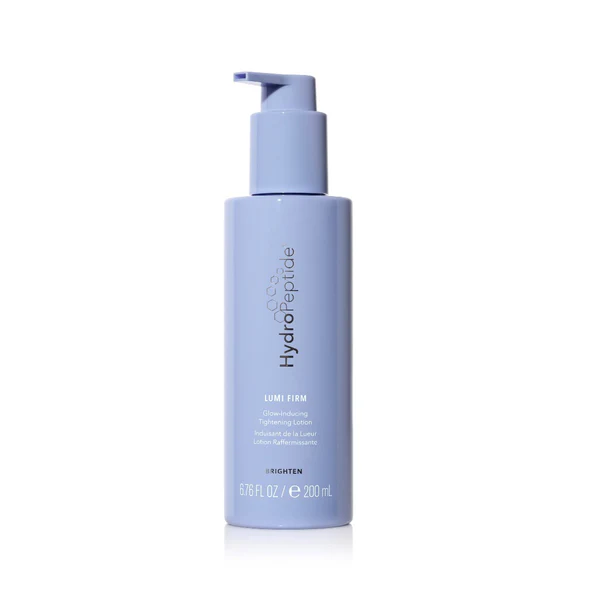
from Latest from Marie Claire UK https://ift.tt/njGScz5
via IFTTT

No comments:
Post a Comment