In 2026, a regulated nervous system is like a pot of gold. Something we're told (by some 1.2 million Instagram posts) exists at the end of the rainbow, but which, as far as I can tell, not many of us have found.
The conversation surrounding it, at least the one presented on social media, leaves me conflicted. On one hand, many of us are overstimulated. Chronically connected. Subject to incessant notifications literally designed to activate our stress response.
At the same time, the online image of what a regulated nervous system looks like is somewhat misleading. It’s presented as an inner serenity; an ability to remain unfazed and unrushed by modern life. To do everything slowly and mindfully.
Not only does this risk becoming unrealistic and alienating to those with full-time jobs, caregiving responsibilities, financial and social pressures, it’s also not what we should be striving for. Because as I learned from psychotherapist and nervous system specialist, David Cornwell, back in April, nervous system regulation isn’t the same as permanent calm.
In fact, our nervous systems are designed to adapt. To move regularly between high and low stress states. Cortisol, so often blamed for everything from disrupted sleep to inflammation and cardiovascular issues, has been shown by research to actually be good for us, in moderation.
Instead, what we should actually be seeking is balance between high and low stimulation. A life that allows us to move fluidly through the gears of activation and stress. And it’s this balance which most of us are missing.
It’s why I decided to start peppering my week with intentional moments of low-stimulation. From dedicated reading hours to phone-free walks and hand-washing dishes, these tiny moments of mindful disconnection have become the reboot I so desperately needed, improving my mood, energy and attention.
To understand why they’ve been so powerful, and discover what my last two months of low-stimulation have looked like, read on. And if a regulated nervous system is on your list of goals for this year, you might also want to read our guides to somatic healing, EFT tapping and vagus nerve tuning. Plus, neuro-somatic coach Eva Syti shares the six things that women with regulated nervous systems do differently to feel their best.
Stacking My Week With Low-Stimulation Moments Helped Me Feel Happier, Calmer and More Productive—Here’s Why
What is a low-stimulation moment?
A low stimulation moment is exactly what it sounds like. “It’s a period of time where you intentionally reduce the amount of information your brain has to process,” says nutritionist and hormone specialist Hannah Alderson, who refers to these moments as ‘cortisol calmers’ in her new book, Everything I Know About Cortisol.
“Many of us move from emails to WhatsApp, podcasts, meetings, social media and Netflix without ever giving our nervous system a chance to recover,” she explains. “Cortisol calmers (or low stimulation moments) create those small pockets of recovery that our biology has always relied on.”
Cornwell agrees. “Low stimulation activities help to shift our nervous system from the fight-or-flight, sympathetic state to the rest-and-digest state.”
What these low stimulation moments look like is up to you. “It could be sitting outside with a cup of tea, taking a walk without your phone, reading a book, ice face dunking, practising slow breathing or simply looking out of the window for five minutes,” says Alderson.
What are the benefits of low-stimulation moments?
Low-stimulation moments are essentially a buffer against burnout, which makes them crucial for long-term health, happiness and productivity.
“Think of your nervous system like the gears of a car,” says Cornwell. “If a car is climbing a hill, it needs to drop into a lower gear. If it’s on a motorway, it needs to move into a higher gear. We are the same. We have to be able to move flexibly between different states of the nervous system depending on our surrounding circumstances. If you’re always stuck in top gear, you will burn out.”
Alderson agrees. “We know that chronic stress isn’t a response to one stressful event - it’s a result of never switching off from the overload of the modern world. When we build in moments of recovery, we support the natural rhythm of cortisol, which we call the diurnal daily pattern.”
Both experts say that small moments, rather than big gestures, are what matter.
“A few intentional pauses throughout the day may be more beneficial than waiting until you're completely burnt out before taking a holiday,” says Alderson, who points to research which shows that as little as 10 minutes of time spent in nature supports parasympathetic nervous system activity.
What are the signs of over-stimulation?
If there’s one thing I’ve learned over the past year, it’s that our bodies really do speak to us, and that tuning into their frequency is one of the best things we can do for our wellbeing.
“Our bodies are remarkably good at letting us know when we've been living in ‘go mode’ for too long,” confirms Alderson, who shares the common symptoms of a body that’s craving some relief from stimulation.
- Feeling constantly wired but exhausted
- Menstrual issues, like disrupted cycles
- Struggling to switch your brain off, especially at night
- Feeling overwhelmed by small tasks that would normally feel manageable
- Snapping at loved ones or feeling emotionally reactive
- Reaching for caffeine, sugar or alcohol to get through the day
- Finding it difficult to concentrate or feeling mentally foggy
- Feeling guilty when you stop or rest
I’ve Been Building Low-Stimulation Moments Into My Week For Over A Month—And My Health and Happiness Has Surged
This latest bout of overstimulation was far from my first. It tends to creep up on me every few months when my workload increases and my boundaries around screentime slip.
Of course, it’s a vicious cycle. The more stimulated I become, the less energy I have to do things like read or go for a walk. All I want to do when the workday ends is scroll.
It’s why the introduction of low-stimulation moments had to be treated like a formal intervention—my own personal adult star chart, which began with limiting my screen time to working hours and starting to actually make use of my Waterstones rewards card.
Below, my favourite activities from the last two months.
Daily pages
Growing up, I was a total bookworm. Saturday morning trips to the library were a highlight of my week. And to this day, reading is one of the things I find most creatively energising and emotionally restorative.
Yet, when I find myself feeling frazzled, it’s the first thing to go. The idea of having to concentrate on the words in front of me just feels too taxing, so naturally I end up scrolling social media instead. Of course, that only leaves me more exhausted.
I’m sure plenty of you are nodding along, which is why, on day one of my low-stimulation challenge, I set myself a reading ritual. Every week, I gave myself a £10 allowance to buy a new book and committed to 20 minutes of reading, three times a day. The first slot is when I first wake up, in bed with a coffee. The second is after lunch before I reopen my laptop. And the third is last thing at night, when my phone has been put on charge outside the room.
Within days, this routine had become my favourite part of the day. I found it surprisingly easy to stick to. Always having a new book ready when I finished the one I was reading ensured that I never had empty time to fill with scrolling, and the low-stimulation start and ends to the day made an immediate difference to my sleep.
The best book I’ve read in the last two months? The Women by Kristin Hannah.

Watering the garden
One thing I’ve never been is green-fingered. I don’t have the patience nor the inclination to be a plant mum and have even been known to kill a cactus (impressive, I know).
But in the last few months I’ve been living with my dad, who is very proud of his garden. And since he splits his time between our house and his partner’s, it’s sometimes up to me to tend to the array of rose bushes, fig trees and wildflowers.
And you know what I’ve discovered? It’s actually really regulating. After dinner, when I’d usually slump in front of the TV, second-screening on social media, I take ten minutes to hang out with the plants. I like the sound of the water hitting their leaves and watching the soil turn from light to dark. It’s a moment where I’m absorbed in the job at hand, not distracted by the pull to multitask.
Phone-free walks
Movement is good for us - we know this. But sometimes the intensity of a run or the thrum of a busy gym is overstimulating in itself.
It’s why I’ve taken to walking - sometimes instead of, and sometimes as well as, a more formal workout.
The crucial thing? I leave my phone behind. If I don’t, the inevitable chime of a notification will have me checking WhatsApp or replying to emails for the entire duration of my time outdoors; my head glued to my chin, completely unaware of my surroundings.
Without my phone, I actually breathe. I take in what’s around me, I process my thoughts, I problem solve, I daydream, and I always come back calmer and clearer-headed than when I left. And I’m definitely more productive for the rest of the day.
Hand washing dishes
Last but not least, washing up. This one was borne out of necessity - we don’t have a dishwasher at my dad’s. Typically though, he washes, and I dry.
But when he’s away, it’s on me to do both, and actually, it’s become one of my most mindful moments. I turn whatever I’m watching or listening to off, I look out the window, and I take my time. Radical, I know.
Instead of rushing through it, scrubbing as fast as I can, I actually make the most of having my hands in the warm, soapy water, of the process of drying the plates and stacking them away afterwards. It’s a very satisfying routine - one you have to be absorbed in, since your hands are too wet to grab your phone between dishes.
As you can tell, low-stimulation moments are nothing groundbreaking. There were others: regular yoga, swimming and cooking from scratch, but these were the ones that left the biggest impression on me.
The best part? The recovery is fast. Within a week of these habits, I was feeling calmer, sleeping better and feeling more energised when I was working or socialising.
It requires boundaries and discipline, but it’s totally doable for all of us. And above all else, it’s proven to me that stress is not the enemy - it’s there to protect us, and we can work with it to achieve our goals, whilst staying healthy and happy in the process.
Shop MC-UK approved stress relieving products now:
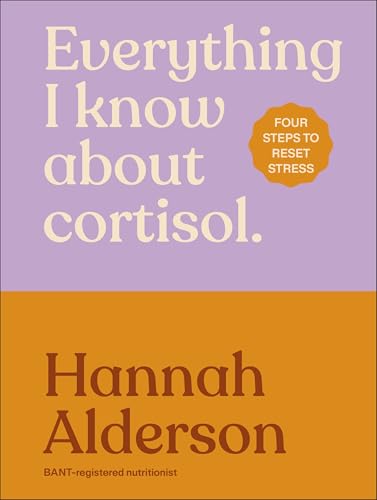
If you want to understand more about low-stimulation moments (or cortisol calmers, as Alderson calls them), then this book is an excellent place to start. Translating complex science into practical, digestible chapters, the book will change the way you think about stress, hormones and your nervous system.
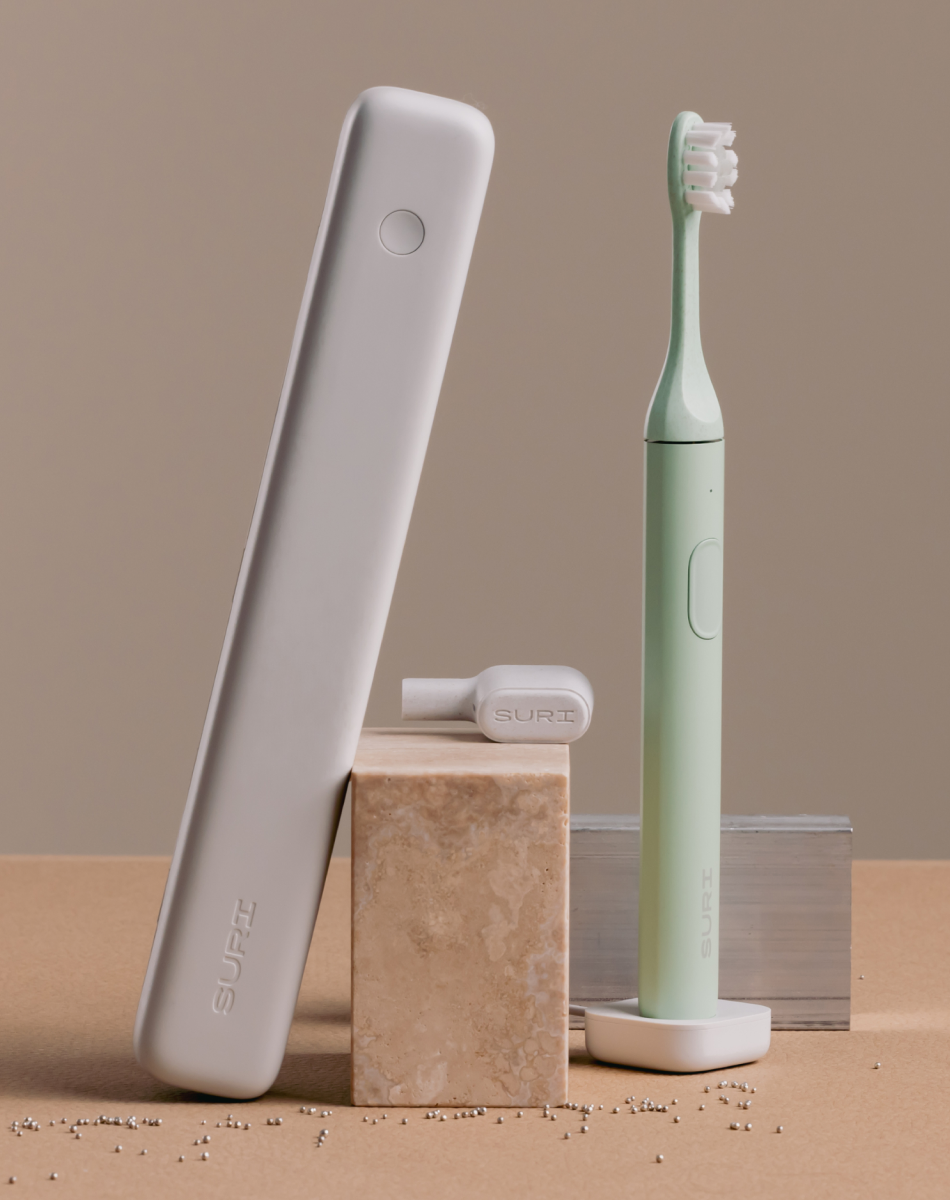
It seems wild to say that a toothbrush would help to regulate your nervous system, but I truly think that the few minutes I spend washing my face and brushing my teeth do wonders for my mood if I can be fully present in them. It’s a bit like shower thoughts: the soothing noise of SURI’s motor really sets my mind wandering and has become one of my favourite daily pauses.
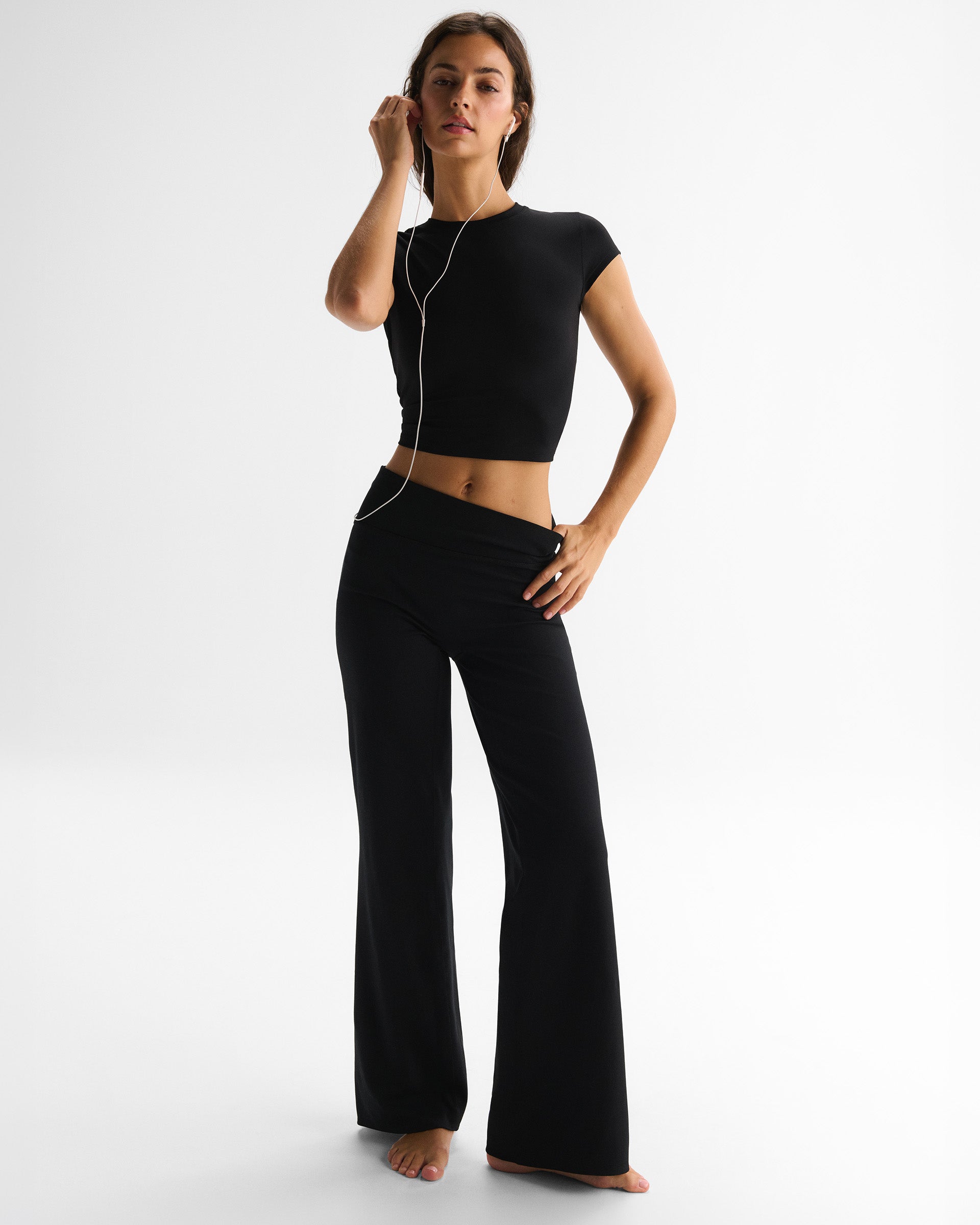
If you’re looking for comfy whilst still looking put together, you won’t find better than these yoga pants from Adanola. They’re super soft, forgiving on the waistband and refreshingly affordable - it’s safe to say I’ve been living in them the last few weeks.
from Latest from Marie Claire UK https://ift.tt/tmRypgh
via IFTTT

No comments:
Post a Comment