You know what I find shocking? The fact that, no matter how good I get at lifting barbells, pushing sleds, or stretching resistance bands, nothing humbles me in quite the same way as my own body weight. If you’ve ever done a HIIT workout, HYROX or even a mat Pilates class, you’ll know what I mean. Because between all the complex equipment-based movements, it’s the press-ups, pull-ups and burpees which really stump me. These are the moves that have me shaking by rep four, the ones which most stubbornly resist progress and which are the first to suffer when my routine slips.
It’s why I wasn’t that shocked to read that the number of press-ups we can do in a minute might give some indication of how long, and how healthily, we’ll live. But here’s the catch. The landmark Harvard study published in 2019 was - *shock* - conducted entirely on men. Healthy male firefighters, to be precise. The researchers, who studied the men over a ten-year period, found that those who could do over 40 press-ups had a 96% lower risk of heart disease than those who could do fewer than 10.
It got me thinking: what is it about this simple, free test of full-body strength that so closely connects it to our cardiovascular health? And, given our vast (and underresearched) physiological differences, can the same guidance really be applied to women?
In search of answers, I spoke to two leading female personal trainers about the power of the press-up, and how they use it in their own coaching. Ahead, their reflections.
And if you’re interested in other longevity tips and tricks, check out our guides to the grip test, the best longevity exercises and the routine habits doctors actually use to promote a longer lifespan.
Can Your Press-Up PB Predict Longevity? It’s Not That Simple, But It is Important
What is the press-up test?
Put simply, the press-up test is a measure of how many full press-ups you can do in one go (with good technique) before you reach the point of fatigue.
“It’s popular because it doesn’t require any equipment, takes just a few minutes and gives a really good snapshot of upper-body strength and overall fitness,” explains Meg Landi, Trainer at Barry’s UK.
Personal trainer, Aimee Victoria Long, agrees. “Although people tend to think it’s just an arm exercise, a good push-up actually requires your whole body to work together. Your chest, shoulders and triceps are doing the pushing, but your core, glutes and hips are all working hard to keep your body stable and aligned.”
That, she says, is why it’s such an interesting marker of fitness. “It gives you an impression of overall functional strength rather than isolating one muscle group.”
Is the press-up test a reliable predictor of longevity?
Here’s the thing: any kind of resistance training is good for longevity. It helps to preserve our muscle mass, supports our metabolic health, is linked to slower cellular ageing and has even been found to reduce the chance of premature death from certain cardiovascular and neurological conditions, such as heart disease and dementia.
But is there anything really that special about press-ups? According to Long, it’s less about the exercise itself and more about what it indicates about our overall lifestyle. “Someone who can perform 40 push-ups is probably also exercising regularly, carrying a healthy amount of muscle, looking after their cardiovascular health and generally living a healthier lifestyle,” she says, in reference to the Harvard firefighters study.
The bigger, more important message here, she explains, is that strength training really matters. “We’re seeing more and more research evidence that maintaining muscle as we age is one of the best things we can do for our long-term health. So rather than chasing a magic push-up number, I’d encourage people to focus on building strength consistently.”
Landi agrees. “It [your press-up PB] is definitely not a crystal ball for how long you’re going to live, but it can tell us a lot about your overall health.”
@olyamancov So, according to Dr. Vonda Wright (I heard her on @melrobbins’ podcast), every woman should be able to do 11 push-ups—not on the knees—as a marker of upper body strength and longevity! I’m testing mine. Try it too and let me know how you did
♬ original sound - Mel Robbins
Does the research on press-ups apply to women as well as men?
Given that the largest study on the press-up test centres exclusively on male participants, I was curious to know how the results translate to women.
“Personally, when I’m working with female clients, I’m looking at strength as a whole rather than one exercise,” says Long, who emphasises that, whilst the general conclusions are useful, we can’t automatically apply the exact numbers from the Harvard study to female bodies.
“Women naturally have less upper body muscle mass than men because of our physiology, so comparing the same push-up numbers doesn’t really give us a fair picture,” she explains.
And while both she and Landi would like to see further research done specifically on women, to give a clearer picture of the way that strength training impacts our longevity, both say we can still apply the current findings to the way we train.
“The questions I’m asking are: are they getting stronger year after year? Can they lift heavier? Can they get up and down off the floor easier? Are they maintaining muscle through perimenopause and menopause?” says Long. “Those things tell me more about long-term health than any specific number.”
How to improve your press-ups, according to a personal trainer:
So, what does all this mean in practice? Well, what it demonstrates is that full-body strength exercises like press-ups are an effective and efficient way to protect and build muscle mass and improve overall fitness; all of which are consistently connected to healthier ageing.
And whilst there isn’t one magical number that you need to hit to guarantee a long and healthy life (wouldn’t it be nice if there was?), gradually chipping away at your own personal best is not only a powerful motivator; it’s also a great way to ensure you’re building strength over time.
It’s why we asked the trainers for their top tips to improve your press-ups at every age - whether you’re in your twenties, your fifties, sixties or beyond.
1. Focus on quality over quantity
When it comes to strength training, technique is everything, says Long, who shares her favourite coaching cues.
- Brace your core before every rep.
- Think about keeping your body in one long straight line.
- Lower slowly with control.
- Aim to bring your chest close to the floor rather than craning your neck.
- Imagine pushing the floor away from you as you press back up.
2. Modify if needed
If a full press-up isn’t manageable yet, Landi says we shouldn’t be afraid to modify. “Start with incline push-ups on a bench or a wall,” she recommends. “It’s a brilliant way to practice the movement pattern and build strength.
Long agrees. “I’d rather someone perform beautiful incline push-ups than struggle through poor-quality reps on the floor.”
3. Practice regularly
“Like any movement, push-ups are a skill as much as they are a strength exercise - the more consistently you practise them, the better they’ll become,” says Long, who reminds us that press-ups should always come as part of a well-rounded strength programme, rather than something we practice in isolation. She recommends “chest presses, rows, shoulder presses and core work,” as good examples of press-up supportive strength training.
Shop MC-UK approved strength-training essentials now:

As someone with bigger boobs, I know what a nightmare it can be to find a well-fitting sports bra. I also know that a poor-fitting one can genuinely ruin your workout. It's why I'm such a big fan of this one from Free People. The long-line design is both comfy and flattering; there's no bulky wiring or clasps to contend with, and it actually runs true to size. I wouldn't wear it for anything too high intensity, but for a strength session in the gym, it's become my go-to.
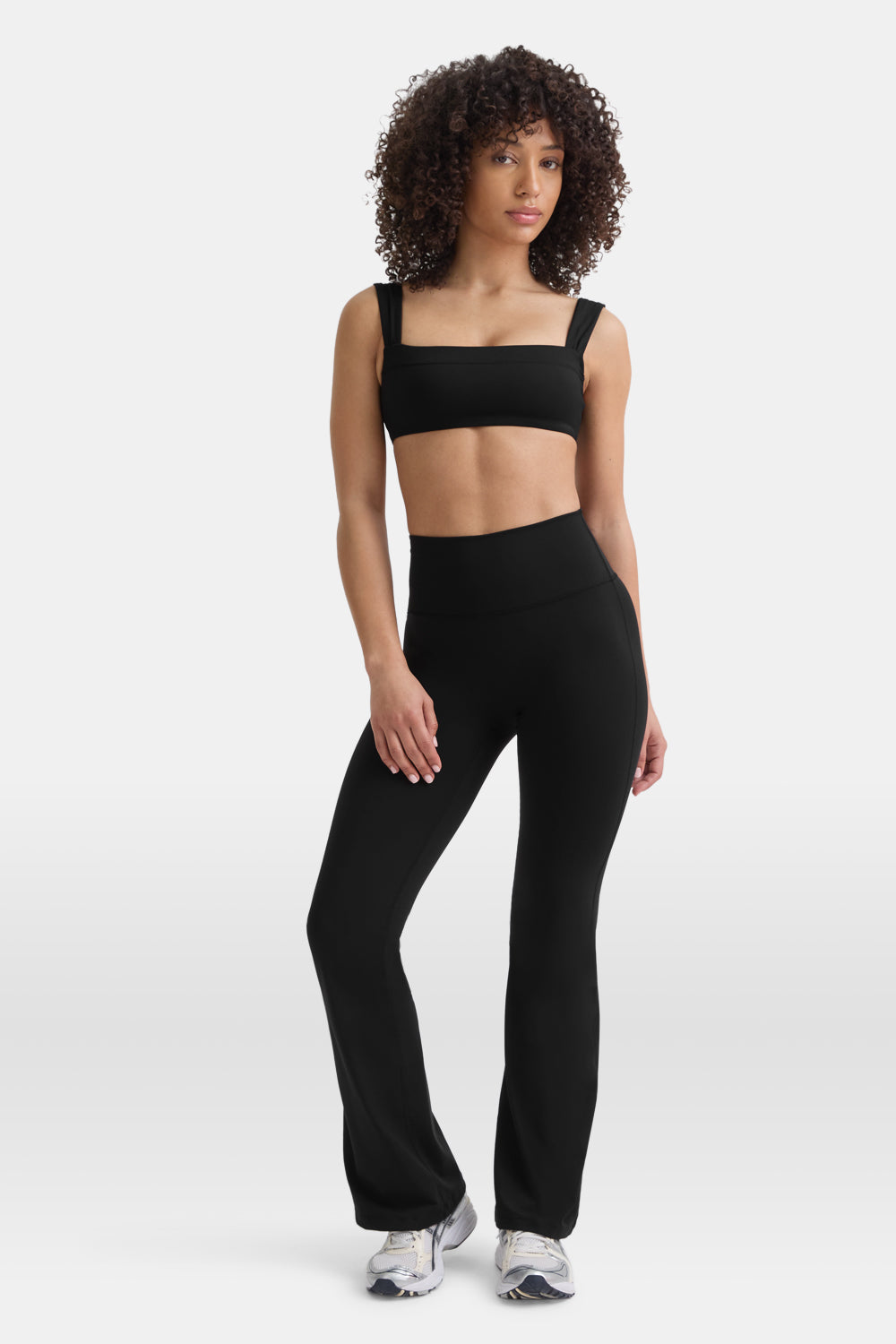
I'm a recent convert from leggings to a flare for a gym workout. Previously, I'd struggled to find something long enough that didn't look as though it was cutting me in half at the waist. In TALA's Dayflex pants, though, I've found it, and now you can't get me out of them. They're super soft, comfy, and come with four different length options. I also love the lack of front seam, which avoids any camel toe issues and discomfort mid-workout.
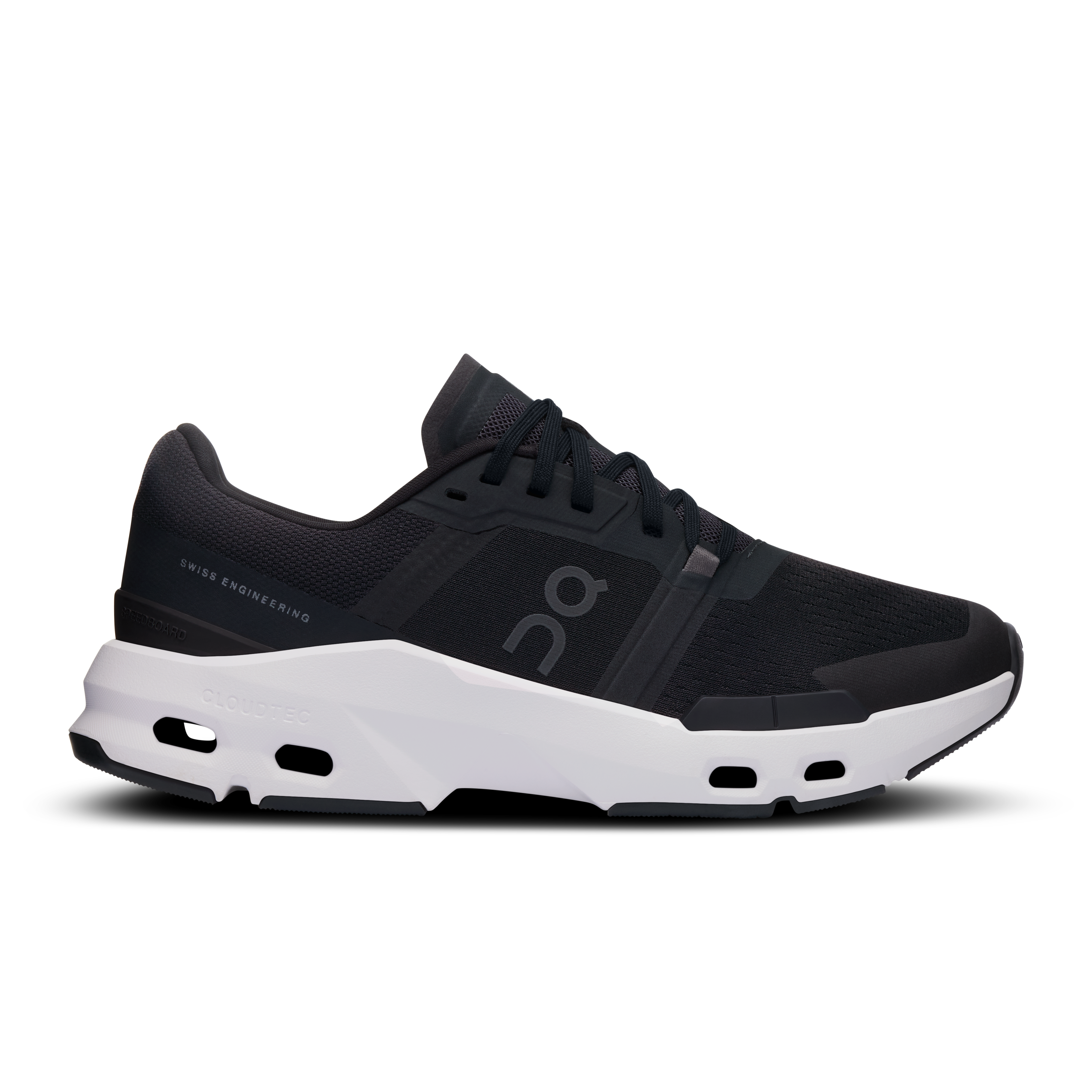
One of the best pairs of all-rounder trainers for weights or circuit sessions, health editor Ally Head is a big fan. She found them bouncy and flexible, whilst also being stable enough to support her in her lifts. They're a strong purchase for anyone getting serious about the gym.
How many press ups is good for my age?
In fitness, we love a metric, and it’s easy to fall into the trap of comparing your numbers to someone else’s. Whilst it’s natural and at times healthy to have a goal in mind, Barry’s UK trainer Meg Landi says, “it’s less about chasing a specific number and more about maintaining your own strength and function as you age.”
“It’s completely normal for push-up performance to change as we get older,” she explains. “Muscle mass and strength naturally begin to decline in our forties, particularly if we’re not doing resistance training.”
The good news, she says, is that this decline can be slowed and even, to an extent, reversed. “I've worked with plenty of people in their fifties and sixties who can still perform excellent push-ups because they've prioritised maintaining their strength,” Landi explains, recommending regular strength training two to three times a week.
Personal trainer, Aimee Victoria Long, agrees. “I actually think we need to move away from comparing ourselves to someone twenty years younger. I’d much rather see someone in their sixties confidently performing five brilliant push-ups than someone in their twenties doing twenty with poor technique. Quality always beats quantity!”
from Latest from Marie Claire UK https://ift.tt/ctsFd5C
via IFTTT

No comments:
Post a Comment