If you know me, you'll know that I have something of a love-hate relationship with fitness trackers. On the one hand, I wear my Garmin religiously for marathon training and races, and love the amount of granular detail it provides about my training abilities, recovery, and sleep quality.
That said, I've also tested other fitness trackers in the past that left a bad taste. I'm a staunch advocate for listening to our bodies—it's one of our greatest tools—and have personally found some trackers override my own intuition, making me trust a readiness score on a screen (even with 8+ hours of sleep, good nutrition, and ample workout time, mine never seem to leave the red) over my own body.
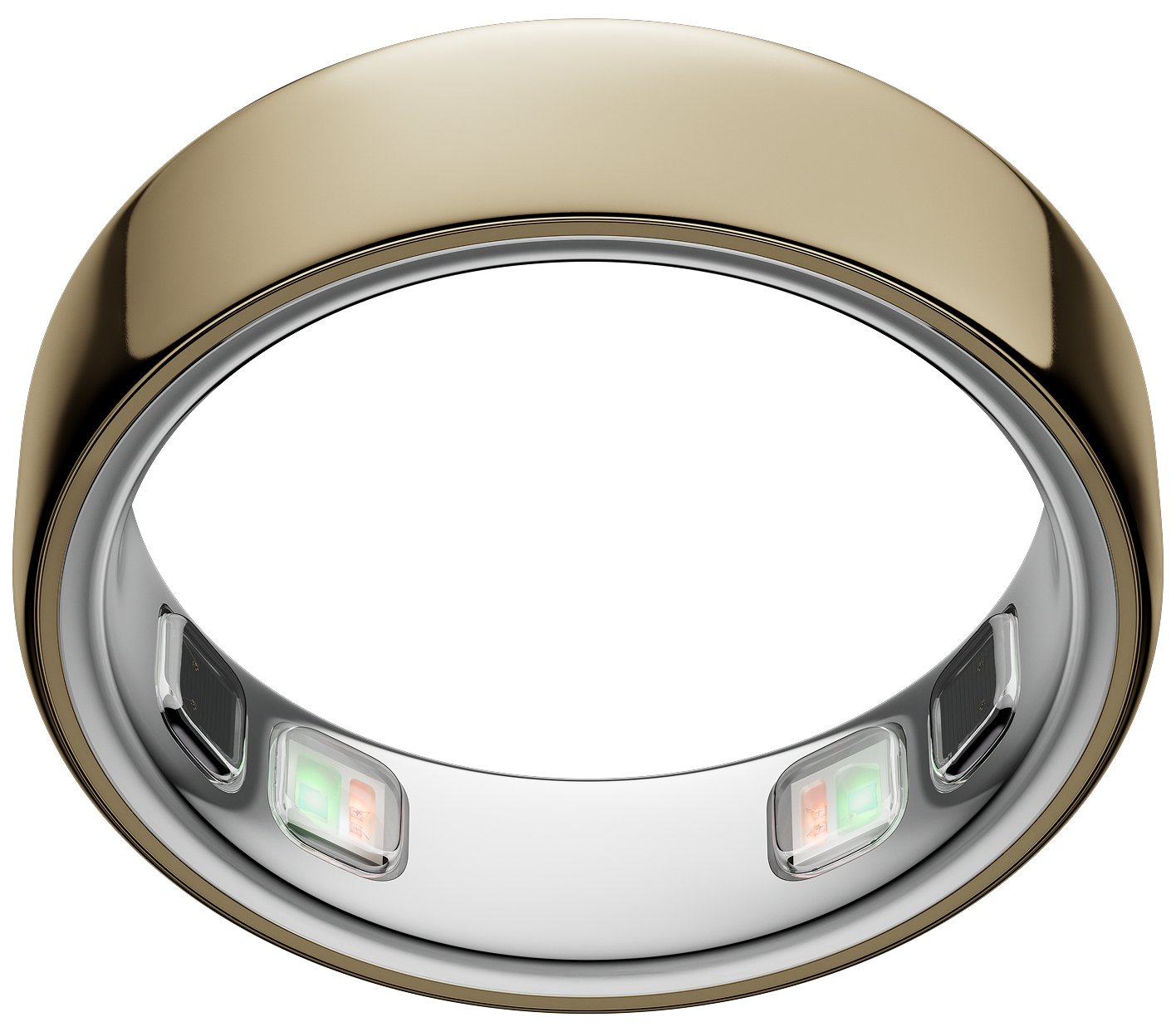
When I saw the Oura 5 launch last month, though, I have to say I was intrigued. 40% thinner and lighter than previous designs, those who've tested have raved about how comfortable it is, how long the battery life lasts, plus how accurate the sensors are, too. I'd also heard my freelancer Anna rave about the earlier iteration, the Oura Ring 4.
What better time to test it, then, than during a high-pressure, edge-of-your-seat semi-final against Argentina? I've been wearing the ring for a week now, but found the data most interesting last night during the match. Keep scrolling for my review.
I Tested The Oura Ring 5 During Last Night's England Match: My Review
First up, the ring is incredibly easy to use. A noticeably slimmed-down design means it looks more like a wedding band than a fitness tracker, blending pretty seamlessly with my other gold bands and rings.
The app couldn’t be easier to navigate, either—while it does take anything from five days of tracking for some of the stats, like stress, symptom radar, and body clock, to calibrate, you can track other metrics, such as your daily activity, cycle insights, and heart rate, almost instantly.
The prompts are encouraging, rather than worrying—I feel like I learn more about my sleep quality in the first few days of using than I did in months with competitor trackers. Plus, the nearly packaged-up “Readiness” score is a handy reminder of how good your sleep quality was and how well your body is recovering.
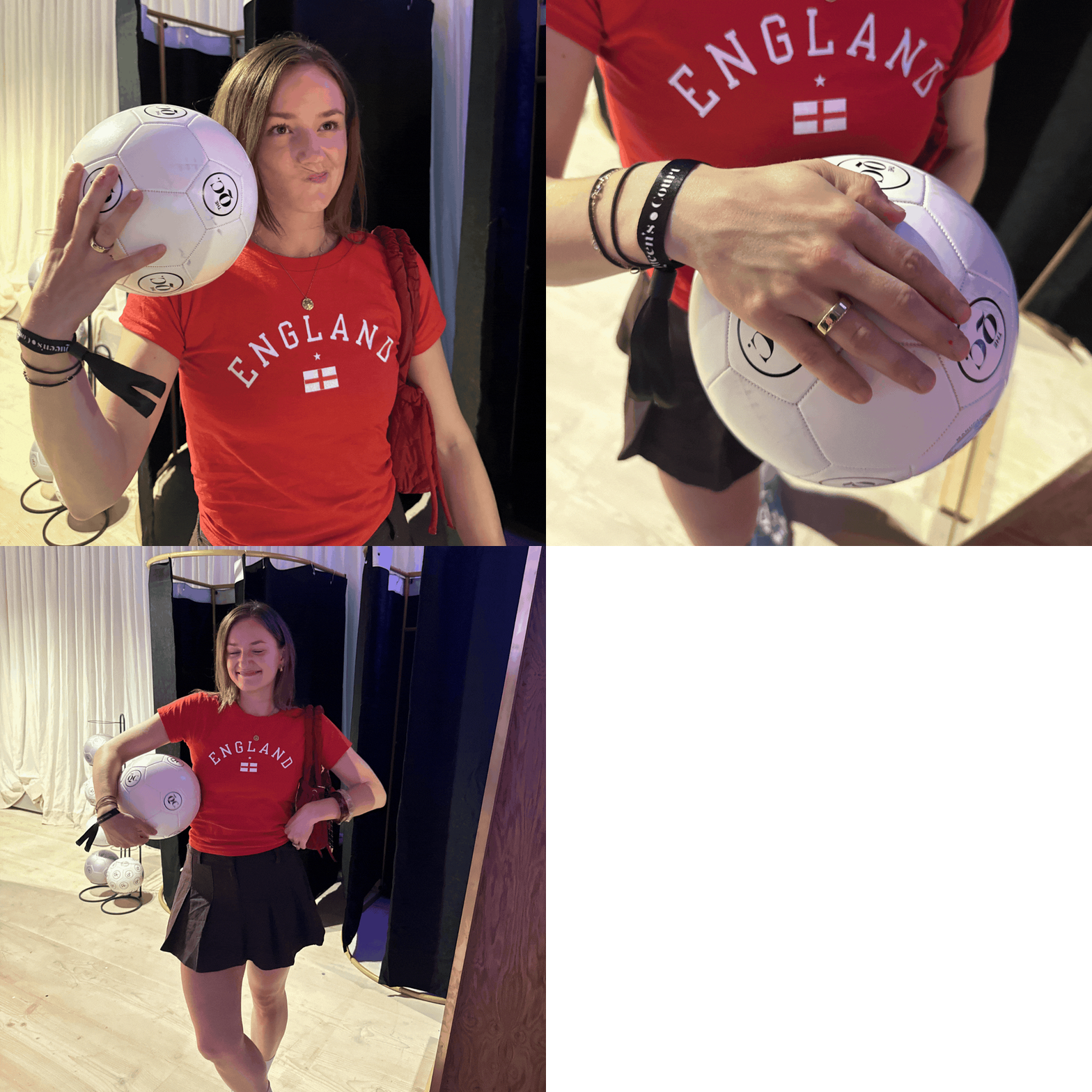
I’m lucky enough to catch the semis at 180 The Strand with The Queens Court, an entertainment brand "bringing festival energy to the women’s game." Founded by Laura Garriga, who described her events as “like Coachella, but for sport,” their aim is simple: to create cultural experiences around the women’s game, blending sport with fashion, food, and music.
It was gorgeous, inclusive, and a perfect example of how both female athletes and the female fandom can—and should—be a central part of sport.
That said, tensions were still running high before the game. I’ve watched every England match this season and caught nearly every other fixture—while my husband initially joked that he had the World Cup, and I had Harry Styles’ 12-night Wembley residency, I’m from a football family and live for summers and sporting events like these. My great-grandad was manager of Crystal Palace, and my grandad played for Arsenal, and they taught us years ago that football can be about so much more than football - it can be about community, collaboration, and togetherness, especially during a tournament like the World Cup, which brings together countries from all over the world to share in their love of the game.
The first half is agonisingly slow—I’m happy that we haven’t conceded any goals, but I'm still on the edge of my seat, knowing how much is hanging in the balance.
Come the 55th minute of the match, when Anthony Gordon scores for England, I spend at least three minutes jumping, cheering, and celebrating before remembering to check my stress stats on the Oura app. It’s fascinating to see the spike in my heart rate and subsequent stress levels in real time. My average resting heart rate is 58bpm —it spiked to 107bpm just after the goal.
Sadly, the rest of the match didn’t go to plan, with Argentina scoring two goals in the last ten minutes of the game, subsequently securing their spot in the semi-final. My heart rate tells a similar stress story, spiking for both goals and the final whistle (101, 102 and 98 bpm).
What surprised me most wasn't the fact that my heart rate was spiking during the match—it was a nail-biter, and I can hedge a bet that if the entire nation had been wearing Oura's, their heart rate data would have been the same—rather, that my body stayed in a state of stress for hours afterwards.
Whether this was because of the tension late at night, leading to poorer quality sleep, or just the fact that the men's team threw away their shot at the final again, we'll never know—but having insight into such a breadth of data was an invaluable reminder to look after my body. It is, after all, just football, and a cup of camomile tea and ten minutes on my acupressure mat before bed did my body the world of good. In the app, there's also a handy link to a ten-minute relaxation meditation on the Headspace app.
Will I continue wearing my Oura ring? Almost certainly. I'm quite anti-tracker, as I've mentioned, and prefer listening to my body to gauge how I feel. But it's given me an invaluable insight in an undeniably accessible way.
Shop MC UK's other favourite fitness trackers, here:
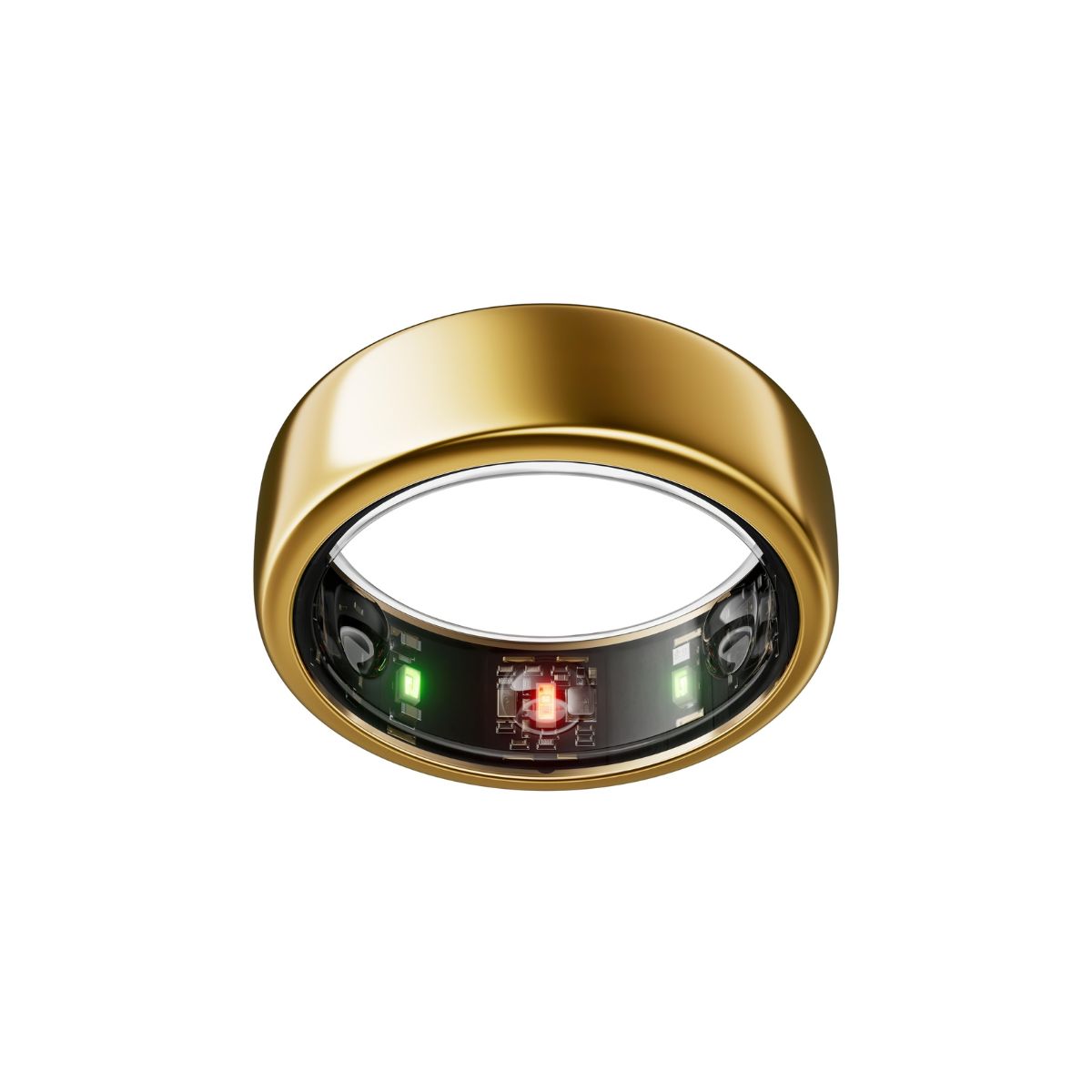
Health Freelancer Anna Bartter loves her Oura 4, the earlier iteration of the ring reviewed in this article. It offers seamless tracking and a chic design.
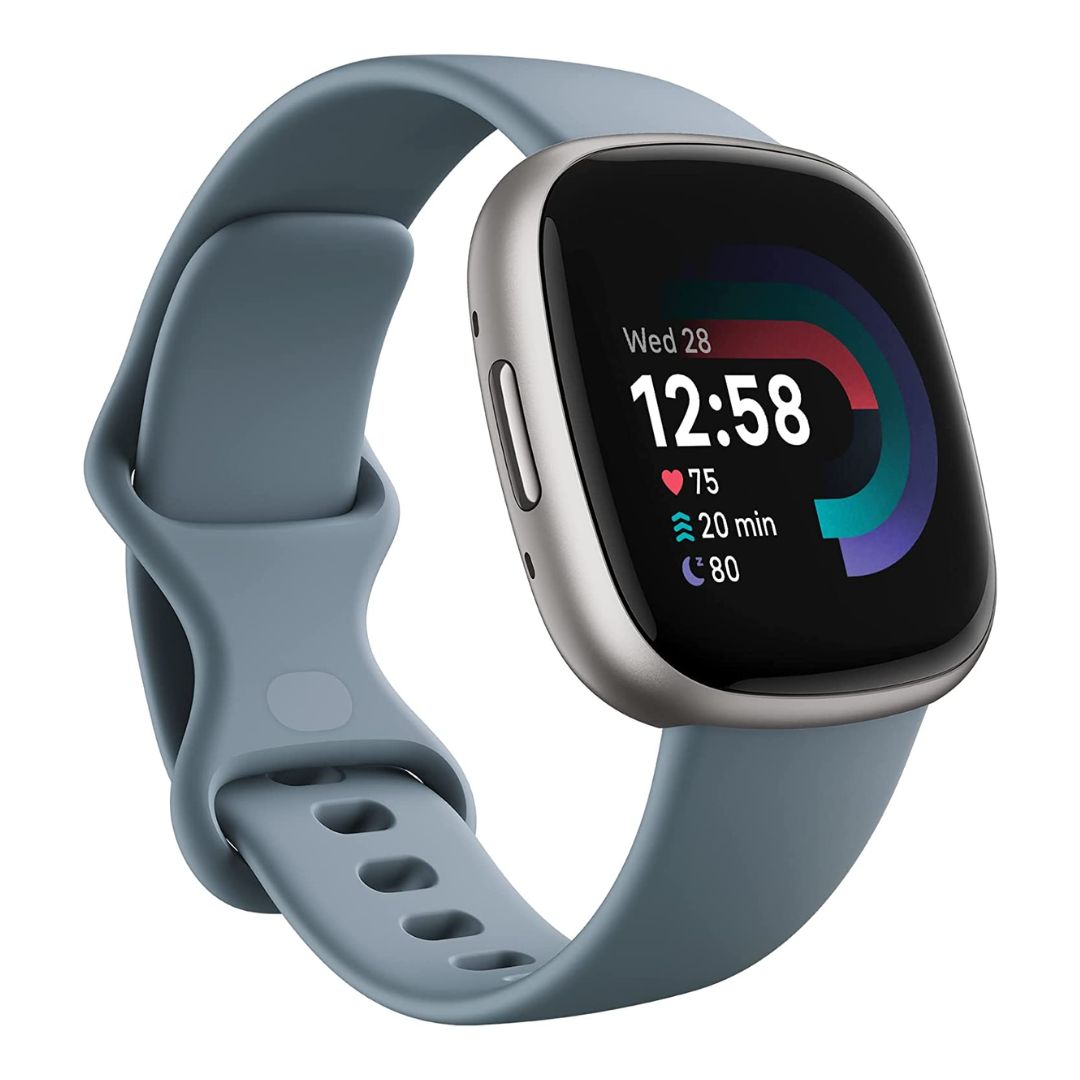
"The Fitbit Versa 4 has been dubbed the most advanced smartwatch from the brand, so as a Health Editor, I was eager to test it out. I trialled my first Fitbit back in 2015 and trained for my first-ever marathon using one. While they’re certainly great at pulling health stats, they weren’t so great at accurate stats and battery life back in the day - which is why I was pleasantly surprised to find that the Versa 4’s stats were similar enough to my much-loved Garmin Forerunner, and the battery life lasted around four to five days.
It looks great, accurately records your health stats, and the battery lasts nearly a week. I'd buy if you exercise a few times a week and love tracking your workout classes and steps." - Amelia Yeomans, Shopping Editor
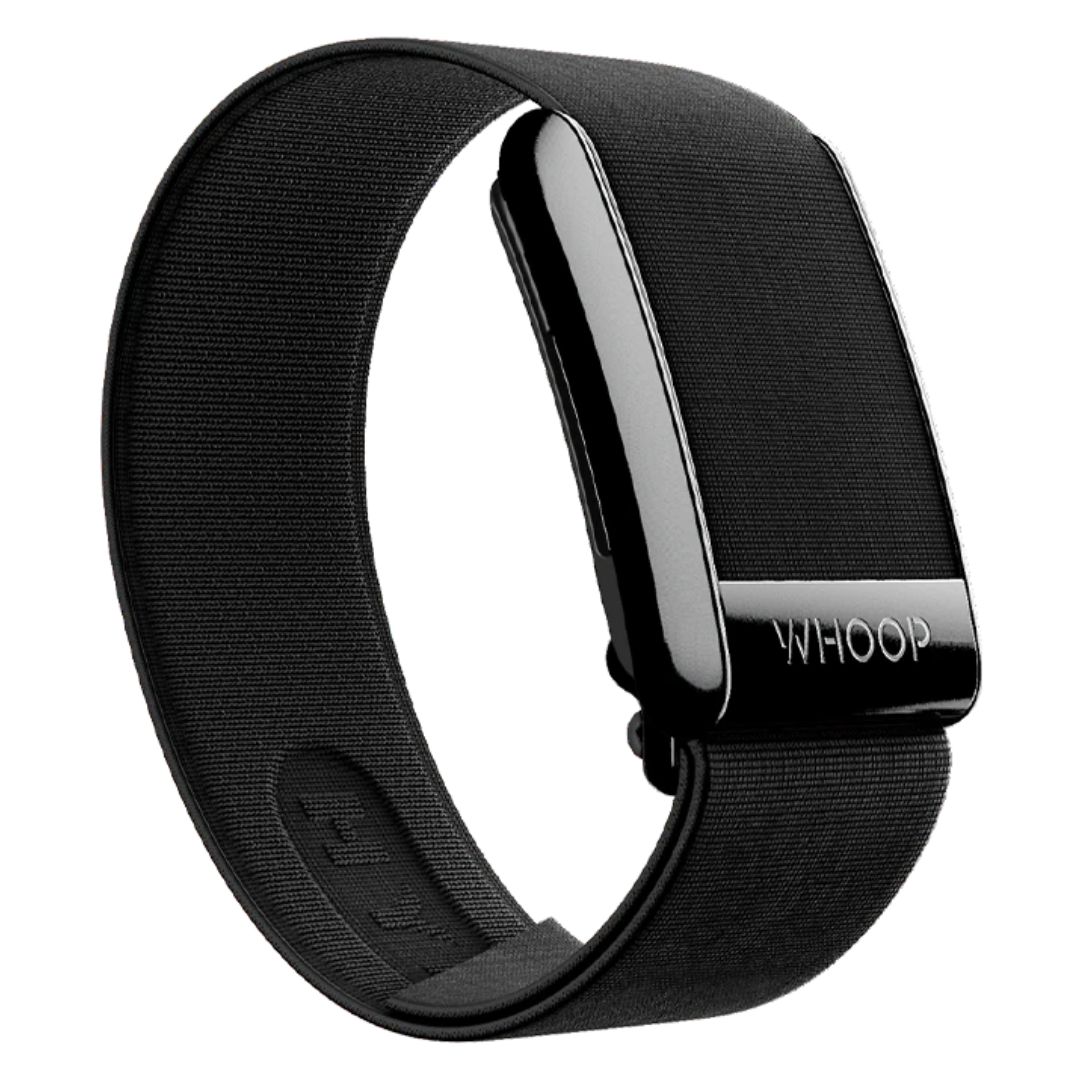
"WHOOP have long been hailed as the fitness tracker of all fitness trackers, with celebrities and athletes alike swearing by their stats (we’re looking at you, Tom Daley). But it’s slightly different to other competitors. How? Well, it continuously collects data about everything from your recovery, to training, to sleep, to stress, versus other wearables that collect data during workouts and shut-eye."
"You have to wear it for a few weeks before it starts feeding back your data, but I've never had more insight into my overall fitness levels, recovery score, and so on, and it was very accurate when cross-referenced with my Garmin." - Amelia Yeomans, Shopping Editor
from Latest from Marie Claire UK https://ift.tt/kd4u8Pw
via IFTTT

No comments:
Post a Comment