Let’s start with a number: one in eight.
That’s how many women in the UK are living with anaemia - a condition that can leave you chronically exhausted, unforgivingly forgetful, and running on mere fumes. The kind of exhaustion that makes getting through the day feel like wading through wet cement. The kind that coffee certainly can’t fix and an early night doesn’t touch.
Like most of us, you’d probably file it away under “classic burnout”. Society probably would too. But what if burnout isn’t the whole story here?
If iron deficiency isn’t already on your radar, it should be. According to the WHO, it’s the world’s most common nutritional deficiency, affecting around two billion people worldwide. Women shoulder the overwhelming burden: nearly one in three women in a recent UK study had an iron deficiency. Yet routine screening remains worryingly uncommon. Meaning too many women could be living with symptoms they’ve come to accept as “normal.”
The impact stretches far beyond feeling tired. Toby Richards, a world-leading expert in the treatment of Iron Deficiency at The Iron Clinic, says, "Iron deficiency is now considered more disabling than diabetes."
Physical symptoms aside, the effects can extend to your mental health, too. A 2020 population study found adults with iron deficiency had a 52% higher risk of psychiatric disorders, including anxiety, depression, and sleep disorders, than those without it. It’s yet another reminder that low iron doesn’t just leave women feeling tired; it can shape everything from their mood to their memory.
Perhaps this isn’t just a story about iron. It’s a story about the way women’s symptoms are so often explained away. Because when brain fog, exhaustion and low mood are dismissed as “just life,” we risk overlooking something that’s not only incredibly common - but, in many cases, entirely treatable.
So before we chalk another woman’s exhaustion up to burnout, maybe it’s worth asking a different question: what if we’re calling it the wrong thing?
First - Why iron deficiency is being mistaken for burnout
Let’s play a game of symptom bingo. You’re tired all the time. You can’t concentrate. Snapping at everyone. You feel flat, overwhelmed, and you’ve forgotten what “well rested” even feels like. The obvious diagnosis? Life. Or if you’ve spent more than five minutes on social media lately - burnout.
But according to Richards, there are two reasons iron deficiency is so often mistaken for burnout.
"The first is that the symptoms are incredibly generic," he explains. "'I'm tired' could mean almost anything, so iron deficiency is often overlooked." The latest Lancet guidance agrees, warning that symptoms such as fatigue and cognitive impairment are often non-specific, meaning iron deficiency remains routinely under-diagnosed. “Crucially,” he warns, “these symptoms can develop before someone becomes anaemic, leaving many women feeling dreadful while being told their blood tests are "normal".”
The second reason is that it creeps up on you. “Normally you have enough iron stores for 3-5 years, so if you develop iron deficiency, it can take 3 years or more to notice”. By the time you notice something is wrong, he says, it's often because a cold, a bout of flu or another illness tips you over the edge. "That's the crisis that finally brings it to the surface."
Which perhaps explains why so many of us don’t spot it sooner.
GP Dr Philippa Kaye sees the same pattern in her consulting room. “For too long women have been told that pain, mood changes or fatigue are simply part of being a woman," she says. "That means some women never come to the doctor - and others aren't always heard when they do."
The hidden reasons women develop low iron
Confession: as a retired vegetarian, my understanding was that being "iron deficient " meant you needed to eat more red meat. Turns out, what you’re eating isn’t always the issue.
For Richards, the answer is simple: there are two main reasons women become iron deficient.
The first is pregnancy. "During pregnancy, your blood volume increases by almost 50% to support both you and your baby, dramatically increasing your body's iron requirements. If your iron stores were already running low before pregnancy, as many women's are, it doesn't take long for the tank to empty. Most women are iron deficient by the time they give birth."
The second is something hiding in our handbags alongside spare tampons and painkillers. "Heavy menstrual bleeding affects around one in three women. The problem is that most women don't realise their periods are heavy because they've never known anything different."
And that’s the catch: none of us gets to trial someone else’s period for comparison. If you’ve always packed spare underwear “just in case,” and instinctively know where every public toilet is, it’s hardly surprising you think that’s just how periods are supposed to work. Spoiler alert: they’re not.
In fact, Richards says the average woman with heavy periods can lose around "a litre of blood over the course of a year." A litre. That’s not just a number - it’s a reminder that, month after month, many women are unknowingly losing far more iron than they ever replace.
Naturally, that’s only part of the story. Pregnancy and heavy periods might explain why many women become iron deficient, but what we eat still plays an important role in whether our iron stores recover.
"People often think spinach is enough," says specialist registered dietitian Nichola Ludlam-Raine. "While it contains iron, it's a form that's much harder for the body to absorb than the haem iron found in meat and fish."
The answer, she says, isn’t necessarily eating more meat. “Pairing plant-based sources such as lentils, beans, tofu and fortified cereals with vitamin C-rich foods, including peppers, berries, kiwi or citrus fruit, can significantly improve absorption. One habit worth breaking? Drinking tea or coffee with meals, both of which can reduce how much iron your body absorbs.”
Now, before you read on, there’s one final plot twist - one that Richards says could explain why so many women slip through the cracks. "Women are often told their iron is 'normal', but that's usually based on a laboratory reference range, not the clinical definition of iron deficiency."
It’s an important distinction. The ‘normal’ range printed on a blood test isn’t always the same threshold clinicians use when assessing whether iron deficiency could be contributing to symptoms. Updates to NICE guidance, for example, use a ferritin level below 30 ug/L as a marker of iron deficiency in many clinical settings.
The takeaway isn’t to distrust your blood test or your doctor. It’s that if you’re experiencing persistent symptoms, it’s worth having a conversation about what your results actually mean in the context of how you’re feeling, not just whether they’re flagged as ‘normal’. Knowing the difference could be the key to reaching the right diagnosis and, ultimately, feeling like yourself again.
The symptoms to look out for
More often than not, when someone asks how we’re feeling, we default to the most British response imaginable: “Fine.” Or, if we’re being particularly honest, “Fine-ish.”
Rather than asking yourself if you’re “fine”, Richards suggests paying attention to what your body is trying to tell you. These are the clues he looks for:
- Two flights of stairs check: If walking up two flights regularly leaves you puffing, with a racing heart or palpitations, it’s worth paying attention. Low iron means your body has to work harder to transport oxygen, making everyday tasks feel far more demanding than they should.
- Your legs won't keep still: An overwhelming urge to move your legs at night - known as restless legs syndrome - is one of the most common signs of iron deficiency, particularly during pregnancy.
- You're craving things that aren't food: One of the biggest red flags Richard sees, strongly associated with low iron, is pica: the craving for non-food items. For some women, it’s chewing ice cubes (Pagophagia). Others find themselves chewing on paper, chalk, or even the smell of laundry detergent. While it might sound bizarre, a 2023 review of 20 studies found that these cravings consistently disappeared once iron deficiency was treated, suggesting they can be one of the body's clearest cries for help.
- Brain fog that won't lift: Struggling to concentrate? Forgetting words? Feeling more anxious than usual? Low iron can affect the brain long before anaemia develops, as iron plays a vital role in energy production and neurotransmitter function. The result? Symptoms that are easily mistaken for stress, burnout, or the mental load of everyday life.
How do you know if your period is heavier than it should be?
The problem: if you’ve ever had heavy periods since your teens, they’re probably your normal. Which means it’s surprisingly easy to miss the signs that your bleeding is heavier than it should be. According to Dr Anisha Patel, a GP specialising in women’s health, these are the clues to look out for:
- It lasts longer than seven days.
- You're changing a tampon or pad every one to two hours, or doubling up on protection.
- You regularly bleed through onto your clothes or bedsheets.
- You're passing blood clots larger than a 50p coin.
- You plan your life around your period, or avoid work, exercise or seeing friends because of it.
- You feel unusually tired, breathless or lightheaded during or after your period.
The important bit: a heavy period isn’t something you simply have to put up with.
"If your periods are affecting your quality of life, or you think they could be contributing to fatigue or iron deficiency, it's worth speaking to your GP," says Dr Patel. "There are effective treatments available to reduce bleeding and, where needed, restore iron levels."
Here’s what I’ll leave you with. Life is exhausting. Burnout is real. Stress isn’t a myth. But somewhere along the way, we’ve become so used to explaining away our symptoms that we’ve stopped asking why they’re there in the first place.
Maybe the answer is burnout. Maybe it’s the mental load. Or maybe it’s something as common and as treatable as low iron.
The point isn’t to assume the worst. It’s to stay curious. To ask questions. To trust that your symptoms are worth investigating. Because feeling like yourself shouldn’t be a luxury; it’s the baseline.
Shop MC UK approved wellness products:
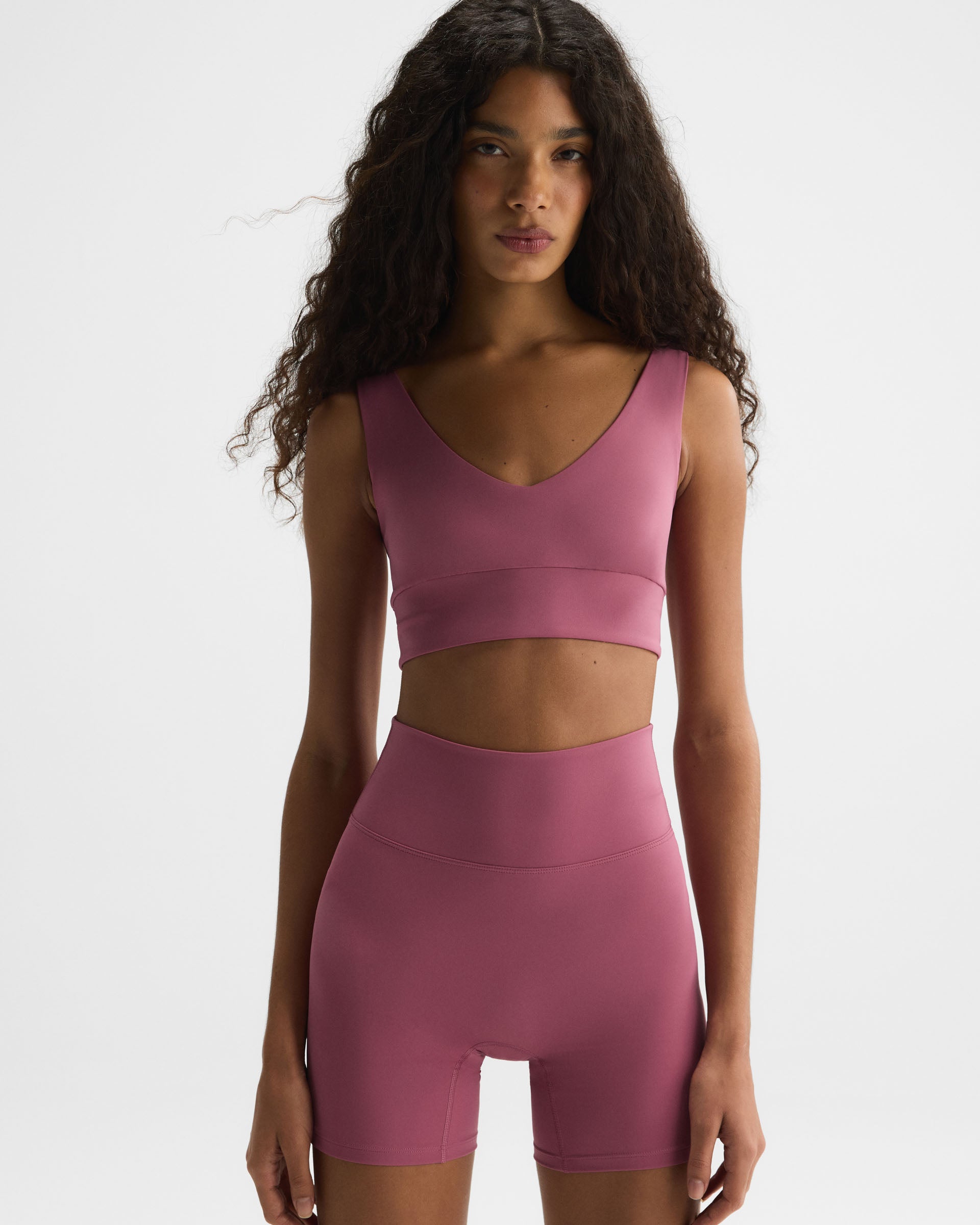
If your energy has taken a hit, the last thing you need is activewear that makes movement feel like hard work. Adanola’s cult sets are the kind you’ll actually want to put on, whether it’s for a gentle walk, a reformer class, or simply getting out of the house. Because movement should feel supportive, not punishing.
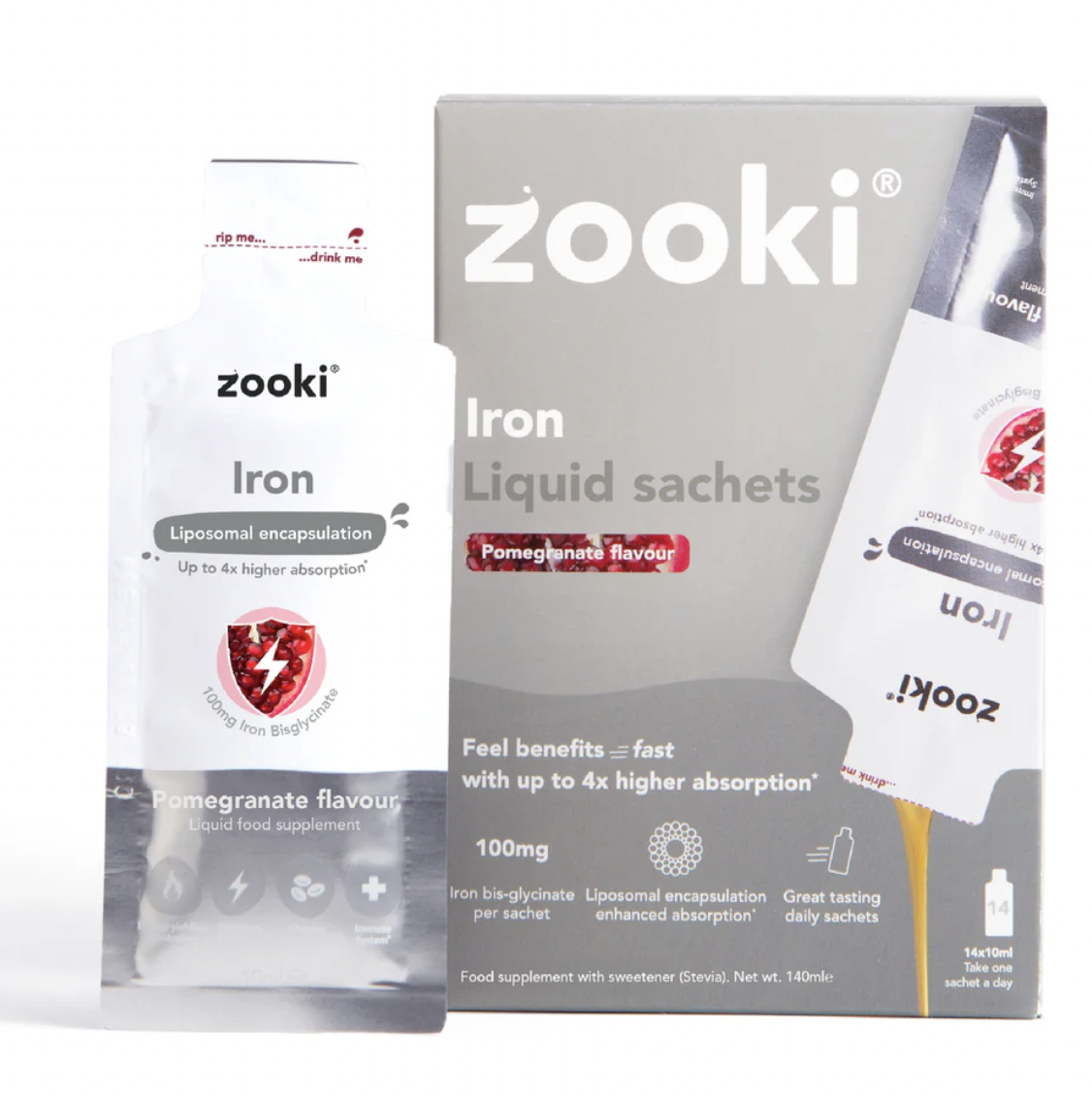
If you’ve been diagnosed with iron deficiency, supplements are often part of the recovery plan. Zooki’s liquid sachets are designed to be gentle on the stomach and easy to take on the go - but as the experts advise, it’s always worth speaking to your GP before starting iron supplementation, as not everyone needs it.
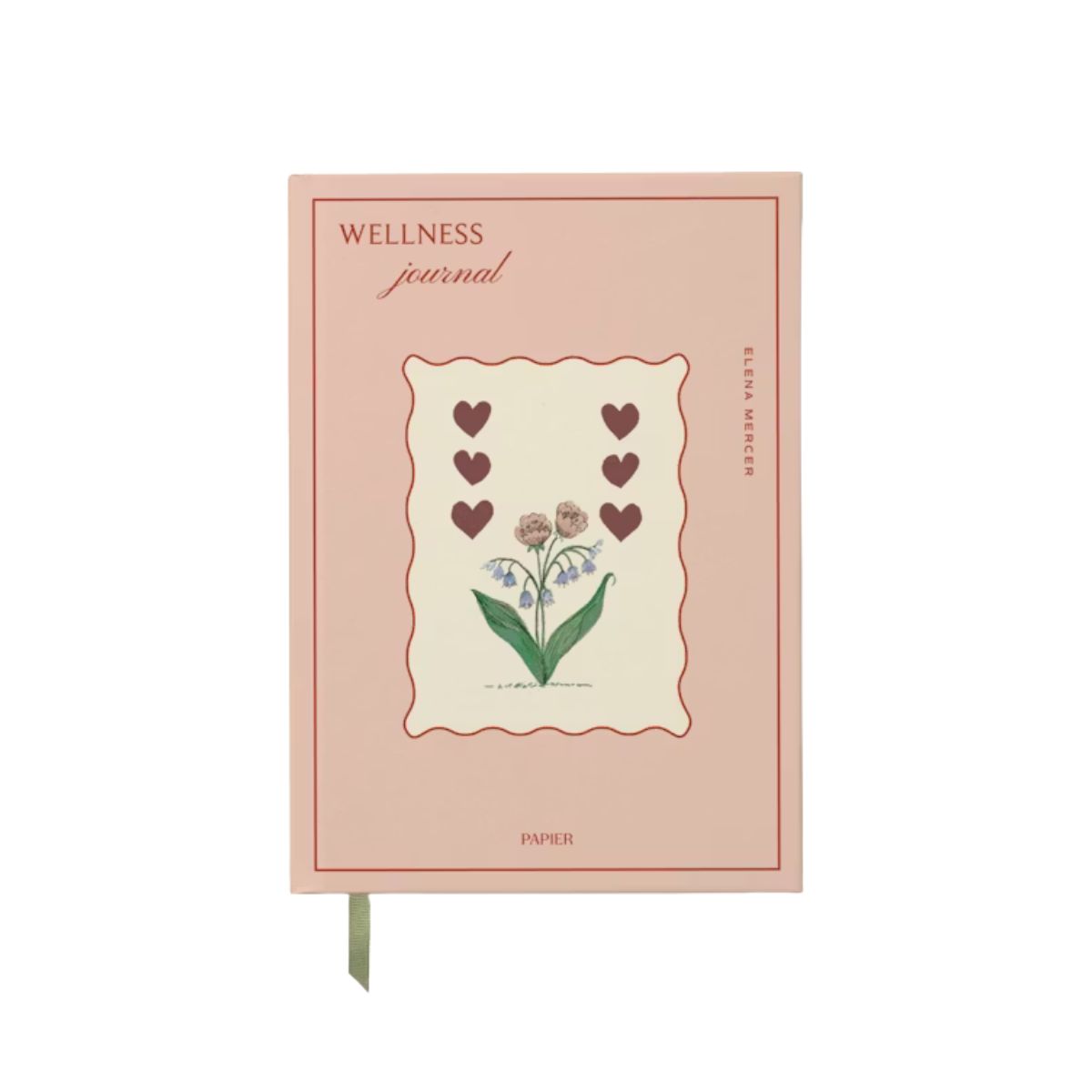
If there’s one thing this article has taught me, it’s that we get very good at brushing symptoms aside. Keeping a simple note of your energy levels, menstrual cycle, brain fog, or breathlessness can help you spot patterns and give your GP a much clearer picture if something doesn’t feel right.
from Latest from Marie Claire UK https://ift.tt/IYJhK5r
via IFTTT

No comments:
Post a Comment