When Conor McGregor, the UFC fighter whom an Irish civil jury found had raped Nikita Hand, walked onto one of America's most-watched talk shows, there was no difficult conversation or acknowledgement of that finding. Instead, there were jokes, promotion and the whirring machinery of celebrity rehabilitation.
It is hard to imagine a clearer message to survivors of sexual violence: even when the court believes you, the court of public opinion is ready to move on.
The Tonight Show appearance was far from an isolated incident. This came despite a court hearing medical evidence that doctors had documented extensive bruising across Hand's body following the assault, while a paramedic testified she had "not seen someone so bruised, with that intensity of bruising" in a long time. Yet just two months after the verdict, McGregor made his first major public appearance, attending Donald Trump's inauguration in Washington, D.C., no less.
That appearance was followed by a string of other high-profile outings, including another visit to the White House, as well as interviews with Tucker Carlson and Fox's Sean Hannity. Neither interviewer addressed the civil case, instead allowing McGregor a platform to sound off about immigration and his presidential ambitions.
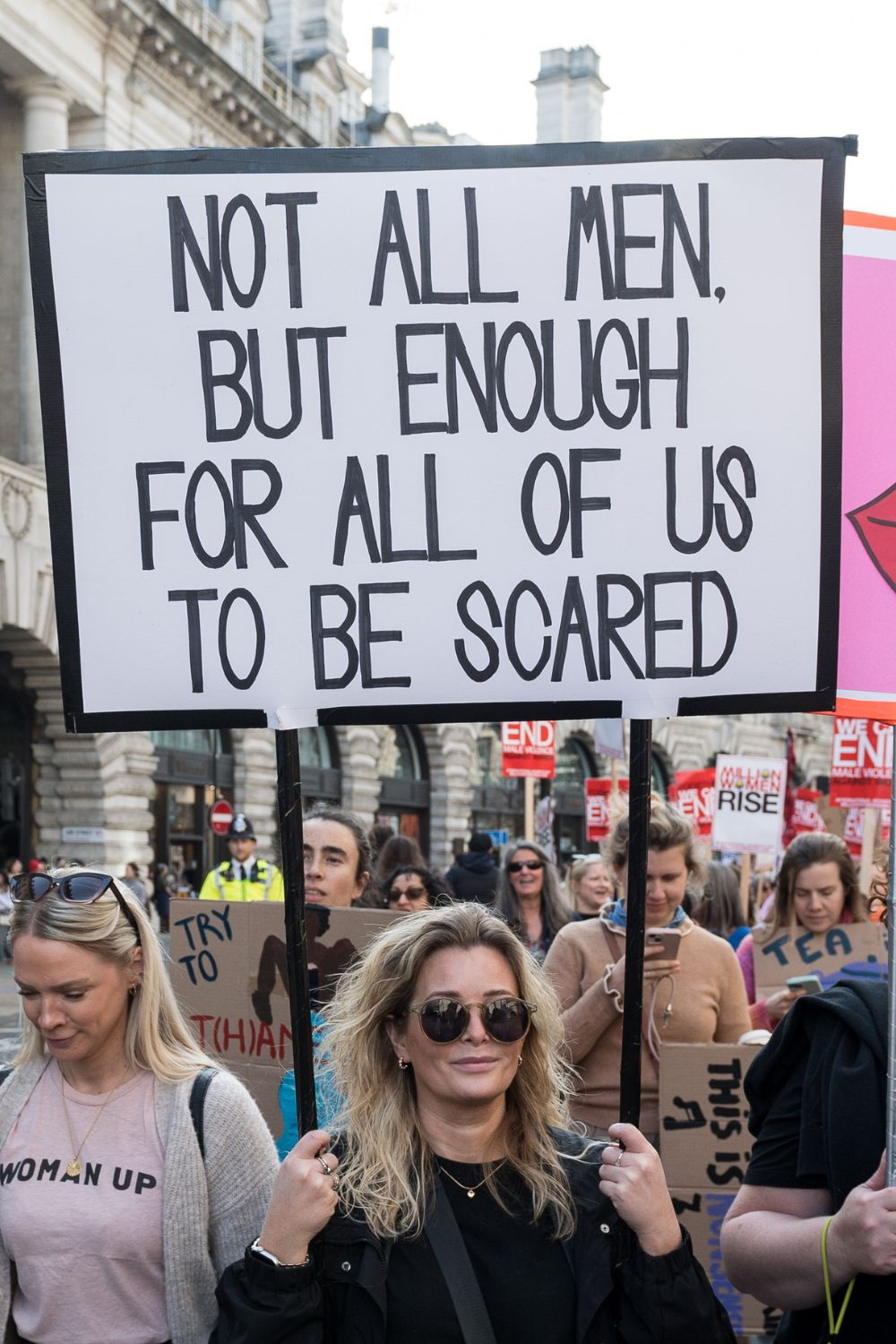
We often talk about why victims don't come forward. We list shame, fear of not being believed, and the trauma of reliving an assault in court. All of those barriers are real. But there is another question we ask far less often: what incentive do survivors have to endure years of investigation and legal proceedings if the person they accuse appears able to resume public life almost immediately afterwards?
This week, the Crown Prosecution Service announced changes designed to make rape trials fairer for victims. Prosecutors are being encouraged to focus more on a suspect's pattern of behaviour, rather than placing survivors under the microscope. As Victims' Commissioner Claire Waxman said, survivors need confidence that they will be treated with "dignity, respect and fairness" throughout the justice process.
These are welcome reforms, but justice doesn't end when a verdict is delivered.
It's also a slap in the face for all survivors of sexual assault and rape
Eliza Hatch
If the legal system is working harder than ever to encourage victims to come forward while wider culture continues welcoming powerful men back onto our screens, we create an impossible contradiction. We tell survivors that reporting matters while showing them that accountability may only last as long as the news cycle.
As campaigner Eliza Hatch puts it: "It's not just an incredibly insensitive and thoughtless insult to Nikita Hand. It's also a slap in the face for all survivors of sexual assault and rape, who are constantly told that men's careers and future prospects are worth more than their pain, suffering and lived experiences of trauma."
That contradiction isn't reserved for celebrity culture, either. Just last month, three teenage boys in Hampshire who were convicted of raping two girls avoided immediate custody. The judge cited, among other factors, their youth, low IQ and, maddeningly, a desire to avoid "criminalising" them unnecessarily. The sentences are now under review.
Though the details differ, the underlying message feels depressingly familiar. Again and again, attention focuses squarely on the futures of perpetrators, not the lifelong impact on survivors. We've heard countless examples of judges worrying about perpetrators' careers, their prospects and their supposed sporting promise. Too rarely do we ask the same questions about the people they assaulted.
We see this time and time again and it sends a harmful message to all of society that rape isn't that serious, when in reality it devastates women and girls' lives."
Sinéad Geoghegan, Head of Communications at the End Violence Against Women Coalition
This pattern stretches back decades. Brock Turner, the Stanford swimmer convicted of sexually assaulting an unconscious woman, received a mere six-month sentence after the judge cited concerns that a longer prison term would have a "severe impact" on him. His case became a global symbol of whose futures the justice system instinctively protects.
And though the country and court differ, the instinct to protect offenders is startlingly consistent.
As Sinéad Geoghegan, Head of Communications at the End Violence Against Women Coalition (EVAW), says: "The fact that a man found by a civil court to have raped a woman has been platformed on one of the world's most popular TV shows exemplifies the lack of meaningful accountability so many perpetrators face, particularly those with power and status. We see this time and time again and it sends a harmful message to all of society that rape isn't that serious, when in reality it devastates women and girls' lives."
Of course, none of this is to argue that every offender is beyond redemption or that rehabilitation has no place in justice. But when we rush to restore powerful men to positions of influence while the people they harmed continue to navigate lifelong trauma, it sends a message, whether intentionally or not, about whose pain matters more.
from Latest from Marie Claire UK https://ift.tt/I7Y3AXR
via IFTTT

No comments:
Post a Comment