Luke Hersheson is undoubtedly one of the most esteemed names in British hairdressing. As co-founder of Hershesons—the salon group that has shaped the way we think about hair for the better part of three decades—he has spent his career at the intersection of editorial, celebrity, and culture, with a client list most hairdressers could only dream of and an eye for the next it-girl haircut that has proved, time and again, to be about six months ahead of the curve.
The first salon he worked in, however, wasn't his own. It was his father Daniel's, on the King's Road in the 1980s—a place he was taken to every Saturday as a child, but rather than bored, he was inspired. "I was surrounded by loads of punks and mods," he says. "There were all these different kinds of tribes and looks that were like fascinating to me."
His father, far from grooming him for the industry, actively put obstacles in his way. He wanted to make sure Luke came to it for the right reasons—and it worked. When Luke eventually found his way to hairdressing, it was on his own terms, armed with a cultural curiosity that's never left him. Decades later, he has a client list that includes Victoria Beckham, Kylie Minogue, Keira Knightley, and Dua Lipa, and a salon empire that has rewritten the rules of what a hair appointment can look like. Here, he reflects on the cuts, the clients, and everything in between.
The shoot that changed everything
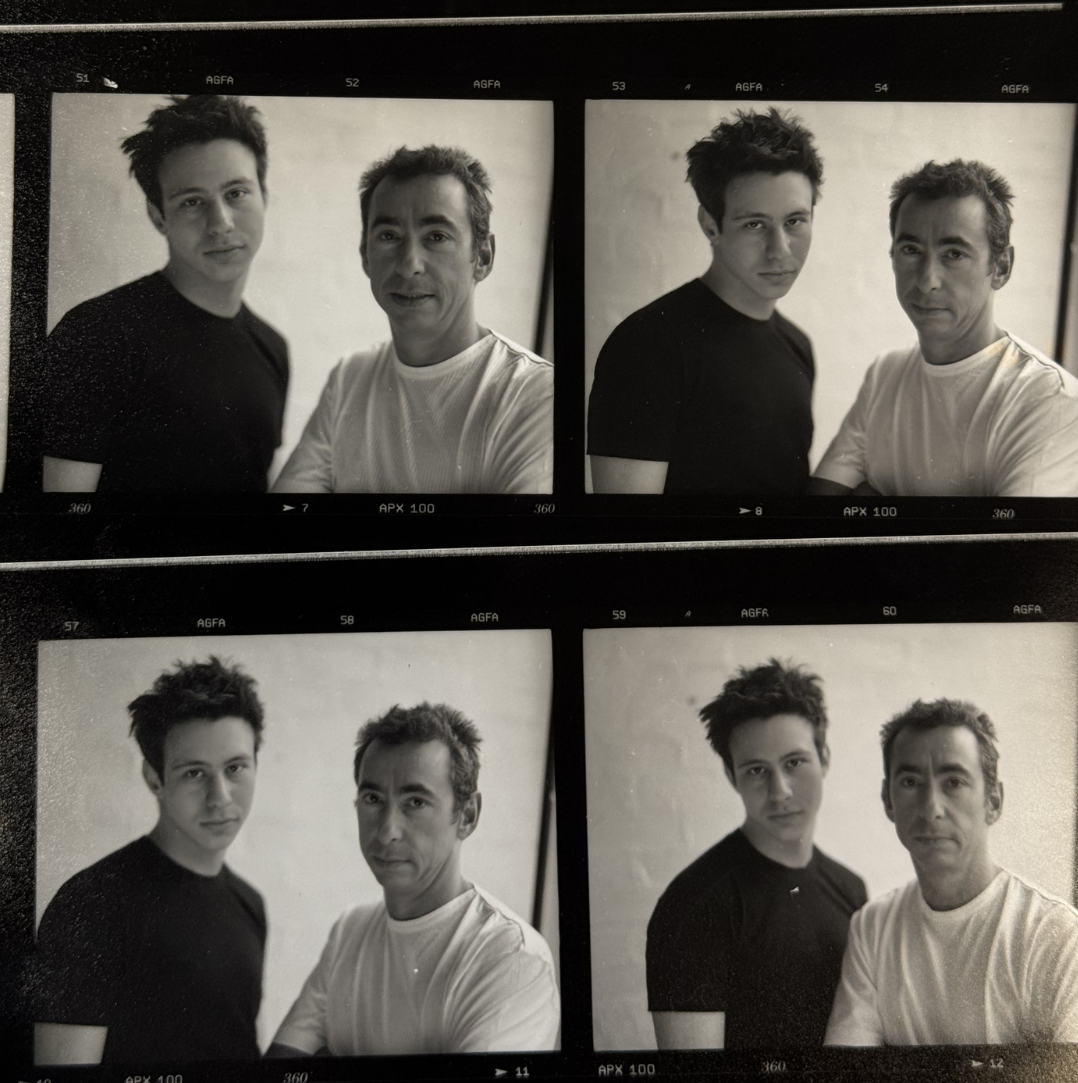
Luke had been working steadily—Sunday papers, a few pages for The Face, some i-D—when a booking came in that would change the shape of his career entirely. A shoot with renowned photographers Mert Alas and Marcus Piggott, featuring supermodel Gisele Bündchen and a then-unknown Charlotte Tilbury on makeup. "That was my first break," he says simply. "It catapulted me to really understand what great models and great photographers were, and how it made everything look better."
He's candid about how insecure he felt on set. "I had huge imposter syndrome. I got thrown into it at a very young age." The experience functioned less like a launch and more like an apprenticeship—a crash course in high-level creative collaboration. "I was just trying to be a sponge and soak up as much as possible. All their references, all their ideas. If I had the confidence then that I have now, it would have been amazing. But that's what time gives you."
Soon after, Luke booked his first shoot with photographer David Sims, which required him to cut a model's hair off—a model who didn't particularly want it to be cut. "It was kind of emotional," he says. "There was a huge responsibility. But the resulting images were extraordinary."
What the experience really taught him was about the importance of composure. "It was all about confidence. You need a bit of swagger, a bit of arrogance—but you also need to know your stuff." And when it comes to creative direction, he's developed a philosophy he still stands by today: never say no. "The worst that can happen is it doesn't work. But if you show willing, people want to collaborate with you. They want you on set."
The Body Language era
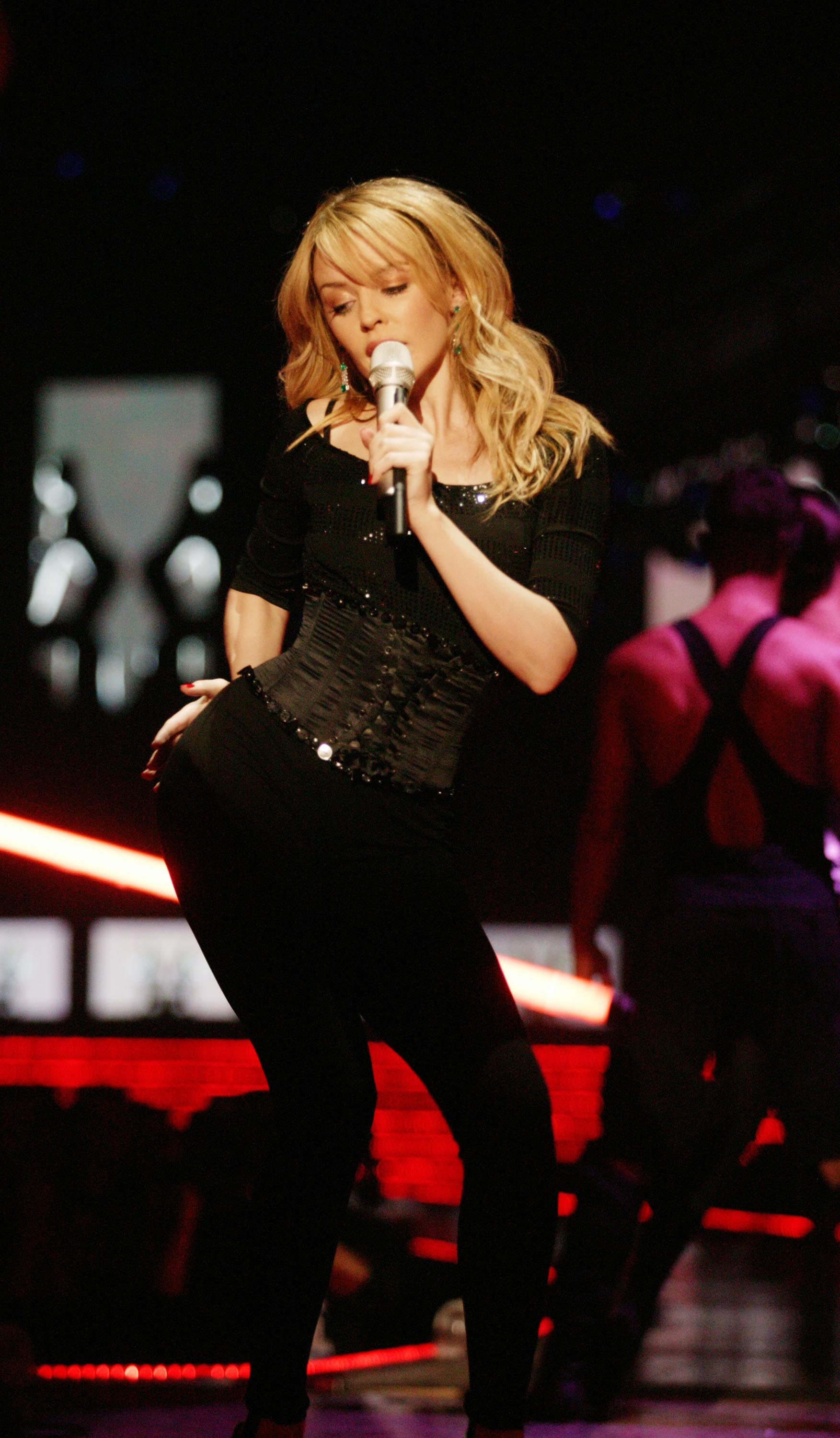
Kylie Minogue's Body Language era—i.e. latex bodysuits and caramel waves—remains one of the most referenced aesthetic moments of the early 2000s. Luke worked closely with her stylist William Baker to design the look from scratch. "We designed it around Bardot hair," he says, "and I suppose that was before that thing even became what it became—really before that hair look became synonymous with the next couple of decades."
For Luke, the lesson wasn't just about iconography. It was about the gap between editorial trend cycles and how change actually moves. "When you look at macro trends in the salon or on the street, they evolve much slower than you think—over a few years, not every season."
The bob that broke the internet
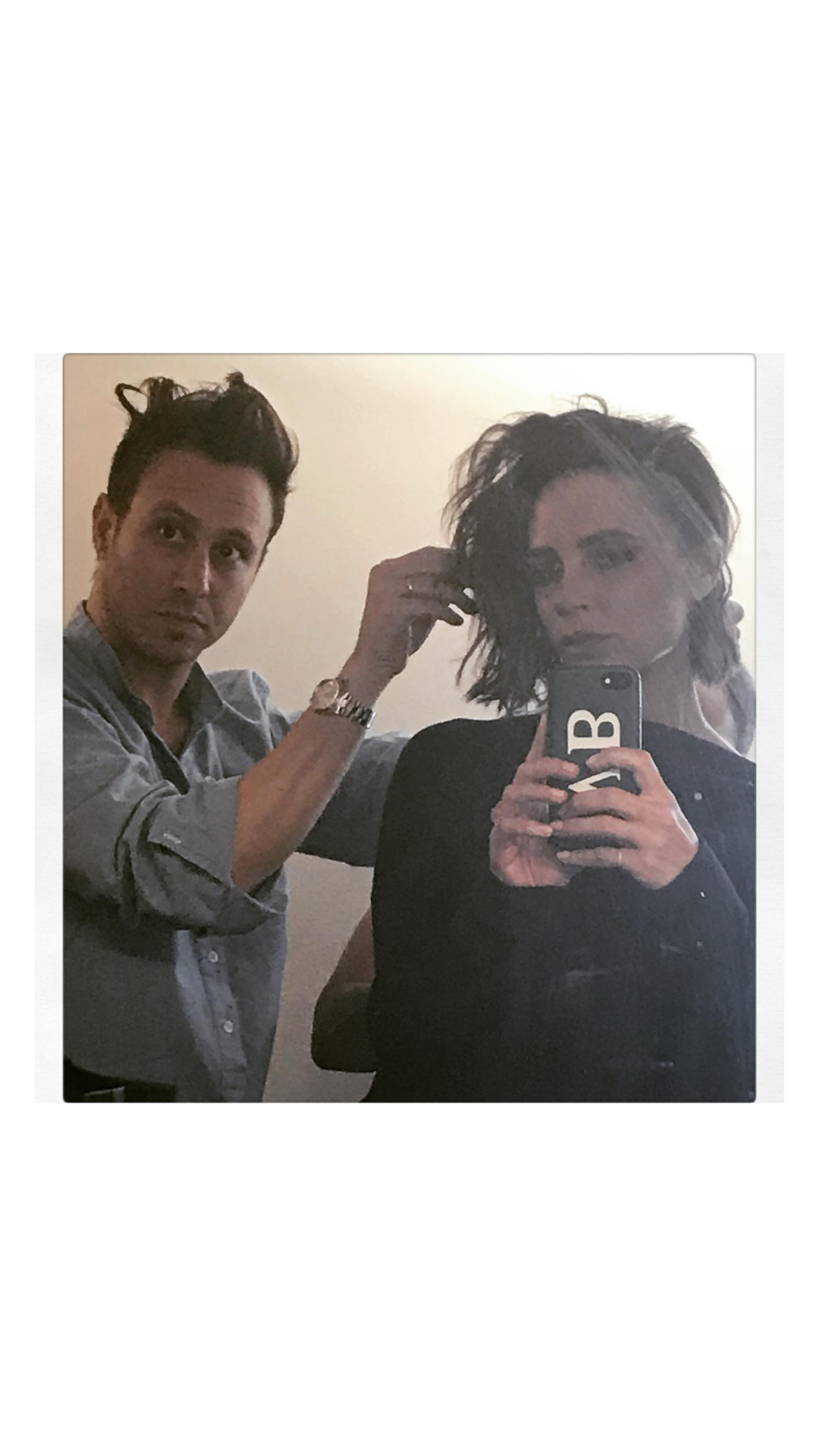
In 2015, Luke cut Victoria Beckham's hair into what became one of the most copied haircuts of the decade. "Bobs were just coming in," he says. "We were coming out of this moment of long hair." He'd cut Sienna Miller's bob not long before, and Alexa Chung had been rocking hers for years. But when Beckham went for the chop, something really resonated.
"It was a moment of minimalism and effortlessness—you can have a great haircut and look like you don't need to style it." The collaboration itself was very much two-way. "I think I came up with the 'why don't we chop it off?' And she was up for it, strangely. One of those magic moments." He's equally clear about what makes Beckham such a singular client: "She has a very strong sensibility of what she likes and what she doesn't like. That's what makes her brilliant."
Long-term relationships, he says, are where the best work happens. "There's a trust that's magical. The fear of trying things out doesn't exist. I think that's when you do your best work."
The blow-dry bar boom
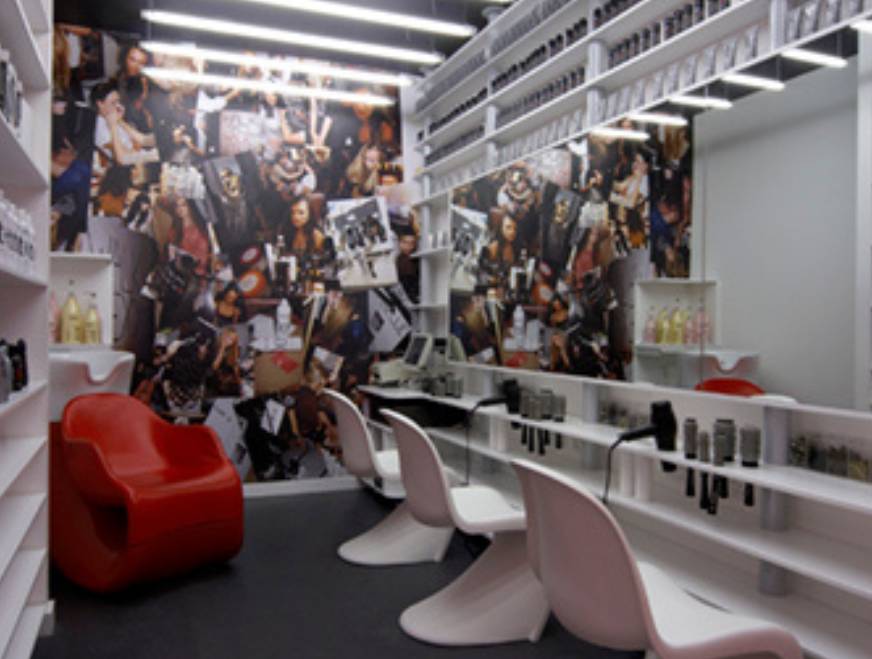
The early-to-mid 2000s congestion charge hit London's salons hard. Footfall dropped, and appointments slowly declined. And out of that pressure came something that would redefine the salon experience for the next generation. Daniel Hersheson came up with the concept of a blow-dry bar inside Topshop; Luke designed the menu—and together, they spotted the gap nobody else had seen. "Going for a blow dry in most salons meant a round brush blow dry, and everyone looked the same. Whereas we knew people wanted a beach wave, or a great messy updo, or a braid."
It was an immediate hit. "Everyone was like, 'Oh my god, why didn't we think of that?'" The ripple effect across the industry was tangible—hair menus became standard, and salons were suddenly expected to offer a variety of finishes and styles. "People demanded more from a hairdresser. It wasn't just a bouncy blow-dry anymore."
Dua, YSL, and the wig no one knew was a wig
More recently, Luke worked on a global YSL campaign with Dua Lipa—an experience that proved to be a different creative context entirely—more of a collaborative machine than a single person's vision. "There are so many ad agencies and creative directors involved," Luke says. "You're really just taking direction at that point." But there's a detail he's happy to reveal: the iconic bob in that campaign wasn't Dua's hair. "It was a wig. She'd grown her hair much longer and they wanted the bob back. You'd never know."
Lessons on great hair
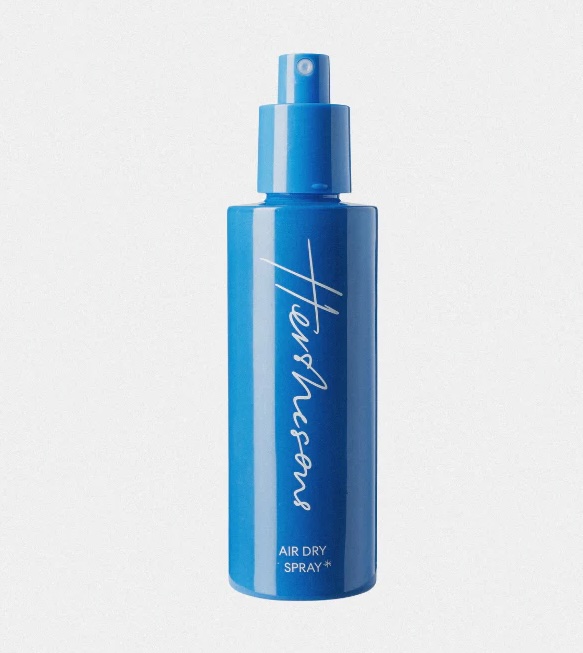
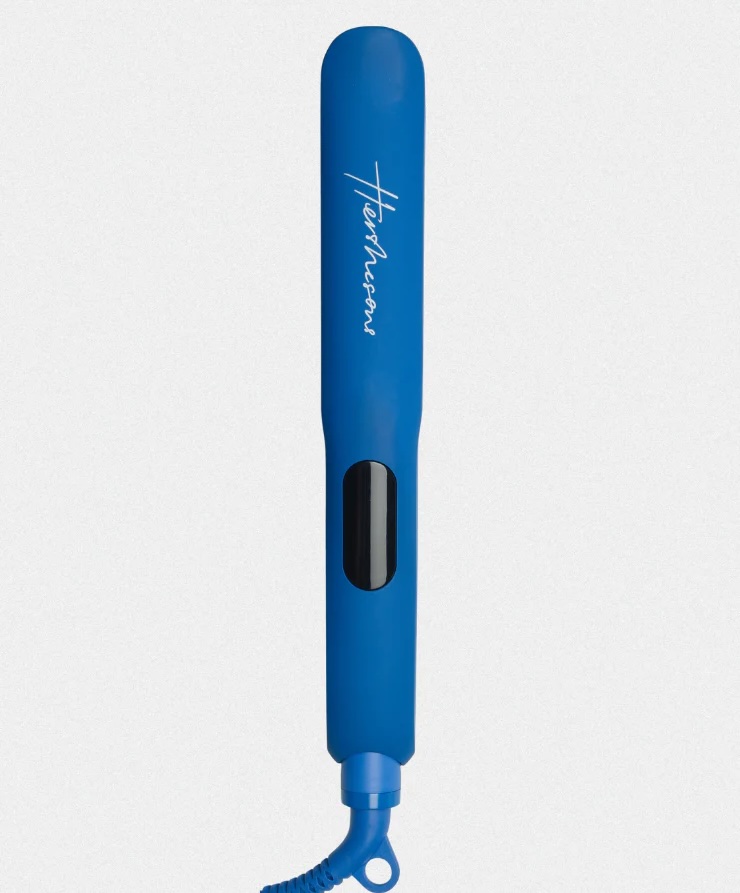
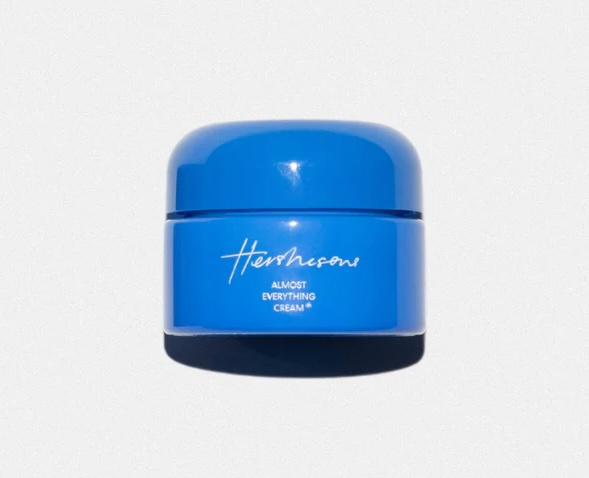
While Hershesons has grown into an empire of three salons and a namesake brand of hair tools and products, Luke's ethos hasn't shifted since the King's Road days. "I hate that some people think they have to get a blow dry to make their hair look good," he says. "Put some Almost Everything Cream on, spritz it with Air Dry Spray, tuck it behind your ears. Work with your natural texture and don't labour over it—it should look like part of you. I think that's what's timeless."
from Latest from Marie Claire UK https://ift.tt/0htDKs8
via IFTTT

No comments:
Post a Comment